
Kunsthaus Zürich: A Visitor's Guide to the Collection
Kunsthaus Zürich is the city's flagship art museum and the one collection worth building a short Zürich stop around. Its holdings run from Old Masters through Impressionism to contemporary work, with a strong Swiss painting section. Two hours covers a focused slice; half a day lets you work through the whole route without hurrying.
The museum sits at Heimplatz 1, on the edge of the old town, within easy walking distance of Bellevue and the lake. That location makes it simple to fold into a day that already includes the center. If you want the wider set of city sights, Zurich Attractions: 8 Visitor Guides maps the options around it.
What the Kunsthaus Zürich is
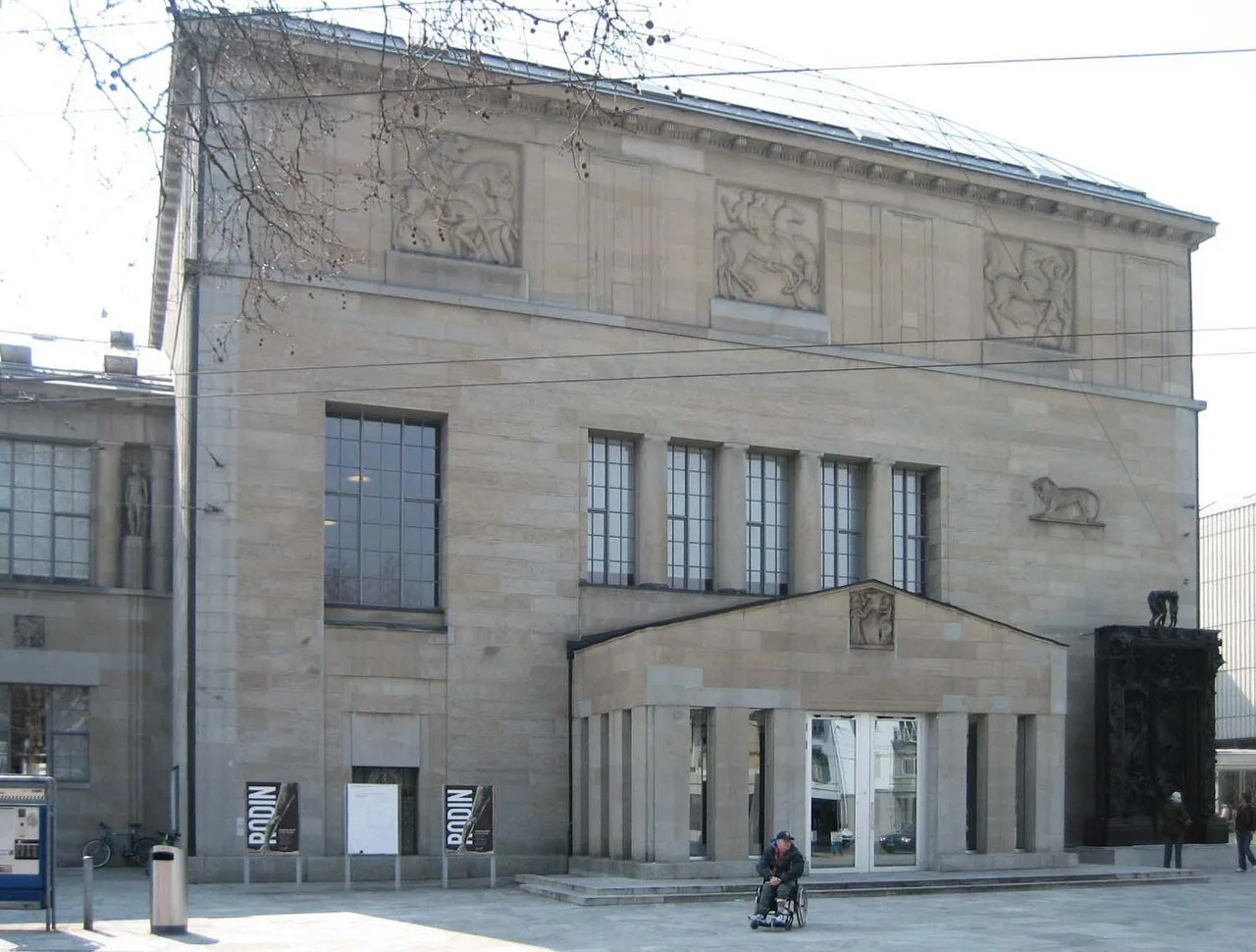
The Kunsthaus is a large, multi-floor art museum rather than a single-exhibition venue. Its permanent collection runs to roughly 4,000 paintings, sculptures and installations, and the museum sits at Heimplatz 1. That breadth is the reason to give it real time instead of a quick pass.
Zürich's own tourism board treats the Kunsthaus as the city's headline art museum, praising its collection and calling it a must for art fans. The same page groups it with other local art museums, so you can see at a glance how it differs from smaller, more specialized collections nearby.
A single visit works best if you accept that you will not see everything. Pick two or three sections to do properly, and let the rest wait. The building rewards a planned route far more than an aimless wander.
Where it sits and how to get there
Heimplatz 1 places the Kunsthaus just outside the old town, a short walk from Bellevue and the lakefront. From the central streets, the walk takes only a few minutes and is easy to combine with a stroll along the Limmat.
Trams serve the Heimplatz stop directly in front of the museum, which is the simplest option if you are coming from Zürich Hauptbahnhof with luggage or in bad weather. Confirm the current line and stop before you set out, since routes change.
If you arrive by train, the Swiss National Museum beside the main station is a different collection entirely, so do not confuse the two. Plan the Kunsthaus as its own stop, and give it a clear block of time rather than squeezing it between errands.
The collection in outline
The paintings and sculptures are organized into broad sections: Old Masters, Impressionism and Post-Impressionism, contemporary art, and Swiss painting, with dedicated rooms for some artists. A floor plan at the entrance is worth taking, because the layout is not a simple loop.
The building has three levels, with the ground floor, first floor and second floor each holding part of the display. Contemporary art spans more than one level, which is where most visitors lose their bearings.
Old Masters
The Old Masters rooms are where a visit naturally begins, with older European painting before the modern collections take over. They sit together on one level, so you can move through them in sequence rather than doubling back.
Start here even if modern art is your main interest. The contrast with the later rooms makes the Impressionist and contemporary galleries read more clearly, and it keeps your route moving in one direction.
Impressionism and Post-Impressionism
This is the section most visitors come for, and it delivers: rooms given over to Vincent van Gogh, Claude Monet, Paul Cézanne and Edvard Munch. Named works include van Gogh's Self-portrait with bandaged ear and pipe and several of Monet's waterlily pond paintings.
The density is high, so resist the urge to see every canvas. Pick the artists you care about and give them a proper look, because the rooms reward slow attention more than a checklist.
The Munch and Segantini rooms upstairs
Upstairs, a dedicated room holds works by Edvard Munch and Giovanni Segantini, reached through the middle of three doors on that level. It is easy to miss if you stay on the ground floor, and it deserves its own stop rather than a glance on the way past.
Munch appears here as a painter in depth rather than a single famous image, alongside Segantini's alpine and figurative work. If you have already spent time in the Impressionist rooms, this floor makes a natural next chapter.

Contemporary art
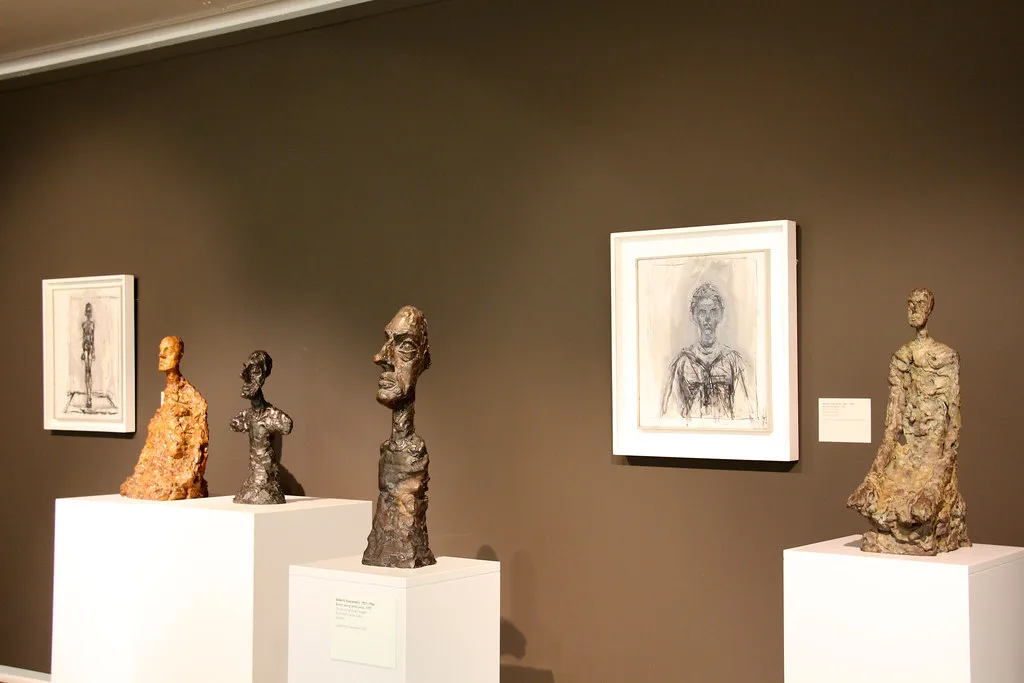
The contemporary section covers Pablo Picasso, Paul Klee, Alberto Giacometti, Piet Mondrian and Wassily Kandinsky, among others. Some of these hang in rooms that connect across floors, so follow the section's own stairs rather than cutting through other galleries.
Doors link contemporary art to the Old Masters on one level and to Impressionism on another, which is how visitors end up jumping between centuries. Finish one section before opening the next door, or the visit turns into a time-travel scramble.
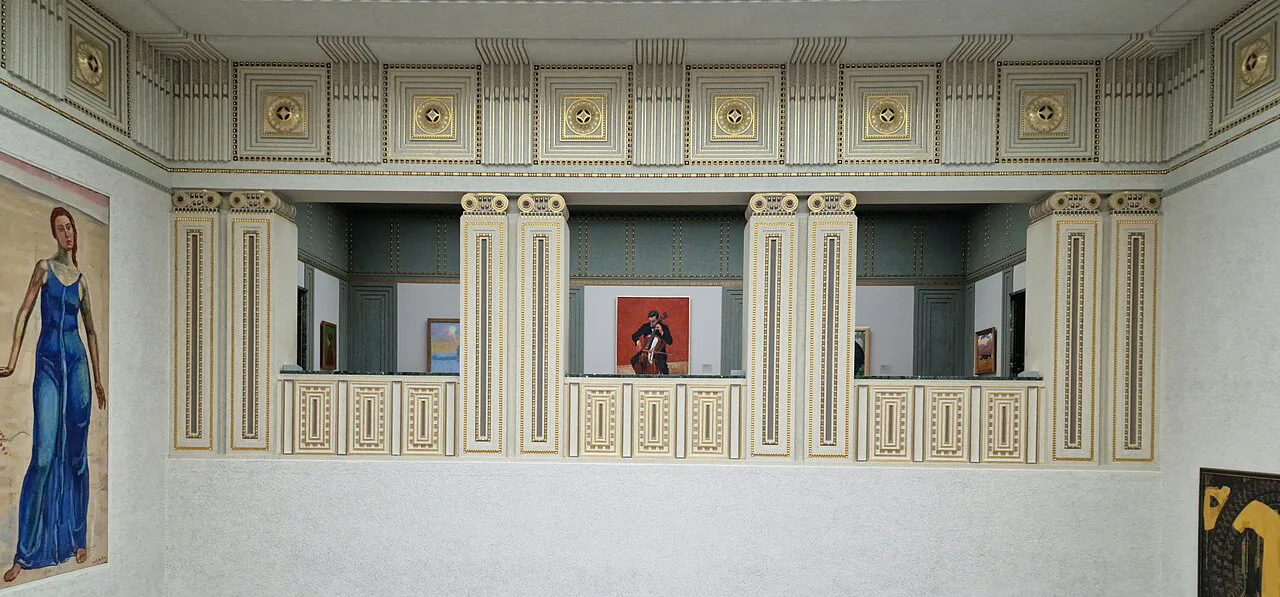
Swiss painting: Hodler, Böcklin and Füssli
A separate group of rooms holds Swiss painting, including Ferdinand Hodler, Arnold Böcklin and Heinrich Füssli, with a little French work mixed in. Hodler's Der Tag and Abend am Genfersee are among the pieces named in a 2016 account of the collection.
This is the section that distinguishes the Kunsthaus from a generic European art museum. If you have time for only one detour from the famous names, make it this one.
The Rodin sculpture outside the entrance
Beside the main entrance stands Auguste Rodin's Gate of Hell, with The Thinker visible on the gate itself. It costs nothing and takes about five minutes, so look at it before you go in rather than walking straight past.
It also makes a clear meeting point if you are arriving separately from the rest of your group. Step back far enough to see the whole work, not just the figures at eye level.
How the sections connect
The museum's layout is the main practical challenge: sections open into each other through multiple doors, and the floor plan can look confusing at first. Take a map at the entrance and decide your order before you start walking.
A workable route is Old Masters, then Impressionism, then the Munch and Segantini rooms, then contemporary art, then Swiss painting. It is not the only sensible order, but it keeps you moving forward instead of retracing steps.

How much time to allow
Two hours gets you a strong slice: the Impressionist rooms plus one other section, with time to actually look. Half a day lets you cover the full route at a reasonable pace, including the Swiss painting rooms and the floor upstairs.
Add an audio guide if you want context on individual works, since the stories behind the paintings run deeper than the labels. Budget a little extra time for it rather than trying to listen while rushing.
Tickets, opening hours and free-entry days
Admission, opening days and any reduced or free entry are set by the museum itself and change over time, so confirm them on the Kunsthaus Zürich website before you go. A 2016 visit account reports free entry to the permanent collection on Wednesdays, but treat that as a historical report rather than current practice.
Entry terms can also differ between the permanent collection and special exhibitions, so check which ticket you are buying. Prices are quoted in Swiss francs at the museum, and paying attention to the ticket type matters more than hunting for a discount.
Other art museums in Zurich
If the Kunsthaus is your priority, keep the rest brief: Zürich has a cluster of other art venues, including the Migros Museum of Contemporary Art and Museum Haus Konstruktiv, both listed by the city's tourism board alongside the Kunsthaus.
Museum Rietberg, set in a park and holding art from outside Europe, is the strongest alternative if you want a different kind of collection. These are worth a separate trip rather than an add-on to a Kunsthaus day.
Pairing the visit with the old town
Heimplatz is close enough to the old town that the Kunsthaus fits naturally into a walking day. After the museum, head toward the Limmat and cross into the historic center for the churches and squares.
Grossmünster, with its twin towers, is the obvious next stop on foot from the museum. Fraumünster and the Lindenhof viewpoint round out a compact loop without any further transport.
If you would rather stay on the museum side of the river, the Zürich neighborhood guides break the city into areas so you can see what else sits within a short walk.
Plan Your Visit
Build the Kunsthaus around the sections you actually care about: Impressionism and the Munch room for most visitors, with the Swiss painting galleries as the rewarding extra. Arrive with a route in mind, take the floor plan, and finish one section before starting the next.
Check the Kunsthaus Zürich website for current opening hours and ticket terms before you travel, then set aside two hours minimum. Pair it with a walk along the Limmat afterward and the museum becomes the anchor of a full Zürich day.
Explore more Zurich guides
Frequently Asked Questions
Where is the Kunsthaus Zürich located?
The Kunsthaus Zürich stands at Heimplatz 1, on the edge of the old town and a short walk from Bellevue and the lakefront. Trams stop at Heimplatz directly in front of the museum, which is the easiest approach from Zürich Hauptbahnhof.
How much time should I allow for the Kunsthaus Zürich?
Two hours covers the Impressionist rooms plus one other section at a comfortable pace. Half a day lets you work through the full route, including the Swiss painting rooms and the Munch and Segantini room upstairs.
What famous works are in the Kunsthaus Zürich?
The collection includes van Gogh's Self-portrait with bandaged ear and pipe, several of Monet's waterlily pond paintings, and works by Cézanne, Munch and Picasso. Hodler's Der Tag and Abend am Genfersee represent the Swiss painting rooms, and Rodin's Gate of Hell stands beside the main entrance.
Is the Kunsthaus Zürich free on any day?
A 2016 visit account reports free entry to the permanent collection on Wednesdays. Treat that as a historical report rather than current practice and confirm admission terms on the Kunsthaus Zürich website before you travel.
Is the Kunsthaus Zürich worth it on a short Zurich trip?
Yes, if you want one deep art stop rather than several shallow ones. The collection spans Old Masters to contemporary work with a strong Swiss section, and Heimplatz is close enough to the old town that it fits into a walking day.