Things to Do in Lucerne: Old Town, Museums and Lake
Plan your days in Lucerne with the Chapel Bridge, Old Town squares, major museums, lake boats and mountain trips, plus how much time each one really takes.
On this page
Lucerne works as a city break because the headline sights sit within a short walk of each other: the Chapel Bridge and Water Tower, the painted facades of the Old Town on the north bank of the Reuss, and the station and lakefront on the south bank. The mountain trips need a half day or more, so the real planning question is how many of those you can fit without turning the trip into a rush.
This guide sorts the city by area and by theme, so you can sequence a day without backtracking. It also gives you a clear one-day core and a two- and three-day version, and treats Mount Pilatus and Mount Rigi as the real choice they are. Start with the full set of Lucerne Attractions: 8 Visitor Guides if you want one place per page.
Why Lucerne Rewards a Short Stay
Lucerne is compact and central, with lake and mountain views within the city itself, which is why a short stay can feel full rather than thin. The Old Town, the bridges and the lakefront sit on top of each other, so you can walk from one to the next in minutes rather than planning around transport. That density is the argument for spending your time on foot and saving the longer excursions for the mountains.
The trade-off is that the famous sights are also the crowded ones, and the mountain railways are seasonal and weather-dependent. Build your days around a core that works in any weather, then slot in a mountain day when the sky is clear. If you only have one day, keep it in the center and leave Pilatus for a longer trip.
How Lucerne Is Laid Out: Two Banks and the Lakefront
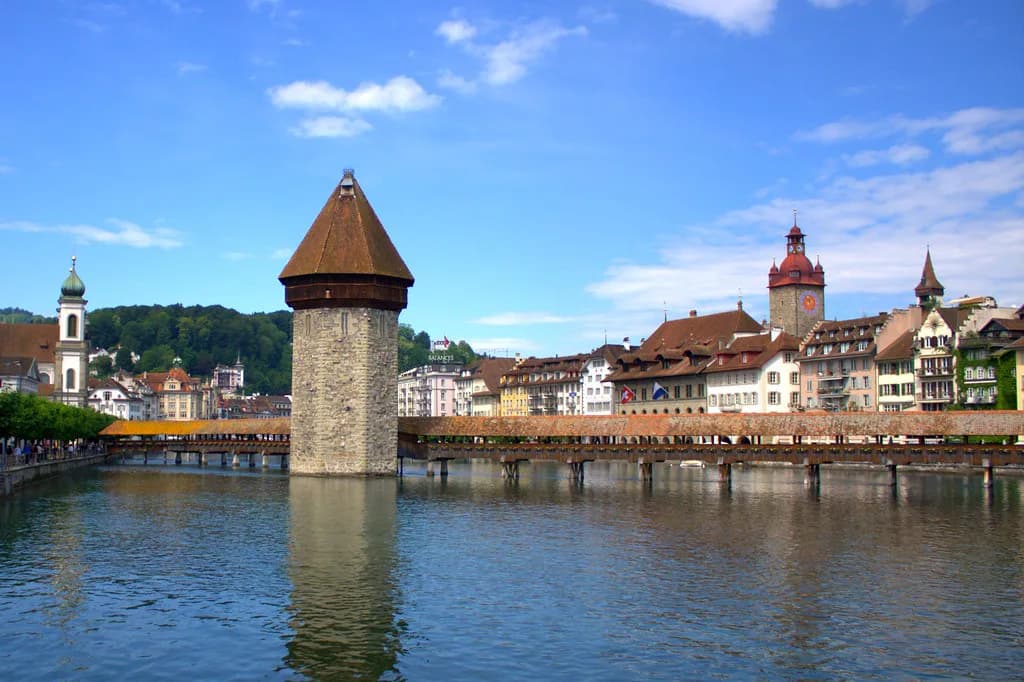
The Reuss splits the center into a north bank and a south bank, and the lake opens out to the east. The Old Town and the Chapel Bridge sit on the north side, while the main station and the lakefront piers sit on the south side, so a loop across the bridges is the natural way to see the center. Walking is the practical way to get around, and it is also the best way to absorb the sights.
Plan your first walk as a loop: cross the Chapel Bridge, wander the Old Town, cross back on a second bridge and finish on the lakefront. That route covers the Water Tower, the painted facades and the water in one pass, and it sets you up for the museums and markets on later days. A Lucerne Self-Guided Walking Tour gives you a ready-made order for that loop.
The Chapel Bridge and Water Tower: What to Look For
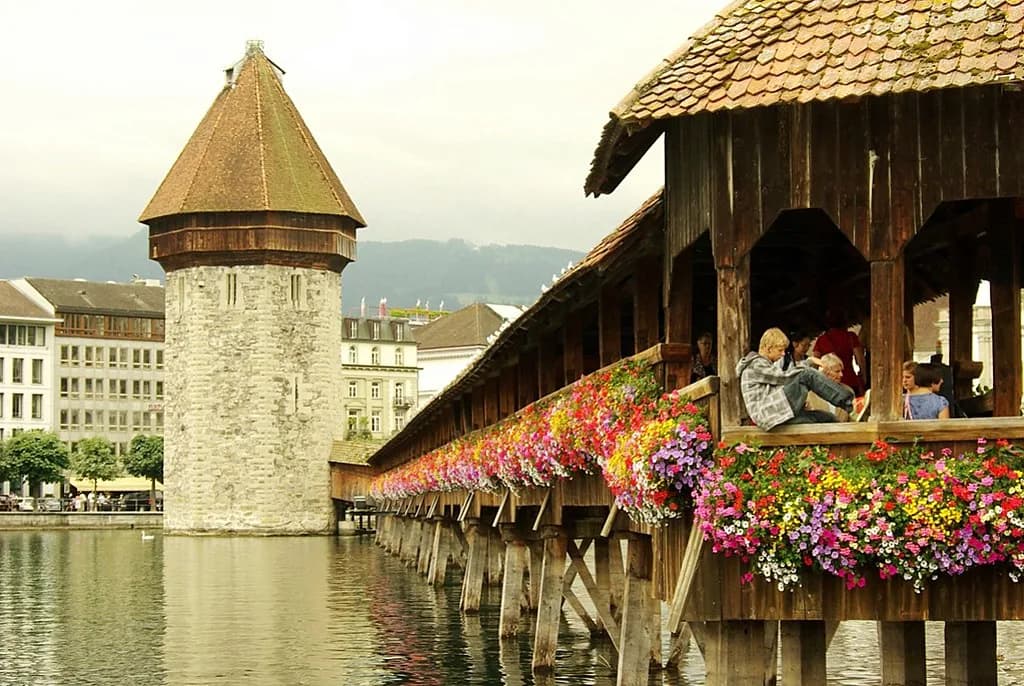
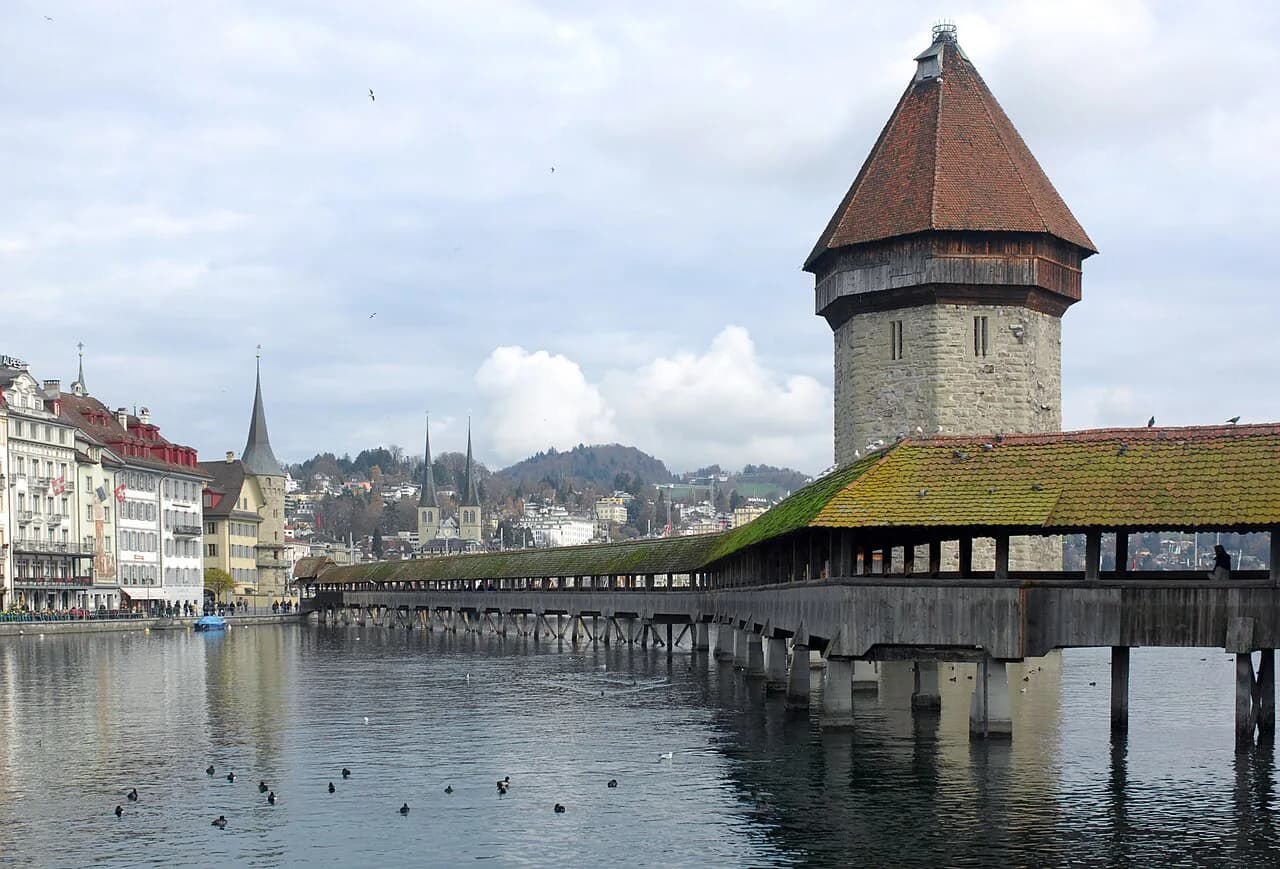
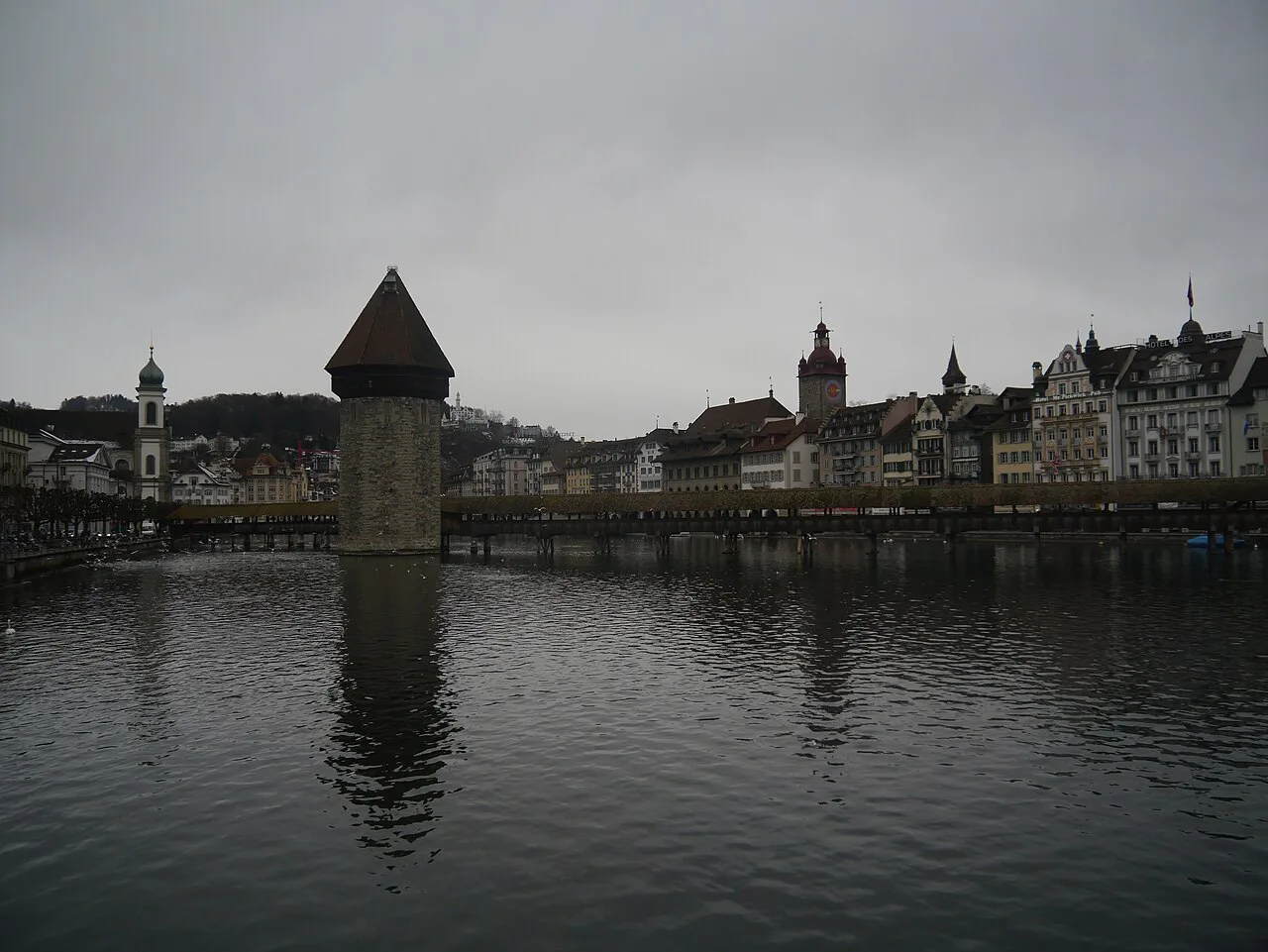
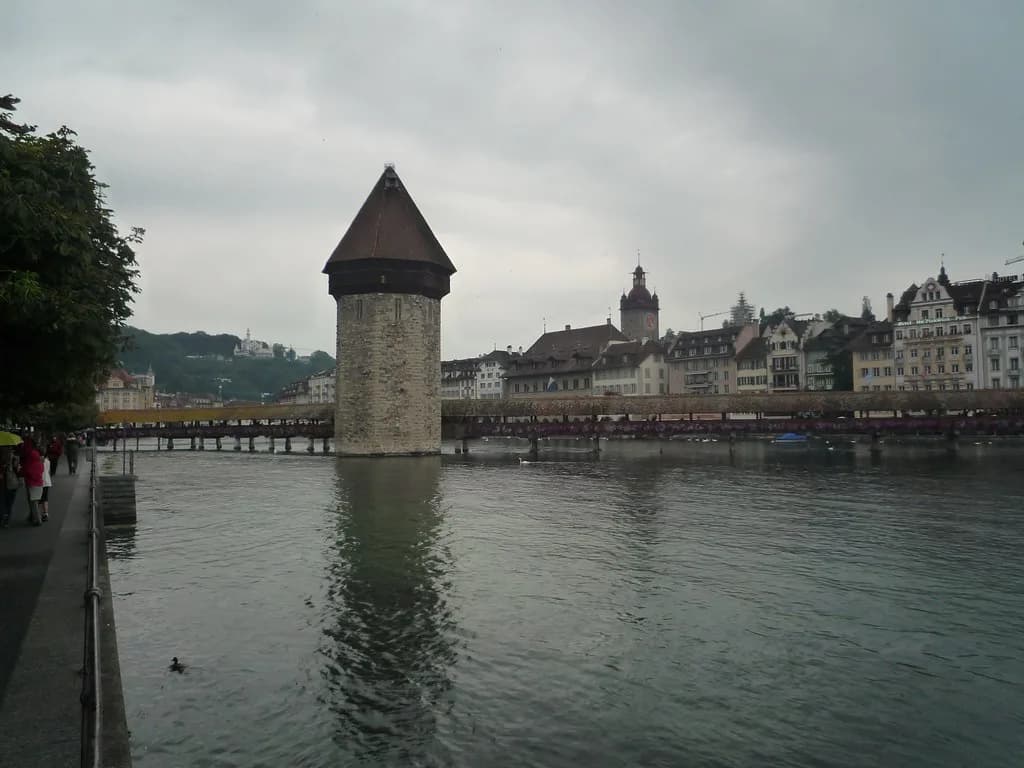
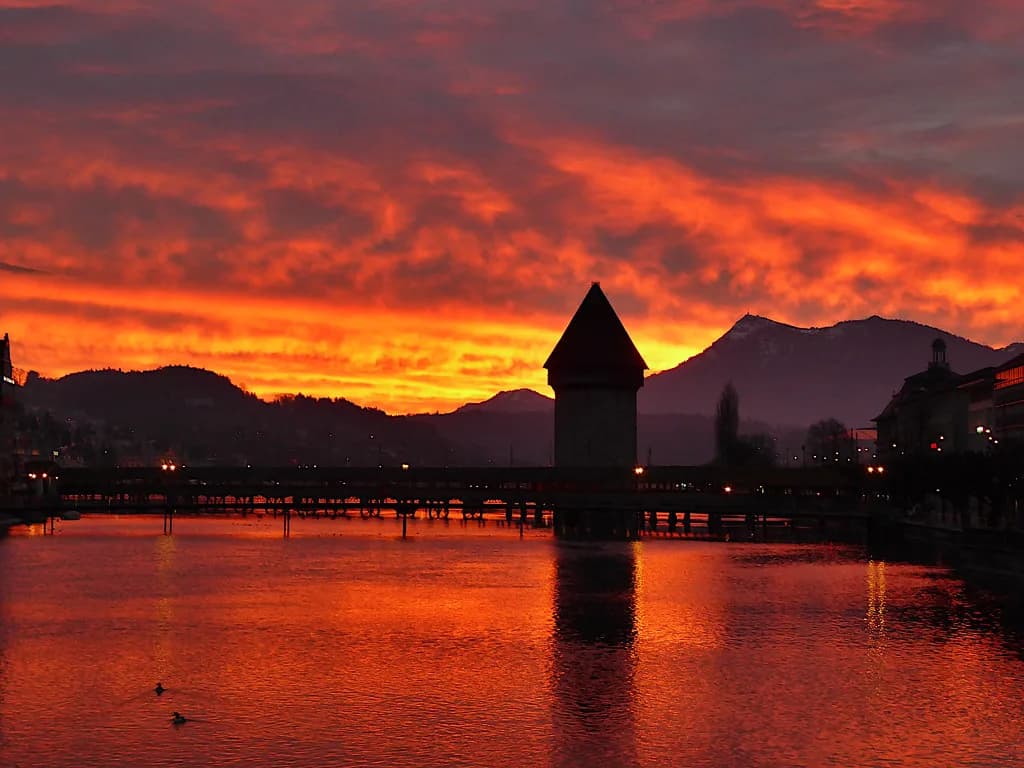
The Chapel Bridge is Lucerne's most photographed landmark, and the reason to slow down on it is overhead: the roof panels carry paintings that depict the city's history. Look up as you cross rather than treating the bridge as a quick photo stop. The Water Tower stands in the river beside it and is part of the same view.
The bridge is open at all hours and free to walk, so pair it with the riverbanks rather than making it a separate outing. Forum regulars treat the Old Town bridges as the core of a Lucerne day, which matches how the center is arranged. If you want the bridge's story in context, adding a few other free stops keeps the cost of that first walk low.
Old Town on Foot: Squares, Facades and the Wochenmarkt
Old Town Lucerne is the north-bank quarter of painted facades, small squares and shopping streets, and it rewards wandering more than checklist ticking. The Wochenmarkt runs on Tuesday and Saturday mornings near the Chapel Bridge, with bread, cheese, produce and flower vendors on both sides of the bridge. Treat the market as a morning plan and the shops and squares as the afternoon follow-on.
The market is the best free thing in the Old Town, but it only happens twice a week, so check the day before you build a morning around it. The shopping streets double as sightseeing, and the shopping in Lucerne guide covers the arcades and lanes worth walking. Give the Old Town at least half a day on foot, more if you like browsing.
The Jesuit Church and the Baroque North of the Alps
The Jesuit Church is on the Old Town side and is easy to include on the same walk, since it is the first large Baroque church north of the Alps in Switzerland. It sits close to the river, so it fits naturally between the bridge and the market. Add it as a short stop rather than a destination in itself.
Museums Worth a Slot: Transport, Chocolate, Glacier Garden and Bourbaki
The Swiss Museum of Transport is the big one: it is interactive, with virtual reality and rides, and the Swiss Chocolate Adventure is inside it. That combination makes it a half- or full-day commitment rather than a rainy-hour filler, and the museum is widely described as Switzerland's most visited. Book a day pass if you plan to see the chocolate attraction as well.
If you want a museum cluster closer to the center, the Glacier Garden and the Bourbaki Panorama are on the same short list as the Old Town. The museums in Lucerne guide maps out the choices, including the Picasso collection, so you can match a museum to the day you have. On a one-day trip, pick the Museum of Transport or the center museums, not both.
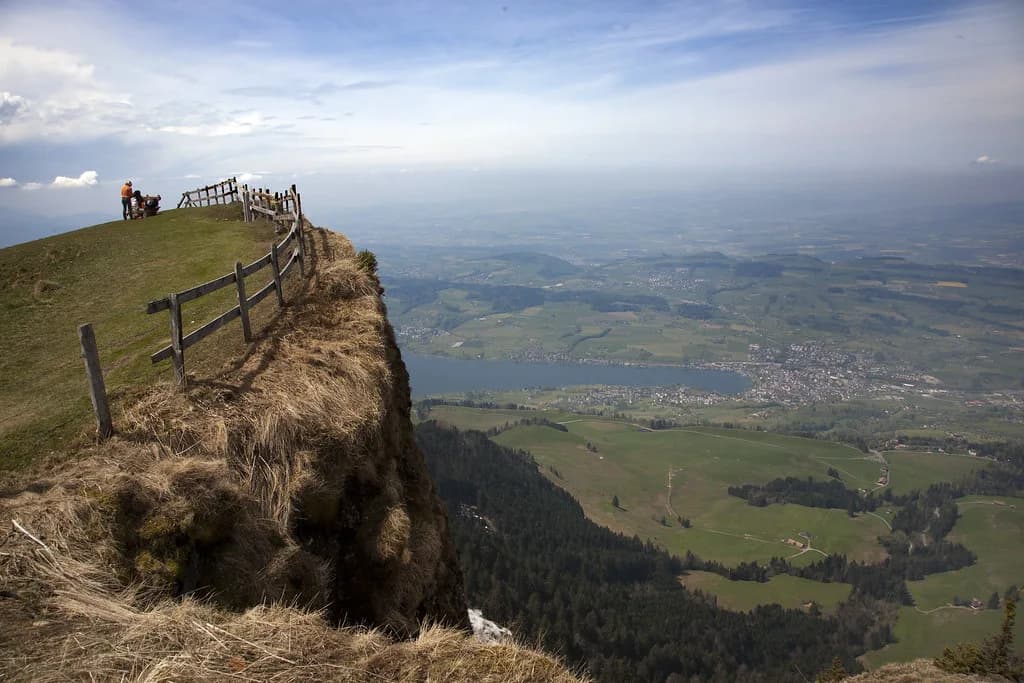
Mount Pilatus by Cogwheel Railway: The Steepest in the World
Mount Pilatus is reached by what is described as the steepest cogwheel railway in the world, and the ride takes about 30 minutes each way. The cable car wait can be an hour in the early afternoon, so go early or late if you want a shorter queue. That queue plus the ride time is the real cost of the trip, not the ticket.
The cogwheel railway is seasonal, so check operating dates before you commit a day to it, and watch the weather, since cloud can hide the views. The Lucerne Cable Cars and Funiculars guide covers the lift side of the trip. At the top, there are trails and viewpoints, and the mountain can absorb an afternoon easily.
Mount Rigi as the Alternative: The Oldest Cogwheel Railway
Mount Rigi offers the older cogwheel railway, and it is the natural alternative to Pilatus when you want a mountain day without the steepest-railway crowds. Both are worthwhile, so choose one rather than trying to fit both into a short trip. Rigi suits travelers who want the classic railway experience; Pilatus suits those who want the steepest line and the dramatic ride.
Lake Lucerne: What a Lunch Cruise Shows You
A lunch cruise on Lake Lucerne, the Vierwaldstättersee, gives you the Alpine landscape from the water with a meal on the upper deck, while the lower deck carries commuters. Board at Pier 1, and step out to the back deck for photos between courses. It is a good fit for solo travelers and couples alike, and it needs only a couple of hours.
The lake does not typically freeze in winter, so the boats can keep running when the mountains are fogged in. Treat the cruise as your bad-weather or half-day option rather than a mountain substitute on a clear day. It also gives you the lake perspective that the city walk cannot.
Best Views Without Leaving Town
You do not need a mountain for a view: the bridges, the riverbanks and the small elevation changes in the center give you lake and city panoramas for free. The Chapel Bridge and the Water Tower are the classic frame, and the riverbanks on both sides give you different angles. Build a viewpoint into each walk rather than making a separate trip.
If you want the best angles gathered in one place, Best Views in Lucerne covers the free options and the lifts worth paying for. Do the free ones on your first day and save a paid lift for the day the weather is clear.
When to Go: Winter Fog, Clear Days and Festivals
Winter is Lucerne's shoulder season, with fewer crowds and lower travel costs, but fog can hide the views and the mountain railways are seasonal. Summer gives you the boat cruises and the outdoor life, while spring and autumn split the difference. If you go in winter, keep the Old Town and museums as your core and treat a clear day as a bonus.
Winter also brings the Christmas markets and a light festival in January, which gives the season a reason beyond the cold. Both are date-specific and run on fixed annual schedules, so look up the Lucerne tourism office's event calendar for the dates of your visit.
How Many Days Lucerne Needs: One, Two or Three
One day gives you the Chapel Bridge, the Old Town, the Jesuit Church and the lakefront, with a museum if you move quickly. Two days adds the Museum of Transport or the Glacier Garden and Bourbaki Panorama cluster, plus a lake cruise. Three days adds one mountain day, either Pilatus or Rigi, without rushing.
The trade-off is clear: a mountain day costs you a museum day, and the cogwheel railway plus the queue can eat most of a day. If your trip is two days, keep the mountain out and stay in the center; if it is three, give the mountain its own day.
Practical Trade-Offs: What to Skip and How to Save
On a short trip, skip the second mountain and the second big museum, and do not try to see the lake and the mountain on the same day. Walking the center costs nothing, and the Wochenmarkt costs only what you buy, so the cheapest day is also the most characteristic one. Save the paid attractions for the ones you actually care about.
For free options, the free things to do in Lucerne guide lists the walks, markets and viewpoints that cost nothing. Check the Swiss Travel Pass and visitor cards for what they cover before you buy individual tickets.
Where Lucerne Fits Against a Zürich or Bern Base
Lucerne sits centrally, which makes it an easy base for onward connections to Zürich and Bern. If you are comparing cities, Things to Do in Bern covers the capital's Old Town of Bern, and Things to Do in Basel covers the Rhine-side city. A single sentence on onward travel is enough: Lucerne is compact enough to see between longer stops.
Plan Your Visit
Build your Lucerne days around the center first, because the Chapel Bridge, the Old Town and the lakefront are the sights you came for. Add a museum if you have a second day, and give a mountain its own day only if you have a third. That order keeps you from spending your whole trip in queues.
Check opening days and seasonal operation before you book, since the mountain railways and the markets do not run every day. Then pick your plan and leave room for a clear-day bonus.
Explore more Lucerne guides
Frequently Asked Questions
How many days do you need in Lucerne?
One day covers the Chapel Bridge, the Old Town, the Jesuit Church and the lakefront. Two days adds a museum or the Glacier Garden and Bourbaki Panorama cluster plus a lake cruise. Three days adds one mountain day, either Pilatus or Rigi, without rushing.
What are the must-see sights in Lucerne's Old Town?
The Chapel Bridge with its roof paintings, the Water Tower, the painted facades and squares, and the Jesuit Church are the core. The Wochenmarkt runs on Tuesday and Saturday mornings near the bridge, so time a morning around it.
Is the Swiss Museum of Transport worth a full day?
Yes, if you plan to see the Swiss Chocolate Adventure and the interactive exhibits. It is a half- or full-day commitment, so give it its own slot rather than treating it as a rainy-hour filler.
Should you do Mount Pilatus or Mount Rigi from Lucerne?
Pilatus has the steepest cogwheel railway and a ride of about 30 minutes each way, with a possible hour-long cable car wait in the early afternoon. Rigi has the older cogwheel railway. Pick one, and check seasonal operation before you commit a day.
What is there to do on a rainy day in Lucerne?
The Museum of Transport and the center museums are the obvious choices. A lake cruise also works when the mountains are fogged in, since the lake does not typically freeze in winter.
Is Lucerne worth visiting in winter?
Winter is the shoulder season, with fewer crowds and lower travel costs, but fog can hide the views. The Christmas markets and the January light festival give the season a reason beyond the cold, and the lake boats keep running.
Sources
Notes for your Swiss city break
Optional updates to our Swiss city guides.
You might also like
Continue reading
More guides you'll find useful