Things to Do in Basel: Old Town, Museums and the Rhine
Plan things to do in Basel by area: the Münster and old town, the Tinguely and Kunstmuseum collections, the Rhine bridges and the Dreiländereck.
On this page
Basel is worth visiting for a compact old town on the Rhine, a cathedral with a tiled roof unlike any other in Switzerland, and an art scene serious enough to justify a full museum day. The city sits in northwestern Switzerland where France and Germany meet, roughly an hour from Zürich by train, so it works as a stand-alone city break or a stop between Alsace and the Swiss interior. One day covers the historic core on foot; two days let you add a major museum and an unhurried afternoon by the water.
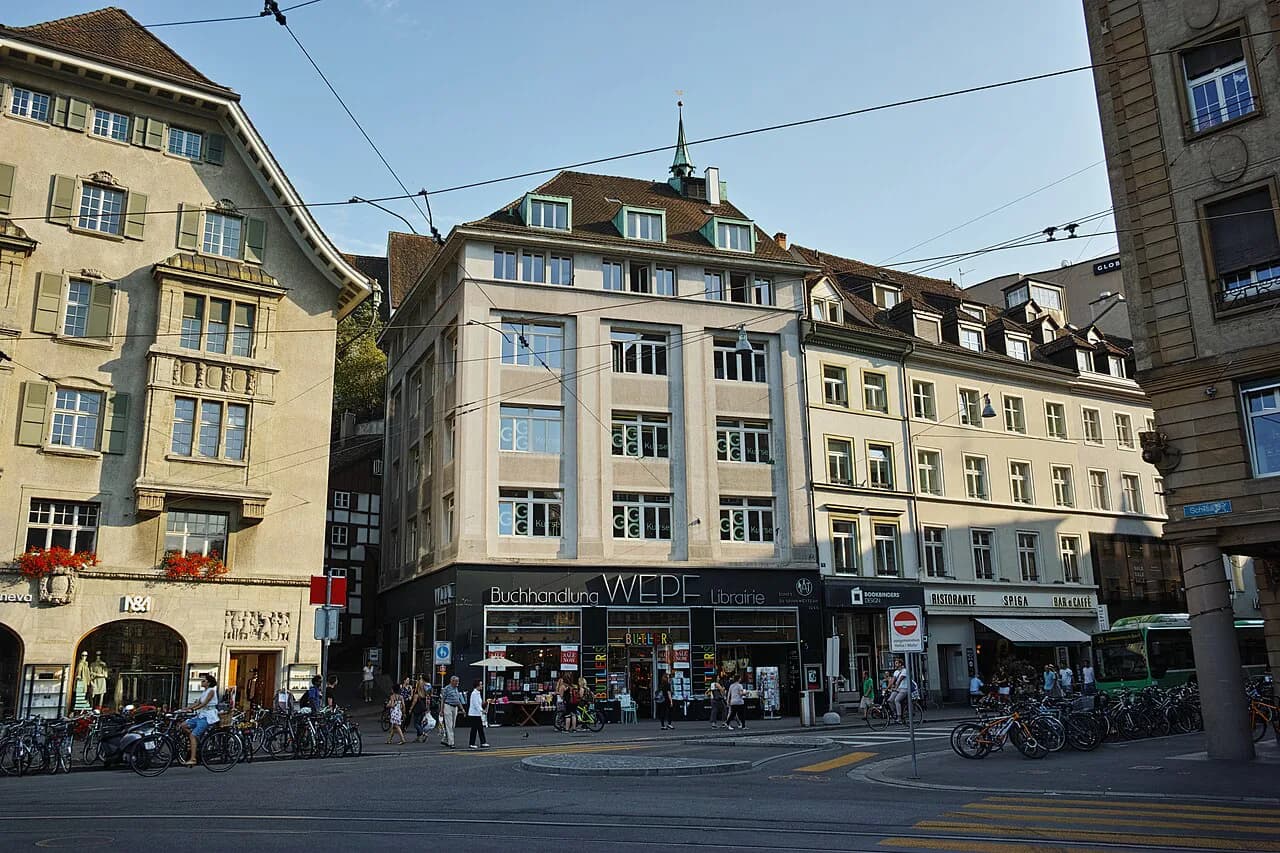
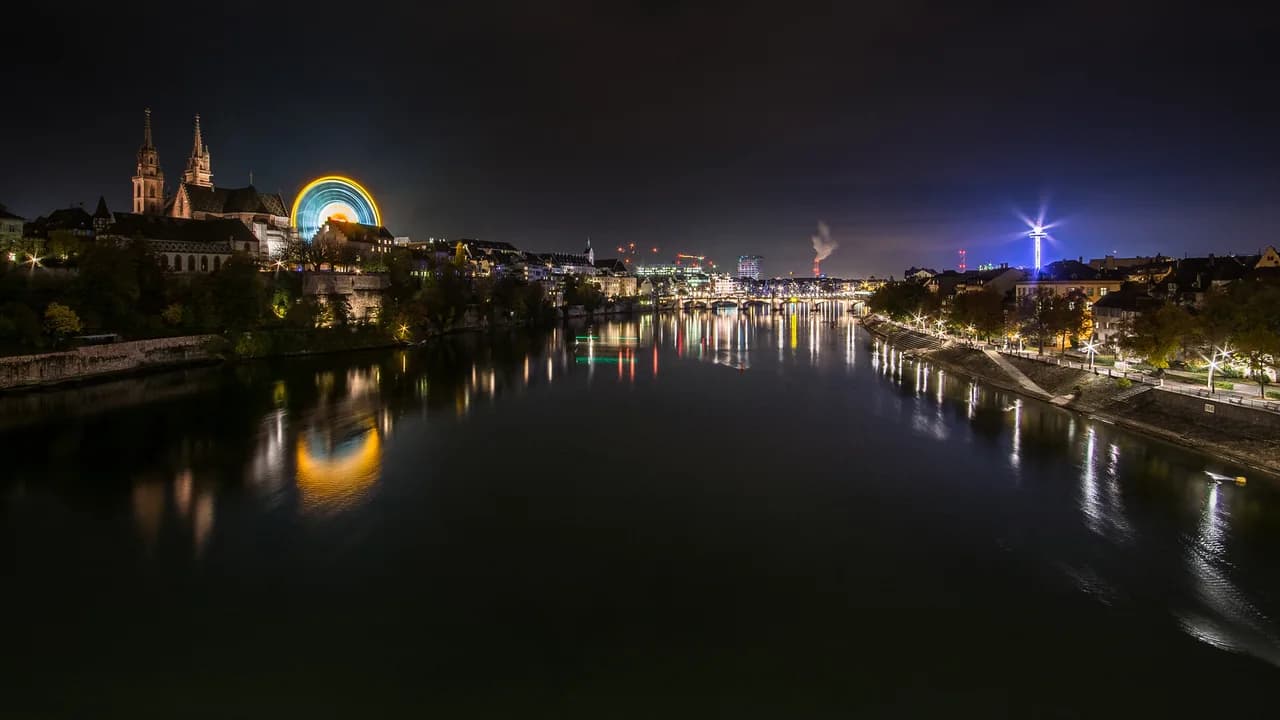
The geography makes planning easy once you understand one fact: the Rhine splits the city, and almost everything a first-time visitor wants sits on the left bank, south of the river. The Münster, the Rathaus on Marktplatz, Spalentor, the Markthalle and the main museums cluster within a walkable radius of each other. The right bank, Kleinbasel, is where the Mittlere Brücke lands and where the riverside bars sit. Group your day by bank rather than by theme and you avoid crisscrossing the bridge.
What to do in Basel: the short answer and how the city is laid out
Start with the old town: Münsterplatz and the Basel Minster, the red Rathaus on Marktplatz, and the Spalentor gate are all within a short walk of each other. Then pick one museum, cross the Rhine on the Mittlere Brücke, and finish on the right bank. Visitors consistently describe the city as compact and very walkable, with bikes and trams outnumbering cars and the main sights close together.
For a street-by-street route through the historic core, work through the old town in one direction and let the river be your finish line. A Basel self guided walking tour is the simplest way to see the fountains, courtyards and gate without doubling back.
Basel rewards attention to small things: the ornate public fountains on almost every corner, each with a different design, and the painted facades that turn an ordinary walk into a scavenger hunt. Many of the fountains are not meant for drinking, but they remain a free, distinctive part of the streetscape.
How many days Basel needs: one day, two days, or a half-day stop
A day lets you experience most of the main sights, and two days give a proper feel for the place. That is the honest arithmetic for a compact city with a handful of outlying spots. If you are arriving from Strasbourg or Colmar, a single day is realistic; if you are coming from further afield, give it two.
A half-day works only if you concentrate on the old town and skip the museums. The Minster, the Rathaus exterior, Spalentor and a Rhine crossing fill three or four hours comfortably. Add a museum and you need the full day.
The old town on foot: Marktplatz, Rathaus, Spalentor and the ornate fountains
The Rathaus, or Town Hall, is the building most visitors remember: a large red structure over 500 years old, covered in decoration, with three arched doorways leading to an inner courtyard that is arguably finer than the facade. Walk through and climb the steps to see the ornament up close. The building is closed on weekends, so plan your old town wander for a weekday if the interior matters to you.
Spalentor is the most spectacular of the three surviving city gates, largely restored but still carrying the carved figures, turrets and tiled roof that echo the Minster. You can walk under or around it, and the adornments higher up reward a pause. From here the university Botanical Garden is a short walk away, which makes a natural pairing.
Basel Minster (Münster): the roof, the tower climb, the crypt and what entry costs
The Basel Minster is defined by its roof, an intricate mosaic of dark green, maroon, burnt yellow and off-white covering every inch of the tiles. Entry to the church is free, and you pay extra to climb the tower steps for the view. The Minster is rarely open past 4pm or 5pm depending on the season, the crypt is viewable only in the summer months, and guided tours can be arranged for a fee, mostly on Saturdays.
Treat the Minster as your anchor sight and build the morning around it: Münsterplatz, the terrace above the Rhine, and the walk down to the Mittlere Brücke. It is also one of the best free stops in a city where paid attractions add up fast, alongside the Botanical Garden and the fountains.
The museums that justify a day: Kunstmuseum Basel, Museum Tinguely, and the smaller collections
Basel is a museum city. Most museums cost between 10 and 20 CHF per person, which puts a single visit in the same range as a modest meal. Museum Tinguely, in Mario Botta's building on the Rhine, displays works from every phase of Jean Tinguely's career, including the sound-mixing Méta-Harmonies and the room-filling Mengele Death Dance cycle. It opens Tuesday to Sunday from 11am to 6pm, Thursdays until 9pm, with an entrance fee of 18 CHF.
Kunstmuseum Basel is the other essential, one of the oldest public art museums in the world, with a collection rooted in the city's 1661 purchase of the Amerbach collection and now spread across three venues. Pick one venue rather than trying to cover all three. Beyond these, the city has nearly 40 museums, from the Swiss Museum of Paper, Writing and Printing in the medieval paper mill to the Caricature and Cartoon Museum and the Natural History Museum.
Crossing the Rhine: Mittlere Brücke, the riverfront and where the city feels alive
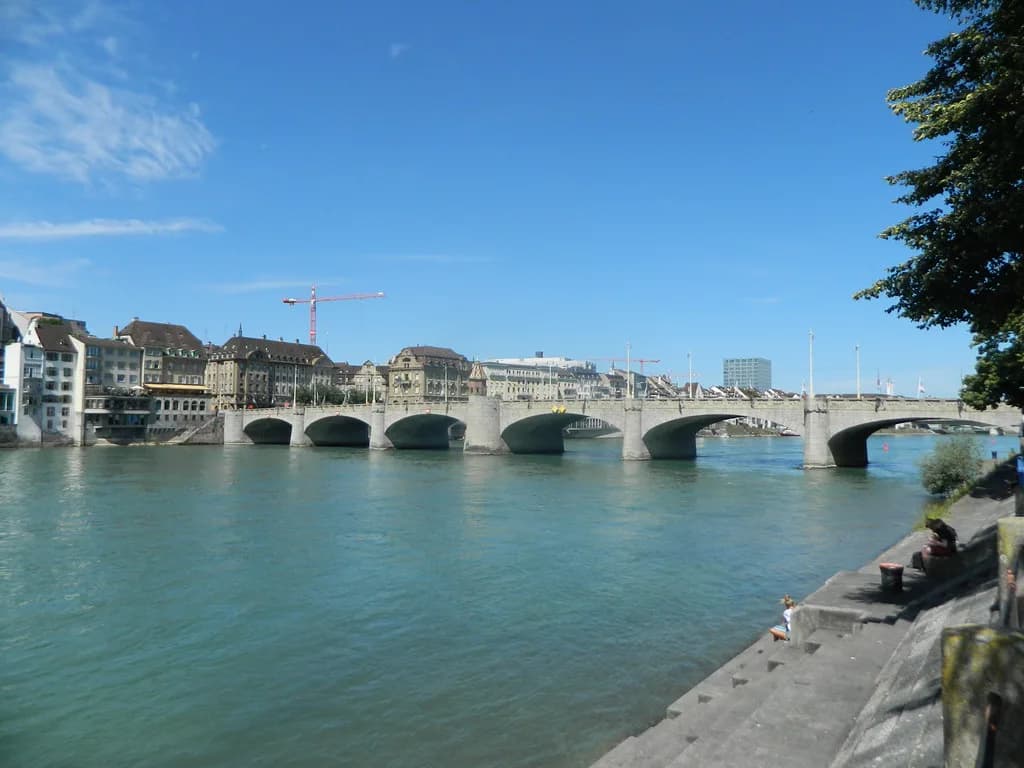
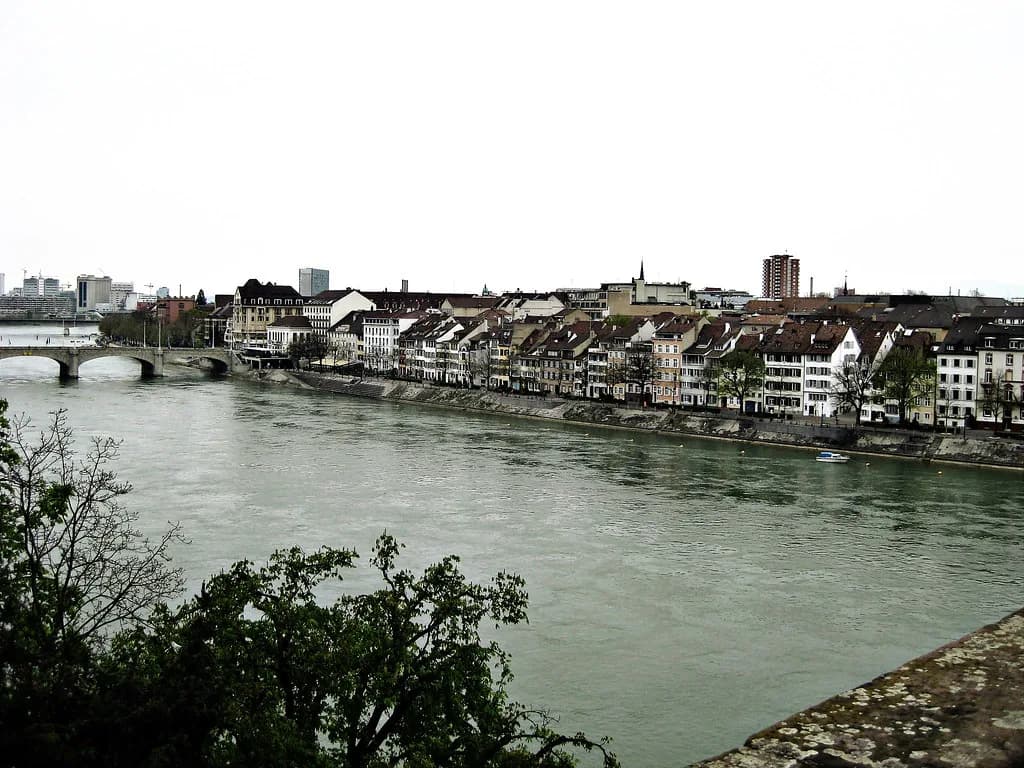
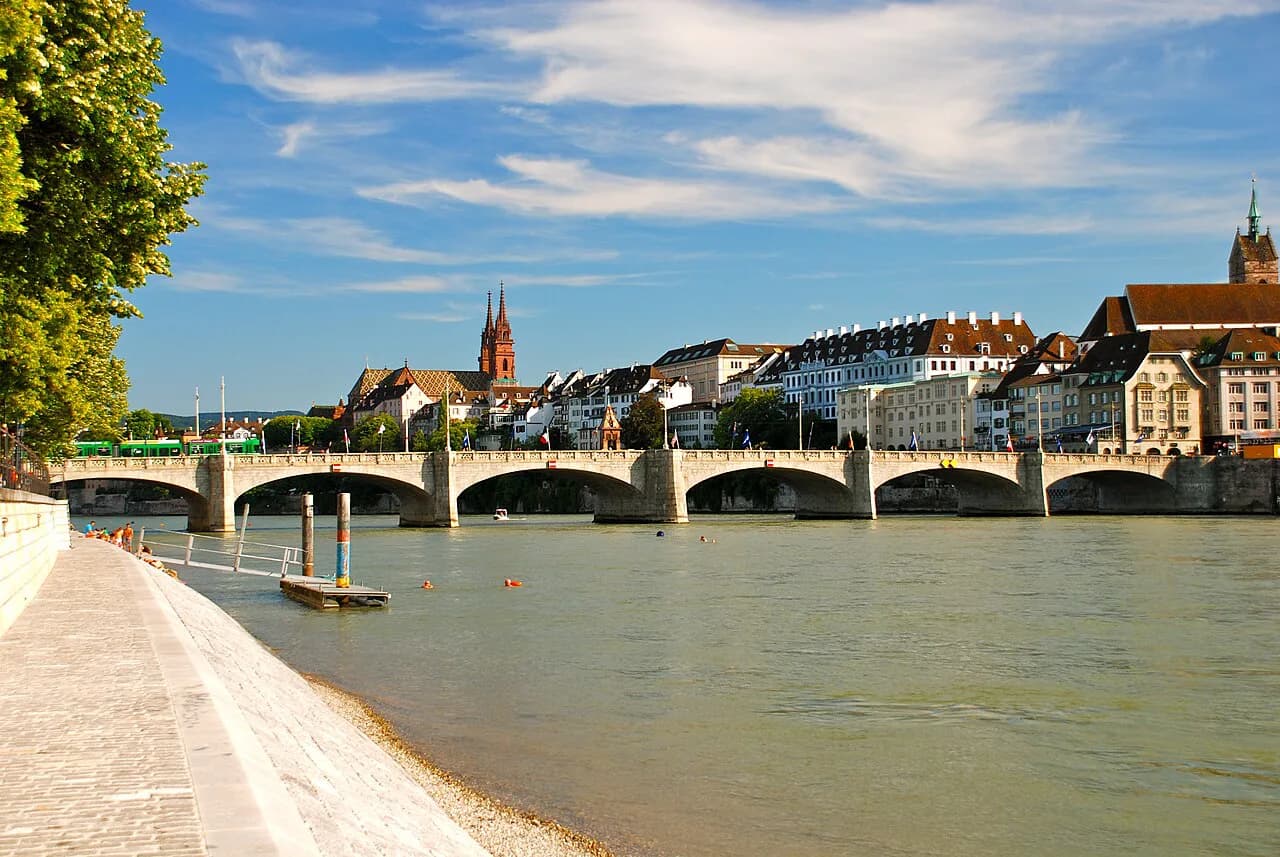
The Mittlere Brücke is the city's most historic crossing: the current structure has stood for over 120 years, on a site where a bridge has existed for more than 800. Only bikes, buses and trams use it, which makes the crossing calm enough to stop and look. The tower in the middle carries the same tiled mosaic pattern as the Minster and Spalentor, so watch for it.
On the right bank, between the bridge and the Dreiländereck, riverside bars and cafes set out seating close to the water, from coffee to beer to cocktails. This is where the city feels most alive on a warm day, and it is the natural place to end an afternoon of walking. Trams, not cars, dominate the streets on both banks, which keeps the old town quiet.
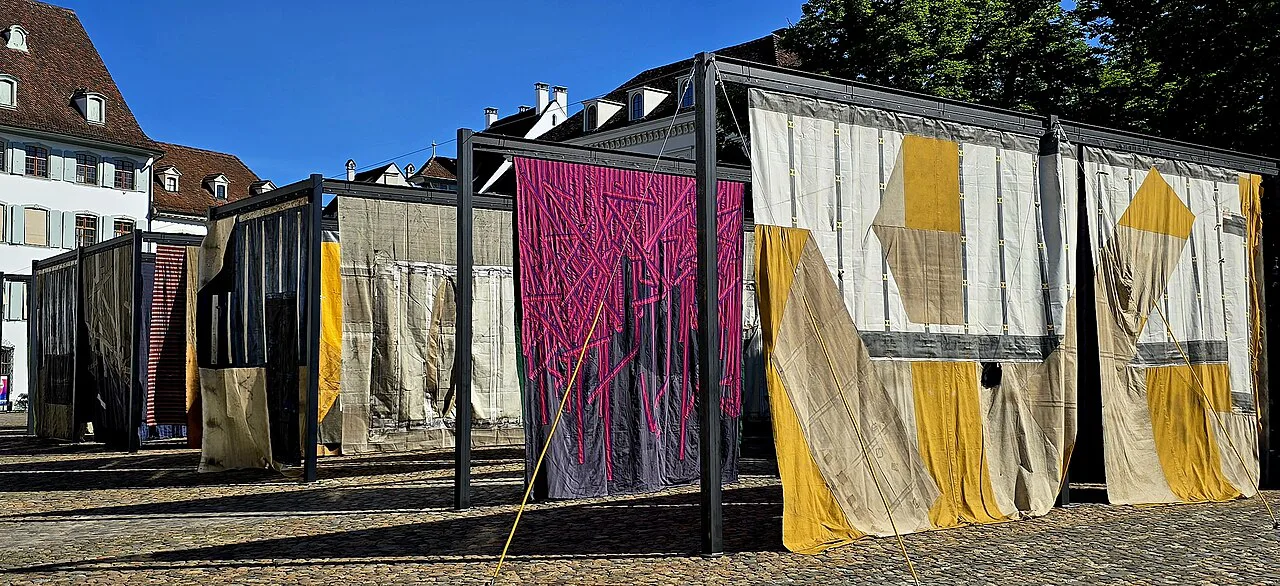
The Dreiländereck: standing in Switzerland, France and Germany at once — and whether it is worth the walk
Dreiländereck is the point at the end of a long pier in northern Basel where Switzerland meets France to the west and Germany to the north, marked by a rocket-shaped monument carrying each country's flag. It is a genuinely unusual spot, but it sits well outside the center and eats a chunk of a short visit. On a one-day trip, skip it; with two days, the walk and the riverside bar beside the monument make a good afternoon.
The tri-border location is also visible at the airport, where travelers exit through different doors toward Mulhouse in France, Freiburg in Germany, or Basel on the Swiss side. If you are combining Switzerland with Alsace, this geography is the reason Basel makes sense as a stop rather than a detour.
Free and low-cost things to do: the Botanical Garden, the Minster and the fountains
The Botanical Garden of the University of Basel is small, free to enter, and close to Spalentor. The garden opens from 8am most days, with the greenhouses opening at 9am. Half an hour covers it comfortably and adds a green pause to a day of stone streets.
The Minster is free to enter, the fountains cost nothing to admire, and the old town streets themselves are the attraction. On a city where eating out is not cheap, these free stops keep a day balanced. For a fuller list, see the free things to do guide before you budget.
Markthalle Basel: a cheap lunch stop before the old town
Markthalle Basel sits a few minutes' walk from the train station and gathers many international food stalls under one roof, with prices below most restaurants. Arrive around lunch and eat before walking into the city. The building also has clean public washrooms, a small but real advantage.
For a cheaper souvenir haul, skip the tourist chocolate shops and head to the chocolate aisle of an ordinary supermarket, which is stocked with every bar you can imagine. For a curated selection instead, the local chocolate shops deserve their own stop.
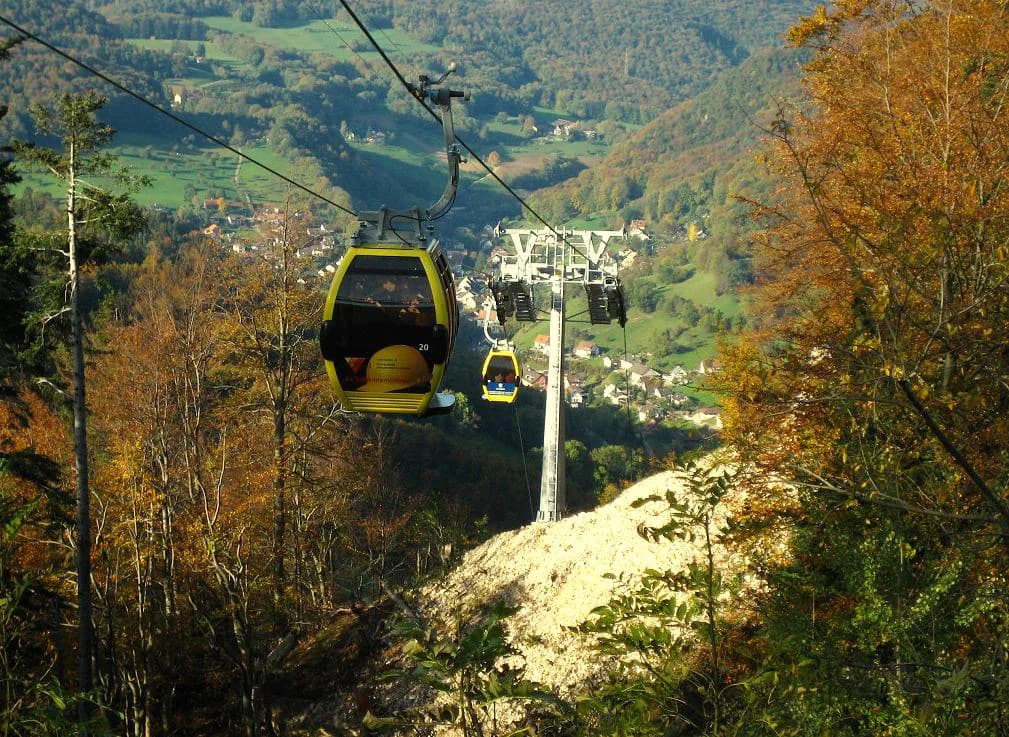
A short climb out of town: the Reigoldswil–Wasserfallen cable car
The Wasserfallenbahn, also called the Reigoldswil–Wasserfallen cable car, is a gondola lift in the Chain Jura in Basel-Landschaft that carries riders from Reigoldswil up toward the waterfalls. It is a different kind of day out from the old town: mountain air, walking trails and restaurants along the way rather than museums and arcades.
Fares, operating seasons and timetables are not settled here, so check before you commit a day to it. If it runs when you visit, it is the best way to see the Jura ridge without leaving the Basel region.
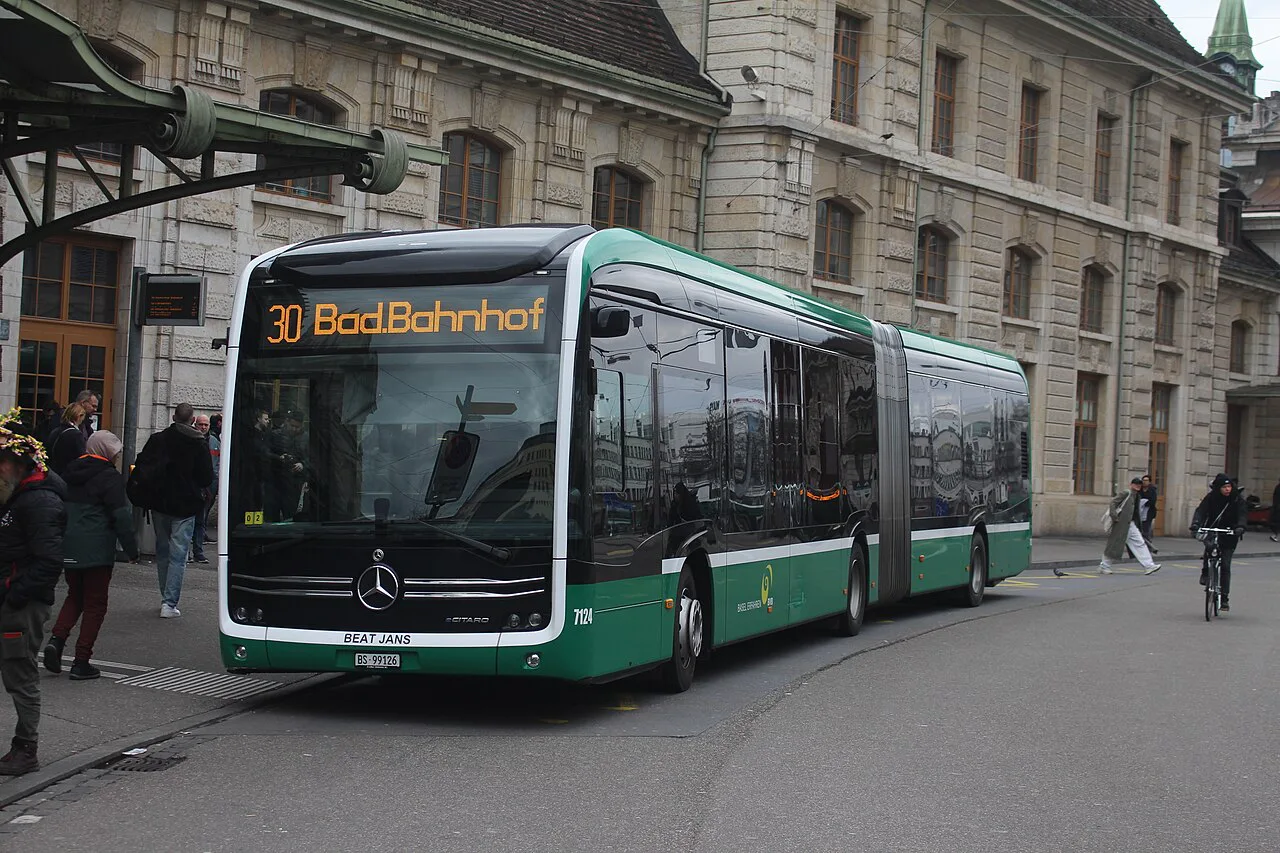
Basel in one day: a walking order that avoids backtracking
Start at Marktplatz for the Rathaus exterior, then walk to Münsterplatz for the Minster and its terrace. Continue to Spalentor and the Botanical Garden, then cut back through the old town for lunch at the Markthalle. In the afternoon, cross the Mittlere Brücke and spend the rest of the day on the right bank.
This order keeps the museums optional and the walking one-way. If you want one museum in the day, swap the Botanical Garden for Museum Tinguely, which sits near the Rhine on the right bank and slots neatly before the riverside bars.
Two days in Basel: which museum and which riverside afternoon
With two days, give the first to the old town at an unhurried pace and the second to a museum plus the river. Choose Kunstmuseum Basel if you want old masters and modern art, or Museum Tinguely if kinetic sculpture and a riverside park appeal more. Either way, check opening days before you build the plan.
Save the Dreiländereck and the right-bank riverside for the second afternoon, when you are not racing a train. The long pier walk and the bar beside the monument take time; they are not a quick loop from the old town.
What Basel is not: quiet streets, high prices and thin budget options
Basel can feel quiet, even on a hot summer day, with old town streets and Münsterplatz far emptier than comparable squares in other major cities. Some visitors find that restful; others find it flat. Set expectations accordingly, especially if you are used to busier European capitals.
Eating out is the biggest budget shock. Restaurant prices run noticeably higher than in neighboring France and Germany, and there are fewer cheap options, so the Markthalle stalls and supermarket food do real work in a day's budget.
Practical money and timing notes: CHF costs, museum opening days and Sunday closures
Budget for museum entry in the 10 to 20 CHF range per person, with Museum Tinguely at 18 CHF, and treat the Minster, the Botanical Garden and the fountains as your free anchors. Note that mobile data plans that work across the EU often stop at the Swiss border, so download offline maps before you arrive.
Opening hours vary by site: Museum Tinguely runs Tuesday to Sunday, the Rathaus is closed on weekends, and the Minster closes in the late afternoon with the crypt open only in summer. Check each venue before you go. Some hotels and hostels in Basel hand out a guest card covering local transport, which is worth asking about at check-in.
Plan Your Visit
Basel is best treated as a walking city with one museum and one river crossing in the plan. Build the day around the Minster, the Rathaus and Spalentor, eat at the Markthalle, and end on the right bank. Two days add the art and the tri-border walk; one day keeps it tight and cheap.
Switzerland is expensive, and Basel is no exception, so mix free sights with one paid museum and watch your meal budget. If you are continuing elsewhere in the country, compare notes with what to do in Bern and things to do in Zurich before you fix the order of your trip.
Explore more Basel guides
Frequently Asked Questions
Is Basel worth visiting?
Yes, if you want a compact old town, a distinctive cathedral and serious art museums without the crowds of larger Swiss cities. One day covers the core; two days let you add a museum and the Dreiländereck. Travelers who need constant bustle may find the streets quiet.
How many days do you need in Basel?
One day is enough for the old town, the Minster and a Rhine crossing. Two days are better: they add a major museum such as Kunstmuseum Basel or Museum Tinguely and an unhurried riverside afternoon on the right bank.
What should you not miss in Basel?
The Basel Minster with its tiled roof, the red Rathaus courtyard on Marktplatz, Spalentor, and the Mittlere Brücke crossing. Among museums, Museum Tinguely and Kunstmuseum Basel are the standouts.
Is Basel walkable?
Yes. The main sights sit close together on the left bank, and bikes and trams outnumber cars. A single walking route from Marktplatz to the Rhine covers most of the old town without backtracking.
What is free to do in Basel?
Entry to the Basel Minster is free, the Botanical Garden costs nothing, and the ornate public fountains are all over the streets. Those three alone fill a morning without a ticket.
How much do Basel museums cost?
Most museums charge between 10 and 20 CHF per person, and Museum Tinguely charges 18 CHF. Check current prices on each museum's own site.
When is Museum Tinguely open?
Museum Tinguely opens Tuesday to Sunday from 11am to 6pm, with a late close at 9pm on Thursdays. Check the museum's site for holiday exceptions before you plan around it.
What is the Dreiländereck and is it worth the walk?
It is the monument at the end of a long pier in northern Basel where Switzerland, France and Germany meet. It is a good second-day outing but too far from the center to fit comfortably into a single day.
Sources
Notes for your Swiss city break
Optional updates to our Swiss city guides.
You might also like
Continue reading
More guides you'll find useful