Things to Do in Lausanne: Old Town, Museums and Lakefront
Plan things to do in Lausanne by area: the Gothic cathedral and old town climb, Art Brut and the Olympic Museum, and the Ouchy lakefront.
On this page
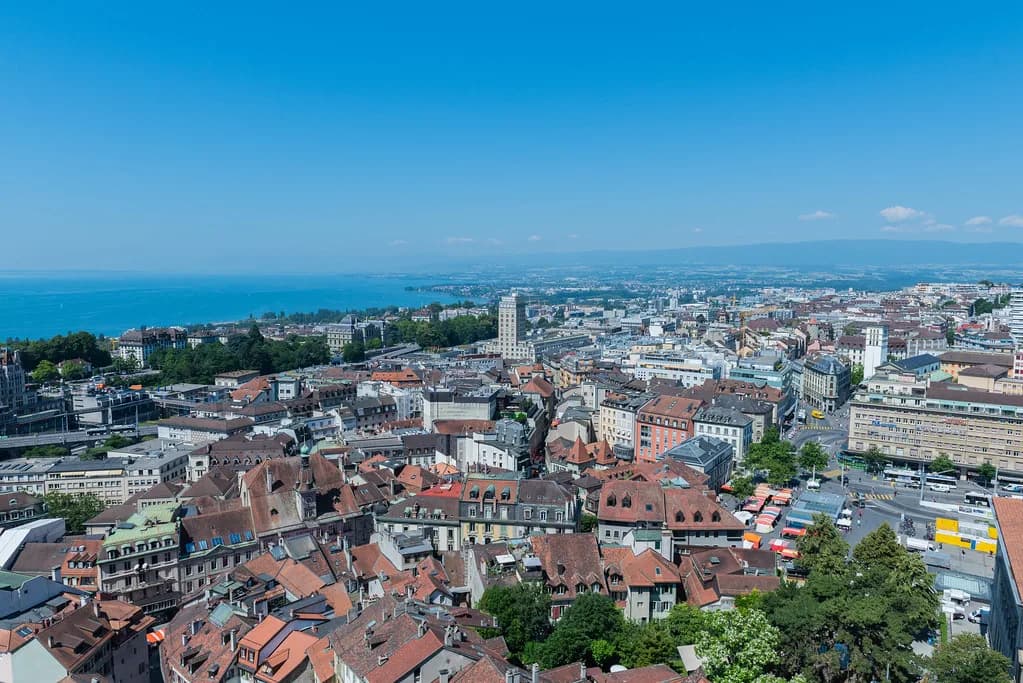
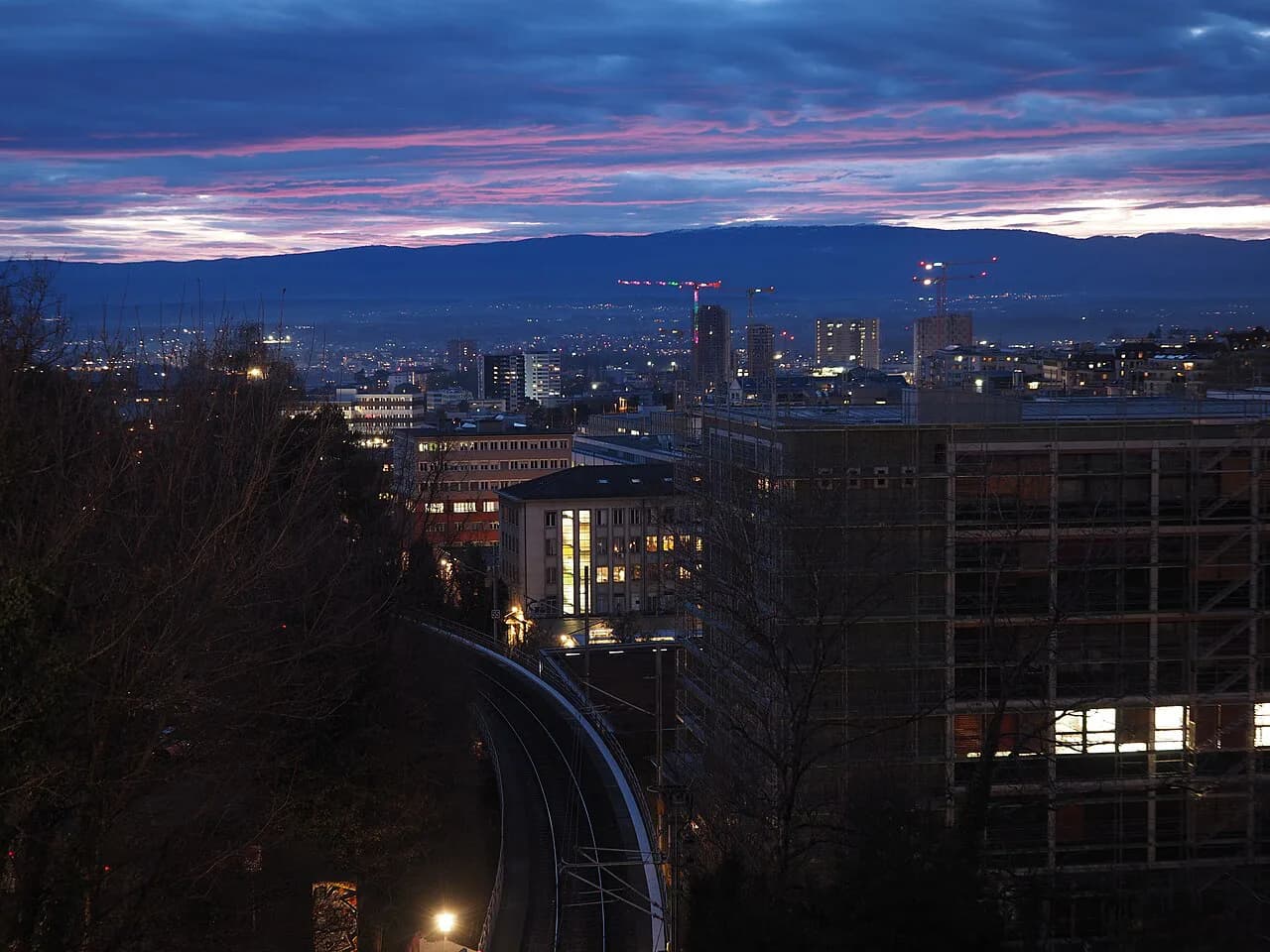
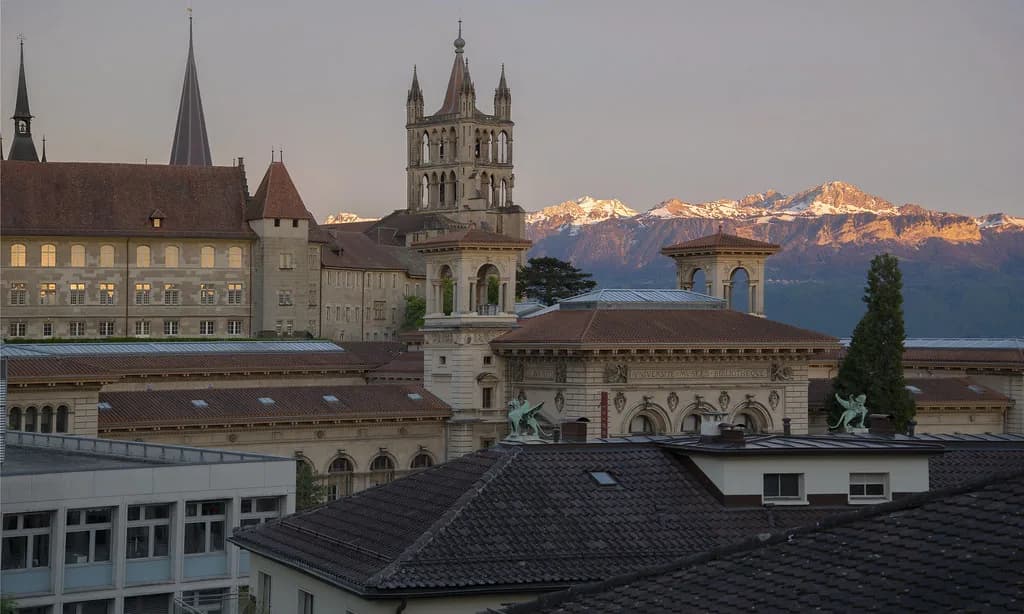
Lausanne rewards a plan because the city is built in tiers: the train station sits high, the old town plateau spreads just above it, and Ouchy runs along Lake Geneva far below. Grouping your sights by level is the single most useful decision you will make, since it saves you the same steep climb twice.
The core sights are compact: Lausanne Cathedral, the Collection de l'Art Brut and the lakefront all fit a comfortable full day if you work downhill. Walking up from the station to the cathedral is genuinely uphill the whole way, which is fine in cool weather and punishing in a July heatwave.
How Lausanne Is Laid Out
Think of the city as three levels. The station and its commercial streets sit at the top, the old town plateau with the cathedral and the museums spreads just above and behind it, and Ouchy occupies the lakeshore at the bottom. Buses connect the levels, so you can walk downhill for the views and ride back up when your legs give out.
The climb from the station to the cathedral is a walk with shops along the way, and it is uphill from start to finish, which turns it into a real workout on a hot day. That single fact shapes a good itinerary: see the upper sights first, then descend toward the lake instead of reversing the order.
Lausanne Cathedral and the Old Town Plateau
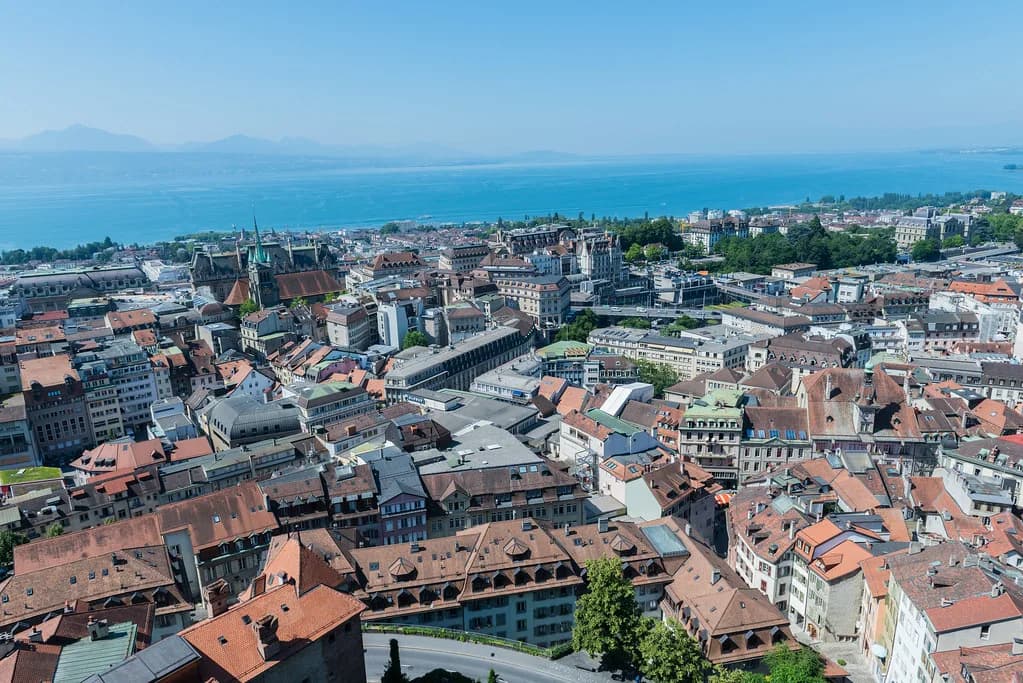
The cathedral dominates the upper town with Gothic architecture, and the area around it gives you free views over the rooftops and down to Lake Geneva. It is the natural starting point for the plateau and the anchor for a slow old-town morning.
A tower above the cathedral offers even better views for a paid climb, reported at around 5 CHF, though plenty of visitors decide the free views from the cathedral area are enough. Treat the tower as an optional upgrade: pay for it if you want the higher angle over the lake, skip it if the stairs after an uphill walk lose their appeal.
From the cathedral, the old town streets unfold southward toward the station in a tangle of squares and small shops. Wandering them is free and takes an hour or two at an unhurried pace, and doing it on the way down rather than the way up makes the slope work for you rather than against you.
Collection de l'Art Brut: Four Floors of Outsider Art
The Collection de l'Art Brut holds outsider artwork made by self-taught artists and people living on the margins of society, and it fills four floors. Its visit account puts adult tickets at 12 CHF and suggests about an hour and a half to see it properly, which makes it a substantial stop rather than a quick detour.
The collection suits travelers who find unusual biographies more interesting than blockbuster paintings, since the works come with striking personal histories. Budget the full ninety minutes if you want the top floors, and note that a museum-heavy Lausanne day is easier to plan once you know which collections you actually want to see.
Position Art Brut on the plateau leg of your day, close to the cathedral loop, so you are not dropping to the lake and climbing back for it. Its draw is real: many visitors find themselves preferring this chaotic collection to a traditional gallery.
The Olympic Museum and Its Free Sculpture Garden
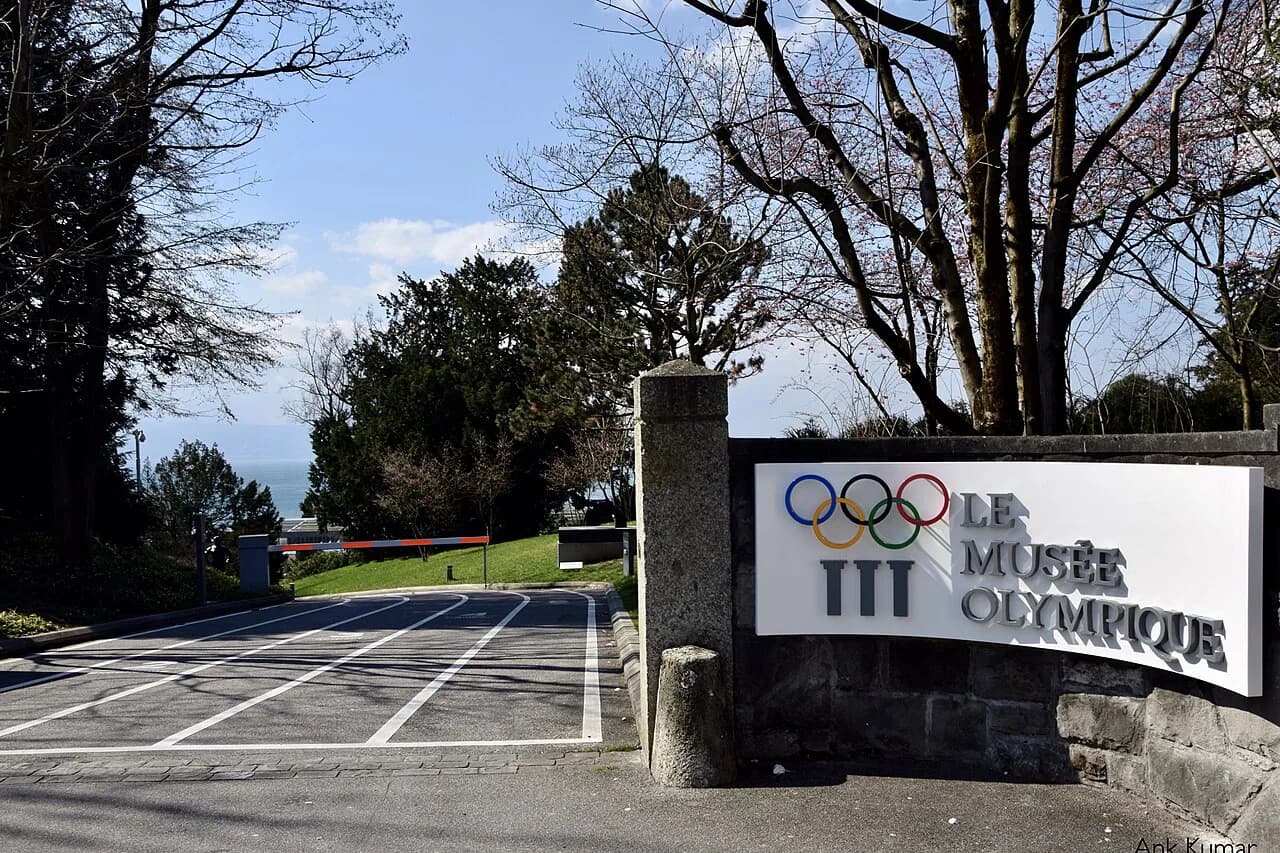
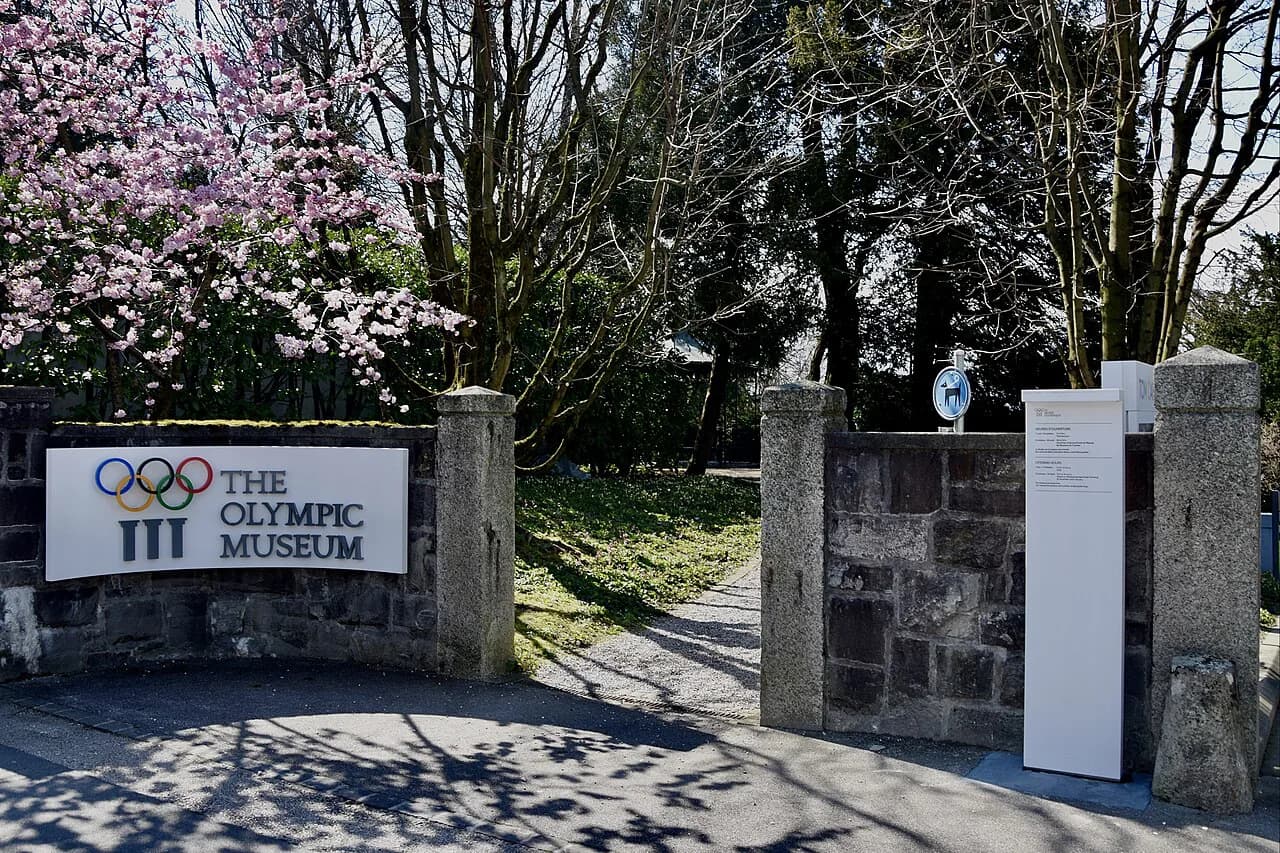
The Olympic Museum sits at Ouchy, and its outdoor sculpture garden is free to enter, with lake views and works in many styles, including a Botero. If your budget is tight or your day is short, the garden alone justifies the trip down to the lakefront.
Give the full museum its own block of time if the exhibits matter to you, and treat the garden as the flexible part you can fit around a lakefront walk. Placing the Olympic Museum at the bottom of the day lets you end the sightseeing near the water instead of hauling back uphill.
Ouchy Lakefront and the Walk Along the Water
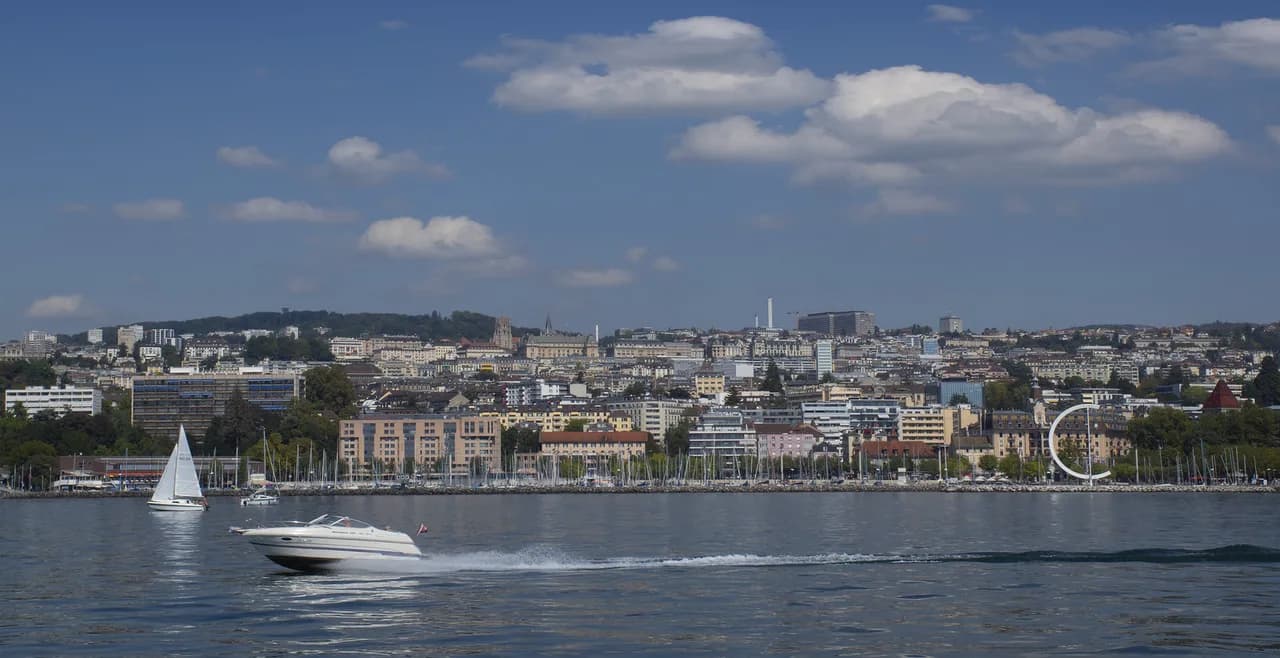
Ouchy is Lausanne's lakefront district, a broad quay with sailboats, open water and a promenade made for an easy hour. Coming down from the stations and the old town by bus or on foot, you arrive at a very different city from the one on the plateau.
The quays are best used as a slow finish: walk the water's edge, watch the boats, and let the lake views reset you before you head back up. Public transport covers the climb back to the station, which spares you a long uphill march at the end of a full day.
Streets and Squares Between Cathedral and Station
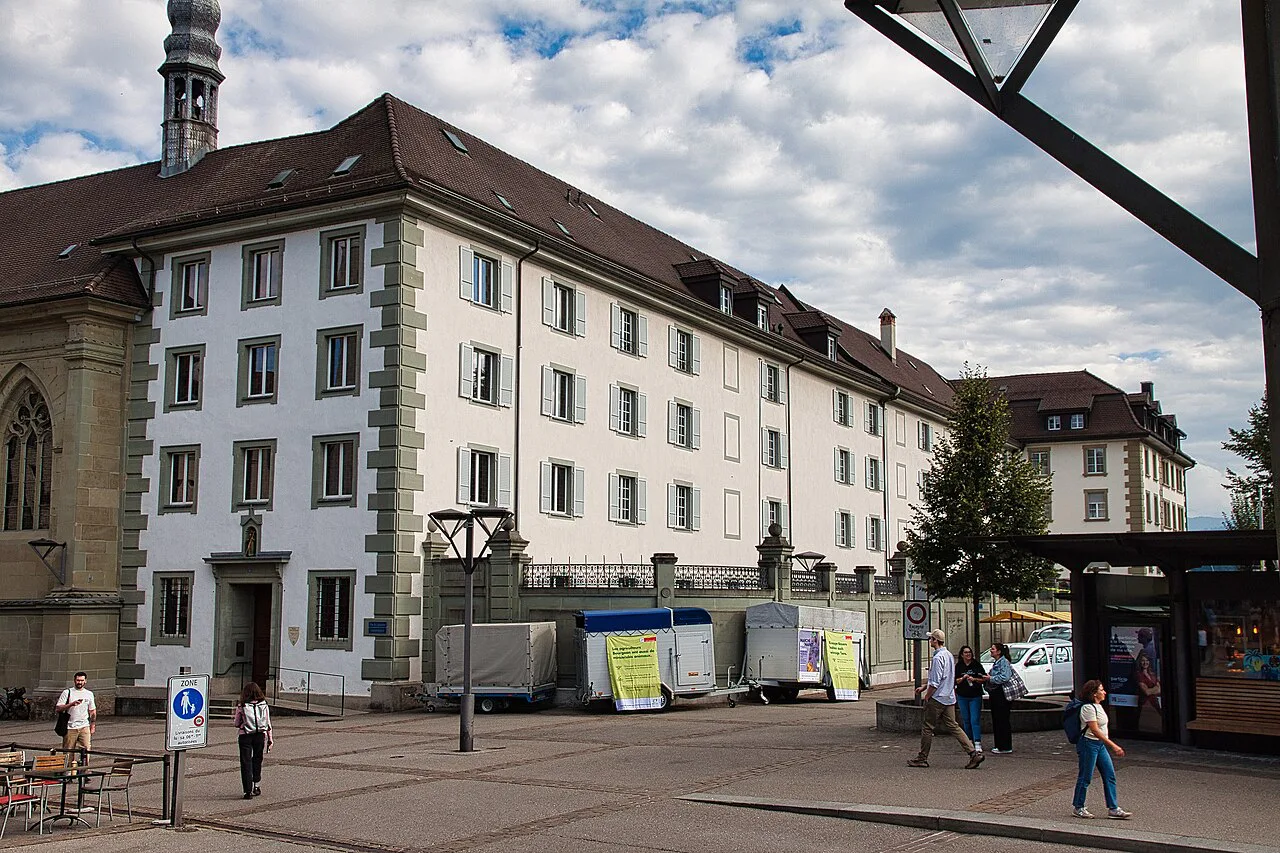
The band between the cathedral and the station is where Lausanne does its daily business, with shopping streets and small squares filling the slope. It is worth an hour if you like browsing stores and watching city life.
This middle zone is also where the steepness bites hardest, since you cross it every time you move between the station and the old town. Plan a stop here on your way down so the walk serves two purposes at once.
How Many Days Lausanne Needs
One full day covers the essentials: cathedral and old town in the morning, Art Brut on the plateau, then the lakefront and the Olympic Museum garden in the afternoon. That pace assumes you use buses for the uphill stretches and keep the tower climb optional.
Two days let you slow the old town down, add another museum, and give the lakefront proper time without rushing the descent back to the station. If you have only a half day, choose the tier that interests you most rather than trying to cover all three.
When to Go and the Heat Trade-Off
Lausanne's steepness makes summer the season with the sharpest trade-off: long days and warm weather, but uphill walks that turn uncomfortable fast. A visit account describes an uphill cathedral walk in serious heat as not particularly fun, which is worth taking seriously when you plan timing.
In practice, start early if you travel in midsummer, do the climbing before the afternoon heat, and keep the lakefront for the warmest hours. Check published climate averages for your month rather than relying on a forecast, and treat any single hot day as normal variation.
What Things Cost and Where the Free Options Are
Lausanne is a Swiss city, so budget accordingly. The two hard numbers documented for a recent visit were an adult Art Brut ticket at 12 CHF and about 5 CHF for the cathedral tower climb, both reported rather than current official rates, so confirm locally before you commit.
Free options stretch a day: the views from the cathedral area, the old town streets, and the Olympic Museum sculpture garden at Ouchy all cost nothing. Leaning on those three keeps the paid extras optional, which matters when you are paying Swiss prices for everything else.
Beyond these, the city's paid sights and weather-dependent plans are easiest to manage when you check entry prices directly with each museum. If a wet day threatens your schedule, shifting to indoor collections is the simplest change you can make.
Grouping the Day by Tier
A workable shape is cathedral and old town plateau first, Art Brut second, then a descent to Ouchy for the lakefront and the Olympic Museum garden. That order means you only climb once, and normally on the way up for the cathedral.
Vertical transport helps: cable cars and funiculars link the levels and save the worst of the gradient when you are tired. Check how the lines connect to your planned stops before you set out, so you do not walk past a lift you needed.
Add-Ons Near Lausanne
The Lavaux terraced vineyards, Vevey and Montreux sit within easy reach by train, and each makes a natural half day if you have extra time. They suit a second or third day rather than a packed single one. If you are weighing which Swiss city to base yourself in, comparing the things to do in Bern alongside Lausanne helps you judge how each rewards a day or two.
Getting to Lausanne from Montreux by Train
If you are basing yourself on the Montreux side of Lake Geneva, Lausanne works well as a day trip. The train ride takes about 30 minutes, and the connection is described as easy and inexpensive thanks to the Swiss public transportation system. That makes it a solid option for a single-day visit rather than a move between hotels, and it lets you keep a leisure-oriented base while still seeing the city.
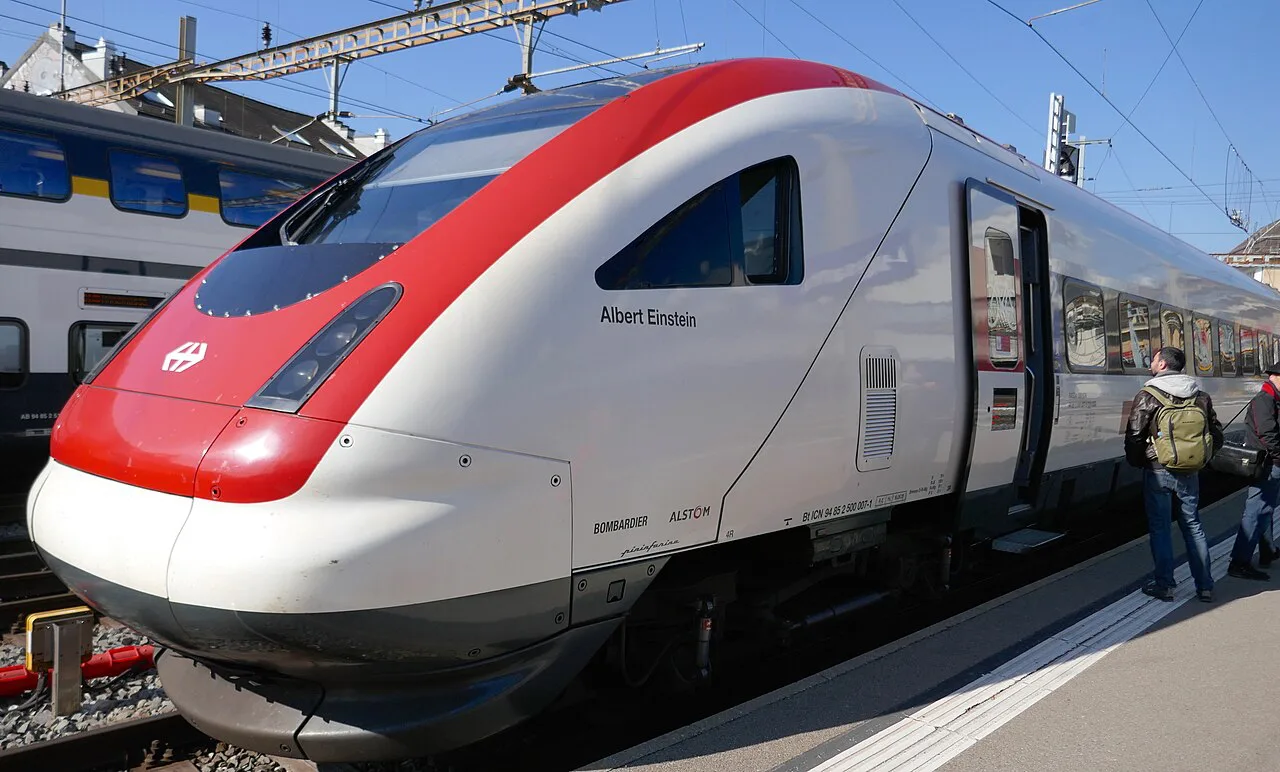
Once you arrive, the main train station sits at the bottom of the climb toward the old town. The walk up to Lausanne Cathedral passes plenty of shops along the way, but it is entirely uphill — the writer found it not particularly fun in the heat. From the station you can also take a bus down to Ouchy, the lakefront area, which is how one visit reached the water after lunch.
The practical point for planning is that the station is a hinge between the uphill old town and the downhill lakefront. Starting the day with the cathedral walk, then working down toward Ouchy, matches the geography you will meet on arrival. If you are short on time, remember that the return leg is a quick 30-minute ride, so the day does not have to be structured around an early last train.
Plan Your Visit
Lausanne works best when you treat its levels as the backbone of the plan: upper town first, plateau museums next, lakefront last. That sequence keeps the steep walking to a minimum and leaves the free viewpoints and sculpture garden as the budget-friendly heart of the day.
Bring a short list of paid stops, decide in advance whether the cathedral tower is worth the climb to you, and leave room for the lakefront to run long. The city rewards a relaxed pace more than a checklist.
Explore more Lausanne guides
Frequently Asked Questions
What should I see in Lausanne in one day?
Start with Lausanne Cathedral and the old town plateau, continue to the Collection de l'Art Brut, then descend to Ouchy for the lakefront and the Olympic Museum's free sculpture garden. Buses handle the uphill stretches so you only climb once.
Is the Olympic Museum sculpture garden free?
Yes: the outdoor sculpture garden at Ouchy is free to enter, with lake views and works in many styles, and it is a solid budget option even if you skip the museum itself. Check the museum's own pages for current entry terms for the indoor exhibits.
Is the cathedral tower worth paying for?
The tower gives the higher view over Lausanne and the lake for a small paid climb, reported at around 5 CHF. The free views from the cathedral area are already good, so treat the tower as an optional upgrade rather than a must.
Does one day or two days suit Lausanne better?
One full day covers the cathedral, old town, Art Brut and the lakefront at a brisk pace. Two days let you slow down, add another museum and enjoy Ouchy without watching the clock.
Is Lausanne an expensive city to visit?
It is a Swiss city, so expect Swiss prices for tickets and food. Keep costs down with the free old town streets and viewpoints and the free sculpture garden at Ouchy; check current museum entry prices before you go.
How do you get from the Lausanne station to the old town?
It is a walk uphill the whole way, with shops lining the route, and it takes patience in hot weather. Buses and the city's funiculars and cable cars connect the levels, which is the easier choice when you are carrying bags or feeling the heat.
Sources
Notes for your Swiss city break
Optional updates to our Swiss city guides.
You might also like
Continue reading
More guides you'll find useful