Things to Do in Zermatt: Matterhorn Views and Old Town
Plan Zermatt by area: Matterhorn viewpoints at Gornergrat and Glacier Paradise, the old village, museums and car-free streets, plus how many days you need.
On this page
Zermatt's things to do split into four blocks: the Klein Matterhorn cable cars, the Gornergrat cogwheel railway, the Rothorn and Sunnegga lifts, and the car-free village on the valley floor. Treat each mountain as a half or full day of its own, because a ticket for one area rewards you for staying in it rather than racing between peaks. The village fits around the edges, on arrival day or a cloudy afternoon.
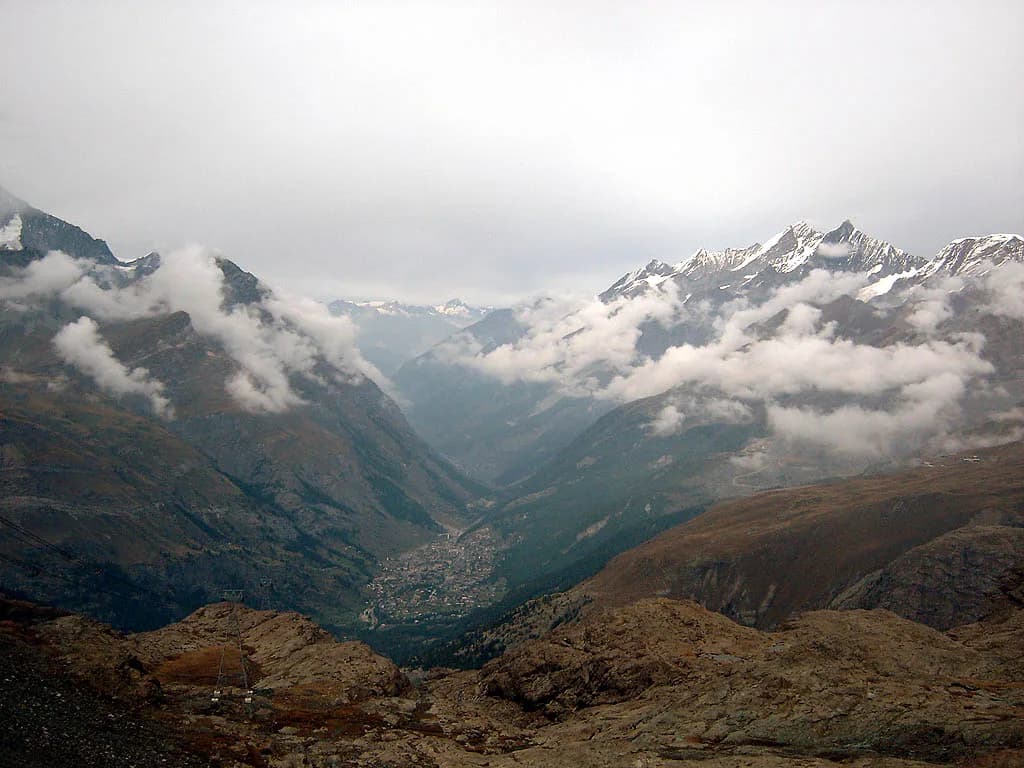
The layout is simple once you see it. Zermatt sits at the end of a valley, so you walk in and out rather than around: the train station anchors one end, Bahnhofstrasse runs through the middle, and the lifts sit at the southern edge about 20 minutes on foot from the station. Zermatt Attractions collects the individual guides to each sight and mountain if you want to go deeper on one place.
How Zermatt Is Laid Out
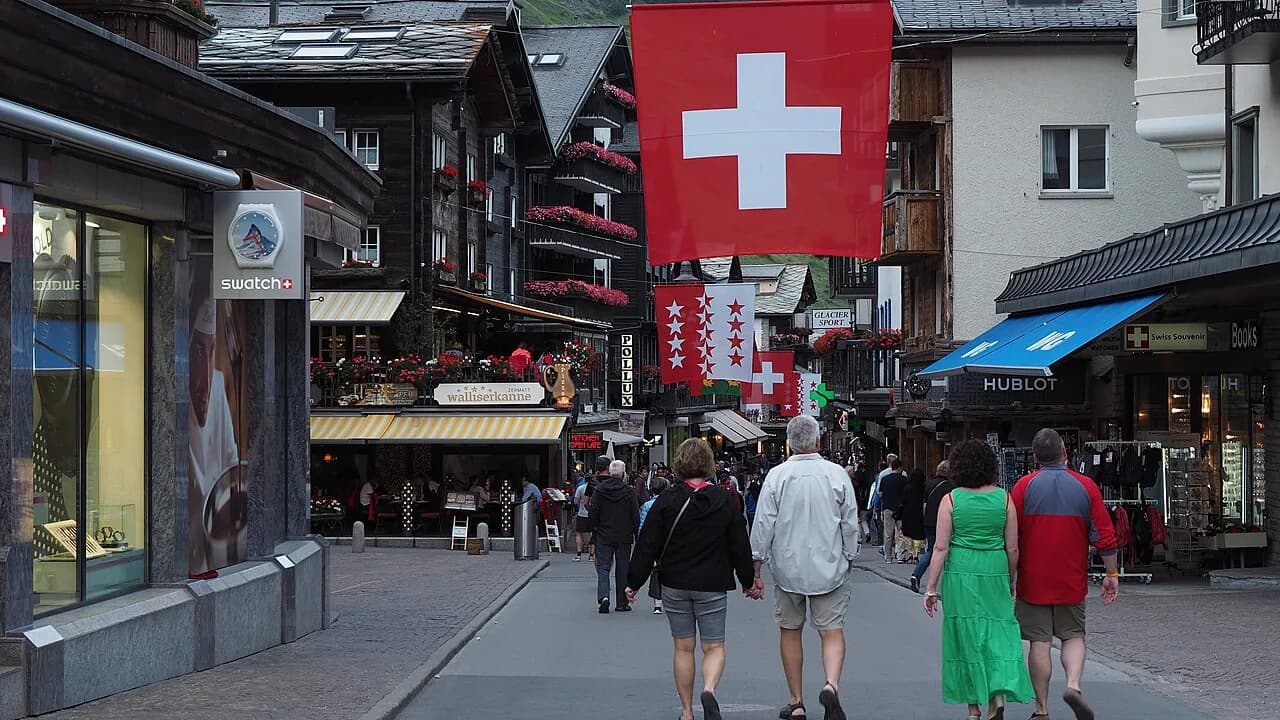
Zermatt is car-free, so the only traffic you meet is electric taxis, horse-drawn carriages and the little mountain trains. Bahnhofstrasse is the main street, lined with boutiques, bakeries and sports shops, and it connects the station end with the lanes of the older village. Everything in the center is walkable, and the walk from the station to the Matterhorn Glacier Paradise base station takes a little over a kilometer.
Plan your days around lift bases rather than addresses. The Gornergrat Bahn leaves from beside the station, the Sunnegga funicular is a short walk away, and the Matterhorn Glacier Paradise gondola starts at the far southern end. Zermatt Cable Cars explains the routes and station stops so you know what you are buying before you queue.
How Many Days Zermatt Needs
Two full days cover the two headline excursions, Gornergrat and Matterhorn Glacier Paradise, with the village fitted in around them. Three days add the Rothorn and Sunnegga area and a slower morning in the old lanes. If you want to walk the longer high trails as well, three to five days is the realistic range, since a single day only scratches the surface.
Build the plan one mountain per day. A day ticket for an area is valid for a full day with hop-on hop-off stops along the route, so getting off at mid-stations costs you nothing extra and is where some of the best short walks begin. Stacking two areas into one day means paying twice and seeing half of each.
Matterhorn Glacier Paradise: The Cable Car Route
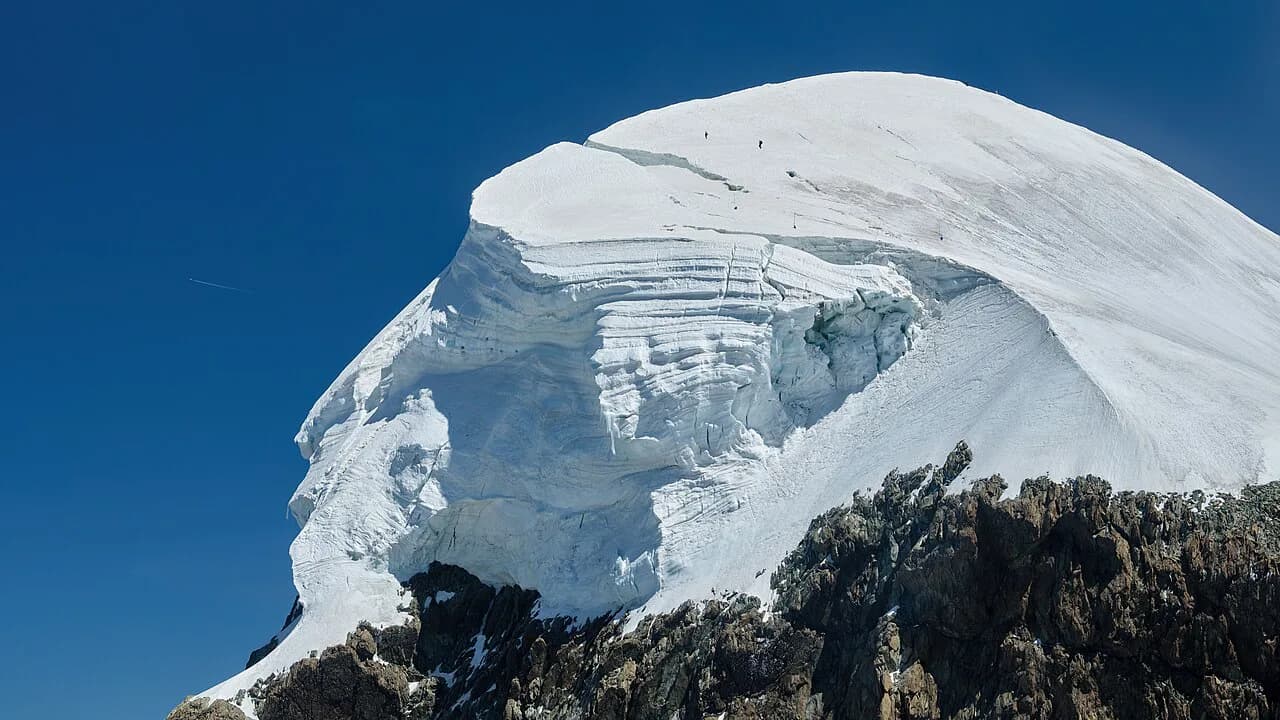
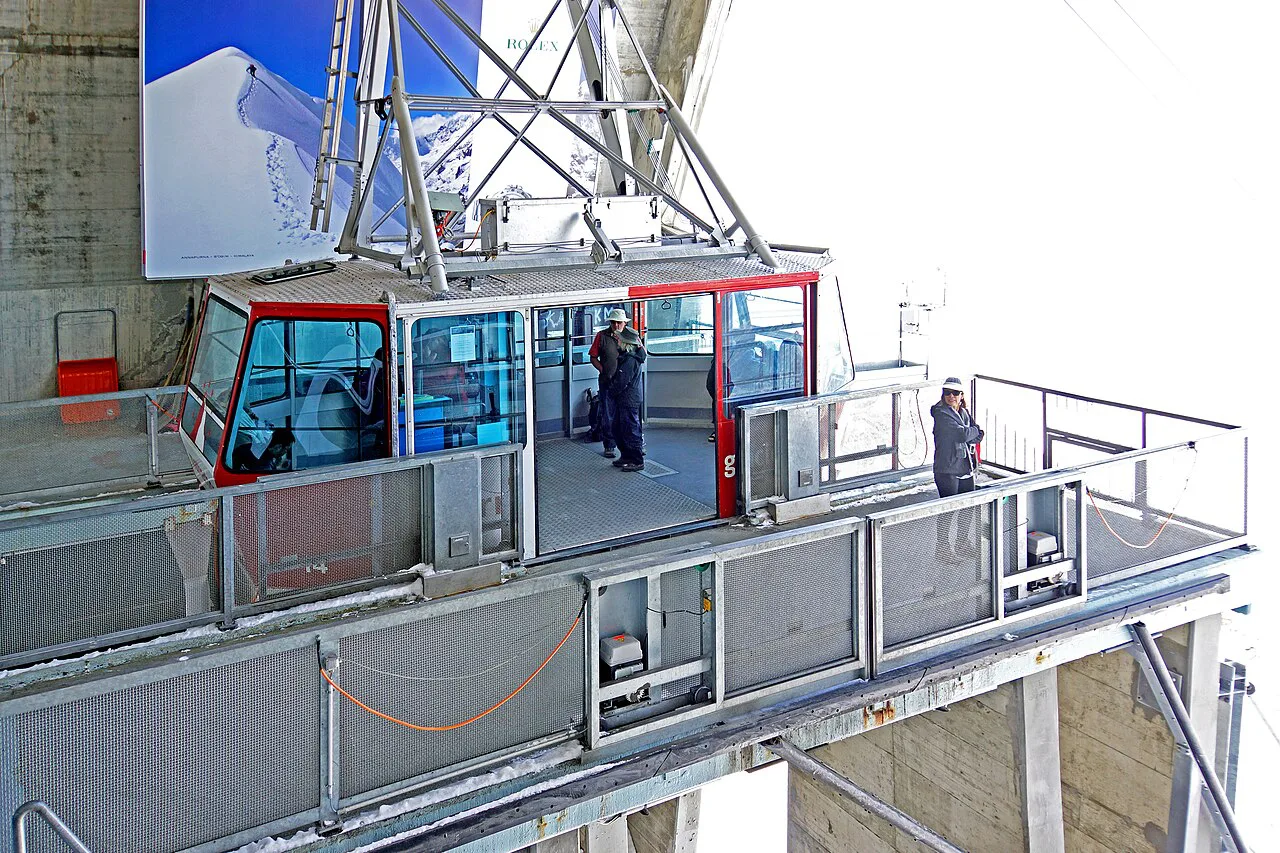
The cable cars to Matterhorn Glacier Paradise climb in stages from Zermatt through Furi, Schwarzsee and Trockener Steg to the Klein Matterhorn. At 3,883 meters the top station holds the highest viewing platform in the Alps, with a panorama that reaches 14 glaciers and dozens of peaks above 4,000 meters, including Mont Blanc on a clear day. The ride itself, especially the section above the glacier between Trockener Steg and the summit, is half the experience.
Schwarzsee, one stop below Trockener Steg, is worth getting off for: a small mountain lake, the Maria zum Schnee chapel, and the large ZERMATT sign where you can photograph the Matterhorn behind the letters. Light is best in the morning, so schedule the sign before the summit if photos matter. The lake sits high above the valley, so even a short stop feels cold when the wind picks up.
Glacier Palace and the Klein Matterhorn Summit
Inside the Klein Matterhorn you descend roughly 15 meters into the Glacier Palace, a network of ice tunnels and sculptures carved under the Theodul Glacier, with an ice slide and a crevasse walk to try. All of it, plus the cinema lounge and the viewing terraces, is included in the Matterhorn Glacier Paradise ticket. That makes the summit a sensible choice on a day when cloud hides the peaks, since the indoor sights still deliver.
Altitude is the real constraint up here. At 3,883 meters the air is thin, so move slowly, drink water and expect the cold even in midsummer; layers and sunscreen matter more than a heavy jacket. The summit restaurant is a place to sit down and acclimatize before heading back down.
Gornergrat: The Cogwheel Railway
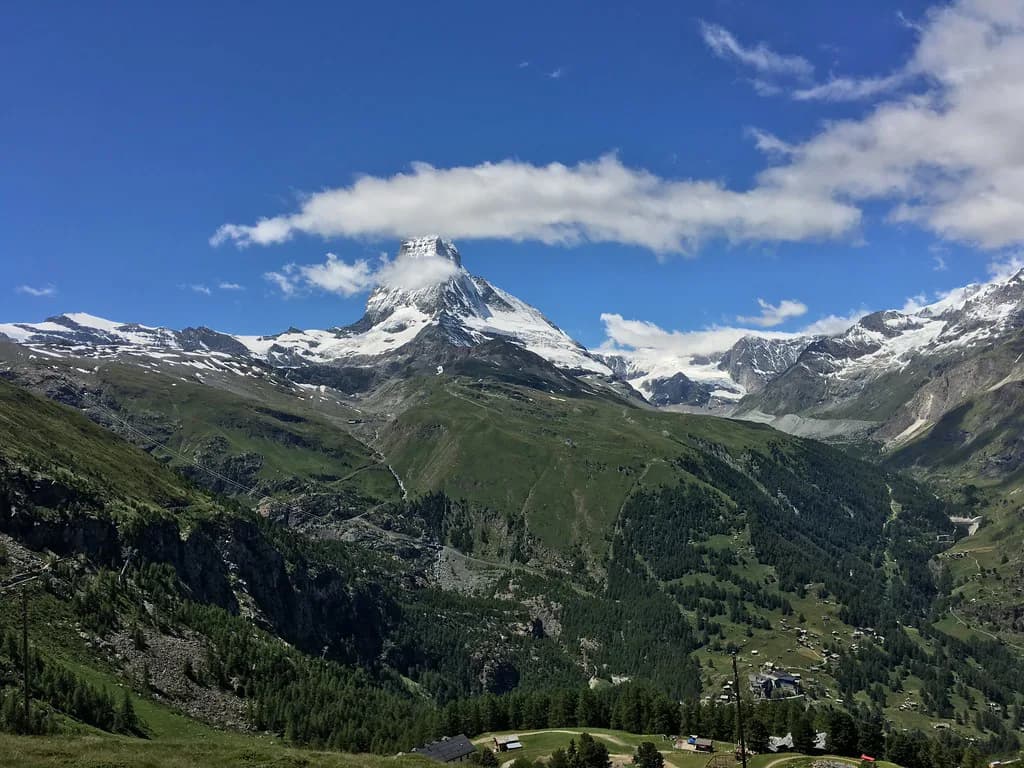
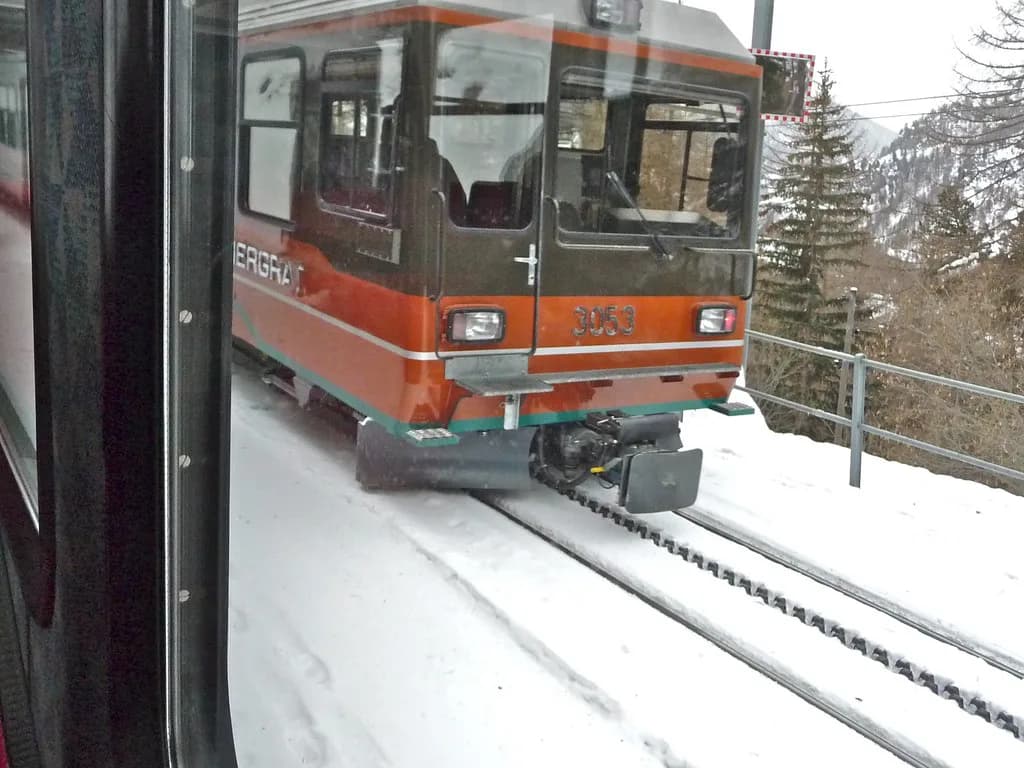
The Gornergrat Bahn runs from Zermatt up to the Gornergrat ridge at 3,089 meters in about 30 minutes, the highest open-air cogwheel railway in Europe. It is a scenic ride in its own right, crossing 1,469 meters of elevation gain and passing meadows where cows and sheep graze. Sit on the right going up for the Matterhorn side of the train.
At the top, several terraces look over the Gorner Glacier and the Monte Rosa massif, and a short 360-degree loop walk of about 500 meters takes 15 to 20 minutes. There is also a virtual reality flight experience at the summit. If you only ride one railway in Zermatt, this is the one that delivers the classic postcard view.
Riffelsee: The Five-Minute Walk from Rotenboden
Riffelsee is the small lake where the Matterhorn's reflection appears on a still day, and the easiest approach is the Gornergrat train to Rotenboden, the second-to-last stop, followed by an easy five-minute downhill walk. The lake is not visible from the train, so watch for the signposted path. Early morning gives the calmest water and the fewest people, and the first trains up are the ones to aim for.
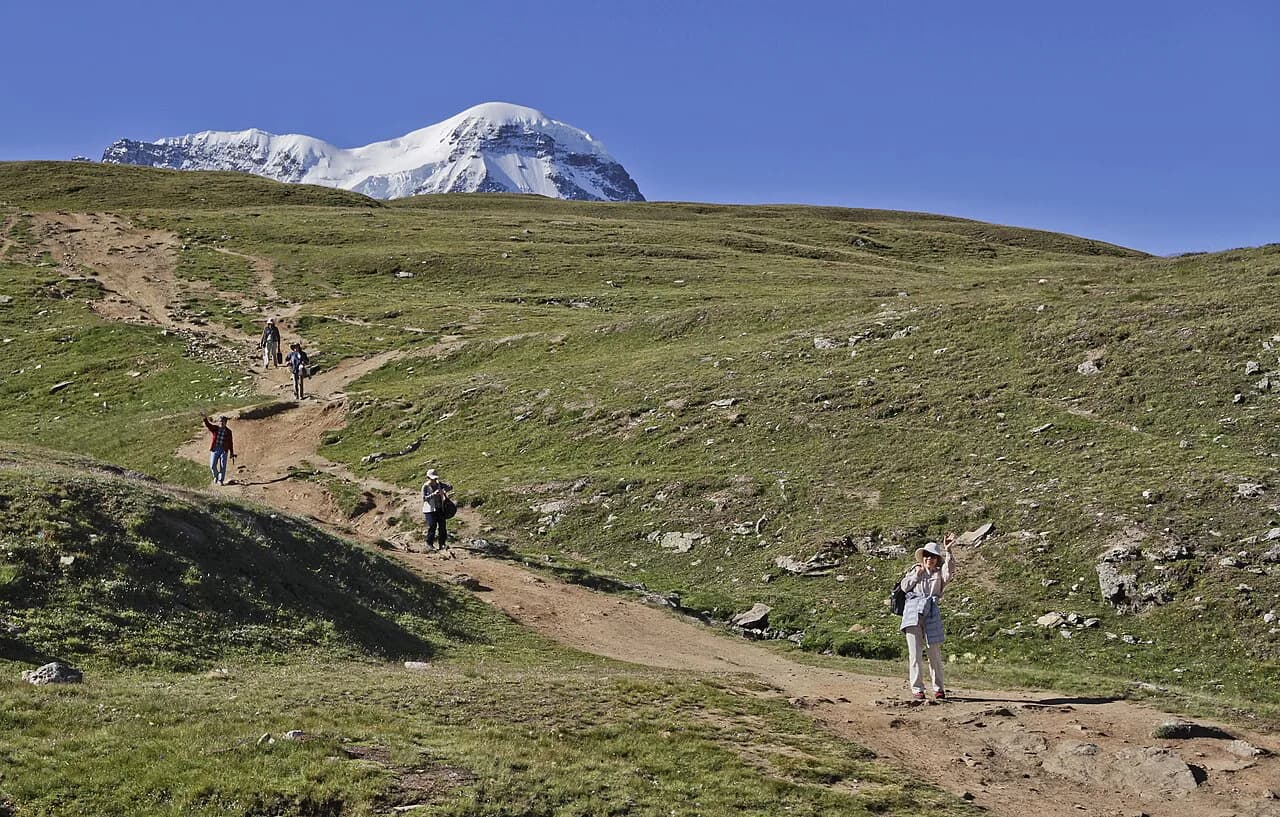
If you want the walk rather than the shortcut, the trail from Gornergrat down to Rotenboden covers about 2 kilometers and takes around 40 minutes, with the Matterhorn in front of you the whole way. The path is rocky with some steps, and sturdy hiking shoes make a real difference. From Riffelsee you can continue down to Riffelberg or Riffelalp for a longer day.
Rothorn, Blauherd and Sunnegga: The Third Mountain Area
The Sunnegga funicular and the cable cars above it reach Sunnegga, Blauherd and the Rothorn, the third excursion area and the quieter alternative to the two headline peaks. The Rothorn summit gives a wide panorama back toward the Matterhorn and the Monte Rosa chain. On the way up, Sunnegga has a lake, Leisee, and a play area that makes this the most family-friendly of the three areas.
From Blauherd, the Five Lakes Walk passes a chain of small mountain lakes, including Stellisee, where the Matterhorn reflects on a calm day. Mountain carts run on the Sunnegga and Rothorn slopes as a fast way down. The Rothorn and lake trails are summer terrain; on a shoulder-season visit, check which lifts are running before building a day around them.
Gorner Gorge and the Furi Suspension Bridge
Gorner Gorge is a short walk from the village where a river has cut a narrow slot through the rock, with walkways and steps through it. It pairs well with a village morning rather than a full mountain day, and it is one of the few sights that keeps you close to Zermatt itself. Sturdy shoes help on the wet boards.
From the hamlet of Furi, a 15-minute walk of under a kilometer with some climbing reaches the Hangebrücke, a 100-meter suspension bridge that hangs about 90 meters above the Gorner Gorge. You can retrace your steps or make a 3-kilometer loop past the Dossen Glacier Garden, a field of rocks left behind by retreating ice, with a picnic spot and playground along the way. This is a good use of a half day when cloud sits on the summits.
The Old Village: Hinterdorfstrasse and the Mountaineer's Cemetery
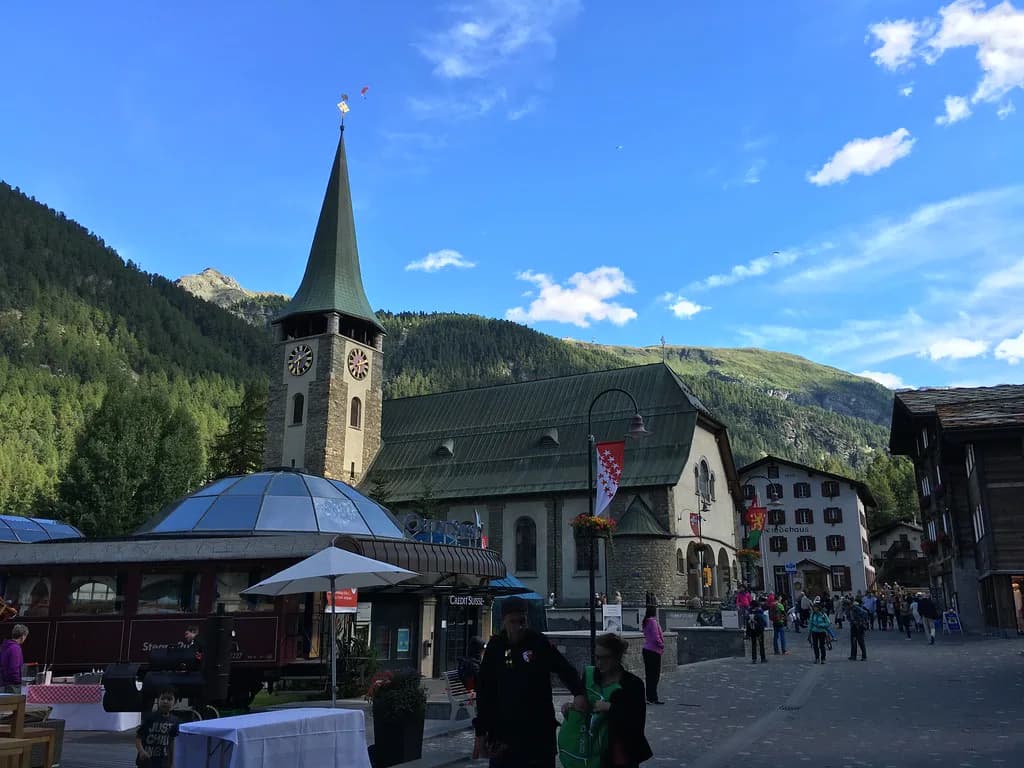
Hinterdorfstrasse, the lane of the old Hinter Dorf near the Grand Hotel Zermatterhof, is lined with roughly 30 larch-timber houses, barns and stables, some several hundred years old, that show how mountain farmers lived. The alleys are narrow and the buildings are dark with age, and the walk through them takes only a few minutes but rewards a slow pace. The zermatt old town is the part of the village most visitors photograph without knowing its name.
The mountaineer's cemetery near the village center holds graves tied to the history of Matterhorn climbs, and it is a sobering stop rather than a scenic one. Both sights are free and sit on the way between the station and the lifts, so they fill an arrival afternoon without a ticket. The old lanes are uneven and stepped in places, which is worth knowing if you are pushing a stroller.
Matterhorn Museum – Zermatlantis
The Matterhorn Museum – Zermatlantis traces Zermatt's shift from a farming village to an alpine resort and covers the tragedy of the first ascent of the Matterhorn, alongside the feats of later mountaineers on the surrounding peaks. It is an underground museum built beneath the village square, which keeps it a useful option when the weather turns. Allow an hour or so for a focused visit.
If you are choosing between indoor stops on a short trip, the museums in zermatt are limited, and this is the one that explains the mountain you have been looking at all week. Pair it with the old lanes and the cemetery for a coherent half day in the village. Bahnhofstrasse is a couple of minutes away for a coffee afterward.
Bahnhofstrasse and the Village Center
Bahnhofstrasse is where the village does its errands and its browsing, with sports clothing, watches, jewelry, souvenirs and a cluster of bakeries and cafés. It is also where you pick up picnic supplies before a mountain day, which matters because food at altitude is priced accordingly. The street is flat and short enough to walk twice in an afternoon.
Beyond the big names, the village has small food shops worth a look: bakeries selling blacknose-sheep cookies, Matterhorn-shaped chocolate and coffee from a local roaster. Our shopping in zermatt guide covers the street in more detail. If sweets are the goal, the best chocolate in zermatt roundup points to the specific counters to visit.
When to Go: Year-Round and Summer-Only Sights
Gornergrat and Matterhorn Glacier Paradise run year-round, and the Glacier Palace, viewing platforms and summit restaurants are inside or on solid ground, so a winter or shoulder-season visit still has plenty to do in the mountains. The village sights, the museum, the gorge walk and Bahnhofstrasse are all-season as well. That combination is enough to fill two days in any month.
Riffelsee, the Matterhorn Glacier Trail from Trockener Steg to Schwarzsee, the Five Lakes Walk and the Rothorn and Sunnegga trails are summer terrain. The Matterhorn Glacier Trail, for example, is a 6.6-kilometer route that takes two to two and a half hours and starts at 2,939 meters, with rocky ground and a steep final descent. Plan a shoulder-season trip around the two year-round peaks and the village rather than around the high lakes.
What It Costs: Tickets and Passes
Expect mountain transport to be the biggest line in a Zermatt budget. Each area sells its own day ticket, valid for a full day with hop-on hop-off travel along the route, so one ticket per day is the cheapest sensible structure. A Peak Pass covering several areas exists but only makes sense on a longer stay, when its price works out better for Swiss standards.
Swiss Travel Pass holders get a discount on mountain transport in Zermatt and free admission to many Swiss museums, which changes the arithmetic for the village sights more than for the lifts. The Gornergrat and Glacier Paradise operators publish current fares and lift schedules, and both change through the year, so confirm before you commit to a day ticket.
Practical Points: Altitude, Layers and Footwear
Altitude and weather are the two things that decide how a Zermatt day goes. Both Gornergrat at 3,089 meters and the Klein Matterhorn at 3,883 meters can be wintry while the village is warm, so pack layers, sunscreen and sunglasses rather than a single heavy coat. Move slowly at the top and give yourself time to acclimatize.
Bring real hiking shoes even for the easy walks. The Riffelsee path from Rotenboden, the trail from Gornergrat and the Matterhorn Glacier Trail are all rocky, with steps and steep sections in places, and sneakers make these short walks harder than they need to be. Hiking poles help on the descents.
Putting It Together: One-Day and Two-Day Shapes
With one day, take the Gornergrat railway up in the morning, walk down to Riffelsee from Rotenboden for the reflection, then ride back to the village and spend the afternoon on Bahnhofstrasse, in the old lanes and at the museum. That gives you the classic Matterhorn view, one short walk and the heart of the village without buying two mountain tickets.
With two days, keep the first as above and give the second entirely to Matterhorn Glacier Paradise: up through Furi and Schwarzsee, a stop at the ZERMATT sign, the Glacier Palace and the summit terrace, and a slow descent. With three days, add the Rothorn and Sunnegga area or the Gorner Gorge and Furi suspension bridge, depending on the weather.
Plan Your Zermatt Visit
Decide first how many mountain days you have, then assign one area per day: Gornergrat for the classic railway view, Matterhorn Glacier Paradise for the glacier and the highest platform, and Rothorn and Sunnegga for lakes, carts and a quieter panorama. Fill the rest with the village, because Hinterdorfstrasse, the cemetery, the museum and Bahnhofstrasse are free or cheap and need no clear sky. If you are weighing a second Swiss stop, the things to do in Bern follow the same logic of pairing an old town with high viewpoints.
Pack for cold and rough ground even in summer, and confirm lift operations and prices on the Matterhorn Gotthard Bahn and Zermatt Bergbahnen sites on the morning you plan to ride. Zermatt punishes a rushed itinerary with queues and clouds, and rewards a slow one with the views people come for.
Explore more Zermatt guides
Frequently Asked Questions
Is Zermatt worth visiting?
Yes, if you plan around the mountains rather than the village alone. Gornergrat and Matterhorn Glacier Paradise are both year-round and deliver the Matterhorn views, the Gorner Glacier and the highest viewing platform in the Alps. The village adds larch-lined lanes, the Matterhorn Museum and a car-free center that is easy to walk.
How many days do you need in Zermatt?
Two full days cover Gornergrat and Matterhorn Glacier Paradise plus the village. Three days add the Rothorn and Sunnegga area or the Gorner Gorge and Furi suspension bridge. Plan three to five days if you want the longer high trails as well, since each mountain area deserves its own ticket and its own day.
Is Gornergrat or Matterhorn Glacier Paradise better?
Gornergrat is the quicker, more classic excursion: a 30-minute cogwheel ride to 3,089 meters with terraces over the Gorner Glacier. Matterhorn Glacier Paradise climbs to 3,883 meters and adds the Glacier Palace, the highest viewing platform in the Alps and the Schwarzsee stop. Pick Gornergrat for a short trip and Glacier Paradise for the glacier experience.
What can you do in Zermatt for free?
Walking is the main free activity: Bahnhofstrasse, the Hinterdorfstrasse larch houses, the mountaineer's cemetery and the village lanes cost nothing. Many hiking trails are free to walk, though you pay to ride the lifts up. Swiss Travel Pass holders also get free admission to many Swiss museums and a discount on mountain transport.
Do you need hiking boots in Zermatt?
Yes, even for the short walks. The five-minute path from Rotenboden to Riffelsee, the 40-minute descent from Gornergrat and the Matterhorn Glacier Trail are rocky with steps and steep sections. Sturdy shoes and, on the longer descents, hiking poles make these walks far more comfortable.
What is there to do in Zermatt besides the Matterhorn?
The Glacier Palace under the Klein Matterhorn, the mountaineer's cemetery, the Matterhorn Museum, the Gorner Gorge walk and the Furi suspension bridge all stand on their own. The Rothorn and Sunnegga area adds the Five Lakes Walk and mountain carts. The village center, with its larch houses and bakery-lined main street, fills a rainy afternoon.
Sources
Notes for your Swiss city break
Optional updates to our Swiss city guides.
You might also like
Continue reading
More guides you'll find useful