Things to Do in Lugano: Old Town, Viewpoints & Lakefront
Plan your days in Lugano with the old town squares, lakefront parks, two mountain funiculars and the Olive Tree Trail walk to Gandria.
On this page
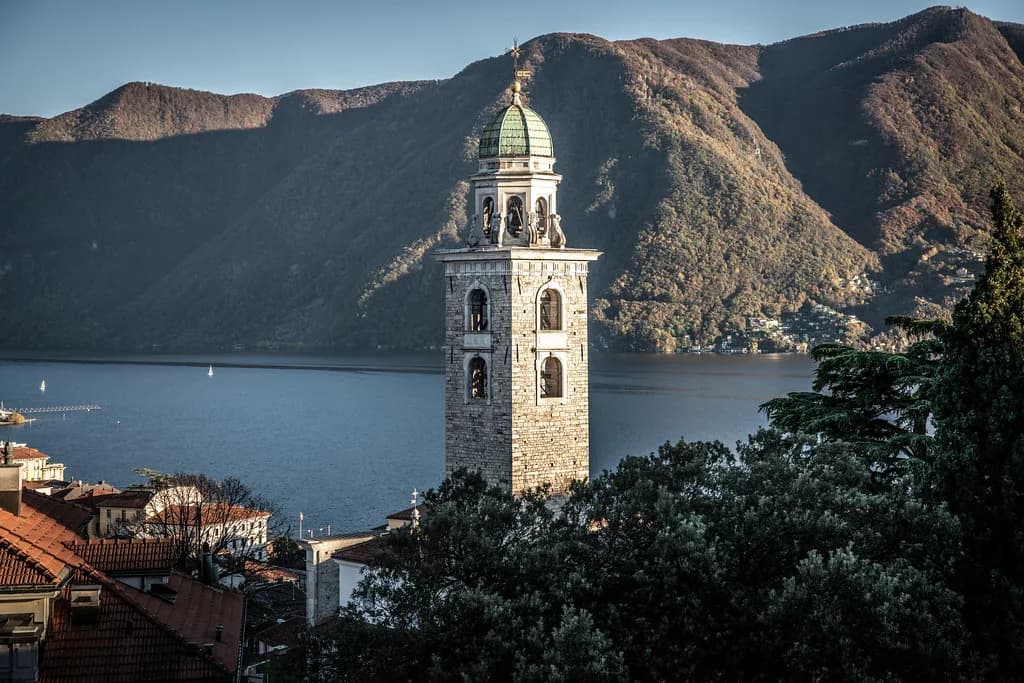
Lugano fits a surprising amount into a small, walkable center: a car-free old town wrapped around the lake, a palm-lined waterfront park, two funiculars climbing to viewpoints above the city, and a lakeside path that reaches the village of Gandria. The city sits in Ticino, the only canton where Swiss-Italian is the official language, and the Italian influence shows in the piazzas, the architecture and the language you hear. Give it two days and you can see the center properly, ride at least one mountain railway and walk part of the lake shore.
This guide organizes the city by area and by theme, so you can build each day around one part of town rather than crisscrossing it. The old town and lakefront sit together at the bottom; the station sits above them; the funiculars leave from Cassarate and Paradiso on opposite sides of the center. The Lugano Attractions: 8 Visitor Guides hub links the individual sights if you want to go deeper on any one of them.
How Lugano Is Laid Out
The main station sits on the hill above the center, so your first move on arrival is downhill: the old town and the lake are a short walk or bus ride below. Trains arrive into that upper station, and from there it is easy to reach most of the center on foot or with the city buses. Plan the arrival walk with that slope in mind, and save the climb back up for the end of the day or take a bus.
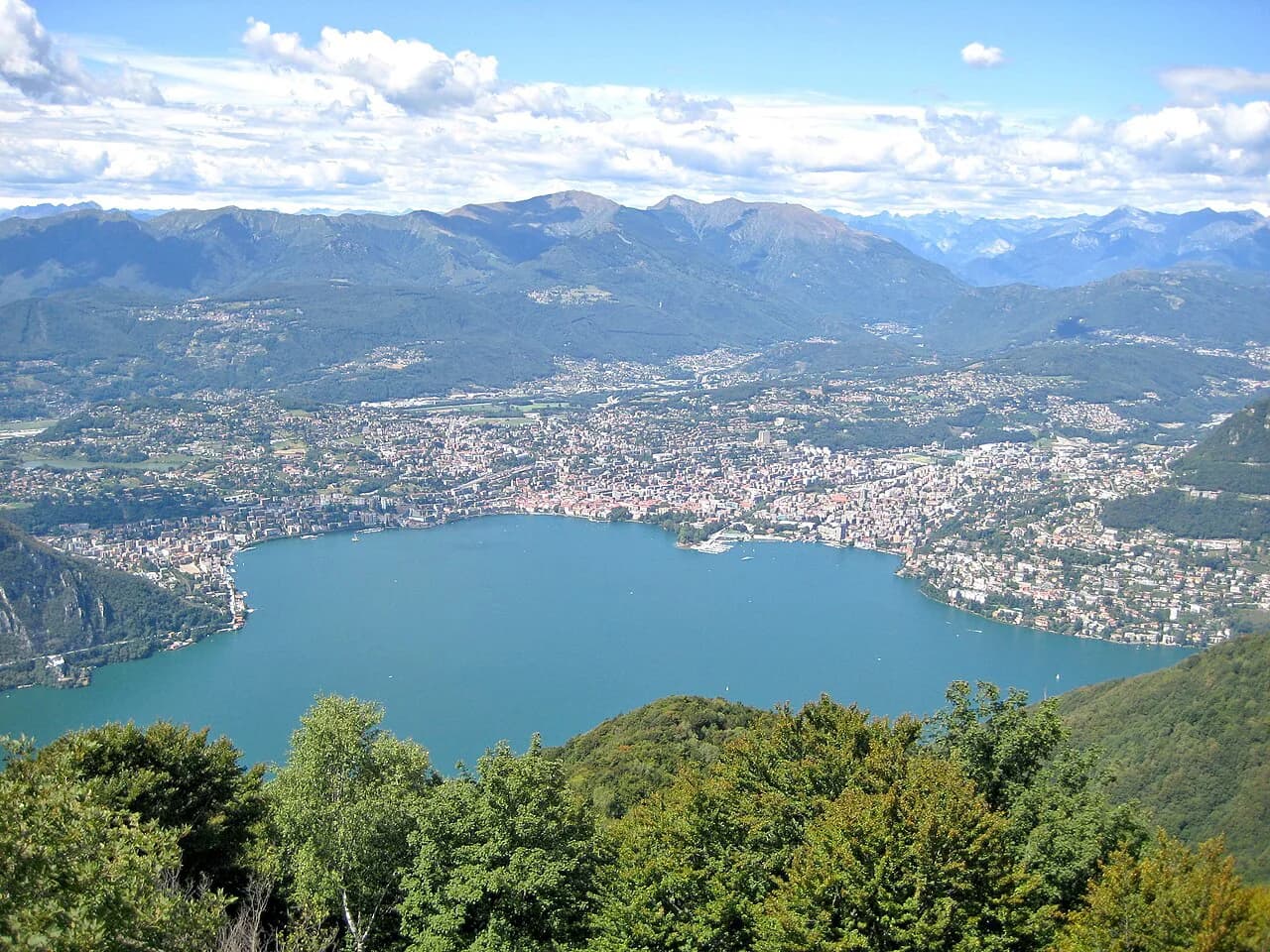
At the bottom, the city wraps around Lake Lugano, with a car-free center, squares and small streets fanning off the waterfront. That compactness is what makes Lugano easy on foot: you can move from a piazza to a lakeside park to a boat dock without a bus. The trade-off is that the flat lakeside and the steep streets above it feel like two different cities, so group your day accordingly.
Parco Ciani is the largest green space close to the old town, a lakefront park of trees, lawns and the pink 19th-century Villa Ciani. Elevated parks such as Parco San Michele and Parco Tassino sit above the city and repay the climb with views over the lake. If parks are a priority, the Parks in Lugano guide covers the smaller and higher ones.
Old Town: Piazza della Riforma, Via Nassa and the Centro Storico
The center of the old town is Piazza della Riforma, the main square, lined with cafes and restaurants and a natural place to start a walk. From the square, narrow streets lead into the Centro Storico, where historic buildings sit alongside newer architecture, a mix that sets Lugano apart from older-looking Swiss old towns. Wander without a fixed route: the pleasure here is the streets themselves rather than a single sight.
Via Nassa is the old town's shopping street, known for jewelry and clothing stores, and it shows Lugano's upscale, resort-town side. Even if you are not buying, it is a pleasant loop back toward the lake. Our guide to shopping in Lugano covers the streets and the character of the shopping district.
Most of the best-known sights sit in and around this core, which is why strolling it counts as an activity in itself. The old town is also where you will find much of the city's everyday life: shops, cafes and the small streets that connect the piazzas. If you would rather have a set route, the lugano old town guide walks the district in detail.
Churches Worth Stepping Into
Two churches in the center reward a short visit. The Cathedral of San Lorenzo is the city's main church, and the Church of Santa Maria degli Angioli is known for its frescoes. Both are close enough to the old town and lakefront to fold into a walking loop, and neither demands much time, which makes them good short stops between longer sights.
The frescoes in Santa Maria degli Angioli are the draw here, so go with a little patience rather than a checklist. For San Lorenzo, treat the visit as a pause in the old town walk rather than a separate outing.
Museums: Art and Natural History
Lugano's museums suit a slower morning or an afternoon when the weather turns. The Museo d'arte della Svizzera italiana covers Swiss-Italian art, and the Cantonal Museum of Natural History is the pick if you are traveling with children or want a break from churches and piazzas. Both are named among the city's most worthwhile indoor stops, and each takes an hour or two rather than a whole day.
For planning, the museums in lugano guide gathers the city's collections in one place, so you can match a museum to the part of town you are already visiting. The wider network includes MASI Lugano alongside the natural history collection, and checking each museum's own page for current opening days and admission is the safest approach before you build a day around one.
Parco Ciani and the Lakefront Walk
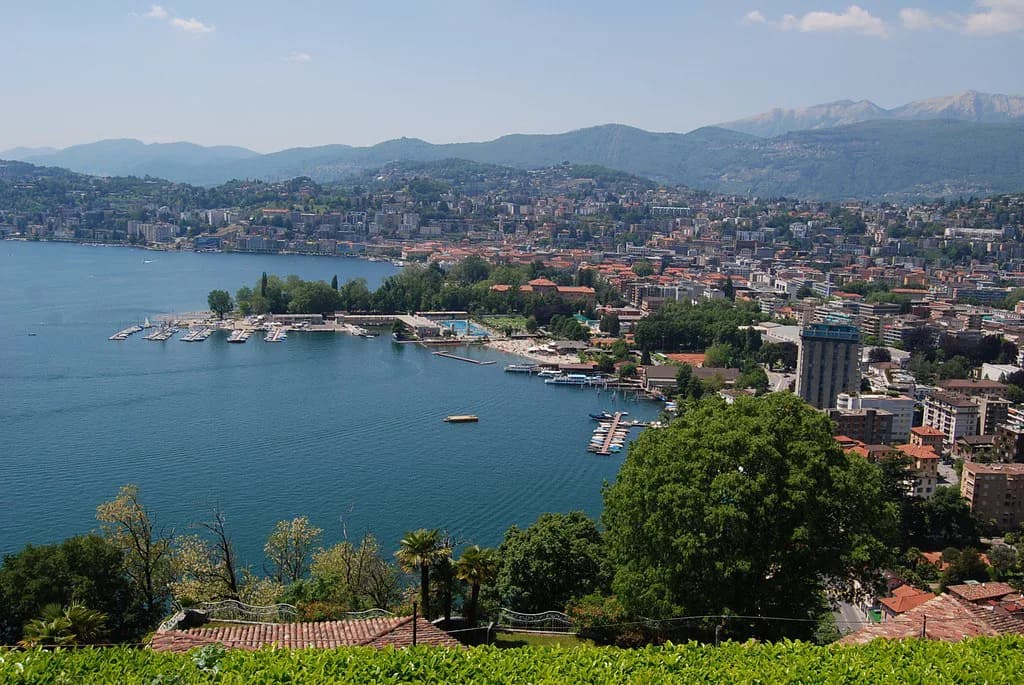
Parco Ciani is the easiest place to slow down in Lugano. The lake path runs through the trees along the water, with lawns for a picnic and the pink Villa Ciani as the landmark at its center. It is the closest large green space to the old town, so you can walk from Piazza della Riforma to the park in a few minutes and keep going along the shore.
The lakefront itself is the connecting thread of a Lugano day: from the park, paths continue along the water toward the boat docks and the lower funicular stations. Walking it is free and takes you past the city's best free views. For a list of no-cost options like this, the free things to do in lugano guide is a useful companion; the Lugano Viewpoints guide covers the raised alternatives.
Monte Brè by Funicular from Cassarate
The funicular to Monte Brè leaves from Cassarate, on the eastern side of the center, and climbs more than 900 meters to the mountain village above the lake. The village itself is part of the appeal: colorful alleyways and lanes worth a slow stroll before or after the viewpoint. From the top, trails are easier than on the opposite mountain, so this is the better choice if you want a walk rather than a climb.
Clear weather is the deciding factor for either mountain, and the ride up is short enough that you can fit it into a half day. The trade-off is that everyone else has the same idea on a clear day, so go early or late to avoid the worst of the queue. The lugano funicular guide covers the routes and how the two lines compare.
Monte San Salvatore by Funicular from Paradiso
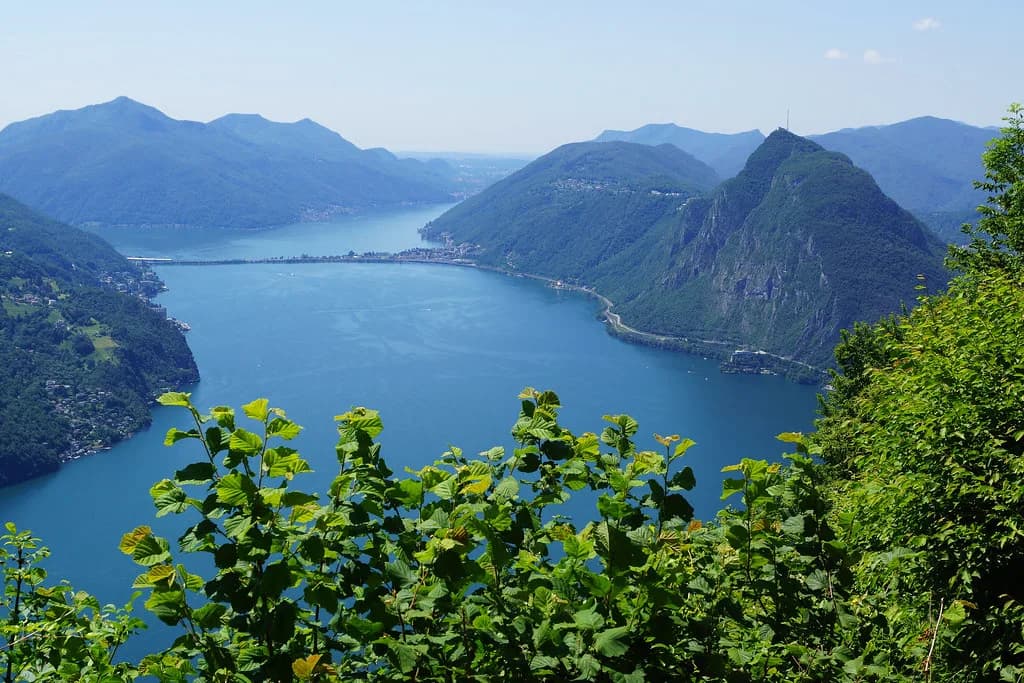
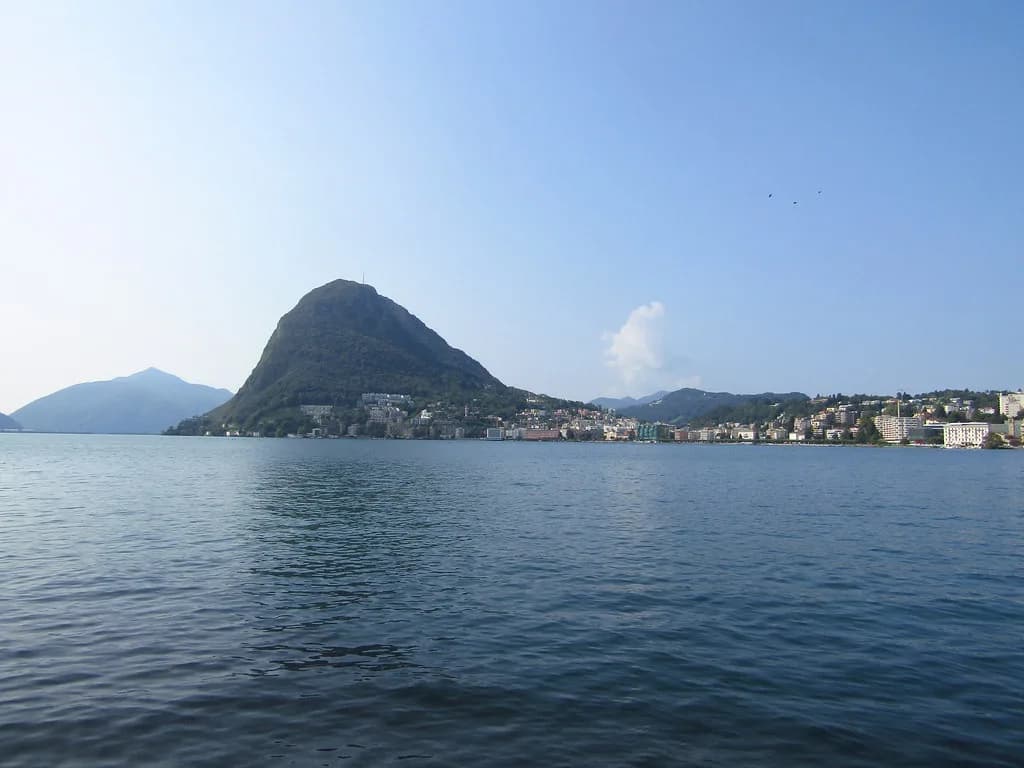
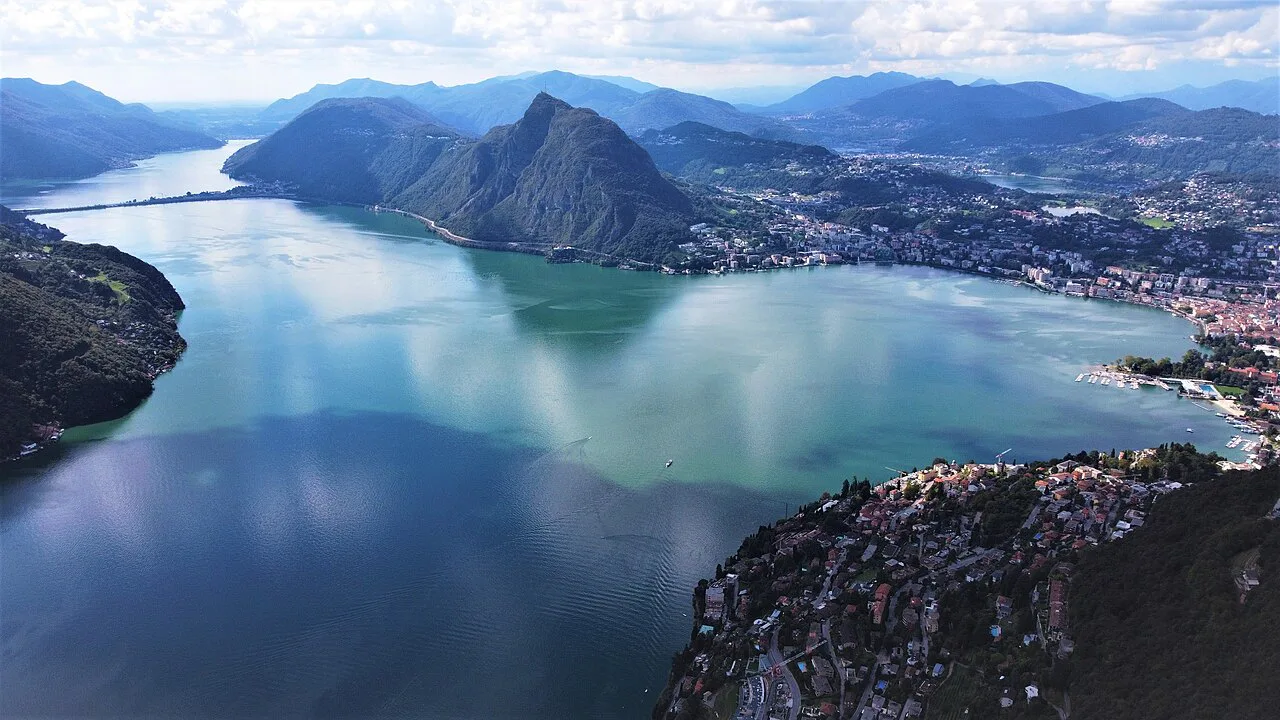
Monte San Salvatore rises south of the city, above Paradiso, and its funicular gives the bigger climb and the steeper, more demanding trails. At the top there is a restaurant and panoramic views over the lake and the surrounding mountains. Choose this one if you want a proper hike and a higher perch rather than an easy stroll.
You can also drive toward either viewpoint, but the car parks leave a 20 to 30 minute walk to the best views, which cancels out much of the convenience. Riding up and walking from the top station is the simpler plan. If your priority is the view itself rather than the route, the Best Views in Lugano guide compares the high points.
Choosing Between Brè and San Salvatore
The two mountains split cleanly. Brè, from Cassarate, gives you the mountain village, gentler walking and a viewpoint that suits mixed-ability groups. San Salvatore, from Paradiso, gives you height, steeper trails and a restaurant at the summit. Pick one for a clear day and keep the other in reserve for a second visit rather than trying to do both.
Weather matters more than any other variable: the views need a clear day, and cloud can shut them down entirely. Build the mountain morning into your plan but hold it loosely, and swap it for the museums or the lakefront if the sky is flat. Funicular operating days and prices vary by season, so confirm them before you go.
The Olive Tree Trail to Gandria
The Sentiero dell'Olivo, or Olive Tree Trail, follows the lake from the city to the village of Gandria in about 1.5 hours. Along the way, placards explain the history and nature of the area, and there are lakefront cafes for a stop. It is a walking path rather than a route with a guide, and you can walk one way and take the local bus back to town.
The walk suits anyone who likes to reach a place on foot and reward themselves with a village at the end. Gandria sits on the Swiss-Italian border and makes a good half-day destination on its own. Because the trail follows the water, it is easy to shorten if the weather turns, and the boat or bus back means you do not have to retrace the whole route.
Boats on Lake Lugano
Boat options range from scheduled ferries to private boats you can drive yourself. The main docks are at Lugano Centrale, Lugano Giardino and Paradiso, and ferries run daily to towns such as Morcote and Gandria, letting you get off and walk around. If you want independence, a self-drive boat lets you bring drinks and stop for a swim.
For most visitors, the best value is a scheduled ferry to a village rather than a loop cruise: it turns a boat ride into a transport leg. Check the timetable on the day at the dock, since the ferry schedule varies by season. A boat also works as the return leg of the Olive Tree Trail if you would rather not take the bus.
How Many Days Lugano Needs
One focused day covers the old town, Parco Ciani and one funicular. Two days let you add the Olive Tree Trail to Gandria or a boat ride to a lakeside village without rushing. A third day is for a slower pace: a second mountain, the museums, or simply more time in the piazzas and along the lake.
Lugano is also compact enough to use as a base, so you can shape a day around weather rather than strict scheduling. If you want another Swiss city for comparison, the things to do in Bern guide covers a very different kind of old town.
When to Go
Ticino has a milder climate than the rest of Switzerland, with typical figures of more than 2,000 hours of sunshine a year, which supports year-round visits rather than a narrow season. Summer is warm and busy; spring and autumn are quieter and comfortable for walking. The mountains decide much of the experience, so favor a stretch with clear forecast days if the viewpoints matter to you.
Practical Trade-offs
Switzerland is expensive, and Lugano's resort-town character comes with resort-town prices, so budget accordingly. Walking, the lakefront and the parks cost nothing, while the funiculars and boats add up over a few days. Check current fares and operating days with each lift company and boat operator before committing a day to a mountain.
Driving is a real option for the viewpoints, but you still walk 20 to 30 minutes from the car parks, so it does not save as much as it looks. The train station above the center means buses fit neatly into arrival and departure, and a rental car is most useful for the small lakeside towns rather than the city itself.
Queueing on a clear day is the main friction: the funiculars are the headline activity, and everyone wants them at once. Go at opening or late afternoon, and keep a museum or the Olive Tree Trail as a flexible backup. A Swiss Travel Pass or similar rail card can change how you move around the region, but check what it actually covers before you buy it.
Where the Day Trips Fit
A short boat or drive away, Morcote is one of the most picturesque villages on the lake, with the Parco Scherrer gardens as its standout stop. Gandria, at the end of the Olive Tree Trail, works as a half-day rather than a full one. Both make good use of a spare morning without changing your base.
The Italian shore of the lake is a short border crossing away for a very different atmosphere, and Bellinzona, a UNESCO World Heritage Site with its castles, is the other main excursion. Keep these as one-line additions to a Lugano trip rather than separate itineraries, and check the boat and train connections before you plan around them.
Making the Most of Lugano
Lugano's strengths are simple to plan around: a compact old town, a park on the water, two mountains above the city and a walking path to a border village. Group the old town and lakefront together, give a clear day to a funicular and keep the Olive Tree Trail for a day when you want a pace change.
Prices and operating days change by season, so confirm the funiculars, boats and museums before you build a day around them. With those checks done and a flexible plan, two days in Lugano are easy to fill and a third is easy to justify.
Explore more Lugano guides
Frequently Asked Questions
Is Lugano worth visiting?
Yes, for the mix of a compact, car-free old town, lakefront parks and mountain viewpoints reached by funicular. It feels more Italian than the northern Swiss cities, with piazzas, palm trees and Swiss-Italian as the official language, and most of the center can be covered on foot.
How many days are enough for Lugano?
Two days cover the old town, Parco Ciani and one funicular comfortably, with time for the Olive Tree Trail to Gandria or a boat ride. One day is enough for a focused visit to the center and a viewpoint, while a third day lets you add the second mountain or a museum.
What should you not miss in Lugano?
Piazza della Riforma and the streets of the old town, Parco Ciani on the lakefront, and one of the two funiculars, to Monte Brè or Monte San Salvatore. The Olive Tree Trail to Gandria is the best half-day on foot if the weather is good.
Do you need a car in Lugano?
No. The train station sits above the center, buses connect the station with the old town, and the center is walkable. A car helps for the smaller lakeside towns and the Italian shore, but the main sights are easier without one.
Which funicular should you choose, Monte Brè or Monte San Salvatore?
Choose Monte Brè from Cassarate for the mountain village and easier trails, and Monte San Salvatore from Paradiso for the higher, steeper and more demanding climb. Either works as a half-day, but both need a clear day to pay off.
When is the best time to visit Lugano?
Ticino is mild for Switzerland, with typical figures of more than 2,000 hours of sunshine a year, so spring and autumn are comfortable and summer is warm and busier. Clear days matter most for the mountains, so favor a stretch with a settled forecast if the viewpoints are a priority.
Where are the best views in Lugano?
The mountain stations on Monte Brè and Monte San Salvatore give the widest panoramas over the lake and the surrounding peaks. Closer in, the elevated parks Parco San Michele and Parco Tassino offer views of Lake Lugano without leaving the city.
How long is the Olive Tree Trail to Gandria?
About 1.5 hours on foot, following the lake from the city to Gandria. Placards along the way explain the olive groves and local nature, and there are lakefront cafes and swimming spots, with a local bus for the return trip.
Sources
Notes for your Swiss city break
Optional updates to our Swiss city guides.
You might also like
Continue reading
More guides you'll find useful