Grindelwald in Autumn: Plan Fall Colors and Views
Plan a fall trip to Grindelwald with named viewpoints, mountain railways and lake trails, plus how autumn weather shapes each day of your visit.
On this page
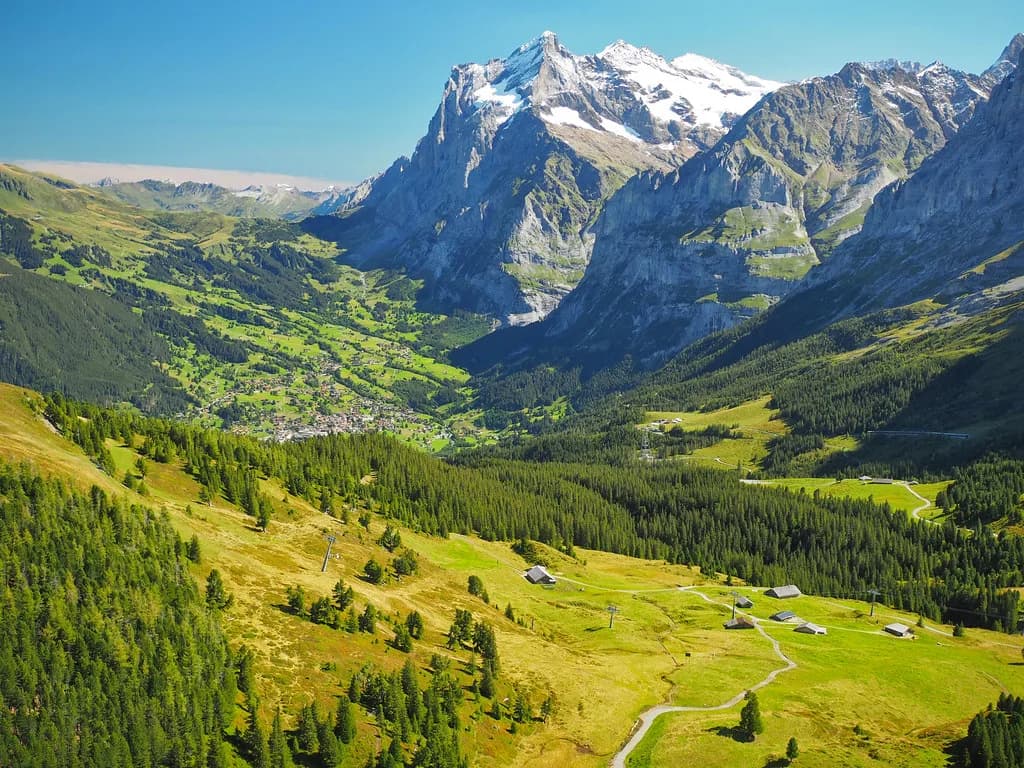
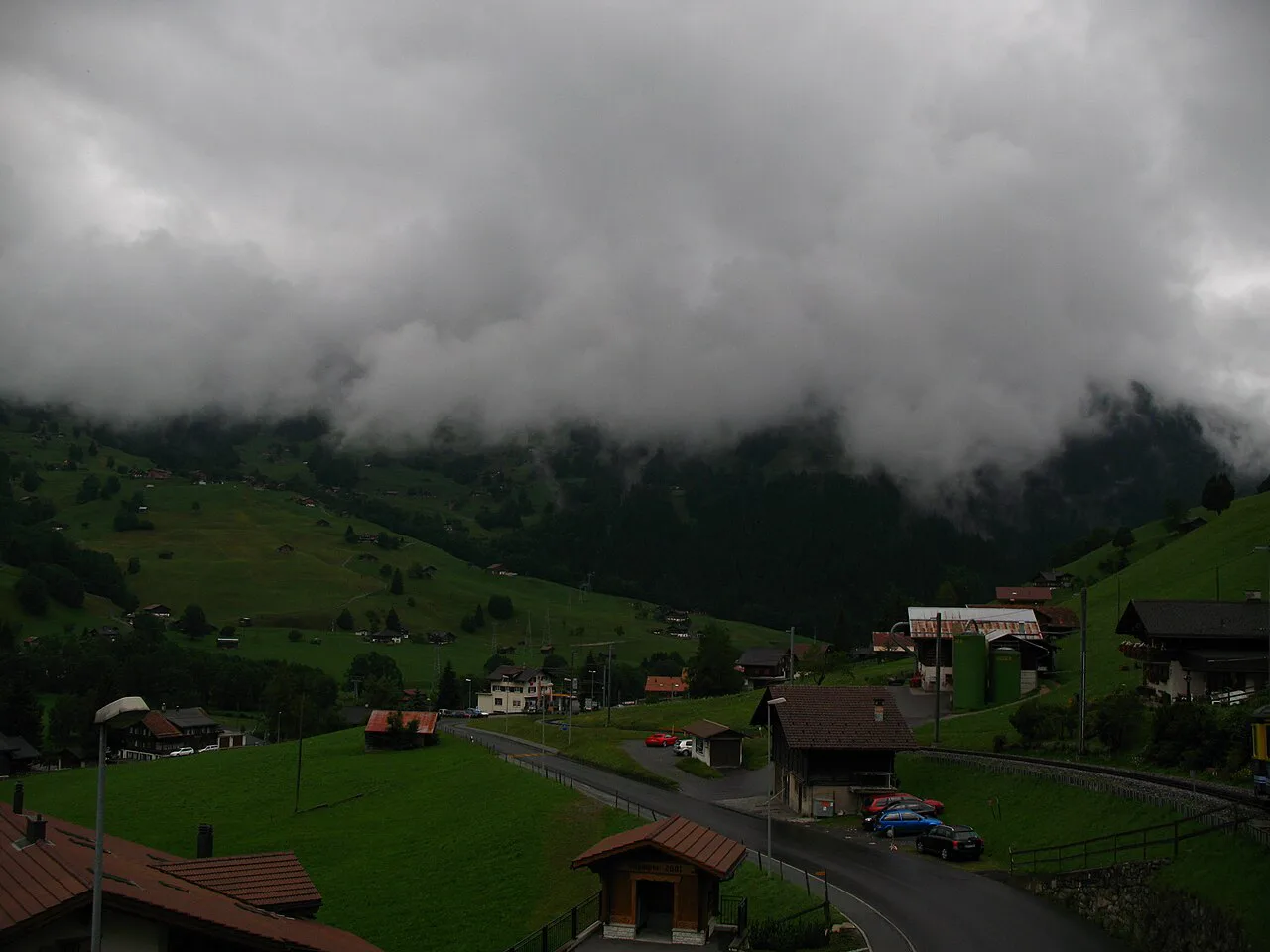
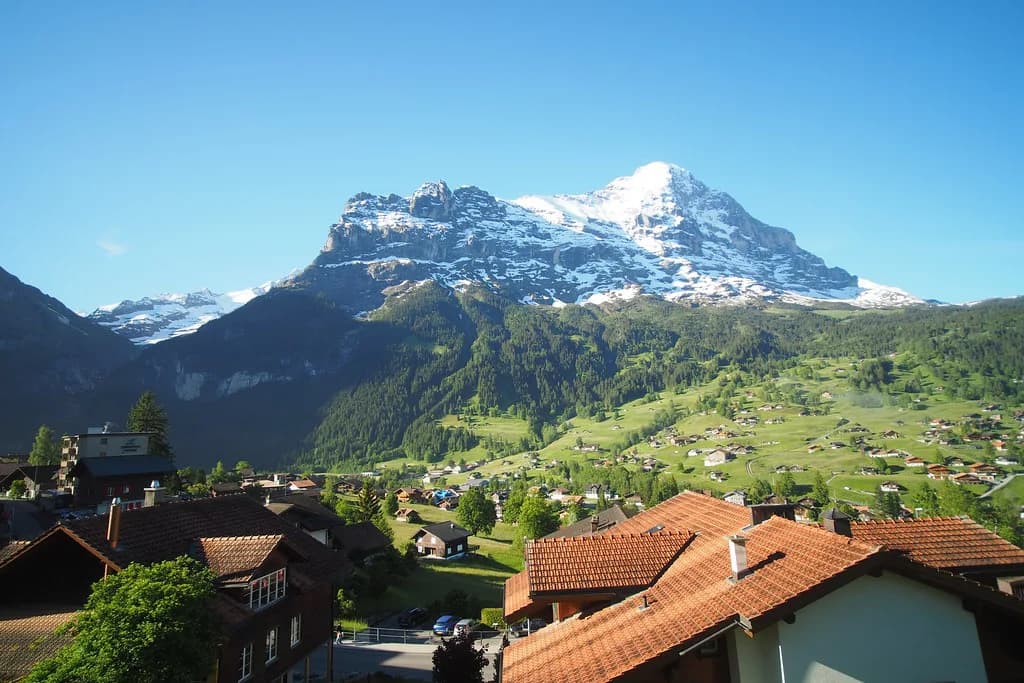
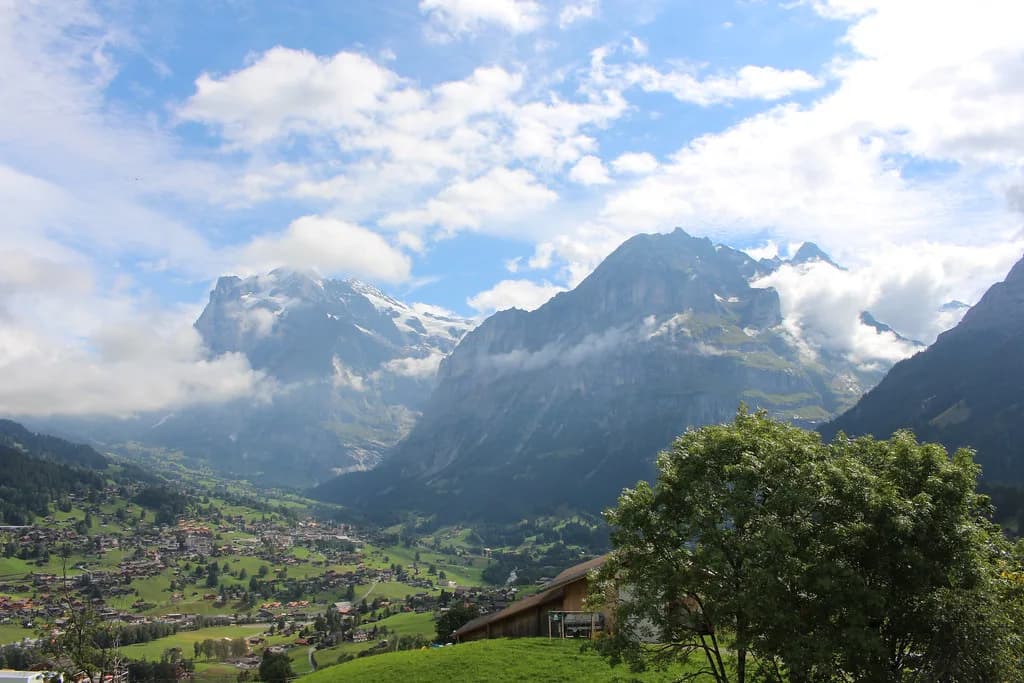
Autumn is a strong time to visit Grindelwald because the village sits in a deep green basin below the north faces of the Eiger and Wetterhorn, and fall sharpens that contrast. Trails are quieter than in high summer and the air is crisp, which suits long days on foot or on the mountain railways. The main variable is cloud: mountain views decide the plan, not the date on the calendar.
Treat Grindelwald as a base and a destination at once. The village itself has viewpoints onto the surrounding walls, and a network of trains and cable cars climbs to First, Männlichen, Schynige Platte and the Schilthorn in four stages from Stechelberg. Build each day around one high viewpoint and one lower walk, so a bank of cloud costs you an hour rather than a whole day.
What the Season Changes About a Visit to Grindelwald
Autumn narrows the daylight and cools the air, so a mountain day needs an earlier start than in July. It also rewards flexibility: the same trail that is crowded and hazy in August can be empty and sharp in late September. Because the valleys south of Interlaken drain through the Lütschine and the region is served by the Bernese Oberland Railway, the Wengernalp Railway and the Jungfrau Railway, you can change plans without a car.
The trade-off is service and weather. Shoulder-season quiet comes with shorter mountain operating windows and more changeable skies, and the high stations feel considerably colder than the village. Pack layers, a waterproof shell and shoes with grip, and keep one indoor or valley-level plan in reserve for each two days outside.
Autumn also suits the village itself. Grindelwald has tourism history dating to the late eighteenth century, when the first guests, mostly English, arrived, and the wooden chalets and hotel fronts read well against fall color. Walking through the center costs nothing and needs no ticket, which makes it a sensible filler on a travel day.
Typical Autumn Conditions and What They Mean for Each Day
Expect changeable weather: sun, mist and fast-moving cloud can all appear in one day, and misty mornings often clear later. Frame the forecast as guidance rather than a promise and decide the order of days the evening before, judging visibility on the mountain webcams. A morning that looks flat in the valley is sometimes clear at 2,000 m, and the reverse happens too.
Temperature falls with altitude, so the difference between a mild village afternoon and a cold ridge is significant even on a sunny day. Gloves and a hat weigh little and turn a shivery viewpoint into a comfortable one. For a month-by-month view of how conditions shift, compare the shoulder months on the best time to visit page before you fix dates.
Grindelwald First: The Cliff Walk and the Trail to Bachalpsee
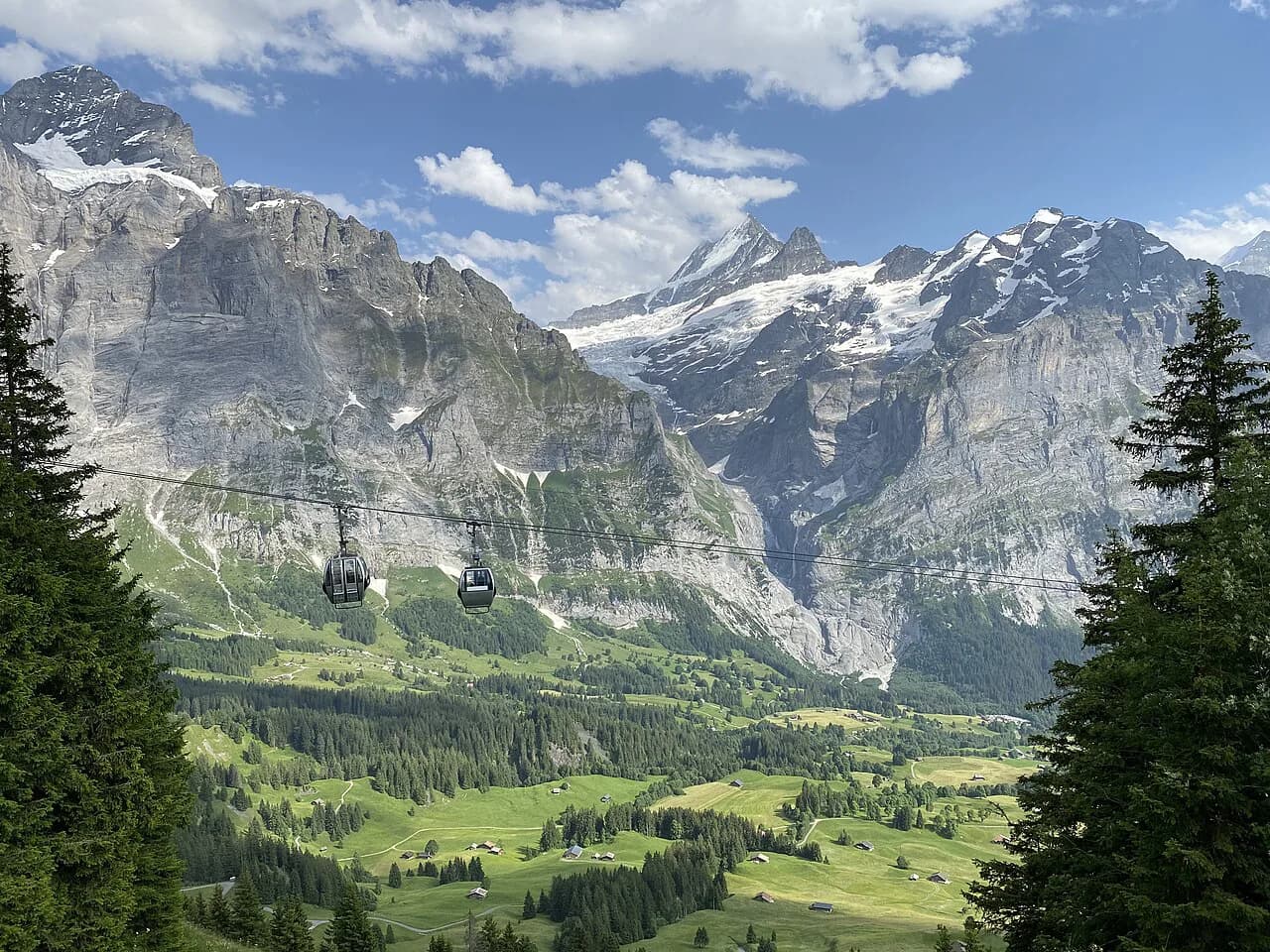
The First cable car from Grindelwald is the fastest way into high terrain, and the First Cliff Walk is a short, dramatic walkway with a terrace that hangs above the drop. It is not for everyone: the exposure is real, so anyone uneasy with heights should skip the terrace edge and enjoy the wider viewpoint instead. From the top station, the trail to Bachalpsee runs at roughly 2,265 m and passes a lake split by a natural dam into two basins.
The walk to Bachalpsee is the classic half-day outing here and works well in autumn, when the path is quieter and the light is low and clear. Allow time for the altitude and start early enough to return before the cable car stops running for the day. Check the day's operating times at the ticket office rather than relying on summer habits.
The Marmot Trail at Grindelwald First and Who It Suits
The Marmot Trail at Grindelwald First is a themed family walk rather than a summit push, which makes it a good choice for mixed groups and short autumn days. Its appeal is gentler terrain and interpretive stations rather than exposure, so it pairs naturally with the First cable car and the cliff walkway above. Families with young children often find this a better use of a morning than a longer lake hike.
Pair it with the First area rather than treating it as a separate excursion. Ride up, do the short trail, take in the viewpoint and descend before the afternoon cloud builds. If the cable car is not running on your dates, switch to a village-level walk and keep the high day for better weather.
Männlichen: The Panorama Trail and Village Views
Männlichen offers one of the region's easiest big views, reached by cable car from Grindelwald and linked by rail toward Wengen and Kleine Scheidegg. The panorama trail along the ridge is a gentle walk with the Eiger, Mönch and Jungfrau in front of you, which is exactly the sort of outing autumn rewards when the cloud sits high. Wengen itself sits at 1,274 m on a sunny plateau above the Lauterbrunnen valley and is car-free.
Use the ridge as a half-day and combine it with a slow look at the villages below. The Wengernalp Railway has linked Lauterbrunnen with Wengen since 1893, and the ride is a scenic part of the day in its own right. Build in time for a coffee stop rather than sprinting between connections.
Seeing the Eiger and Wetterhorn North Faces From the Village
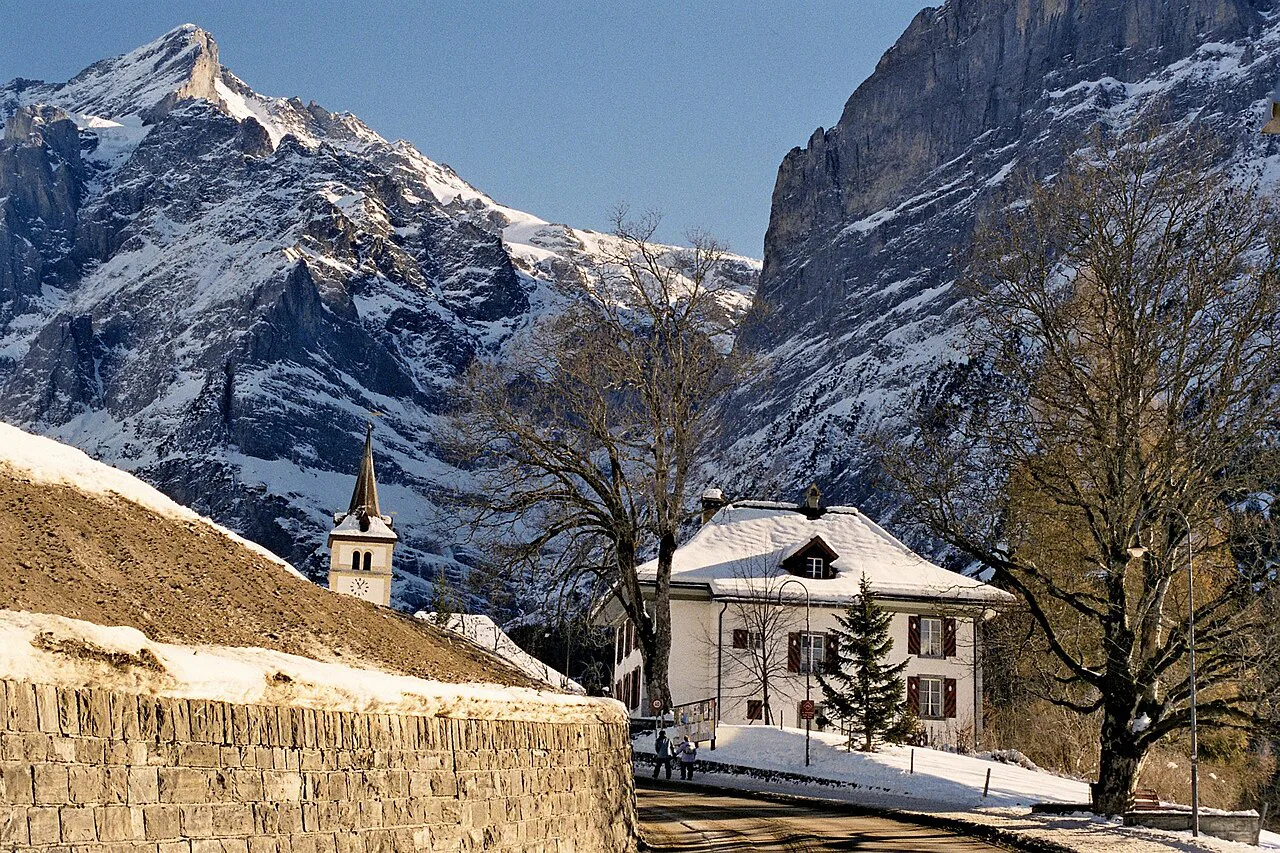
You do not need a ticket to see the reason Grindelwald is famous. The Eiger north face and the Wetterhorn rise directly above the village, and the Höhematte meadow in nearby Interlaken aside, Grindelwald's own streets and viewpoints give clean sightlines on clear mornings. Check whether your dates fall in a quieter window on the best time to visit comparison before booking.
The village also has straightforward walking without gaining altitude: paths around the built-up area give you the north faces from different angles, and the tourism history here goes back to the eighteenth century, which shows in the older hotel architecture. Spend a low-energy afternoon this way when the high stations are in cloud.
Schynige Platte: The Historic Cog Railway and Its Alpine Garden
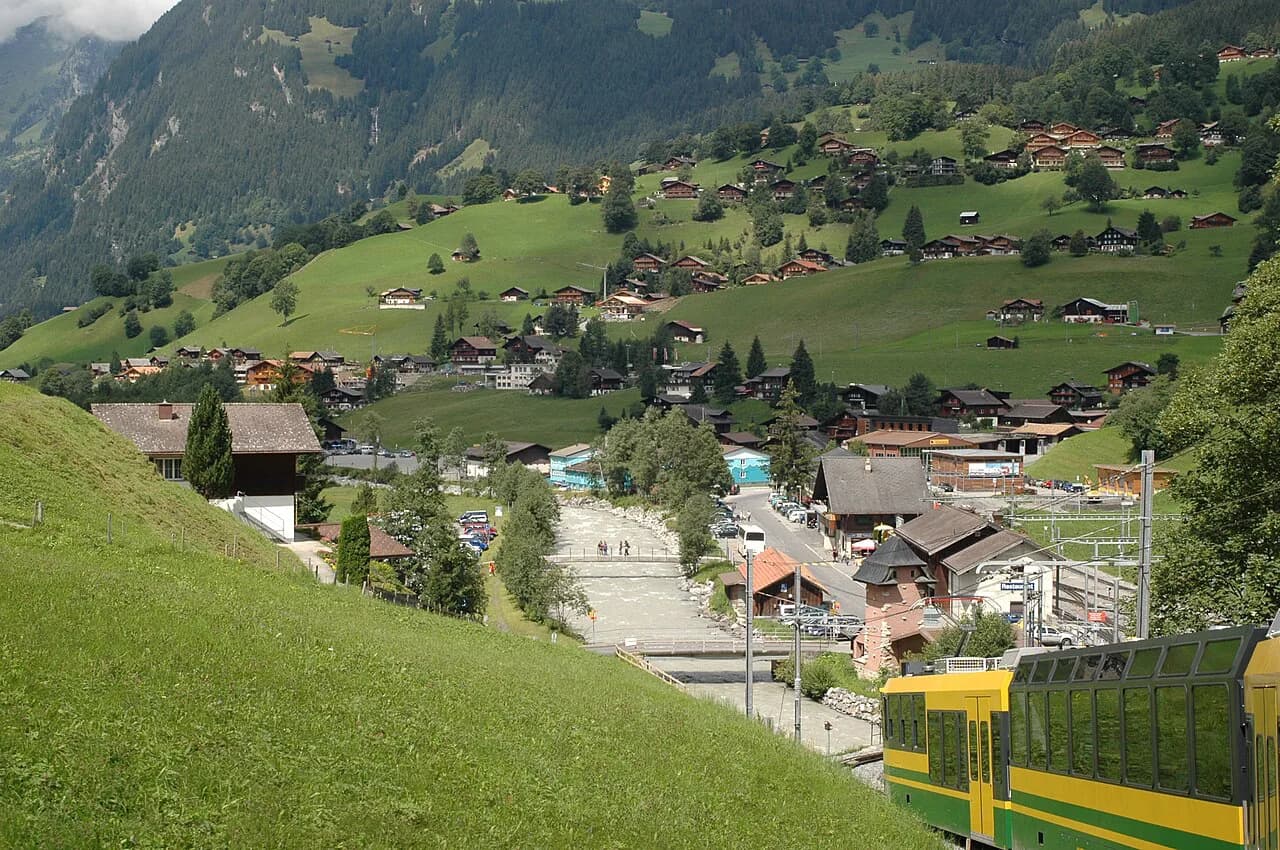
Schynige Platte is reached by a historic cog railway with open wooden carriages, and the ride is half the attraction. The station sits at 1,967 m and the site includes an Alpine garden with roughly 650 plant species, which gives non-walkers a reason to ride up even if they skip the trails. Views open across the Bernese Alps as the train climbs.
Autumn suits this trip because the garden and the ridge walks feel less hurried, and the open carriages are bracing rather than unpleasant if you dress for it. A panoramic restaurant at the top gives a warm stop before the descent, though it is best treated as a break rather than a destination. Confirm the day's train times locally, since shoulder-season schedules differ from summer.
Mürren and Wengen as Car-Free Add-On Villages
Mürren sits at about 1,650 m above the Lauterbrunnen valley and is reached by cable car from Lauterbrunnen and from Stechelberg, both car-free ends of the journey. Its lanes, wooden houses and views across to the Eiger, Mönch and Jungfrau make it a strong half-day add-on rather than a base. Wengen, higher at 1,274 m, is smaller and served by the Wengernalp Railway.
Both villages reward slow walking rather than checklist sightseeing, and autumn gives them a quieter, more local feel. The catch is fewer daylight hours, so choose one village per outing and keep the descent comfortable. If you are weighing a spring or early-summer trip instead, the April and May pages explain how the same lifts behave then.
The Lauterbrunnen Valley and Its Waterfalls
The Lauterbrunnen valley is the low-altitude option for a cloudy day: 72 waterfalls drop from the cliffs, with Staubbach and the underground Trümmelbach falls the best known. A walk up the valley to Sichellauenen and back takes roughly three to four hours, and the tunnel lift at Trümmelbach leads to stairs and viewpoints inside the rock. It is a genuinely different day from a ridge walk.
This is where autumn rain stops being a problem: the falls run fuller, the valley floor is sheltered, and you stay below the cloud line. Wear footwear with grip for wet rock and stairs. For a quieter shoulder-season version of the same area, the June page shows how the valley fits into a longer stay.
Schilthorn: The Four-Stage Cable Car, Birg Walkways and Piz Gloria
The Schilthorn tops out at 2,970 m and is reached from Stechelberg by a cable car in four stages, running roughly every half hour. At Birg, the Skyline Walk and the 200 m Thrill Walk put you above the cliff walls, and at the summit the revolving Piz Gloria restaurant turns once every 45 minutes. The Bond World exhibition and Avenue of the Stars recall the 1969 filming of On Her Majesty's Secret Service.
At this altitude autumn can look like early winter, so check conditions before committing to the full ascent. The reward is a 200-peak panorama including the Eiger, Mönch and Jungfrau, which is best on a genuinely clear day rather than a marginal one. Treat Birg as the decision point and turn back if the summit is in cloud.
How Mountain Weather Should Reorder Your Plan
Build your days as a set of alternatives rather than a fixed itinerary. Put First, Männlichen or Schynige Platte on the clearest morning, the Lauterbrunnen valley on the wettest, and keep the village and Interlaken for travel days. In Grindelwald, autumn color is at its best in the mixed woodland around the village, and clear views of the Eiger north face are the variable.
If two consecutive days look marginal, ride a scenic railway instead of climbing. The Zürich–Lucerne–Interlaken connection is among the region's most beautiful rail routes, and the onward trip into the Lauterbrunnen and Grindelwald valleys is scenic in its own right. That keeps the day enjoyable even when summits are hidden.
Getting Around Without a Car in Shoulder Season
Grindelwald works well car-free: trains run from Zürich, Geneva, Basel and Bern, and the valleys south of Interlaken are served by the Bernese Oberland Railway, the Wengernalp Railway and the Jungfrau Railway, with cable cars filling the gaps. The SBB app is the practical tool for timetables and connections. A car adds little and parking adds friction. If you are starting from Basel, compare how its autumn crowds and Herbstmesse fit around the trip with this guide to Basel in autumn.
In autumn, connections thin out and the last descent matters more than the first ascent. Check the final departure for whichever lift or train you use before you set off walking, and keep a buffer of one service. A Half Fare or Swiss Travel Pass can change the economics of a multi-day stay, and the best time to visit page sets out how passes fit the seasons.
What Autumn Costs Look Like and Where a Pass Helps
Mountain transport is the main expense in Grindelwald, and autumn does not make it cheap. Ticket desks publish current prices for each cable car and railway, and the Swiss Travel Pass includes trains, panoramic trains, boats and buses, around 500 museums and public transport in 90 cities on consecutive-day terms. Ask at the station which lifts are covered and which need a supplement before you buy.
For a short trip, price the pass against your actual lift list rather than assuming it wins. Walks and village time are free, so a mixed itinerary often beats a lift-heavy one for value. The attractions hub sets out which paid experiences are worth the ticket and which views come free from the valley floor.
Quieter Trails and Crowds in the Shoulder Season
The strongest argument for autumn is space. Fewer visitors on the popular paths around First and Bachalpsee means a calmer day, and misty mornings keep the fair-weather crowd in bed. The counterweight is that some mountain services run less often, so a quiet trail can mean a longer wait for the next lift.
Villages like Mürren and Wengen feel particularly calm, and the slow rhythm of a village walk suits the light. If you want the same quiet with warmer days, August is busier but more predictable on the lifts and trails.
A Two-Day and a Three-Day Autumn Plan
With two days, put the clearest morning on First for the cliff walk and the trail to Bachalpsee, then spend the second day on the Männlichen ridge followed by Wengen or Mürren. That pairs one high, exposed day with one gentler village day and keeps a fallback in reserve.
With three days, add the Lauterbrunnen valley and its waterfalls as the wet-weather day, or ride the Schynige Platte cog railway if the sky is clear. Keep the Schilthorn as an alternative to First rather than an addition, since two summit days in one trip can be one too many.
If your dates shift into late spring instead, the April page covers how lift access and snow cover differ before the summer season starts.
Autumn Folklore and Cow-Descent Traditions
Autumn in the Bernese Oberland includes the return of cattle from high summer pastures, a tradition known as poya or inalpe in French, with decorated cows, horse carts and village music. Related customs include cheese sharing at Lake Thun, called Chästeilet, and a wine festival in Spiez on the fourth Sunday of September.
Dates vary by village and by year, so check local listings in Grindelwald and the surrounding towns rather than travelling for a fixed date. Ausschiesset in Thun, a shooting-festival tradition dating to the sixteenth century, is held in mid-September each year.
Plan Your Visit
Autumn in Grindelwald rewards readers who plan around visibility. Pick one high viewpoint per clear day, keep the Lauterbrunnen valley and village walks for grey ones, and use the railways and cable cars to gain height quickly.
Book transport passes after pricing your actual lift list, allow for shorter shoulder-season operating windows, and confirm the final descent before starting any afternoon walk.
Explore more Grindelwald guides
Frequently Asked Questions
Is October a good time to visit Grindelwald?
October is often a rewarding shoulder month, with quieter trails, low clear light and a good chance of sharp views of the Eiger and Wetterhorn. The variable is cloud, so plan around webcams rather than the calendar.
What should I pack for autumn in Grindelwald?
Layers, a waterproof shell and shoes with grip. Temperatures fall sharply with altitude, so the ridge and summit stations feel much colder than the village even on a sunny afternoon.
Do I need a car in Grindelwald in autumn?
No. Trains run from Zürich, Geneva, Basel and Bern, and the valleys are served by the Bernese Oberland Railway, the Wengernalp Railway and the Jungfrau Railway, with cable cars connecting the rest.
How many days do I need in Grindelwald in autumn?
Two days covers First and the Männlichen ridge. Three days adds the Lauterbrunnen valley or the Schynige Platte cog railway, which gives you a wet-weather option without rushing.
Is Bachalpsee worth walking to in autumn?
Yes, if the panorama is clear. The lake sits at about 2,265 m and the trail from the First station makes a good half-day outing, quieter in autumn than in high summer.
Sources
Notes for your Swiss city break
Optional updates to our Swiss city guides.
You might also like
Continue reading
More guides you'll find useful