Best Time to Visit Grindelwald: A Season-by-Season Guide
Decide when to visit Grindelwald with typical temperatures, snow and daylight by month, plus how each season changes crowds and mountain days.
On this page
The best time to visit Grindelwald is late June through September if you want long daylight, open high trails and the First Flyer and Cliff Walk running, and January or February if snow is the point. March and November trade the best conditions for the fewest people, while April and May form a shoulder gap when some mountain transport is still winding up for the season.
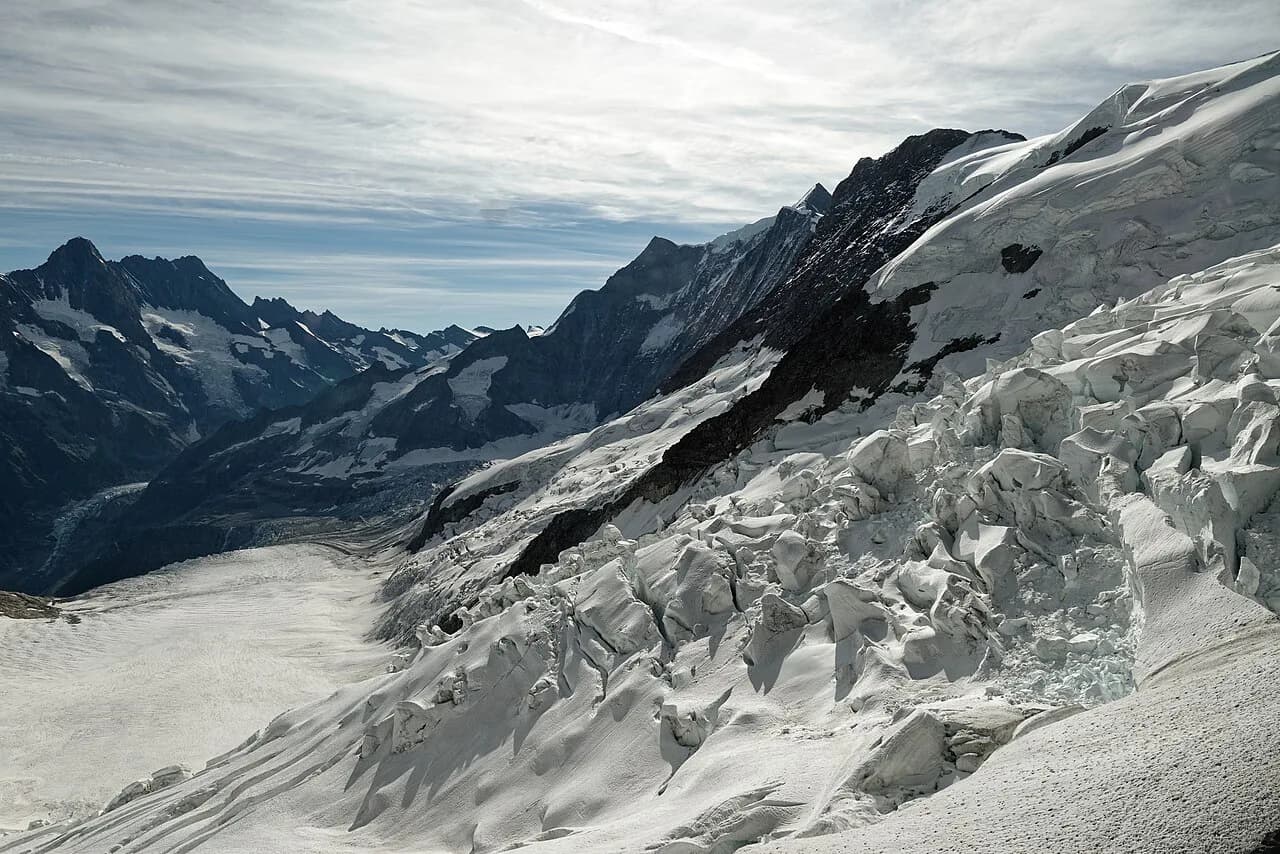
Grindelwald sits considerably higher than Interlaken and Lauterbrunnen, so it runs colder and snowier than the valley floors you pass through on the train. That elevation also means the village can hold snow well into spring while the lakeside towns are already green.
Best time to visit Grindelwald: the short answer
Pick December to February for snow-covered village streets and the most dependable winter conditions, and June to September for hiking, the First Flyer and the First Cliff Walk by Tissot. Both windows are peak season, so book mountain tickets and accommodation early rather than deciding on the day.
Choose late September and October, or March, if you would rather have thinner crowds and can accept softer snow, shorter days or some seasonal closures. November is the quietest month of the winter half, with an autumn feel and patchy early snow.
How Grindelwald's altitude shapes its seasons
The village stands at a much higher elevation than Interlaken or Lauterbrunnen, which is why snow can settle in Grindelwald while the valley towns stay clear. Expect colder air and more snow days here than in the towns you change trains in, and pack for that difference even on a day trip.
Altitude matters most above the village. Summer temperatures in Grindelwald are mild, with July daytime highs typically around 16°C and early mornings near 6°C, and the weather can flip from sun to rain within an afternoon, so layers and a waterproof shell matter on any mountain day.
Grindelwald month by month: typical temperatures, daylight and snow
In the cited climate figures, December runs from roughly -12°C to -5°C with about 8.5 hours of daylight and high snowfall odds, January is the coldest at about -13°C to -6°C, and February sits at -13°C to -5°C with moderate snowfall. March warms to about -9°C to -1°C with around 12 hours of daylight. These are typical averages, not a forecast for your dates, so treat them as a packing guide rather than a promise.
November sits at about -8°C to -12°C with low snowfall and roughly 9.5 hours of daylight, and it often feels more like late autumn than deep winter. Snow can appear on the peaks before it settles in the village, so early-season visitors should plan around what is actually running rather than what the calendar suggests.
November: quiet, autumn-feeling, some mountain transport closed for maintenance
November is one of the calmest months in Grindelwald, with few visitors and a mix of bare autumn and the first snow on the mountains. Some mountain transport closes for annual maintenance before the main winter season, which is the key risk for an early-November trip: build in alternatives in the village and lower slopes.
November has no local winter-season events, so the appeal is quiet trails and easier-to-book beds rather than atmosphere. If your trip hinges on a specific cable car or mountain restaurant, confirm it is running before you commit to dates.
December: winter conditions arrive and the village turns festive
December brings proper winter conditions and festive lights along the main street, and the later in the month you go, the busier it gets around the holidays. Grindelwald does not host a classic Christmas market; instead there is a day market at the end of November, so do not plan a December trip around market stalls.
Holiday timings matter for practical errands: shops are closed on Christmas Day, St. Stephen's Day and New Year's Day, so buy supplies and any forgotten gear before those dates. Book mountain tickets and any Jungfraujoch visit well ahead, because peak-season capacity sells out.
January: coldest month and the most reliable snow
January is typically the coldest month and often has some of the best snow conditions, which makes it the strongest choice for sledding, snowshoeing and winter hiking. Heavy snowfall can temporarily close groomed winter hiking trails, so keep your plans flexible and check trail status before setting out.
Mid-January brings the World Snow Festival, when artists carve large ice sculptures in the village, and the Lauberhorn race in nearby Wengen can tighten accommodation and transport capacity. Neither should stop you visiting, but both are reasons to reserve lodging earlier than you otherwise would.
February: strong snow, busier around Swiss ski week
February behaves much like January for weather but fills up around the Swiss February ski week, when families arrive for one last snow holiday. Cable cars can be busy at opening time, yet the slopes away from the pistes thin out quickly, which suits snowshoers and winter walkers.
If you want the reliable snow of midwinter without the school-holiday crush, look at late January or early March and check the local holiday calendar before locking dates. There are no local winter-season events in February, so crowds come from holidays rather than programming.
March: longer days, fewer crowds, softer snow
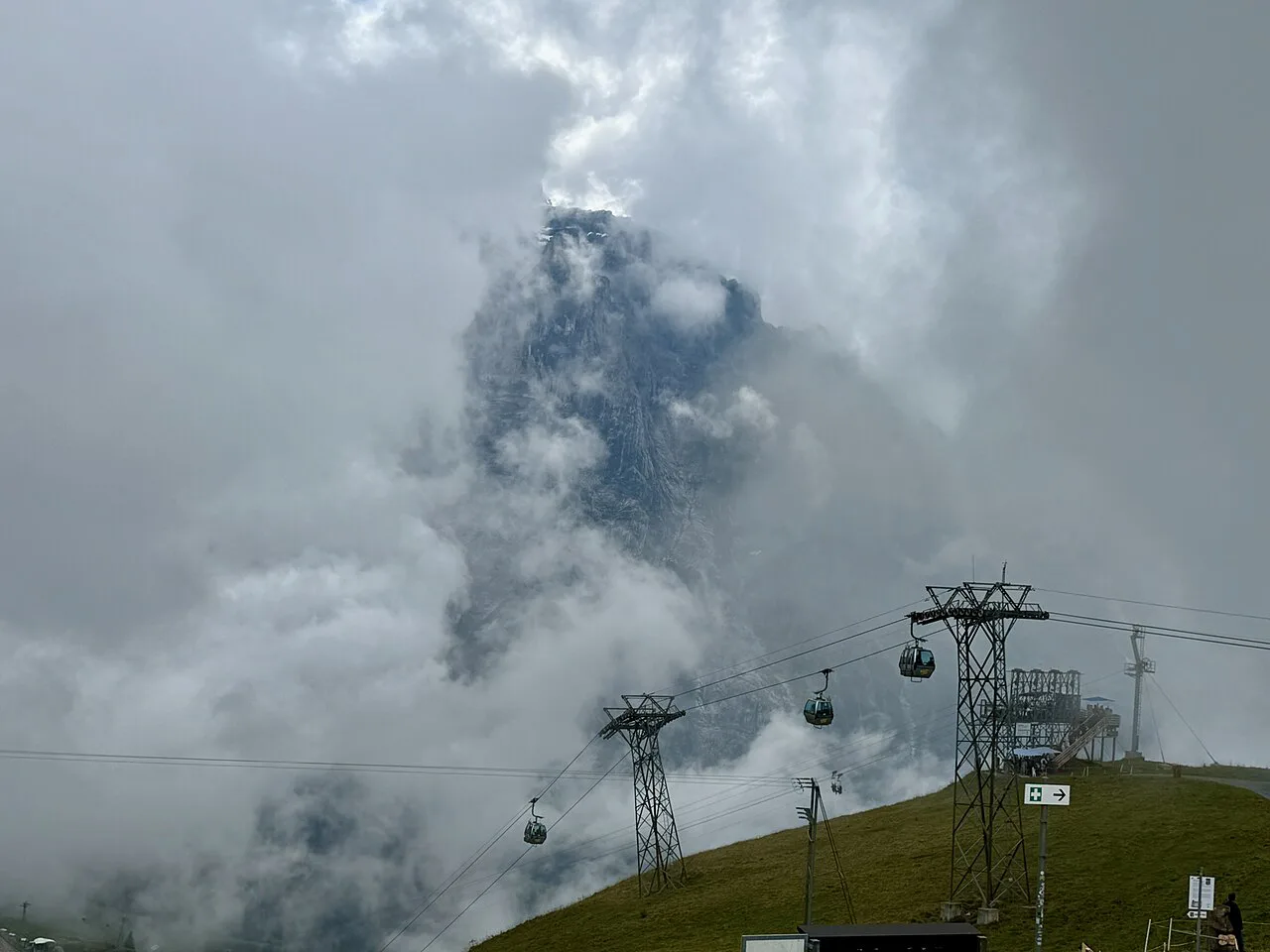
March is one of the most comfortable months for a Grindelwald break: daylight stretches to around 12 hours and temperatures lift to roughly -9°C to -1°C, with noticeably fewer people. The trade-off is melting snow, so hiking trails, sled runs and snowshoe routes can turn slushy.
Aim for early March if snow quality matters and late March if you mainly want long walks and quiet cafés. Snowshoes or spikes still earn their place on shaded trails, and lower-altitude paths clear first.
April and May: the shoulder gap and what stays open
April and May form the year's awkward seam: winter operations are winding down and summer mountain activities have not fully started, so a specific cable car or high trail can be shut for maintenance. Our month guide to grindelwald in april sets out what typically runs and which lower walks fill the gap.
By May the valley greens up and the First Cliff Walk presented by Tissot becomes the headline draw, though snow can linger on higher paths above First. Check the mountain operator's site for what is running before you build a day around a single lift.
June to September: hiking, First Flyer, Cliff Walk and Bachalpsee
Summer is when Grindelwald works best as a hiking base. The walk from First to Bachalpsee is an easy 6 km out-and-back on the ViaBerna Route 38, and the First Flyer zipline and First Cliff Walk add adrenaline for those who want it. Plan a full day on the mountain rather than squeezing it around other plans.
Expect changeable weather even in high summer: mild village temperatures, colder air at First, and afternoon showers that arrive fast. Waterproof boots, a packable shell and sun protection all earn their weight, and closed-toe shoes are required for activities such as the Mountain Cart.
October: the second shoulder season
October brings crisp air, turning larch and far fewer visitors, and it can be an excellent month for lower valley walks and village time. The catch is the same as spring: between-season maintenance can take individual lifts out of service, so check before relying on a high viewpoint.
Treat October as a walking and wandering month rather than a summit month, and keep one flexible day in case weather or a closure forces a change.
Crowds and prices by season
Crowds peak in the snow months around Christmas, New Year, the February ski week and the Lauberhorn race period, and in July and August for hiking. Accommodation sells out fastest in those windows and mountain tickets are worth buying in advance rather than queuing on the day.
Shoulder months such as November, late September and October bring thinner crowds and easier bookings, but fewer things running, so the savings in time can cost you a closed lift. Switzerland is expensive year-round; passes such as the Jungfrau Travel Pass, Swiss Travel Pass and Half Fare Card reduce transport costs over multiple mountain days, and you can check current prices and validity with the Jungfrau Travel Pass provider or Swiss Travel Centre before you buy.
What is open when: mountain transport and mountain restaurants
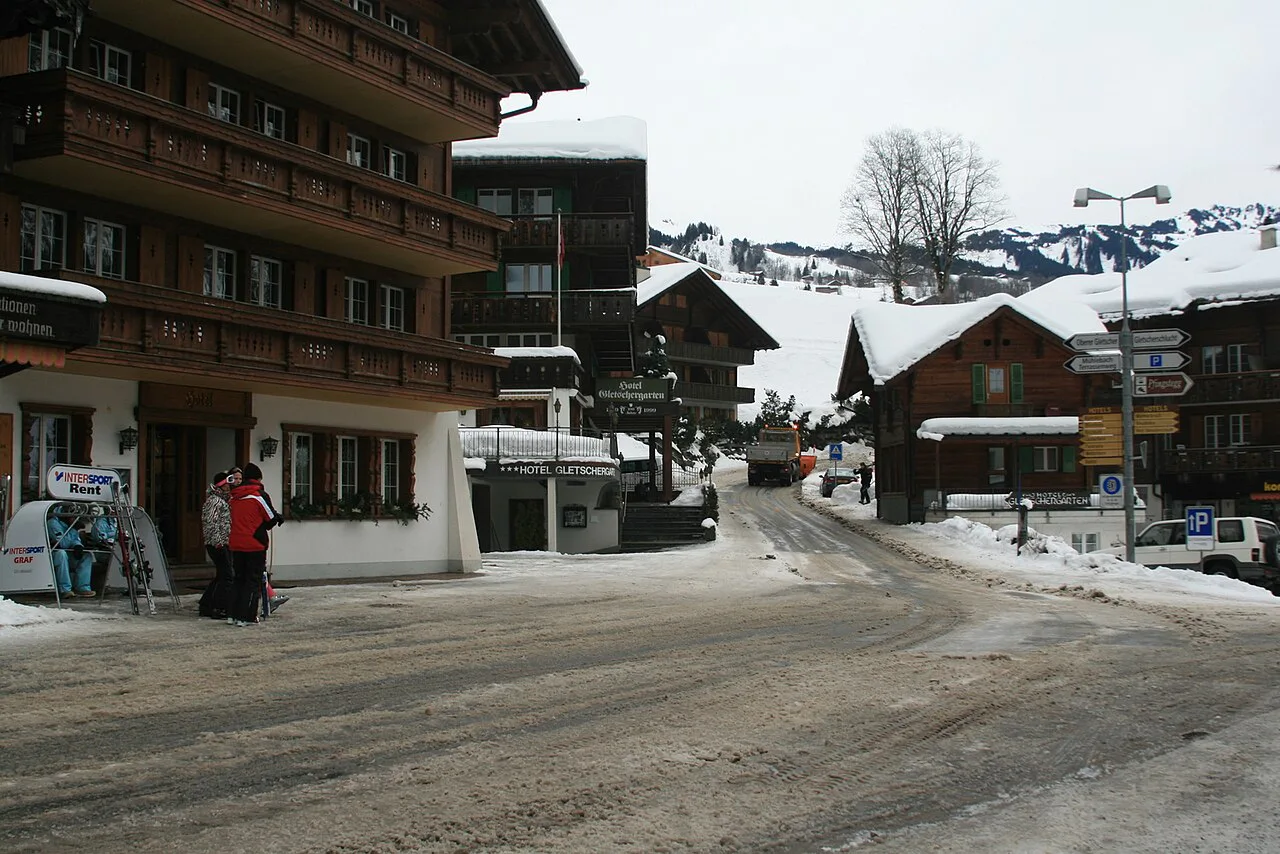
Mountain transport does not run on one year-round timetable. Some lifts close for annual maintenance before the winter season, and heavy snow or wind can suspend operations on any given day, so build a flexible day into every itinerary.
Above the village, Grindelwald First, Männlichen and Kleine Scheidegg each run on their own seasonal schedules, and mountain restaurants keep hours tied to those operations rather than to village opening times. Check the Grindelwald First, Männlichen and Kleine Scheidegg lift pages for your dates and have a valley walk as a backup plan.
Best months for different trips: hiking, sledding, snowshoeing, non-skiers
For hiking and the First Flyer, aim for July to September, when trails are clear and daylight is long. For sledding, the 5 km Ritas Speedway run from Männlichen to Holenstein is a winter highlight, and January and February give it the most dependable cover.
Non-skiers are well served in winter: snowshoeing, sledding and winter hiking all work without ski gear, and the Männlichen Royal Walk gives a short summit outing with valley views on both sides. Grindelwald also works for a mixed group where only some people ski.
If Jungfraujoch is on your list, allow most of a day: the cable car and train take about 1 hour 30 minutes in each direction from Grindelwald, and you can easily spend three hours at the top. It is a long, costly excursion, so it fits a multi-day stay better than a rushed day trip.
What to pack for summer at altitude versus winter
In summer, pack a moisture-wicking base layer, a warm mid layer and a waterproof, windproof shell, plus broken-in waterproof hiking boots and extra socks. Add high-SPF sunscreen, sunglasses and a hat, because UV reflects off snow and rock even on cloudy days.
In winter, the same layering logic gets heavier: thermal base layers, an insulating down or fleece layer, and a warm waterproof outer shell, plus insulated waterproof boots with grip or ice cleats. Take two pairs of gloves, a hat that covers your ears, ski goggles for snow glare and a power bank, since cold drains phone batteries quickly.
How many days Grindelwald needs
Three days is a realistic minimum for a first visit: one day on Grindelwald First and around the village, one on Männlichen and Kleine Scheidegg, and one for Jungfraujoch if you want it. That pace leaves room for weather changes without abandoning a headline activity.
If you only have one day, pick a single mountain and accept that you will skip the rest; trying to combine First, Männlichen and Jungfraujoch in one day means spending most of it in transit.
Where Grindelwald fits in a longer Switzerland trip
Grindelwald is a strong two- or three-night base within the Bernese Oberland, reached by direct train from Interlaken Ost in about 40 minutes, with connections onward from Zürich, Lucerne and Basel via Interlaken. It works better as a stay than as a day trip squeezed between other towns.
Compare the season you want against city breaks too: a spring trip to the best time to visit bern can pair a few mountain days with a couple of days of museums and old-town wandering, and the timing logic differs because cities are less weather-dependent.
Plan Your Trip
Match your month to your goal: January or February for reliable snow, July to September for high trails and the First Flyer, and March, October or November for quiet trails at the cost of some closed lifts. Whichever you choose, book mountain tickets and beds early and keep one day flexible for weather.
For a deeper look at what runs above the village in each season, browse our Grindelwald Attractions: 4 Visitor Guides, which cover the lifts, trails and viewpoints in more detail.
Explore more Grindelwald guides
Frequently Asked Questions
What is the best month to visit Grindelwald?
If you want snow, January and February typically deliver the most dependable conditions, though they are also the coldest. For hiking, the First Flyer and long daylight, choose July to September. March and November suit travelers who value quiet over peak conditions.
Does it snow in Grindelwald in November?
Snowfall in November is typically low, and the month often feels more like late autumn, with the first snow usually appearing on the higher mountains. Some mountain transport may be closed for maintenance before the winter season, so check what is running before booking.
Is Grindelwald worth visiting in summer?
Yes. Summer gives you the walk to Bachalpsee, the First Flyer, the First Cliff Walk and long days on the mountain. Village temperatures are mild, but it is colder and more changeable at First, so pack layers, a waterproof shell and proper footwear.
What is Grindelwald like in March?
March is quieter than midwinter, with roughly 12 hours of daylight and noticeably milder temperatures. The trade-off is melting snow, so hiking trails and sled runs can become slushy, especially later in the month.
How cold is Grindelwald in January?
Typical January temperatures range from about -13°C to -6°C, making it the coldest month in the cited figures. Proper winter layers, insulated waterproof boots and gloves are essential, and heavy snowfall can temporarily close groomed winter trails.
Is Grindelwald good for non-skiers?
Yes. Snowshoeing, sledding and winter hiking all work without ski gear, and the Männlichen Royal Walk offers a short summit outing with views into two valleys. In summer, hiking and the First attractions suit non-skiers just as well.
How many days do you need in Grindelwald?
Three days covers a day on Grindelwald First and around the village, a day on Männlichen and Kleine Scheidegg, and a day for Jungfraujoch if you want it. One day means choosing a single mountain and skipping the rest.
When is Grindelwald least crowded?
November is typically one of the quietest months, and late September and October also thin out. Christmas, New Year, the February ski week and the Lauberhorn race period are the busiest windows, so book early if you travel then.
Sources
Notes for your Swiss city break
Optional updates to our Swiss city guides.
You might also like
Continue reading
More guides you'll find useful