
Les Planches: Montreux's Old Town Above the Lake
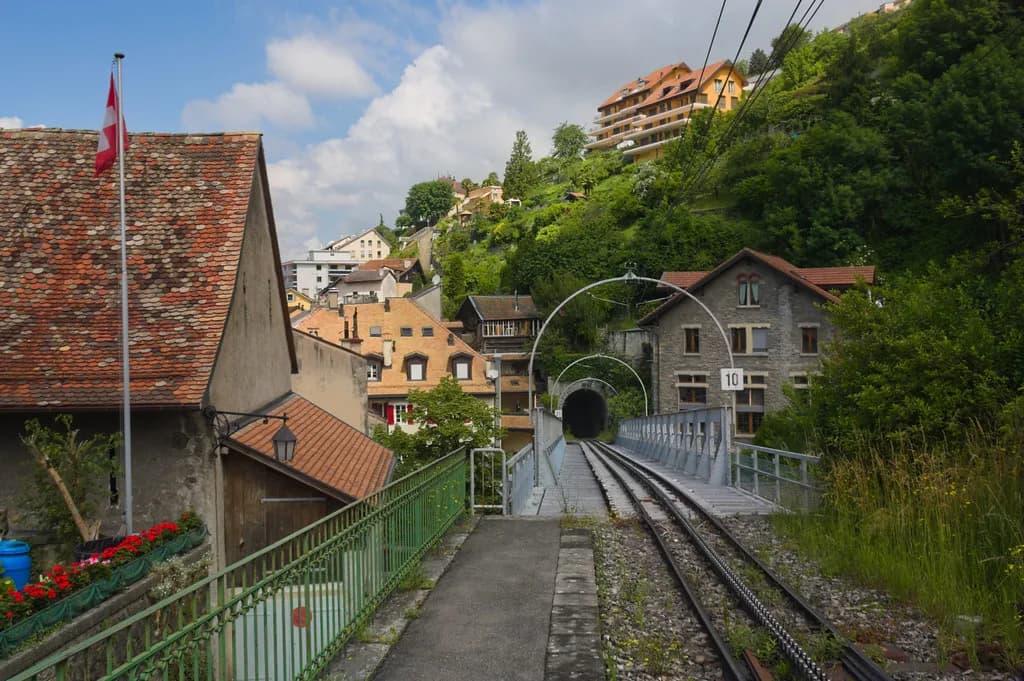
Les Planches is Montreux's old village quarter, set on the slope above the lakeshore rather than on the promenade itself. It is where the town keeps a village feel: narrow lanes, small workshops and places to eat and drink, with the lake spread out below. Anyone who wants the quieter side of Montreux alongside the waterfront should plan an hour or two here.
What Les Planches is and where it sits
Montreux as a single town was only created in 1961; before that the shore and the slopes were a constellation of small villages and hamlets. Les Planches was one of them, and it still reads that way, close to the center but removed from the lakeside tourist bustle. Treat it as a quarter to wander rather than a sight with a gate and a ticket.
The quarter sits directly above downtown Montreux, and the climb from the lakeshore is short: about a ten-minute walk up from the center. That proximity is the point. You can stand on the promenade, walk uphill and be in village lanes within a quarter of an hour, with the lake behind you and the hillside ahead.
Les Planches is not one street but a cluster. Les Planches, Chêne, Sâles, Crin and Pallens are the hamlets that make up the quarter, so the lanes unfold in stages as you gain height. Allow for that when you plan: the interesting part is spread across the slope, not concentrated at a single address.
How to reach Les Planches
On foot, the route is simple: walk uphill from downtown Montreux, roughly ten minutes at an easy pace if you do not stop. The gradient is what makes the quarter quiet, so wear shoes you can climb in and carry only what you need. Coming down is quicker and easier than going up.
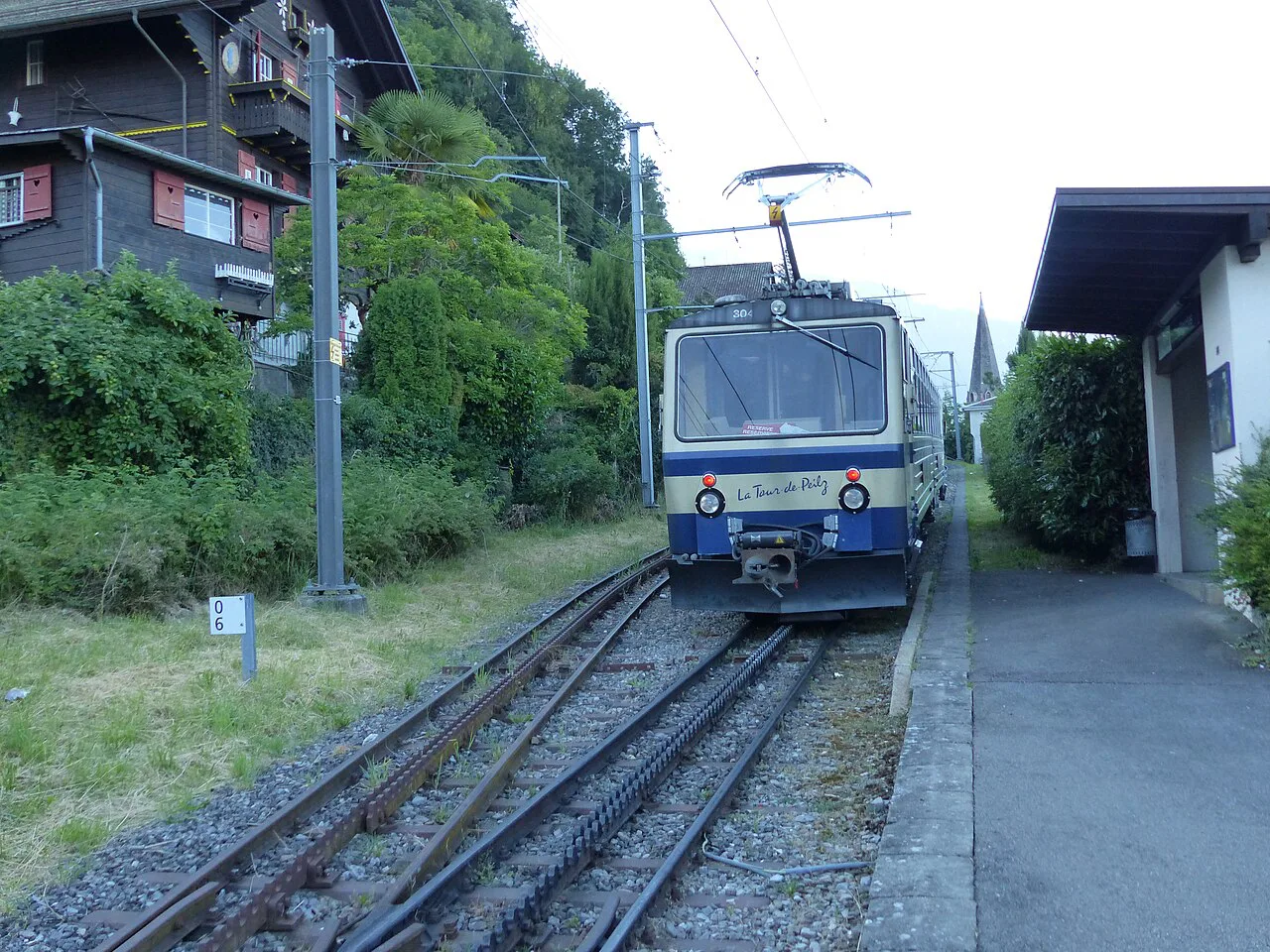
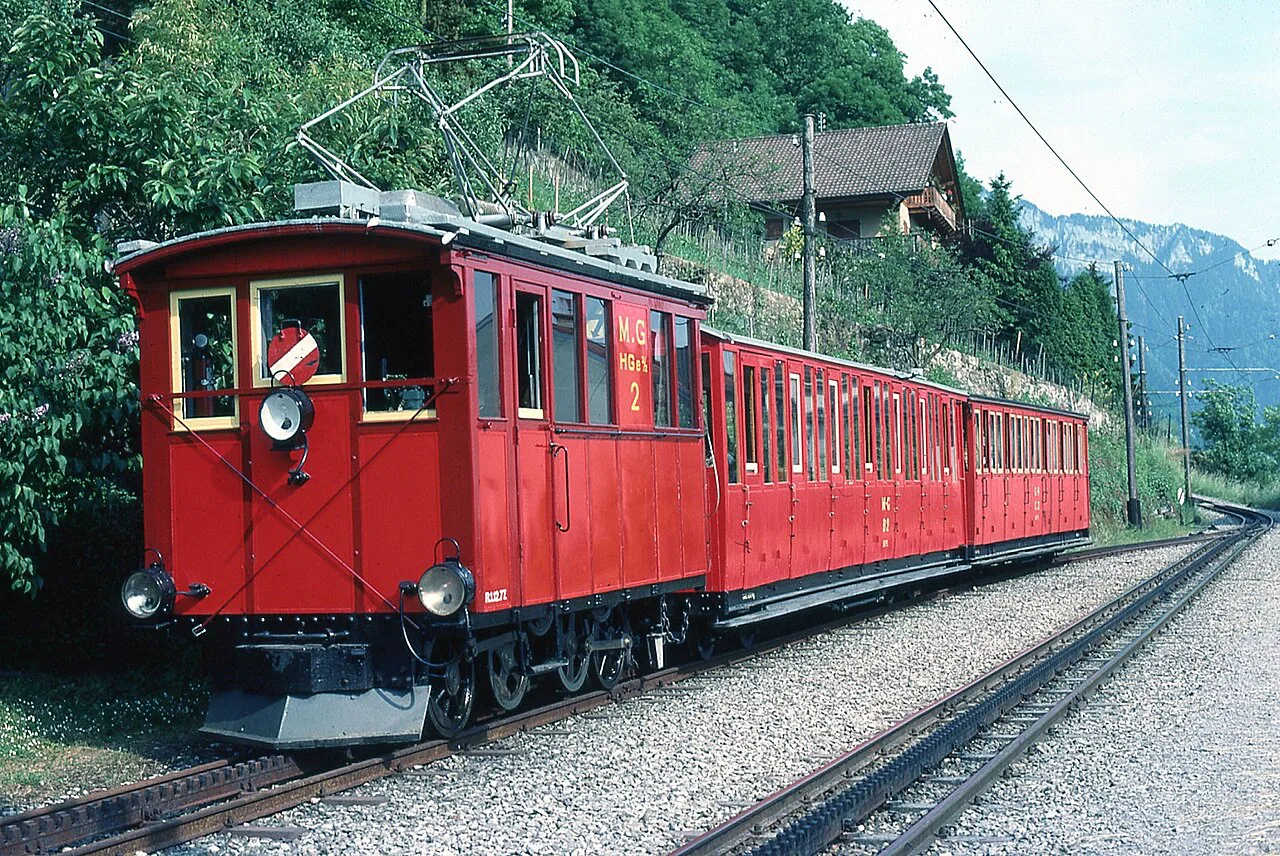
If you would rather not walk up, there is a rail stop serving the quarter, Montreux-Les Planches, at Ruelle du Chauderon. It gives you a shortcut to the upper lanes and saves your legs for the wandering. Check the current timetable before you rely on it, since service patterns change with the season.
The quarter is also a natural starting point for continuing into the mountains above town, so some visitors arrive on foot and leave higher up. Even if you only come for the lanes and a drink, the short climb pays off in views back over the water. Pair it with the flat lakeside rather than replacing it.
Character: a village above the tourist shore
The quarter is often described as a little Montmartre, and the comparison fits what you find: artists, workshops, restaurants and bars in streets that feel residential rather than resort-like. That description comes from the way the quarter presents itself, not from any official label. Come expecting small-scale and lived-in rather than polished.
Downtown Montreux mixes grand old palace hotels with plainer modern blocks. In and around Les Planches the scale drops to village level, and the streets keep a community feel that the shoreline cannot. If you have seen the promenade and wondered where residents actually spend their evenings, this is the direction to walk.
For context on how the quarter fits into the wider town, the Montreux Neighborhoods: 4 Area Guides lay out the different districts side by side, from the busy center to quieter edges. Reading it before you arrive helps you decide how much time to give the slope and how much to the water.
Who it suits and who it does not
Les Planches suits travelers who have already seen the shoreline and want a second layer of Montreux, and anyone happy to trade a flat stroll for a climb. It rewards slow wandering: a lane, a viewpoint, a drink, then another lane. Repeat visitors and travelers with a spare afternoon get the most from it.
It does not suit everyone. Anyone who needs step-free, flat access will find the lakeside promenade far easier, and families with strollers should weigh the slopes before committing. The quarter is a hillside village, and its charm and its gradient are the same thing.
If you want the flatter, busier waterfront instead, Territet, Montreux covers the lakeside district below and along from the old town, with its own character and easier ground. Comparing the two helps you choose where to base your wandering.

What to see in the lanes
The sight here is the quarter itself: lanes climbing between old village houses, workshops tucked into ground floors, and repeated openings onto the lake view. Walk up without a fixed target and let the streets pull you sideways. The view over Lake Geneva is the recurring reward, and it changes with every few steps of height.
Give yourself time to look at the details rather than ticking off addresses: doorways, small studios, the way the hamlets blend into one another as you climb. Because the quarter is residential, keep your voice down in the lanes and treat the workshops as workplaces. That courtesy is what keeps the village atmosphere intact.
Eating and drinking in the quarter
The village streets are known for their restaurants and bars, which is one of the best reasons to climb up in the late afternoon and stay for an early evening. Venues are small and change over time, so read the menus at the door and decide on the spot rather than planning around a particular name.
Prices in Montreux are Swiss-city prices, and a hillside village does not make them cheaper. Set a budget before you sit down and check the menu. If you want to keep costs down, take your drink with a view and eat later elsewhere.

How long to allow and how to combine it with the shore
Two to three hours covers the climb, a wander through the hamlets, a stop for a drink and the walk back down. If you add a meal, give it an evening. The quarter works well as a late-afternoon counterpoint to a morning on the promenade, when the light on the lake improves as you climb. If you are weighing when to make this climb, the best time to visit montreux covers how the seasons change both the light and the lakeside crowds.
A sensible day pairs the flat waterfront with the slope: shoreline first, then Les Planches, so you finish with the view rather than the climb. The Montreux Centre area covers the lakeside core, including the Auditorium Stravinski and Miles Davis Hall, and sits within walking distance of the foot of the old town.
If you are building a longer stay, the Montreux Attractions: 7 Visitor Guides collect the individual sights around town so you can slot the old town into a wider plan. The best time to visit explains how the seasons change the lakeside crowds and the light, and pairing it with a Montreux itinerary helps you place the old-town climb among the rest of your days.
Practical notes on slopes and steps
Expect uneven paving, steps between levels and short steep stretches as you move between the hamlets. Good shoes matter more than any other preparation, and a light bag beats a wheeled case on the upper lanes. In wet weather the stone can be slippery, so take the descent slowly.
Les Planches was a village and former municipality in the canton of Vaud before it became part of Montreux, which explains its separate, self-contained feel within the modern town. Knowing that history makes the lanes read differently: you are walking through a place that had its own identity long before the resort grew around it.
For the neighborhood association that represents the old town, the Société de développement de la Vieille Ville de Montreux is based at Quartier des Tilleuls 6 in Montreux. It is a contact address for the quarter rather than a visitor center, so do not plan your day around calling in.
Plan Your Visit
Treat Les Planches as the second half of a Montreux day: lakeshore in the morning, old-town lanes in the afternoon, a drink with the view before you walk back down. The climb is short enough to fit into almost any itinerary, and the change of mood is what makes it worth the effort. If you want this day spelled out hour by hour, our Montreux itinerary shows how the slope and the shoreline fit together.
Check the Montreux-Les Planches rail stop timetable if you plan to ride up, and set your own budget for eating and drinking in the quarter before you sit down. Then leave the rest loose: the lanes reward wandering far more than a checklist.
Explore more Montreux guides
Frequently Asked Questions
Is Les Planches worth visiting in Montreux?
Yes, if you want the village side of Montreux rather than only the lakeside promenade. The quarter has artists' workshops, small restaurants and bars, lanes to wander and repeated views over Lake Geneva, and it sits a short climb above the center. It rewards an unhurried couple of hours rather than a quick photo stop.
How far is Les Planches from the Montreux lakeshore?
It is roughly a ten-minute walk uphill from downtown Montreux. The distance is short but the ground rises, so the climb takes a little longer than the map suggests. Coming back down is quicker.
What is there to see in Montreux's old town?
The appeal is the quarter itself: climbing lanes between old village houses, workshops tucked into ground floors, and openings onto the lake view. The hamlets of Les Planches, Chêne, Sâles, Crin and Pallens make up the area, so there is more than one street to explore.
Can you reach Les Planches without walking uphill?
There is a rail stop serving the quarter, Montreux-Les Planches, at Ruelle du Chauderon, which shortens the climb. Check the current timetable before relying on it, and expect some sloping ground and steps once you are in the lanes.
What are the hamlets of Les Planches?
Les Planches, Chêne, Sâles, Crin and Pallens. They grew as separate villages along the lakeshore and slopes before Montreux was formed as a single town in 1961, and they still give the quarter its clustered, village-like layout.
Who should skip Les Planches?
Travelers who need flat, step-free ground will find the lakeside promenade much easier, since the quarter climbs a slope with uneven paving and steps between levels. Families with strollers should weigh the gradient before heading up.
How long should you spend in Les Planches?
Two to three hours covers the climb, a wander through the hamlets, a drink and the walk back down. Add an evening if you plan to eat in the quarter, and pair it with the flat waterfront earlier in the day.