Things to Do in Montreux: Lakeside Promenade, Chillon and Rochers-de-Naye
Plan things to do in Montreux, from the flower-lined promenade and Chillon Castle to the Rochers-de-Naye cogwheel and Queen's old studio.
On this page
Montreux works best as a walking town: the flower-lined lakefront is the main street, Chillon Castle sits at the end of it, and the station and old town rise behind. One full day covers the promenade, the Freddie Mercury statue and the castle at an unhurried pace. Two days add the Rochers-de-Naye cogwheel or a lakeside run to Vevey, and a third lets you ride the Golden Pass line or walk the Lavaux terraces above the lake.
Montreux in a Nutshell: A Compact Town Where the Promenade Is the Main Street
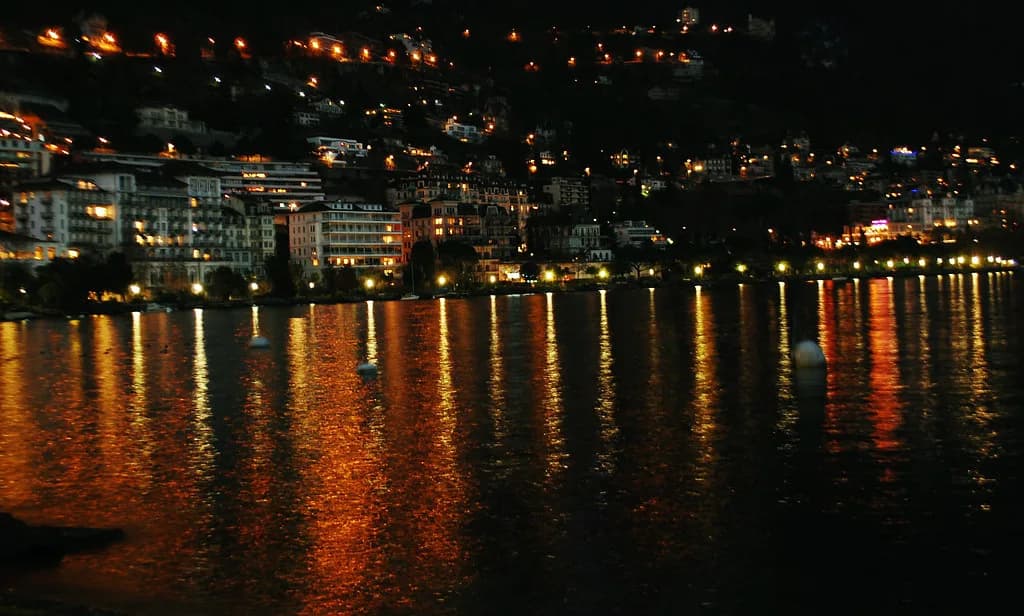
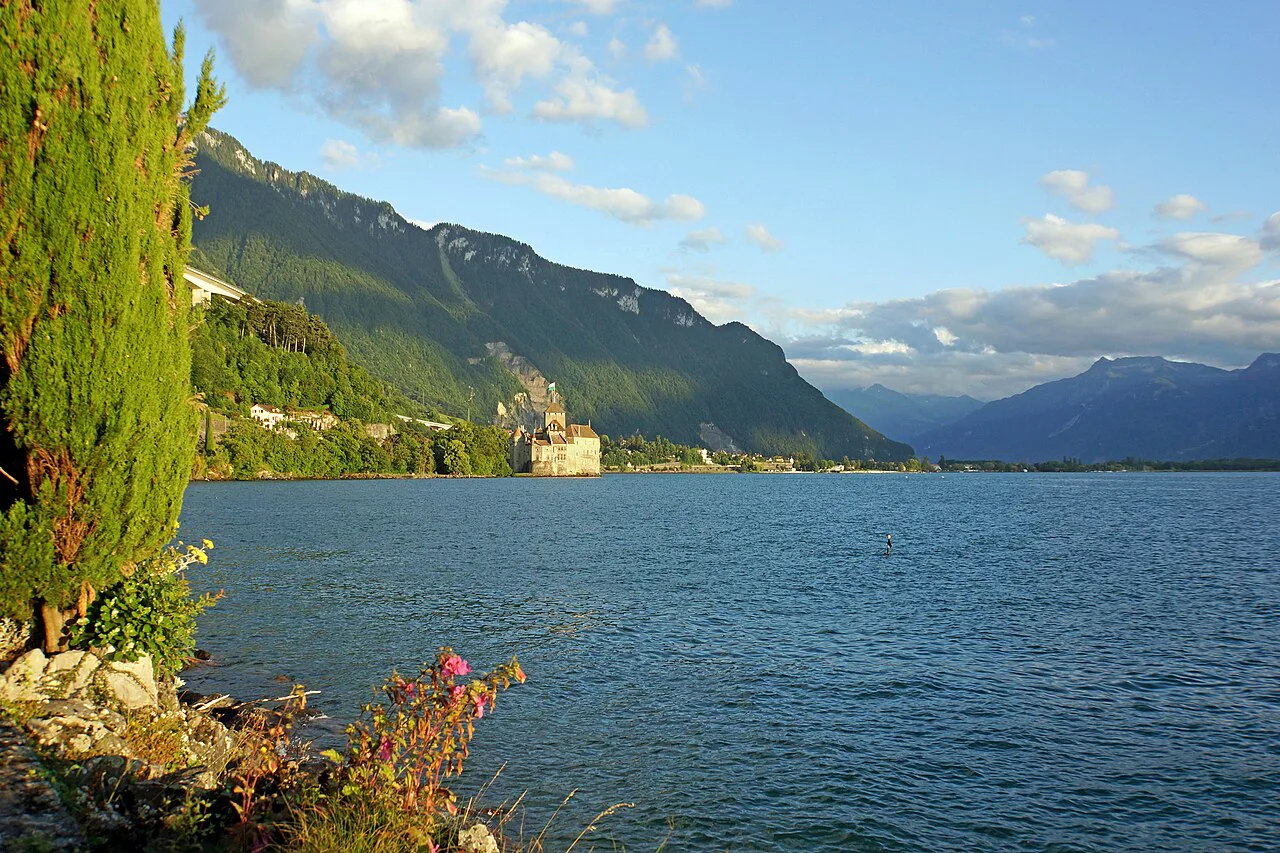
Montreux spreads along the northern shore of Lake Geneva, backed by terraced vineyards and the Alps, and most of what a visitor wants sits within a couple of kilometers of the water. The town's identity is unusually tied to one walk: the lakeside promenade, which leads southwest toward the medieval Château de Chillon. Cultural life peaks with the Montreux Jazz Festival, which draws international artists every summer.
Because the town is small, you can plan by shoreline rather than by checklist. Park yourself near Place du Marché for the statue, the small shopping center and the lakefront, then work outward on foot. The one sight that genuinely rewards a taxi, bus or boat is the castle, three kilometers away.
How Montreux Is Laid Out: Station Above, Lake Below, Old Town on the Hill
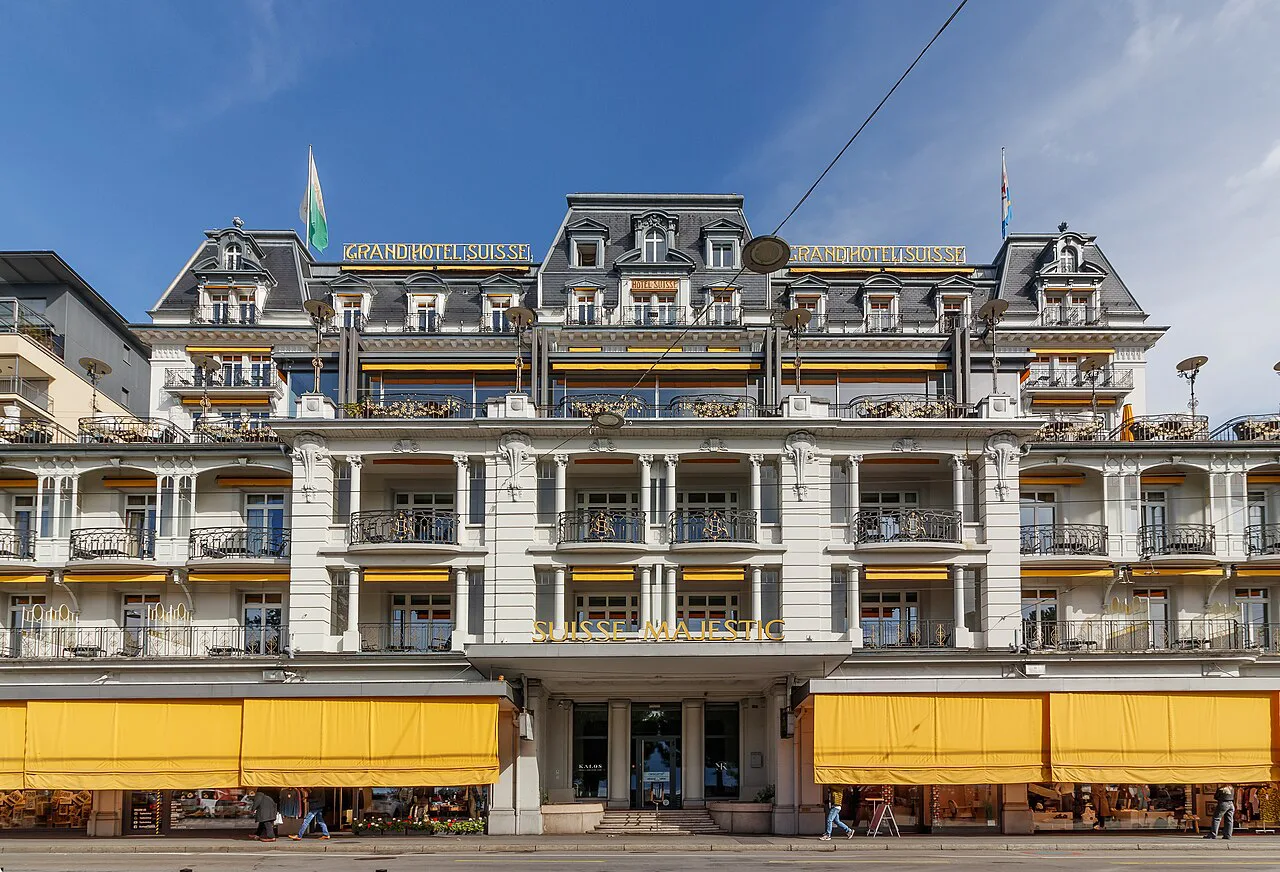
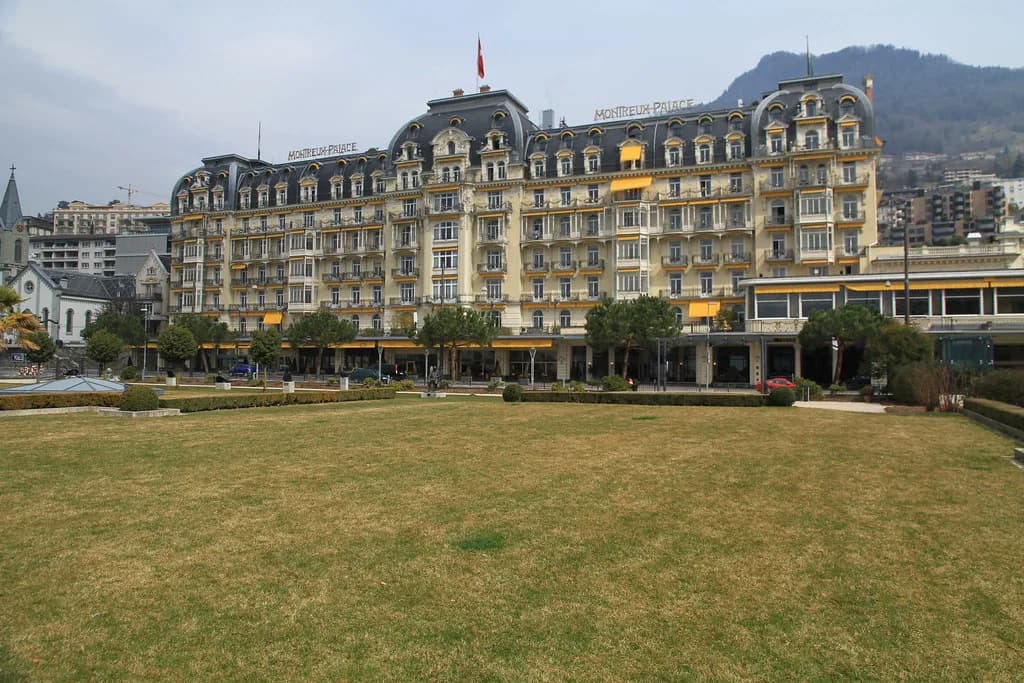
Montreux stacks in three layers. The train station sits on the upper level, the grand hotels and the quays line the lake below, and the old town climbs the hill behind the station. That means almost every arrival begins with a descent to the water and a later climb back up, so wear shoes you can walk uphill in.
Orientation is easy once you fix two points: the lake is always north of you when you face the water, and the promenade runs in one direction toward Chillon. Signs along the lakefront point the way to the castle, so you do not need a map to follow the walk. The old town, with its church and quiet lanes, sits above the center and gives you a different Montreux from the postcard waterfront. If you enjoy comparing compact Swiss old towns, the Old Town of Bern rewards a similar wander on foot.
The Quais de Montreux: The Flower-Lined Lakefront Walk Toward Chillon
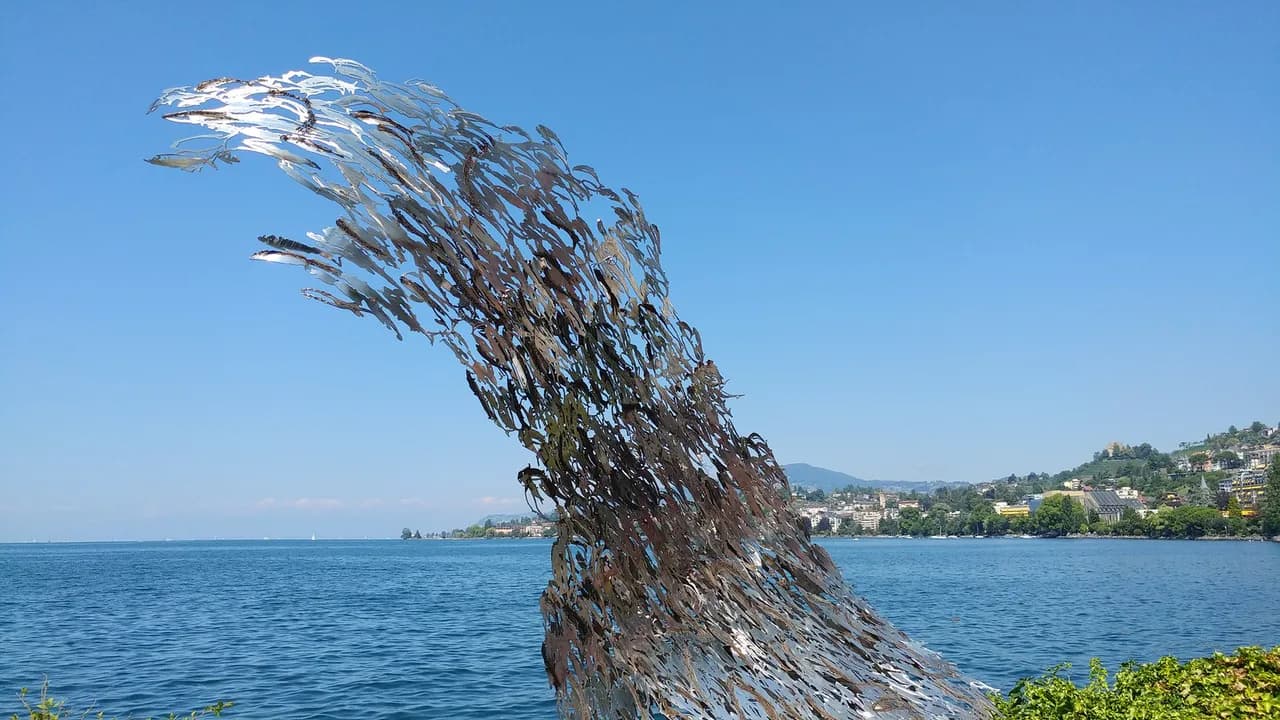
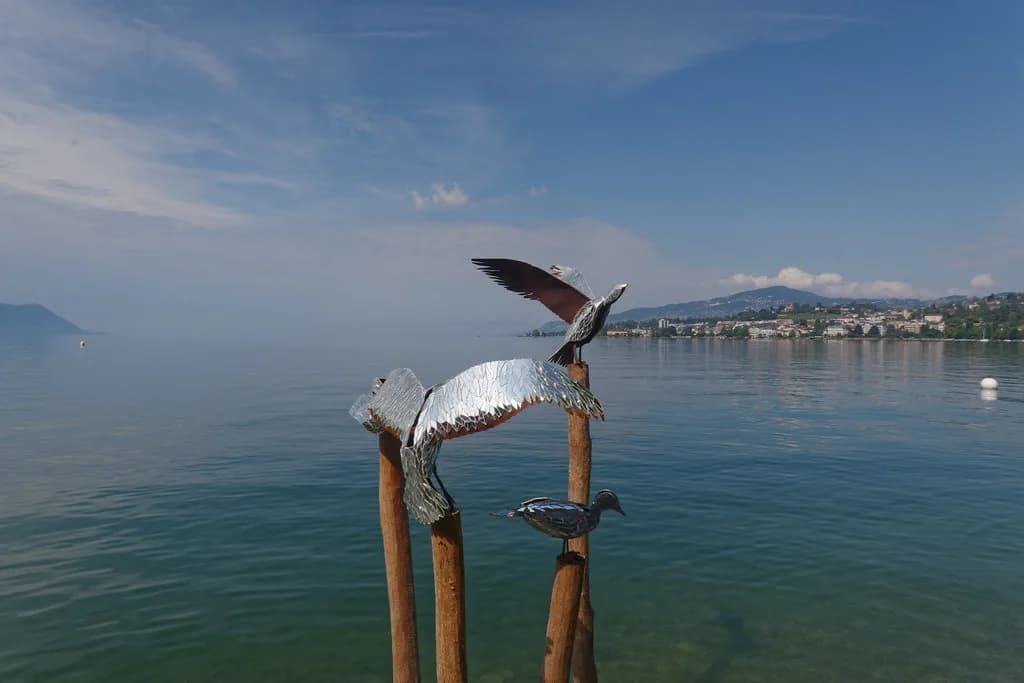
Start any Montreux day on the Quais de Montreux, the flower-lined promenade a couple of minutes from the station and free to walk at any hour. The path toward Chillon runs about three kilometers, and with the benches, sculptures and lake views, plan on an hour or more rather than a brisk march. This is the single best free thing in town, and it sets up the castle as the natural end point.
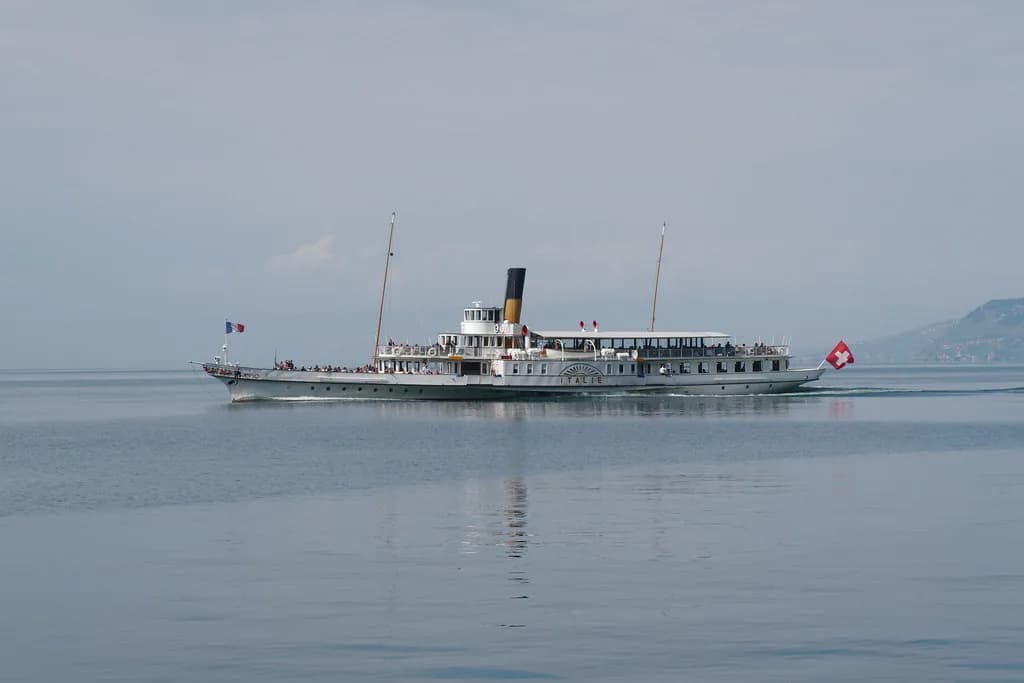
Treat the walk as a one-way route. Go out on foot and come back by boat from the Chillon pier or by bus, which spares your legs for the castle itself. The promenade also doubles as Montreux's social living room, so a slower pass on the return leg is worth it.
Statue de Freddie Mercury and the Queen Studio Experience
Queen's connection to Montreux is the town's most unexpected draw. The bronze Freddie Mercury statue stands on Place du Marché facing the lake, decorated with flowers and notes by fans, and it is free to visit around the clock. A few steps away at Rue du Théâtre 9, the Queen Studio Experience recreates Mountain Studios inside the Casino Barrière Montreux, with handwritten lyrics, instruments, costumes and tape boxes from the band's recording years.
The studio exhibition is a good wet-weather or late-afternoon card, and it pairs naturally with the statue since both sit at Place du Marché. The casino building also holds bars and dining, but the museum is the reason to go inside.
Château de Chillon: The Fortress on Its Rock
Chillon is the reason many people come to Montreux. The castle sits on a rocky island at the lake's edge, a short bus or boat ride from town or the endpoint of the promenade walk, and one hour inside is the minimum; most visitors spend longer in the vaults, halls and chapel. Daily hours are 10:00 to 18:00, entry costs 13.50 CHF and an audio guide adds 6 CHF, with Swiss Travel Pass holders getting in free.
Book two to three hours if you want the audio commentary and the lake-facing rooms, and go early or late to avoid the tour groups that arrive mid-morning. The dungeons and the water sounds beneath them are the atmospheric highlight.
Fort de Chillon, the Rock-Cut Fortress Across the Road
Directly opposite the castle at Avenue de Chillon 22 in Veytaux sits Fort de Chillon, a former military site hidden inside the rock since 1941 and opened to the public in 2020. The exhibits lean on interactive technology, which makes it an easy add for families and a smart second stop on a castle day, since you are already at the far end of the promenade.
The pairing works because the two fortresses tell completely different stories, one medieval and one twentieth-century, within a four-minute walk. Budget a modest hour for the fort and confirm its ticket price and opening pattern at the entrance or on its own site, where the fortress posts them.
Rochers-de-Naye: The Cogwheel Climb to the Summit Viewpoint
Rochers-de-Naye rises to 2,042 meters above the lake, and a cogwheel train climbs to the summit in about an hour, which makes this a half-day excursion rather than a quick photo stop. From the top you get the full sweep of Lake Geneva and the Alps. A restaurant operates at the summit, and an alpine garden, Jardin Alpin La Rambertia, sits at that altitude.
With a Swiss Travel Pass the ride from Montreux to Haut-de-Caux is covered, and the Haut-de-Caux to Rochers-de-Naye leg comes at half price, so the mountain is one of the pass's better uses. Save it for a clear day; cloud on the summit turns an expensive ride into a white-out.
Museum Options Beyond the Castle
The Musée de Montreux displays archaeology, art and sculpture in former seventeenth-century vineyard houses, giving you the town's own history rather than its celebrity lore. Église Saint-Vincent, the evangelical church on the hill above the center, is worth the climb for stained glass and a wide view over the town and lake. Both make sensible fillers on an afternoon when the mountain is clouded in.
Check opening days before you build a day around either one: small Swiss museums often keep limited hours, and Montreux's are no exception. A morning at the castle followed by an afternoon in the old town lets you slot in whichever museum is open.
Vevey and the Alimentarium as a Short Lakeside Extension
Vevey, the next town along the shore, holds the Alimentarium, a food museum on the Quai Perdonnet with interactive and historical exhibits, a restaurant and a vegetable garden. It is a natural half-day extension by boat or train, and it pairs well with a wander past the famous fork statue in the lake. Vevey also makes a gentler base for a second day than another castle visit.
Chaplin's World in Corsier-sur-Vevey, set in Chaplin's former family home, is the other big Vevey-side draw, with adult tickets around 30 CHF and daily opening. Book it in advance in high season so you are not turned away at the door.
Golden Pass Railway and the Lavaux Terraces Above the Lake
The Golden Pass Railway runs from Montreux into the countryside on a scenic route through villages and mountains, and arriving or leaving by panorama train is one of the pleasantest ways into town. The line's own operator publishes the timetable, classes and seat reservations, which are worth booking ahead in summer.
Above the lake, the Lavaux terraced vineyards form a UNESCO World Heritage landscape of some 800 hectares, best seen on a clear day from the water, from a train window or on a walk between villages. The vines are most scenic in autumn; the terraced paths are not a winter proposition.
Montreux Jazz Festival and What Summer Weeks Mean for Crowds
The Montreux Jazz Festival takes over the town every early July, with free program elements alongside ticketed concerts. If you are not there for the music, those two weeks are the busiest and priciest of the year, and hotel rates climb accordingly; other summer weeks are calmer.
The festival's own program is the only reliable guide to who plays and what tickets cost in a given year, so check it before you fix dates. For non-fans, plan around the festival rather than through it.
How Many Days Montreux Needs
One day: walk the promenade to Chillon Castle, spend two hours inside, return by boat, then see the Freddie Mercury statue and the Queen Studio Experience at Place du Marché. That is a full, satisfying day with no mountain.
Two days: add the Rochers-de-Naye cogwheel on a clear morning and the old town and Musée de Montreux in the afternoon. Three days: add a day on the Vevey side for the Alimentarium or Chaplin's World, or take the Golden Pass line and walk part of the Lavaux terraces. Montreux also works as a base for longer lake stays, but the town itself rewards two days more than three.
When to Go: May Averages and What Spring Means at Altitude
May in Montreux typically ranges from about 5°C to 14°C, with a fair chance of rain, so pack a jacket and a rain layer. Daylight runs long, with sunrise around 6:00 and sunset near 21:00, which leaves plenty of evening for the promenade. August, by contrast, averages highs near 21°C, the warmest month of the year.
Spring is lovely at lake level but unreliable at altitude, so treat Rochers-de-Naye as a clear-day decision rather than a fixed booking. Summer gives the most reliable mountain weather and the biggest crowds, especially during the jazz weeks.
Costs in Swiss Francs and Where the Swiss Travel Pass Helps
The headline numbers are manageable if you know them in advance. Chillon Castle charges 13.50 CHF with a 6 CHF audio guide, and Chaplin's World runs around 30 CHF for adults. The promenade, the Freddie Mercury statue and the lakeside views cost nothing.
A Swiss Travel Pass covers trains and buses, boat cruises on Lake Geneva, and castle entry, plus half price from Haut-de-Caux up to Rochers-de-Naye. It pays for itself if you are moving around Switzerland for several days and using boats and mountain rides, but it is poor value for a single lakeside day in Montreux.
Practical Trade-Offs: Morning Sights Versus Clear-Day Sights
Chillon Castle and the promenade belong in the morning, before tour buses fill the castle and the light softens. Rochers-de-Naye needs a clear forecast and a free half-day, so keep it flexible and swap it for the old town or a museum if cloud sits on the summit. The Queen Studio Experience and Fort de Chillon are the best wet-weather cards.
Shopping is limited to small centers like Forum Montreux at Place du Marché, with a supermarket on the lower floor for picnic supplies. Many Swiss shops close on Sunday, so buy food and essentials on Saturday if you plan a lakeside picnic.
Plan Your Visit
Montreux rewards a simple plan: walk the promenade to Chillon, see the Freddie Mercury statue and the Queen Studio Experience, and give the Rochers-de-Naye cogwheel a clear day of its own. Two days covers the essentials; three lets you add Vevey and the Lavaux terraces without rushing.
Explore more Montreux guides
Frequently Asked Questions
What is the lake in Montreux?
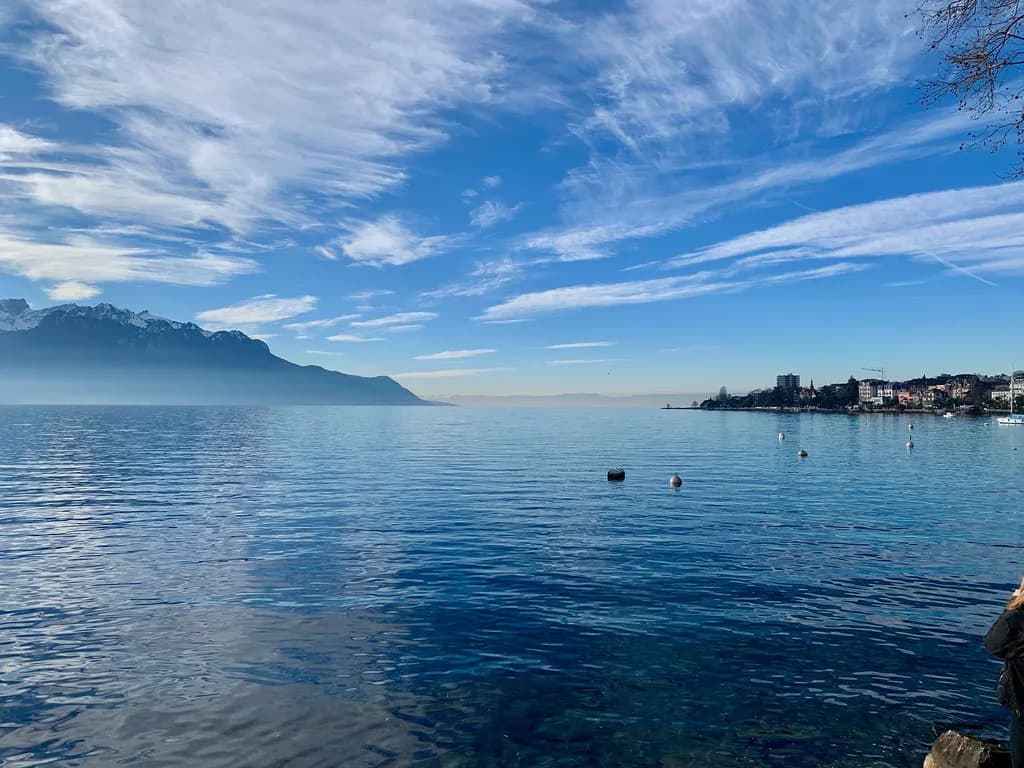
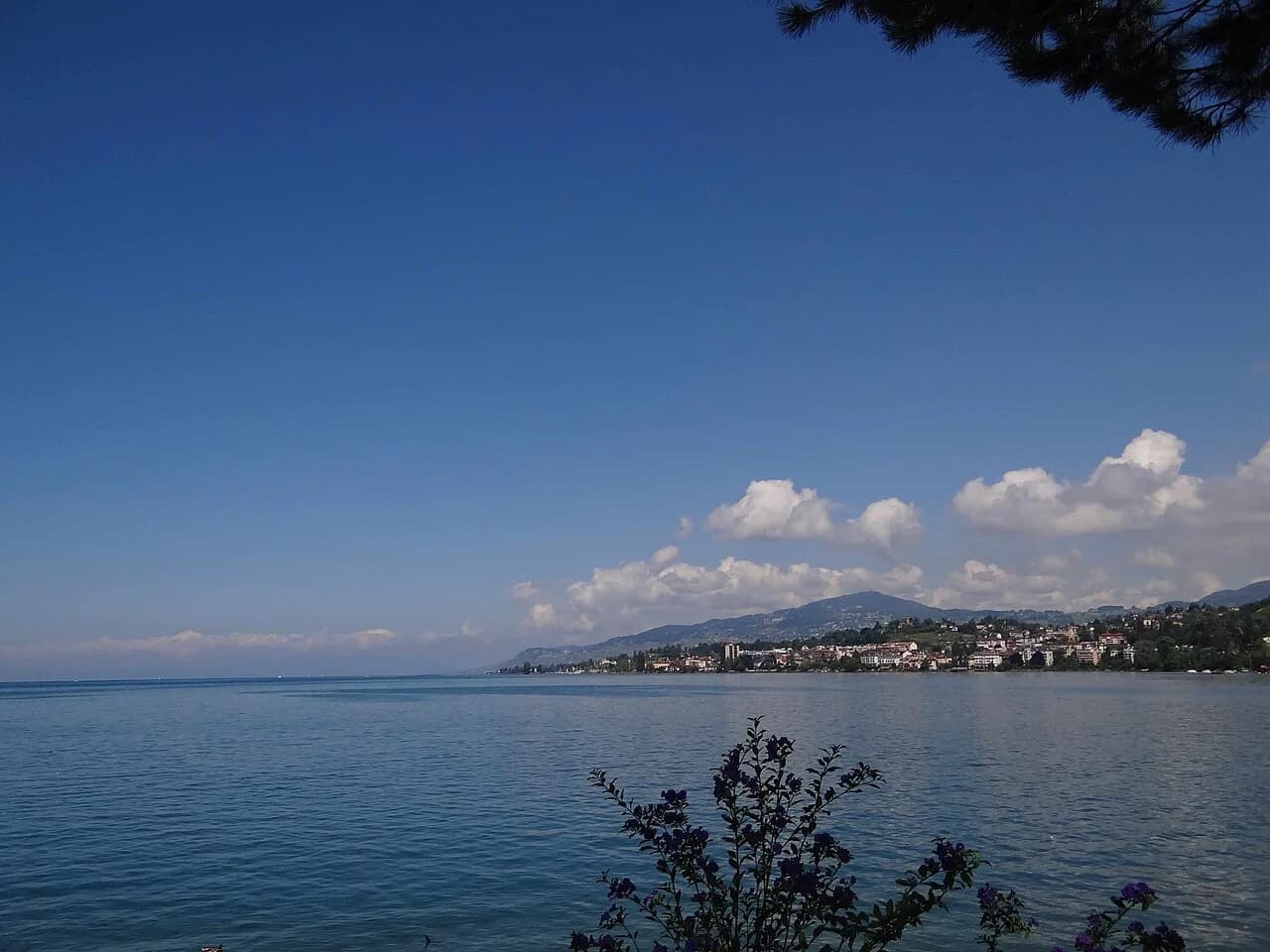
Montreux sits on Lake Geneva, also called Lac Léman, on the northern shore backed by vineyards and the Alps. The lakeside promenade, the Quais de Montreux, runs along it toward Château de Chillon.
How many days do you need in Montreux?
One full day covers the promenade, the Freddie Mercury statue, the Queen Studio Experience and Chillon Castle. Add a second day for the Rochers-de-Naye cogwheel and a third for Vevey, the Alimentarium or the Lavaux terraces.
Is Chillon Castle free with the Swiss Travel Pass?
Yes. Swiss Travel Pass holders get free entry to Château de Chillon and free boat cruises on Lake Geneva, and they pay half price from Haut-de-Caux up to Rochers-de-Naye.
How long does the Rochers-de-Naye cogwheel take?
The cogwheel train takes about an hour to climb from Montreux to the summit at 2,042 meters. Plan a half-day for the round trip, including time at the top and a clear-weather forecast.
What can you do in Montreux in one day?
Walk the flower-lined promenade to Chillon Castle, tour the castle for about two hours, return by boat, then finish at Place du Marché for the Freddie Mercury statue and the Queen Studio Experience.
When is the best time to visit Montreux?
May brings typical highs near 14°C and long daylight hours, while August is the warmest month at about 21°C on average. Early July is the busiest stretch because of the Montreux Jazz Festival.
Sources
Notes for your Swiss city break
Optional updates to our Swiss city guides.
You might also like
Continue reading
More guides you'll find useful