Zürich in August: Weather, Crowds and What to Do
Plan a Zürich city break in August with typical temperatures, long daylight, the 1 August holiday, and a realistic mix of museums, viewpoints and lakeside walks.
On this page
August delivers the fullest version of Zürich summer: warm days, daylight that lasts into the evening, and a city running at holiday pace. Typical August temperatures in Zürich sit around a 23°C high and a 14°C low, which is comfortable for walking the Old Town and the lakefront.
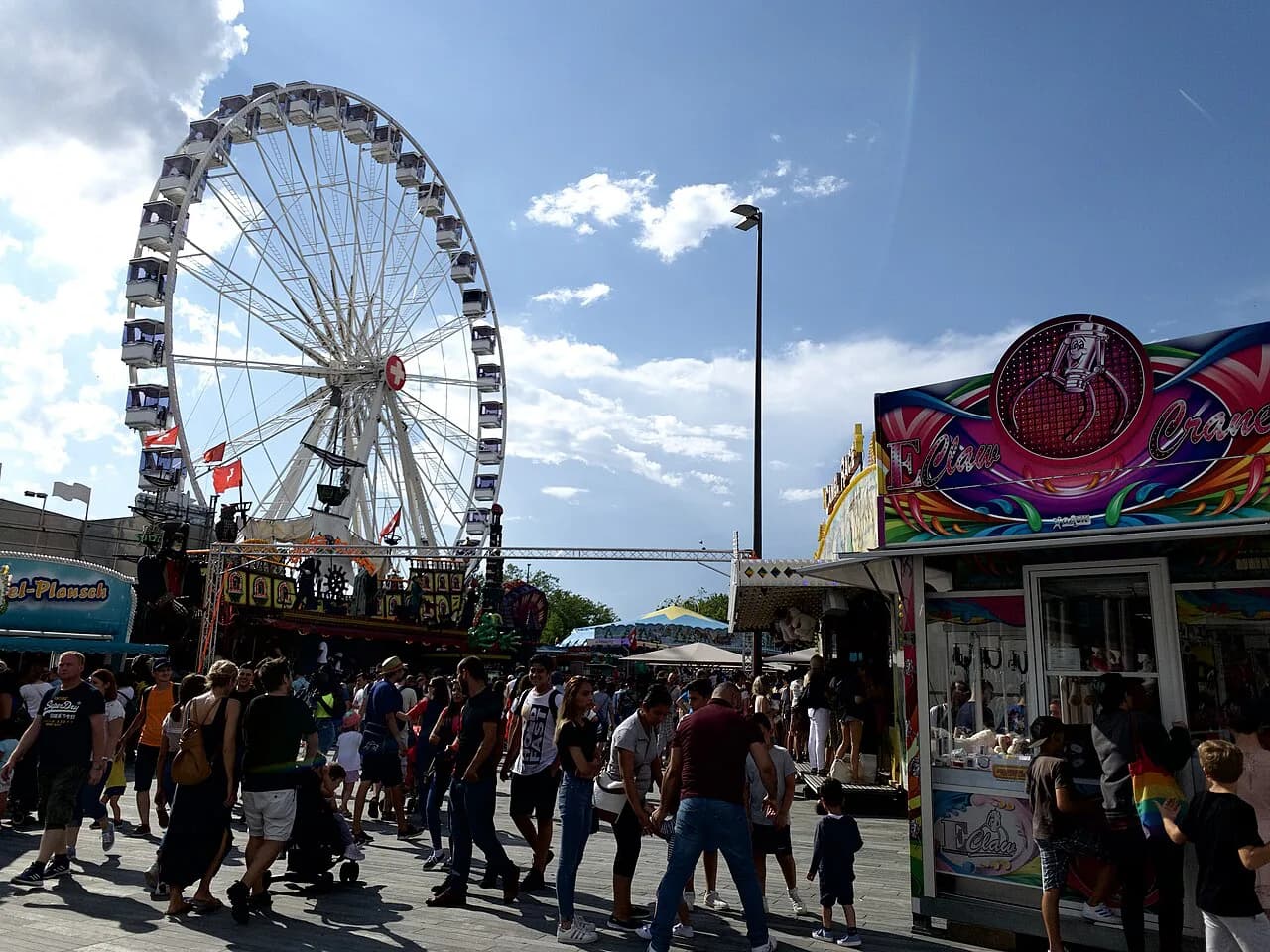
The catch is timing, not temperature. August falls in the peak tourist season, so trams, viewpoints and lakefront plazas are busier than in spring or autumn. Plan two full days as a minimum and keep one indoor block ready for the odd hot afternoon.
What August Feels Like in Zürich
Expect mild mornings that warm into comfortable afternoons, with average highs of 23°C and average lows of 14°C. Those are climate averages rather than a forecast, so treat them as a packing guide: a light layer for evenings, a rain shell for showers, and shoes built for cobblestones.
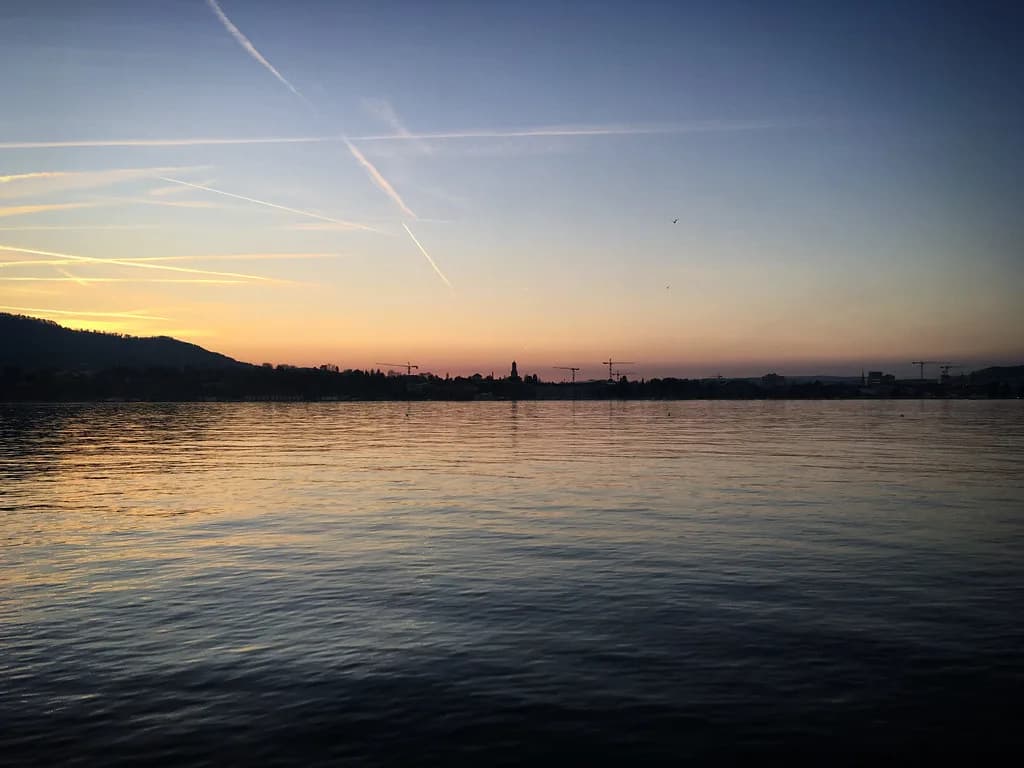
The bigger August advantage is daylight. Long summer evenings stretch your usable sightseeing hours, so you can leave the museum for late afternoon and still walk the Limmat quays before dusk.
Heat spikes happen. Low-lying areas can reach summer extremes even when the city average looks gentle, so build a plan that lets you swap a midday walk for a shaded museum or a riverfront bench.
How August Fits the City-Break Calendar
This is peak season, and it shows in crowd levels rather than in any single sight. Book the fixed parts of your day, such as a museum time slot or a table, before you arrive, and keep the flexible parts for early mornings and evenings.
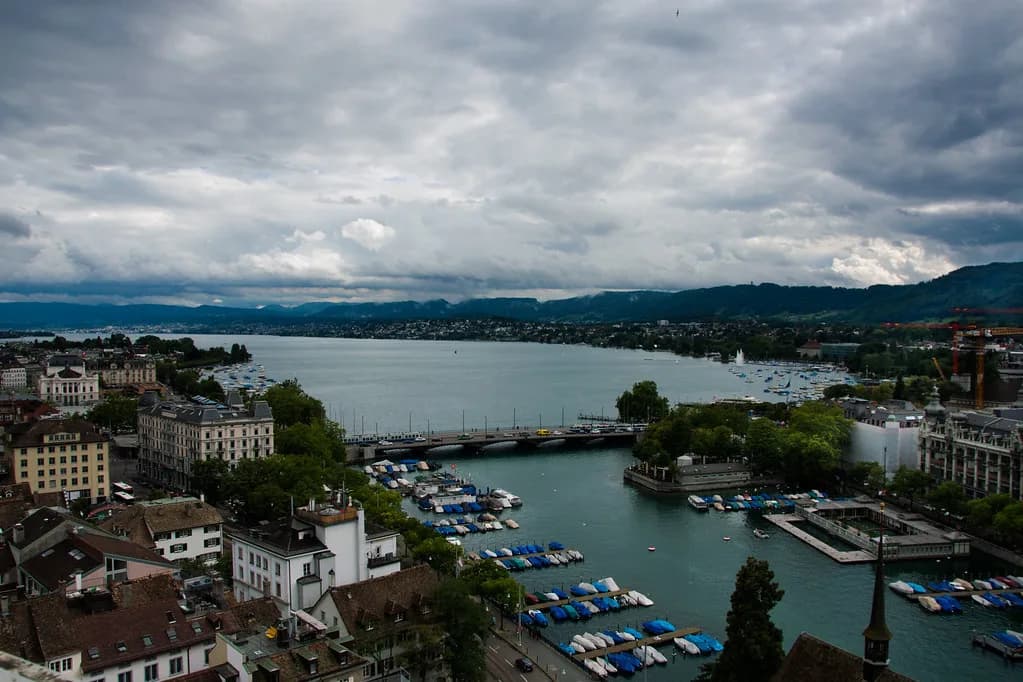
Locals treat summer as a slower season, with parks and lakeside spaces filling up as the working week winds down. That rhythm suits a visit that mixes classic sights with time simply spent sitting by the water on Lake Zurich.
If your dates flex, compare the shoulder weeks. April is quieter and cheaper on the ground, though noticeably cooler, so weigh price against the chance to eat outside in the evening.
The 1 August Holiday and What Closes
Swiss National Day falls on 1 August, and it changes the shopping day rather than the sightseeing day. Shops close across the city, with the exception of those at Zurich Airport, the main train station, Stadelhofen station and Enge station.
Practically, that means buying picnic supplies, water and anything you need for a self-catered evening on 31 July. On the day itself, head for the Old Town and the river rather than the shopping streets, and use the station concourses if you need a shop.
A Two-Day August Plan
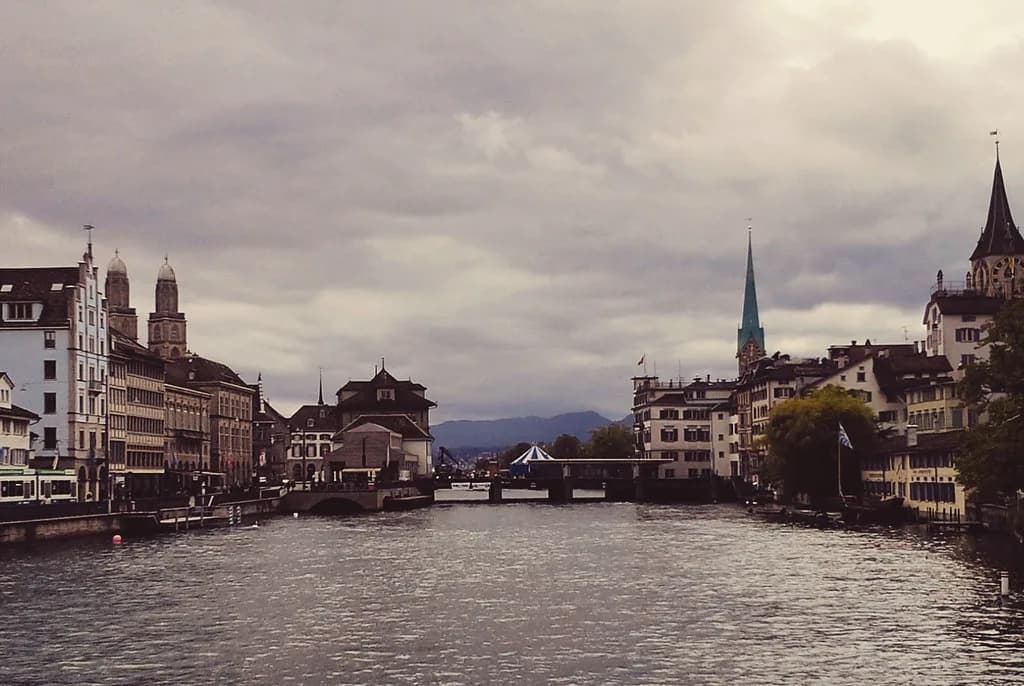
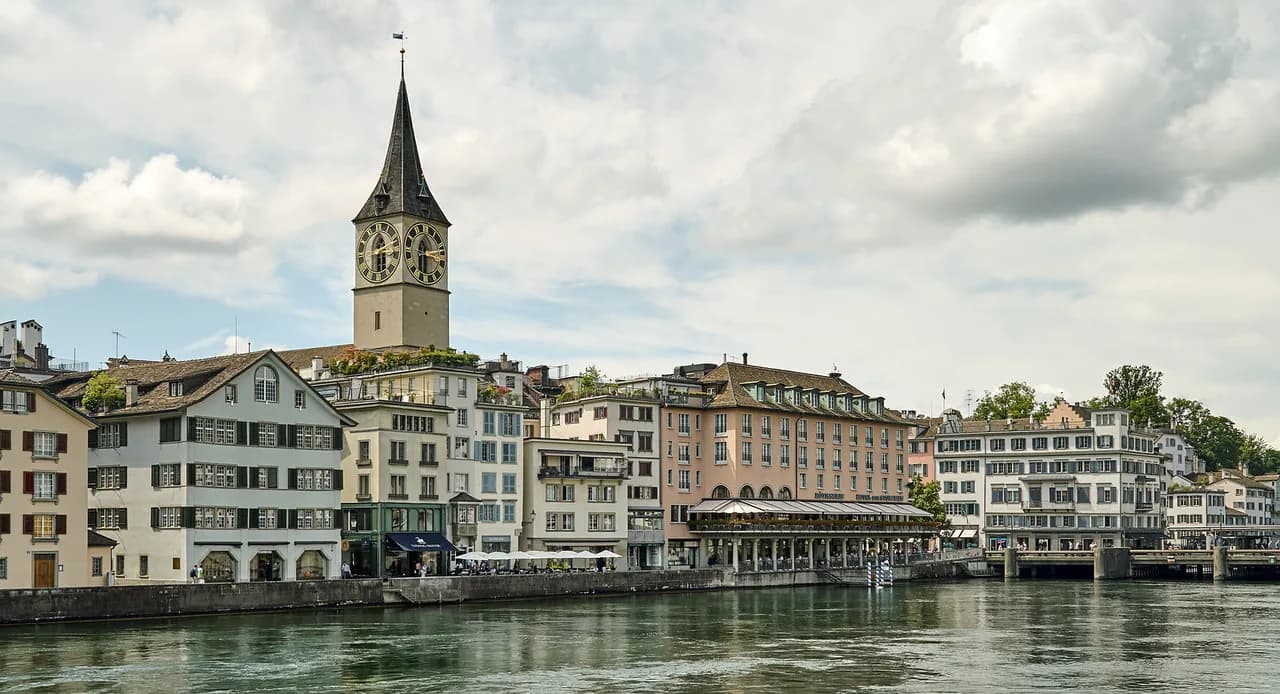
Give day one to the compact center. Start in the cobblestoned Old Town, where the streets hug both banks of the Limmat, and work in the car-free western quay along the river. Niederdorf, with its car-free alleys and boutiques, fills a comfortable late-morning stretch.
Day two belongs to the lake. Walk the Sechseläutenplatz lakefront, continue to the Arboretum on the western side of the lake, and use the afternoon for a museum when the sun is at its strongest.
Two days covers the center and the lakefront without rushing. If you want the big art collection and a slower afternoon, add a third day instead of squeezing both into day two.
A Three-Day August Plan
A third day gives you room for the Kunsthaus Zürich, including the David Chipperfield-designed wing that expanded the museum, without cutting the rest of the day short. Pair it with the Sechseläutenplatz lakefront, which sits close enough to walk between the two.
Use the extra afternoon for a quarter that feels more local. Europaallee runs from the Hauptbahnhof toward Langstrasse and shows the newer, rougher-edged side of the city in a single stroll.
With three days you can also hold one block open for weather. Keep a museum and a covered cafe as your rainy option, and spend the dry hours outside rather than the other way round.
Old Town on Foot
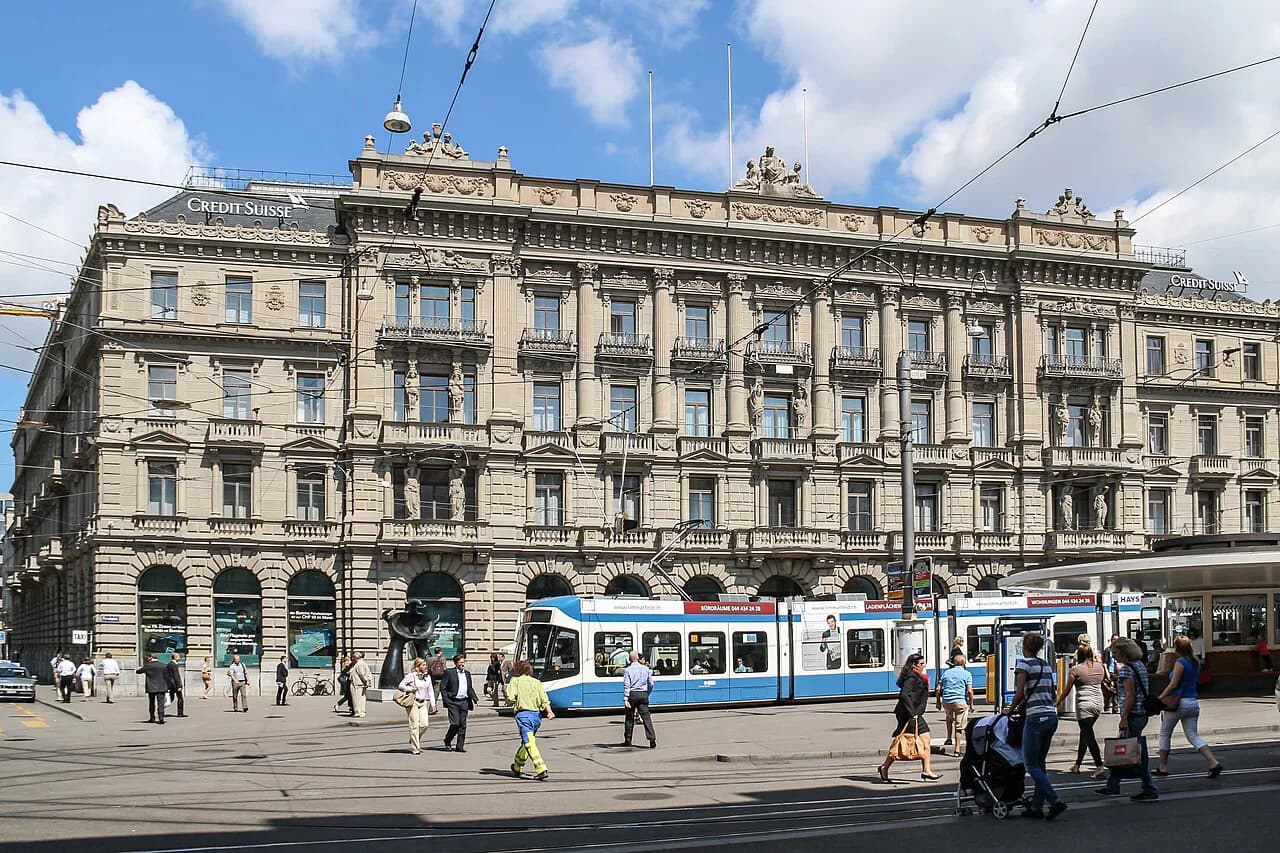
Zürich rewards walking because the center was built around footpaths rather than widened roads, and the crooked lanes twist more than any grid. Expect to get turned around near the station, where even the tram lines zigzag.
The core route is simple: Old Town lanes on both banks of the Limmat, the car-free western quay, then Niederdorf on the eastern side. None of the individual legs is long, which makes it easy to break the walk for coffee or shade.
Museums for a Hot or Wet Afternoon
The Kunsthaus Zürich is the anchor for an indoor block, and its Chipperfield wing added substantial exhibition space to the city's main art museum. It is the obvious choice when the afternoon turns too hot or too wet for walking.
For something smaller and more architectural, the Pavillon Le Corbusier on the lakefront honors the Swiss-born architect, and it sits naturally on a lakeside route rather than requiring a detour.
Check opening days before you build a day around a museum, since Swiss museums often keep one weekday closed. Confirm the current timetable on the museum's own site in the week you travel.
Lakeside and River Spaces
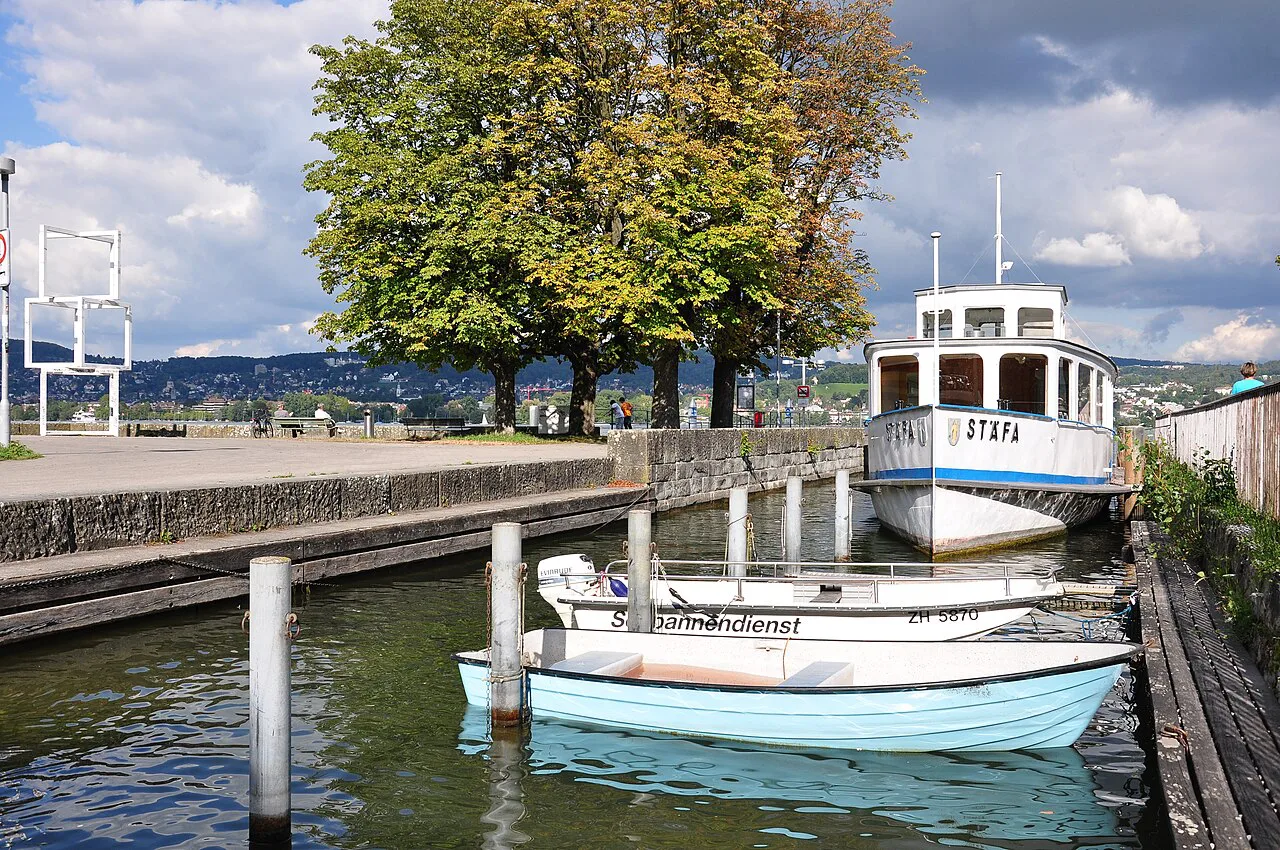
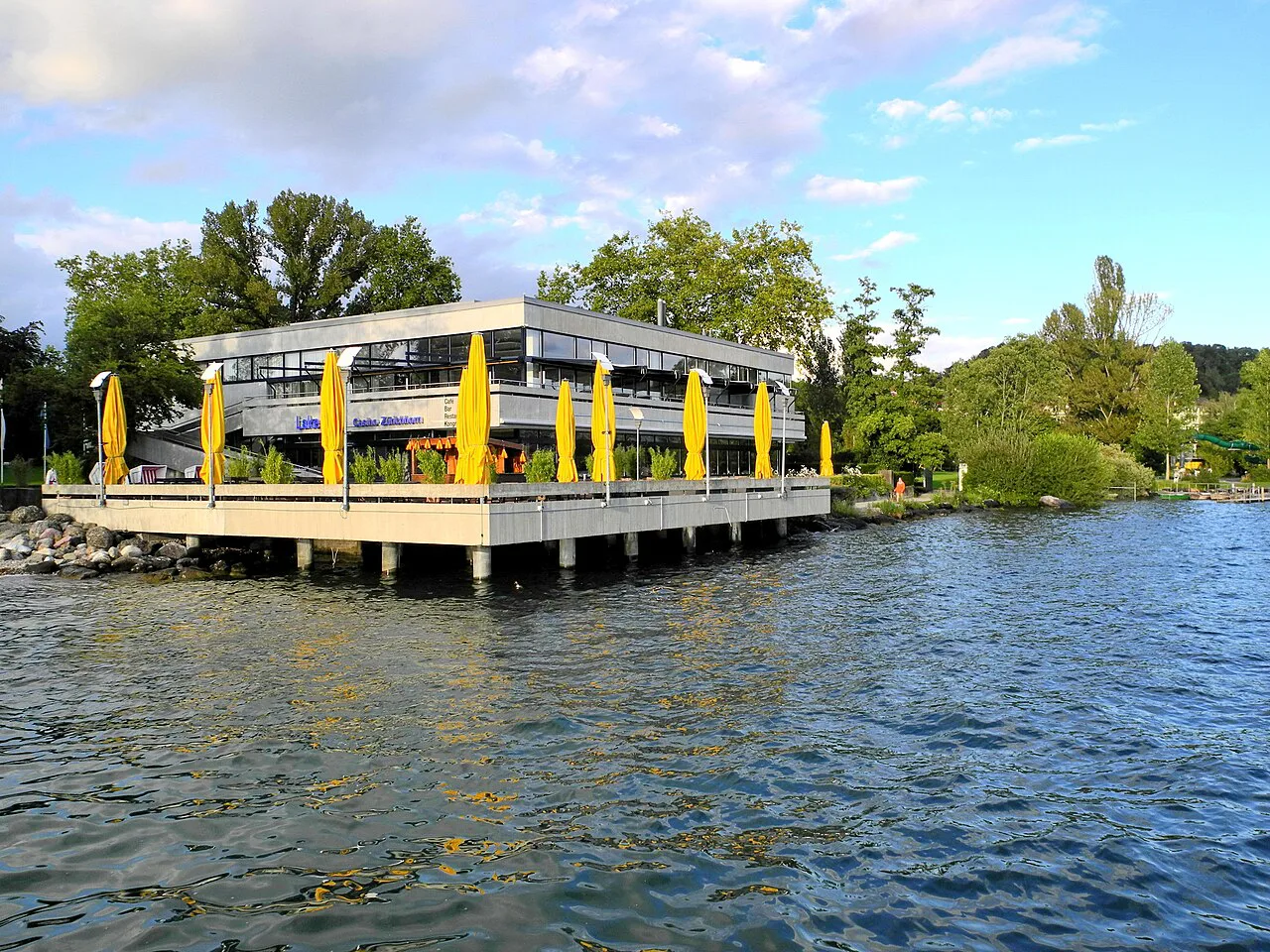
Sechseläutenplatz, the broad lakefront plaza laid with Vals quartzite, is the natural starting point for a waterside afternoon. From there the promenade and the Arboretum give you shade, lawns and long views back toward the center.
The badis along the lake and the Limmat are part of the city's summer texture. Seebad Utoquai is a wooden bathhouse dating from 1890, and Seebad Enge sits across the water, so you will pass them on any lakefront loop.
Treat swimming as optional rather than the point of the day; the same walk works whether you go in or not. Bring a towel only if you plan to use the facilities, and expect the busiest stretches in the middle of the afternoon.
Views and Urban Quarters
For a city-wide view, Uetliberg is the classic climb above Zürich, and clear August days give you the best chance of seeing the Alps on the horizon. Go early or late to avoid the strongest sun on the exposed top.
On street level, the western art quarter clusters around Löwenbräukunst, a former brewery turned art complex, and Im Viadukt, where a working railway viaduct became a market and retail strip. Both are easy to combine in one afternoon.
Europaallee and Langstrasse add a different note: new shops and offices on one side, a scruffier nightlife street on the other. Walk it once for orientation and leave the evening plans to the neighborhood itself.
Sunday and Holiday Rhythm
Shops in Zürich close on Sundays, which surprises many first-time visitors who expect a European city to stay open. Plan Sunday as a walking, museum or park day and buy anything you need on Saturday.
The quiet is part of the appeal. Empty streets, echoing church bells and slow mornings make Sunday the best day for the Old Town if you want photographs without crowds.
Combine a Sunday with the 1 August rules and you get two restricted shopping days in one week. Stock up early if your trip overlaps both.
What August Costs
July and August are peak season, so budget for the least favorable rates of the summer on transport and anything booked late. The city is expensive year-round, and August removes most of the low-season slack.
Offset the peak with free and low-cost hours: walking the Old Town and the lakefront costs nothing, and a picnic from a market or station shop replaces one restaurant meal. A Swiss Travel Pass or Half Fare card is worth pricing against your planned trips before you commit.
Compare September, when the crowds thin and prices ease, if your dates are open. The trade-off is shorter evenings and a slightly cooler edge to the air.
Honest Trade-Offs
August gives you the warmest, longest days of the Zürich year and the fullest outdoor life along the Limmat and the lake. It also gives you the biggest crowds and the highest accommodation pressure, so book early and expect company at the viewpoints.
Heat is the wildcard. Average figures look gentle, but summer spikes can push low-lying areas toward 35°C, which turns a midday walking plan into a test of endurance.
If you want cool air and empty streets, August is the wrong month. If you want long evenings, outdoor tables and the city at its most relaxed, it is the right one.
Plan Your Visit
Build an August trip around two full days in the center and the lakefront, and add a third for the Kunsthaus and a slower afternoon. Keep one indoor block flexible, buy supplies before 1 August and before Sunday, and start early when the forecast runs hot.
For the seasonal comparison across the year, the best time to visit zurich guide sets August against spring and autumn. May is the gentler alternative if you want the same long days with fewer people. If you would rather trade city crowds for mountain air, consider grindelwald in august for the same peak-season timing among the Alps.
Explore more Zürich guides
Frequently Asked Questions
What is the weather like in Zürich in August?
August is warm and often sunny, with average highs around 23°C and average lows around 14°C in Zürich. Those are typical climate averages, not a forecast, and summer heat spikes can push low-lying areas much higher. Pack a light layer for evenings and a rain shell for showers.
Is August a good time to visit Zürich?
Yes, if you want long daylight, outdoor tables and the city at its liveliest. The trade-off is peak-season crowds and higher accommodation pressure, so book early and plan around the busiest hours in the middle of the day.
What happens in Zürich on 1 August?
Swiss National Day is a public holiday on 1 August. Shops close across the city, with exceptions at Zurich Airport, the main train station, Stadelhofen station and Enge station. Plan it as a walking and sightseeing day rather than a shopping day.
How many days do you need in Zürich in August?
Two full days cover the Old Town, the Limmat quays, Niederdorf and the lakefront. Add a third day for the Kunsthaus Zürich and a slower afternoon, or if you want to include Uetliberg without rushing the rest of the plan.
Are shops open in Zürich on Sundays in August?
No, shops close on Sundays in Zürich, and the same pattern applies on 1 August. Use Sunday for walking, museums or parks, and buy water, picnic supplies and anything else you need on Saturday.
Is August expensive in Zürich?
August falls in peak season, so it is one of the pricier months for transport and last-minute bookings. Walking routes and the lakefront cost nothing, and a picnic replaces one restaurant meal, but expect the city's generally high prices throughout.
Sources
Notes for your Swiss city break
Optional updates to our Swiss city guides.
You might also like
Continue reading
More guides you'll find useful