Zürich in Autumn: When to Go, Weather and What to Do
Autumn in Zürich runs from September to early November, with mild days, color along the lake and thinner weekday crowds. Here is how to plan the trip.
On this page
Autumn in Zürich runs roughly from September through early November, and it is one of the most comfortable windows for a city break: mild walking temperatures, thinner weekday crowds than midsummer, and low light that flatters the lake and the old town. Plan sightseeing for weekdays, keep one flexible day for rain, and treat the lakefront as your anchor rather than a single museum checklist.
When Autumn Starts and Ends in Zürich
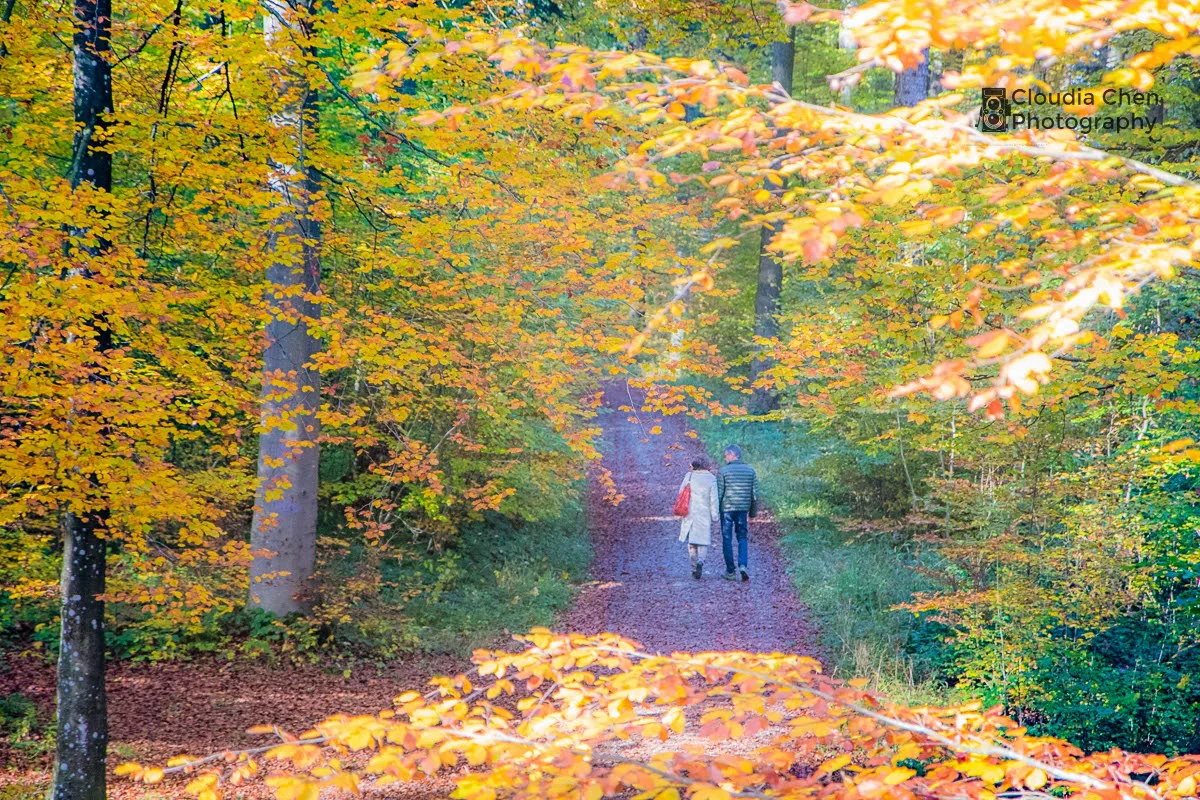
September still behaves like late summer in the city, with long evenings and pavement cafés full, so it suits travelers who want daylight after sightseeing. October is the pivot month: the trees along the lake turn, the light softens, and a jacket becomes useful by late afternoon. Early November is quieter and cooler, which works if your priorities are museums and old-town streets rather than long outdoor days.
If your trip is built around walking and lake views, aim for late September to mid-October, when temperatures are still mild and the color is developing. If you mainly want galleries and covered arcades, early November costs you daylight but gives you calmer streets. Whichever you pick, autumn in Zürich rewards a loose plan more than a packed one, because a single wet day can reset your schedule.
Typical Autumn Weather and What to Pack
Autumn weather in Zürich is variable rather than reliably dry: expect a mix of mild sunny afternoons and cooler, damper days as the season advances, with daylight shrinking noticeably between September and November. Pack layers you can add and remove through the day, and make a light waterproof shell your priority over a heavy winter coat, since you will carry it more than you wear it on mild afternoons.
Comfortable shoes matter more than usual here, because the old town and the lakefront are best seen on foot and cobbled lanes get slick after rain. A small umbrella and a scarf cover most conditions. Check the forecast for the days of your stay before you fix which day gets the lake walk and which gets the museums.
Why Autumn Works for a City Break
The season sits in a sweet spot between summer crowds and winter cold: walking the compact center is pleasant, and you are not competing for space on the lakefront promenades. Travelers describe autumn in Zürich as an ideal time to explore the city thanks to mild temperatures and seasonal atmosphere, which matches the practical case for going then.
The trade-off is honest and simple: shorter days and more rain against easier sightseeing and better walking conditions. If you accept a flexible rhythm, with outdoor plans slotted into brighter mornings and indoor stops held in reserve, autumn gives you a calmer version of the city than July does.
Fall Color Along the Lake: Saffa Island, Bürkliplatz and Wollishofen
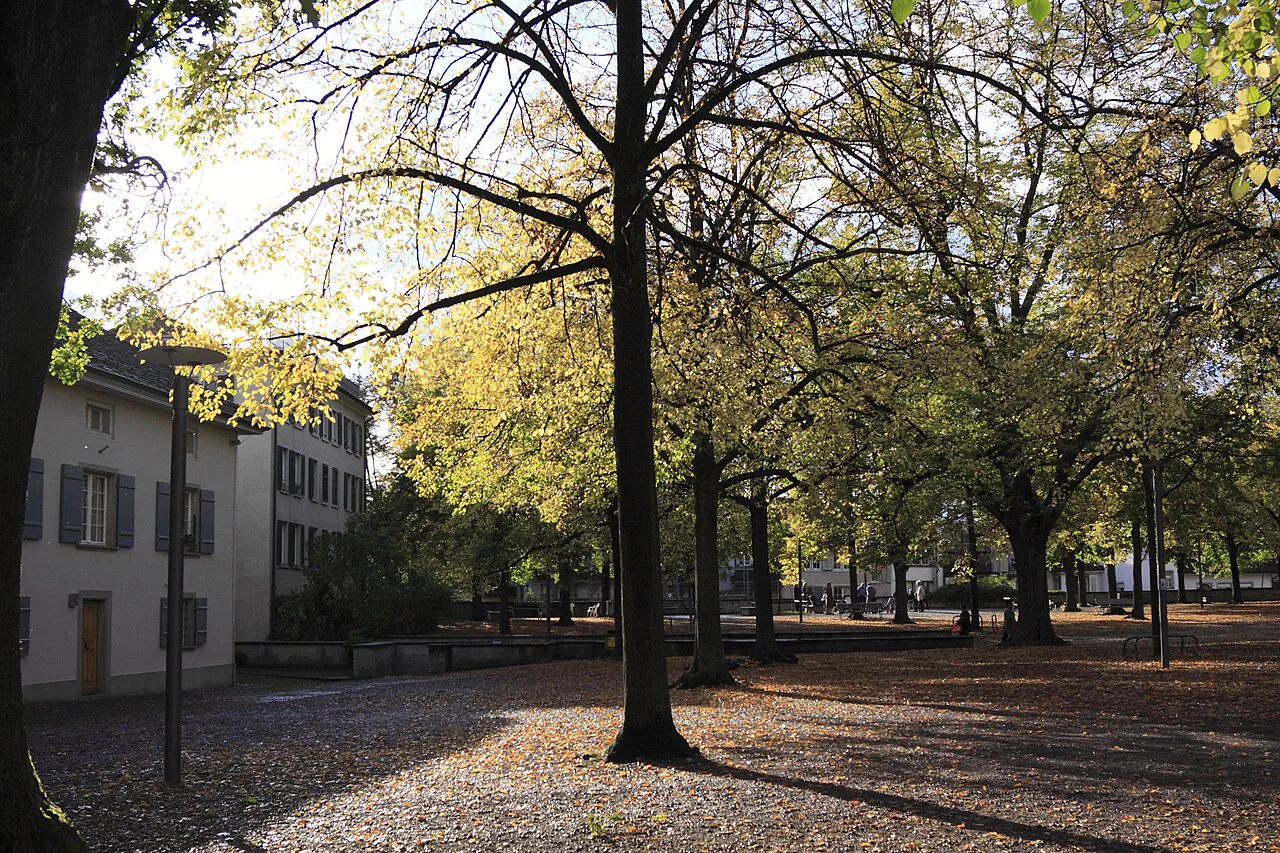
The lakefront is where autumn shows best. Saffa Island, the small artificial island just off the Zürichsee shore near Bürkliplatz, is a compact stop for turning trees reflected in the water. From there, the promenade next to Bürkliplatz gives you an easy waterside walk with the old town behind you.
Continue south along the shore to Wollishofen, where the lakeside paths and small port area add quieter, leafier corners to the same walk. Allow a relaxed half day for Bürkliplatz, Saffa Island and Wollishofen together, with time for coffee rather than a timed route. If you are comparing seasons for a return visit, Lake Zurich looks markedly different in spring, so it is worth reading Zürich in April before you commit to a second autumn trip.
Beyond the city, the hills of Canton Schwyz and the Wägital area are reachable within about an hour by highway and minor roads, with open views of turning trees and mountain peaks. Treat these as an optional extra rather than the core of a city break, and check transport and daylight before setting out.
Old Town and Lindenhof on Foot
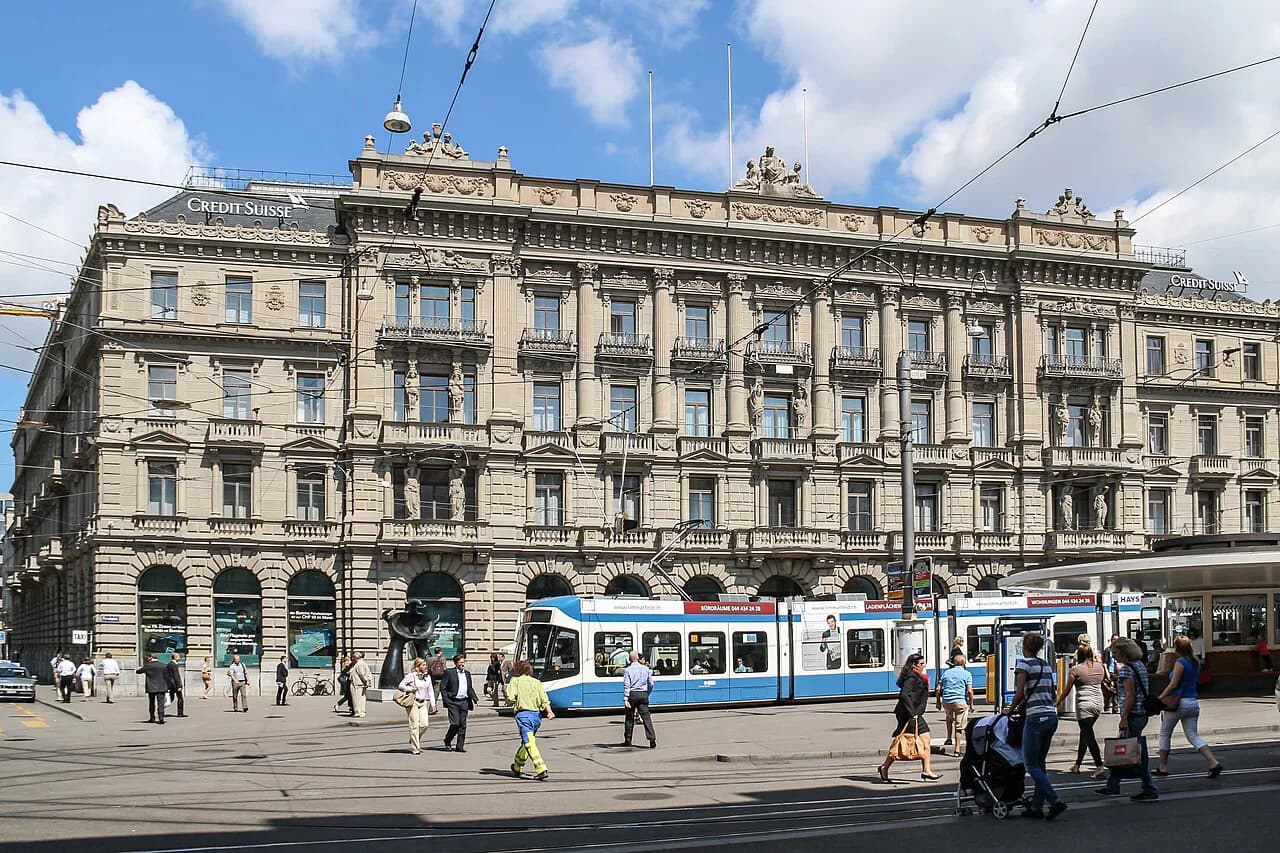
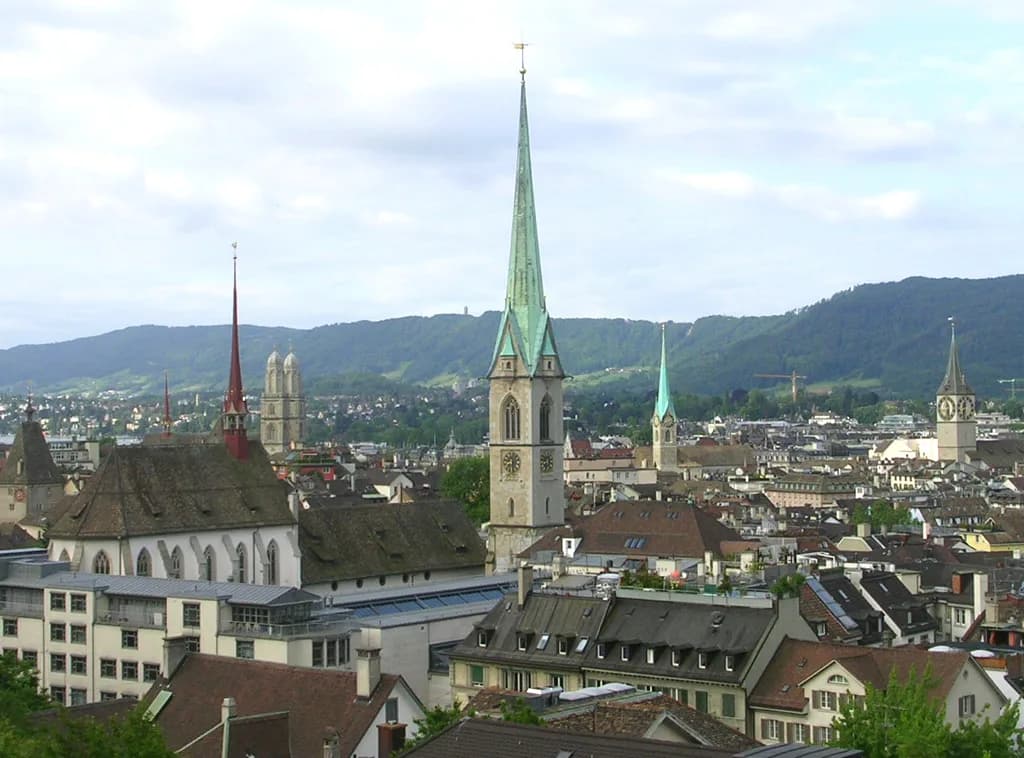
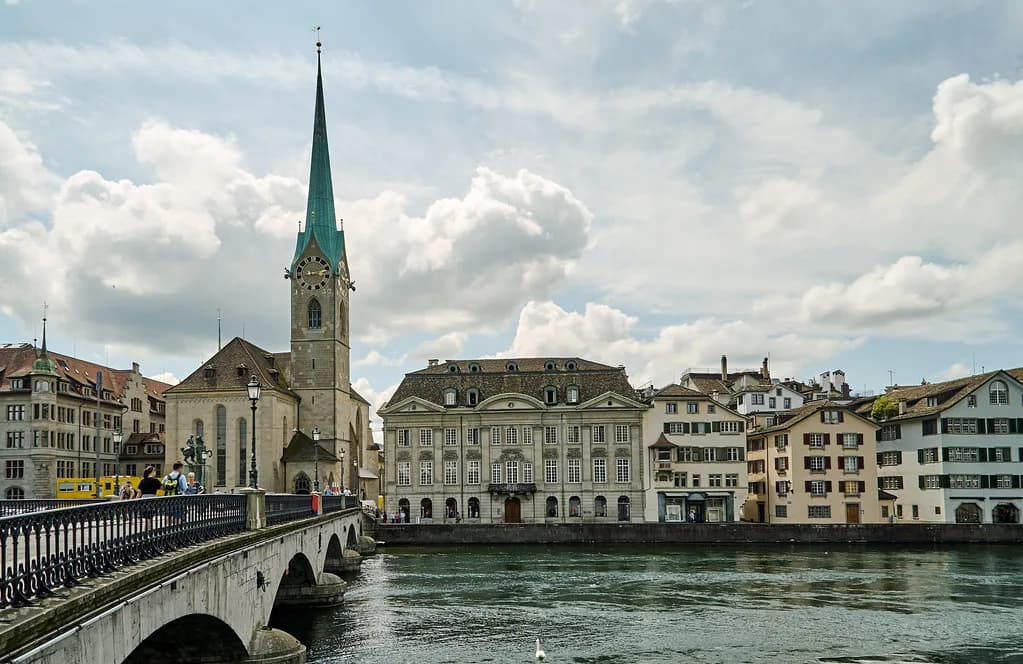
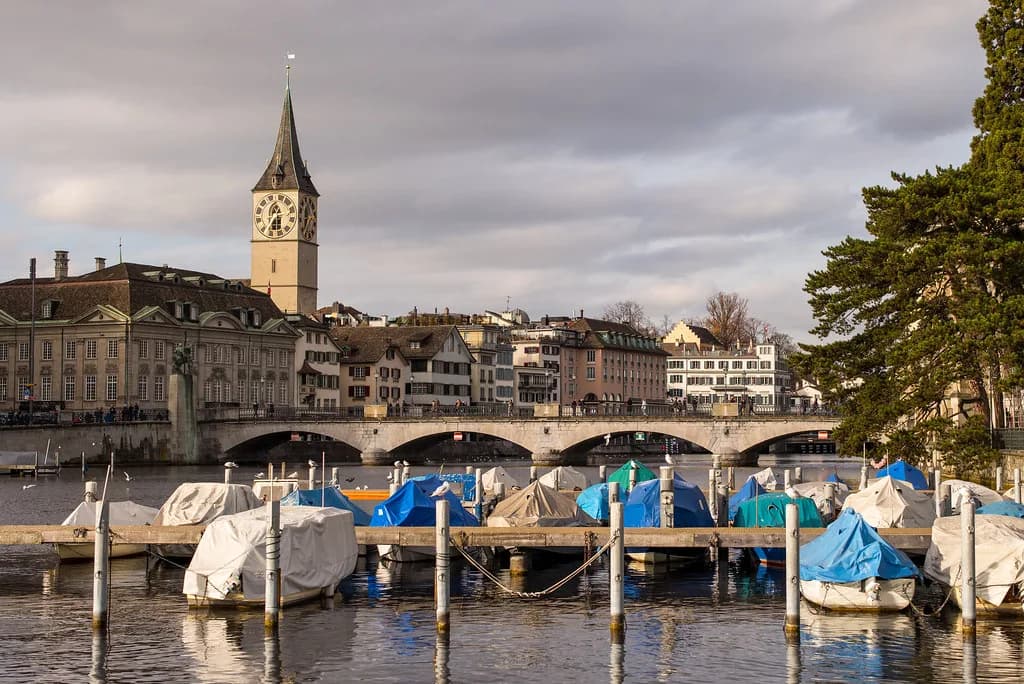
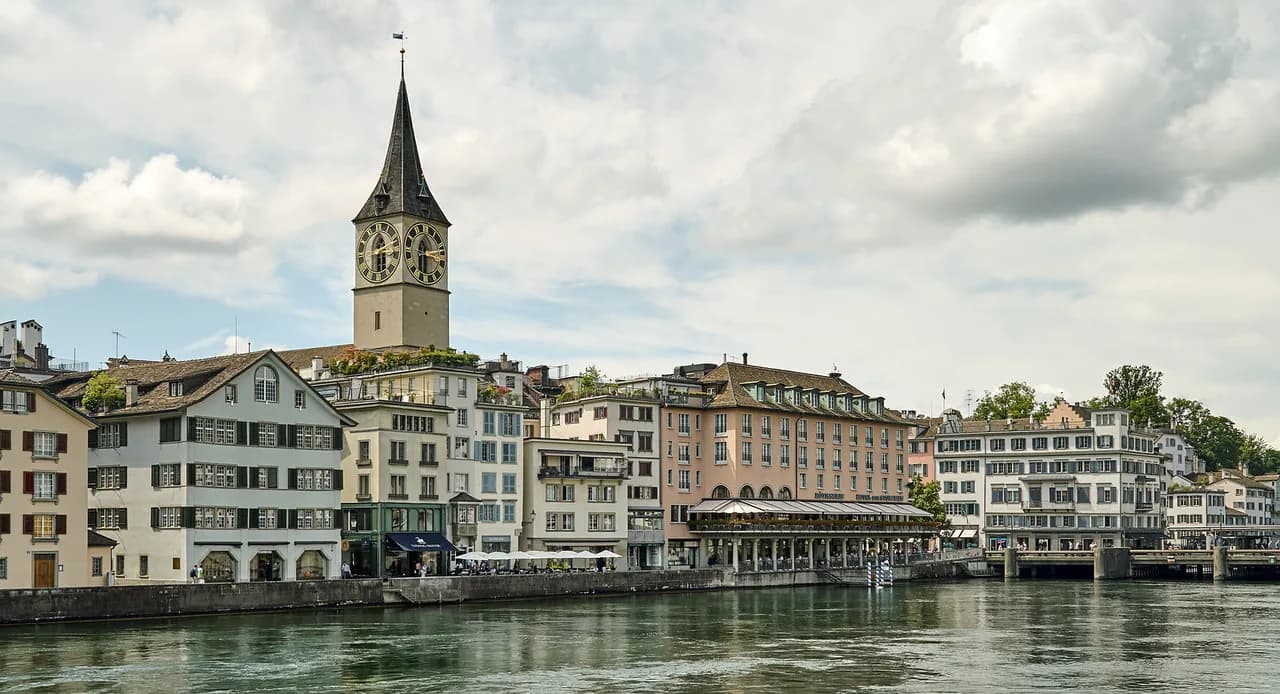
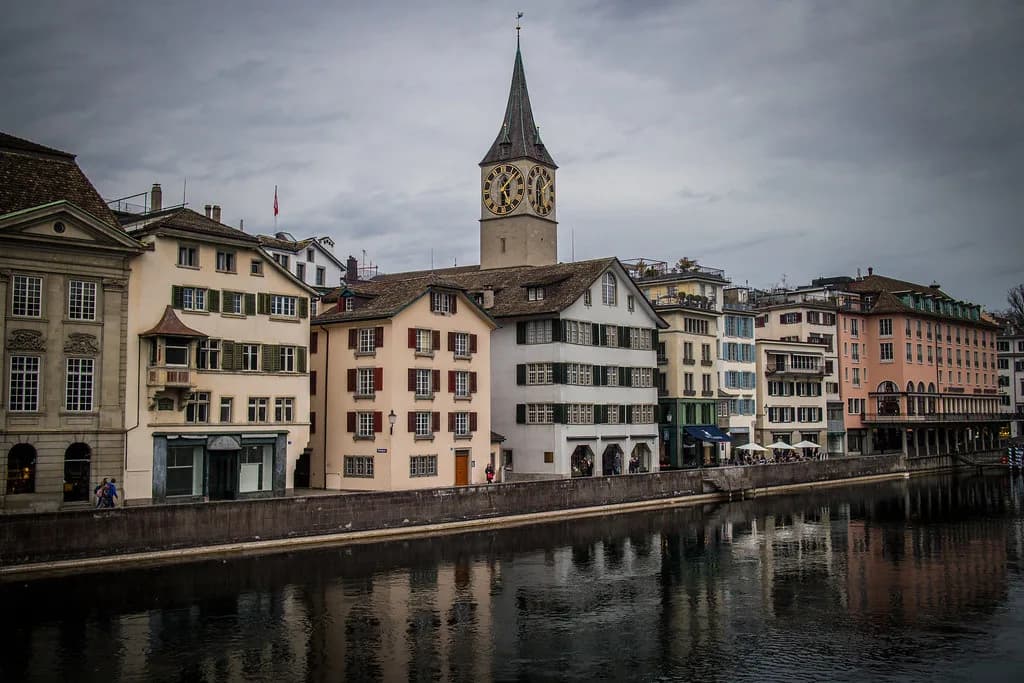
Start at Bahnhofstrasse and walk into the old town across the Limmat quays, then climb to the Lindenhof for the classic view back over the river and rooftops. The Grossmünster is a short walk away, and the whole loop from the station through the old town and back takes a comfortable half day at an unhurried pace. Autumn light in the late afternoon is the reason to time this walk for the end of the day.
Zürich is compact enough that you rarely need transport between these sights, which keeps costs down and lets you follow the weather. Wear shoes with grip for the cobbles, and keep the riverside stretch for a dry hour rather than a scheduled slot. If you want the individual sights laid out one by one, the Zurich attraction guides help you build the day.
Museums as Your Wet-Weather Plan
Build one indoor day into any autumn itinerary and treat it as insurance rather than a fallback. The Kunsthaus Zürich area and the university quarter give you a dense cluster of art and architecture within walking distance of the old town, so a rainy morning does not mean crossing the city. Slot the indoor day mid-trip so you can switch it with a brighter day if the forecast shifts.
Before you rely on a specific venue, confirm its opening days and hours directly, since Swiss museums commonly keep one weekday closed and autumn schedules can differ from summer. Decide your wet-weather shortlist in advance, then check each venue the week you travel. That one check saves a wasted morning.
Viewpoints and Rides Above the City
Zürich's nearby hills give you fall color from above, and the funiculars and cable cars that serve them are a practical way to gain height without a long climb. Fares and operating days vary by line and season, so check the current timetable and price at the station before you set out rather than budgeting from an old figure. Clear autumn days after rain often give the sharpest views across the lake to the Alps.
Go early if the morning is bright, since cloud tends to build later and daylight is shorter than in summer. A viewpoint trip pairs well with an afternoon back in the old town, which keeps the day balanced and leaves room for a museum if the weather turns.
How Many Days Zürich Needs in Autumn
Two days cover the core: one for the old town, Lindenhof and the Limmat quays, one for the lakefront at Bürkliplatz, Saffa Island and Wollishofen. Three days let you add a hilltop ride or a proper museum morning without rushing, and they give you slack for a wet day. With only two days, keep the lake walk flexible and hold the Kunsthaus area as your rain option.
A fourth day only pays off if you want the Canton Schwyz countryside or a slower pace, and it comes at the cost of daylight and extra travel. For most city-break travelers, three nights with two full walking days is the honest sweet spot in autumn.
Costs and Money-Saving Moves
Switzerland is expensive, and Zürich is at the top of it, so budget in Swiss francs rather than converting from dollars or pounds as you go. For museum tickets, funicular and cable-car fares, and ZürichCard pricing, look up the latest figures on the relevant provider's own page before you travel, since autumn rates and inclusions change. Setting a daily cash ceiling and using a card for the rest keeps the trip predictable.
Travel passes are worth running against your actual plan rather than buying on reputation. Compare the Swiss Travel Pass and the Half Fare Card against the number of paid rides and museums you will genuinely do in a few days, and only buy if the arithmetic works for your itinerary. If it does not, pay per ride and spend the difference on a good lunch.
Sunday and Monday Planning
Autumn weekends bring local walkers to the lakefront, so use Saturday for outdoor sightseeing and shift indoor plans to quieter weekdays where you can. Treat Sunday and Monday as days to confirm rather than assume, and check each museum's or shop's own published days before you build the day around it. A short list of confirmed openings beats a long list of hopeful ones.
If a venue is closed on the day you planned, the old town and lakefront walks are always available, so keep those as the flexible half of each day. Build the confirmed indoor stop first, then fill around it with streets and squares. That order keeps a short autumn trip from being eaten by closed doors.
Who Autumn in Zürich Suits — and Who Should Choose Another Season
Autumn suits travelers who want to walk a compact city in mild weather, see the lakefront change color, and accept shorter evenings in exchange for lighter crowds. It also suits anyone pairing sightseeing with a museum day, since a rainy afternoon becomes an asset. It is less suited to travelers who need long daylight hours or guaranteed dry weather for outdoor plans.
If you want warmer days and longer evenings on the water, compare the summer months before booking; Zürich in May and June offer a different balance of light and crowd levels. If your priority is the calmest streets and lowest demand, early November is the quieter end of autumn, with the trade-off of cooler, greyer days. For a like-for-like seasonal comparison in another Swiss city, it is worth weighing Basel in autumn, which pairs a similar mild window with its own seasonal fair.
Plan Your Visit
Autumn in Zürich is a short, well-defined window: September for warm days and long evenings, October for color and mild walking, early November for quiet streets and indoor priorities. Two days cover the old town and the lakefront, three add a hilltop or a museum morning, and one flexible day protects the plan from rain.
Confirm current opening days, ticket prices and ride fares at the source before you travel, especially for the days you have set aside for museums and viewpoint rides. Then build your itinerary around the walks, which stay available in almost any weather.
Frequently Asked Questions
What is it like to visit Zürich in September?
September keeps much of summer's feel, with mild days, long evenings and lively streets around the old town and the lakefront. The trees are only starting to turn, so it suits travelers who want comfortable walking weather and daylight after sightseeing more than peak fall color.
When do the autumn colors peak in Zürich?
Color builds through October along the Zürichsee shore, with the trees around Bürkliplatz, Saffa Island and Wollishofen turning as the season advances, and holds into early November. Exact timing shifts each year, so check the forecast and local reports as your dates approach.
Is October a good time to visit Zürich?
October is the most balanced autumn month for a city break: mild walking temperatures, visible color along the lake and fewer crowds than midsummer. Expect a mix of bright and damp days, and build one indoor day into the plan so a wet morning does not derail the trip.
What is the weather like in Zürich in autumn?
Autumn is variable, with mild sunny afternoons and cooler, damper days as the season goes on, and daylight shrinking steadily from September to November. Pack layers and a light waterproof shell rather than a heavy coat, and keep one day flexible for rain.
How many days do you need in Zürich?
Two days cover the old town, Lindenhof and the lakefront as far as Wollishofen. Three days let you add a hilltop ride or a museum morning at a relaxed pace, and give you a cushion for a wet day.
Are museums in Zürich closed on Mondays?
Swiss museums often keep one weekday closed, but the day differs by venue, so confirm each museum's published opening days before building your plan around it. Keep the old town and lakefront walks as the flexible part of any day.
How much do Zürich museums and viewpoint rides cost?
Prices in Swiss francs vary by museum and by funicular or cable-car line, and they change seasonally. Compare passes against the rides you will actually take, and check current prices before you travel.
Is the Swiss Travel Pass worth it for a short Zürich trip?
It depends on how many paid rides and museums you will actually use in a few days. Add up the individual fares first, compare them with the Swiss Travel Pass and Half Fare Card, and buy only if the arithmetic beats paying as you go.
Sources
Notes for your Swiss city break
Optional updates to our Swiss city guides.
You might also like

Continue reading
More guides you'll find useful