
Bümpliz, Bern: What to See in Bern's Western District

Bümpliz is Bern's district in the west, a former farming village that became part of the city on 1 January 1919. More than a century later it still feels different from the sandstone Old Town, and that contrast is the reason to ride out here.
This is not a sightseeing district in the conventional sense. What you get is a historic village core with a fountain, three very different residential zones, and a shopping and leisure complex at Brünnen-Westside.
What Bümpliz Is and How It Joined Bern
Until the late nineteenth century the land west of Bern's gates was farmland, dotted with country estates where Bernese families spent the summer. Industrial growth and railway construction pulled workers into the newly founded municipality of Bümpliz, and its population doubled as cheap housing filled up.
The merger was practical rather than romantic. Bümpliz collected little revenue because residents paid tax where they worked, so it struggled to fund schools and roads, while Bern wanted the land reserve in the west. Voters on both sides approved the union in autumn 1918, and Bümpliz lost its autonomy when its authorities stood down.
That history explains the local mood. A sense of being handled as an afterthought by the city lingered for decades, and it still shapes how the district talks about itself.
How the District Is Laid Out
Think of Bümpliz as three zones strung along the same western corridor. The historic Dorfkern is the old village center, Tscharnergut and Gäbelbach are the post-war high-rise estates, and Brünnen-Westside is the newest quarter, built for a middle-class market and anchored by a shopping and leisure complex.
In 2018 the district as a whole counted roughly 35,000 residents, making it the largest in Bern. The zones sit close enough to walk between, but each has a different street pattern and building scale, so expect the scenery to change sharply rather than gradually.
For orientation on the ground, an online map covering Bümpliz Dorf shows the streets, transit stops and local facilities before you set out. It is the simplest way to see how the village core connects to the surrounding estates.
Character and Who It Suits
Bümpliz suits travelers who have already seen the Old Town of Bern and want to understand how the city actually grew, including its housing estates and immigrant neighborhoods. It rewards curiosity about urban planning and everyday Swiss life far more than it rewards a checklist of monuments, so it fits best into a multi-day bern itinerary rather than a rushed first visit.
It does not suit a first visit with only a day to spare. There is no single headline sight on the scale of the Münster or the Zytglogge here, and the district's appeal is cumulative rather than concentrated at one address. If your time in the city is genuinely tight, weigh the best time to visit bern and plan your priorities before adding this detour.
If you like the idea of comparing neighborhoods, this district pairs naturally with the working-class Matte, Bern, on the other side of the river, which is central and easy to fold into a city walk.
The Historic Dorfkern and the Dorfbrunnen
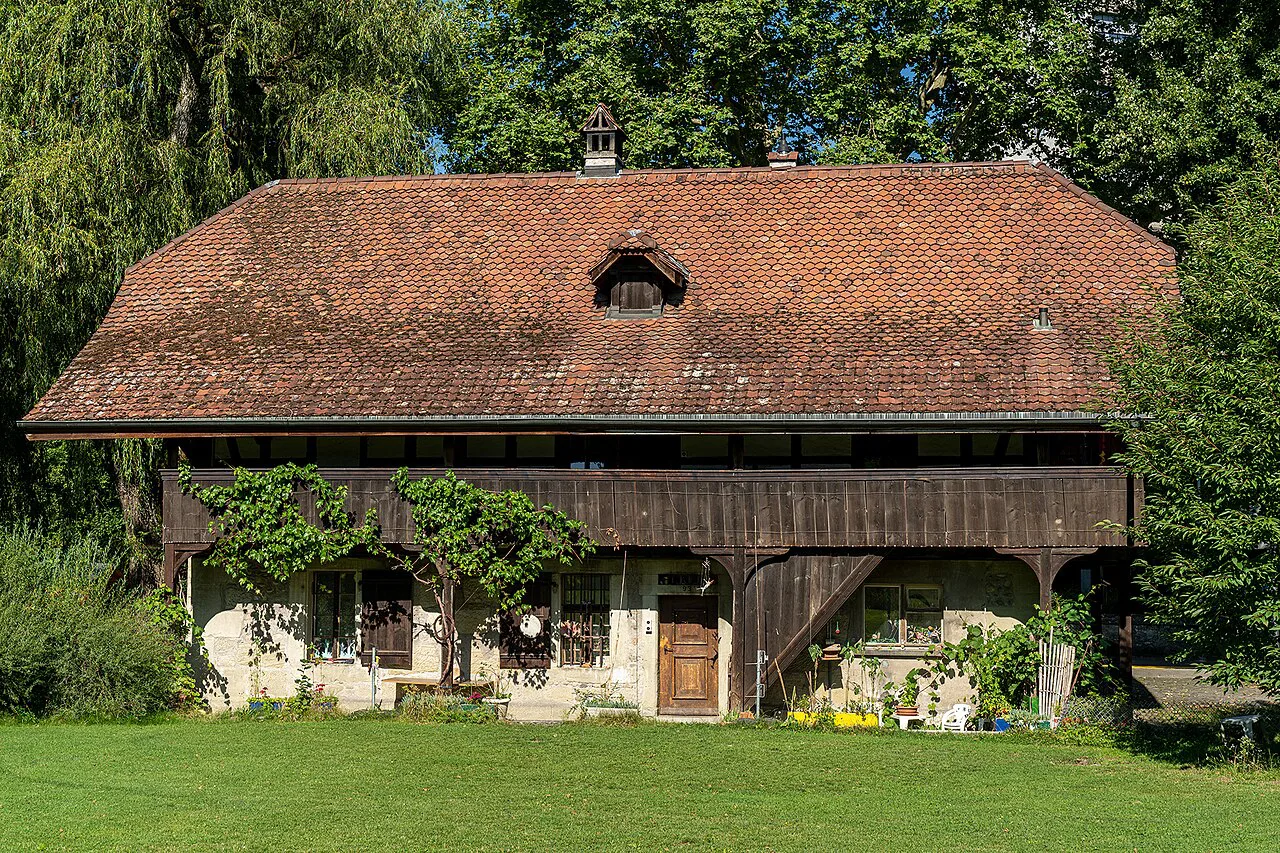
The old village core is the one part of Bümpliz that reads unmistakably as a Swiss village, with the Dorfbrunnen as its emblem. Bern gave the fountain to Bümpliz as a welcome present at the time of the merger, though the inscription that was meant to commemorate the union was dropped out of consideration for the skeptics.
That detail is the whole story in miniature: a gift offered, a message withdrawn, and an object that later became central to local identity anyway. The fountain is the one specific landmark worth seeking out in the village center.
Give the core half an hour on foot. It is compact, and the interest lies in the contrast between this small historic center and the estates that begin a few streets away.

Westside and Brünnen: The Newer Quarter
Brünnen-Westside is the district's newest piece, described as a trend quarter for middle-class residents. For visitors its pull is the Westside complex, which combines shopping with leisure facilities and gives the western district something the older quarters do not have.
Outside Westside, the western part of Bern offers aparthotel-style accommodation such as Los Lorentes Residences on Murtenstrasse, which gives self-catering travelers a base without staying downtown. Bookings and rates change constantly, so compare on the booking site itself rather than relying on any cached figure.
Practical point: the district's accommodation supply is thin and spread out, and the listings that appear under the Bümpliz-Oberbottigen label include properties well outside the district itself. Check the street address before you assume you are staying in Bümpliz.
Getting There and Around
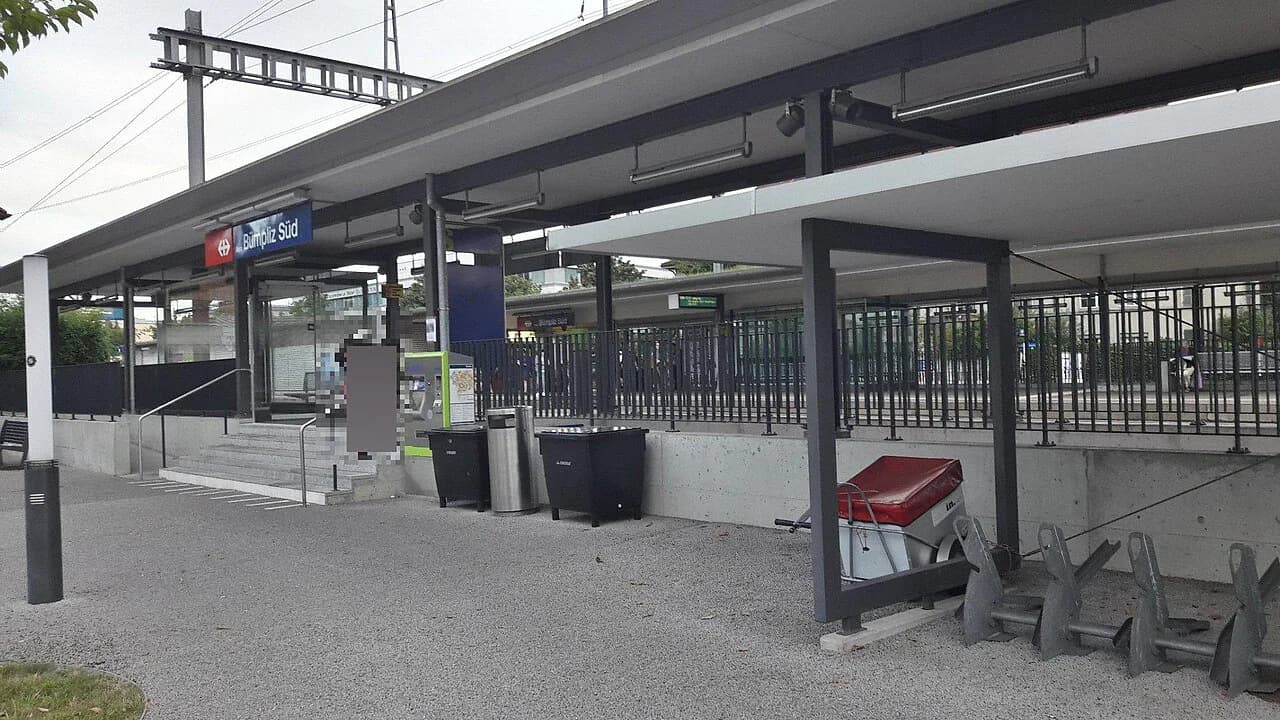
Tram Bern West is the reason the district is easy to reach. The line was put to a citywide vote in 2003 and won clear approval across Bern's other districts, yet the affected quarters of Bümpliz and Bethlehem were the only ones to reject it, a result that says a lot about local attitudes toward the city center.
For the western approach, ride out to Bümpliz Dorf and work back on foot or by tram through the estates toward Brünnen. A street map of the district helps here, because the quarters do not sit on one straight line and the walking distances between them are longer than they look.
If you would rather stay central and treat Bümpliz as an excursion, base yourself in the Länggasse, Bern, which sits on the city side of the western corridor and makes a half-day trip out here straightforward.
Where to Eat and Stay in the District
Westside's complex is the most reliable place to eat in the district, since it serves shoppers and leisure visitors rather than a purely residential crowd. Beyond that, the estates have small local provisions rather than visitor-oriented restaurants, so plan lunch around the Brünnen end of the trip.
On the accommodation side, the properties that surface under Bümpliz-Oberbottigen include aparthotels in Brünnen and hotels closer to the center, and the district label does not guarantee the district. Confirm the address, then book direct with the property or through the platform you trust.
If a specific hotel matters to your trip, treat the neighborhood listing as a starting point only. Rates for the same room move with the season and the booking window, so the number you see at one moment is not a reliable budget figure.
Walking and Orientation Between the Quarters
A sensible half day runs from the Dorfkern through Tscharnergut and Gäbelbach to Brünnen-Westside, ending at Westside. The first stretch is village-scale and quick, the estate sections are wide and open, and the final leg is new-build and commercial.
Watch the scale. High-rise estates make blocks look shorter than they are, and the distance from the village core to Brünnen is a real walk rather than a few minutes. Use the tram for at least one leg unless you have the time to spare.
Two hours is enough for the core plus one estate; allow closer to half a day if you want all three zones and time inside Westside.

Is It Worth Adding to a Bern Trip?
Treat Bümpliz as a second-visit district. It earns a slot once you have covered the Old Town of Bern and the classic viewpoints, especially if urban history or housing estates interest you, and it earns nothing if your trip is two days long and packed. If your dates are still open, check the best time to visit bern before committing a day to this western detour, and sketch a bern itinerary so the half-day fits around the Old Town rather than replacing it.
The honest trade-off is time against distinctiveness. A ride out here costs you a chunk of a city-break day, and what you get back is context about how Bern expanded rather than a photograph you could not take elsewhere.
One thing tilts the decision: Bümpliz is not the sleepy satellite or the rough edge that older reputations suggested, and an open-air street festival here in summer 2016 drew around 120,000 people, many from elsewhere in the city seeing the district properly for the first time.
Practical Notes for the Day You Visit
What you spend in Bümpliz depends on whether you eat or shop at Westside, so set a budget there rather than for the neighborhood as a whole.
Bümpliz is a residential district, and much of what you will walk past is people's homes and local shops rather than visitor infrastructure. Check the map for the streets you plan to cover and keep the pace unhurried.
Pair the visit with the broader city plan if you are building an itinerary around several districts. Bümpliz works best as a deliberate detour, not a default stop.
Plan Your Visit to Bümpliz
Bümpliz is a district to visit for understanding rather than for a checklist. The Dorfbrunnen and the old core tell the merger story, the estates show how Bern housed its growing population, and Brünnen-Westside shows where the west is heading.
Go on a clear half day, ride Tram Bern West to the Dorf, and walk the quarter sequence east to west. If your trip is short, put the Old Town first and save this western detour for a return.
If you want to compare it with more central districts before committing the time, start with the overview of Bern Neighborhoods.
Explore more Bern guides
Frequently Asked Questions
What is Bümpliz known for?
Bümpliz is known as Bern's largest district, a former farming village that became part of the city, and for its contrasting zones: the historic village core with the Dorfbrunnen, the high-rise estates of Tscharnergut and Gäbelbach, and the newer Brünnen-Westside quarter.
Is Bümpliz its own municipality?
No. Bümpliz was an independent municipality until it joined Bern, losing its autonomy when its authorities stood down after the merger.
How long has Bümpliz belonged to Bern?
Bümpliz became part of Bern on 1 January 1919, after voters in both places approved the merger in autumn 1918.
Is Bümpliz worth visiting on a Bern city break?
It is a second-visit district. With a short trip, prioritize the Old Town; with more time, a half day in Bümpliz shows how the city grew west and offers a sharp contrast to the center.
How do you get to Bümpliz?
Tram Bern West serves the district, and its construction was approved by a citywide vote in 2003. Check the current route and stops in the local transit planner before you travel, since timetables change.