Best Time to Visit Bern: A Season-by-Season Guide
Bern works best from May to September for warm weather and long days, while spring and autumn bring thinner crowds. Here is how each season reshapes your trip.
On this page
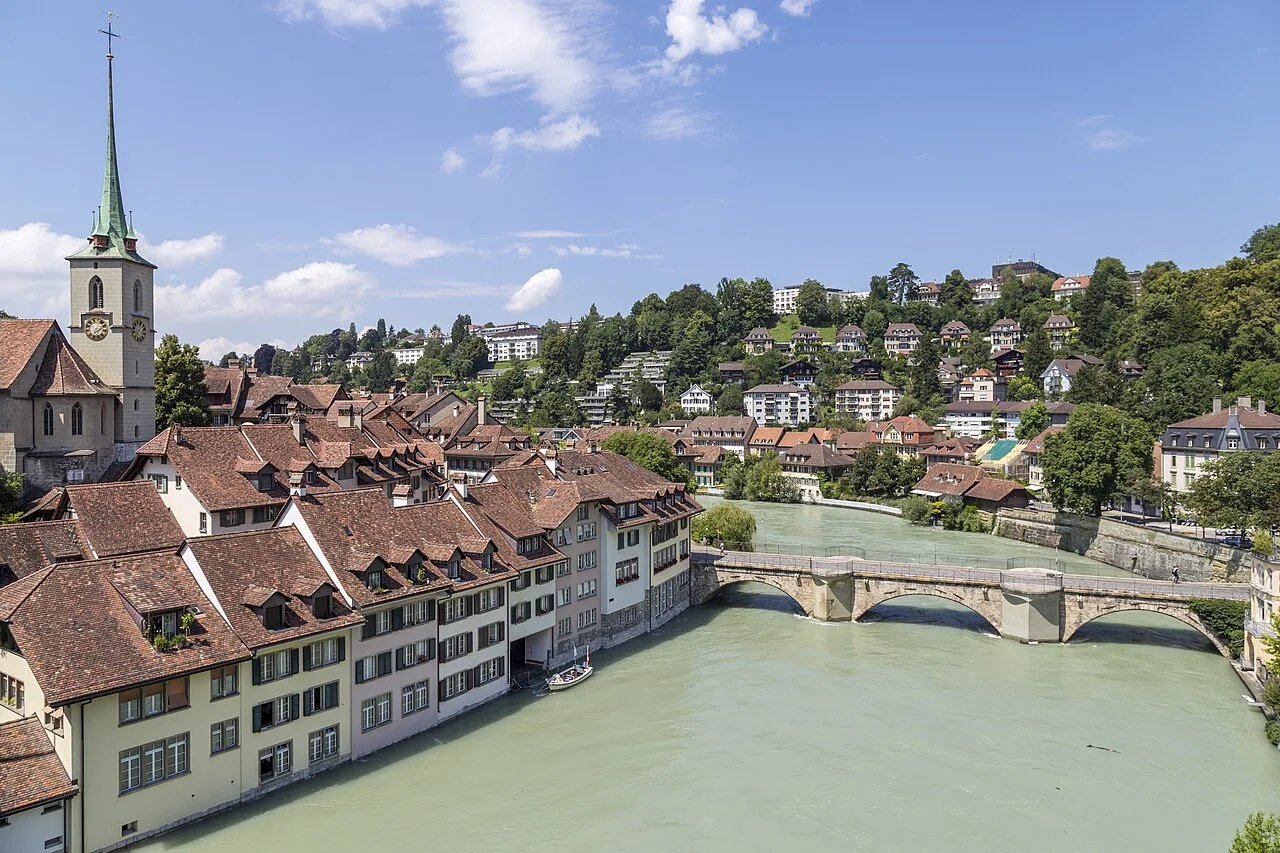
May through September is the easiest time to visit Bern: daytime temperatures climb toward the mid-20s°C in midsummer, the terraces and riverbanks fill up, and long evenings leave room for a second wander through the arcaded streets. Outside that window the city gets quieter and colder, which is either a drawback or the whole point, depending on whether you want terrace time or uncrowded museums.
The trade-off is straightforward. Summer delivers the most reliable outdoor weather and the biggest crowds; March, April and November stay chilly but let you move through the old town at your own pace. Pick your month by what you actually plan to do rather than by a single temperature figure, because a wet week in July and a bright week in October can feel surprisingly similar once you are inside the Zytglogge and the Münster.
Bern in spring (March to May): cold starts, quiet streets
Spring arrives slowly. March and April stay chilly, with average daytime highs around 15°C and nights near 4°C, and you can expect roughly 6 to 10 rain days a month. May is the pivot month, when the arcades become pleasant to walk in shirtsleeves and the outdoor season begins in earnest.
This is the season for travelers who care more about elbow room than sunshine. Hotel and flight demand is lower than in summer, the museums are calm, and you can still count on several dry days a month for a long loop through the old town. Pack a layer and a compact umbrella rather than betting on a heatwave.
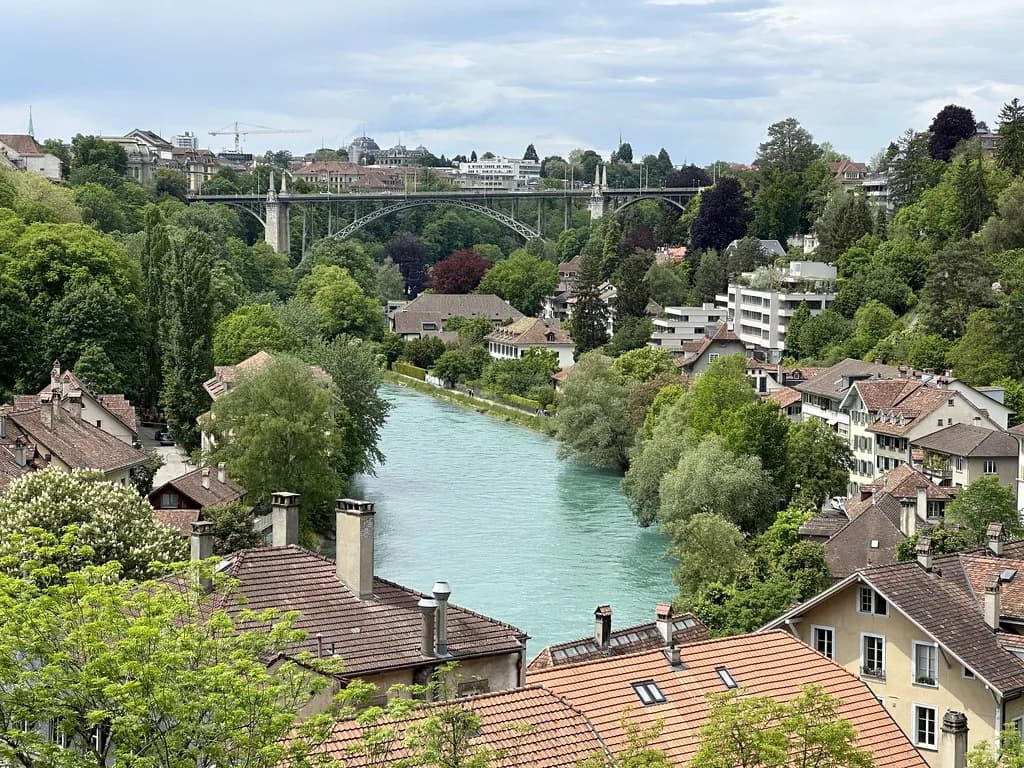
If you are building an April trip, plan around indoor anchors and short outdoor stretches, since a cold snap can arrive without warning. A spring visit also works well for the Aare River walkways, which are far less busy than in midsummer, before the riverside crowds settle in. Detail on daylight, crowds and what to book sits in the bern in april planning guide.
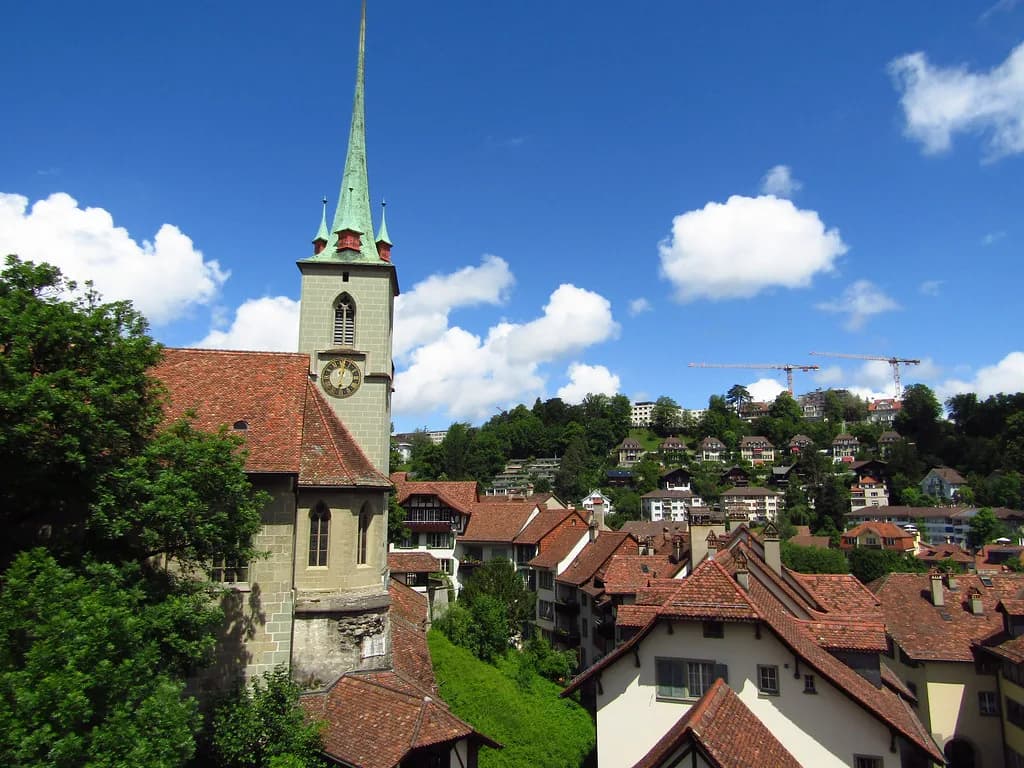
May is the month to target if you want spring prices with summer-ish weather. The UNESCO World Heritage Old Town of Bern is at its most comfortable before the peak-season heat, and the city's green spaces start to look their best. See the month-by-month breakdown in bern in may before you lock in dates.
Bern in summer (June to August): warm days and the fullest streets
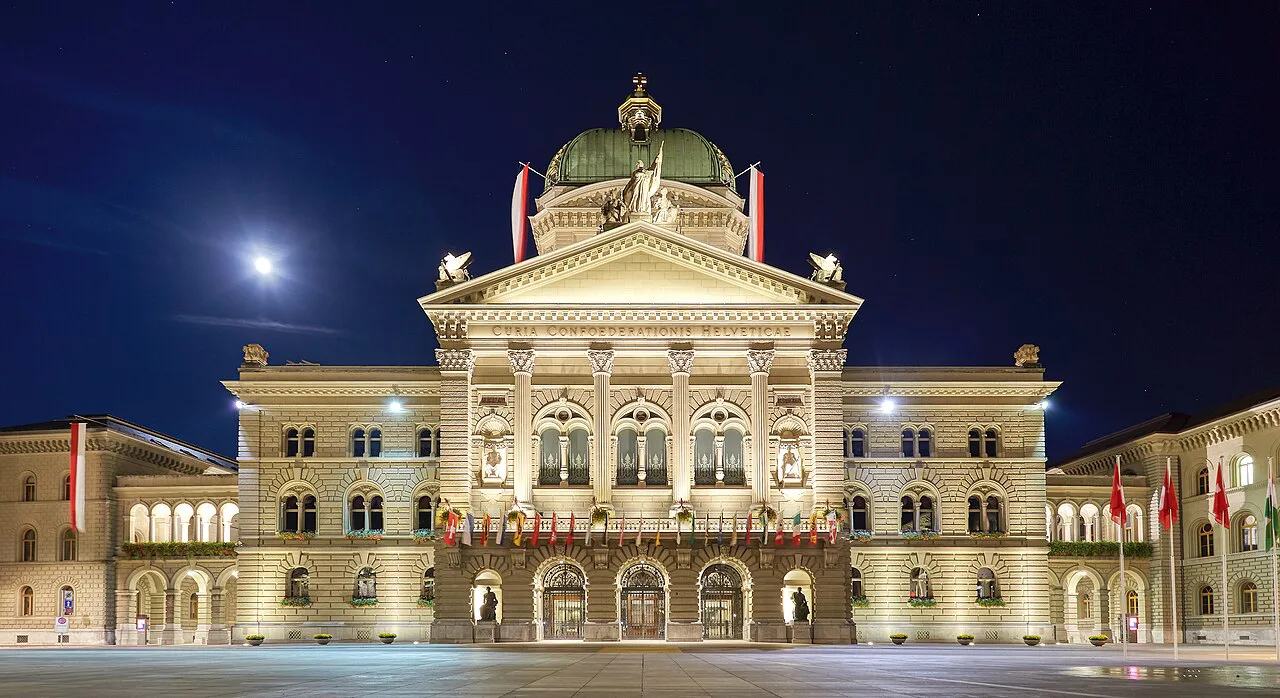
Summer is the most popular season, with average highs near 25°C, lows around 14°C, and 8 to 10 days of light showers a month. That combination means warm but not scorching days, which is why the old town, the Bundesplatz and the riverside paths are at their busiest from June through August.
Book this window if your plan is mostly outdoors: the Zytglogge clock face, the Münster terrace, the arcaded shopping streets and long evenings on a café terrace. Expect to share all of it, and expect the highest accommodation demand of the year. Starting your walking day early is the simplest way to see the headline sights before the crowds build.
A practical summer itinerary mixes outdoor mornings with indoor afternoons when the showers roll through. The Bernisches Historisches Museum and the other city collections are the natural fallback on a wet afternoon, and a loose plan lets you swap without losing a day. More ideas for warm-weather days are in things to do in bern in summer.
One caution: summer rain in Bern tends to arrive as short showers rather than all-day washouts, so a single grey morning is not a reason to abandon an outdoor plan. Carry a light rain shell and keep the indoor options in reserve for the afternoon.
Bern in autumn (September to November): the best shoulder season
Autumn is the sweet spot for many visitors. Average highs sit near 14°C with lows around 6°C, and November nights can drop toward 1°C, so the season moves from mild to genuinely cold as the weeks pass. Rain days stay moderate, and the light on the sandstone facades is the best of the year for photography.
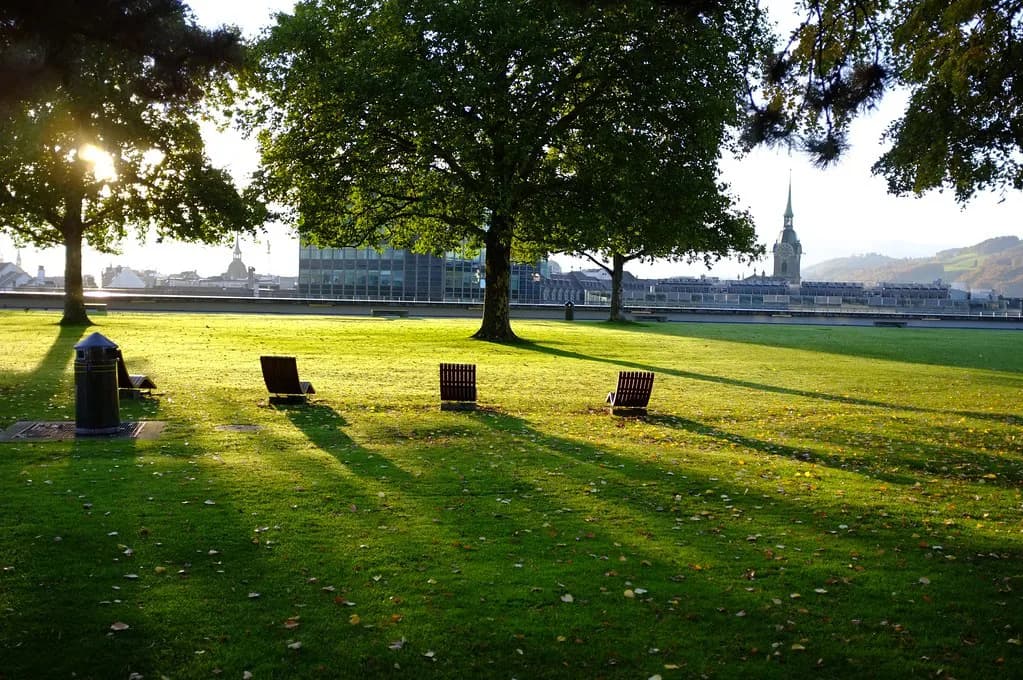
September is often the best-balanced month of the whole year: warm enough for terraces, quieter than July, and still bright enough for long walks through the old town. If you want summer conditions without summer crowds, aim for the first half of the month. The bern in september guide covers what stays open and how the days feel.
October shifts the rhythm toward museums, galleries and the covered arcades, which are a genuine advantage once the drizzle starts. The Old Town of Bern is compact enough that a wet day costs you little, since you can string together sights under cover. The bern in october guide sets out how to structure those days.
By November the city is cold and quiet, with the lowest visitor pressure outside midwinter. That suits travelers who want the museums and churches to themselves and do not mind short daylight. A fuller seasonal picture, including what to wear and how to pace the days, is in bern in autumn.
Bern in winter (December to February): brief and cold
Winter is cold and short on daylight, with average highs near 3°C and lows around -3°C, and it is the season to plan around indoor sights rather than long walks. The city still functions perfectly well for a short break, but most travelers get more out of Bern between spring and autumn.
What each season means for your days
Daylight is the hidden variable. Between May and September you can comfortably fit a morning of sights, an afternoon in a museum and an evening walk, all in natural light. In November and December the usable outdoor window shrinks to a few hours, so you should front-load the walking and keep the indoor sights for the afternoon.
Match the season to your priorities. Terrace time, riverbank strolls and photography of the old town favor May through September; serious museum time and quiet streets favor March, April and November. If your group splits between outdoor and indoor preferences, the shoulder months give you the most flexibility to do both.
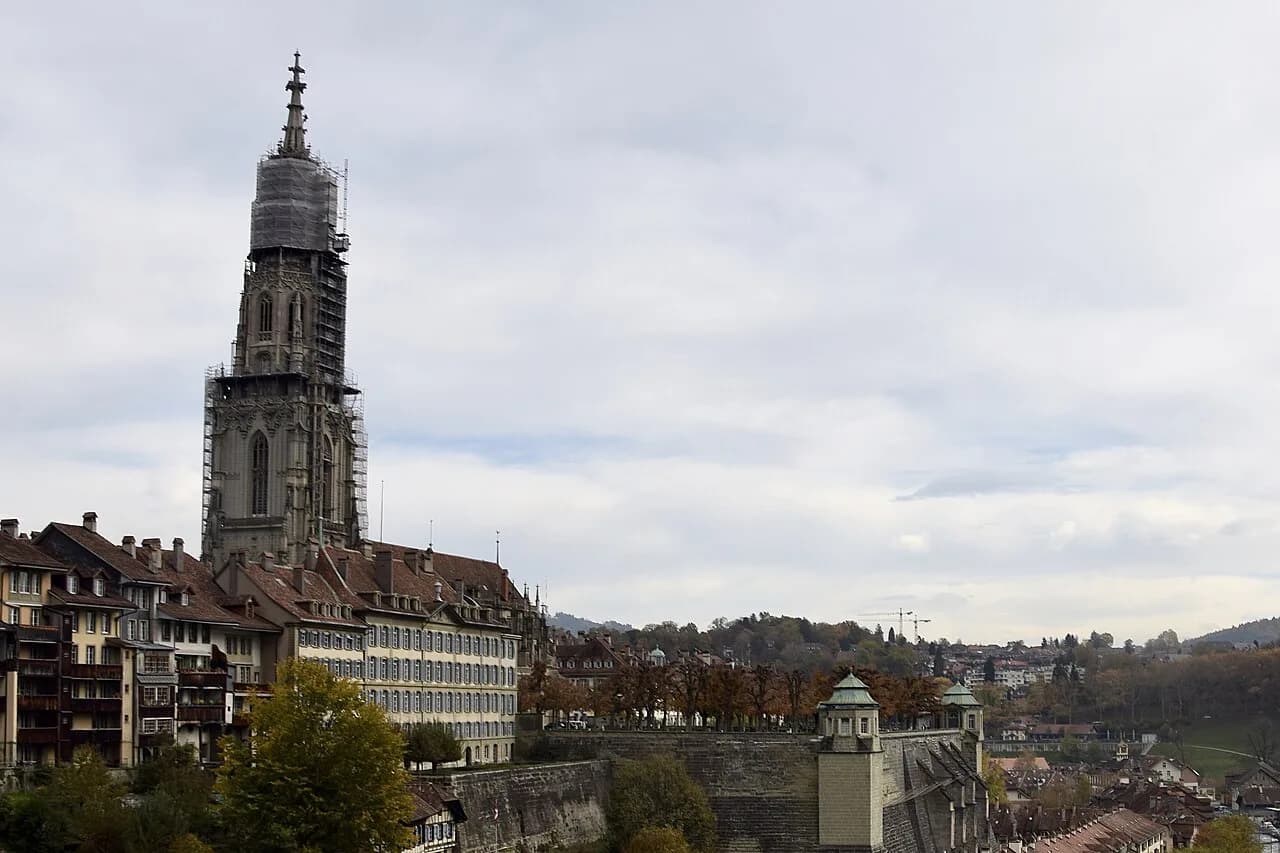
The Münster and its terrace reward a clear day, so build some slack into the schedule rather than pinning every outdoor sight to a fixed slot. In summer that means an early start; in autumn it means watching the forecast and swapping days.
Rain and snow: reading the monthly counts
The rain-day figures are planning tools, not verdicts. Six to ten rain days in spring and eight to ten in summer usually mean short, passing showers rather than entire lost days, which is why a summer visit still makes sense despite the counts. Treat them as a reminder to carry a shell and to keep one indoor option per day.
Snow becomes a possibility from late October onward, and winter months see precipitation on a regular basis. For a city break that mostly means wet pavements and cold evenings rather than blocked plans, but it does argue for waterproof shoes and a warm coat if you visit after October.
Crowds and prices: peak summer versus the shoulders
Summer is peak season, so it carries the highest demand for beds and the fullest streets. Spring and autumn are noticeably calmer, and March, April and November are the quietest months that still give you a workable city break. If your dates are flexible, shifting a week or two into the shoulder season usually buys you a calmer visit.
Bern is an expensive city at any time of year, so budget in Swiss francs and check ticket prices directly with each museum, church tower or attraction before you commit. Prices change; the attraction's own site is the number to trust.
Choosing your month by trip type
First-timers should aim for May, June or September: warm enough for the old town to be pleasant, busy enough that everything runs at full capacity, and long enough in daylight to see the headline sights without rushing. Repeat visitors who have already done the Zytglogge and the Münster can happily take a colder, quieter month and spend their time in the museums.
Museum-focused travelers should look at late autumn and early spring, when the galleries are calm and the weather gives you a reason to stay inside. Photographers get the best light and the fewest obstacles in September and October, when the low sun rakes across the old town's sandstone.
Matching Bern to the mountains
If Bern is one stop on a wider Swiss trip, the month has to work for the Alps too. Midsummer gives you the most reliable conditions for high viewpoints and cable cars, while late spring and early autumn can bring snow or closed upper stations. Build the mountain days into the middle of a June-to-September trip rather than the edges.
For travelers comparing Swiss cities, the same seasonal logic applies elsewhere. If you are weighing a stop in Basel or Lucerne, the best time to visit basel and the best time to visit lucerne guides cover how their seasons line up, which helps you sequence a multi-city route without wasting a cold week.
How many days Bern needs
Two full days cover Bern's core comfortably: the old town arcades, the Zytglogge, the Münster and one museum, with time left for the riverside walk. Three days let you add a slower morning, a second museum and an unhurried evening without watching the clock.
The season changes how you spend those days more than how many you need. In summer you will want extra time outdoors, so three days feels generous; in November two days inside the museums and arcades may be plenty. Add a day if you plan to use Bern as a base for a mountain excursion.
Common booking mistakes
The classic error is booking the cheapest early-spring week and expecting summer. March and April are cold, with highs near 15°C and nights close to freezing, so pack accordingly or push the trip to May. The second is treating summer showers as a deal-breaker; they are usually brief and easy to work around.
The third is leaving the indoor plan until the last minute. Decide before you go which museum or church interior is your wet-weather fallback, and check its opening days, since Swiss museums often close one day a week. That single decision keeps a rainy day from turning into a wasted one.
Plan Your Visit
For most travelers, May through September is the right answer for Bern, with September the standout month for warm weather without peak crowds. If you value quiet streets over sunshine, March, April and November deliver a calmer city at the cost of a coat and an umbrella.
Whichever month you choose, build the trip around a two- or three-day core, keep one indoor option per day, and confirm current opening days and ticket prices with each attraction before you travel. That is enough to make any season in Bern work.
Explore more Bern guides
Frequently Asked Questions
What is the best month to visit Bern?
May through September is the simplest window, and September stands out because the days are still warm, the light is good for photography and the streets are quieter than in July. Midsummer brings average highs near 25°C, while spring highs sit closer to 15°C.
Is Bern worth visiting in spring?
Yes, if you value calm streets over warm weather. March and April stay cold, with average highs around 15°C and nights near 4°C, and rain falls on roughly 6 to 10 days a month, so plan indoor anchors and short outdoor stretches. May is the pivot month when the arcades become comfortable.
How hot does Bern get in summer?
Summer averages run near 25°C by day and 14°C at night, with light showers on 8 to 10 days a month. That is warm enough for terraces and riverbank walks without the extremes of a heatwave, which is why June to August is the busiest stretch of the year.
Does it rain a lot in Bern?
Rain falls on a meaningful number of days in every season, but it usually arrives as passing showers rather than all-day rain. Carry a light rain shell, keep one indoor option per day and treat the monthly rain-day counts as a packing prompt rather than a reason to cancel.
Is autumn a good time to visit Bern?
Autumn is the best-balanced shoulder season. September is still mild and quieter than midsummer, October suits museums and the covered arcades, and November turns cold with nights near 1°C but offers the thinnest crowds outside midwinter.
How many days in Bern is enough?
Two full days cover the old town, the Zytglogge, the Münster and one museum, and three days let you slow down and add a second collection. In summer you will want the extra day for outdoor time; in November two days indoors may be plenty.
Sources
Notes for your Swiss city break
Optional updates to our Swiss city guides.
You might also like
Continue reading
More guides you'll find useful