
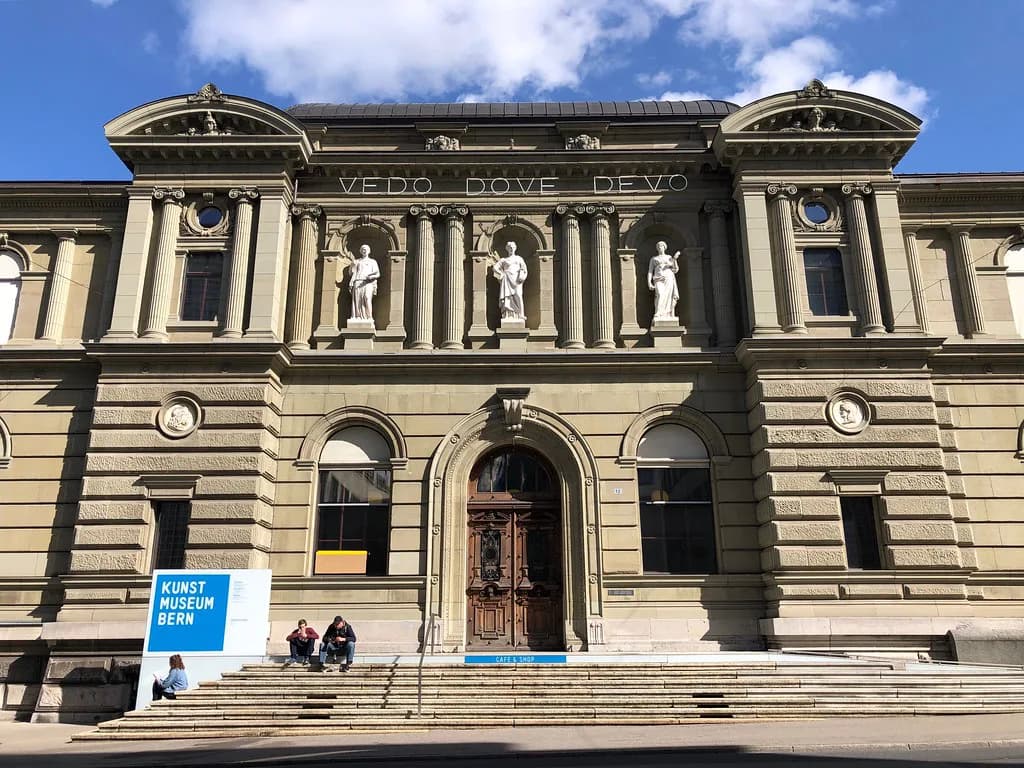
Kunstmuseum Bern: A Visitor's Guide to the Museum of Fine Arts
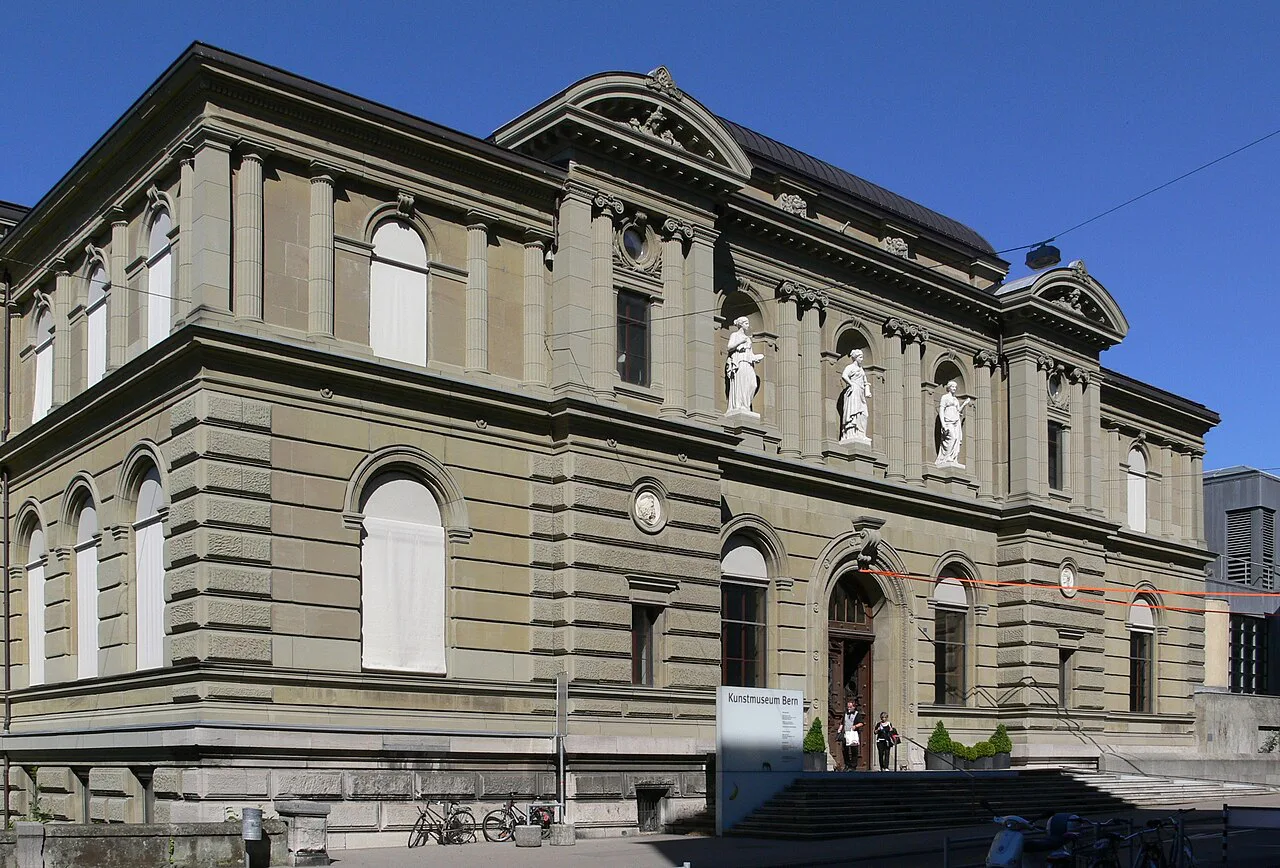
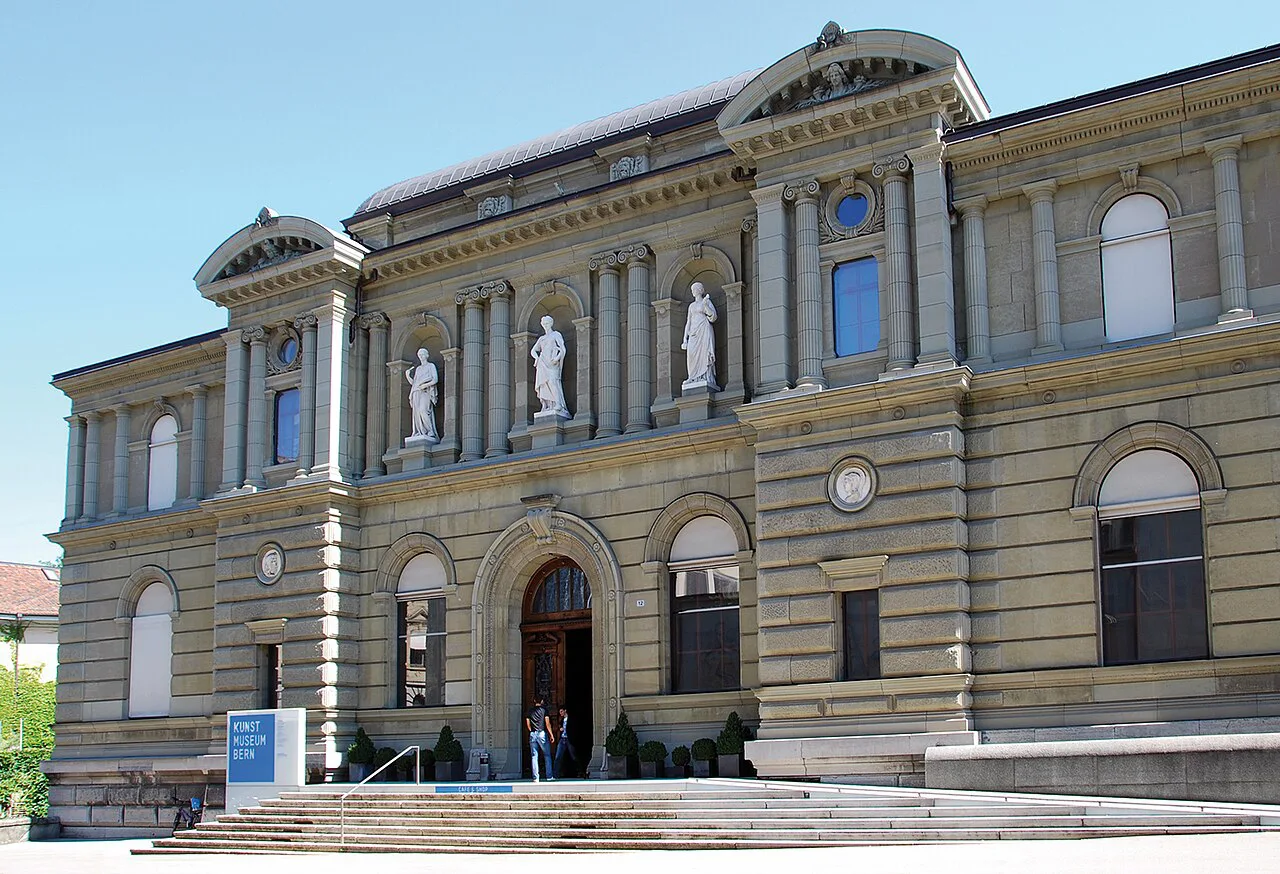
The Kunstmuseum Bern is the city's museum of fine arts, a collection that runs from older European painting to modern and contemporary work, housed in a building near the center of Bern. It earns a slot on a short city break because it combines a deep permanent collection with a changing exhibition program. Plan on a half day if you want to see it properly, or a focused two hours if you are squeezing it between Old Town sights.
Where the museum sits and how to reach it
The museum stands in the city center, a short walk from the Old Town's arcaded streets and easily folded into a day of sightseeing in Bern. From the main rail station the walk is straightforward and signposted; trams also run through this part of town, so anyone with limited time can ride to the museum quarter and walk the last few minutes. Because the entrance and any construction work can change, confirm the approach on the museum's own site before setting out.
Treat the museum as one stop in a compact loop rather than a separate excursion. The Zytglogge clock tower and the arcaded shopping streets sit within walking distance, so a morning at the museum pairs naturally with an afternoon in the Old Town. Allow ten to fifteen minutes on foot between the museum and the clock tower, and wear shoes that handle cobblestones.
Founding in 1879 and its place among Switzerland's oldest art museums
The Kunstmuseum Bern was founded in 1879, which makes it one of the oldest art museums in Switzerland, second in age only to the Kunstmuseum Basel. That history matters to a visitor: the collection was built over more than a century of gifts, purchases and bequests rather than assembled as a single modern statement. You will notice the range in the galleries, where older painting sits alongside twentieth-century work.
If you have already seen the Kunstmuseum Basel, the comparison is useful rather than competitive. Basel's collection is larger and more encyclopedic, while Bern's rewards a slower read of fewer rooms. For a short stay in Bern, the museum's manageable scale is an advantage: you can see the highlights without committing an entire day.
What's inside: the collection's range and strengths
Expect a broad sweep: older European painting, Swiss art, and modern and contemporary works displayed across several floors. The museum's identity is tied to its painting holdings, and the permanent collection is where the historical depth shows. Rather than trying to see everything, pick two or three areas that interest you and let the rest go.
The permanent collection and the temporary shows are separate decisions. A major special exhibition can justify a longer visit; if nothing on the calendar appeals, the collection alone is enough for a two-hour stop. Decide before you buy, because your time budget and your ticket choice both depend on what is actually hanging.
The Gurlitt bequest and how provenance shaped the museum's recent history
The museum's recent reputation is bound up with the Gurlitt bequest, a 2014 inheritance that brought a large trove of art into its care and triggered an in-depth provenance investigation. In the years since, the Kunstmuseum Bern has announced that it will part with works from that trove suspected of being Nazi loot. If you follow art-world news, this is the story most closely associated with the museum today.
Other pieces from the same source have been handled case by case: a Manet painting from the Gurlitt hoard was sold to a Japanese museum, and a Cézanne landscape from the hoard was shown after the museum was acknowledged as its rightful owner following an agreement with the painter's descendants. For a visitor, the practical point is that what is on display shifts as these cases resolve, so check the current exhibition list rather than relying on an older guidebook.

Meret Oppenheim and the Swiss Surrealist holdings
Meret Oppenheim, the Swiss Surrealist, is the subject of a major survey at the museum that aims to set her long and varied career against the fame of her most recognizable object. The show pulls attention back to a body of work beyond the furry teacup that made her name. If Surrealism is your reason for coming, this is the exhibition to plan around.
Oppenheim is a good example of how the museum mixes Swiss art history with international names: her work is rooted in Swiss and Parisian circles but read globally. Allow an hour for a focused exhibition of this kind, more if you like to read wall texts. Photography rules vary by show, so follow the signs in each gallery.
Temporary exhibitions and how to check what's on
The museum runs a rolling program of special exhibitions alongside the collection, and the calendar is the only reliable source for what is open during your dates. A visit built around a specific show can be wonderful; a visit that arrives expecting a show that closed last month is a wasted afternoon. Check the official calendar a few days before you go and note which galleries are affected by installation changes.
Exhibitions are not the only events on that calendar: talks and other programming appear there too, and some can sell out. If a particular lecture or tour matters to you, book it as soon as your dates are fixed. Otherwise, a flexible slot on a weekday morning usually gives the calmest galleries.
How much time to allow and how to pace a visit
Budget two to three hours for the collection at a normal pace, and add an hour for a special exhibition. That puts a thorough visit at around half a day, which is realistic for a museum of this size. If you only have ninety minutes, choose one wing plus one temporary show and accept that you will skip the rest.
A sensible order is to start with the collection while you are fresh, take a break, then tackle the special exhibition. Museum fatigue sets in quickly with dense painting hangs, so pace yourself rather than rushing the last rooms. If your feet give out, the Old Town's arcades are a short walk away for a change of scene.
Tickets and opening hours: where to confirm current details
Ticket prices in Swiss francs and opening hours change, so confirm both on the museum's official site the week you visit. Admission is usually priced as a standard ticket with concessions, and special exhibitions sometimes carry a separate or combined price. Check whether the ticket you buy covers the temporary show as well as the collection before you pay.
Swiss museums commonly close one day a week, often Monday, but confirm the Kunstmuseum Bern's opening days on its own published information rather than assuming. If your Bern stay is short, check the calendar before fixing your days: a closed Monday can reshape a two-day itinerary. Combine your museum day with sights that keep different hours.

Nearby options to pair with the museum
The bear park, across the river from the Old Town, is the most distinctive free stop in Bern and works well as an afternoon counterpart to a morning in the galleries. It is a pleasant walk from the center, and the riverside setting gives you a view back at the Old Town rooftops. Give it forty-five minutes to an hour.
Two other small museums sit close enough to combine with the Kunstmuseum if you are building an art-and-culture day. The Einstein House preserves the apartment where Einstein lived during his Bern years, and the Bern Minster's tower is the city's classic high viewpoint. Both are compact, and together with the Kunstmuseum they make a full but unrushed day.
Practical trade-offs: price, timing and picking your must-sees
Swiss museum admission is not cheap, and the Kunstmuseum Bern sits in that bracket. The trade-off is scale: you are paying for a collection of real depth rather than a single-room attraction. If your Bern budget is tight and you must choose one paid museum, weigh the Kunstmuseum against the smaller specialist houses and decide which subject you actually care about.
Timing matters as much as price. Weekday mornings are quieter, and a visit early in your stay leaves room to reshuffle if a special exhibition is between installations. If you are travelling with the Swiss Travel Pass or a Half Fare card, check the museum's own ticket page for any discount before buying at the desk; do not assume one applies.
Plan Your Visit
The Kunstmuseum Bern earns its place on a Bern itinerary through depth rather than size: an 1879 founding, a broad painting collection, and a recent history shaped by the Gurlitt bequest. Give it two to three hours, add time for a special exhibition, and confirm the calendar and ticket details before you go. Pair it with the Old Town and one smaller nearby sight for a balanced day.
Explore more Bern guides
Frequently Asked Questions
What is the Kunstmuseum Bern known for?
It is Bern's museum of fine arts, founded in 1879 and holding a broad collection of older European painting alongside modern and contemporary work. In recent years it has been closely associated with the Gurlitt bequest and the provenance questions surrounding it.
How old is the Kunstmuseum Bern?
The museum was founded in 1879, which makes it one of the oldest art museums in Switzerland, second in age only to the Kunstmuseum Basel.
How long does it take to visit the Kunstmuseum Bern?
Allow two to three hours for the permanent collection at a comfortable pace, plus about an hour if a special exhibition interests you. A focused ninety-minute visit is possible if you pick one area and one show.
What is the Gurlitt collection at the Kunstmuseum Bern?
It is a large trove of art that came to the museum through a 2014 bequest and prompted an in-depth provenance investigation. The museum has since announced that it will part with works suspected of being Nazi loot, and individual pieces have been restituted or sold after agreements.
When is the Kunstmuseum Bern open?
Opening days are published on the museum's own site and calendar, and they can vary around holidays and installation periods. Check the calendar before you plan your Bern days, especially if your stay is short.
How much are tickets to the Kunstmuseum Bern?
Admission is priced in Swiss francs and can vary between the collection and special exhibitions. The museum's official site gives the current standard and concession prices, so confirm there before you buy.