
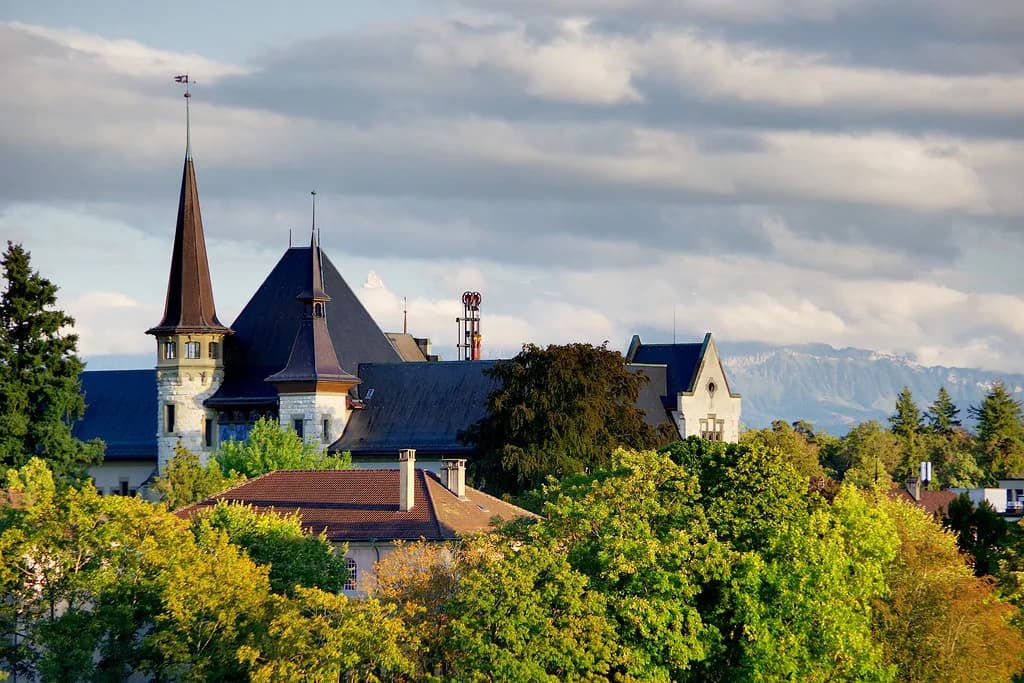
Bernisches Historisches Museum: A Visitor's Guide to Bern's History Museum
The Bernisches Historisches Museum is Bern's main museum of cultural history, sitting on Helvetiaplatz in the Museumsquartier and holding archaeology and history collections alongside the Einstein Museum. It is an indoor, half-day stop rather than a quick look, and it rewards travelers who want Bern's story told through objects rather than through the old town's streets.
Plan roughly two to three hours for the collections plus the Einstein Museum, and longer if special exhibitions are running. The one thing to settle before you go is the ticket price and opening days, which the museum publishes on its own site rather than in the sources summarized here. If you are shaping a wider trip around this half-day, our two-to-three-day Bern itinerary shows where the museum slots best into your days.
What the Museum Is and Why It's Worth an Afternoon
This is one of Switzerland's major cultural-history museums, with archaeology, history and ethnographic material in a single large building. The collections give context to what you see elsewhere in Bern: the medieval city, its patrician families, and the canton's wider past.
Travelers often treat it as a rain plan or a warm-up for the old town. That undersells it: the museum is substantial enough to anchor a whole afternoon, and pairing it with the nearby Kunstmuseum Bern makes a coherent museum day.
Where It Is: Helvetiaplatz and the Museumsquartier
The museum stands on Helvetiaplatz in the Museumsquartier, a cluster of institutions south of the old town across the Aare. The address places it firmly in that museum district, which makes it easy to combine with neighbors without crossing the city twice.
The building has stood on the site for over 130 years and has been extended twice, but never comprehensively renovated, according to the city of Bern. That history shows in the fabric of the place: expect a grand nineteenth-century museum shell rather than a polished contemporary interior.
How to Get There on Foot and by Tram
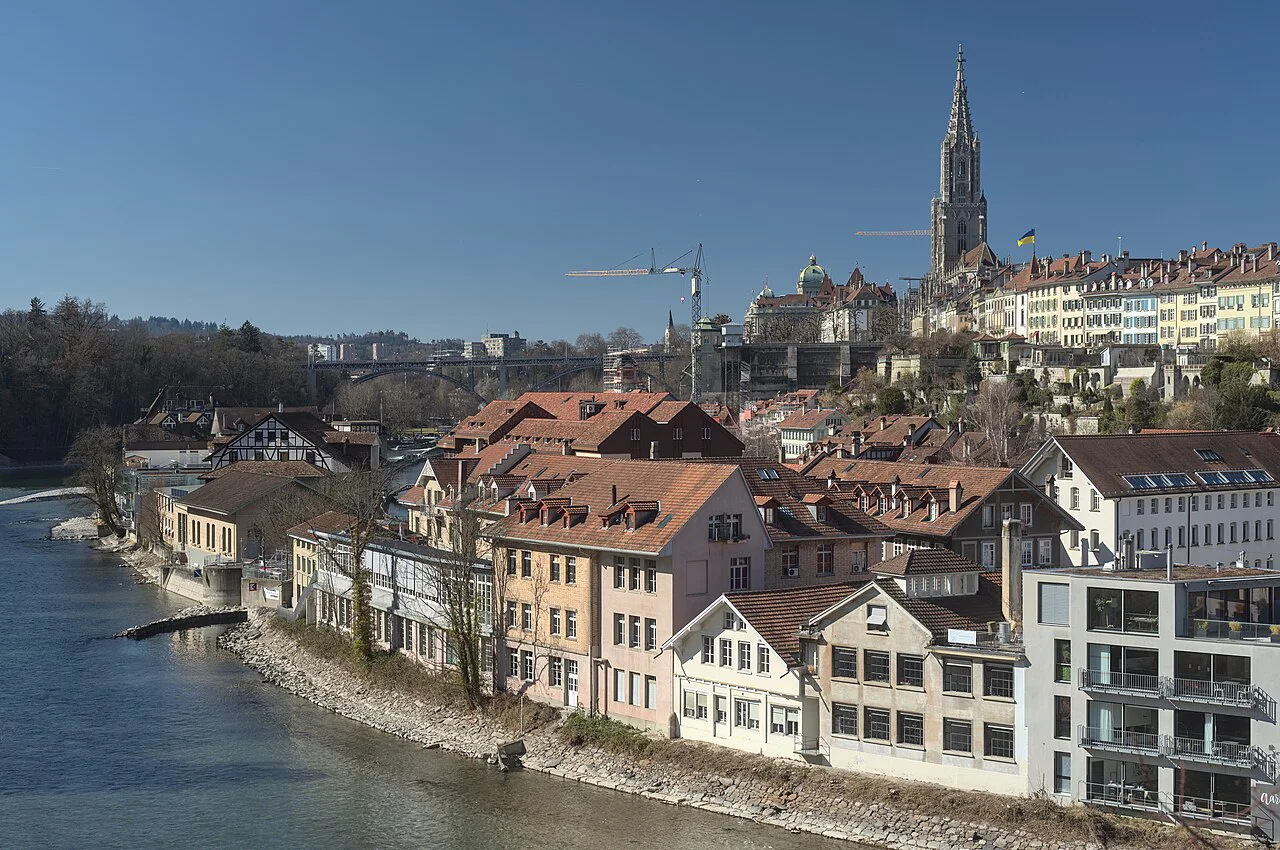
From the old town, the natural approach is to cross the Aare on one of the southern bridges and climb toward Helvetiaplatz. The walk takes you past the river and into a quieter residential quarter, and it is short enough to do on foot rather than taking a tram for one stop.
Trams also serve the Helvetiaplatz area, which is the easier option if you are coming from the train station with luggage or on a wet day. Check the current route and stop on the city transport map before setting out, since the museum does not publish its own tram directions.
What's Inside: Archaeology and History Collections
The permanent collections cover archaeology and history, giving the museum its dual identity as a regional antiquities cabinet and a national-story institution. The exhibitions rotate, so the specific displays on offer in any given season are listed on the museum's own exhibitions page rather than fixed in advance.
Allow at least an hour for the historical collections alone, and check the exhibitions page before you travel to see which special shows overlap with your dates. If a major temporary exhibition is running, budget extra time and expect busier galleries, and for a sense of how to fit a longer museum visit into your days in the city, see our bern itinerary.
The Einstein Museum Within the Museum
The Einstein Museum is housed inside the Bernisches Historisches Museum, so a single ticket covers both rather than requiring two separate visits. That matters for planning: you do not need to schedule a second museum trip to see the Einstein material.
Einstein's years in Bern are part of the city's identity, and if you want to follow that thread further, the Einstein House on Kramgasse covers the apartment where he lived. Treat the museum's Einstein section as the broad treatment and the house as the supplementary stop.

The Building Itself: Over 130 Years Old
The museum building dates from the nineteenth century, has been extended twice, and has never had a comprehensive renovation, per the city of Bern. Visitors should read that as character rather than as a promise of modern facilities: the architecture is part of the experience.
Take a few minutes in the entrance hall and stairwell to look at the building as an exhibit in its own right. The planned renewal will change much of this, which makes the current building worth noticing while it is still in its old form.
How Much Time to Allow, and How to Pace a Visit
A realistic plan is two to three hours: roughly ninety minutes for the history and archaeology galleries and forty-five minutes for the Einstein Museum. Add an hour if a special exhibition is on, and you have a comfortable half-day rather than a rushed one.
If your time in Bern is short, prioritize the Einstein Museum and one historical gallery rather than trying to cover everything. The old town's Zytglogge and the river walks can fill the rest of the day, and the museum will still be there on a return trip.
Tickets, Opening Hours and Monday Closures
Ticket prices, opening days and any seasonal closures are set by the museum and published on its official site rather than fixed in this guide. Check the museum's own visitor information before you travel, because rates and hours change.
Many Swiss museums close on Mondays, so it is worth confirming the day's opening before you build your plan around it. If the museum is closed, the old town and the river bridges fill the time easily.

Renovation: Plans, the 2026 Vote and a Possible Closure
The city of Bern has put forward a CHF 120 million total renovation of the museum, with the city's share set at CHF 40.35 million and a public vote expected in June 2026. Those figures are construction costs, not visitor prices, and the plan is not the same as a confirmed schedule.
Under the plan, the old building would close from mid-2027 to mid-2032 for construction, while the large hall in the Kubus would remain open with a new exhibition on Bern's history. That is the city's stated plan, not a current closure, so check the museum's site before fixing dates.
What's Nearby: Kunstmuseum Bern, Museum für Kommunikation and the Aare
The Museumsquartier puts several institutions within a few minutes of each other. The Kunstmuseum Bern is the obvious pairing for an art-heavy day, and the Museum für Kommunikation Bern is nearby for travelers with children or an interest in media history. If you want to see how this cluster sits within the wider city, our guide to Bern Neighborhoods maps the districts around it.
The Aare runs just north of the museum district, and the riverbank walks are a good way to unwind after a couple of gallery hours. The Bear Park sits on the old-town side of the river, which makes a natural loop back into the center.
Practical Trade-offs: Cost, Crowds and Combining Museums
Swiss museums are not cheap, and the historical museum plus the Einstein Museum in one ticket is better value than two separate admissions. If you are visiting several museums in Bern, check whether a combined or city museum pass exists and what it covers before buying individual tickets.
Weekend afternoons are the busiest slot, so a weekday morning gives you quieter galleries and more room in the Einstein section. If you are combining museums, do the historical museum first and the Kunstmuseum second so you are not racing the clock, and check our Bern itinerary for how this fits into a fuller two- or three-day plan.
Plan Your Bern Museum Afternoon
The Bernisches Historisches Museum is the strongest single indoor stop in Bern for understanding the city's past, and the Einstein Museum makes it worth a deliberate half-day rather than a spare hour. Pair it with the Museumsquartier and a river walk to fill an afternoon.
Confirm the ticket price and opening day on the museum's site before you go, and keep the renovation timeline in mind if you are planning a visit after 2027. Beyond that, the plan is simple: arrive in the morning, allow three hours, and leave the rest of the day to the old town.
Explore more Bern guides
Frequently Asked Questions
What can you see at the Bernisches Historisches Museum?
The museum holds archaeology and history collections that tell the story of Bern and its region, plus the Einstein Museum under the same roof. Special exhibitions rotate through the year, and the current program is listed on the museum's exhibitions page.
Is the Einstein Museum inside the Bernisches Historisches Museum?
Yes. The Einstein Museum is housed within the Bernisches Historisches Museum, so one admission covers both and you do not need to plan a separate museum visit. Allow extra time for the Einstein section on top of the history galleries.
How long does a visit to the Bernisches Historisches Museum take?
Plan two to three hours for the main collections and the Einstein Museum. Add an hour if a major temporary exhibition is running, and longer if you like to read the labels in detail.
Where is the Bernisches Historisches Museum in Bern?
It stands on Helvetiaplatz in the Museumsquartier, south of the old town across the Aare. The area is served by tram, and the walk from the old town crosses the river and passes through a quieter residential quarter.
Is the Bernisches Historisches Museum open on Mondays?
Many Swiss museums close on Mondays, so confirm the opening day on the museum's official site before you build your plan around it. If it is closed, the old town and the river bridges fill the time easily.
How much does entry to the Bernisches Historisches Museum cost?
The museum sets its own ticket prices and publishes them on its official site. Check the visitor information there before you travel, since rates change.
Is the Bernisches Historisches Museum being renovated?
The city of Bern has set out a planned total renovation, with a public vote expected in June 2026 and the old building closing from mid-2027 to mid-2032 under the plan. The large hall in the Kubus would remain open during construction. These are stated plans, not a current closure, so check the museum's site before fixing dates.
What else is near the Bernisches Historisches Museum?
The Museumsquartier puts the Kunstmuseum Bern and the Museum für Kommunikation Bern within a few minutes of the museum. The Aare and the Bear Park are just north, which makes a natural loop back into the old town.