
Tourist Museum Interlaken: A Visitor's Guide to the Museum of Tourism

The Touristik Museum in Interlaken, also called the Museum of Tourism, is a themed collection about the history and evolution of travel and tourism. Its subject matter suits Interlaken unusually well, because the town's fortunes have long been tied to visitors arriving from abroad. Expect a small, focused museum rather than a large alpine attraction.
What the Touristik Museum in Interlaken Is
This is a museum about tourism as a subject, not about mountains or glaciers. It traces how organized travel developed and how destinations like Interlaken became places people crossed continents to see. The collection works through themed sections rather than a single chronological walk-through.
Treat it as a niche stop of roughly an hour, not a headline sight. That framing matters in a town where the big draws sit high above the valley, including the Jungfraujoch and its Sphinx Observatory. The museum gives context to the crowds and hotels around you, which is a different kind of value.
Where It Sits in Interlaken and How to Reach It
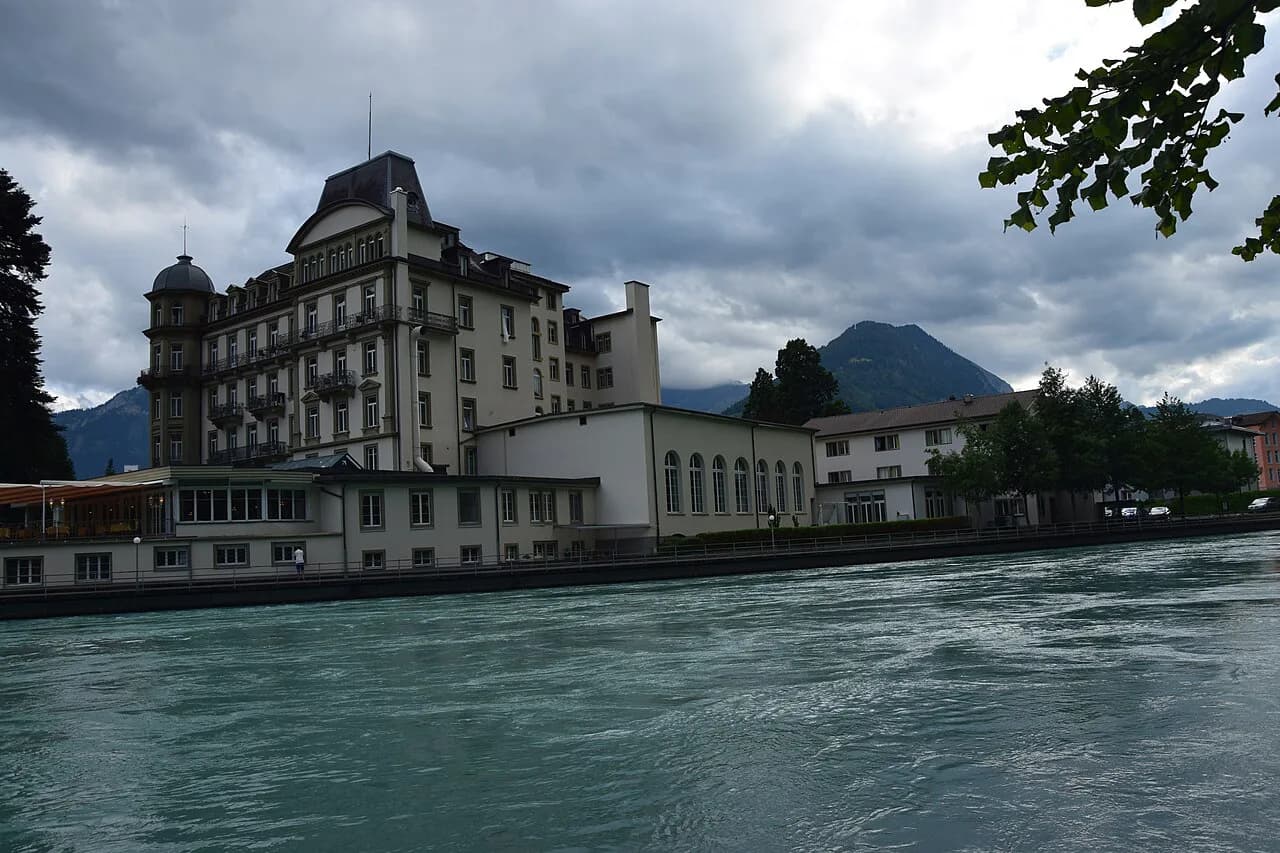
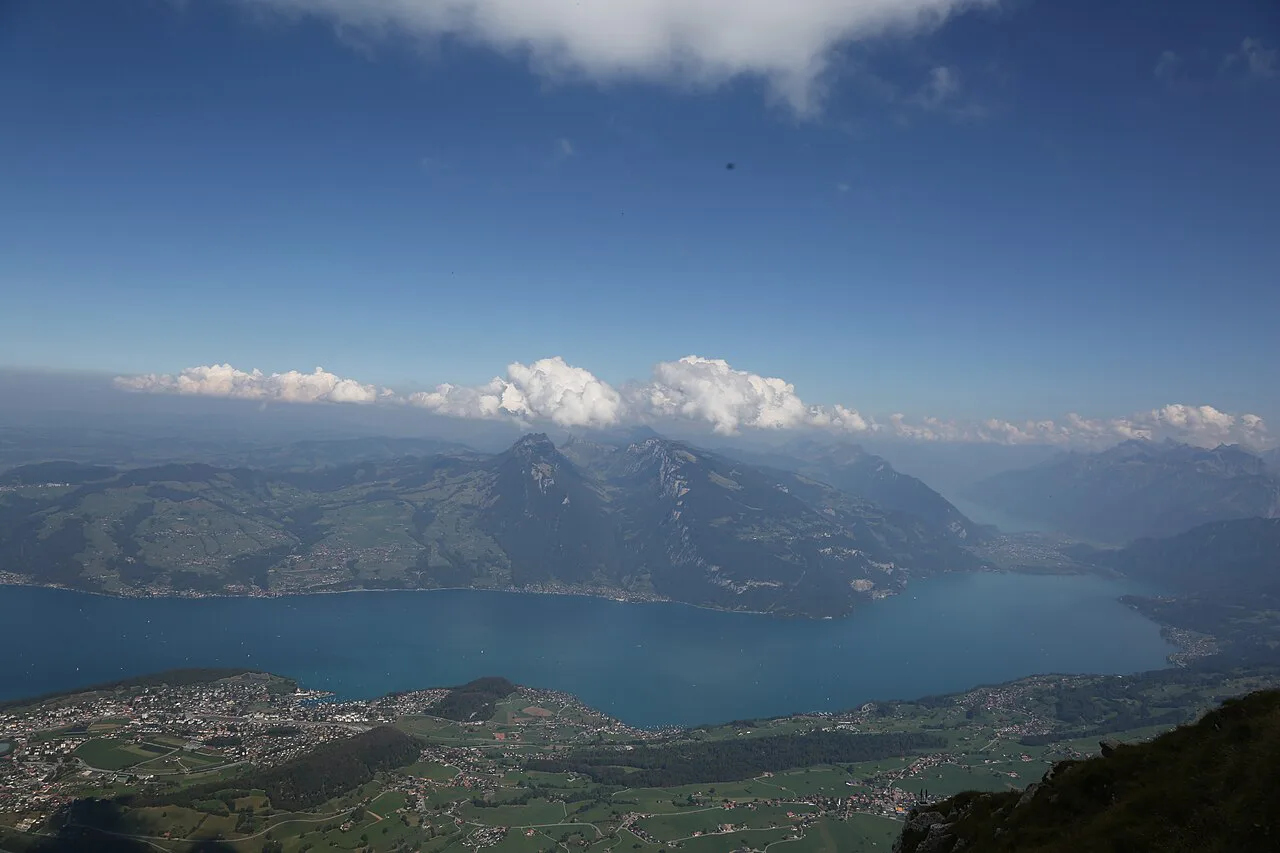
The museum is in Interlaken, the town spread across the flat floor of the valley between Lake Thun and Lake Brienz. Interlaken has two main rail stations, Interlaken West and Interlaken Ost, and the center between them is compact and walkable. Your exact route depends on which station you arrive at.
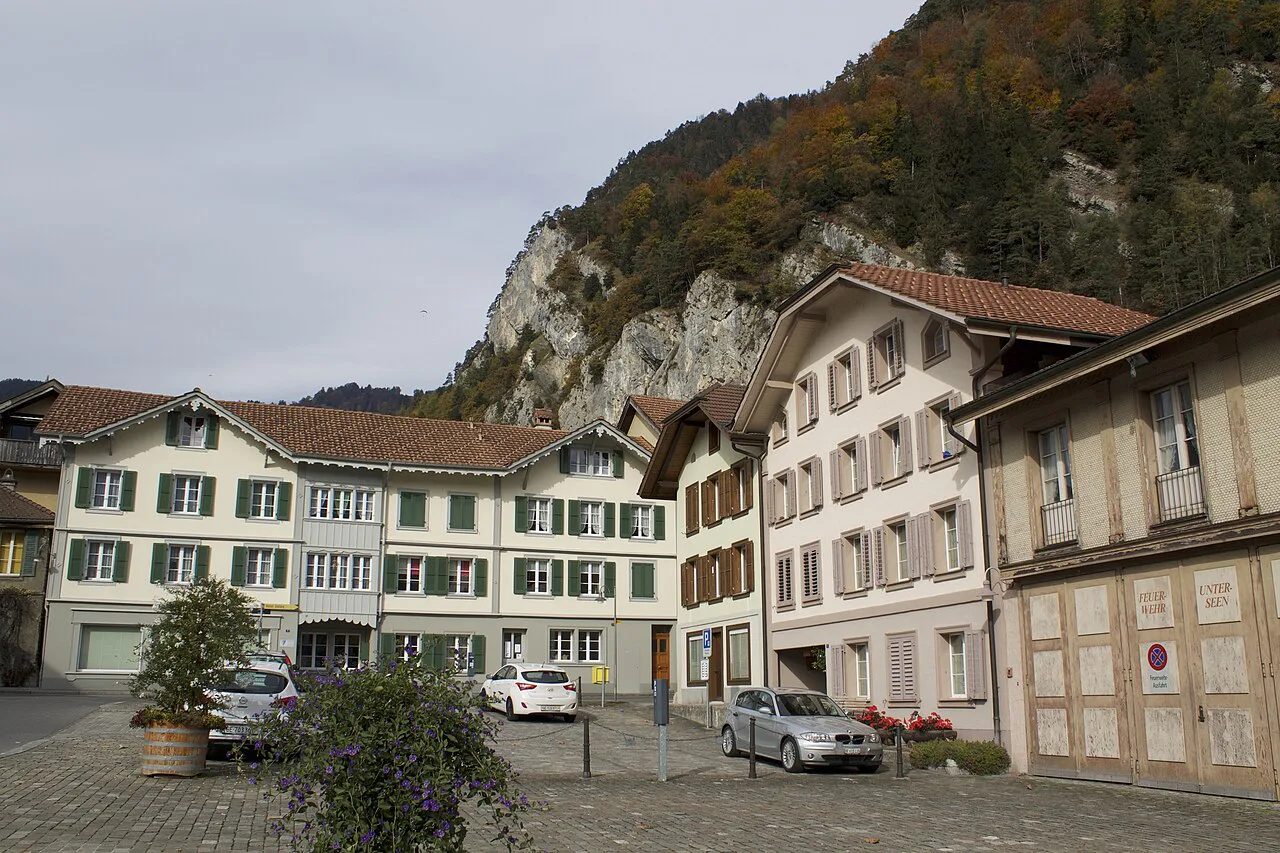
The area around the center, including Unterseen, is easy to cover on foot, so a visit fits naturally into a wandering day rather than a dedicated trip. For a wider sense of how the town divides between its stations, the center and the riverside quarters, see this guide to Interlaken Neighborhoods. If you are still choosing where to base yourself and when to come, the advice on the best time to visit covers the seasons in detail. That guide to the best time to visit Interlaken also helps you weigh a rainy-day museum hour against the sunnier weeks when the mountain railways run.
The Collection: Posters, Luggage, Guides and Photographs
The museum's holdings center on the visual culture of travel: vintage travel posters, antique luggage, historic travel guides and photographs. These are the kinds of objects that show how destinations marketed themselves to a new middle class with time and money to spend. Posters in particular carried the imagery that made alpine Switzerland famous abroad.
Read the collection as evidence of changing taste rather than as fine art. Travel guides reveal what earlier visitors were told to see, and photographs show how a place chose to present itself. The result is a compact lesson in how tourism became a global industry.
How the Museum Is Laid Out
The displays are grouped by theme, with sections on the early beginnings of organized travel and on the technology that changed it, from railways to aircraft and automobiles. Each section takes a different angle on the same story, so you can move through in any order. The scale is modest, which keeps the visit short.
Interactive and multimedia stations are part of the setup, aimed at drawing visitors into the material rather than leaving them to read labels. If you prefer traditional object displays, skim these and spend your time on the posters and luggage instead.

How Long to Allow and Who Gets the Most From It
Plan on roughly an hour, and treat that as a maximum rather than a target. The museum rewards travelers who already find tourism history interesting, and it gives families a rainy-hour option that does not depend on clear skies. Anyone hunting for a dramatic alpine experience will find the subject dry.
It pairs well with a slower day in town. The Höhematte Interlaken is the big open meadow in the middle of the resort, with the mountains framed beyond it, and it makes an easy companion stop on the same walk. If you want a viewpoint instead, Harder Kulm rises above the town and is reached from the center.
Temporary Exhibitions and Changing Displays
The museum has staged temporary exhibitions on specific themes within tourism, so what you see can differ from one season to the next. Check the museum's own page before you go to see what is currently on. The permanent themes are the safer expectation if you are planning around a fixed date.
Opening Days, Tickets and What to Confirm
Opening days and admission prices are not fixed on this page, because they change and need the museum's own confirmation. Look up the museum's current opening days and ticket prices on its own page before setting out. Check the Interlaken tourism information pages for current visitor services and local contacts while you plan.

What to See Nearby After Your Visit
Interlaken's appeal is largely outside its buildings. The Kunsthaus Interlaken, the town's art museum, is a natural next stop for anyone who wants more culture in the same day, with a collection rooted in the Bernese Oberland. The Schlosskirche Interlaken, the old monastery church, adds a quieter piece of the town's history.
For a half-day above the valley, the Schynige Platte Railway climbs from Interlaken Ost to a ridge with wide views over the Bernese Alps. Higher and more famous, the Schilthorn and its Piz Gloria revolving restaurant sit across the valley, reached by cable car from Mürren. The Interlaken Attractions: 8 Visitor Guides collection sets out each of these options so you can compare time and effort.
When to Skip the Tourism Museum
Skip it if you have a single day in Interlaken and want the mountain experiences that draw people here. A cable car or railway ascent eats a half day or more, and an hour indoors competes directly with that. The museum is also a poor fit for travelers who want spectacle rather than context.
Choose it instead when the weather closes in, when you have already seen the big sights, or when the history of travel itself interests you. A full list of things to do in Interlaken helps you weigh the museum against the alternatives.
Plan Your Visit
The Touristik Museum is a small, specific stop that pays off for travelers curious about how tourism shaped Interlaken. Give it an hour, slot it into a walking day in the center, and confirm its current opening days and prices directly with the museum before you go. Build the rest of your day around the meadow, the viewpoints or the railways that made the town's name.
Frequently Asked Questions
What is the Touristik Museum in Interlaken?
It is a museum about the history and evolution of travel and tourism, also called the Museum of Tourism. Its displays cover how organized travel developed and how destinations presented themselves to visitors, using objects such as travel posters, old luggage, guides and photographs.
Where is the Museum of Tourism in Interlaken?
It is in Interlaken, in the Bernese Oberland, within the walkable center between the town's two rail stations. Confirm the exact address and route on the museum's own page before you set out.
What can visitors see at the Touristik Museum?
The collection centers on the visual culture of travel, including vintage travel posters, antique luggage, historic travel guides and photographs. Themed sections cover the early years of organized travel and the transport technology that changed it, with interactive and multimedia stations alongside.
Does the Touristik Museum have temporary exhibitions?
The museum has staged temporary exhibitions on specific themes within tourism, so displays can change between visits. Check its own page for what is currently showing before you plan around it.
How long does a visit to the Touristik Museum take?
Allow about an hour. It is a compact collection rather than a large museum, so most visitors move through the themed sections quickly, especially if the subject is not a particular interest.
Is the tourism museum in Interlaken worth visiting?
It is worth it if you are curious about how tourism became a global industry and want context for the town around you. Skip it if you have only one day and want the mountain railways and viewpoints that define an Interlaken visit.