Best Time to Visit Interlaken: Season-by-Season Guide
Interlaken's best months depend on whether you want long summer days on the lakes or quieter spring and fall streets. Here is how each season compares.
On this page
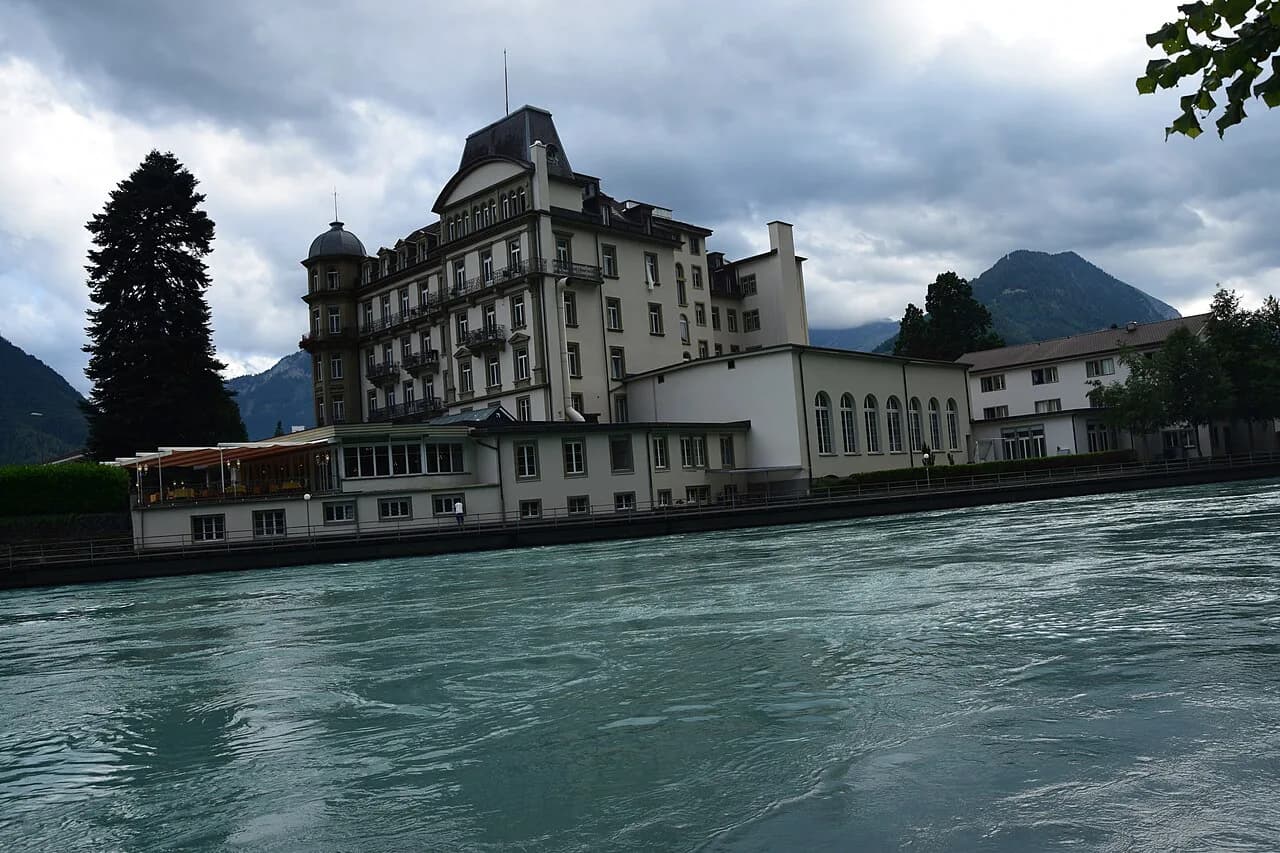
Pick June to September if you want long daylight, warm afternoons and the widest choice of outdoor plans around Interlaken; pick late April to early June or September into October if you would rather trade some heat for thinner crowds and unhurried walks along the Höheweg. The town sits on a narrow shelf between Lake Thun and Lake Brienz, with Interlaken West and Interlaken Ost as its two rail anchors, so weather decides which side of town you spend the day on.
July is the warmest benchmark in the town itself: typical highs sit around 24°C and lows around 14°C, and the daylight runs long enough that you can fit a morning on one lake and an afternoon on the other. Treat those numbers as climate averages rather than a forecast, and build a flexible plan that can shift indoors when cloud rolls over the peaks.
The Short Answer on Timing
The clearest split is between activity and atmosphere. Summer gives you the longest days and the most reliable window for viewpoints and boat crossings, while spring and fall give you the same scenery with fewer people on the promenade and shorter queues at the stations.
June through September is the strongest stretch for outdoor plans in the Interlaken area, broadly matching the warmest temperatures and longest daylight of the year. If your trip is built around one big excursion, aim for that window and keep a spare day as a weather buffer.
If your priority is a calm town rather than a packed itinerary, the shoulder months around late April to early June and September to October give you a better balance. You may lose a mountain day to cloud, but you gain space on the lakeside paths and easier evenings.
How Interlaken Is Laid Out
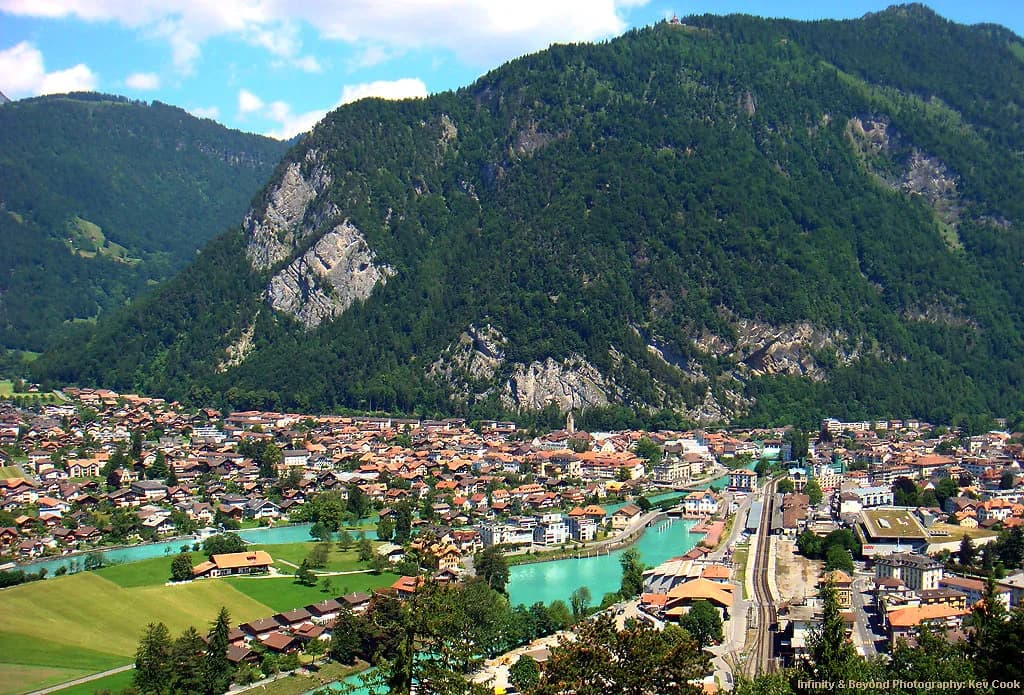
Interlaken is a town in two halves. Interlaken West sits closer to Lake Thun and Interlaken Ost closer to Lake Brienz, and the Höheweg promenade runs between them as the spine of the place, with open lawns and mountain views along the way.
That geography matters for timing. On a warm summer day, the lake shores and the promenade fill up by mid-morning, and an early start lets you walk the Höheweg before the groups arrive. In spring and fall, the same walk is quieter at any hour.
The Jungfrau massif, with the Eiger and Mönch alongside, forms the backdrop that most visitors come for. Clear mornings are the best odds for seeing the peaks, so plan your long views early and keep afternoons free for town time or a lake crossing.
Summer (June to August): Warmest and Busiest
Summer is the most straightforward season for a first visit. July brings typical highs near 24°C with lows around 14°C, days are long, and both lakes are at their most usable for a boat ride or a shoreline walk.
The trade-off is volume. Adventure operators market Interlaken heavily in summer, with helicopter skydives and scenic flights running alongside canyoning and rafting, so popular slots and good-weather days go early. Book the excursion you care about most before you arrive and leave a second possible date open.
Use the long daylight to split the day. A morning on one lake and an afternoon on the other is realistic in June and July, when the Höheweg stays light well into the evening and you are not racing sunset back to the station.
Spring (March to May): Snow Retreating, Crowds Thin
Spring arrives later here than in the lowland cities. Snow lingers on the high ground while the town grows milder, and by May the walking around the lakes and along the Höheweg is comfortable without summer's heat.
The wider Swiss picture is relevant if you are combining Interlaken with city days. Across Switzerland, temperatures climb from roughly 5°C in March toward 15°C in May, with both sun and showers, which is exactly the pattern to pack for.
Spring is also when a multi-stop Swiss trip makes the most financial sense, because city stays in Zürich, Lucerne and Geneva are described as more favorably priced and less crowded than in high summer. Build the Interlaken leg around the days with the best forecast and keep the city portion flexible.
By May you get a genuine best-of-both window: enough warmth for long walks, fewer people on the promenade, and a good chance of clear views toward the Jungfrau. If you want wildflowers and green slopes without July prices, this is the month to target in the Bernese Oberland.
Fall (September to November): Clear Air and Fewer People
Fall narrows the days but improves the atmosphere. Temperatures cool steadily, foliage turns, and the promenade and lake paths empty out, which suits travelers who would rather walk than queue.
Swiss fall temperatures run roughly 10°C to 15°C in September and fall to about 2°C to 8°C by November, so layers matter more than at any other time of year. Morning cloud often lifts, making a late-morning viewpoint attempt a reasonable bet.
September is the sweet spot. You keep much of summer's usable weather while the peak-season pressure eases, and the vineyards and harvest traditions across the country give the trip a seasonal character without needing a specific event date.
Fall Events Worth Planning Around
Two Swiss traditions give fall a reason to fix dates. The Grape Harvest Festival in Neuchâtel and the désalpe cattle descents, when herds come down from alpine pastures, both fall in this window, and the descents are celebrated across much of Switzerland between mid-September and mid-October.
If you want to build a trip around one of these, confirm the current year's program with the local tourist office before booking, since the exact dates move. Interlaken itself works well as the base while you travel out for the day.
For foliage rather than festivals, the Lavaux vineyards above Lake Geneva and the Engadine Valley are the standout fall landscapes in the country, with fewer walkers on the trails than in summer.
Winter (December to February) in Brief
Winter is quiet in town and cold in the lowlands, with typical temperatures around -2°C to 4°C and much colder conditions at altitude. The promenade is at its emptiest, the lakes are not the draw, and the season suits travelers who want stillness rather than a packed schedule.
Most visitors come for the mountains rather than the town in these months. If Interlaken is one stop on a longer Swiss trip, keep the stay short and treat it as a base rather than a destination in its own right.
Shoulder-Season Trade-Offs
Spring and fall are a bargain in atmosphere, not always in logistics. Daylight is shorter, cloud can wipe out a mountain view for a whole day, and some seasonal operations run reduced hours or pause between seasons, so an itinerary that depends on one cable car or boat crossing needs a backup.
On the other side of the ledger, the same months bring thinner crowds and calmer evenings. Promenade walks at dusk, unhurried coffees, and space to actually look at the Jungfrau are the rewards for accepting a little weather risk.
The practical rule is to front-load the flexible parts of the trip. Put mountain excursions early in the stay so a washed-out day can be swapped for a town day, and keep the last day light in case you want to try again.
When to Go for Lake Views and Mountain Excursions
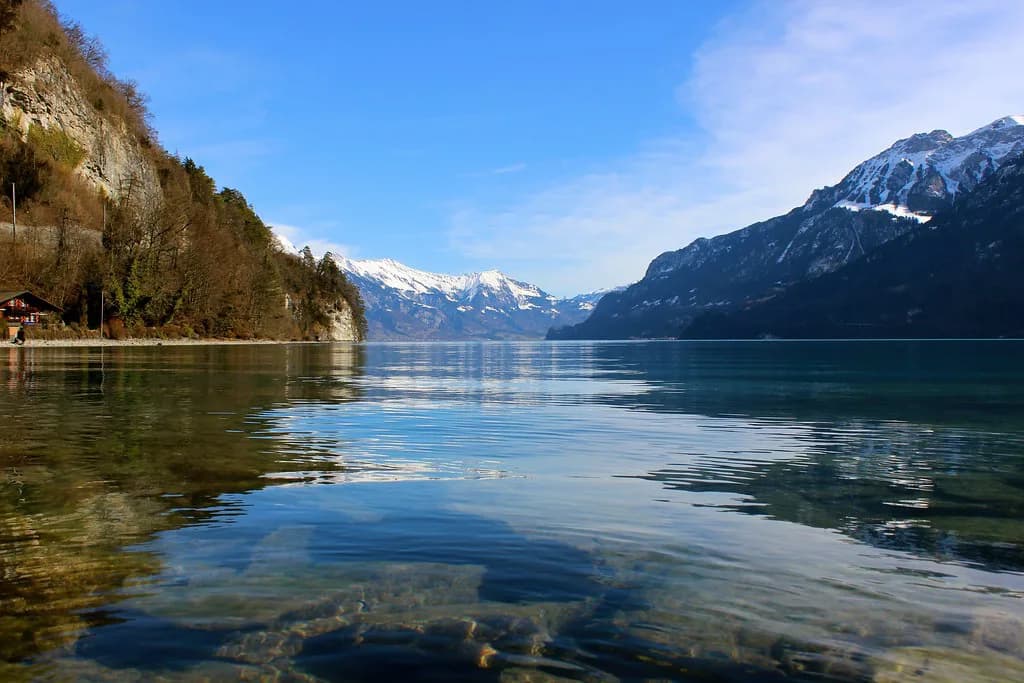
For lake views, summer wins. Both Lake Thun and Lake Brienz are at their most inviting in June through September, when the light is long, the water is calm on fine mornings, and a boat crossing fits easily into a day.
For mountain excursions, aim for the clearest forecast rather than a fixed month. Clear mornings in late spring and early fall often give sharper views than hazy midsummer afternoons, and the peaks are at their most photogenic when the air is cold.
For a summer trip with the lakes as the centerpiece, the pattern is simple: early starts, a long lake block in the middle of the day, and a late walk back along the Höheweg. Build slack into the plan for one cloudy morning.
When to Go to Avoid Crowds
Late April through May and mid-September through October are the quietest viable windows. You get a working town rather than a full one, easier seats on trains, and room to walk two abreast on the promenade.
If you are comparing Swiss cities as well, the same logic applies elsewhere. Early spring and fall are consistently described as the less crowded stretches for urban sightseeing, and pairing an Interlaken base with a quieter city stop spreads the benefit. The best time to visit Bern follows a similar seasonal pattern if you are weighing a capital city stop against your alpine days.
Avoid planning around school holidays if crowd avoidance is the goal. Peak summer weeks concentrate visitors in town, and the difference between a mid-July morning and a mid-September morning on the Höheweg is substantial.
What a Rainy or Cloudy Day Costs You
Interlaken's rewards are outdoors, so a wet day costs you the thing you came for. If a mountain excursion is the centerpiece, plan it for your first clear day and hold a second clear slot in reserve.
Entertainment options in town are limited, and a full day of low cloud can flatten the experience. That is the strongest argument for a two- to three-night stay rather than a single rushed night: one buffer day turns a washout into a minor inconvenience.
How Many Days Interlaken Needs
Two to three days as a base covers the town, both lakes and one mountain excursion at a comfortable pace. Add a day for each additional excursion you want, and add another if you are traveling in shoulder season and expect weather disruption.
For the country as a whole, a broader Swiss trip of roughly a week to ten days covers several major cities plus alpine scenery, with extra time if you want a slower pace. Interlaken slots well into that kind of itinerary as a two- or three-night stop.
Money-Saving Timing and Peak-Season Booking
Switzerland is expensive year-round, and Interlaken is no exception. Spring and fall are described as offering more favorable prices and fewer tourists for Swiss city stays, and the same seasonal logic generally eases demand in Interlaken's peak summer weeks.
Book the fixed parts of a summer trip early: adventure activities, popular excursion slots and any timed mountain transport. For everything else, keep a flexible plan and decide based on the morning sky.
Prices, timetables and opening days vary between seasons, so look up fares and schedules with the transport companies directly before you commit to a date.
Verdict: Which Month Fits Which Trip
For long days, lake crossings and the widest choice of activities, choose June to September, with July the warmest benchmark at typical highs near 24°C; book key excursions ahead and keep one spare day. For comfortable walking with fewer people, choose May or September.
For harvest atmosphere and event timing, aim at mid-September to mid-October, but confirm the year's festival dates first. For a quiet, cheap and cold visit, keep winter short and treat the town as a base.
Plan Your Visit
Interlaken rewards travelers who match their dates to their priorities. If the plan is lakes and mountain excursions, take the summer weeks and accept the crowds. If the plan is a calmer look at the same scenery, take May or September and accept a little weather risk.
Whichever you choose, build in a buffer day, start early for the clearest views, and confirm current prices, timetables and event dates with the operators and local tourist offices before you travel.
Explore more Interlaken guides
Frequently Asked Questions
What is the best month to visit Interlaken?
July is the warmest and most reliable month for outdoor plans, with typical highs around 24°C and long daylight. May and September are the best compromise if you want comfortable walking with thinner crowds. The right choice depends on whether you prioritize lake days and mountain excursions or a quieter town.
What is the average temperature in Interlaken in July?
Typical July temperatures in Interlaken run around 14°C at night and 24°C during the day. These are climate averages rather than a forecast, so pack layers and expect variability, especially at altitude.
When is Interlaken least crowded?
Late April through May and mid-September through October are the quietest viable windows. You get emptier promenades, easier trains and more space along the lakes, at the cost of shorter days and changeable weather.
Is fall a good time to visit Interlaken?
Yes, if you prefer calm to heat. September offers much of summer's usable weather with fewer visitors, foliage turns through October, and the season coincides with harvest traditions elsewhere in Switzerland. You will need layers and a flexible plan for cloudy days.
Is Interlaken worth visiting in spring?
Spring works well from late April onward, when the town grows milder while snow still caps the peaks. It is quieter than summer and good for walking, but high mountain excursions can be affected by lingering snow and changeable cloud.
What is Interlaken like in winter?
Winter is quiet and cold in the lowlands, with typical temperatures around -2°C to 4°C. The promenade is at its emptiest and the lakes are not the draw, so most visitors use the town as a short base for mountain time rather than as a destination in itself.
How many days should I spend in Interlaken?
Two to three days as a base covers the town, both lakes and one mountain excursion at a comfortable pace. Add a day for each additional excursion, and add one more in shoulder season as a weather buffer. A broader Swiss trip of about a week to ten days fits Interlaken in as a two- or three-night stop.
Should I book activities in advance in summer?
Book the fixed parts of a summer trip early, particularly adventure activities and popular excursion slots, because demand peaks with the weather. Keep the rest of your plan flexible and decide on the day based on the morning sky.
Sources
Notes for your Swiss city break
Optional updates to our Swiss city guides.
You might also like
Continue reading
More guides you'll find useful