
Jungfraujoch: How to Visit the Top of Europe

Jungfraujoch is a glacier saddle in the Bernese Oberland, roughly 18 km southeast of Interlaken, where the historic Jungfrau Railway tunnels up through the Eiger and Mönch to end at the station billed as the Top of Europe. The trip is not one train but two stages: a valley railway to Lauterbrunnen or Grindelwald, then the cogwheel line from Kleine Scheidegg into the mountain. This guide covers only Jungfraujoch itself, with the surrounding area left as brief nearby notes.
What Jungfraujoch is and where it sits
Jungfraujoch is the pass between the Jungfrau and Mönch peaks, on the border of the cantons of Bern and Valais, and the railway station here is the highest in Europe. The summit complex sits above the villages of the Lütschinen valleys, which is why almost every visit starts from Interlaken or from Lauterbrunnen and Grindelwald below. Think of it as a high-altitude destination reached by train rather than a mountain you climb.
Two things define a day here: the view across the Alps and the fact that you are standing on a glacier at altitude. The Aletsch Glacier, the longest in the Alps, spreads out below the observation deck, and on clear days the panorama reaches into France and Germany. Plan around those two facts rather than treating the summit as a quick photo stop.
How the journey works: Interlaken to Lauterbrunnen or Grindelwald, then the Jungfrau Railway
From Interlaken, valley trains run to Lauterbrunnen and to Grindelwald, and from either village you continue up to Kleine Scheidegg, where the Jungfrau Railway takes over. The cogwheel train then climbs through a tunnel cut inside the Eiger and Mönch, with a stop at the Eiger Glacier viewpoint before the final stretch to the summit station. Allow the better part of a day for the round trip, since the connections and the slow mountain climb add up.
Choose your valley deliberately: Lauterbrunnen gives you the waterfall cliffs, Grindelwald the gentler bowl below the Eiger, and both feed into the same upper line at Kleine Scheidegg. Coming down by the other village makes the day a loop rather than an out-and-back, though it depends on the timetable on the day. Check departure times for the Jungfrau Railway at the station or on the Jungfraubahn's own site before you commit.
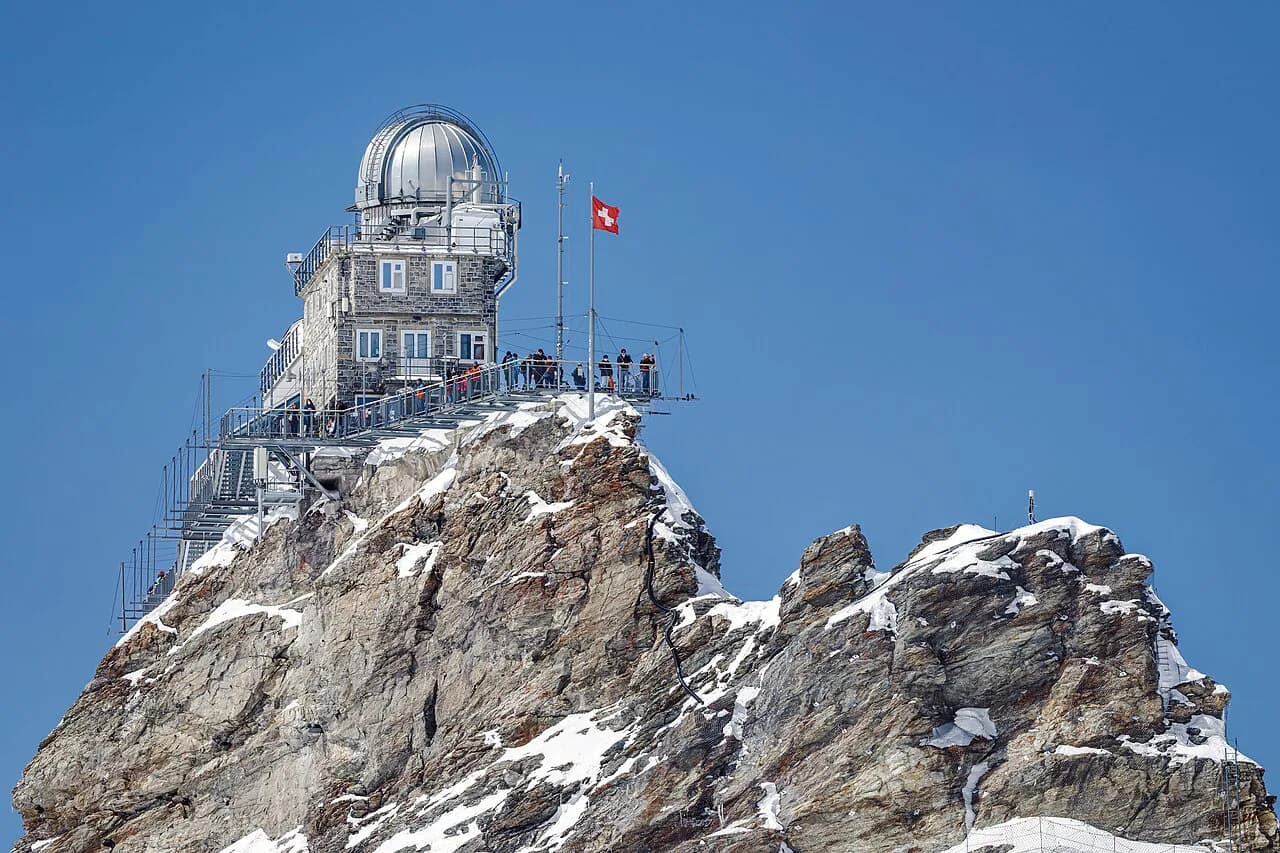
The Sphinx Observatory and the 360-degree view
The Sphinx Observatory is the research station and viewing terrace on the saddle, reached by a fast lift from the station level, and it delivers the full 360-degree sweep over the Alps. Entry to the terrace is free on the destination page, separate from the train fare to get up there. Go here first on a clear morning, because cloud can close the view in later.
The terrace is exposed and cold even when Interlaken is warm, so gloves and a windproof layer matter more here than anywhere else on the trip. Photographers should expect strong glare off snow and ice, and a polarizing filter or sunglasses help. Budget around half an hour on the terrace if the view is open, longer if you are waiting for cloud to lift.
The Aletsch Glacier from the observation deck
The Aletsch Glacier runs for about 22 km through the Jungfrau-Aletsch protected area and is the longest glacier in the Alps, visible as a curving river of ice from the Jungfraujoch viewpoints. It is the sight that justifies the ticket price for many visitors, and it reads best from the highest terrace rather than from the station windows. The glacier itself is not a walking destination from the summit complex; you view it.
The Ice Palace and the Alpine Sensation corridor
Inside the mountain, the Ice Palace is a network of corridors and halls carved into the glacier, with ice sculptures set into the blue walls. It is the natural indoor stop when wind or cloud shuts the terrace, and it costs nothing beyond your train ticket since it sits inside the summit complex. Allow around twenty minutes, more if you are moving slowly at altitude.
The Alpine Sensation corridor covers the history of the railway's construction through the Eiger, using displays and a moving walkway to tell the story of the tunnel build. It works well as a warm-up on arrival before you head for the lift, and it fills a wet or cloudy stretch without wasting the trip. Combine it with the Ice Palace to make one indoor circuit.

The Top of Europe sign and the outdoor snow area
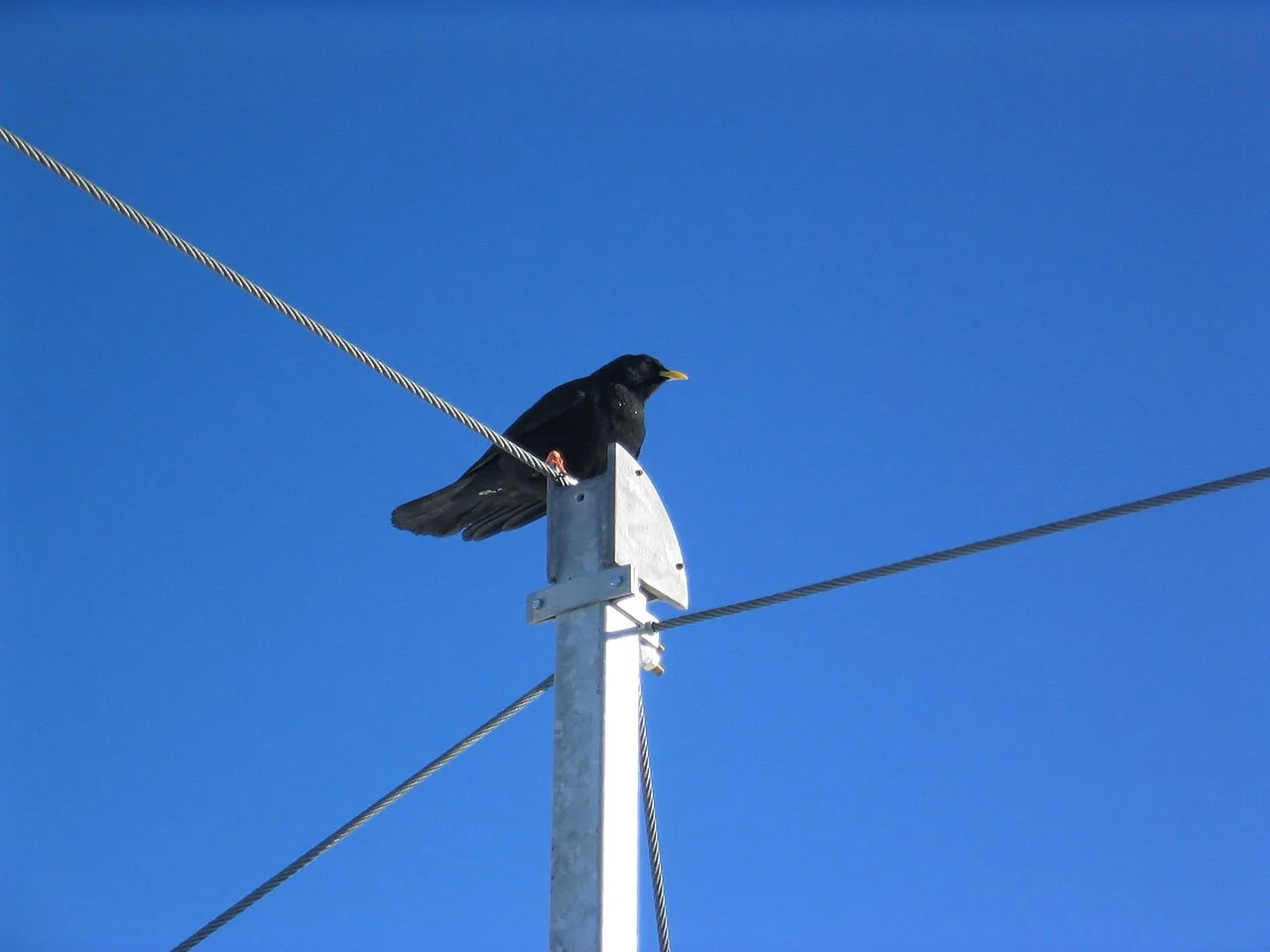
The Top of Europe sign is the photo everyone queues for, and the outdoor snow area beside the complex lets you step onto the glacier plateau without any climbing gear. Snow Fun Park facilities are listed among the summit attractions, and the snow is there year-round at this height. Go early or late in the day if you want the sign with fewer people in the frame.
Even in summer the outdoor area is below freezing with wind chill, so dress for winter rather than for Interlaken. Footing on packed snow is manageable in ordinary shoes but slippery in smooth soles. Keep the outdoor block short and warm up inside between goes.
How much time to allow at the summit and for the round trip
Treat the summit as a two- to three-hour visit and the whole journey as a full day from Interlaken. The Sphinx terrace, Ice Palace, Alpine Sensation, sign photo and snow area each take a slice, and the altitude slows everything down. A half-day attempt from Interlaken leaves no margin for cloud waiting or missed connections.
If your time in the region is tight, weigh Jungfraujoch against a lower, faster summit day from Interlaken, such as the Harder Kulm viewpoint above the town, which takes far less of the day. Jungfraujoch is the bigger spend and the bigger commitment, so it should be the day you protect. If you are still deciding when to travel, the best time to visit Interlaken guide helps you match the season to your summit plans, and the Interlaken Neighborhoods guide helps you pick where to base yourself for those early valley departures.
Tickets: buy in advance and what to expect at the counter
Buy the Jungfrau Railway ticket in advance rather than at the counter on the morning, because this is a major spend and popular departure slots fill in good weather. Pre-booking online for the Jungfrau region is the practical lever, and it also lets you lock in a departure time. Rail passes can change what you pay, so compare the pass discount against the full fare before buying both.
Fares vary by route, season and any pass you hold, so price your exact date and departure station on the Jungfraubahn's site rather than relying on a figure quoted in a blog. Ticket desks at Interlaken Ost and the valley stations can explain what your pass covers on the upper line. Budget for the full round trip plus any extras, not just the tunnel section.
Cold, altitude and sun: what to wear and bring
Jungfraujoch sits above 3,400 m, so the summit is significantly colder than the valleys and the UV is intense on sunny days; sunscreen and sunglasses are not optional. Layer a warm mid-layer and a windproof shell, add gloves and a hat, and wear shoes with grip for the snow area. Visitors coming straight up from Interlaken in summer clothes are the ones who cut their visit short.
Altitude affects people differently, and the lift to the Sphinx terrace is fast. Take the indoor exhibits slowly on arrival, drink water, and skip the run up the stairs if you feel lightheaded. There is no need to rush the summit circuit; the train down will still be there.

Nearby: Lauterbrunnen and Grindelwald below
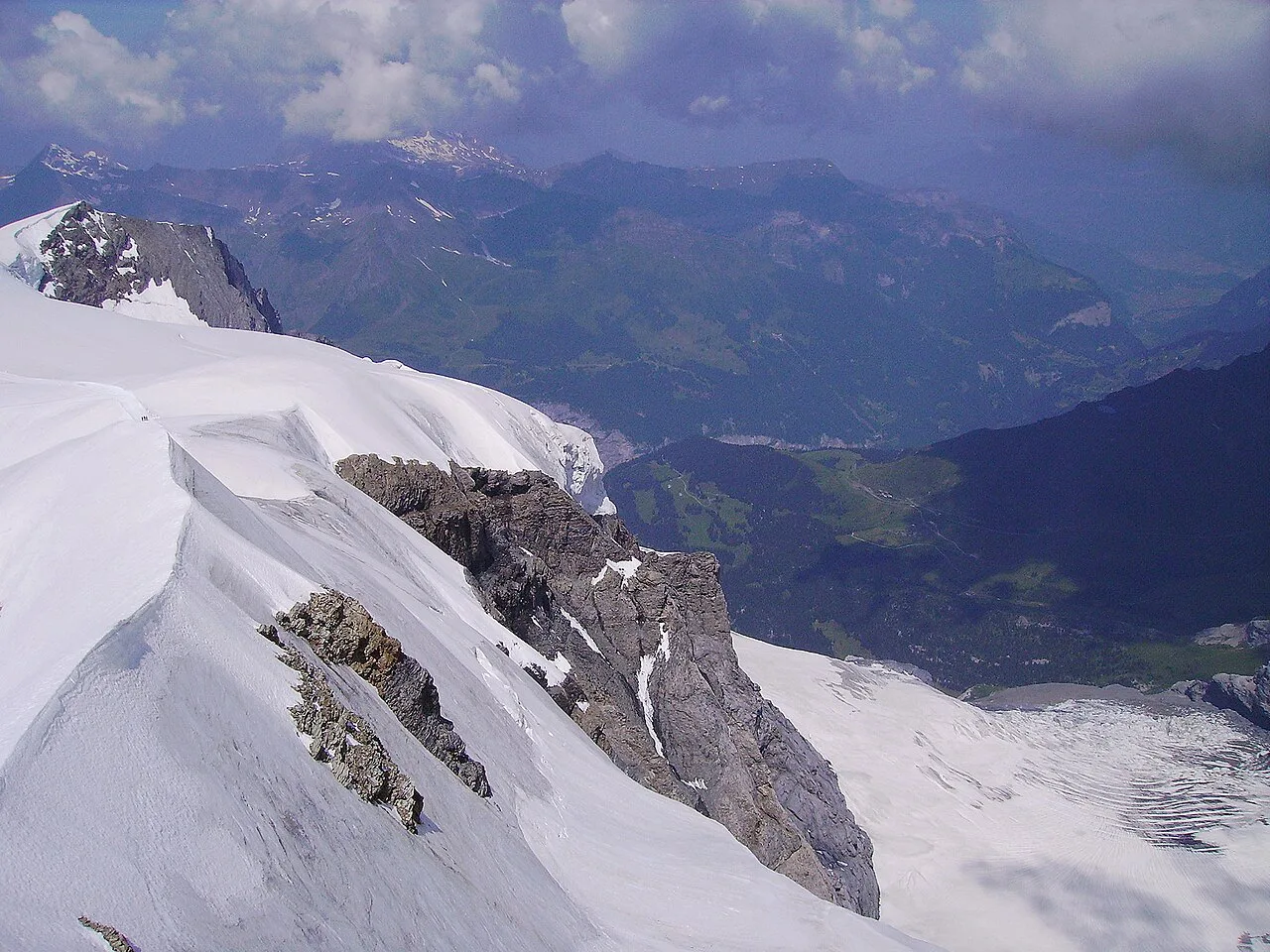
Lauterbrunnen, the valley of waterfalls below the Jungfrau line and roughly 40 minutes by train from Grindelwald, is worth an hour on the way back for Staubbach Falls dropping nearly 300 m beside the village. Grindelwald serves as the other gateway, with the Mount First cliff walk listed at 3818 Grindelwald and opening hours published as 08:00-16:30. Neither is part of the Jungfraujoch visit itself, so slot them into the edges of the day.
If you would rather build a full Interlaken itinerary around several viewpoints, the town's attractions and neighborhood guides help you sequence them across a few days. Use the Höhematte meadow as a base landmark between the two stations. Plan Jungfraujoch as one anchor day and keep the rest flexible for weather.
Is Jungfraujoch worth it for your trip?
Jungfraujoch is worth it if you want the glacier panorama, the engineering story of the Eiger tunnel and a genuine high-altitude day, and you accept the cost and the weather risk. It is a poor fit if your budget is tight or you have only one spare day and the forecast is doubtful, since cloud can erase the view you paid for. The trade-off is clear: the biggest single expense of an Interlaken stay buys the highest and most complete Alpine experience in the region.
Compare it honestly with lower options: the Schilthorn gives a different summit panorama for less travel time, and Harder Kulm gives a fast view over Interlaken itself. None replaces the Aletsch Glacier view, which is the reason to choose Jungfraujoch. Decide based on whether that glacier is the point of your trip.
Practical checks before you go
Two checks decide your day: the weather at the summit, which you can read from the live webcams and mountain forecast, and the first train time from your valley station, which is on the Jungfraubahn timetable. Build a backup plan for a cloudy day, such as the lower viewpoint or the town's museums. Then book the ticket for the clearest forecast window you have.
Plan Your Jungfraujoch Day
Jungfraujoch works as a single, deliberately planned day: an early valley train, the cogwheel line from Kleine Scheidegg, a couple of hours on the summit and a loop back through the other village. Book ahead, dress for winter at the top and keep the rest of your Interlaken plans movable. The glacier view is the reward, and the weather decides whether you get it.
Explore more Interlaken guides
Frequently Asked Questions
Do I need to book Jungfraujoch in advance?
Booking ahead is the sensible move because the upper railway has limited capacity and good-weather departures fill. Reserve a departure time online, then check the summit webcam on the morning before you travel so you are not paying for cloud.
Why is Jungfraujoch called the Top of Europe?
The station sits on the glacier saddle between the Jungfrau and Mönch and is the highest railway station in Europe, which is where the billing comes from. The summit complex includes the Sphinx Observatory terrace, the Ice Palace, the Alpine Sensation corridor and the Top of Europe sign.
How expensive is Jungfraujoch?
The round trip on the Jungfrau Railway is the biggest single expense of most Interlaken itineraries, and the fare depends on your route, season and any rail pass you hold. Price your exact date and departure station, and compare the pass discount against the full fare before buying.
Is Jungfraujoch worth visiting?
It is worth it for the Aletsch Glacier panorama, the tunnel railway and a true high-altitude day, provided you accept the cost and the risk of cloud. If your budget is tight or you have one spare day with a poor forecast, a lower viewpoint from Interlaken is the better trade.
How long does the Jungfraujoch trip take from Interlaken?
Plan a full day from Interlaken, with two to three hours at the summit itself. The valley train, the change at Kleine Scheidegg and the slow tunnel climb all add time, so a half-day attempt leaves no margin.
What should I wear to Jungfraujoch?
Dress for winter at the top: a warm mid-layer, a windproof shell, gloves, a hat and shoes with grip for the snow area. Sunscreen and sunglasses matter because the UV is strong on sunny days at this altitude.