Grindelwald Old Town: What to Expect From the Village Center
Grindelwald has no walled old town, just a village center of wooden chalets under the Eiger. Here is what to walk, see and skip, and how long it takes.
On this page
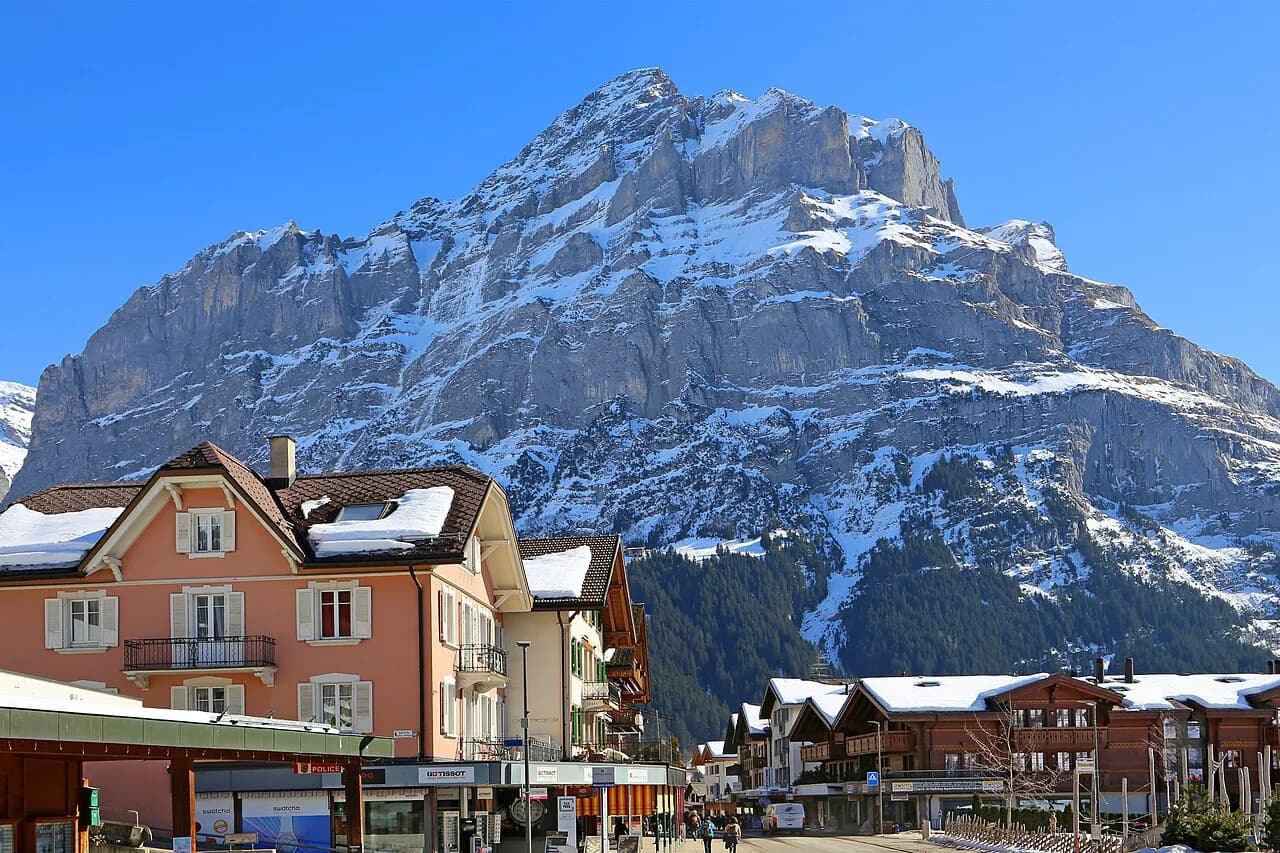
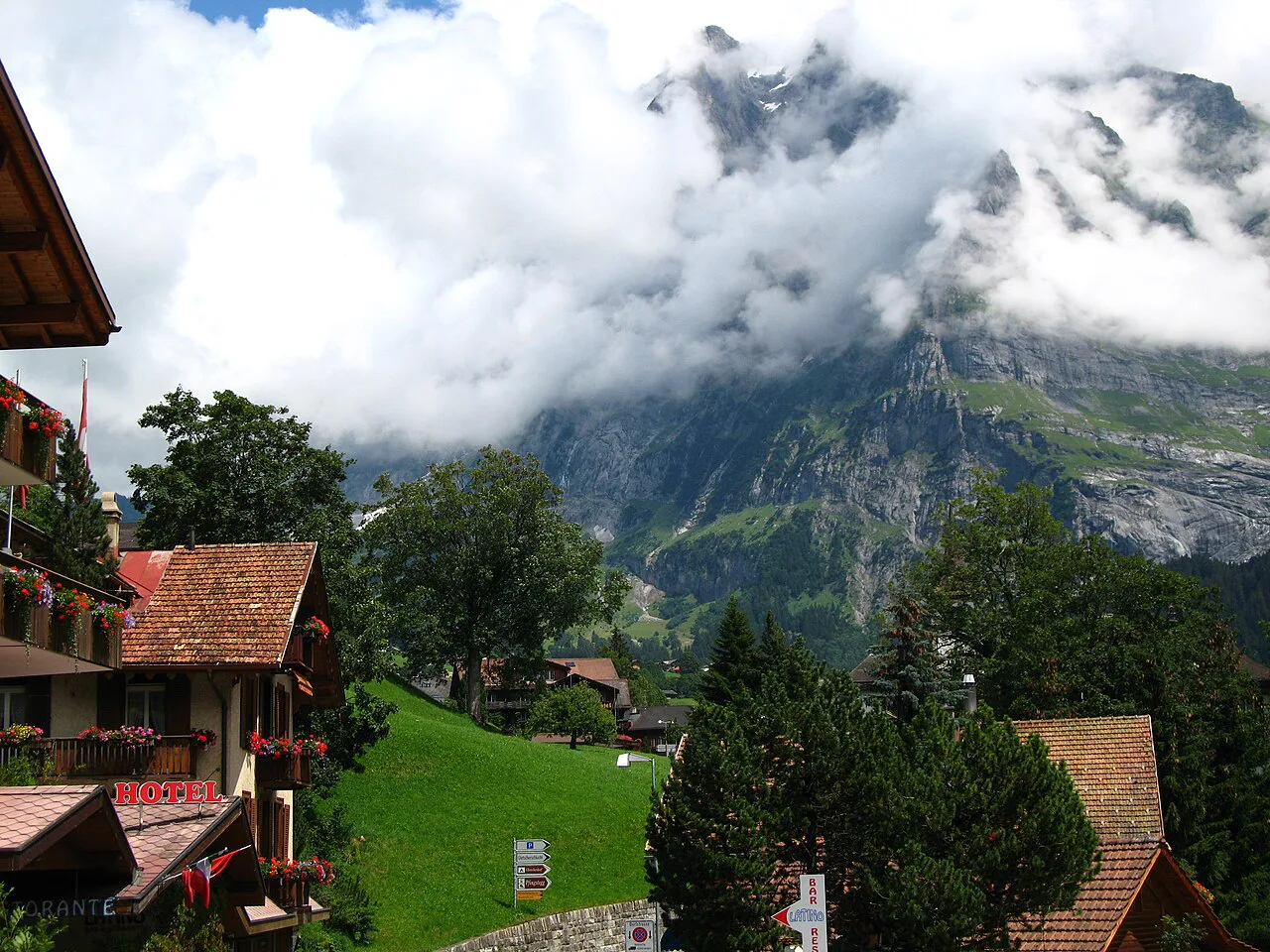
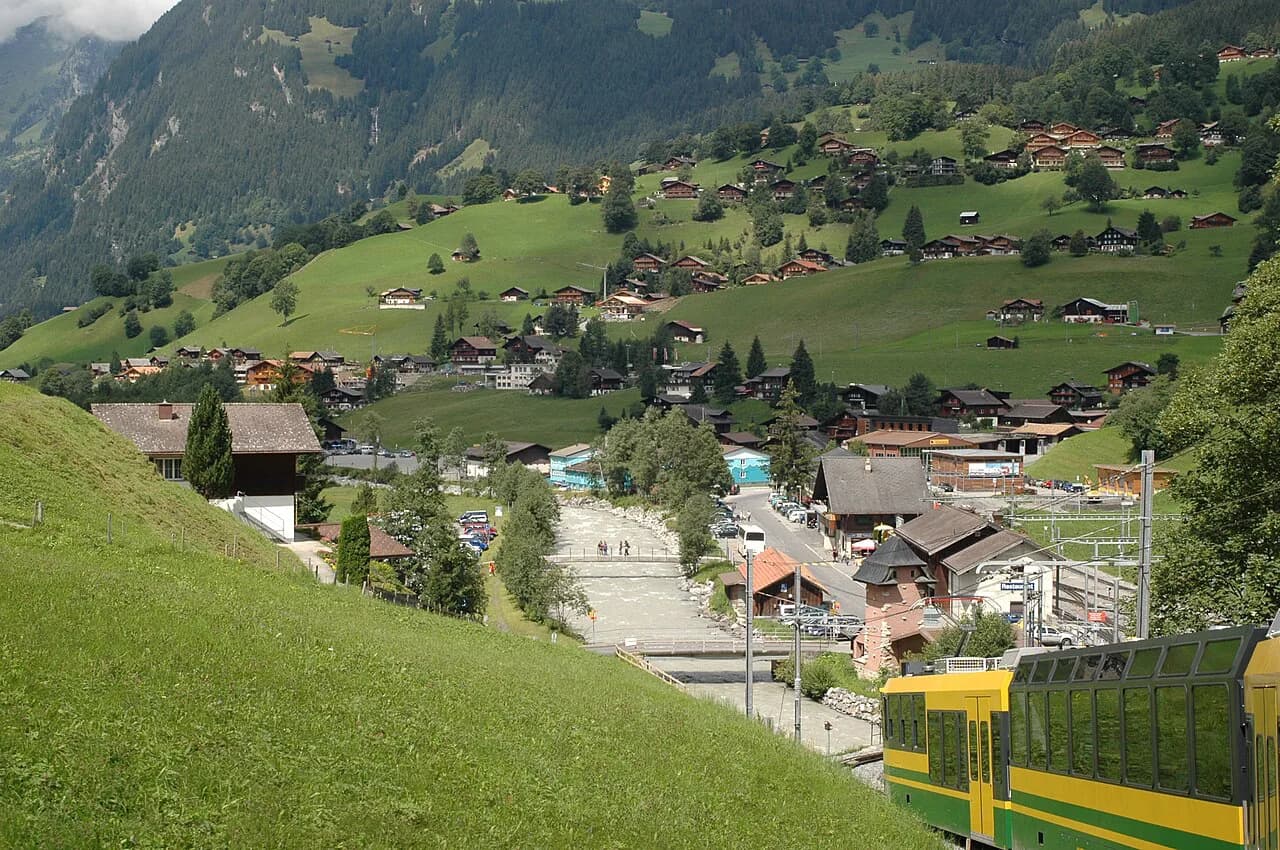
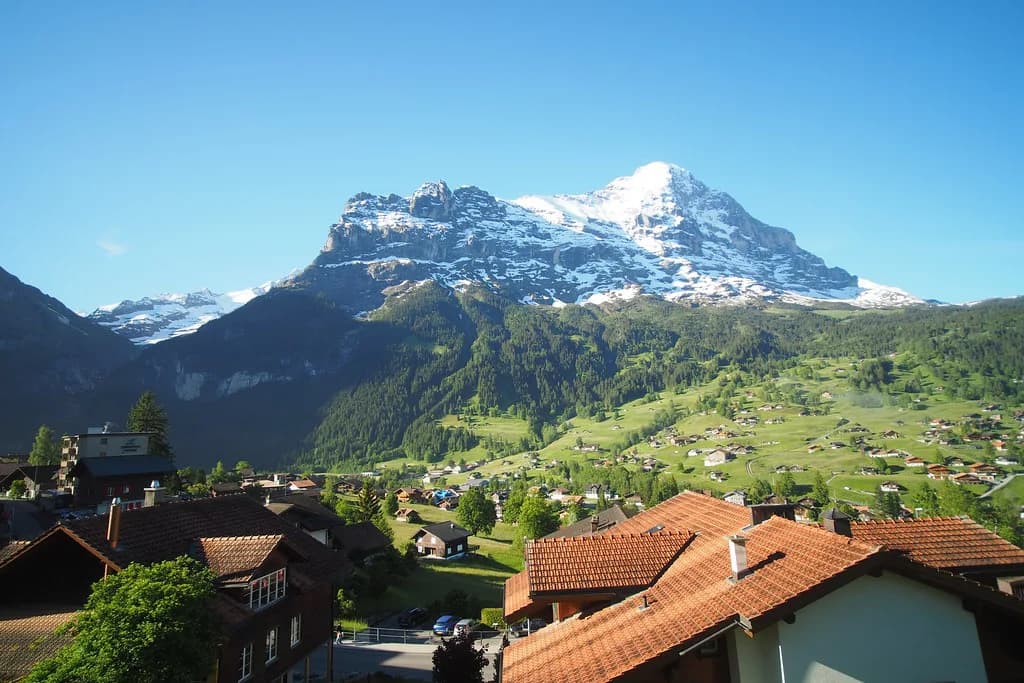
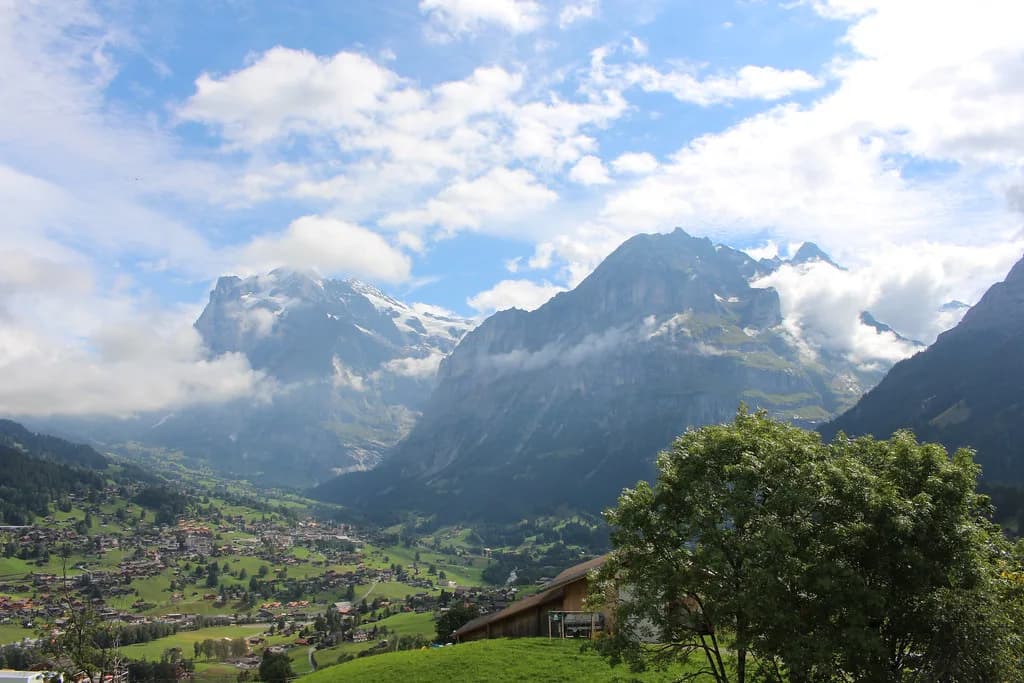
Grindelwald has no old town in the walled European sense. What it has is a glacier village spread across a valley floor at 1,050 meters, with the Eiger north face as a constant backdrop and traditional wooden houses lining the main road. Plan for a stroll of a couple of hours rather than a day of sightseeing, then give the rest of your time to the mountains above.
The village sits in the German-speaking Jungfrau region of the Bernese Oberland, at the foot of the Eiger and close to the glaciers that gave it its nickname, the Gletscherdorf. That geography explains the layout: a ribbon of houses and hotels along the valley, not a ring of ramparts. If you want a true old town for comparison, a place like Basel or Bern delivers one; Grindelwald delivers a mountain village.
Treat the center as the warm-up act. Walk it in the morning while the light is on the Eiger, then use the afternoon for a cableway or the gorge. That split is the single most useful planning decision for a short stay.
How Grindelwald Is Laid Out
Dorfstrasse is the spine of the village, and the tourism office sits at Dorfstrasse 110, a handy address to navigate by. Because the settlement follows the valley rather than a grid, orientation is easier by landmark than by street map: the Eiger north face and the Wetterhorn frame the view, and the main road runs between them.
The Eiger is the village's compass. Many hotels, restaurants and cafés carry the mountain's name, so the peak you are looking at is also written on half the signs you pass. Look up, find the north face, and you know roughly where you stand relative to the valley.
Grindelwald is walkable in the sense that matters on a city break: the center is compact and you cover it on foot without transport. The mountains are the part that needs a lift, a bus or a longer approach.
The Wooden Chalet Look
The village's visual signature is the traditional wooden house, and strolling past them is the core of the experience. The Eiger is never out of sight, which is why the mountain's name appears across so many businesses in the village.
Grindelwald is not only a resort; it is an agricultural community with a mountain-community system more than half a millennium old, documented in valley letters dating from 1404 and 1538 that were last updated in 2002. On the high pastures, dairy farmers make Alpine cheese in summer, and around 668,600 liters of the milk produced on the Alps in 2018 went into cheese and Alpmutschli. That farming layer sits behind the postcard facade and is worth knowing about as you walk.
For anything you want to buy rather than simply admire, the retail side of the village is concentrated along the main street, where sports shops and souvenir stores sit among the cafés. Browse as you go rather than making it the purpose of the walk, and if you want a proper look at what is on offer, the guide to shopping in Grindelwald covers the specific stores worth stepping into.
Village Landmarks Worth a Stop
A handful of named sights anchor the center. Grindelwald Museum covers local history, the Glacier Canyon gives you a natural spectacle within walking distance of the middle of the village, and the church area is where the Martinsloch spectacle is observed. Build your loop around those three.
The canyon walk is a one-kilometer route through natural tunnels and rock galleries between the Mettenberg and the Eiger, and it includes a net stretched across the Lütschine that visitors can walk on for a view into the gorge. Allow one to two hours, and note that it is a sensible choice when the weather turns.
The bus to the canyon and to Pfingstegg is number 122, leaving from the bus terminal opposite the train station. Be warned that the seasonal opening window for the canyon walk and the mountain lifts falls outside the village itself, so decide your day around what is running.
The Martinsloch: Grindelwald's Real Spectacle
The Martinsloch is a rock window at the easternmost end of the Eiger, below the Ostegg, and it is the closest thing the village has to a historic event on a calendar. Around midday from late November to late January, the sun shines through the opening and lands on the village.
The specific viewing dates are precise. From near the church, the light shows on 27 and 28 November and again from 13 to 16 January, while the area around Hotel Kirchbühl offers a view soon after the New Year. The spectacle begins at about 12:30 pm Central European Time and lasts between three and thirty minutes depending on where you stand. In good weather, the phenomenon is visible every day around midday between 24 November and 22 January.
If your trip falls in that window, plan the village walk around midday rather than squeezing it in after a mountain excursion. It is free, it takes minutes, and it is the one thing in Grindelwald you cannot replicate elsewhere.
Mountain Access From the Village Edge
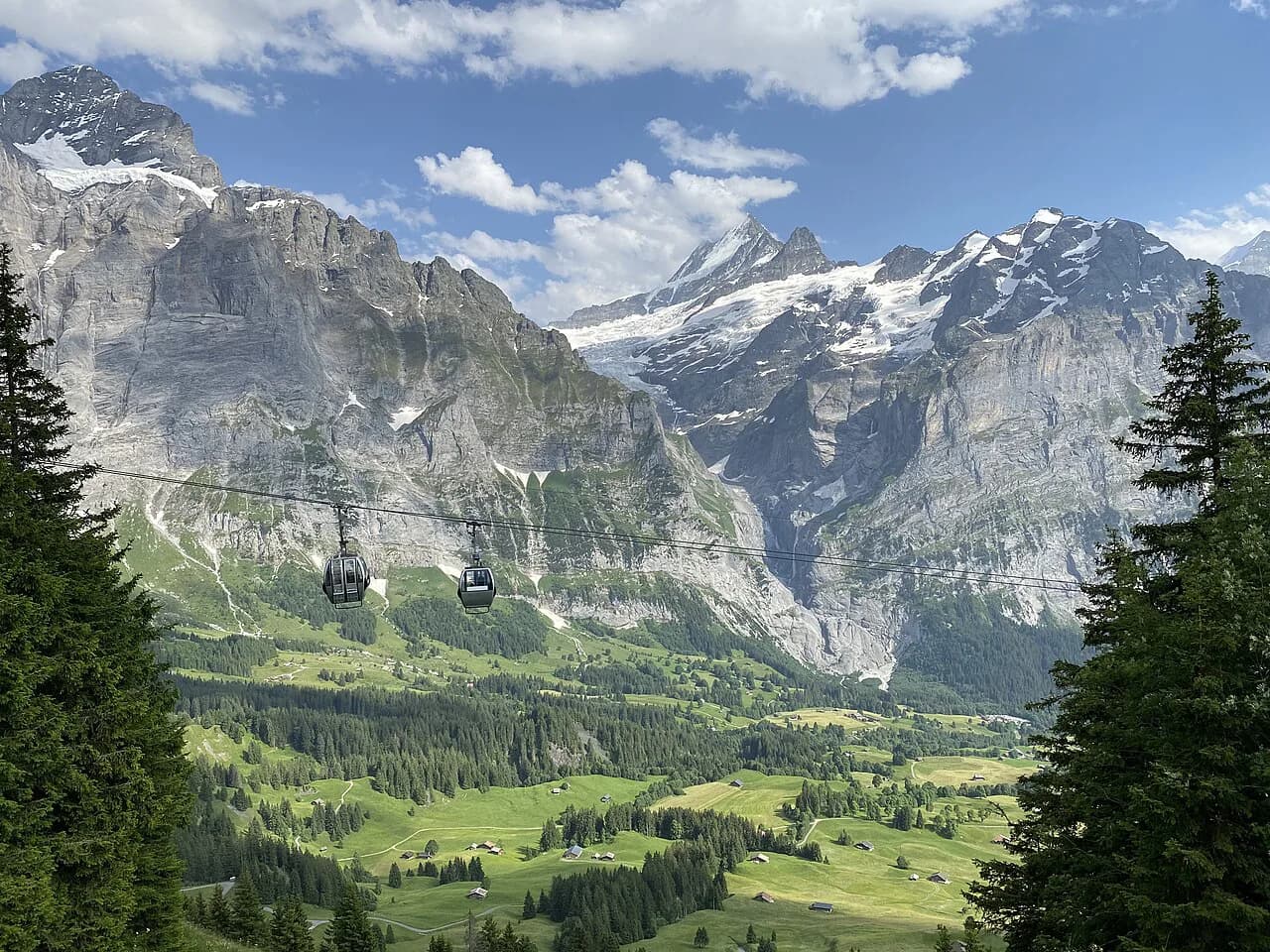
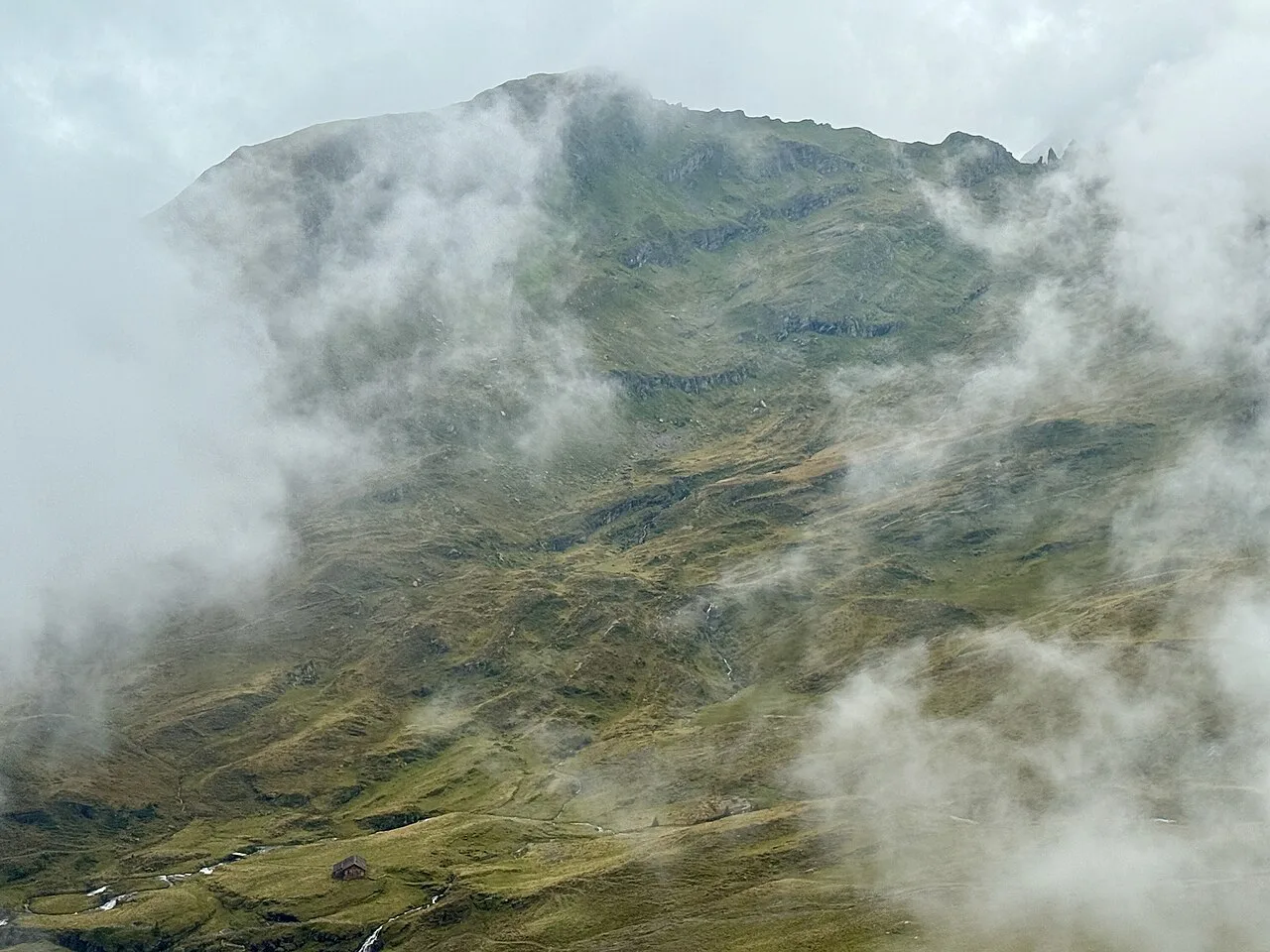
The village edge is where the walking day turns into a mountain day. Grindelwald Terminal is the departure point for the Eiger Express toward Jungfraujoch, the First aerial cableway climbs from the end of the village, the Männlichen gondola serves the Royal Walk viewpoint, and the small Pfingstegg cable car handles the lower slopes.
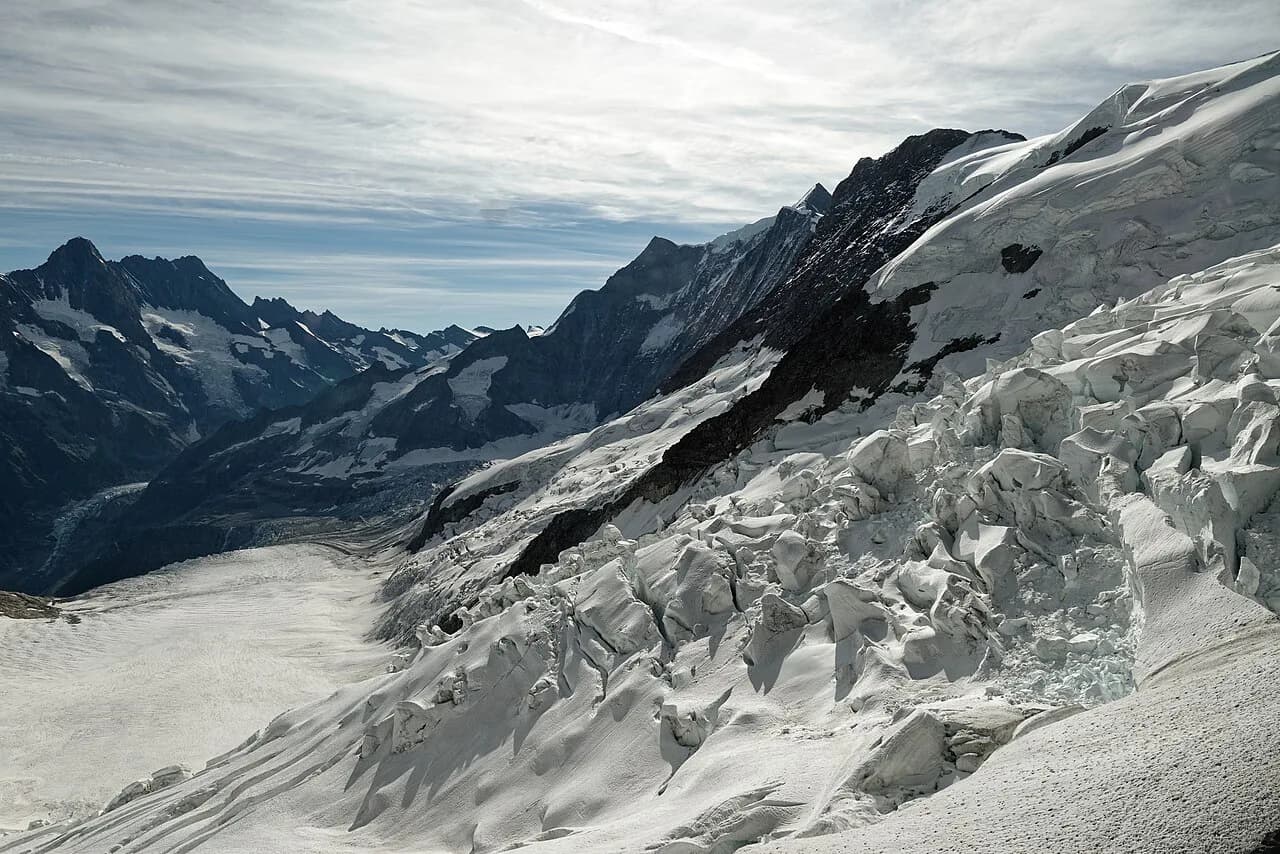
Jungfraujoch, at 3,454 meters, is the headline excursion: the glacier platform, the Ice Palace and views over the Aletsch Glacier, reached from Grindelwald Terminal. First delivers the Cliff Walk and the First View platform near the summit station at 2,194 meters, both free to visit, with the easy walk to Bachalpsee beyond.
For the mechanics of which lift goes where, how the stages connect and what each ride involves, the cable car guide is the page to read before you commit.
Pfingstegg and First: What the Ride Buys You
Pfingstegg, at 1,391 meters, is reached by a small nostalgic cable car and offers a viewing platform, a restaurant and a summer toboggan track on a 736-meter run. Rides on the Fly-Line there are priced from CHF 14, and the cable car itself is a short ride from the village.
First is the bigger day out. The three-stage cableway runs Grindelwald to Bort, Bort to Schreckfeld and Schreckfeld to First in about 25 minutes total, and a ticket lets you get off at intermediate stations and continue later. The valley station sits at the end of the village, a 15-minute walk or a short bus ride from the main station.
The catch is shoulder season. The First cableway closes for maintenance for several weeks in late autumn, and the summer activities at First and Pfingstegg run roughly from spring to late October, so a November village walk may come with the lifts idle. The mountains are the reason to come, and the village is what you do when they are not running.
When the Village Is Busiest
Grindelwald logged 1,615,374 overnight stays in 2024 and 1,587,509 in 2025, with about 8,000 guest beds in a municipality of 4,113 residents. Those numbers explain why the main street feels crowded in peak weeks and quiet in the shoulder months.
Walk the center early in the day, before the excursion traffic builds, and save the lifts for later or the following morning. High season at First brings long queues, so arriving at opening is worth the alarm.
For a viewpoint that costs nothing and needs no lift, the First Cliff Walk and the First View platform are both free once you are up there. That makes a mountain morning easier to justify on a budget.
Costs in CHF and the Guest Card
Prices in Grindelwald are stated in Swiss francs and they add up. A Pfingstegg Fly-Line ticket starts at CHF 14, a bus ticket from Grindelwald to Bussalp is priced from CHF 28, and a Firstbahn hiking ticket to Bort is listed from CHF 21. The First Flyer and First Glider rides start at CHF 31 per adult, while a mountain cart or trotti bike costs CHF 21.
The Guest Card is the main saving. Stay one night or more and it comes with free use of the local bus plus discounts on cable cars and mountain railways, which directly reduces the cost of the village-to-mountain hops described above.
Tickets and lift fares are set by the lift companies and change with the season, so check the current price at the counter or on the Grindelwald mountain railways' site before you commit to a day of riding.
How Many Days the Village Needs
Give the village center half a day. That covers Dorfstrasse, the wooden houses, the museum and the church area at an unhurried pace, with the canyon as an optional add-on of one to two hours.
Everything beyond that is mountain time. First and the Cliff Walk fill a morning, Pfingstegg a shorter block, and Jungfraujoch a full excursion given the altitude and the connections. Two full days lets you do the village plus one big mountain day without rushing.
If your trip lands in the Martinsloch window, add the midday slot to your village morning and shift the mountain day accordingly. It is the one scheduling constraint the village imposes on you.
Who Should Skip the Village Stroll
If you have one day and clear weather, skip most of the stroll. Take the Eiger Express to Jungfraujoch or the First cableway up, and see the village from above instead. The chalet architecture reads well from the valley floor but the view from the summit is the reason people come.
The village walk suits travelers with a spare morning, families needing a low-effort activity, and anyone grounded by weather. For a photography-focused stop, the viewpoints above the village beat anything at street level.
If you are chasing a genuine historic townscape, plan a separate stop in Bern or Basel where the old town actually exists as a district. Grindelwald is a mountain village and its appeal lies in the setting, not the architecture alone.
Plan Your Visit
Grindelwald's center is a pleasant hour or two of wooden houses, a museum and a church, framed by the Eiger and backed by the Martinsloch if your dates line up. It is not a substitute for an old town, and it should not be the reason you came.
Build your day around one mountain excursion and slot the village in around it, using the Guest Card for the local bus and cable car discounts if you are staying the night. Check lift operating dates for your travel window before locking in a plan.
Explore more Grindelwald guides
Frequently Asked Questions
Does Grindelwald have an old town?
No. Grindelwald is a glacier village spread along a valley floor at 1,050 meters rather than a walled medieval town. The walkable center is Dorfstrasse and the surrounding streets of traditional wooden houses, which take a couple of hours to cover on foot.
Is Grindelwald a walkable town?
Yes, the center is compact and easily covered on foot. The mountains are the part that requires a cableway, gondola or bus, and the valley station for the First cableway is about a 15-minute walk from the main train station.
What is there to see in Grindelwald village itself?
Grindelwald Museum, the church area, the traditional wooden houses along Dorfstrasse and the Glacier Canyon walk. The Martinsloch, a rock window in the Eiger, is visible from near the church around midday between late November and late January.
When can you see the Martinsloch?
From near the church, the light shines through on 27 and 28 November and from 13 to 16 January, starting at about 12:30 pm Central European Time and lasting between three and thirty minutes. In good weather it is visible every day around midday between 24 November and 22 January.
How many days do you need in Grindelwald?
Half a day covers the village center comfortably, with the canyon adding one to two hours. Two full days lets you combine the village with one major mountain excursion such as Jungfraujoch or the First area without rushing.
How much does it cost to go up the mountains from Grindelwald?
Prices vary by lift and season. A Pfingstegg Fly-Line ticket starts at CHF 14 and a Firstbahn hiking ticket to Bort is listed from CHF 21. Staying at least one night brings a Guest Card with free local bus use and discounts on cable cars and mountain railways.
How do you get to the Glacier Canyon from the village?
Bus 122 runs from the bus terminal opposite the train station to the canyon, which is also a short hike from the center. The walkway through the gorge is about one kilometer and takes one to two hours, with a net stretched across the Lütschine for a view down.
Should you skip the village and head straight up the mountain?
With one day and good weather, yes. Take the Eiger Express toward Jungfraujoch or the First cableway up and see the village from above. The center repays a spare morning, not a full day.
Sources
Notes for your Swiss city break
Optional updates to our Swiss city guides.
You might also like
Continue reading
More guides you'll find useful