Basel Old Town: Which Streets, Squares and Sights to See
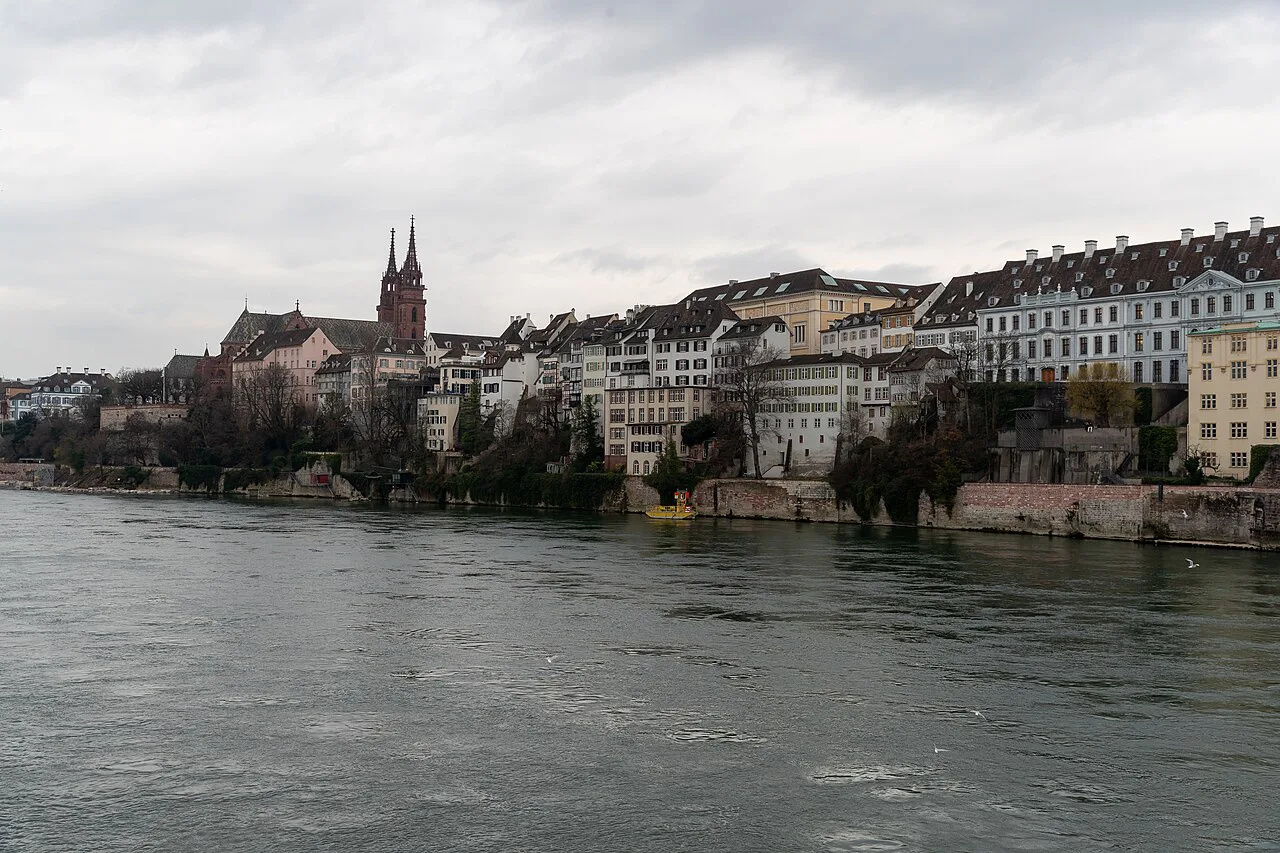
Basel's compact old town puts the Minster, the red Rathaus and Spalentor on one walkable line. Plan a day on foot and leave room for the free sights.
On this page
Basel's old town is the compact historic core between the cathedral hill, the Marktplatz and the bank of the Rhine, and a single well-planned day on foot covers most of it. Give it a second day only if you want museums, the tower climb and the riverside stops folded in without rushing.
The layout is simple enough to plan around: Gothic church towers, the market square and the Rhine all sit within a few minutes of each other, so you can string the named sights on one line instead of crisscrossing. The whole district is walkable, with trams covering the longer hops when you tire.
What Basel's Old Town Is and Where It Sits
Old Basel clusters between the cathedral hill, the market square and the Rhine, which is why the historic buildings feel stacked on top of each other. That geography also explains why the core is so walkable: every landmark you would name sits a short stroll from the next.
The city itself lies in northwestern Switzerland, close to both the French and German borders, which shapes everything from the food stalls to the architecture. Basel is a little over an hour from Zürich by rail, so it slots easily into a Swiss trip.
How Much Time the Old Town Needs
One day lets you see most of what you came for in central Basel, and two days give a more comfortable feel for the place, especially if museums are on your list. Budget two nights only if you also want outlying stops, because places like Dreiländereck sit well away from the old town and eat a chunk of an afternoon on their own.
Travelers who expect packed squares sometimes come away flat: even in high summer, the area around the Minster can feel quiet rather than buzzing. If you want energy and crowds, plan your evenings accordingly; if you want to walk empty lanes looking at decorated facades, that quiet is the appeal.
A Walking Route from Barfüsserplatz to the Münster
Start at Barfüsserplatz, where the Barfüsserkirche, a Gothic former Franciscan church begun at the end of the thirteenth century, now holds the Basel Historical Museum. From there, follow the old lanes uphill toward the cathedral, keeping the ornate fountains and painted facades as your landmarks rather than a strict map.
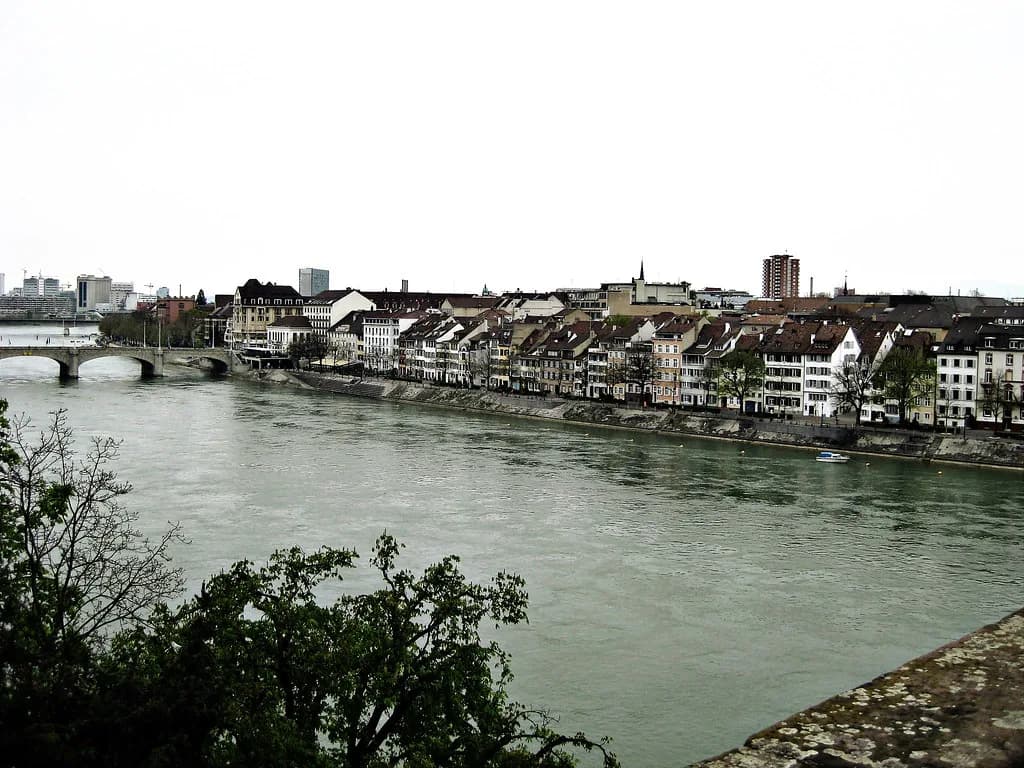
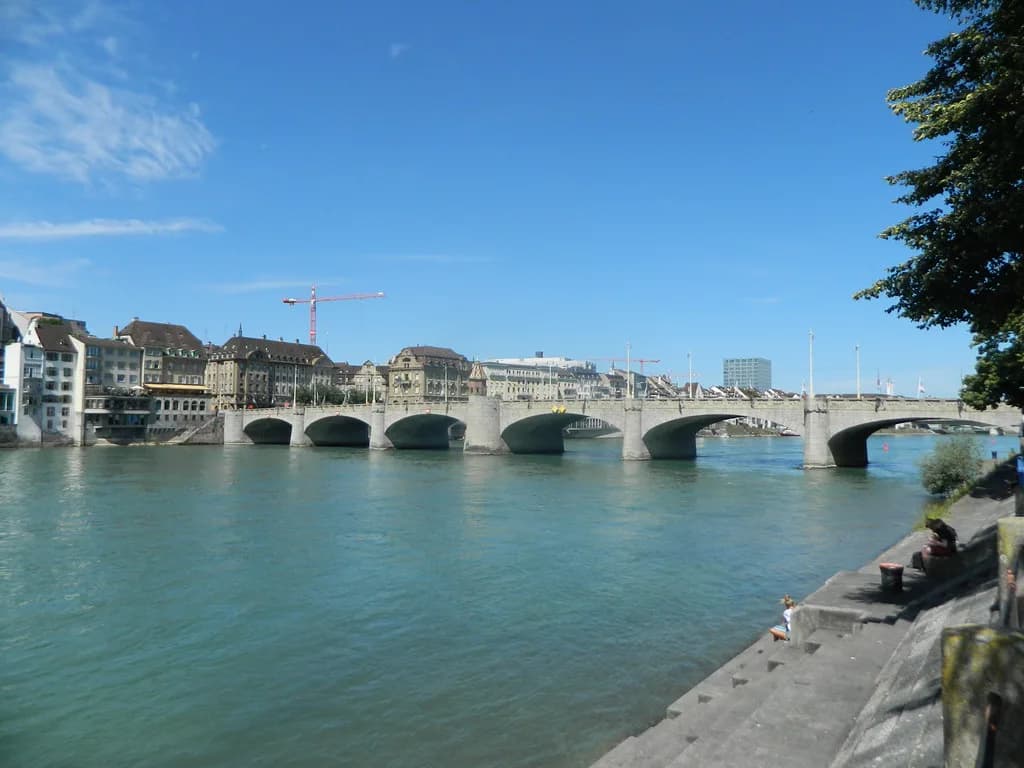
Once you reach the cathedral hill, loop down to the Rhine bank and finish at the Mittlere Brücke, which puts the historic core on one tidy line without back-tracking. The order also means the busiest stops come early and the river views close the day.
Basel Minster: Mosaic Roof, Free Entry, Tower and Crypt
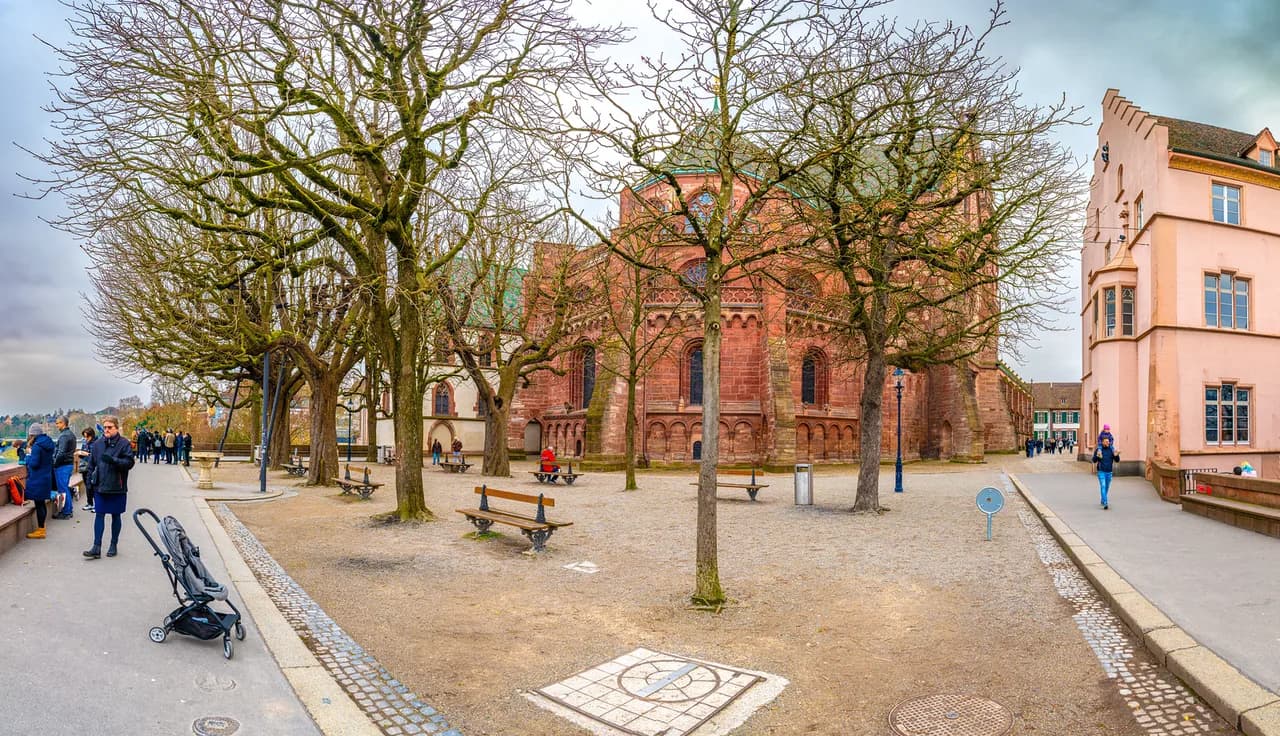
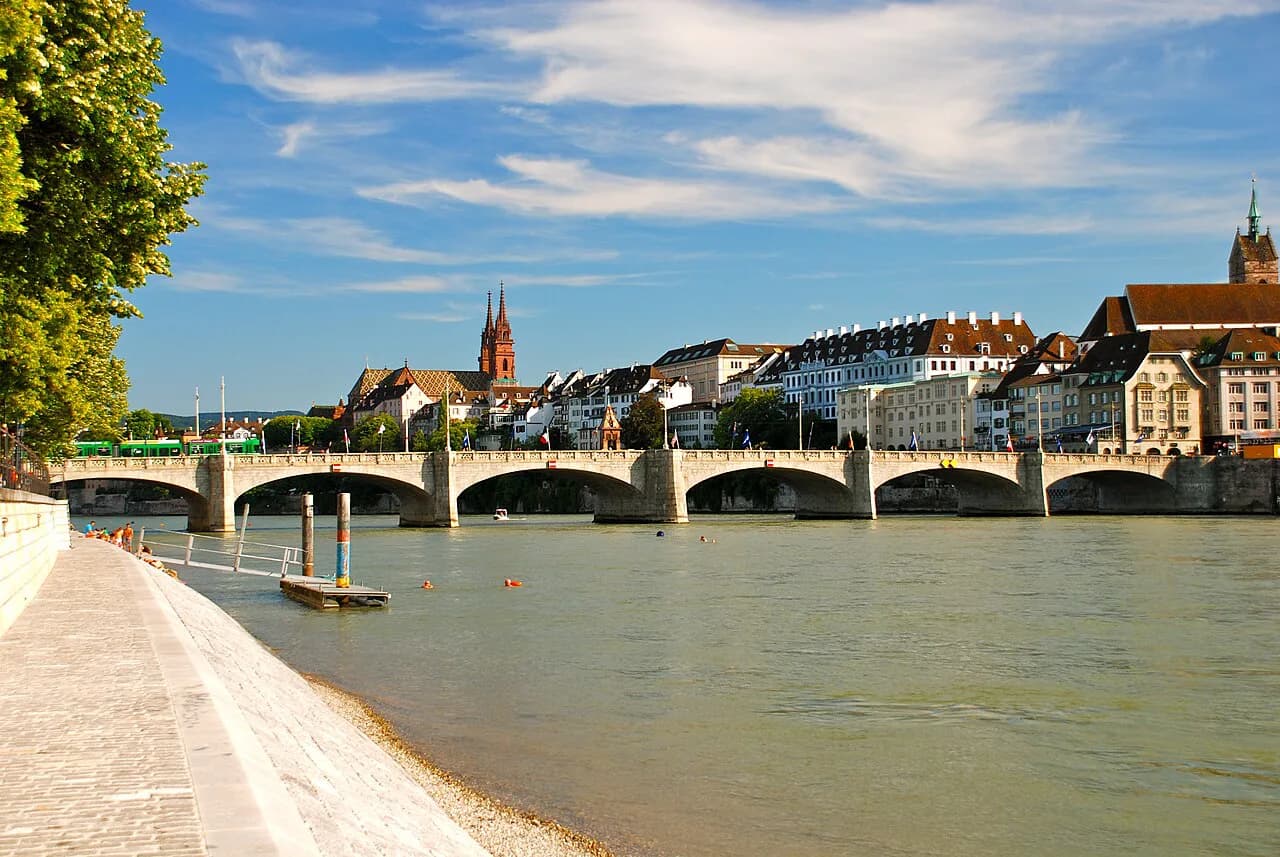
The Minster is the anchor of the old town, and its roof is the thing to look up for: a mosaic of dark green, maroon, burnt yellow and off-white tiles covering every surface. Entry to the church is free, and you pay extra to climb the tower steps, which is the best value on the square if you are steady on your feet.
The Minster generally closes in the late afternoon, around 4 to 5pm depending on the season, so put it early in your day rather than last. The crypt is viewable only during the summer months, and guided tours run for a fee, mostly on Saturdays. Check the Minster's own published times before you build a day around it.
Münsterplatz and the Rhine Views
The square in front of the Minster opens onto one of the classic Rhine views, best taken from the terrace edge above the river. It is a free stop, which matters in a city where so much else carries an entry fee.
The Rathaus: The Red Town Hall and Its Courtyard
The Rathaus, or Town Hall, is the most decorated building in Basel, a red facade over five centuries old with an inner courtyard even richer than the front. Walk through one of the three arched doorways and climb the steps for a close look at the carvings and painted reliefs, which you pay nothing to see.
Visit on a weekday if you can, since the building is closed on weekends according to traveler reports, and treat any specific hours as something to confirm before you go. Signs across the old town point to Rathaus, so you will not struggle to find it.
Marktplatz and the Lanes Around It
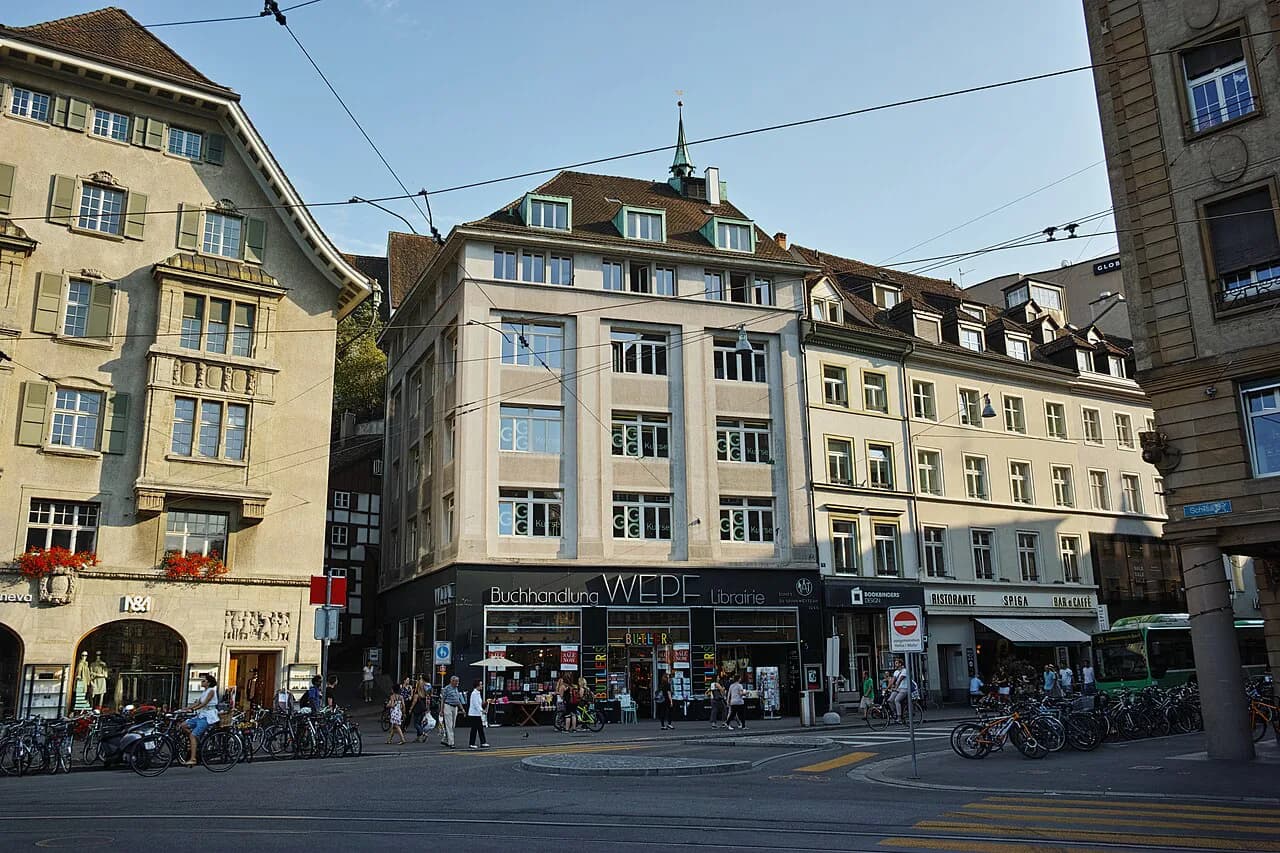
Marktplatz is the commercial heart of the old town, ringed by lanes that reward slow wandering more than checklist sightseeing. Around it you pass public water fountains in wildly different designs, and many of them are not meant for drinking, so carry a bottle instead of refilling at random.
For a cheap, filling lunch close to the center, the Markthalle Basel sits a few minutes from the station and sells international food from many stalls at prices below most sit-down restaurants. It also keeps clean public washrooms, a small but real bonus mid-walk.
Spalentor and the Old City Walls
Spalentor is one of three surviving city gates and the most spectacular, restored after earlier damage but still capped with the same patterned tile roof you see on the Minster. You can walk under it or around it, and it is worth looking up for the carvings, turrets and adornments above eye level.
The Botanical Garden of the University of Basel sits close to Spalentor, opens from 8am most days with greenhouses from 9am, and charges nothing to enter. Half an hour there makes a green, quiet break between the gate and the cathedral.
The Mittlere Brücke and the Rhine Banks
The Mittlere Brücke is the city's historic crossing, in place for more than 120 years in its current form with a bridge on the site for over 800, and only bikes, buses and trams share it with pedestrians. Pause at the tower in the middle and look up for the tile mosaic that echoes the Minster and Spalentor roofs.
Both banks have riverside bars and cafes between the bridge and Dreiländereck, with seating close to the water, which makes a natural end to a walking day. In summer the Rhine carries swimmers, and the current is the local reason people drift downstream rather than fight it.
Museums Inside and Around the Old Town
Basel has nearly forty museums, so pick one or two rather than trying to tick off a list. The Kunstmuseum Basel, with three venues and roots in a seventeenth-century city collection, is the strongest choice for art, while the Museum Tinguely on the Rhine displays the Swiss artist's rattling machines in a Mario Botta building.
For something smaller and stranger, the medieval paper mill houses the Swiss Museum of Paper, Writing and Printing, and the Caricature and Cartoon Museum sits nearby. Most museums charge between 10 and 20 CHF per person, which is worth knowing before you commit to three in one day.
Fountains and Street Art You See for Free
The Tinguely Fountain on Theaterplatz puts kinetic metal figures in the water, and it costs nothing to stand and watch them. Street art and murals turn up on walls across the old town, including Mark Jenkins's hanging figures, so keep looking up as you walk rather than only at the shopfronts.
Public fountains appear on almost every block in different designs, and while many are not recommended for drinking, they still work for hand-washing or cooling off on a hot day. That makes them part of the free texture of the old town rather than a sight to plan around.
What Things Cost in CHF
The big line items add up fast: most Basel museums run between 10 and 20 CHF per person, and the Museum Tinguely charges 18 CHF for adults, opening from Tuesday to Sunday with late hours on Thursday until 9pm. Add a tower climb at the Minster on top if you want the view.
Balanced against that, the Minster itself, the Rathaus courtyard, Spalentor, the Botanical Garden and the fountains all cost nothing, so a free half-day is genuinely possible. Watch that drinking water in some public fountains is not advised, which is the one small cost you may still incur.
Money Savers That Work Here
Beyond the free sights, eating at lunch stalls like the Markthalle Basel rather than sit-down restaurants keeps the food budget in check, since restaurant prices in Basel run higher than in neighboring France and Germany. Supermarket chocolate aisles are also a cheap way to bring something home.
If you plan to visit several museums, compare the one-off adult tickets against any combined offers the museums themselves publish, because the price gap between one and three entries is significant. Check each museum's own ticket page for current prices before you commit.
What the Old Town Is Not
Quiet is the honest trade-off: the old town can feel sleepy even on a warm summer day, and travelers looking for bustle often find it bland rather than charming. Budget eating is thin on the ground, with fewer cheap options than in nearby French and German cities, so plan lunch around the Markthalle or a supermarket rather than hoping to stumble on a bargain.
Many shops shut on Sundays, a pattern visitors notice quickly when the streets empty out, so keep any browsing for a weekday or Saturday. Note that museum closing days vary by venue rather than following one rule across the city.
Practical Timing and Which Day to Pick
Put the Minster early, since it closes in the late afternoon, keep the Rathaus for a weekday, and leave the Rhine bank and the fountains for whenever the light is good. That sequence alone solves most of the timing problems a one-day visit runs into.
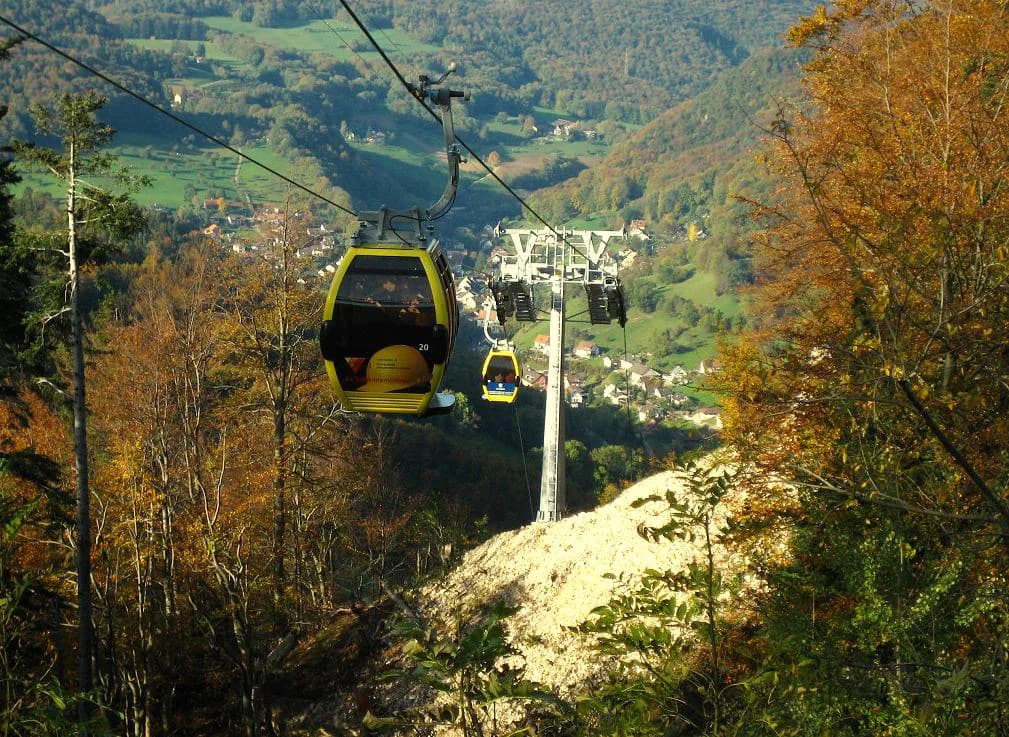
If you want to push beyond the old town, the Wasserfallen gondola from Reigoldswil lifts walkers into the Jura above the city, but it is a separate trip and not part of a walking day in the center. Save outlying pulls like that for a second day.
Plan Your Visit
Basel's old town suits travelers who want decorated facades, a great mosaic roof and a river crossing within a short walk, and who are content with quiet streets over crowds. Build the day around the Minster, the Rathaus courtyard and Spalentor, and let the Rhine bank finish it.
Confirm opening hours for the Minster and the Rathaus before you set out, since both are the stops most likely to cut a day short. Everything else in the core is close enough to reshuffle on the spot.
Explore more Basel guides
Frequently Asked Questions
How long do you need in Basel's old town?
One day covers most of the central sights on foot, including the Minster, the Rathaus, Spalentor and the Mittlere Brücke. Two days give a more comfortable pace and room for a museum or two, while outlying stops such as Dreiländereck eat extra time on their own.
Is Basel Minster free to enter?
Yes. Entry to the church is free, and you pay extra to climb the tower steps. Guided tours run for a fee, mostly on Saturdays, and the crypt is viewable only during the summer months.
Are Basel museums open on Mondays?
Closing days vary by venue, so there is no single Monday rule for the city. Check the individual museum's own published opening days before you build a day around one.
Is Basel old town walkable?
Yes. The cathedral hill, Marktplatz and the Rhine bank all sit within a short walk of each other, and trams cover the longer hops. The compact core is the reason one day is enough for most visitors.
How much do Basel museums cost?
Most museums charge between 10 and 20 CHF per person, and the Museum Tinguely charges 18 CHF for adults. Prices change, so check the museum's own ticket page before you go.
What can you see in Basel old town for free?
The Minster, the Rathaus courtyard, Spalentor, the Botanical Garden, the Tinguely Fountain and the public fountains all cost nothing. That makes a free half-day realistic even in an expensive city.
When should you visit the Rathaus?
Go on a weekday, because the building is reported to close on weekends. Treat specific hours as something to confirm before you set out, and look for Rathaus signs across the old town.
Should you visit Basel or Zürich for a city break?
Basel suits travelers who want a compact, walkable old town, heavy museum choice and easy access to France and Germany. Zürich is larger and busier, so the better pick depends on whether you want quiet streets or a bigger city feel.
Sources
Notes for your Swiss city break
Optional updates to our Swiss city guides.
You might also like
Continue reading
More guides you'll find useful