Bern Old Town: What to See on a UNESCO Altstadt Walk
Walk Bern's Old Town from the Zytglogge to the Münster terrace, with the Bundeshaus, arcaded streets and squares, plus how long the Altstadt needs.
On this page
Bern's Old Town is a medieval city core strung along a narrow hill above the Aare, and you can walk its length from the Zytglogge to the Nydeggbrücke in well under an hour. The rewards are the arcaded shopping streets, the fountains, the Parliament Building, the Münster and its river terrace, and a handful of open squares that cost nothing to enter.
Allow half a day for the core and a full day if you add the Kirchenfeld museums and the climb to the Rosengarten. This guide follows the ridge in one direction so you never zig-zag uphill twice, and it marks which stops are free and which carry a small charge.
What Bern's Old Town Is and Why It Is a UNESCO Site
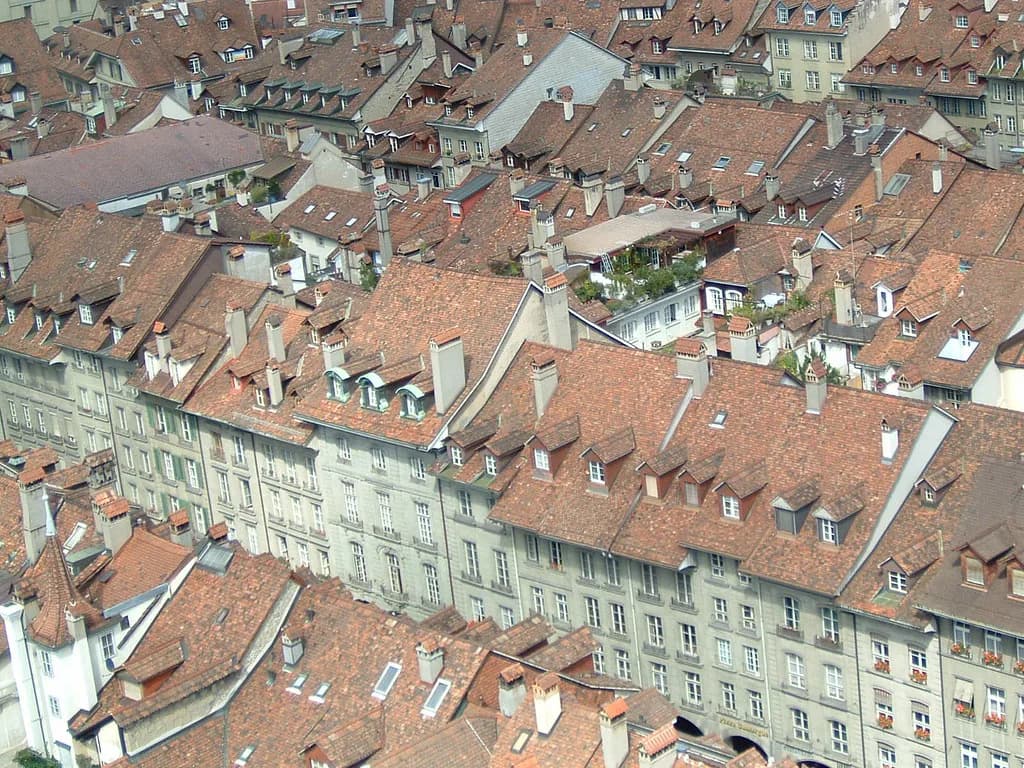
The Old City is the medieval center of Bern, built on a narrow hill bordered on three sides by the river Aare. Its long rows of arcaded sandstone houses, cellar shops and street fountains give it a coherence that few European centers match, and the whole ensemble is a UNESCO World Heritage Site.
For a visitor, the practical consequence is that the sights sit in a line rather than a cluster: the Zytglogge at the western end, Kramgasse and Gerechtigkeitsgasse running east, then Bundesplatz, the Münster and the Nydeggbrücke. Plan the walk as a single traverse and you cover the highlights without retracing steps.
Switzerland Tourism describes the Old Town as a place of medieval town planning, a cathedral and an Alpine panorama, which is a fair summary of what the ridge delivers. If you would rather follow a plotted route than improvise one, the Old Town of Bern is our starting point and the walk below is a simple, linear version of it.
Getting Your Bearings: The Aare Loop and the Ridge
The Aare bends around the old town on three sides, so the river is never far away and the ridge is easy to orient by water. The Nydeggbrücke at the eastern end is the natural finish to a walk: cross it and you get the classic view back at the rooftops and the bridges.
Most of the old town is flat, and the arcades give shade and shelter along Kramgasse and Gerechtigkeitsgasse. Save the uphill for the end: the Rosengarten sits above the eastern end and is the one genuinely steep climb in this plan. If you want a pre-plotted order rather than navigating as you go, follow our Bern self-guided walking tour and use the sections below as notes on what you are passing.
Start at the Zytglogge: The Medieval Clock Tower
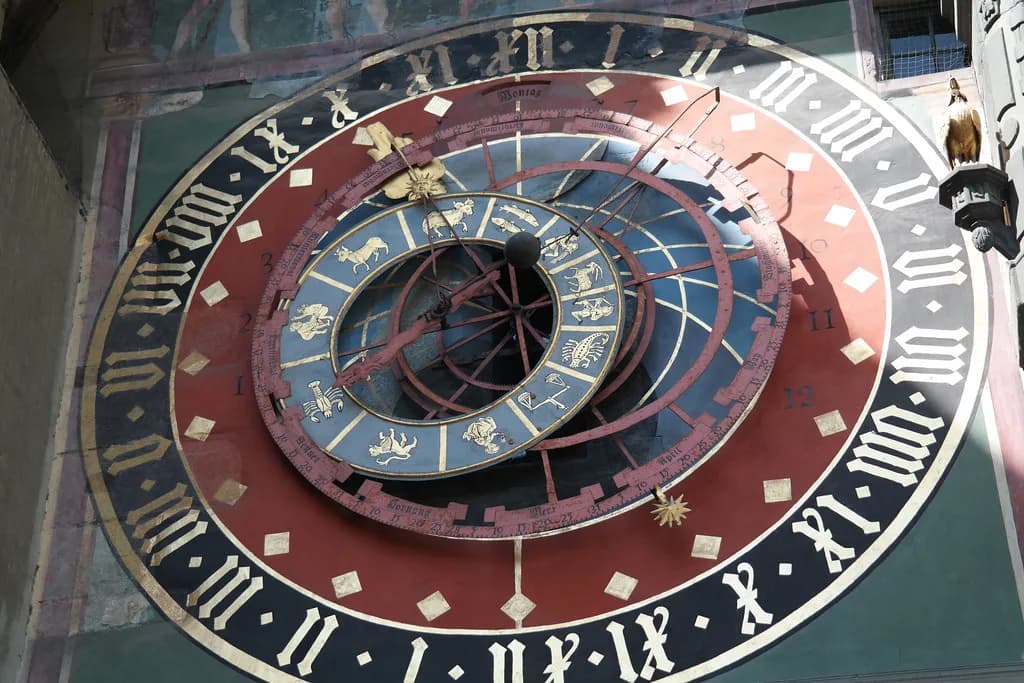
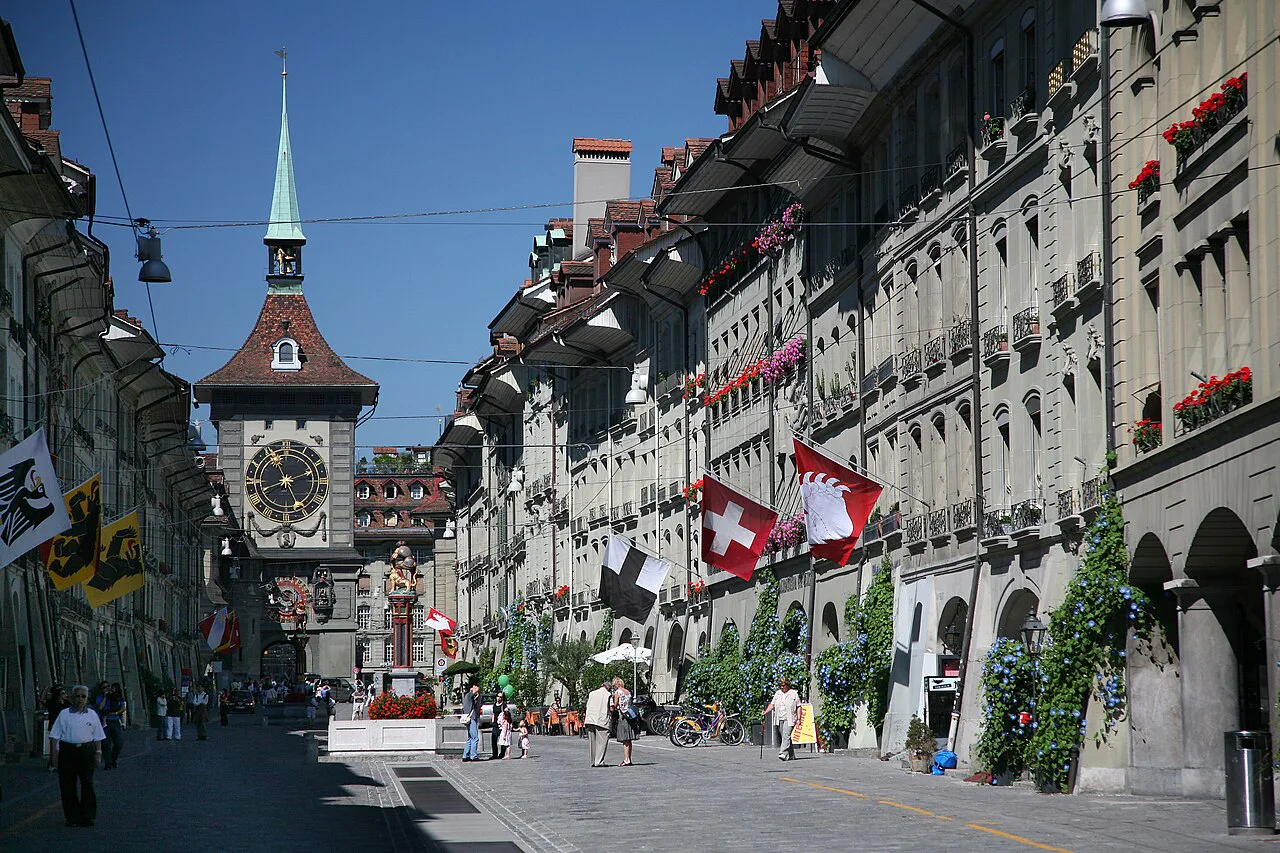
The Zytglogge is the old town's western gate and its best-known landmark, a tower that has served as a guard tower, prison and clock tower over the centuries. Every hour on the hour, medieval figures appear from it, which makes it worth timing your start to the top of an hour rather than wandering past mid-cycle.
Stand on the west side of the tower for the figures rather than directly underneath, and then walk east into the shopping streets. The tower marks the start of the arcaded stretch, so the walk begins as soon as you pass under the arch.
Kramgasse and Gerechtigkeitsgasse: Arcades, Fountains and the Einsteinhaus
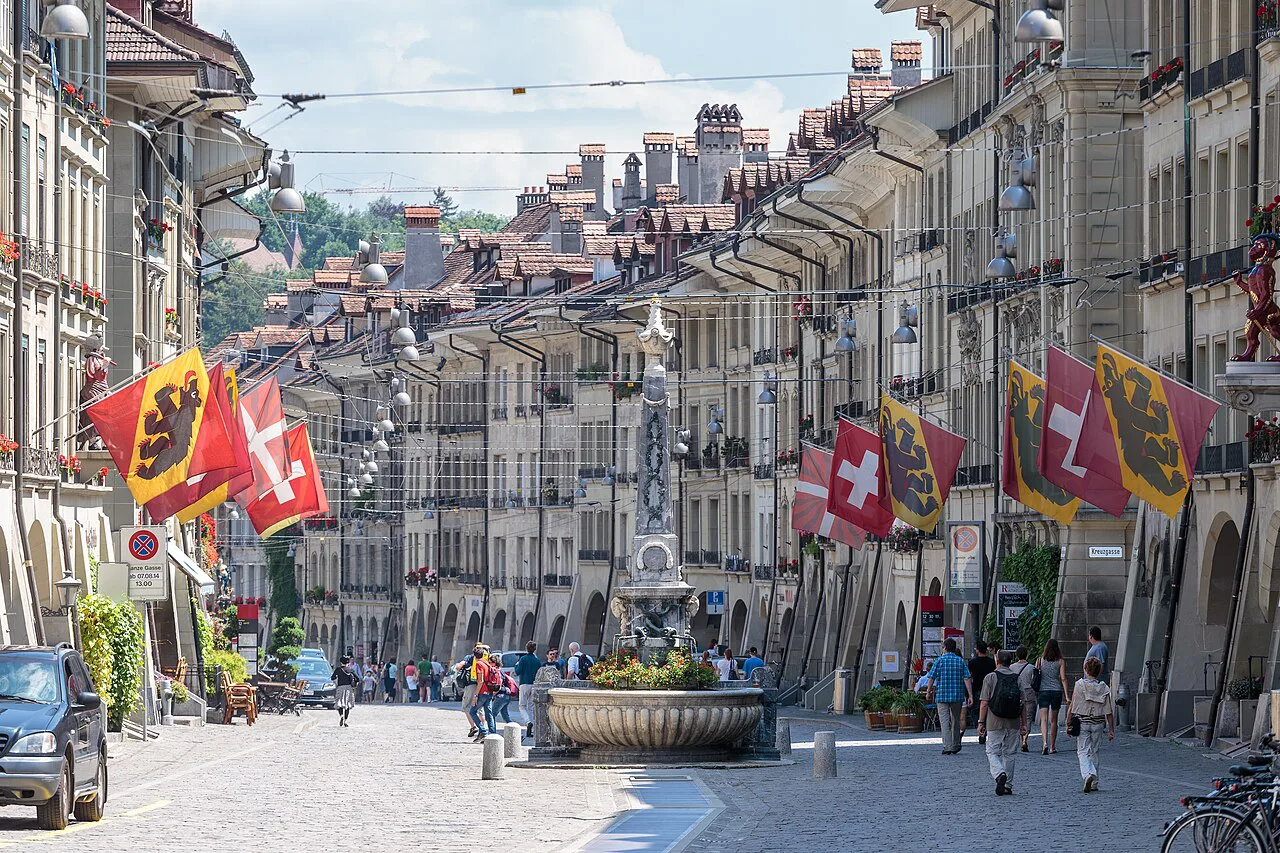
Kramgasse and Gerechtigkeitsgasse are the two long parallel streets of the old town, both lined with arcades and street fountains. Walking them is free and takes roughly 20 to 30 minutes at an unhurried pace; the arcades let you keep going when it rains, and the fountains give the street its rhythm.
Einsteinhaus at Kramgasse 49 is the flat where Albert Einstein lived with his family, restored in the style of the period. It is a small museum rather than a major sight, so check its current opening days and admission before you commit part of the day to it.
If you are in town on a Tuesday or Saturday, the area around Bundesplatz hosts a fruit and flower market, which adds a reason to time the walk rather than rush it. Later in the day, the same streets are mostly residents and shoppers, and the arcades stay open and lit.
Bundesplatz and the Bundeshaus: Dome, Fountains and the Bundesterrasse
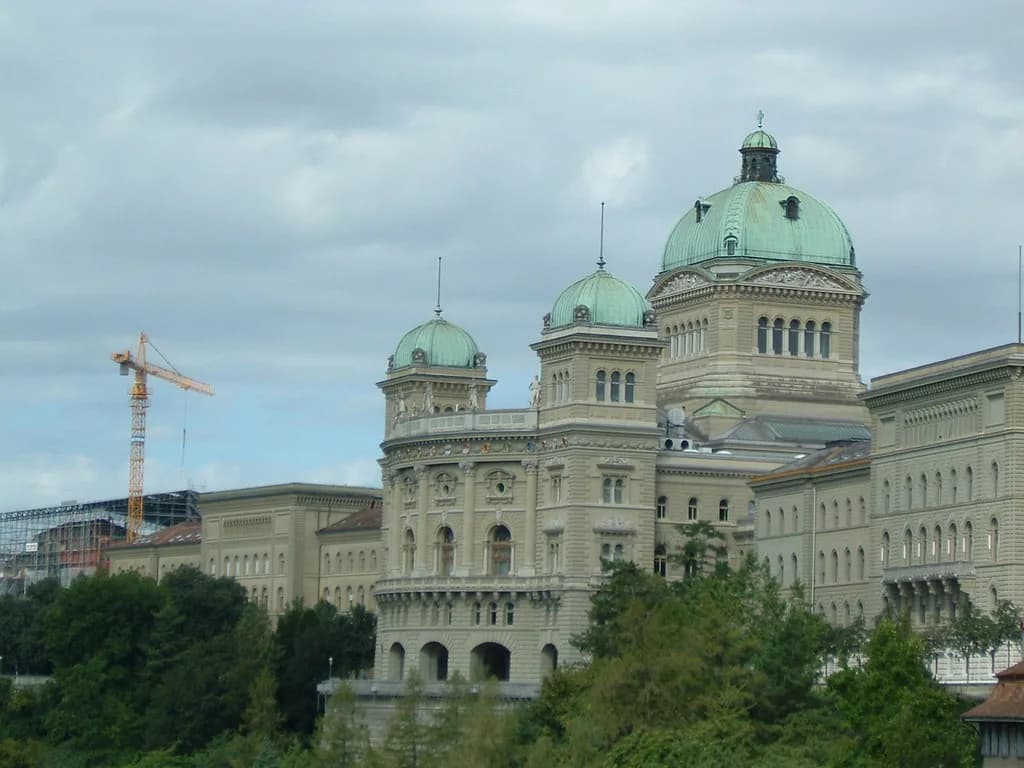
Bundesplatz is the open square in front of the Parliament Building, with the Bundeshaus behind it, built in the neo-Renaissance style between 1894 and 1902 and topped by a dome about 60 meters high. The square is the widest open space on the ridge and the natural pause in the middle of the walk.
The Bundeshaus is a working parliament, and guided tours of the council chambers run 45 to 60 minutes, taking in the domed hall, the National Council and Council of States chambers and the Wandelhalle. There are no regular guided tours while the councillors are in session, and tours can be booked about three days in advance through the Parliament's website.
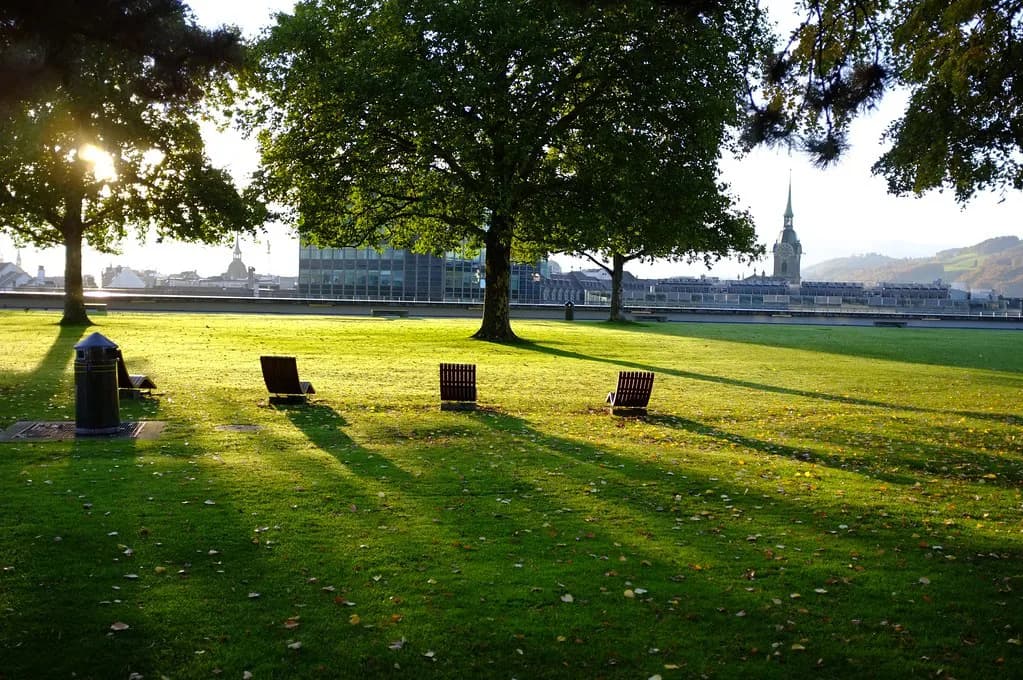
Behind the building, the Bundesterrasse promenade looks out over the Aare and, on clear days, to the Alps. It is the best free viewpoint in the old town and a sensible place to sit for ten minutes before continuing east.
Berner Münster and the Münsterplattform Terrace
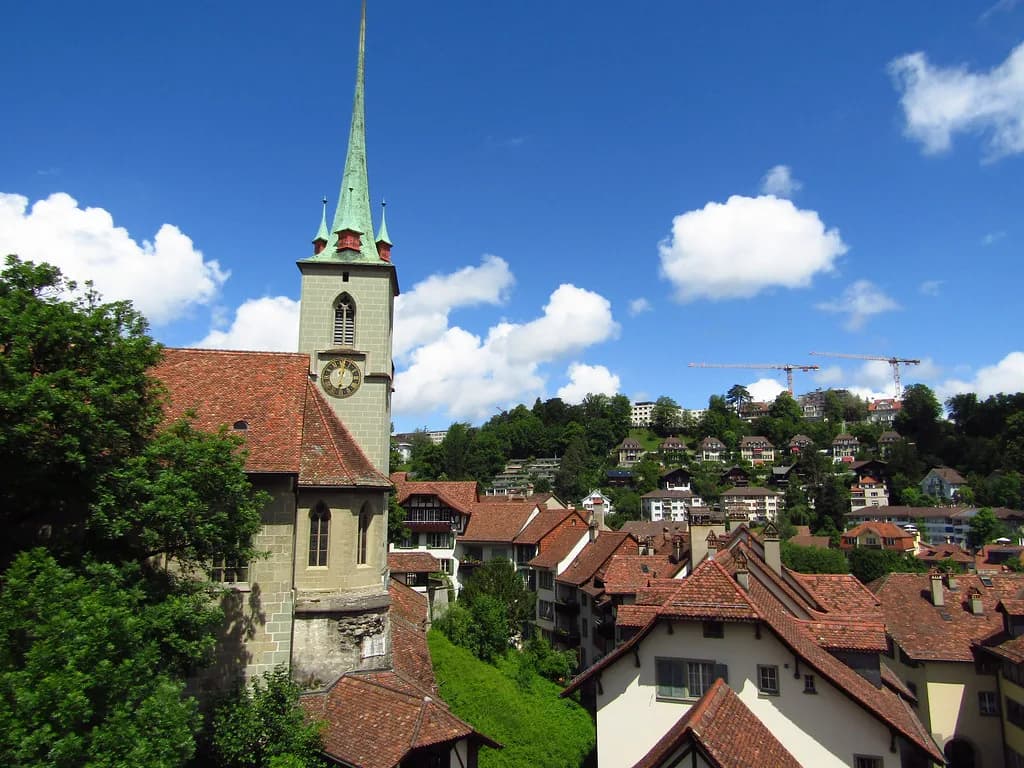
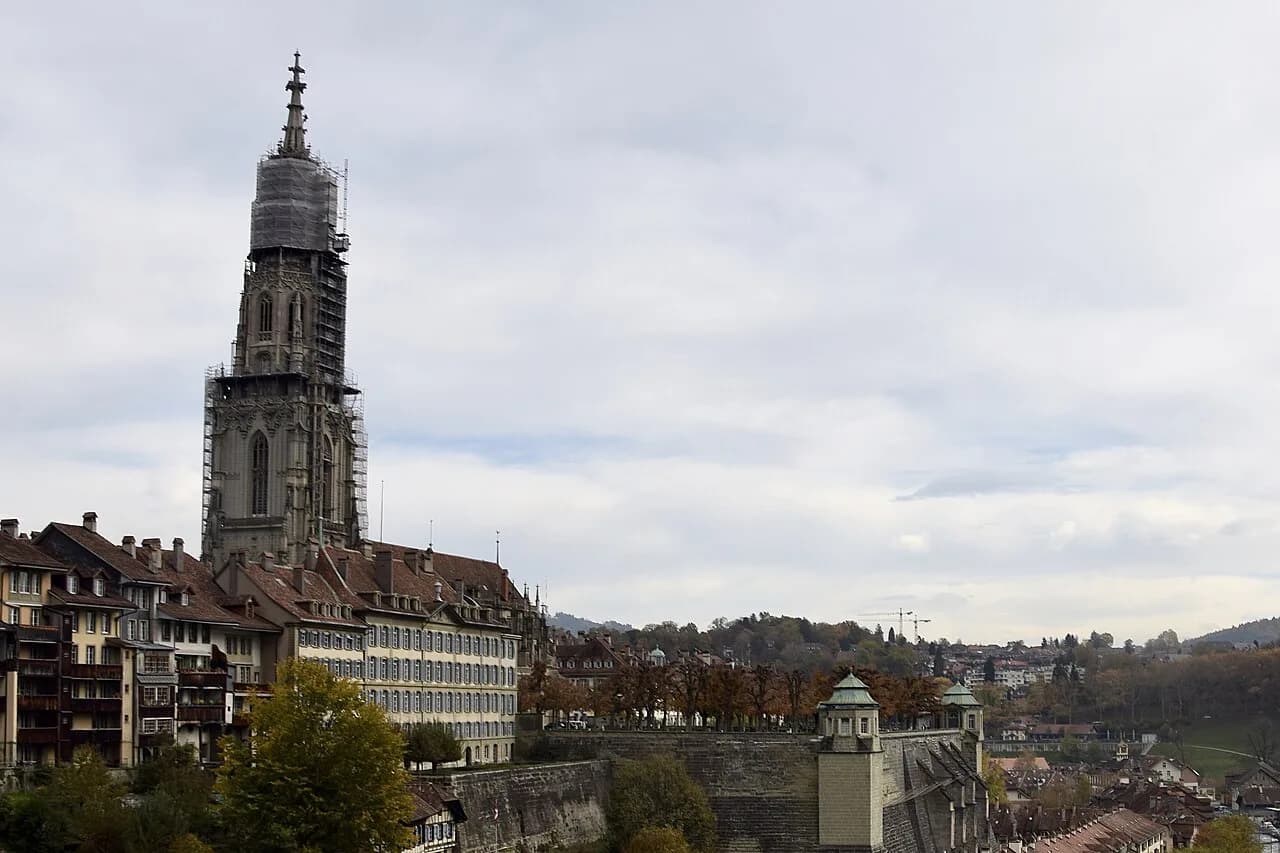
The Berner Münster is the Gothic cathedral on the ridge, its tower rising roughly 100 meters, and the building itself is free to enter. The tower can be climbed by a long stone stair of about 344 steps, with a small admission charge, so treat it as a separate decision from visiting the church.
Behind the Münster, the Münsterplattform is a terrace above the Aare with views across the river and, in good weather, to the Alps. It is free and open at any hour, and it is the calmest spot on the route on a warm afternoon.
The Nydeggbrücke and BärenPark at the Eastern End
Walking east from the Münster brings you down to the Nydeggbrücke, the bridge that carries the old town over to the eastern bank. Crossing it takes a few minutes and gives the best view back at the bridges, the rooftops and the river bend.
Just below, BärenPark is home to the city's brown bears on a slope above the Aare, and it has no entrance fee. The bears hibernate for a couple of months in late autumn and winter, so the park is worth visiting for the grounds even when the animals are not out.
Across the River: Kirchenfeld and the Museums Quarter
Stadtteil 4, Kirchenfeld–Schosshalde, is the district across the Aare from the old town and counts itself among Bern's most popular residential areas, with plenty of greenery and a concentration of museums and schools.
The Bernisches Historisches Museum at Helvetiaplatz is the anchor of the museum quarter, though the city has approved a full renovation with a planned construction period from mid-2027 to mid-2032, during which the old building will be closed while the large hall in the Kubus continues with a new exhibition on Bern's history. Over the vote on the city's contribution, expected in June 2026, the timetable could still move.
If you have a second day, the museums across the bridge make the strongest case for spending it here rather than re-walking the old town. Compare opening days and admission first, since that is the part of a Bern trip most likely to be reshuffled by a Monday.
Climbing to the Rosengarten for the Classic View
The Rosengarten is the park on the hillside above the eastern end of the old town, with more than 200 varieties of roses and a view over the rooftops and the river. It is free, and it is the classic photograph of Bern from above.
The climb is the one real exertion in this route, and it comes at the end, which is the right order. A bus from the city center runs up to the park if you would rather save your legs for the walk back down.
If you are collecting viewpoints, this is the one to build the day around, and it pairs naturally with a late-afternoon finish. Our guide to the Best Views in Bern covers the alternatives if the weather closes in on the ridge.
How Many Days the Old Town Needs: Half-Day vs Full-Day Plan
A half-day covers the linear walk: Zytglogge, Kramgasse and Gerechtigkeitsgasse, Bundesplatz and the Bundesterrasse, the Münster with its terrace, and the Nydeggbrücke. That is a relaxed three to four hours with stops, and it leaves the afternoon open.
A full day adds the Kirchenfeld museums, a Bundeshaus tour if the councils are not sitting, and the climb to the Rosengarten. The trade-off is straightforward: the old town is short on distance but rich in stops, so the second half-day buys depth rather than more ground.
Two days is comfortable if museums are the point of the trip, and a single day is enough to see the old town properly. Plan the sequence once and keep it linear; the only mistake worth avoiding is climbing to the Rosengarten in the middle and walking back down again.
When to Go: Seasons, Market Days and Daylight
Bern's ridge is walkable in any season, but daylight matters because the arcades shadow the streets in winter and the viewpoints need light. Spring and early autumn give the best balance of long days and comfortable walking temperatures.
Market days are a reason to pick a weekday deliberately: the fruit and flower market on Bundesplatz runs on Tuesdays and Saturdays. Build the walk around one of those mornings and you get the square at its liveliest.
Practical Trade-Offs: Crowds, Cobblestones and the Uphill
The old town's streets are cobbled, and the arcades make the walking easy but the surface uneven, so shoes matter more than distance. The ridge itself is flat from the Zytglogge to the Nydeggbrücke, which makes it manageable for most visitors.
Crowds concentrate on Kramgasse, the Münster terrace and Bundesplatz in the middle of the day. Start early at the Zytglogge and you get the arcades and the fountains largely to yourself before the shops open properly.
The one genuine cost is time on the hill to the Rosengarten; take the bus up if the climb does not appeal. Otherwise, budget the uphill for the end of the walk, when the view is the reward rather than a detour.
Plan Your Visit
Bern's Old Town rewards a single, well-ordered walk: west to east along the ridge, with the Zytglogge at the start and the Rosengarten above the finish. Most of what makes it memorable, from the arcades to the Münster terrace and the bear park, costs nothing at all.
Book a Bundeshaus tour ahead if you want to see the chambers, check the Historisches Museum's renovation timetable before planning a museum day, and keep one climb in reserve for the view. For the wider picture of the city beyond the Altstadt, our Bern Attractions: 8 Visitor Guides collects the individual sights in one place.
Explore more Bern guides
Frequently Asked Questions
Is Bern Old Town worth visiting?
Yes. The Old City is a UNESCO World Heritage Site, and the arcaded streets, fountains, Münster terrace and river views are concentrated in a compact ridge you can walk in half a day. It is the reason to come to Bern rather than pass through it.
How long does it take to walk Bern's old town?
The linear walk from the Zytglogge to the Nydeggbrücke takes roughly three to four hours with stops at the Bundesplatz, the Münster and the Bundesterrasse. Add an hour or two for the Rosengarten climb and a museum.
Which sights in Bern's old town are free?
The Old Town streets themselves, the Bundesterrasse viewpoint, the Münsterplattform terrace, BärenPark and the Rosengarten carry no entrance fee. The Münster tower climb and the Bundeshaus tour are the exceptions worth budgeting for.
Do you need a ticket for the Bundeshaus?
Guided tours of the Parliament Building run 45 to 60 minutes through the council chambers and the Wandelhalle, and they can be booked about three days ahead via the Parliament's website. There are no regular guided tours while the councils are in session.
When is the best time to walk Bern's old town?
Start in the morning at the Zytglogge, when the arcades are quiet and the light reaches the streets. Tuesdays and Saturdays add the fruit and flower market on Bundesplatz, and spring to early autumn gives the longest walking days.
Sources
Notes for your Swiss city break
Optional updates to our Swiss city guides.
You might also like
Continue reading
More guides you'll find useful