Is Chur Expensive? What a City Break Really Costs in CHF
Yes, Chur is expensive by US and UK standards, but the old town is free to explore and a Chur guest card cuts museum and cable car costs.
On this page
Yes, Chur is expensive by US, UK and Canadian standards, because almost everything here is priced in Swiss francs at Swiss wage levels. The good news is that the town's best free moments sit alongside the paid ones: wandering the car-free old town and stepping into the Cathedral of the Assumption cost nothing, while the gondola up to Brambrüesch can be discounted with the guest card your accommodation gives you. This guide puts concrete franc figures next to each decision so you can build a day that fits your budget.
Is Chur expensive? The short answer
Chur sits firmly in the expensive half of a Swiss city break: museum tickets, cable cars and restaurant lunches all carry Swiss price tags, and accommodation is not cheap anywhere in the country. What makes Chur manageable is the free layer — the whole old town is a pedestrian zone of alleys, squares, churches and street art that costs nothing to explore. Budget for one paid attraction a day and treat everything else as a walk. If you are weighing up the national picture, our guide to whether Switzerland is expensive breaks down real costs in CHF for a city break.
The biggest single lever is where you sleep, because an overnight stay in Chur accommodation qualifies you for the Guest Card Chur. Note that this card lists free entry to three cantonal museums and half-price rides on the Chur–Brambrüesch cableways; it does not cover the Bernina Express or Glacier Express. Ask your accommodation for the card at check-in rather than assuming it is automatic.
The costs you can actually control: a sample day in CHF
A realistic cheap day in Chur stacks up as a free morning in the old town, a museum or cathedral visit, a supermarket lunch and an afternoon viewpoint. The figures below come from a published Chur budget guide and reflect what that source reports; treat them as a planning baseline rather than a fixed tariff. Prices at the ticket desk are the ones that count on the day.
On those figures, the Graubünden Art Museum (Bündner Kunstmuseum) charges CHF 15 for adults and admits under-16s free, the Rhaetian Museum starts at CHF 6 for adults and CHF 4 for pensioners and students, and Urban Golf costs CHF 15 for nine holes with a CHF 10 cash deposit per person returned with the equipment. If you hold the guest card, the museum entries are listed as free and the cable car is discounted at 50% on the ascent and descent, so the card can wipe out most of a day's paid spend.
Free and low-cost sights in the old town
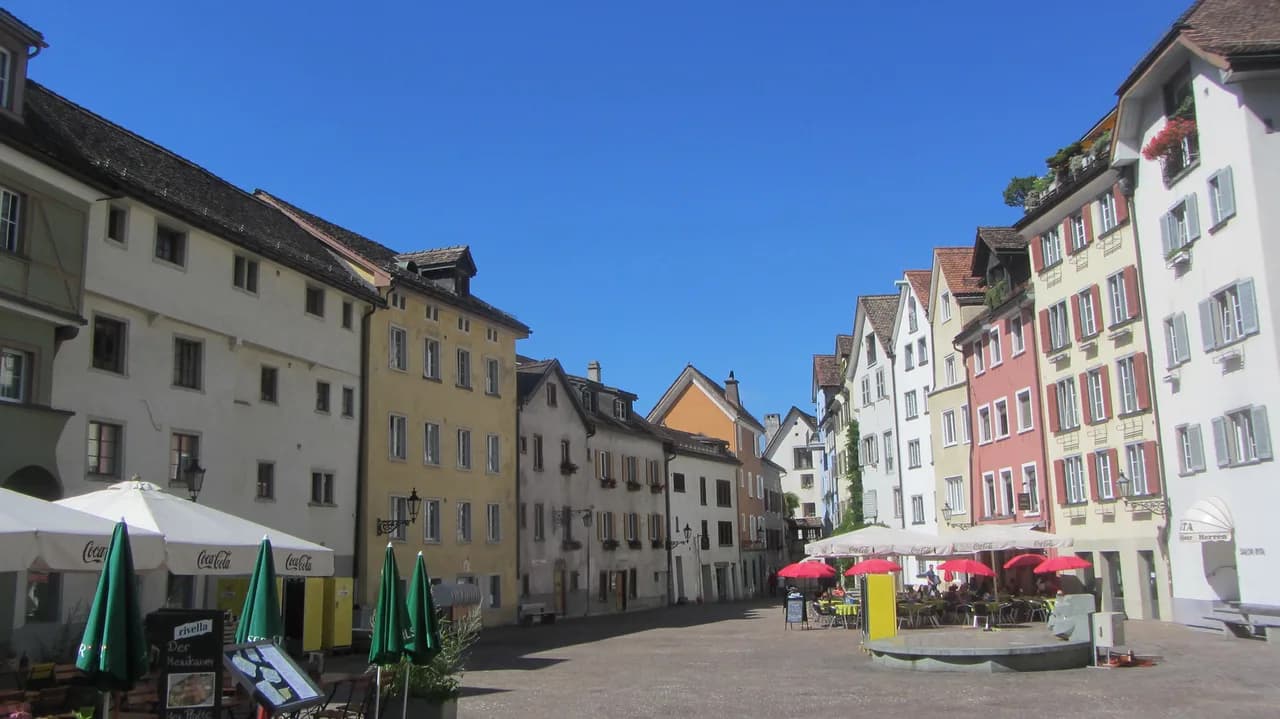
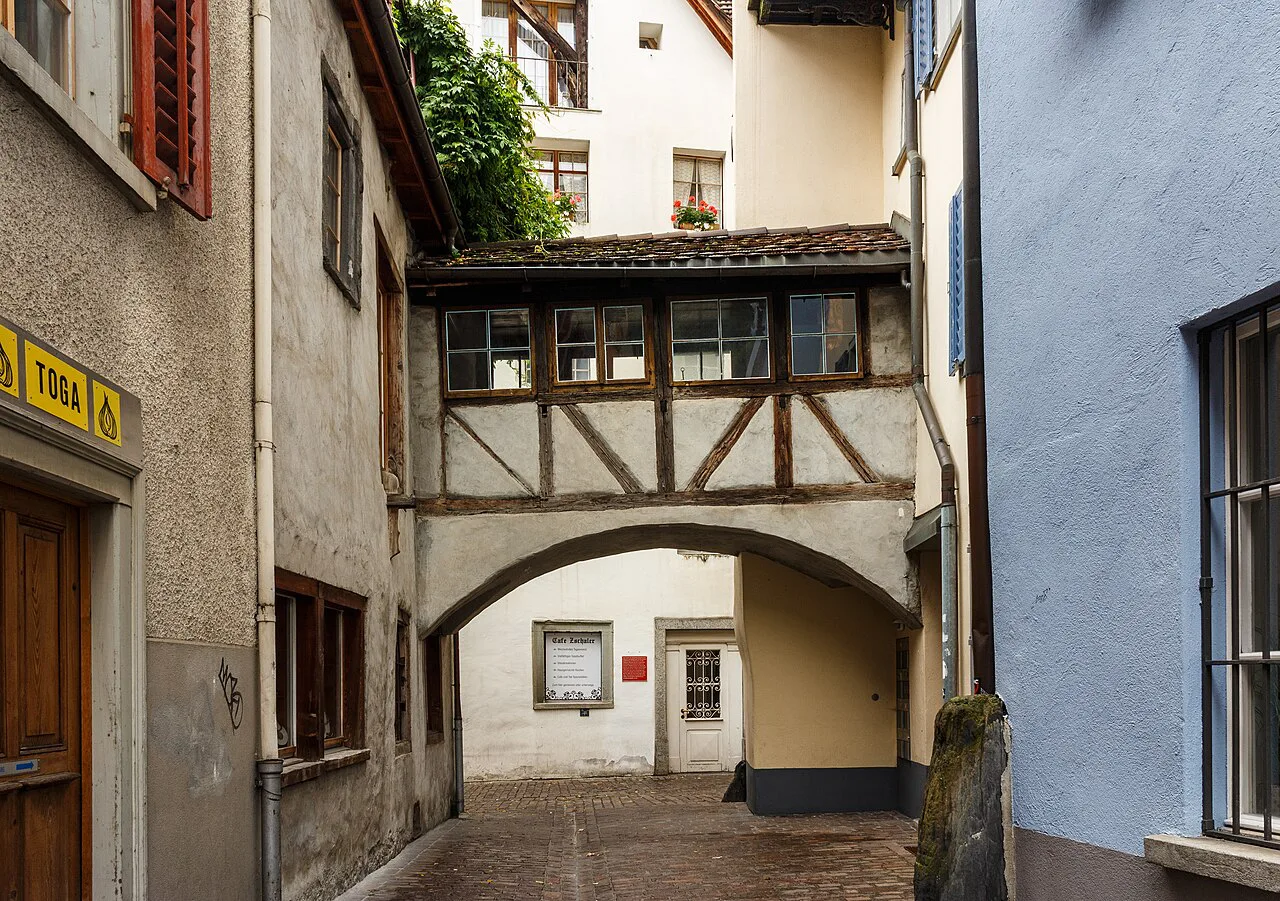
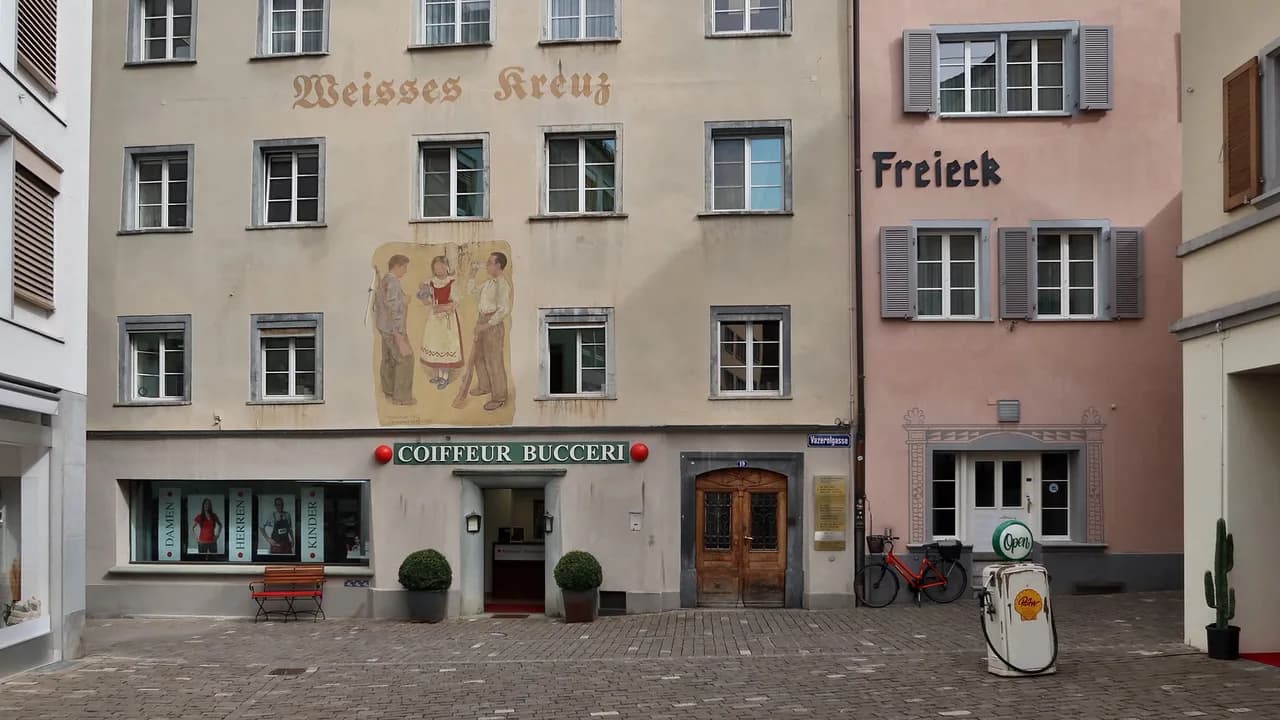
Chur Tourismus calls the town Switzerland's oldest city, and its car-free old town is where that history is easiest to enjoy for nothing. The lanes hold boutiques, cafés and galleries, and the compact layout means you can cover the core on foot in an afternoon without a ticket. Come with a rough loop in mind rather than a strict itinerary, and let the side alleys pull you in.
Street art is the other free draw: the budget guide points to large murals by the artist BANE, including work on the Mühleturm and a piece titled I Have a Dream painted with Pest. These are outdoor walls you pass on a walk, so they cost nothing and fit naturally into an old-town loop. The trade-off is that they are scattered, so plan a route rather than hunting one by one.
Museums: what a ticket costs and when the guest card covers it
Chur's museum cluster is small enough to split across a day, and the guest card is what makes it affordable. The card's listed museum benefits cover the Rhaetian Museum, the Graubünden Museum of Natural History and the Graubünden Art Museum, which together would otherwise be a sizeable chunk of a day's budget. Check what is on at each before you commit, since exhibitions rotate.
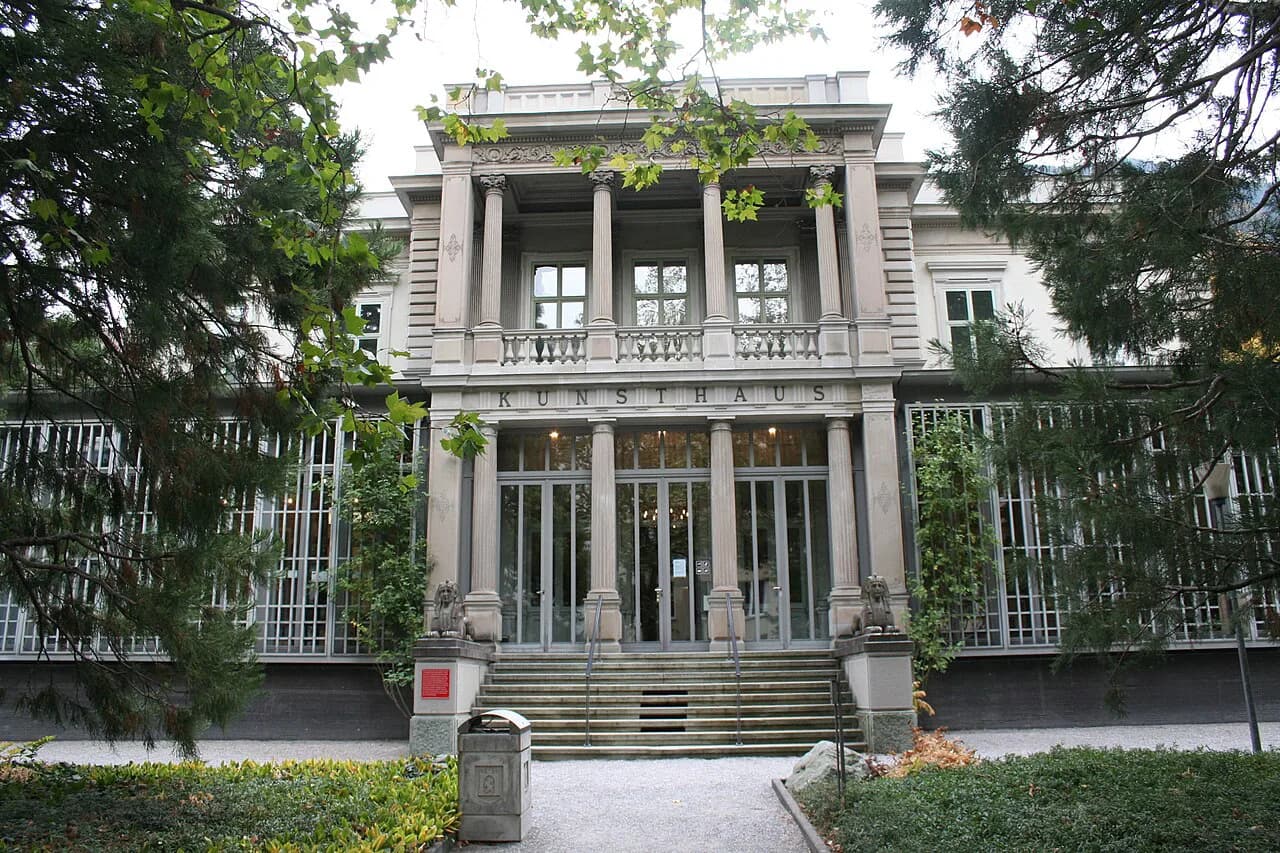
If you are paying cash, the Bündner Kunstmuseum is the priciest single ticket at CHF 15 for adults, while the Rhaetian Museum is the cheapest entry point at CHF 6. The art museum sits a short walk from the railway station and mixes the Villa Planta building with a modern extension, so it works well as a first or last stop of the day. Pick one museum if you only have a half-day in town.
The Cathedral of the Assumption: a free cultural monument above the old town
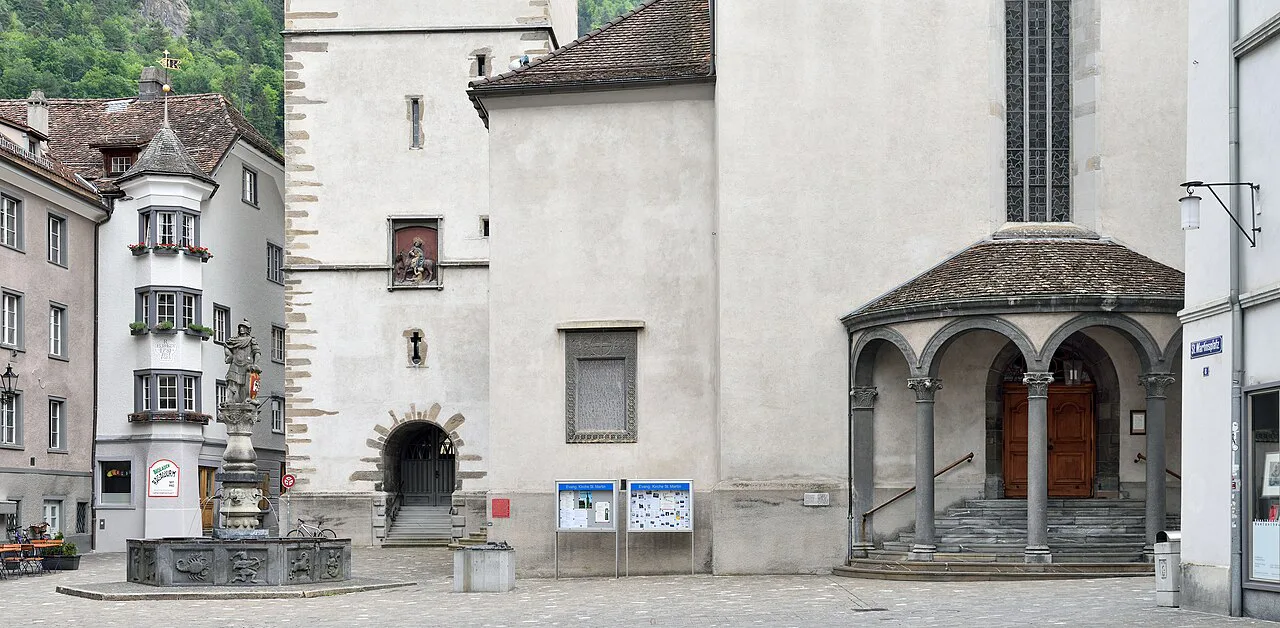
Above the old town, the Episcopal court holds the Cathedral of the Assumption, a building Chur Tourismus describes as one of Switzerland's most important cultural monuments. It was built between 1154 and 1270, and its late-Gothic high altar by Jakob Russ dates to 1492. It is the single best value sight in Chur for anyone watching their spend, sitting above the old town within a free walk of the lanes.
The approach is uphill, so give yourself time and comfortable shoes rather than rushing it between other stops. Pair the cathedral with the surrounding Episcopal court and then walk back down into the old town for a coffee. It is the sort of stop that costs only the walk.
Brambrüesch gondola: the one splurge that pays off
The Chur–Brambrüesch gondola leaves directly from the city centre and climbs to the local mountain, and the guest card lists half price on the ascent and descent. Without the card, this is your main optional spend of the trip, so decide before you set out whether the view is worth it to you. In summer the mountain also serves walkers and mountain bikers, and in winter it is a snow sports base.
Further up the valley, the budget guide reports the Pradaschier toboggan run at CHF 18 for adults, CHF 13 for ages 13 to 17 and CHF 9 for children under 13. It is a separate outing from the Brambrüesch ride, so price both before choosing. The toboggan is a fun add-on rather than a core Chur sight.
Urban Golf: a paid way to tour the old town
Urban Golf turns the old town into a nine-hole course and is one of the more unusual paid activities in Chur. According to the budget guide, the full nine holes cost CHF 15 for friends or family, take roughly two and a half to three hours, and require a CHF 10 cash deposit per person when you collect the clubs. Equipment is picked up at the tourist information office on Bahnhofstrasse.
The value depends on your group: for a family of four the cost per person is modest, but for a solo traveler it is a chunk of a day's budget for what is essentially a themed walk. The deposit matters — bring cash, since the guide specifies it. Book it as an activity, not a sightseeing shortcut.
If the price feels steep, the free alternative is simply walking the same squares and alleys. Use the golf map idea — pick a handful of landmarks and link them on foot. Our Chur Attractions guides cover the individual sights in more depth if you want to build your own route.
Food: where the money goes at lunch and dinner
Eating out is where a Chur day can quietly double in cost, because Swiss restaurant prices are high by US and UK standards. The budget guide lists examples such as a fixed-price two-course vegetarian lunch at CHF 16.30, an Indian lunch buffet from CHF 19.90 and a supermarket salad at CHF 8.50. These are illustrative figures from that source, not a menu, so check the current price at the counter.
The practical move is to make lunch your main meal and keep dinner light, or to self-cater from a supermarket. Breakfast at your accommodation plus a supermarket lunch leaves room in the budget for one proper dinner. Coffee and snacks add up across a day faster than most travelers expect.
Shopping and supermarkets: Coop at Quader Center for self-catering
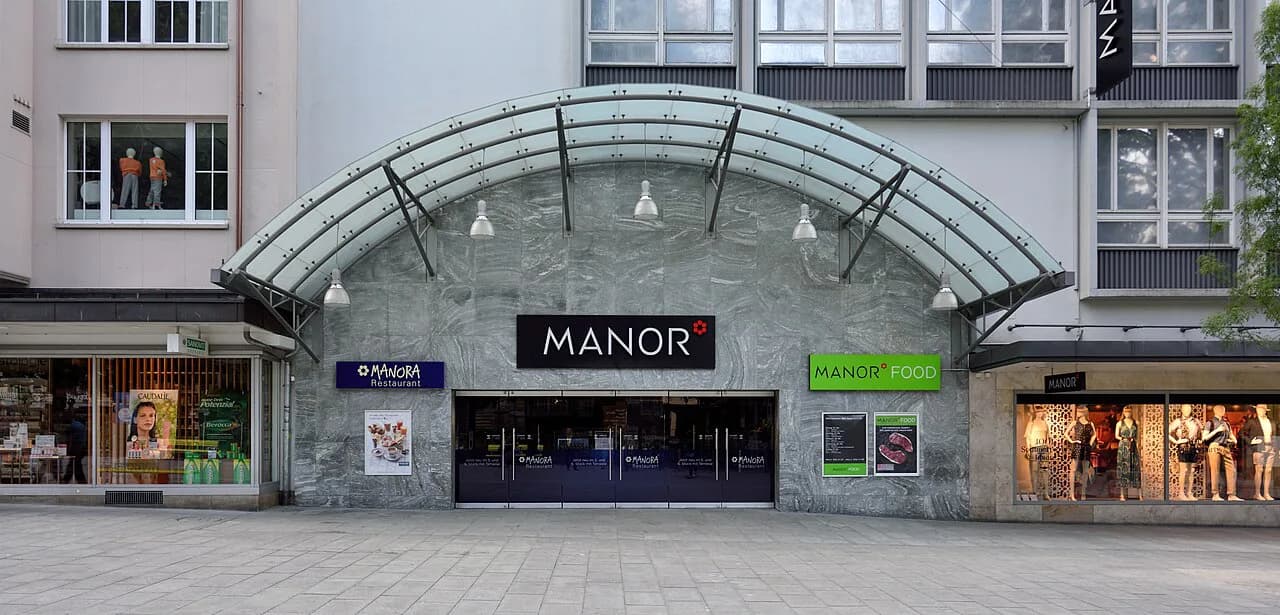
For self-catering, the Quader Center at Quaderstrasse 28 holds a large Coop supermarket, a Coop restaurant and seven other shops, according to Chur Tourismus — eight specialty stores and a restaurant in total. That makes it a practical stop for picnic supplies, water and breakfast items on the way into the old town. A supermarket lunch is one of the simplest ways to keep a Chur day affordable.
Boutique shopping in the old town is where budgets can slip, so decide in advance whether you are browsing or buying. Swiss retail prices are high, and souvenirs cost more than they do at home. If shopping is part of your trip, our shopping in Chur guide covers the options.
Getting around: walking is free, and what the guest card covers
Chur's centre is compact enough to walk end to end, so your transport budget can be close to zero for the old town itself. The guest card's listed benefits include free use of public transport in TransReno Zone 1 second class, with bikes and dogs excluded, and the card is valid after check-in. That covers local buses rather than long-distance trains.
The card's public transport benefit runs until 5 pm, and evening rides and rides on 1 August are excluded, so plan the day's errands around that cut-off. Walking the old town needs no ticket at all. Allow a comfortable half-day just to wander.
How to spend less in Chur: a practical checklist
Start by confirming your guest card at check-in, because it unlocks the museum entries and the cable car discount in one step. Then pick one paid museum at most and anchor the rest of the day around the free cathedral, old town and street art. Bring cash for the Urban Golf deposit if you plan to play.
For meals, use the Coop at Quader Center for lunch and save one restaurant meal for the evening. Avoid pricing your trip in euros or dollars and then converting at the table; the price you see in francs is the price you pay. That keeps the comparison honest.
Who Chur is a poor fit for, budget-wise
If your trip hinges on cheap restaurant meals and constant paid attractions, Chur will strain the budget, because the paid options are priced for Swiss wallets. Travelers who prefer shopping to walking, or who want a spa and lake day, will find less here that is free. Chur rewards people who are happy with a cathedral, a hillside and a long lunch.
Comparisons with Zürich are tempting but not settled by any source here, so judge Chur on its own numbers rather than on a city ranking. The honest picture is a small town with a big free layer and a handful of paid extras. Decide which of those you actually want before booking.
Plan Your Visit
Chur is expensive in the Swiss way, but it is not a place where you must pay to enjoy yourself. The car-free old town, the cathedral and the surrounding hillside are free, and the guest card trims the museum and cable car bills for anyone staying overnight. Build your budget around one paid attraction per day and you will find the town easier on the wallet than expected.
Explore more Chur guides
Frequently Asked Questions
Is Chur expensive to visit?
Yes, by US and UK standards, because prices are Swiss. The free layer is generous, however: the car-free old town, the Cathedral of the Assumption and the hillside around it cost nothing, so your daily spend is mostly accommodation, food and any paid attractions you choose.
How much does a day in Chur cost?
It depends on how many paid sights you add. Museum tickets and the Urban Golf course carry specific franc prices, but the biggest variable is food, where a supermarket lunch costs far less than a restaurant meal. Check the current prices at the ticket desk and the supermarket before you commit.
Are there free things to do in Chur?
Yes. The old town is a pedestrian zone of alleys, squares and street art that costs nothing to walk, and the Cathedral of the Assumption above the old town is free to enter. Walking between them is the cheapest way to fill a day.
Is the Chur Guest Card worth it?
For anyone staying overnight, the guest card's listed benefits include free entry to the cantonal museums, free local public transport in Zone 1 and half price on the Chur–Brambrüesch cableways. Those are savings if you plan to use them; confirm the current terms with your accommodation at check-in.
How much is the Brambrüesch cable car?
The cable car is one of Chur's main optional spends. If you hold the guest card, half price applies to the ascent and descent. Check the fare at the ticket office before you ride, since prices and conditions can change.
Do Chur museums cost money?
Yes unless you hold the guest card, which lists free entry to the Rhaetian Museum, the Graubünden Museum of Natural History and the Graubünden Art Museum. Without the card, the art museum is the priciest single ticket and the Rhaetian Museum the cheapest.
Sources
Notes for your Swiss city break
Optional updates to our Swiss city guides.
You might also like
Continue reading
More guides you'll find useful