Chur Old Town: What to See and How to Walk It
Chur Old Town is a car-free maze of lanes, squares and churches, with the cathedral on the hill above. Here is what to see and how to walk it.
On this page
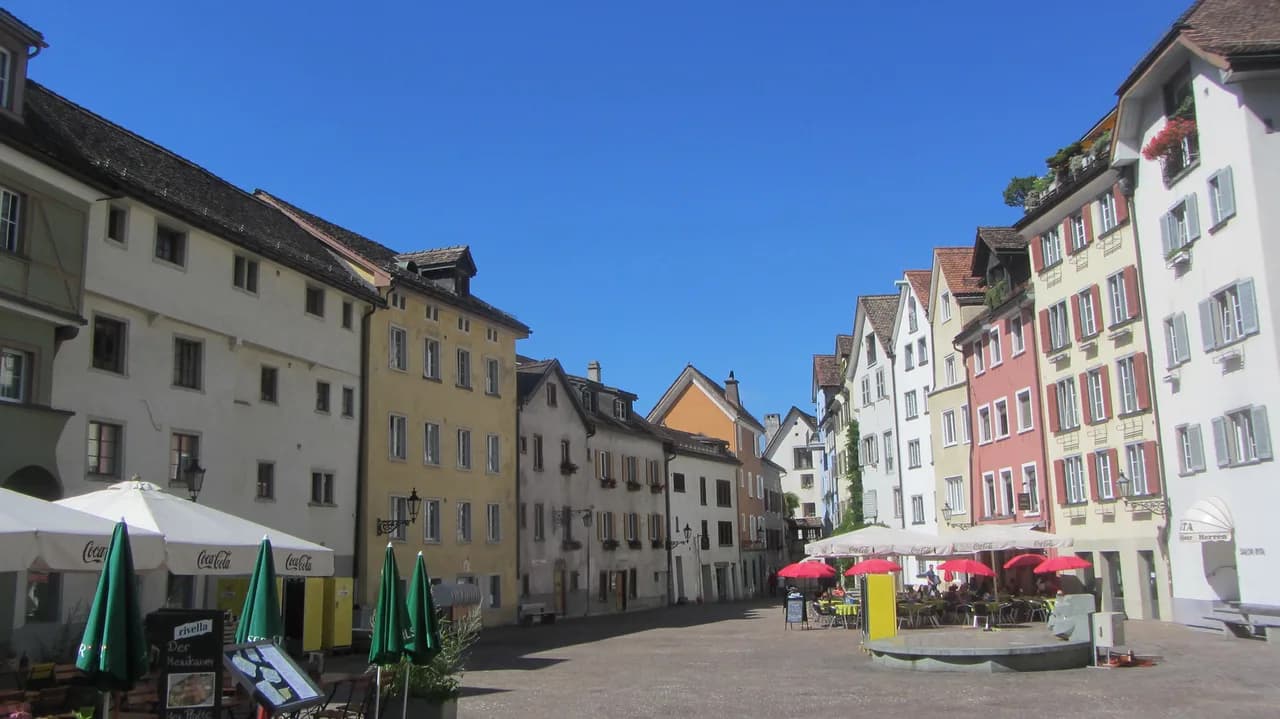
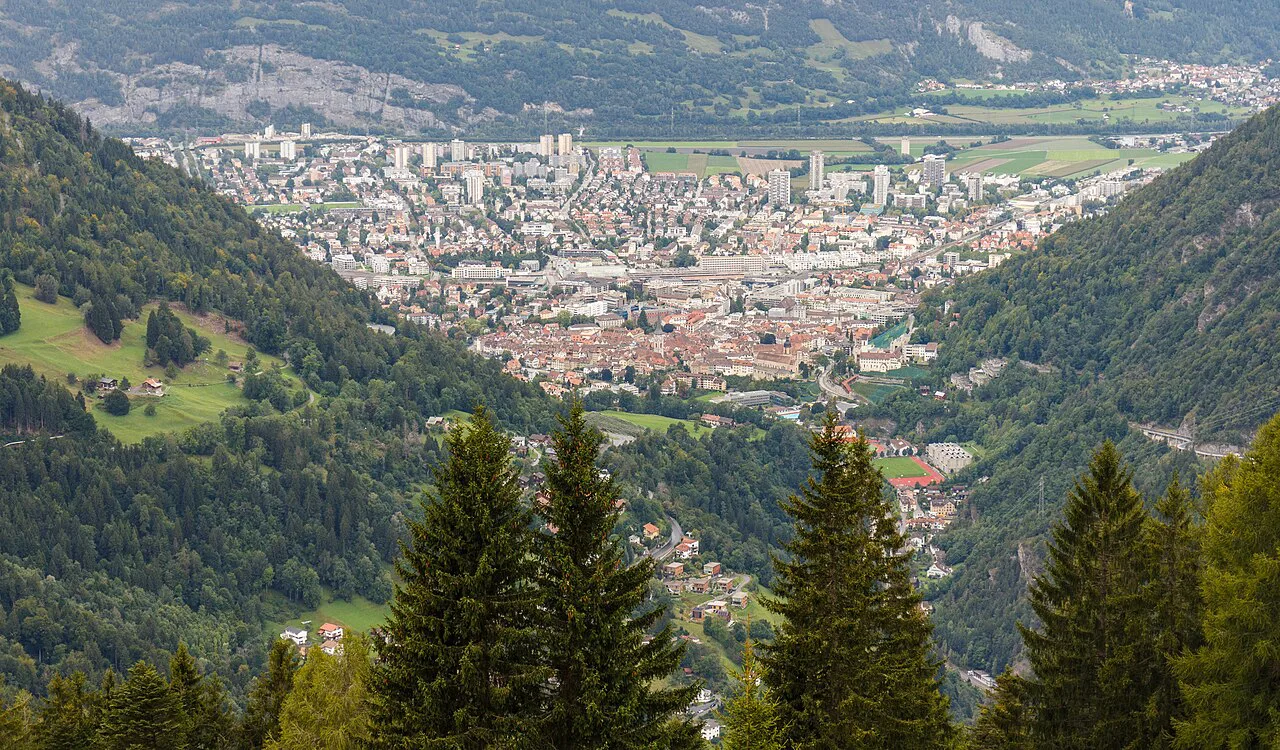
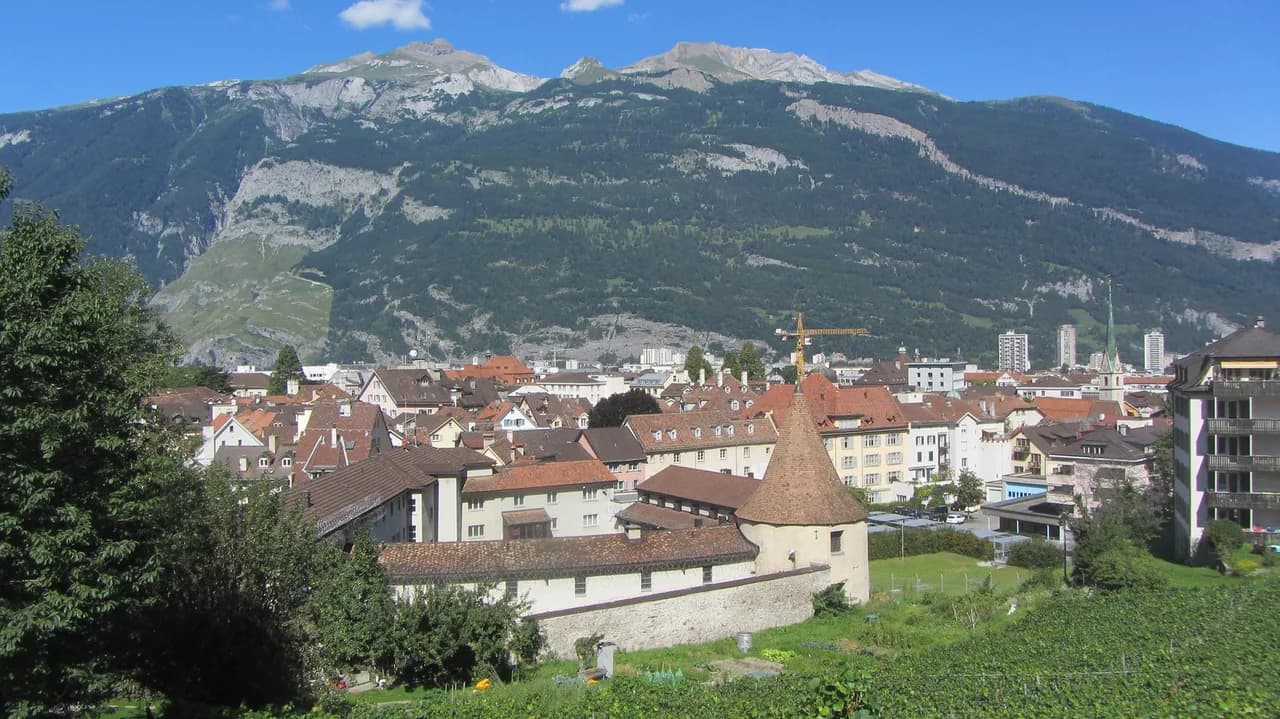
Chur Old Town is the reason to give Switzerland's oldest city a full day rather than a platform change. The historic center is car-free, filled with boutiques, restaurants, bars, museums and galleries, and the mountains stand directly behind the rooftops.
The old town is compact enough to cross on foot in an afternoon, but the single real climb, up to the episcopal court and the cathedral, is what gives the walk its shape. Plan the day around that ascent and the rest unrolls downhill.
Why Chur Old Town Is Worth Your Time
Chur markets itself as Switzerland's oldest city and builds its identity on the contrast between Alpine tradition and an urban cultural scene. That combination is what you feel in the old town: painted facades and quiet lanes on one side, a working theater, galleries and a busy cafe culture on the other.
The historic center is pedestrianized, so the walking is easy and the noise is low; you hear fountains and footsteps rather than traffic. Set against the backdrop of the surrounding mountains, the old town is the part of Chur most visitors remember, and it costs nothing to wander.
If you are weighing up whether the city deserves a stop at all, the honest answer is that the old town suits travelers who like churches, small museums and slow lanes more than those chasing big-ticket sights. Our guide to whether Chur is worth visiting lays out who it fits and who should pass through.
How the Old Town Is Laid Out
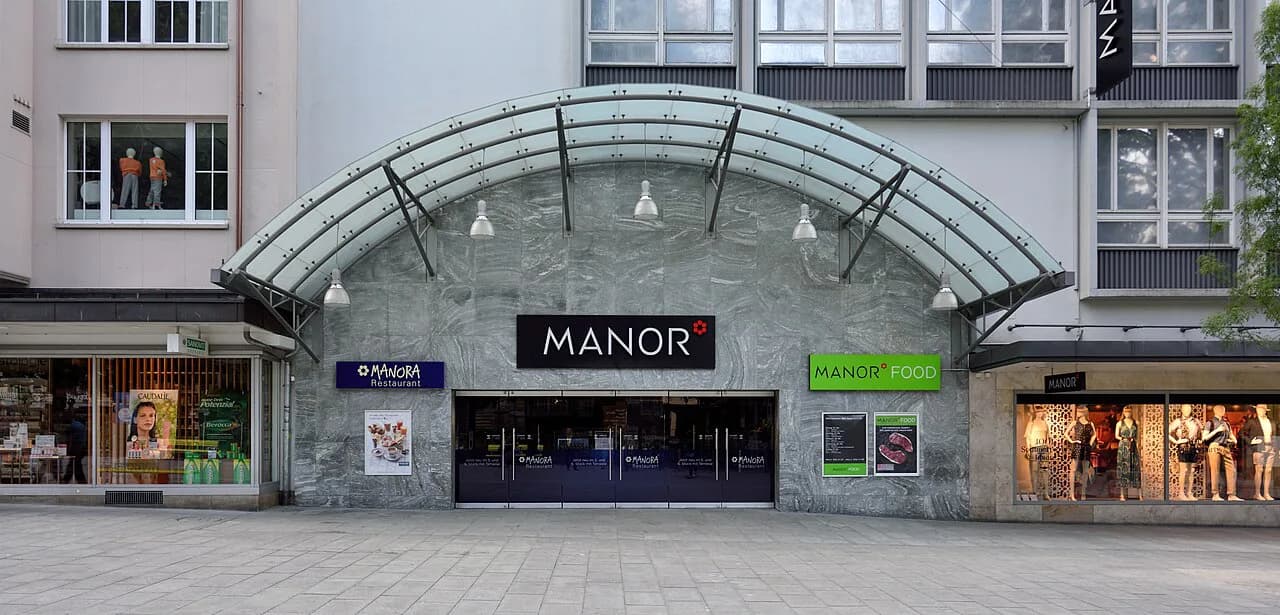
Think of Chur in two tiers. The lower tier is the shopping and station side around Bahnhofstrasse, where the tourist information office sits at number 32 and the Manor department store entrance is close by. The upper tier is the old town itself, a knot of lanes and small squares that opens onto the episcopal court, the raised terrace holding the cathedral and the bishop's palace.
The episcopal court sits above the old town, which means the lanes below are connected to it by short, steep climbs rather than long approach roads. Because the whole district is car-free, you never need a bus or tram inside it; walking is the only way to see the squares and passages properly.
If you want the old town folded into a wider plan for the city, our collection of things to do in chur covers the surrounding sights and how they connect to these lanes.
A Walking Route Through the Old Town
Start at Bahnhofstrasse, pick up a city map at the tourist information office, and walk uphill into the pedestrian lanes rather than following the road around. The streets bend and fork, so treat the first half hour as orientation: pick a church spire or the cathedral tower as your landmark and drift toward it.
Work upward through the lanes and small squares to the episcopal court, which is the high point of both the walk and the view. Allow a good stretch of time here for the cathedral and the terrace, then descend through different lanes rather than retracing your steps, so you see two sides of the district in one loop.
A gentle half day covers the lanes, the cathedral and one museum without rushing. Add a second museum or the gondola up to Brambrüesch and the day fills comfortably, which is why most visitors find one full day in the old town enough and two days generous but pleasant.
Guided walking tours of the old town are sold in Chur, typically running around two hours and covering the historic center with a guide. They are useful if you want the history narrated rather than read, though the self-guided loop costs nothing and sets its own pace.
The Cathedral of the Assumption
The Cathedral of the Assumption dominates the episcopal court and ranks among Switzerland's most important cultural monuments. Construction of the present building ran from 1150 to 1272, with influences from several major cultures drawn in along the trade routes that passed through Chur; earlier cathedrals stood on the same spot, possibly from the fifth century.
Look for the late Gothic high altar carved by Jakob Russ in 1492, which glows gold against the stone, along with the carved choir and the Romanesque carvings on the column bases and capitals. The arched window on the central axis is described as arguably the largest medieval window in Graubünden, and the main portal is framed by six slender columns under colored archways.
A full restoration finished in 2007, and the building is still an active Catholic church rather than a museum piece. Visit it as a place of worship and confirm entry arrangements with the tourist information office at Bahnhofstrasse 32 before planning around a specific entry time.
Lanes and Squares to Wander
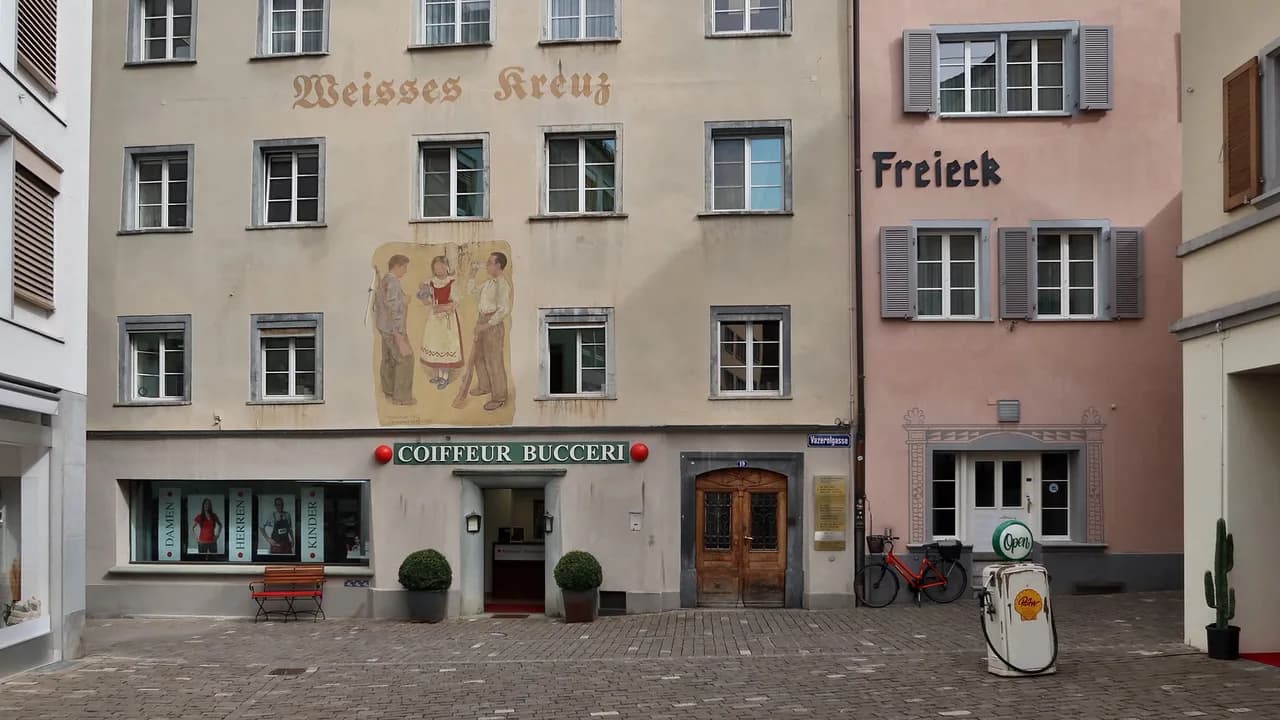
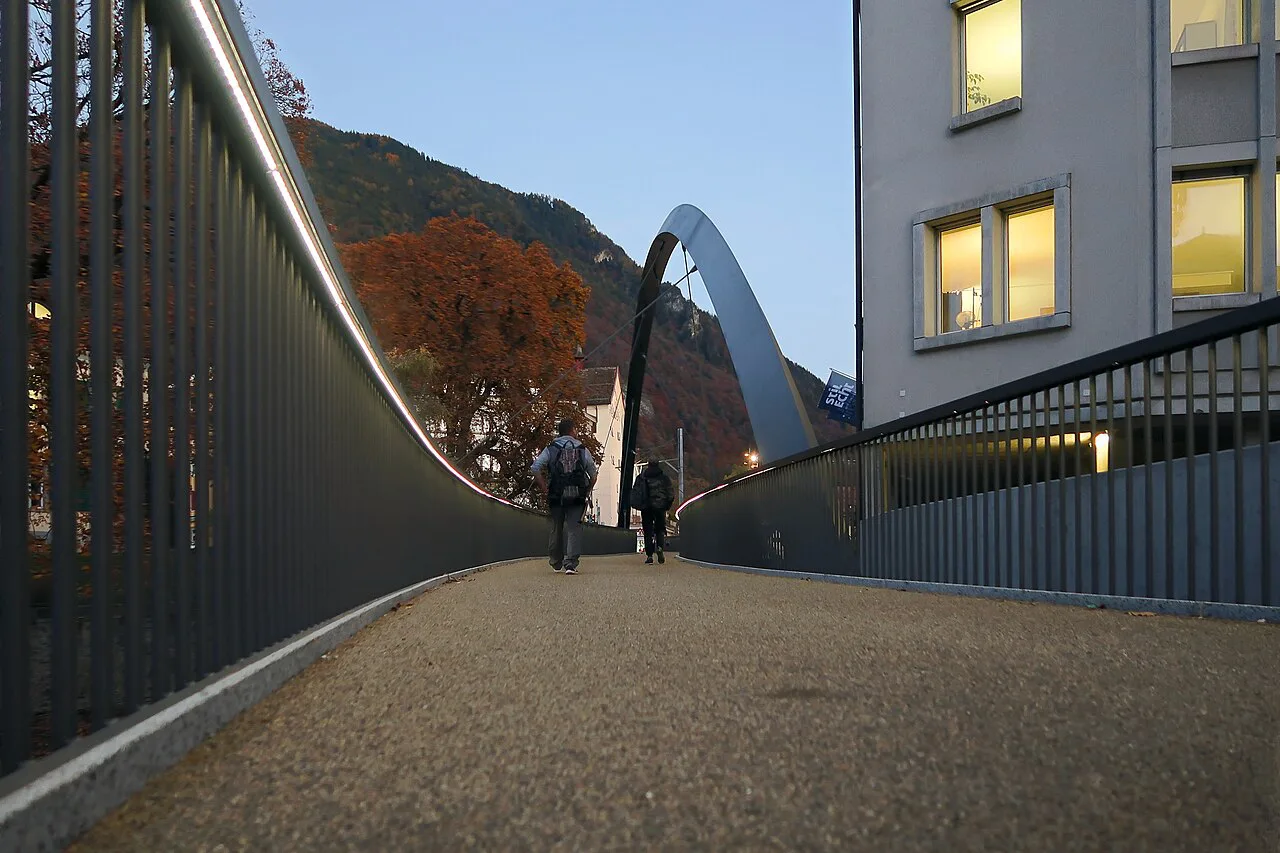
Between the cathedral and the station side, the old town is a network of narrow streets and small plazas lined with boutiques, galleries, cafes and fountains. The pleasure here is unhurried: look up at the painted facades, duck into courtyards, and note the clock tower of St. Martin's Church, whose white tower and pointed black spire make it the easiest landmark to steer by in the center.
St. Martin's carries three stained-glass windows by Augusto Giacometti depicting scenes from the Christmas story, added long after the Gothic rebuild that followed a fire in 1464. The church tower offers a view over the old town and its surroundings, worth the climb if you want a rooftop perspective without leaving the center.
For a break from churches, the Quader Center shopping mall at Quaderstrasse 28 holds a large Coop supermarket, a Coop restaurant and seven other shops, which makes it a practical stop for a self-catered lunch. Our guide to shopping in chur covers the old-town boutiques and the practical options in more detail.
Museums Inside and Beside the Old Town
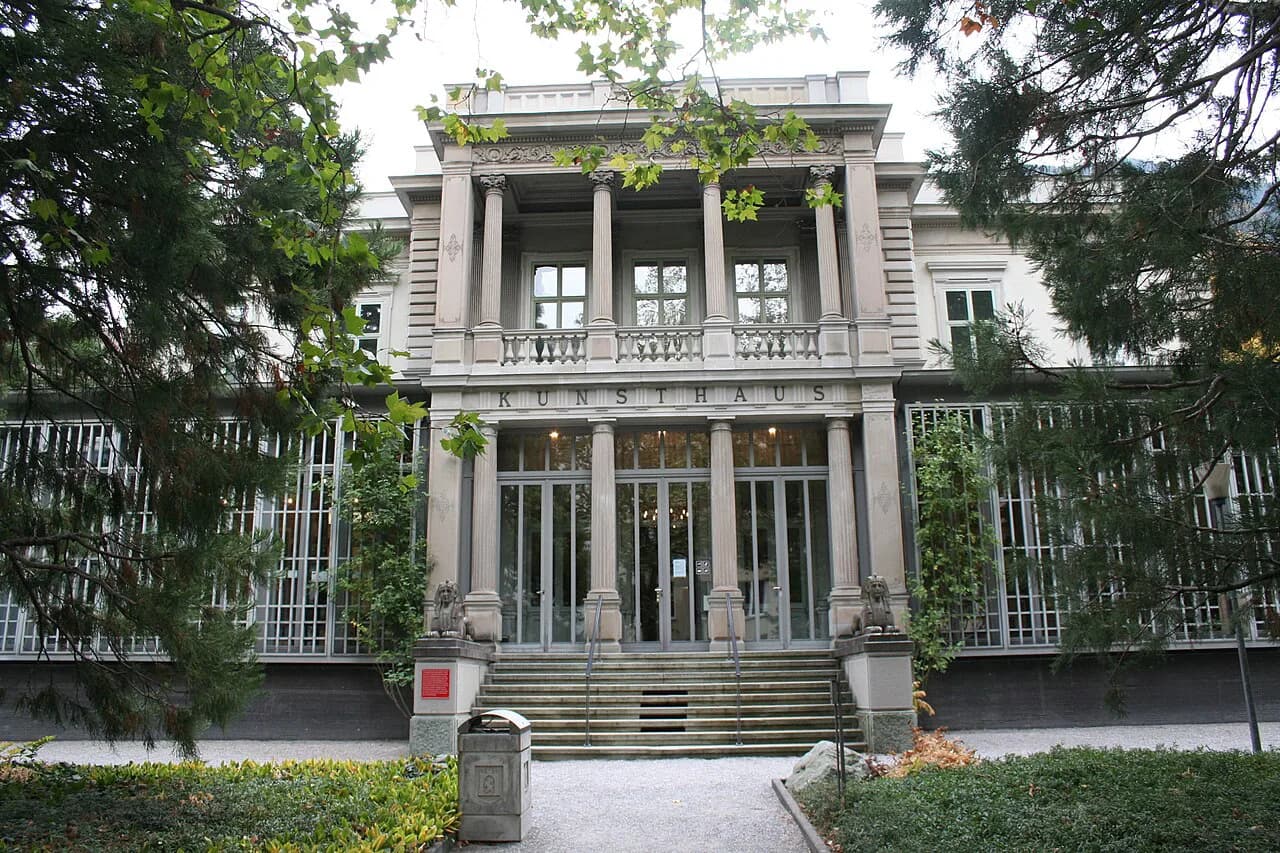
Three museums cluster close to the lanes and give the old town its indoor half. The Rhaetian Museum, housed in a Baroque building from 1675, spreads the history and culture of Graubünden across four floors; the Bündner Kunstmuseum lives in the Villa Planta with a modern extension and covers more than three centuries of art with a strong contemporary streak; and the Graubünden Museum of Natural History rounds out the trio.
The Rhaetian Museum runs a children's trail where a key from the ticket desk opens boxes in each room for young visitors, and it is mostly wheelchair accessible. The Bündner Kunstmuseum sits about a two-minute walk from the railway station, which makes it an easy first or last stop around the walk.
Admission has been reported at CHF 6 for adults at the Rhaetian Museum and CHF 15 for adults at the Bündner Kunstmuseum, with under-16s free at both, though these figures come from a 2023 visitor account and should be confirmed at the door. Our guide to museums in chur sets out the collections and how they fit a single day.
Street Art and Murals
Chur's street art is part of the old-town walk rather than a separate trip. The artist Bane, who works at large scale, has left murals across the city, and the works on the Mühleturm tower are described as the largest mural painting in Switzerland, so the tower itself is worth seeking out on your loop.
Another large mural, painted with the artist Pest, is titled I have a dream, and both pieces reward a slow look rather than a photo stop. Keep an eye on blank walls and underpasses as you move between the lanes and the court; the murals sit in ordinary parts of the city and are free to see.
Brambrüesch: the Gondola From the City Centre
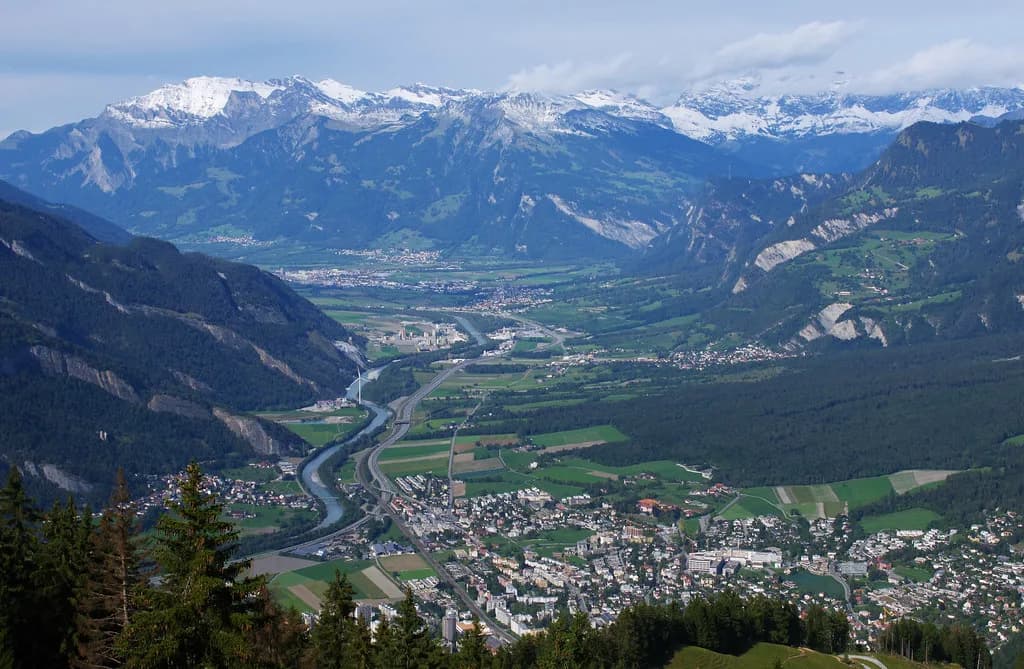
The local mountain, Brambrüesch, is reached directly from the city center by gondola, which makes it the one mountain excursion that fits around an old-town morning. Ride up for the panorama over the Rhine valley and the peaks around Arosa, the Schanfigg and Lenzerheide, then come back down to the lanes.
Hikers use Brambrüesch as a starting point for longer routes, which is a separate day out from this walk; our chur cable car guide covers the lift details. The practical point for an old-town visit is that the gondola base is in the city itself, so you can combine both without a car or a train ride.
What It Costs and How the Guest Card Changes the Math
The lanes, the squares, the cathedral exterior and the street art are free, so the old town can be done on foot for nothing beyond coffee. Paid extras are the museums, the gondola and the Urban Golf game, in which you hire clubs and a soft ball from the tourist information office and play nine holes spread through the alleys and plazas of the old town.
Urban Golf has been priced at CHF 15 for the full nine holes, with a CHF 10 per-person cash deposit returned when the equipment comes back, and it takes roughly 2.5 to 3 hours to play. Those figures come from a 2023 visitor account, so treat them as indicative rather than current.
The Guest Card Chur, issued to guests staying overnight in Chur, is the single best money-saver for this walk. Its listed benefits include free entry to the Rhaetian Museum, the Graubünden Museum of Natural History and the Graubünden Art Museum, 50 percent off the ascent and descent on the Chur-Brambrüesch cableways, and free use of public transport in Zone 1 of the TransReno network, valid after check-in through 5 pm and excluding the Bernina Express, Glacier Express and rides on 1 August.
The trade-off is simple: if you are staying at least one night and plan to visit two museums or ride the gondola, the card effectively pays you back, while a day-tripper from Zürich gets none of it. For a broader breakdown of what a stay costs, our is chur expensive guide works through the numbers.
One Day or Two?
One full day is enough for a first visit: a morning on the lanes and at the cathedral, a museum or two in the afternoon, and an hour at the end for the gondola or a second church. The old town is small and flat apart from the climb to the court, so you will not spend time in transit.
A second day makes sense if you want both museums in depth, the gondola, and an unhurried cafe stop without watching the clock. Beyond that, the old town's compact scale means extra days are better spent on the mountains than on more lanes.
Practical Notes for Your Visit
Chur Tourismus runs the tourist information office at Bahnhofstrasse 32, where you can collect maps and brochures and ask about the guest card. The office is the natural first stop on arrival and the place to pick up Urban Golf equipment.
Chur also works as a comparison point if you are planning several Swiss cities; our basel old town and bern old town guides show how their medieval cores differ in scale and character. If you want the full set of Chur sights in one place, start with Chur Attractions.
Frequently Asked Questions
What can you see in Chur Old Town?
The car-free historic center holds lanes, small squares, fountains, boutiques and galleries, plus the episcopal court above it. The Cathedral of the Assumption stands on that raised terrace, built between 1150 and 1272 and holding a late Gothic high altar by Jakob Russ. St. Martin's Church, with three stained-glass windows by Augusto Giacometti, is the easiest landmark to steer by in the center.
Is Chur Old Town worth visiting?
It suits travelers who like churches, small museums and slow lanes more than those chasing big-ticket sights. The historic center is car-free and the mountains stand directly behind the rooftops, so an afternoon on foot covers a lot. Anyone staying overnight also gets the listed Guest Card Chur museum benefits.
How long does it take to walk Chur Old Town?
A gentle half day covers the lanes, the cathedral and one museum without rushing. Add a second museum or the gondola up to Brambrüesch and the day fills comfortably. The climb to the episcopal court is the one real effort, and the district is small enough that you never spend time in transit.
Do you need a ticket to enter Chur Cathedral?
No admission price is published for the Cathedral of the Assumption, and it operates as an active Catholic church rather than a museum. Visit it as a place of worship and confirm entry arrangements with the tourist information office on Bahnhofstrasse 32 before planning a day around a specific time.
Sources
Notes for your Swiss city break
Optional updates to our Swiss city guides.
You might also like

Continue reading
More guides you'll find useful