Things to Do in Chur, Switzerland: Pick Your Perfect Day
Plan a Chur city break with old town lanes, the cathedral, museums, the Haldenhüttli view, CHF ticket prices and Guest Card savings.
On this page
Chur is worth more than the hour between trains. Switzerland's oldest city stacks five thousand years of settlement into a walkable old town of lanes, towers and painted fountains, with a cathedral hill and vineyards rising straight behind it. The Bernina Express leaves from here, but the city itself fills a day comfortably and two days without rushing.
This guide groups the sights by where they sit on the map, so you climb once to the cathedral and the viewpoint instead of backtracking uphill twice. Prices are in Swiss francs, and the money question is settled early: anyone staying overnight in Chur qualifies for the Guest Card Chur, which changes what the museums cost.
Why Chur Earns a Stay, Not Just a Train Connection
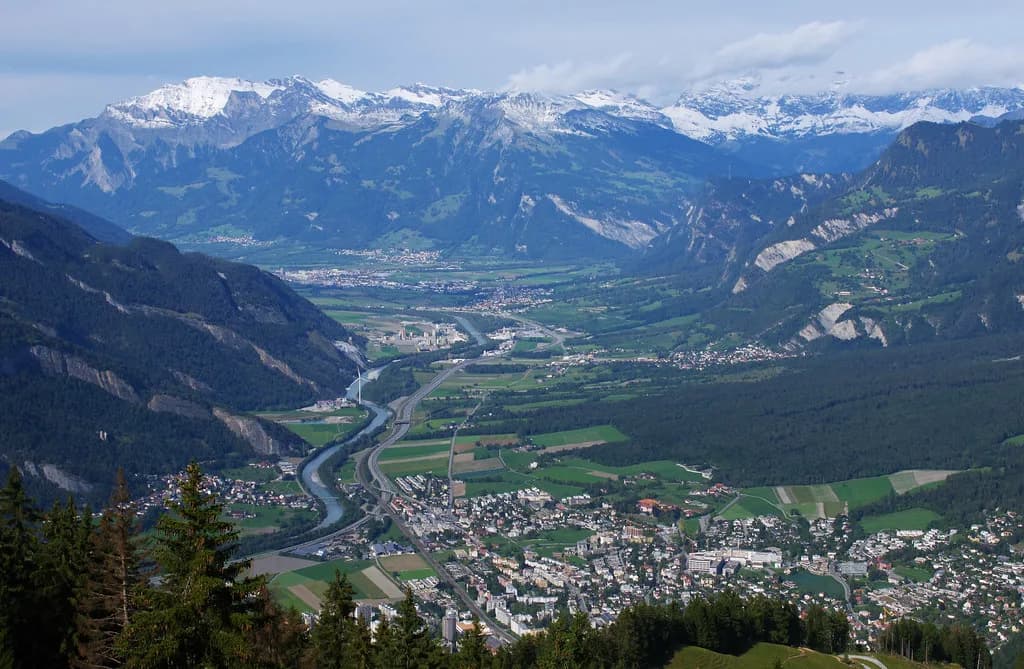
Chur sits in the Graubünden canton on the Rhine valley floor, about an hour and a quarter from Zürich by train, and it is the launch point for scenic rail journeys toward Tirano and Zermatt. The alpine setting is real rather than decorative: vineyards creep up the slopes behind the old town and snow-capped peaks frame the streets. Treat the rail trips as a reason to arrive a day early, not as the whole visit.
How Chur Is Laid Out: Old Town Lanes, Cathedral Hill and the Vineyard Walk
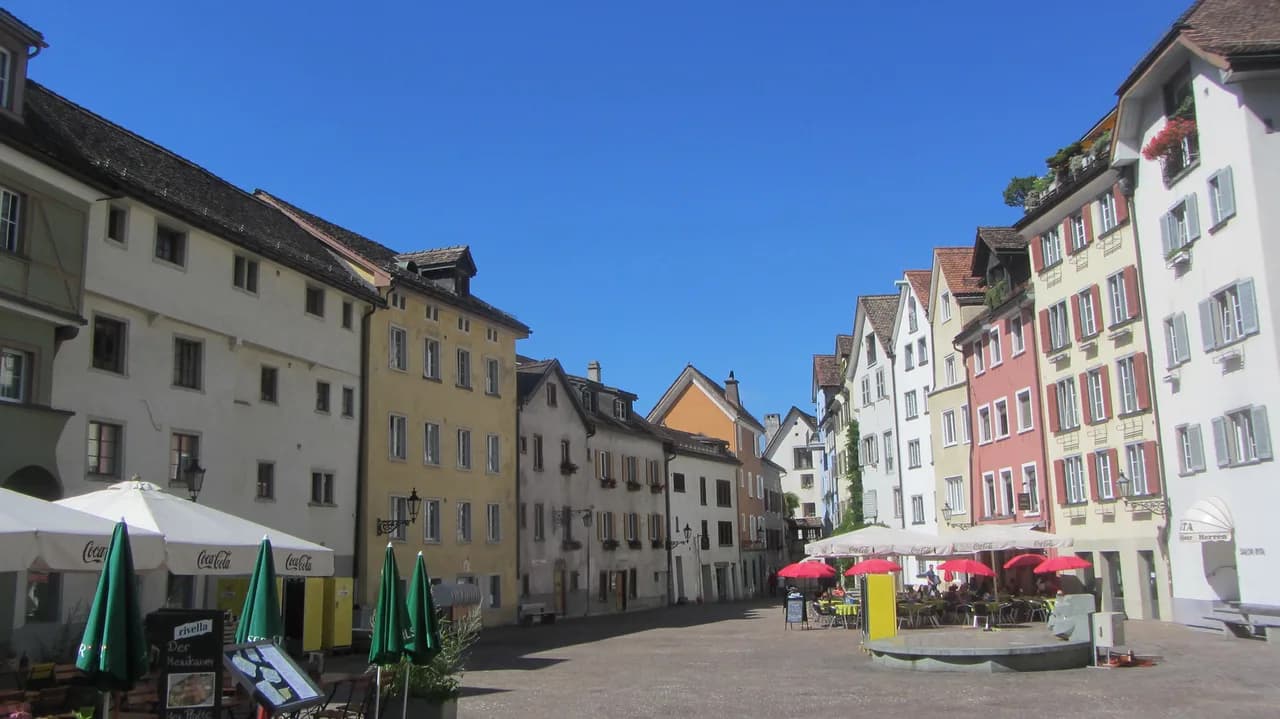
Almost everything a visitor wants sits in a compact wedge between the train station and the hillside. The old town spreads across pedestrian lanes and small squares below the cathedral, and the climb to the cathedral and the bishops' buildings above the vineyards takes minutes rather than hours. The shopping streets run parallel to the station, while the slope behind the old town gives you the viewpoints.
Plan the walk as a loop: low lanes first, then uphill to the cathedral and the vineyard path, then back down into the shopping streets. Chur markets parts of the old town as car-free, but delivery traffic still runs through the lanes in the mornings, so an early start gives you cleaner photographs and quieter cobbles. Late afternoon throws harsh shadows across the lanes, which is another argument for walking the old town before lunch.
Chur Old Town on Foot: Obertor, Malteserturm and the Crooked Rathaus
The medieval fortifications survive as gates and towers you can simply walk past: the Obertor, the Malteserturm and the Sennhofturm all remain part of the street fabric. Between them, look for about twenty decorated fountains that once served as the neighborhood's water supply and laundry point, each with its own design. The Chur Rathaus, with striped shutters and a facade that sits noticeably out of true, is the most photographed civic building in the old town.
Red plaques on historic buildings explain the city's history, but the text is in German, so a translation app on your phone earns its place. The lanes around Rathausgasse toward Kornplatz hold the most appealing small boutiques and window displays, which makes a wander there more rewarding than heading straight for the chain stores.
St Martin's Church and Its Giacometti Stained Glass
St Martin's Church was the base for the Reformation in Chur from 1523, and its white clock tower with a pointed black spire works as a landmark from most of the old town. Step inside for three stained glass windows by Augusto Giacometti depicting scenes from the Christmas story. The church is a two-minute detour on any old town walk rather than a separate outing.
Chur Cathedral and the Episcopal Court Above the Vineyards
The Cathedral of the Assumption combines Romanesque and Gothic elements and stands on the hillside with the Episcopal court beside it, surrounded by vineyards. Inside, look for the golden Gothic altar and the large arched stained-glass window, which contrast sharply with the plain exterior. The walk up is short but steep enough to justify doing it once and combining it with the vineyard viewpoint above.
Museums Worth Your Time: Rhaetian Museum, Bündner Kunstmuseum and Natural History
The Rhaetian Museum covers the history and culture of Graubünden across four floors of a Baroque building from 1675, with a children's trail that opens locked boxes of information with a key from the ticket desk. Adult tickets start at 6 CHF, pensioners and students pay 4 CHF, and under-16s enter free.
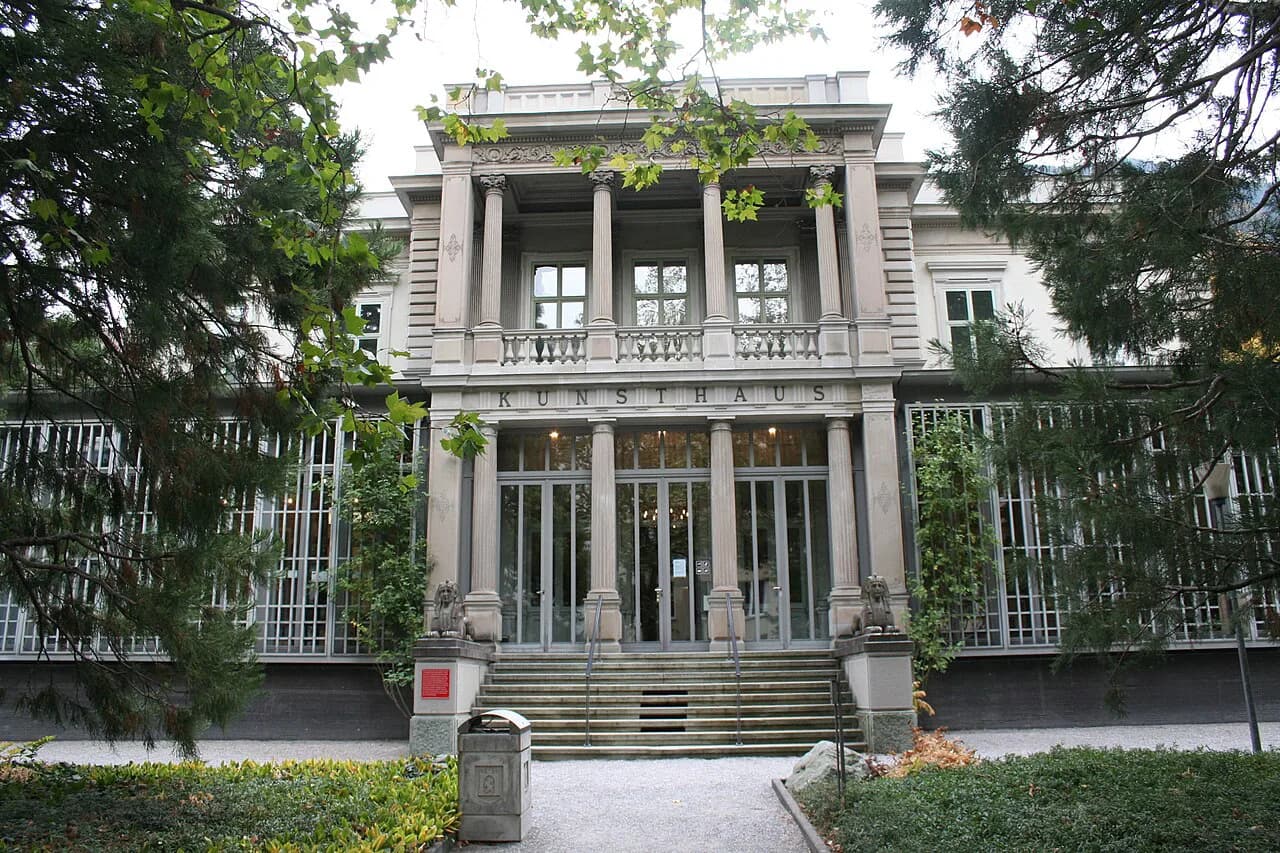
The Bündner Kunstmuseum occupies the Villa Planta with a modern extension, about a two-minute walk from the station, and holds around 8,000 works with a strong contemporary focus and deep holdings of the Giacometti family, Angelika Kauffmann and Ernst Ludwig Kirchner. Adult entry is 15 CHF and under-16s go free. Overnight guests in Chur get free entry to the Rhaetian Museum, the Graubünden Museum of Natural History and the art museum with the Guest Card Chur, which turns a rainy day into a free one.
Roman and Medieval Layers: St Stephen's Excavation and the Red Plaques
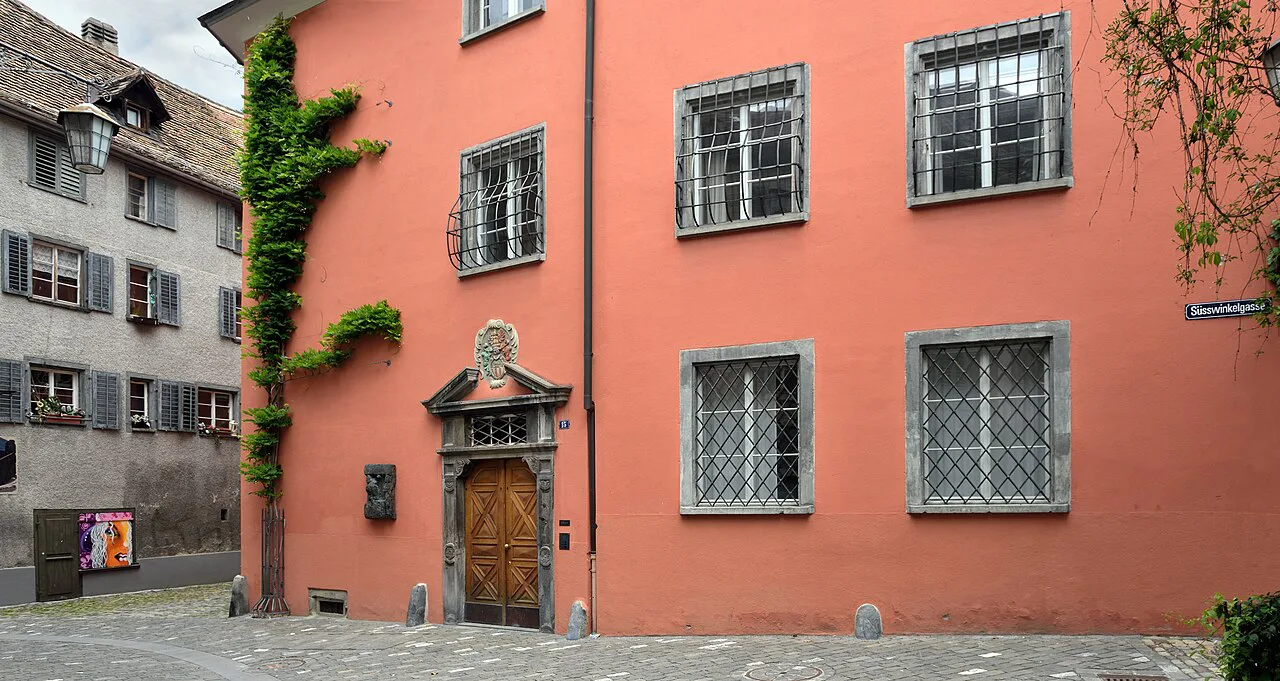
Below a school playground in Chur lie the remains of St Stephen's Church, first built in the 5th century and rediscovered in the mid-19th century during construction work. The site now works as a small museum that opens by arrangement rather than on a walk-in basis, so ask at the tourist office before counting on it. For Roman relics, the tourist office lends keys to a protected excavation site for 3 CHF with a 50 CHF deposit.
The Haldenhüttli and Arosastrasse Viewpoint, and the Best Time of Day
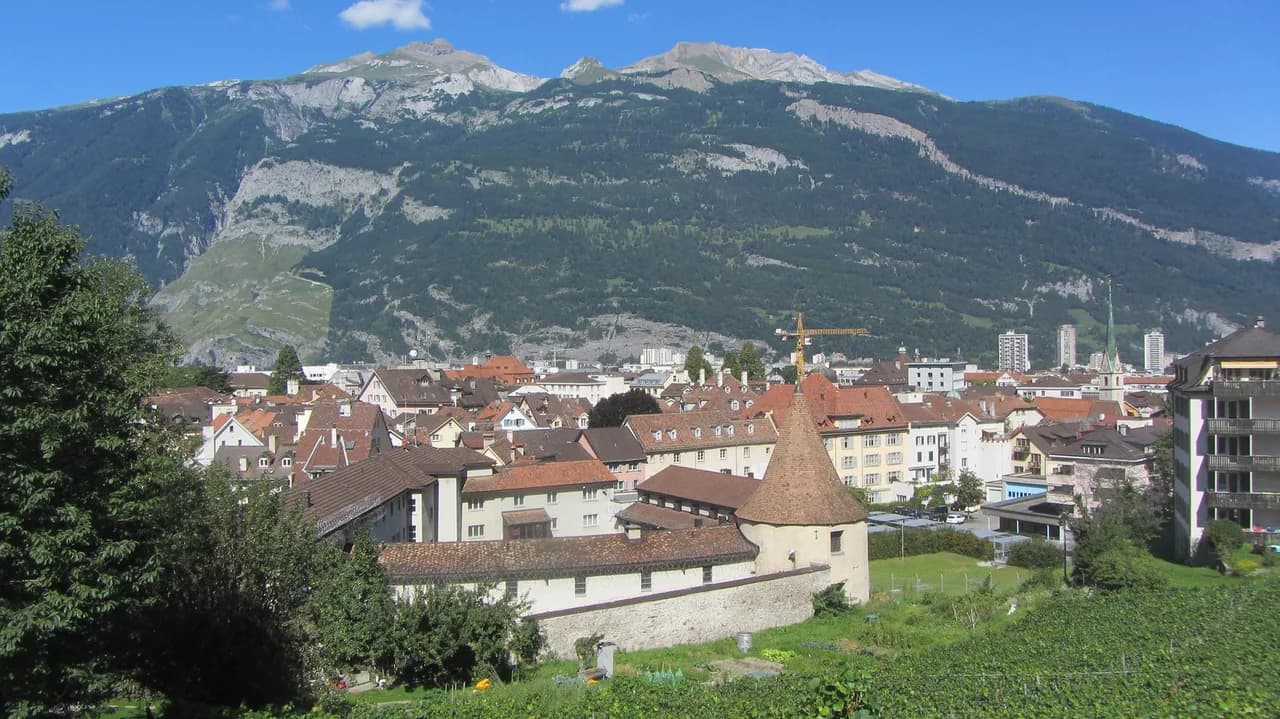
The postcard view of Chur comes from the Haldenhüttli path above the old town, where you look down over the rooftops with vineyards in the foreground. Walk up from the old town to Arosastrasse and you reach the same panorama the brochures use. Go in the morning: the light is cleaner, the lanes below are quieter, and you avoid the harsh late-afternoon shadows that flatten the old town.
Street Art and the Würth Sculpture Park for Free Art
Street artist BANE, who grew up in Chur, has left large murals across the city, including the Mühleturm, billed as the largest mural painting in Switzerland. The Würth Sculpture Park displays pieces from Reinhold Würth's collection outdoors at no charge, while the Forum Würth Chur runs exhibitions drawn from the same holdings. Both give you an art fix without touching the museum budget.
Brambrüesch by Cable Car: What the Guest Card Covers
The Chur–Brambrüesch cableway climbs from the edge of town to meadows above the city, and the Guest Card Chur cuts 50 percent off the ascent and descent and 25 percent off bike day tickets. Show the card at the cableway ticket office. Cards are valid until 5 pm, evening rides exclude.
How Many Days Chur Needs: One Day Versus Two
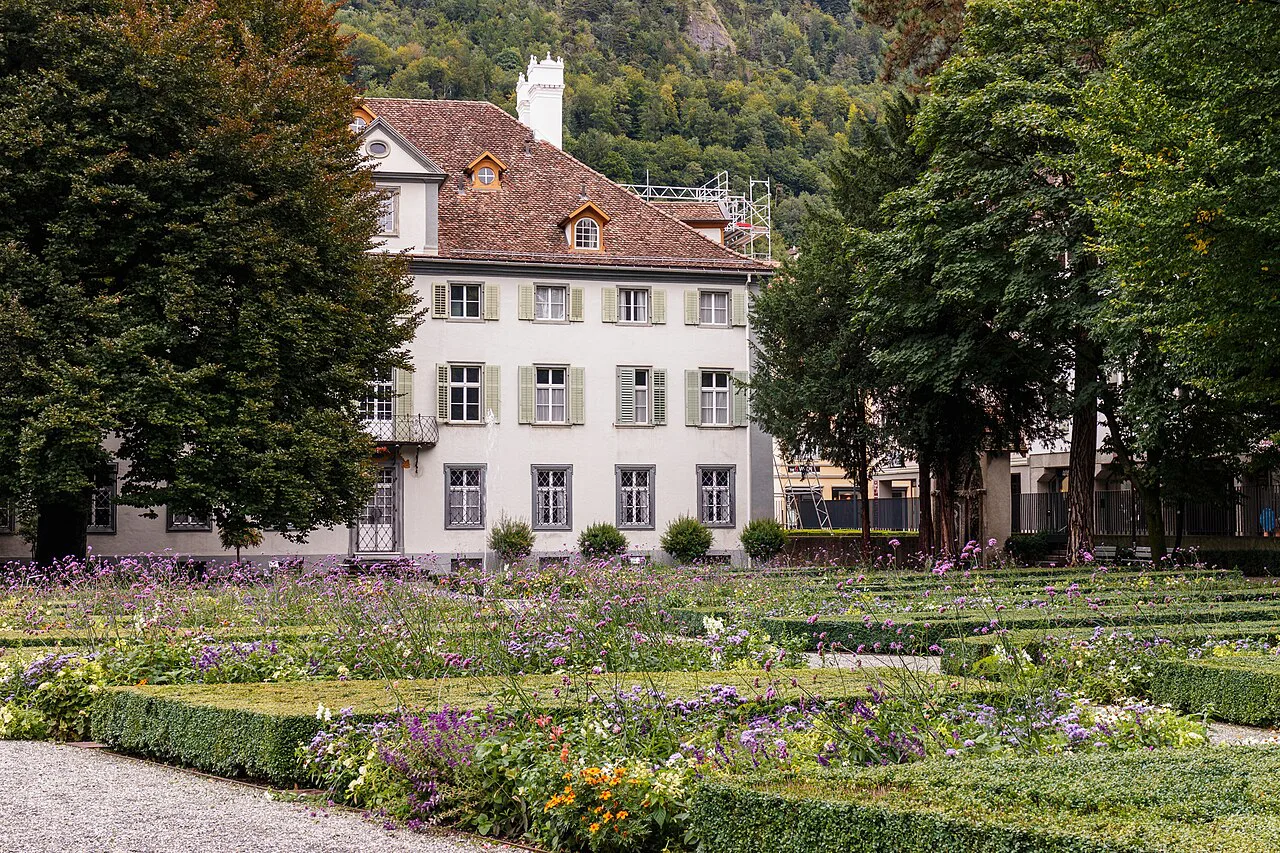
One day covers the old town loop, St Martin's, the cathedral and the Haldenhüttli view, with time for one museum if you start early. Add a second day for the other two museums, the Brambrüesch cableway and a slower wander through the shopping lanes. Urban Golf, a nine-hole course played through the old town's alleys and squares with clubs rented from the tourist office, eats two and a half to three hours and suits families or groups who want a game rather than a checklist.
What Things Cost: Museum Tickets, Urban Golf and the Guest Card Chur
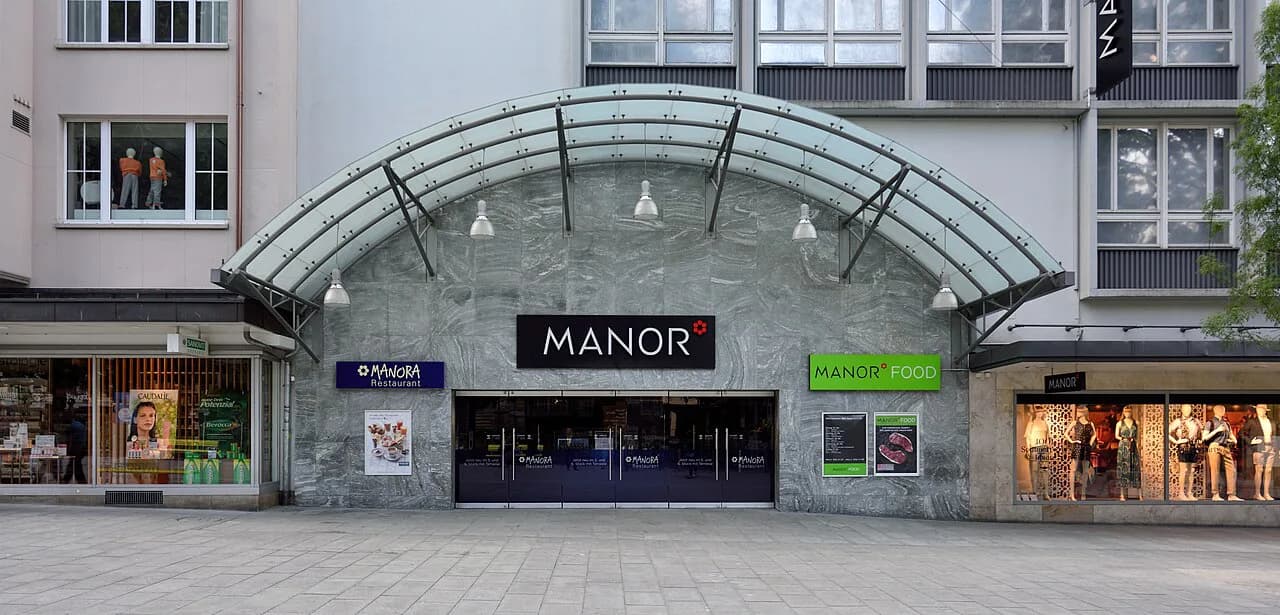
Museum entry is moderate by Swiss standards: the Rhaetian Museum from 6 CHF for adults and the Bündner Kunstmuseum at 15 CHF, with under-16s free at both. Urban Golf costs 15 CHF for the full nine holes, plus a 10 CHF cash deposit per person returned with the equipment, collected from the tourist office at Bahnhofstrasse 32 beside the Manor entrance.
The Guest Card Chur is the single best money decision on a Chur city break, and it comes with any overnight stay in tourist accommodation. It covers second-class public transport in zone 1 of the TransReno network, one free entry to the Obere Au indoor and outdoor pools or the Sand outdoor pool, free entry to the three museums above, and the cableway discount. It does not cover the Bernina Express or Glacier Express, and it is not valid for bikes or dogs.
When to Go: Summer Versus the Shoulder Months
Summer brings warm days, open terraces and the fullest choice of outdoor activity, with long evenings for the vineyard paths above town. Late spring and early autumn give you the same walking with fewer people on the viewpoints and a better chance of clear light for photography. Winter suits museum-heavy days in the old town, but check the cableway's operating status before planning a day around it.
Money-Saving Checklist for a Chur City Break
Book an overnight stay so the Guest Card Chur applies, then build the days around what it covers: the three museums, zone 1 transport and the cableway discount. Use the free options for balance, namely the Würth Sculpture Park, the BANE murals, the fountains, the towers and the Haldenhüttli view. Rent the Urban Golf set once rather than paying per hole, and carry cash for the deposit. Carry a refillable bottle for the fountains and keep the paid extras, like the Roman excavation keys at 3 CHF, as small add-ons rather than the plan.
Plan Your Visit
Chur works as a one-day city and as a two-day base, and the difference is mostly how many museums you want and whether you ride the cableway. Walk the lanes early, climb to the cathedral and the Haldenhüttli in the same loop, then spend the afternoon on whichever museum or free art stop fits the weather. If you are weighing a second Swiss city stop on the same trip, the things to do in Bern follow a similar old-town, viewpoint and museum pattern. Check current opening days and cableway operations before you set out, since museum and cableway days shift with the season.
Explore more Chur guides
Frequently Asked Questions
Is Chur in Switzerland worth visiting?
Yes, if you want a compact old town rather than a checklist of sights. The fortifications, the fountains, St Martin's Church with its Giacometti windows and the cathedral above the vineyards fit into a single loop, and the Haldenhüttli path gives you the view that appears on every Chur postcard. It also works as a base before a scenic rail journey.
How many days do you need in Chur?
One day covers the old town, St Martin's, the cathedral and the Haldenhüttli view, with room for one museum if you start early. Two days let you add the remaining museums, a ride on the Chur–Brambrüesch cableway and a slower wander through the shopping lanes. Urban Golf through the old town takes two and a half to three hours on its own.
What can you do in Chur for free?
The Würth Sculpture Park, the BANE street art including the Mühleturm, the decorated fountains and the towers of the old town cost nothing to look at, and the Haldenhüttli viewpoint is a public path. Anyone staying overnight in Chur also gets free entry to the Rhaetian Museum, the Graubünden Museum of Natural History and the art museum with the Guest Card Chur.
What are the ticket prices for Chur's museums?
The Rhaetian Museum starts at 6 CHF for adults, with pensioners and students at 4 CHF and under-16s free. The Bündner Kunstmuseum charges 15 CHF for adults, and under-16s enter free. Confirm the current rates at the ticket desk when you arrive.
What does the Guest Card Chur cover?
For overnight guests it covers second-class transport in zone 1 of the TransReno network, one free entry to the Obere Au or Sand pools, free entry to the Rhaetian Museum, the Graubünden Museum of Natural History and the art museum, half price on the Chur–Brambrüesch cableway ascent and descent, and 25 percent off bike day tickets. Cards are valid until 5 pm, and the Bernina Express and Glacier Express are not included.
Is Chur's old town car-free?
Only partly. Parts of the old town carry no vehicles, but the boundary between old and new town is blurred and delivery traffic runs through the lanes in the mornings. Walk the photogenic streets early for quieter cobbles and cleaner light.
When is the best time of day to photograph Chur?
Morning, shortly after sunrise, gives you soft light and empty lanes. By mid-afternoon the shadows turn harsh and the old town becomes hard to shoot. Pair an early start with the climb to Arosastrasse and the Haldenhüttli for the classic view over the rooftops and vineyards.
Sources
Notes for your Swiss city break
Optional updates to our Swiss city guides.
You might also like
Continue reading
More guides you'll find useful