Is Switzerland Expensive? Real Costs in CHF for a City Break
Yes, Switzerland is expensive, mostly on hotels and restaurant meals. Here are the concrete CHF costs for transport, food, coffee and sights, and how to cut them.
On this page
Yes, Switzerland is expensive, and the costs concentrate on three things: a bed, a sit-down meal and a ticket up a mountain. Everything else, from a short train ride to a picnic lunch beside a lake, can cost considerably less than the country's reputation suggests. Knowing which line items hurt lets you decide where to spend in Swiss francs and where to hold back.
The price structure has clear causes. Swiss wages are high, which pushes up restaurant, hotel and service costs, and the strong franc makes every figure look larger when converted from dollars or pounds. Tourist demand adds a further premium in the busiest mountain towns, so the same standard of room costs more in Interlaken or Grindelwald than in a quieter corner of the country.
A short city break behaves very differently from a mountain-focused trip. A city break built around old quarters, lakefront walks and one or two paid attractions is easy to keep in check, while a trip built around panoramic trains and cable cars climbs quickly. The sections below give door-to-door figures where they exist and flag where you should confirm the current number yourself.
Is Switzerland expensive? The short answer
Switzerland is expensive compared with Italy, Spain or Portugal, and it is not especially expensive compared with what many first-time visitors brace for. Accommodation and restaurant meals are the two categories where costs add up fastest, while public transport, supermarket food and outdoor scenery often cost less than expected. Travel style, more than destination, decides the final total.
Is Switzerland expensive for tourists? It is expensive relative to Italy, Spain or Portugal, mainly on accommodation and restaurant meals, which are the two categories that add up fastest. Public transport, supermarket food and outdoor scenery usually cost less than visitors expect, so travel style decides the final total more than the destination does.
How much does a coffee cost in Switzerland? Expect a coffee to sit in the region of 5 to 6 CHF, and a supermarket sandwich around 5 to 7 CHF. Those small purchases add up across a three-day break, which is why many travelers take one meal a day from a supermarket such as Coop or Migros and spend the saving on a paid sight.
Is Swiss public transport expensive? Not automatically. Short hops can be very cheap, such as the Interlaken to Lauterbrunnen train at 3.90 CHF, and long-distance fares fall sharply when you book about a month ahead.
Budget tiers make the gap concrete. In figures published for 2026, a budget traveler spending on hostels, supermarket meals and regional trains sat in a band of roughly 70 to 110 pounds a day, a mid-range traveler using a mix of restaurants, scenic trains and cable cars landed around 140 to 220 pounds, and a luxury trip ran above 300 pounds a day. Treat those as a 2026 snapshot rather than a live rate card, since both the franc and sterling move.
Three-day city breaks in that same 2026 guide were estimated at roughly 350 to 600 pounds per person including accommodation, transport, meals and one or two paid attractions, which is a useful sanity check on a tight itinerary. The ranges move most with the room you book and the number of tickets you add. Plan the paid sights first, then let the accommodation budget follow.
The three big costs: hotels, restaurant meals and mountain excursions
Accommodation takes the largest single bite. A 2026 cost breakdown put budget hostel or dorm beds at roughly 50 to 80 US dollars a night in major cities such as Zürich and Geneva and 40 to 60 in smaller towns, mid-range three- and four-star rooms at 180 to 300 in the cities and 150 to 250 elsewhere, and five-star rooms from 400 to 800 or more in the cities. Those are US dollar ranges from a booking platform, so expect the franc figure on your own dates to differ. If Zürich is on your shortlist, our Zürich city guide runs the same numbers for that one city, and if you are weighing a car-free mountain town instead, Is Zermatt Expensive? What Your CHF Budget Decides applies the same bed-and-meal logic at altitude.
Restaurant meals are the second big line. A fast-food meal runs around 15 CHF, a casual restaurant meal around 22 CHF, a main course in a sit-down restaurant 35 to 45 CHF, and a coffee typically 5 to 6 CHF. Eating every lunch and dinner out is what turns a reasonable day into an expensive one, and it is the easiest habit to change.
Mountain excursions are the discretionary cost, and they are where the biggest single tickets sit. Cable cars, mountain railways and panoramic trains carry the heaviest price tags of any activity on a Swiss trip, and they are optional in a way that a bed is not. Decide how many summit or panorama days your trip really needs before you commit, then build the rest of the budget around them.
What transport actually costs, including the Interlaken to Lauterbrunnen fare
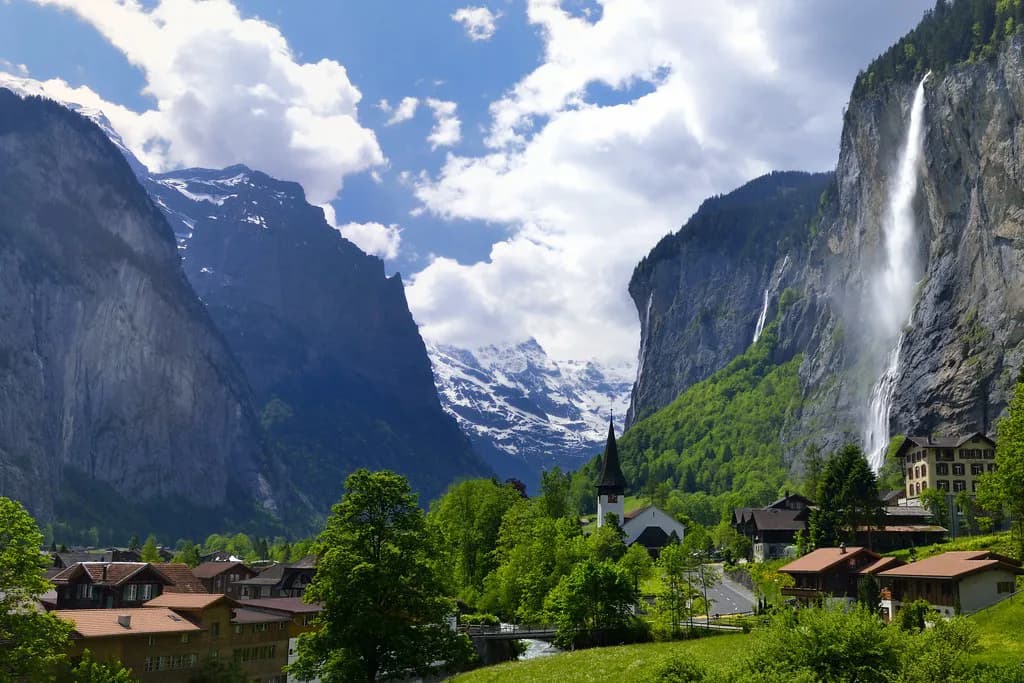
Swiss public transport is the category that most often surprises visitors in the other direction. Short journeys can be very cheap: the train between Interlaken and Lauterbrunnen, a route walled by waterfalls and cliffs, cost 3.90 CHF. That single fare reframes the classic mountain-valley scenery as something you reach for the price of a coffee.
Longer journeys depend heavily on when you book. A Zürich to Interlaken train booked about a month ahead cost approximately 42 pounds, which is comparable to advance UK rail fares despite a much higher standard of service. Booking ahead is the lever, not a railcard trick, and it applies to ordinary trains as well as scenic ones.
Some hotels hand guests a local transport pass covering buses, trams and even boats, which cuts the cost of moving around town to zero for the length of the stay. It is worth checking what a hotel includes before buying local day tickets. A 2026 cost guide also put a single urban train or metro ride at roughly 2 to 10 US dollars depending on distance, useful for sizing up short hops.
Food prices in CHF: coffee, supermarket sandwiches, casual meals and sit-down mains
Coffee in Switzerland typically costs 5 to 6 CHF, and a supermarket sandwich around 5 to 7 CHF. Those two figures set the floor for a day's eating and show how quickly small purchases accumulate over a three-day break. A picnic assembled from a supermarket costs a fraction of a restaurant lunch and comes with a lake or mountain view.
Supermarkets are the single biggest lever on a short break's food bill. Coop, Migros, Aldi Suisse and Lidl all sell picnic supplies, and a lunch built from them costs far less than a casual restaurant meal at roughly 22 CHF. Replacing one meal a day this way changes the shape of the whole budget without cutting into the sights.
For the meals you do eat out, aim for lunch rather than dinner where the menu allows, and treat a sit-down main course at 35 to 45 CHF as a deliberate choice rather than a default. A three-day trip with two restaurant dinners, one casual meal and supermarket lunches feels generous without wrecking the total. The arithmetic is simple: each skipped restaurant meal frees up money for a cable car or a museum ticket.
Free things that make up most of a Swiss city break
Much of what makes a Swiss city break memorable costs nothing. Walking an old quarter, following a lakefront promenade, watching paragliders above Interlaken or simply standing at a valley viewpoint all come free, and these are often the parts people remember. Build each day around one paid attraction and let free scenery fill the rest.
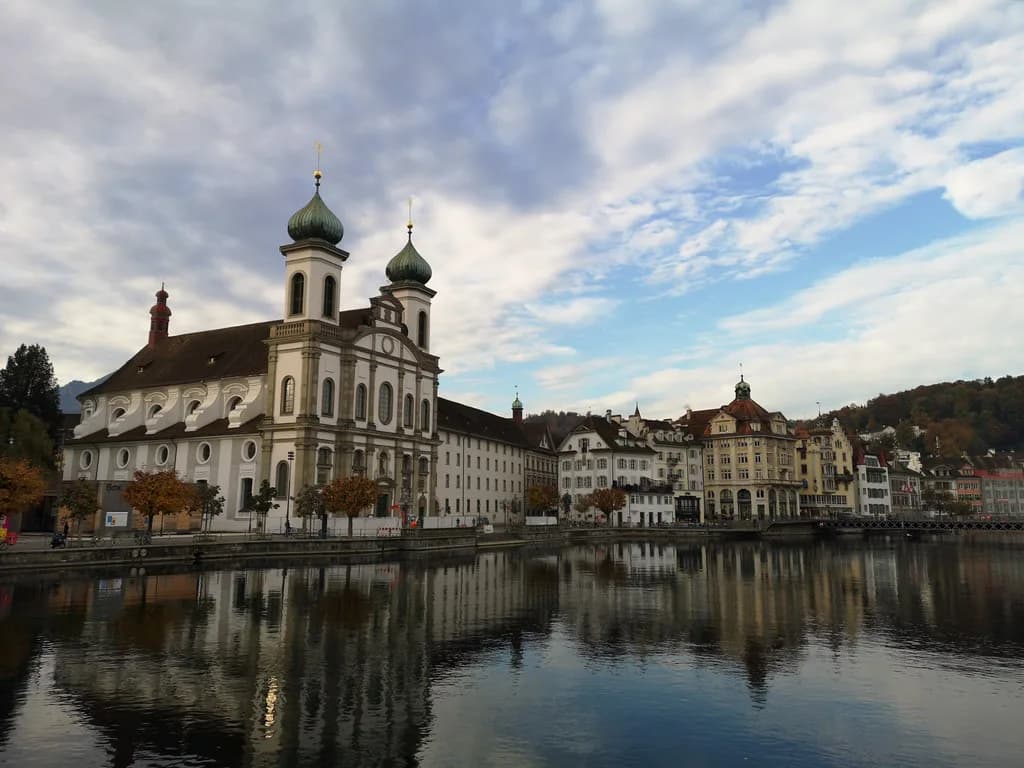
Cities reward wandering on foot. In Zürich the old town, the Lindenhof viewpoint and the river banks cost nothing to explore, while in Bern the arcaded old town and the Zytglogge clock are part of the street scene. Lucerne's Kapellbrücke and lakefront are likewise open to anyone with a ticket to the city, not a ticket to an attraction.
Free experiences also make good bad-weather alternatives, since a covered arcade or a museum quarter can absorb a wet afternoon without an entry fee. Keep one paid sight per day and the free hours fill themselves. That rhythm also keeps a city break from feeling like a queue of ticket desks.
Paid sights and mountain railways: where the big ticket prices come from
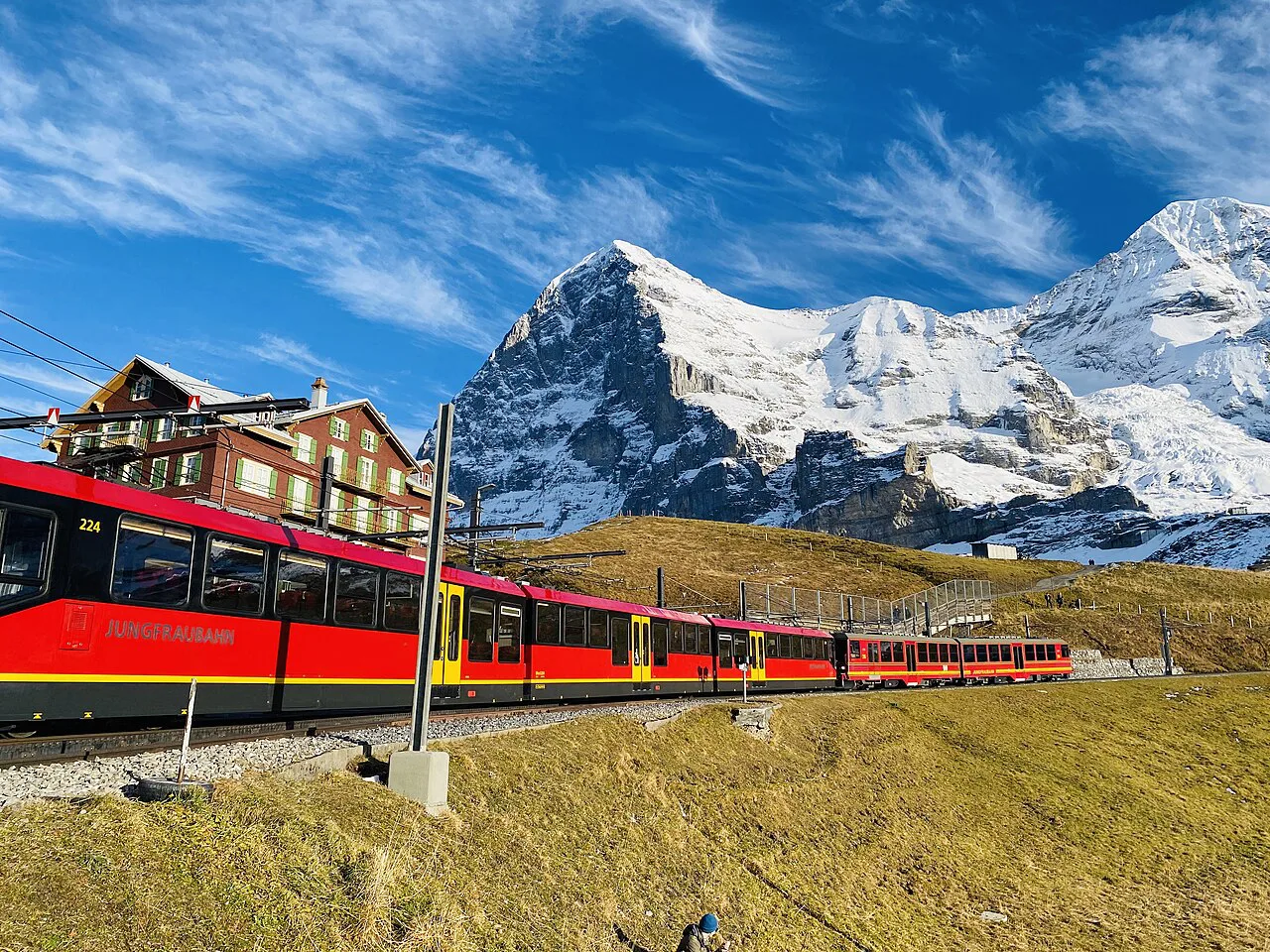
The expensive activities are the vertical ones: cable cars, mountain railways and panoramic trains. On a city break these are optional add-ons, and a single mountain day can cost more than two days of city transport and lunches combined. Budget for one such day if it matters to you, and treat a second as a stretch goal.
Bernina Express tickets illustrate how the price stacks up. Second-class tickets typically start from around 25 to 65 CHF and first class from around 43 to 113 CHF, and passengers in the panoramic carriages also pay a compulsory seat reservation of roughly 28 to 36 CHF per person. Children under six travel free and children aged six to 16 usually receive discounted fares. These are indicative ranges, so confirm the current fare and reservation fee when booking.
A scenic train is a sight in itself, but it is not the only way to see the same landscape. Ordinary regional trains run many of the same corridors, and the scenic premium buys the carriage, not the view. If a panoramic train is the point of the trip, pay for it once and enjoy it properly rather than spreading the budget across several.
Are Swiss trains expensive? Booking ahead and seat reservation fees
Swiss trains are not automatically expensive; walk-up long-distance fares are where the cost bites. Booking a month ahead brought a Zürich to Interlaken journey to roughly 42 pounds, and advance fares on many routes behave the same way. The earlier you fix your travel days, the more of the network falls within reach.
Panoramic services add a seat reservation on top of the ticket, which is the second thing people miss. On the Bernina Express that reservation is compulsory in the panoramic carriages and sits in the region of 28 to 36 CHF per person. Factor it in before comparing a scenic train with the ordinary alternative.
Reliability is the quiet value in the price. Swiss trains run on time and connections are straightforward, so a tight itinerary with two changes in a day is realistic rather than risky. That makes short, cheap hops between towns a genuine planning tool rather than a gamble.
Guest cards and rail passes: when they lower the bill
Two mechanisms lower the bill: local guest cards and national rail passes. Guest cards come with some hotel stays and cover local buses, trams and boats, so check what your accommodation includes before buying local tickets. Rail passes are worth pricing against your actual route, because a pass only pays off when the sum of your individual journeys exceeds its cost; check current prices and dates before you buy.
The comparison is straightforward arithmetic. Add up the advance fares for the journeys you plan, add any seat reservations, and compare the total with a pass that covers the same ground. For a three-day city break with one or two intercity hops, advance tickets often win; for a week of long-distance rail travel, the pass has more room to pay off.
If your plans stretch beyond a city break, the extra days change the calculation. Our switzerland itinerary lays out routes of different lengths so you can see how many train journeys a pass would need to cover, and a longer version such as our 5 day switzerland itinerary makes the pass-versus-tickets comparison worth doing properly.
A sample three-day city-break budget in CHF
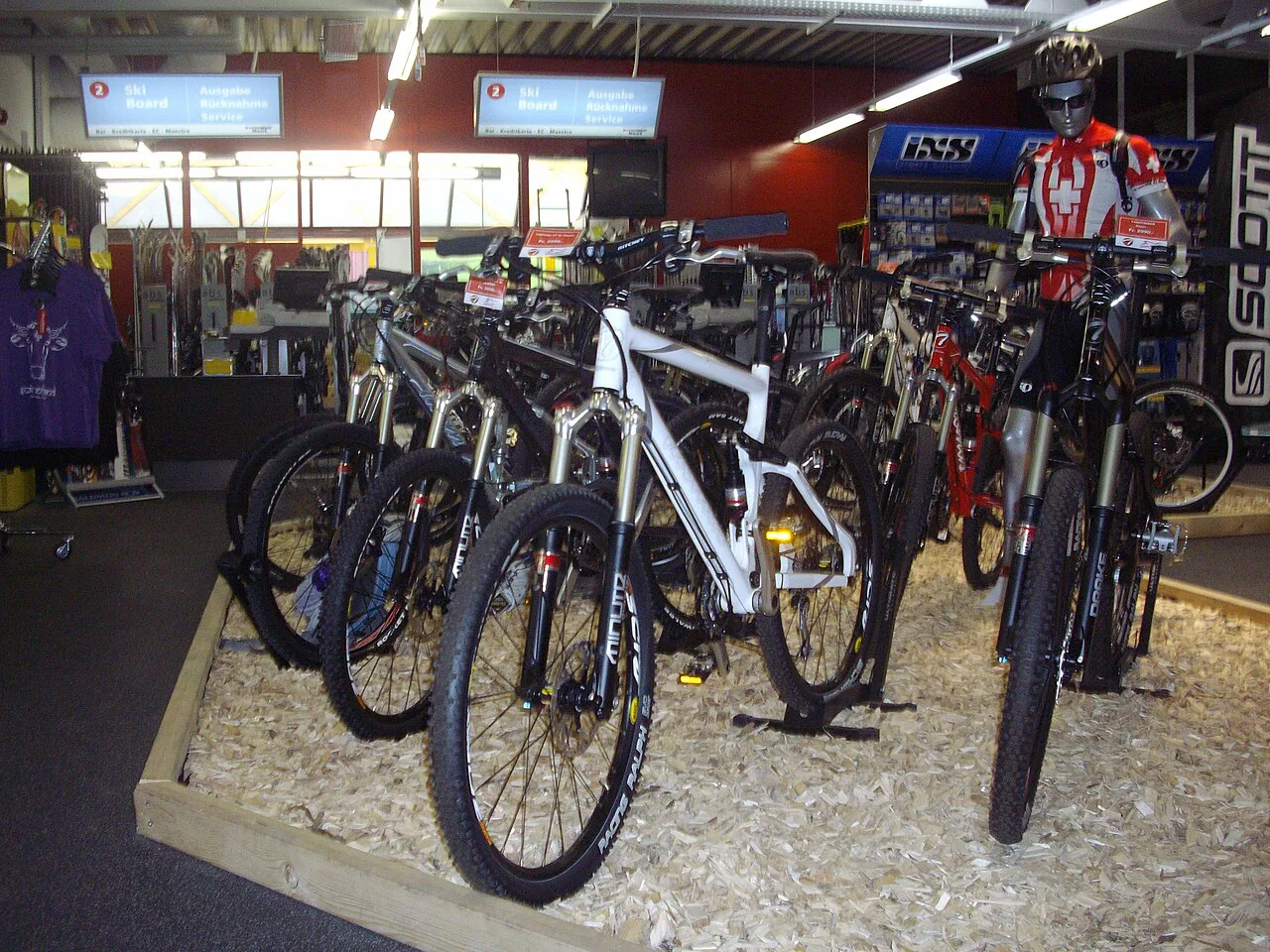
A realistic three-day city break has four lines: bed, food, local transport and one paid sight. Using the 2026 ranges, budget hostel beds sit at roughly 50 to 80 US dollars a night in the big cities, food spans a coffee and supermarket lunch at the low end up to a 35 to 45 CHF main course at the high end, local transport is covered by guest cards or short cheap hops, and the paid sight is whatever mountain or museum you choose.
The point of the sample is not a single total but the ratios. Beds and dinners dominate, transport is small, and free scenery fills the day. Shift one dinner to a picnic lunch and you have paid for a mountain railway leg; shift the hotel category down one notch and you have paid for a scenic train reservation.
Write your own version before booking anything: three nights at the rate you find, one restaurant meal a day, supermarket lunches, a transport plan drawn around guest cards and advance fares, and one paid attraction. That draft usually comes in far below the number people fear, and it tells you immediately which splurge you can afford.
Where costs are lower than you expect
Transport, supermarket food and scenery are the three areas that run cheaper than the country's reputation suggests. The 3.90 CHF Interlaken to Lauterbrunnen fare and a 5 to 7 CHF supermarket sandwich are the kinds of numbers that reframe a Swiss day. A traveler who walks, picnics and takes short trains sees a very different Switzerland from one who books a panoramic carriage and a summit lunch.
Comparison with the UK is instructive. Restaurant meals in Switzerland typically run 40 to 60 percent more and hotels 20 to 40 percent more, but trains booked ahead can be similar or cheaper, and supermarkets are only around 10 to 20 percent dearer. Coffee is slightly more expensive. The gap is real, but it is concentrated in eating out and sleeping, not in getting around.
One 2026 cost guide put a three-day trip for a budget traveler at roughly 820 to 2,160 US dollars all in, including flights, which confirms that the total is shaped as much by how you travel as by where. If the figure feels high, the fix is a cheaper bed and more supermarket meals, not a cheaper country.
Verdict: worth the money if you plan around the right things
Switzerland is worth the money if you spend it on the things that are genuinely Swiss: a mountain railway, a long lunch with a view, a night in a town you could not otherwise reach. It is poor value if you spend it on default restaurant meals three times a day and a taxi when a tram would do. The country rewards deliberate choices.
The practical plan is short: book trains early, stay somewhere that includes a local transport pass, eat one supermarket meal a day, pick one paid mountain or museum per day, and let free scenery fill the hours in between. Do that and a Swiss city break costs less than its reputation, without cutting the parts that make the trip.
Plan Your Visit
Start with the fixed costs: a bed for the nights you need and advance train fares for the journeys between cities. Then add one paid mountain or museum per day, and fill the rest with old quarters, lakefront walks and supermarket picnics. That order keeps the budget honest before any splurge is decided.
If your trip runs longer than a city break, our 7 day switzerland itinerary and 10 day switzerland itinerary show how the costs scale across a week or more, while our picks of the best cities in switzerland and the most beautiful towns in switzerland help you decide where the money is best spent.
Explore more Switzerland guides
Frequently Asked Questions
Is Switzerland expensive for tourists?
It is expensive relative to Italy, Spain or Portugal, mainly on accommodation and restaurant meals, which are the two categories that add up fastest. Public transport, supermarket food and outdoor scenery usually cost less than visitors expect, so travel style decides the final total more than the destination does.
How much does a coffee cost in Switzerland?
Expect a coffee to sit in the region of 5 to 6 CHF, and a supermarket sandwich around 5 to 7 CHF. Those small purchases add up across a three-day break, which is why many travelers take one meal a day from a supermarket such as Coop or Migros and spend the saving on a paid sight.
Is Swiss public transport expensive?
Not automatically. Short hops can be very cheap, such as the Interlaken to Lauterbrunnen train at 3.90 CHF, and long-distance fares fall sharply when you book about a month ahead. Walk-up fares and compulsory seat reservations on panoramic services are where the cost climbs.
How much does a one-week trip to Switzerland cost?
Published 2026 estimates put a seven-day rail trip in a wide band, roughly 900 to 1,800 pounds per person, depending on accommodation, how much you travel by train and how many excursions you add. Your own total depends most on the room rate and the number of paid mountain days.
Is Switzerland expensive compared with the UK?
Restaurant meals typically run 40 to 60 percent more than in the UK and hotels 20 to 40 percent more, while trains booked ahead can be similar or cheaper and supermarket prices are only slightly higher. The premium is concentrated in eating out and sleeping rather than in getting around.
How can I spend less on a Swiss city break?
Book train tickets about a month ahead, check whether your accommodation includes a local transport guest card, take one supermarket picnic a day, and choose one paid mountain or museum per day with free old quarters and lakefront walks filling the rest. Comparing advance fares against a rail pass for your exact route also helps.
Sources
Notes for your Swiss city break
Optional updates to our Swiss city guides.
You might also like
Continue reading
More guides you'll find useful