
Lausanne Gare: A Guide to the Station District
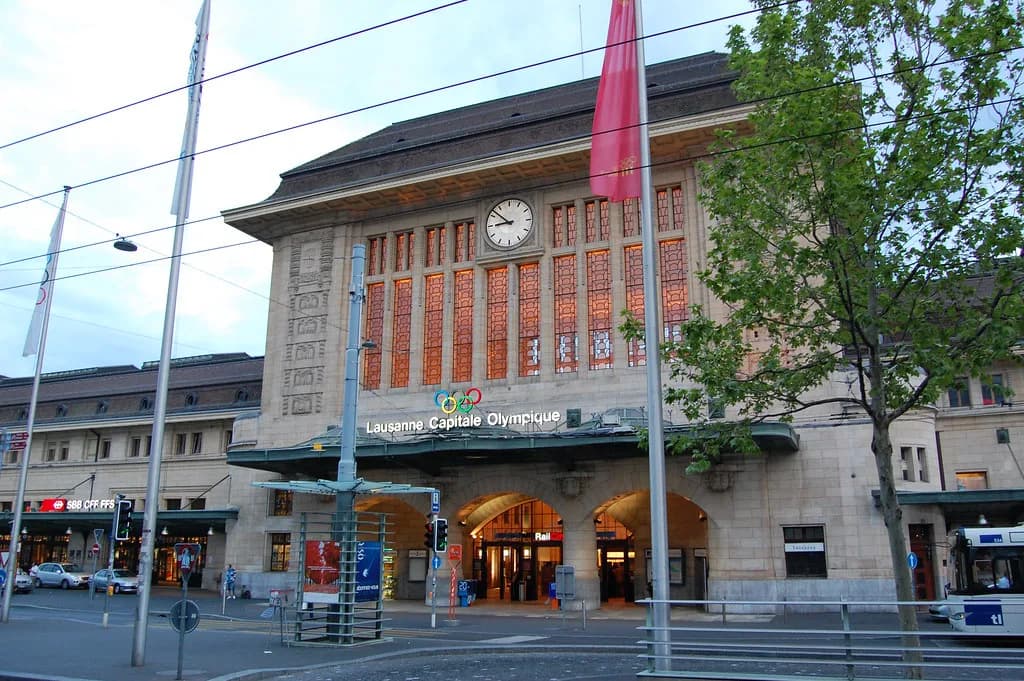
Lausanne Gare is the main railway station for the city and the canton of Vaud, and it sits right in the middle of Lausanne rather than on the edge. That position makes the station district a practical base: you can step off an intercity train and be in the city's commercial core within minutes rather than planning a transfer first. The guide below treats the area around Place de la Gare as a neighborhood in its own right, and you can compare it with the other districts in our Lausanne Neighborhoods: 4 Area Guides.
Lausanne Gare at a Glance
The station building dates from 1916 and was modeled on Leipzig's central station, which explains the scale of the hall you walk into from Place de la Gare. Its address is Place de la Gare 5A, 1003 Lausanne, and the SBB contact center handles inquiries on +41 (0) 848 44 66 88. The station serves a long list of Swiss and French destinations, so the district around it functions as a gateway rather than a quiet corner.
Direct international services tie the station to France: six daily return trains link Lausanne with Paris, three by the Jura route and three via Geneva. Three daily return services connect with Dijon, and one daily return service reaches Marseille in summer. For a short break, that means the district can be your first and last stop without any cross-city dash.
The District's Character and Who It Suits
This is a working station quarter, not a postcard district: the draw is convenience, transport and access to the rest of the city. It suits travelers arriving by train who want to drop bags and start walking immediately, and anyone who values a short hop to the platforms over a view. It suits you less if you want lakefront promenades outside your door, since the water sits well below the station level in Ouchy, Lausanne.
The station and its surroundings stay busy across the day and across the year, and the station itself is open 365 days a year with shopping, food and drink and services on site. That year-round activity is the district's real character: it is a place of arrivals and departures rather than a lounge. If you want a slower, more residential base, it is worth checking the best time to visit lausanne to see how seasons change the mood and crowds elsewhere in the city before you book.
Getting There and Getting Around
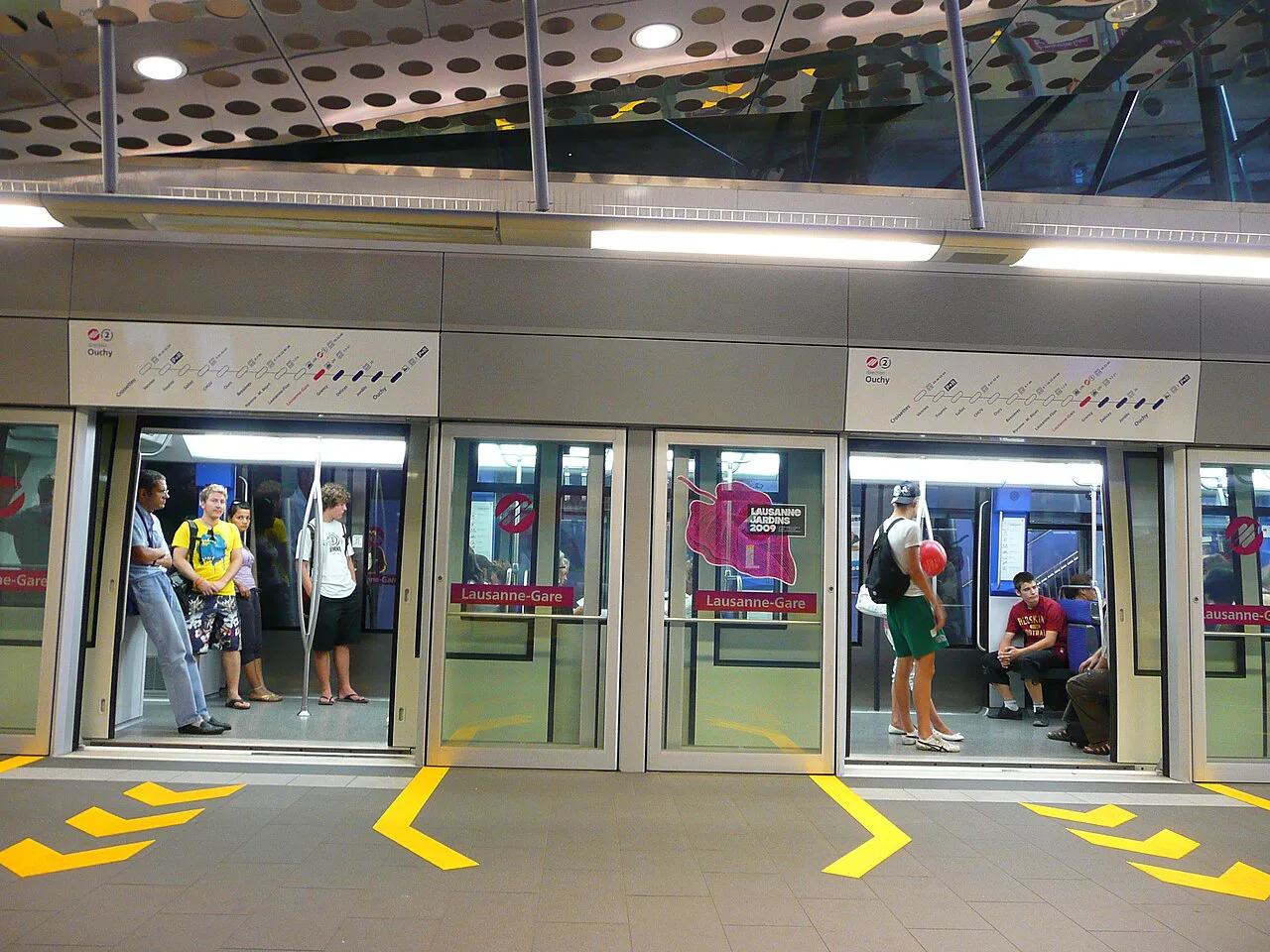
Trains are the obvious arrival route, and the station handles both Swiss domestic and French international services from the same complex. Lausanne's public transport network is extensive and connects the station with the rest of the city; the station publishes a map showing the transport options on the doorstep. Start with that map before you decide whether you need any taxi at all.
If you arrive by car, use the car parks around the station, and the station's own website carries the rates, locations and opening hours. Bicycles get free bike parks at the station, plus paid, weather-protected spaces run with Vélostation that are not open to the general public. Traveling light is easy: lockers at the station hold luggage, with the cost set by bag size and storage duration, detailed on the SBB website.
What to See and Do Around Lausanne Gare
The station district rewards a short wander rather than a full sightseeing day: the 1916 station hall itself is the landmark, and the surrounding streets are where city life passes through. Use the area as a launch point and spend your sightseeing hours on the city's named sights, which we cover in Things to Do in Lausanne. Plan your days around the fact that the station sits in the middle of the city, so most of Lausanne is reachable from here, and a structured lausanne itinerary helps you order those stops around your train times.
For a change of scene within walking distance of the station level, Le Flon, Lausanne offers a different, more contemporary slice of the city. It works well as a first evening stroll after a long train ride: short, urban and easy to reach from the station side. Pair it with a look at the wider Lausanne Attractions: 7 Visitor Guides when you want to build a fuller day.

Where to Eat and Stay in the District
The station complex carries shopping, food and drink and convenient services on site, open 365 days a year, which covers a quick meal or a last-minute purchase around a train. For a proper sit-down meal, treat the station as a starting point and walk into the surrounding streets rather than expecting the concourse to be the destination. Staying here makes most sense for early departures and late arrivals, when a short walk to the platform outweighs a lake view.
If you would rather sleep in a calmer pocket just outside the station's immediate bustle, Sous-Gare, Lausanne is the neighboring district to weigh against the platforms. The trade-off is simple: a few more minutes on foot in exchange for quieter evenings. Compare both areas against your departure time before deciding.
Practicalities: Hours, Lockers and Services
The station's practical opening hours are Mon–Fri 6:30 am–8 pm and Sat–Sun 7:00 am–7:30 pm, so very early or very late travelers should plan around those windows. For anything time-sensitive, check the hours for Lausanne station on the SBB site before you go. Shopping, food and services inside the station run across the year, so a Sunday arrival is not a dead end for essentials.
Locker fees depend on luggage size and how long you store it, and the SBB website lists the current rates. Bike storage splits into free parks and paid Vélostation spaces that are protected from bad weather and closed to the general public. Car drivers should read the station website's parking rates, locations and hours rather than guessing at availability.

Honest Trade-Offs
The station district is a transit hub first: you get efficiency, year-round services and immediate connections, but not lakefront calm or a scenic setting. Travelers who want their base to be the attraction itself will prefer the lower city, while those with tight train schedules will find the station area hard to beat. Wherever you base yourself, the lausanne itinerary shows how easily the station connects to the city's main sights. Decide which of those two you are before you book.
Noise and foot traffic come with the territory around a main station, and the area is busiest when long-distance trains arrive. If you are sensitive to that, choose a base one district away and accept the extra minutes to the platform. The station's central position means you rarely lose much by staying slightly outside it.
Walking Distances to Nearby Areas
Because the station sits in the middle of Lausanne, the city center is a short walk up from the platforms, and the contemporary streets of Le Flon are reachable on foot too. Plan on foot for the immediate area and use the public transport network for anything further downhill. Ouchy, Lausanne is a different matter: it sits by the lake and is best reached by metro or bus rather than walked in one go.
For a fuller picture of how many days to give Lausanne and how to sequence its sights, use our lausanne itinerary as a framework and slot the station district in as your arrival and departure anchor. Picking your season carefully also changes how much you will want to walk: see the best time to visit lausanne for the trade-offs between crowds, weather and city life.
Plan Your Stay Around the Station
Treat Lausanne Gare as a tool rather than a destination: use its central position to reach the city quickly, use the lockers and services to travel light, and walk into neighboring districts for the atmosphere. Travelers with early trains or short stays get the most from it; those chasing lake views should base themselves lower down and commute up.
Frequently Asked Questions
Is Lausanne Gare in the city center?
Yes. The station sits right in the middle of Lausanne and is the main railway station for the canton of Vaud, so most of the city center is a short walk or a brief ride away. The lakefront at Ouchy is further and best reached by public transport.
What services are available at Lausanne Gare?
The station has shopping, food and drink and convenient services on site and is open 365 days a year. There are lockers for luggage, free bike parks plus paid weather-protected Vélostation spaces, and car parks around the station. Locker and parking costs are set by size, duration and location and are listed on the station and SBB websites.
What are the station's opening hours?
The station's practical hours are 6:30 am to 8 pm Monday to Friday and 7:00 am to 7:30 pm on weekends. Because these can change, check the current hours for Lausanne station on the SBB site before an early or late journey.
How do I get from Lausanne Gare to other parts of the city?
Lausanne has an extensive public transport network, and the station publishes a map showing the options on its doorstep. Use that map to pick your connection; the lakeside district of Ouchy is best reached by metro or bus rather than on foot.
Does the station have direct trains to France?
Yes. Six daily return services link Lausanne with Paris, split between the Jura route and the Geneva route, plus three daily return services to Dijon and one daily return service to Marseille in summer. Check times for your travel date before booking.