Best Time to Visit Lausanne: A Season-by-Season Guide
The best time to visit Lausanne runs from April to September, when the city is liveliest. Compare seasons using typical temperatures, rain days and crowds.
On this page
April to September is the best time to visit Lausanne: the city is at its most vibrant in spring and summer, and these are the months when warm, mostly dry days let you move between the lakefront and the old town without a rain plan for every hour. Summer is the most popular stretch, so expect the busiest streets and the highest lodging demand between June and August.
Timing in Lausanne is less about a single perfect month than about what you plan to do. A museum-heavy trip tolerates a damp spring week, while a trip built on terraces, lakeside walks and long views rewards a clear summer or early-autumn day. The typical figures below are climate averages, useful for choosing a season rather than for predicting a specific date.
Best time to visit Lausanne at a glance
For the liveliest city, aim for April to September. For the warmest weather, choose June to August, when the seasonal average sits around 20°C and seven to nine days a month bring rain, and accept that this is also the most crowded period of the year.
If you want summer-like temperatures without peak-season pressure, early autumn is the better bet: September stays close to summer, and the average temperature across autumn is about 11°C. November is the point where the season turns noticeably colder and windier, which changes how long you want to spend outdoors.
Spring averages about 10°C with six to eight rain days a month, and it is busier than many visitors expect, second only to summer in demand. That combination makes spring a good compromise for travelers who want the city awake but not packed.
How Lausanne's two levels shape your timing
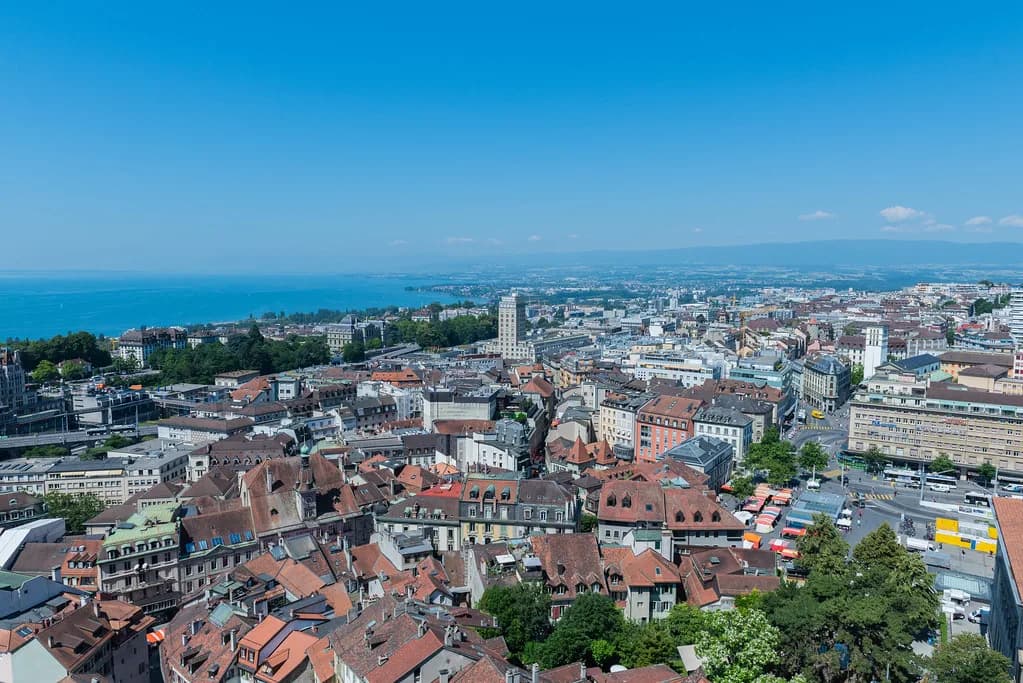
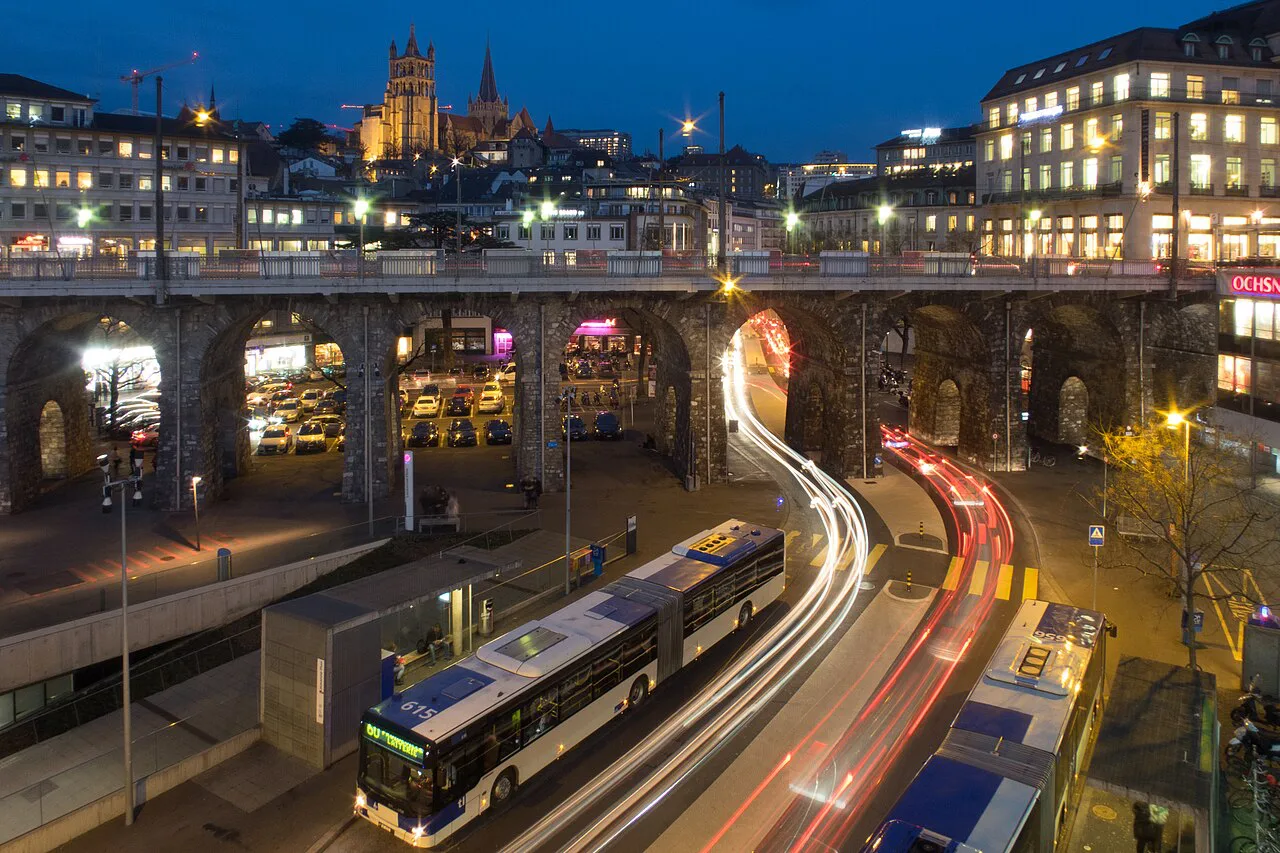
Lausanne stacks its business and station districts above a lakefront that sits well below the center, so any day out involves climbing. On a warm summer afternoon, the ascents between the lakefront and the old town cost more energy than they do on a mild spring morning, and a hot day is best split with a long pause at the top rather than walked end to end in one go.
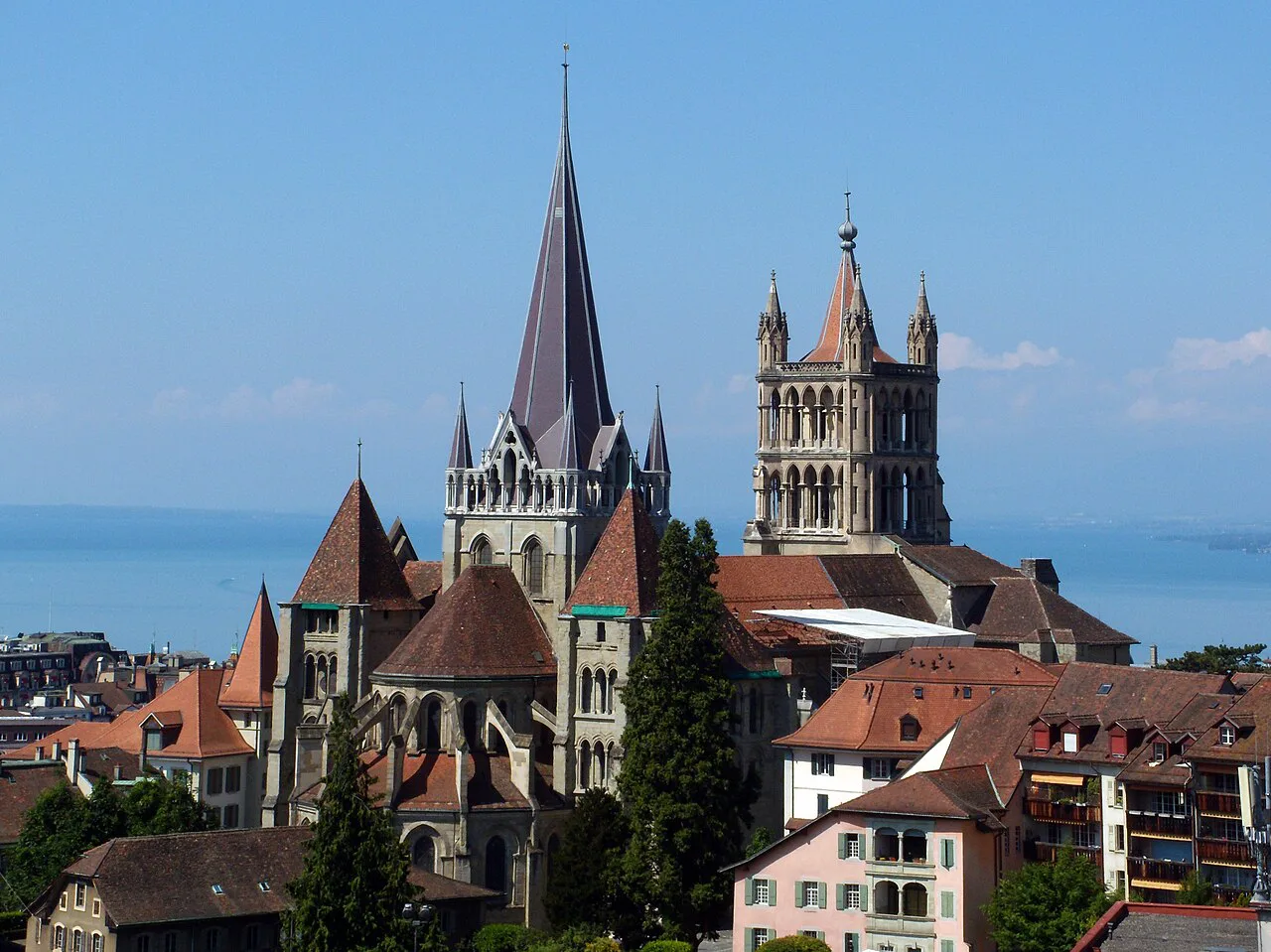
Rain changes the calculation more than temperature does. A wet day favors the compact old town around the cathedral and the Escaliers du Marché, where short hops between shelter are easy, while a clear day is worth spending on the lower level and the lake edge. Building one flexible indoor day into each trip is the simplest hedge in a season with six to nine rain days a month.
Lausanne makes a practical base for a short break because the lakefront and the historic core are close enough to link on foot. If you are weighing this against another Swiss city for the same dates, compare the best time to visit Bern and the best time to visit Basel, which have their own seasonal rhythms.
Spring (March to May): mild mornings and a lively city
Spring in Lausanne averages around 10°C, with six to eight days of rain per month, and warms appreciably toward May. Mornings can still be moderately cold, so a light jacket earns its place in the bag even when the afternoon looks inviting.
May is the busiest spring month for events: the city's calendar lists Balélec Music Festival, a Shakespeare festival and Luna Park across the month, while the Cully Jazz Festival falls earlier in spring. These draw visitors and fill accommodation in the Lavaux area, so book ahead if your dates line up with them.
Spring is the season when the countryside around the city starts to color up, which makes it a rewarding time for the terraced vineyards above the lake. For a focused look at this month, see lausanne in april and plan the trip around changing weather rather than a fixed schedule.
By the end of the season, the city is fully in stride and May visitors get warm-enough days alongside the event calendar. Lausanne in May covers the month in more depth, including how to spend a day when the weather shifts.
Summer (June to August): the warmest days and the biggest crowds
Summer is the classic choice for Lausanne: the seasonal average is about 20°C, rain falls on seven to nine days a month, and the weather suits long days outside. It is also the year's busiest season by a wide margin, so the trade-off for good weather is company in the squares and on the lakefront.
Lodging gets expensive in these months as demand peaks, and travelers who plan well in advance have a better time of it than those who book late. Decide your dates early and treat the summer months as the period that most needs a firm plan.
The summer program includes a chocolate festival in June, several music festivals across the season, the Lavaux Passion wine festival and the Festival de la Terre. These are the dates to check before fixing your travel window if you want the city at its most animated.
Plan summer days around heat rather than around a checklist: start high, work down to the lake, and keep the old town and the cathedral for cooler hours. Things to do in Lausanne in summer sketches out how that shape works over a few days.
Autumn (September to November): warm start, cold finish
Autumn averages about 11°C overall, with six or seven rain days a month, but the spread inside the season is wide. September behaves much like summer, while November turns chilly and can feel colder because of wind and humidity, so the month you pick matters more here than in other seasons.
Autumn's payoff is lighter tourism alongside some of the year's best countryside color. If you want the city without summer crowds and can accept an occasional wet day, this is the season where that trade works best.
On the events side, Label Suisse takes place in September, the Lausanne Underground Film Festival in October, and Lausanne Lumières and a Bach festival in November. These give the shoulder season a reason of its own rather than making it a fallback after summer.
Early October is the sweet spot for many travelers, with comfortable temperatures and a calmer city. Lausanne in October explains how to use that window.
Winter (December to February) in brief
Winter averages around 2°C and brings rain on up to eight days a month; Lausanne is not a snow destination, and the main winter sports areas are roughly an hour and a quarter to an hour and a half away by public transport. Treat the season as a city break, not a mountain trip, and plan around shorter days.
Mountain-line seasons: the lake and the slopes at their best
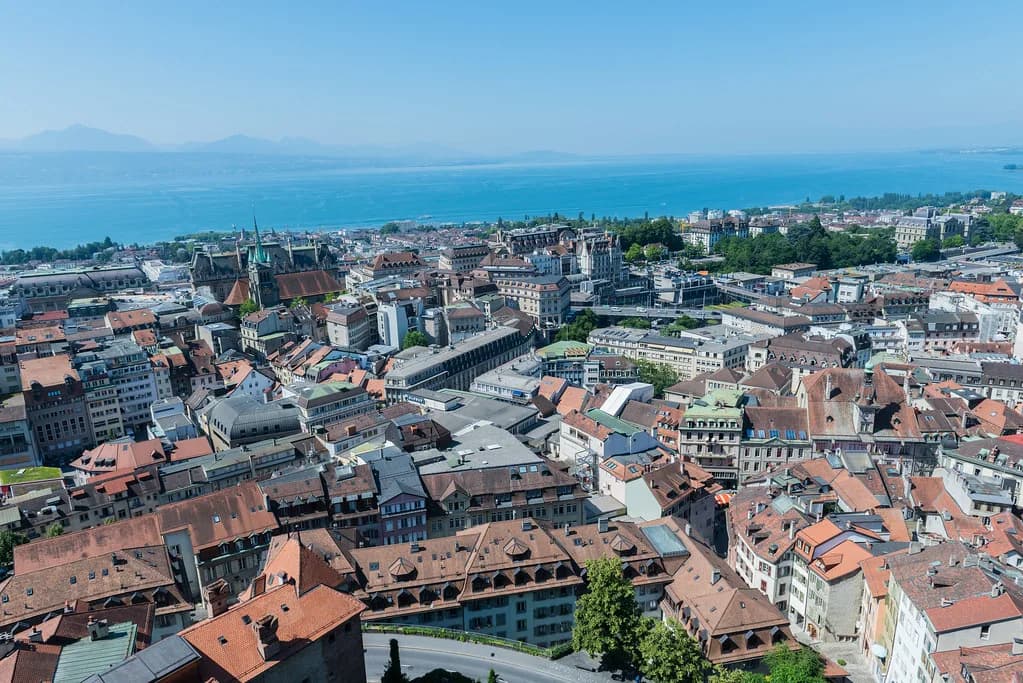
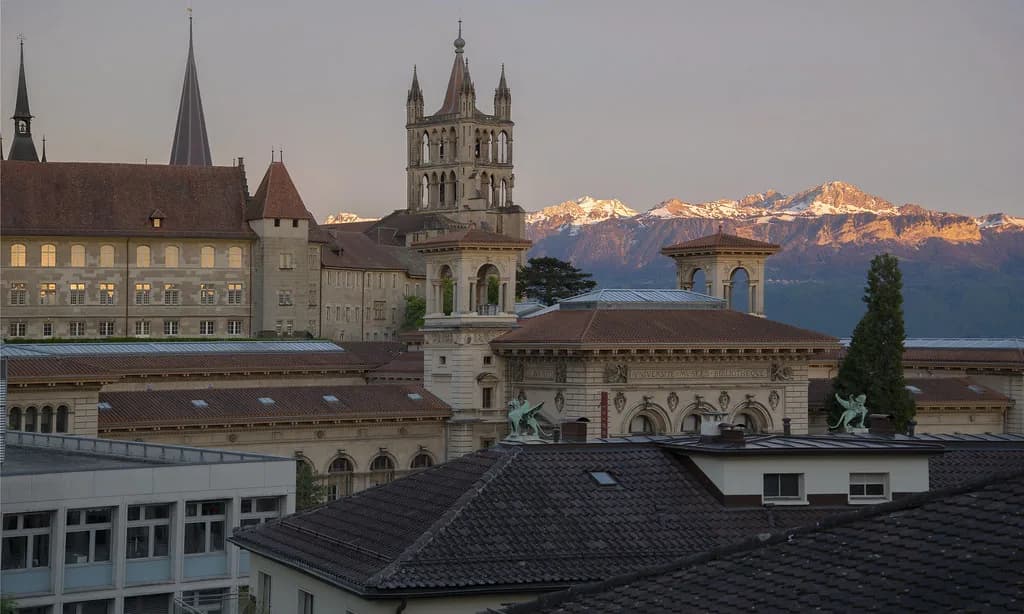
The clearest lake-and-Alps views tend to arrive with settled spring weather and stay into early autumn, when the terraced slopes above the city are green or turning. Summer haze can soften the far shore even on a warm day, while a clear autumn morning often gives the sharpest line of sight across Lake Geneva.
None of this is a forecast. Use the seasonal averages to choose a window, then plan each day's viewpoint around the morning, when cloud tends to be lower and the lake calmer.
Which month suits which trip
First-timers should target May, June or September: the city is fully open, the weather is generally kind, and you avoid the worst of the summer crush. Museum-heavy visitors can travel almost any month, but spring and autumn give the best balance of short queues and comfortable walking between sites.
Walkers and view-chasers get the most from May through October, while budget-conscious travelers should look at the shoulder months, when demand eases. The one exception is November, which is quieter but noticeably colder and windier, so weigh comfort against savings.
If your dates are fixed by work or school holidays, the season simply sets the frame: build in one indoor option per few days and keep outdoor plans flexible. The Lausanne Attractions: 7 Visitor Guides hub is a useful place to line up sights against the time of year you can travel.
Money and timing: when demand pushes prices up
Summer is when lodging costs rise, because June to August draws the most visitors. Booking well in advance is the practical lever; shifting your dates even a few weeks into September usually means an easier market and a calmer city.
Check current ticket prices, opening days and any pass options directly with each sight before you commit, and let seasonal demand rather than a fixed budget figure drive your booking date.
How many days Lausanne needs and how the season changes it
Two full days cover the core: the old town, the cathedral and the lakefront. Add a third day in summer or early autumn, when long daylight and good weather let you fit in the terraced vineyards and a slower lower-town afternoon.
In a rainy shoulder week, the same three days can feel thin unless you swap outdoor blocks for indoor ones. Plan the fixed sights for the middle of the trip, keep the first and last days light, and the season stops dictating the whole schedule.
Common timing mistakes
The most frequent mistake is arriving in a shoulder month without a wet-weather plan, then losing a day to rain. The second is expecting summer heat every day in July and August, when rain still falls on seven to nine days a month.
A third is treating winter as a mountain trip. Lausanne is a city break in winter, and the slopes are a separate journey. Match the season to what you actually plan to do, and the calendar gets much simpler.
Plan Your Lausanne Trip by Season
Choose April to September for the liveliest Lausanne, June to August for the warmest days and the biggest crowds, and September or early October for warm-enough weather with a quieter city. Book summer dates early, and keep one indoor day in reserve whenever you travel in a month with six or more rain days.
Let the season set the shape of the trip rather than the other way around: outdoors in the morning, indoors when the weather turns, and the old town and cathedral saved for cooler hours.
Explore more Lausanne guides
Frequently Asked Questions
What is the best month to visit Lausanne?
May, June and September give the best balance. Spring and early summer bring mild to warm weather and a lively city, while September keeps much of the summer feel with fewer visitors. Summer is warmest but also the most crowded, and November turns cold and windy.
How many days do I need in Lausanne?
Two full days cover the old town, the cathedral and the lakefront. A third day lets you add the terraced vineyards above the lake or a slower afternoon on the lower level. In a rainy shoulder week, plan the same days around indoor stops instead of adding more.
Does it rain a lot in Lausanne?
Rain falls on roughly six to eight days a month in spring, seven to nine in summer, six or seven in autumn and up to eight in winter. These are typical averages, not a forecast, so treat any single day as changeable and keep a flexible indoor option.
Is Lausanne worth visiting in autumn?
Yes, especially in September and early October, when temperatures stay close to summer and the city is calmer. November is noticeably colder and windier, so it suits museum-focused trips better than long days outside.
Is Lausanne a good winter destination?
Lausanne is a city break in winter rather than a snow destination, with typical temperatures around 2°C. The main winter sports areas sit about an hour and a quarter to an hour and a half away by public transport, so the city and the slopes are separate trips.
When is Lausanne most crowded?
Summer, from June to August, draws the most visitors and pushes lodging demand up. Spring is the next busiest season. If you want lighter crowds, aim for September or early October.
Sources
Notes for your Swiss city break
Optional updates to our Swiss city guides.
You might also like
Continue reading
More guides you'll find useful