
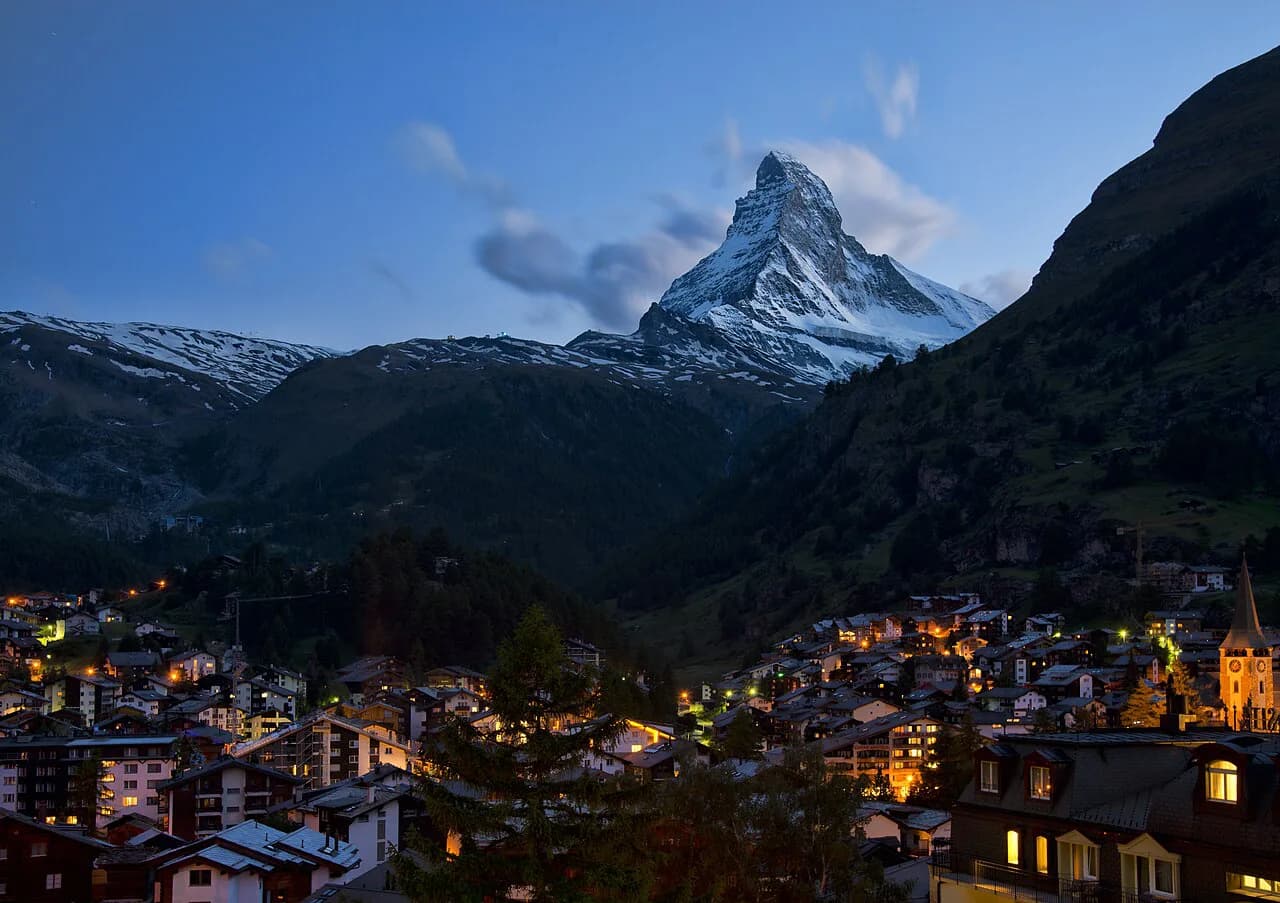
Steinmatte, Zermatt: The Quiet District Above the Vispa

Steinmatte is a small, quiet Zermatt district on the east side of the Vispa, the river that runs through the village, set just above the Kirchplatz. Its value to a visitor is location rather than attractions: it is a short walk from the center and from the Matterhorn Museum, but it is removed from the busiest lanes. That makes it a base for travelers who want calm evenings and a five-minute walk to dinner, not a district with its own sightseeing list.
The district is best understood as a walking-distance decision. Staying in Steinmatte buys you quiet and river air; you trade a little of the convenience of the Bahnhofstrasse end of town and the immediate lift access on the other side of the village. The hotel and apartment buildings along Steinmattstrasse, one of which is Haus Steinmatte at Steinmattstrasse 60, are what give the quarter its residential feel.
Where Steinmatte Sits in Zermatt
The district lies on the eastern bank of the Vispa, close to the Kirchplatz, where the Matterhorn Museum – Zermatlantis is housed at Kirchplatz. From Steinmatte you can reach the museum on foot, and from there the rest of the center opens up along the river and the main street. The layout is compact enough that the whole village is walkable, which matters in a car-free resort.
Walking times in Zermatt are short by city standards. From Steinmatte to the Kirchplatz is a few minutes on foot, and the Bahnhofstrasse shops, the station and the valley lift station are perhaps ten to fifteen minutes away on foot. Note that Steinmatte is fairly steep, so a short walk can feel longer with luggage.
Character and Who It Suits
Steinmatte is a calm, semi-residential district. The buildings along Steinmattstrasse are a mix of apartment houses and chalet-style rentals, with the Vispa just below and the church tower visible above. It is the kind of base where you hear the river at night rather than bar noise.
It suits travelers who want a quiet base and do not mind a short uphill walk at the end of the evening, and it is a sensible choice for couples and families who plan early starts for the mountains. It is less useful if you want to be at the lift station in seconds, or if you want to be in the middle of the evening restaurant strip. Those needs are met in other parts of the village.
For comparison, Winkelmatten sits higher up towards the Matterhorn with a more alpine, chalet-heavy feel, while Oberdorf is closer to the older lanes and the river on the town side. Steinmatte sits between the two in character: quieter than the center, lower than Winkelmatten. Wherever you base yourself, the best time to visit Zermatt is worth settling before you book, since the seasons shape what the mountains offer.
Where to stay is a matter of budget and taste, and hotel and apartment listings change; the official Zermatt tourism site carries the current inventory. Steinmattstrasse is the address to search for if you want this specific quarter, and apartment rentals along it range from single-bedroom places to larger family units.
The Matterhorn Museum at the Kirchplatz
The Matterhorn Museum – Zermatlantis is the anchor sight for a Steinmatte stay, and it is a genuinely unusual museum. It is built as an underground village, with original houses, staged scenes of nineteenth-century Zermatt life, and the objects recovered from the first ascent of the Matterhorn in 1865, including the broken rope. The story of triumph and death on the mountain is told with real artifacts rather than screens alone.
The museum also covers the village's transformation from farming community to alpine resort, and it has a multi-media room showing excerpts from the 1937–38 film Der Berg ruft, shot in Zermatt. The museum is open daily 15:00–18:00, with seasonal deviations: from 20 November to 17 December 2026 it opens only Friday to Sunday, and it is closed from 1 to 19 November 2026, so an autumn visit needs checking against the calendar.
Adult tickets cost CHF 12, and children aged 10 to 16 pay CHF 7. Under-10s enter free with an adult, and the museum accepts the Museumspass, the Swiss Travel Pass, the Swiss Flexi Pass and the Swiss Youth Pass, which turns the ticket price into a perk if you already hold one. Hours are 15:00–18:00, so afternoon arrivals fit around the museum nicely.
The museum is wheelchair accessible, has an audio guide in German, English, French and Japanese, and dogs are not allowed. If you are travelling with children, the layout is compact and walkable, and the underground setting makes it a good rainy-afternoon stop.
Rothorn and the Peak Collection
Above the village, the Rothorn at 3,103 metres offers one of the classic views back towards the Matterhorn and the surrounding four-thousanders. The ascent starts from the Blauherd cable-car station, reached by cable car from Zermatt, and the top station is the starting point for hikes and bike routes in summer.
The Rothorn is open daily 10:00–17:00; the cable car and connecting railway to Blauherd, from where the ascent starts, carry a separate fare published by the Zermatt Bergbahnen. The Peak Collection sculpture exhibition at the summit explains the surrounding peaks with their altitudes and first ascents, and it is one of the most useful orientation stops in the area.
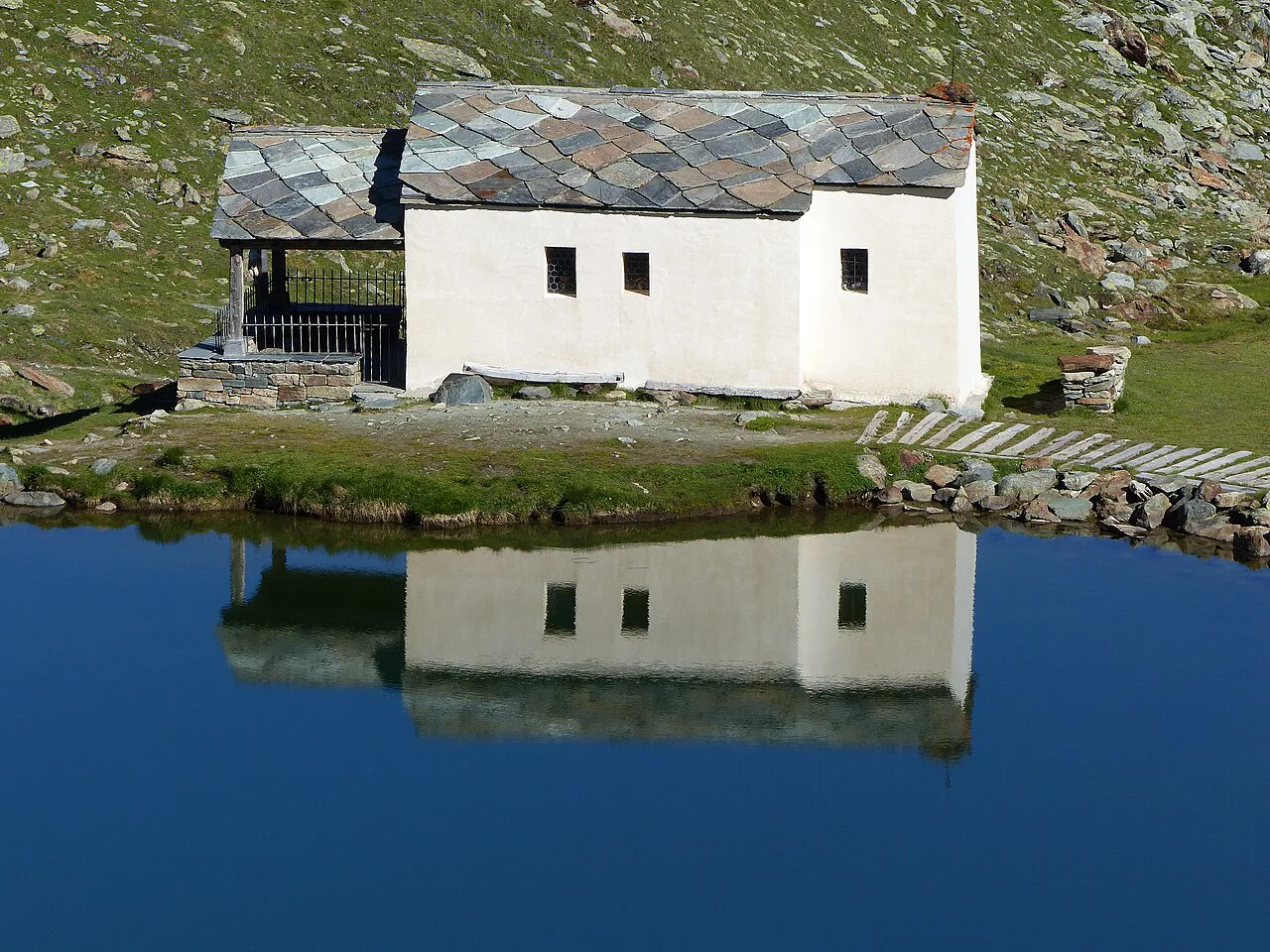

Summer Skiing from the Klein Matterhorn
Zermatt's summer skiing area, on the Theodul Glacier, is the highest and largest in Europe. The cable car runs from Zermatt via Furi and Trockener Steg to the Klein Matterhorn at 3,883 metres, where skiers and snowboarders reach 21 kilometres of runs. The season is not year-round and is best checked on the tourism site, but summer skiing typically runs in the July–August window.
Conditions are best early in the morning, before the sun softens the snow, and the area closes at midday so the glacier stays skiable the next day. That makes a Steinmatte early start worthwhile: you leave the apartment before 08:00, reach the lifts, and are back in the village for lunch. The Snowpark Zermatt sits within the same area for freestyle skiers.
A Two-Day Plan from a Steinmatte Base
Day one is a village day. Walk down to the Kirchplatz in the morning for the lanes and the river, have lunch near the church, and spend the 15:00–18:00 slot in the Matterhorn Museum, which is a short walk uphill to Steinmatte afterwards. An evening on the Bahnhofstrasse, a ten-minute walk down, follows naturally.
Day two is a mountain day. Take the morning cable car towards the Rothorn and walk part of the way back, or ride to the Klein Matterhorn for the glacier and the summer ski area if you are travelling in season; our guide to the best time to visit Zermatt helps you judge which of the two suits your dates. Both options start with a walk or shuttle down to the lift station, so build in twenty minutes each way. If you want to weigh this day against the alternatives, our Zermatt itinerary lays out how to fit the museum, the Rothorn and the glacier into two or three days.
If you want a more detailed plan, a two- or three-day itinerary for Zermatt covers the museum, the Rothorn and the glacier with timing built in. The best time to visit depends on whether you want summer skiing or hiking, since both are seasonal, and our guide to the best time to visit Zermatt sets out the seasons month by month.
Getting There and Around
Zermatt is car-free, so you arrive by train at the Bahnhof and either walk or take the local electric transport to Steinmatte. The walk from the station is gradual and mostly uphill; with luggage it is easier to take the short taxi ride. Within the district, the lanes are narrow and pedestrian, and a short stroll takes you across the river to the center.
The valley lifts towards the Rothorn and the Klein Matterhorn are on the south side of the village, so a Steinmatte stay means a walk of about ten minutes down and across to reach them. That is the honest cost of the district's quietness.
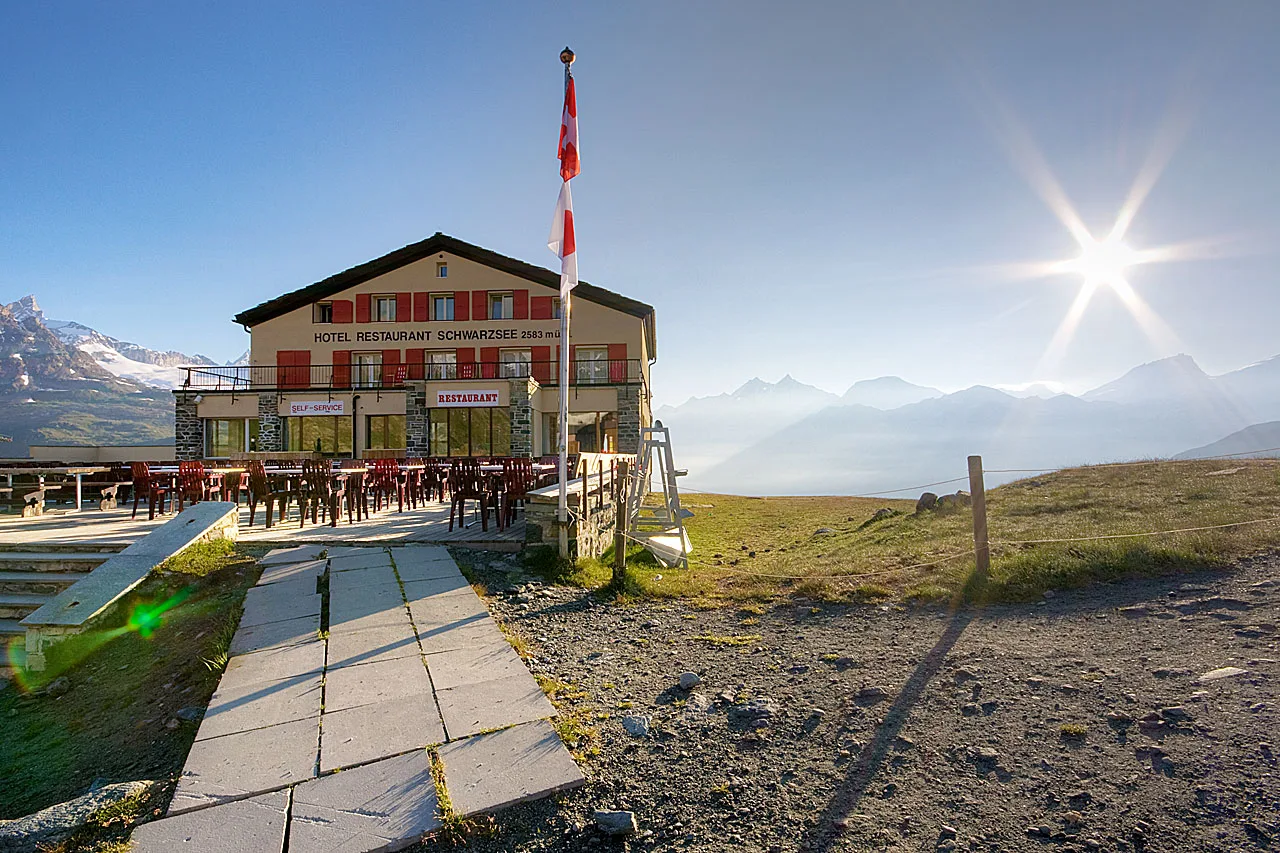

Money and Passes
The main saving for Steinmatte visitors is at the museum. The Museumspass and the Swiss Travel Pass, Swiss Flexi Pass and Swiss Youth Pass are all accepted there, so if you already hold a national pass, the CHF 12 entry is covered. Under-10s enter free, which makes the museum a low-cost rainy-afternoon option for families.
Mountain lift prices are set by Zermatt Bergbahnen and vary by route and season; the tourism site publishes the current fares. If you plan two or more big lift days, a multi-day pass is worth comparing against single tickets before you arrive.
What Steinmatte Does Not Give You
Steinmatte is quiet, and that is both its selling point and its limitation. You will not find much in the way of evening restaurants or bars within the district itself; the nearest concentrated choice is down in the center, a ten-minute walk away. Travelers who want to step out of the door into a busy evening should look elsewhere.
You are also a walk away from the valley lift station, so an early morning start on a summer ski day means leaving the apartment earlier than someone staying closer to the lifts. For most travelers that trade-off is worth it: the district is calm and central at the same time.
Plan Your Visit
Steinmatte works best as a quiet base for a short Zermatt break built around the museum, the Rothorn and, in season, the glacier. Book a place on Steinmattstrasse, plan the museum for an afternoon, and treat the walk down to the lifts as part of the routine.
The museum's daily 15:00–18:00 window and CHF 12 adult ticket make it the easiest fixed point in the plan, and a Swiss Travel Pass or Museumspass removes the cost entirely. For the mountains, check the lift times and the summer skiing season before you set the early alarm.
Explore more Zermatt guides
Frequently Asked Questions
Where is Steinmatte in Zermatt?
Steinmatte is a small district on the eastern side of the Vispa, just above the Kirchplatz and the Matterhorn Museum. It is a short walk from the village center and the Bahnhofstrasse, so most of Zermatt is reachable on foot.
Is Steinmatte a good area to stay in Zermatt?
It suits travelers who want quiet evenings and a short walk into town. The trade-off is that the restaurants and the valley lift station are a ten-minute walk down, so it is less convenient for very early lift starts.
How far is Steinmatte from the Matterhorn Museum?
The museum sits at the Kirchplatz, a few minutes' walk downhill from Steinmatte. The lanes are narrow and pedestrian, so the walk is easy, though the return is uphill.
What are the Matterhorn Museum opening hours and prices?
The museum is open daily 15:00–18:00, with seasonal deviations in November and December when it opens only Friday to Sunday. Adult tickets cost CHF 12, ages 10–16 pay CHF 7, and under-10s are free.
Does the Matterhorn Museum accept the Swiss Travel Pass?
Yes. The museum accepts the Museumspass, Swiss Travel Pass, Swiss Flexi Pass and Swiss Youth Pass, so entry is covered if you already hold one of these passes.
How do you reach the Rothorn and the summer ski area from Zermatt?
The Rothorn is reached by cable car via Blauherd and is open daily 10:00–17:00. For summer skiing, the cable car runs from Zermatt via Furi and Trockener Steg to the Klein Matterhorn, with 21 kilometres of glacier runs best skied in the morning before the midday closure.