Best Time to Visit Zermatt: Season-by-Season Guide
Zermatt's best months depend on your plan: high-altitude views, quiet paths, or glacier snow. Compare seasons, crowds and costs before booking.
On this page
The best time to visit Zermatt is late June to early October if you want walkable days and clear views of the Matterhorn, or late March to early April if you want longer daylight with snow still high on the mountain. Late spring and early autumn give you the same scenery with fewer people on the trails and more room on the mountain railways. If you are weighing a city break against an alpine one, the best time to visit Basel covers a very different set of seasonal trade-offs.
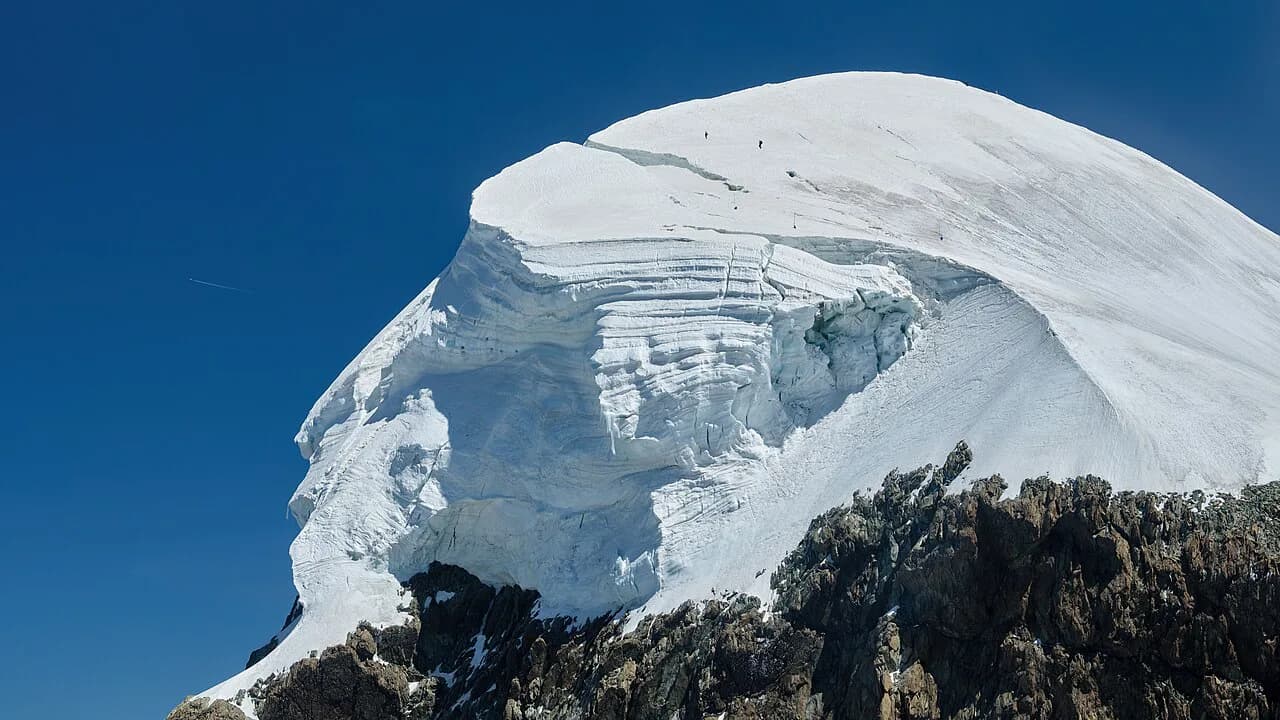
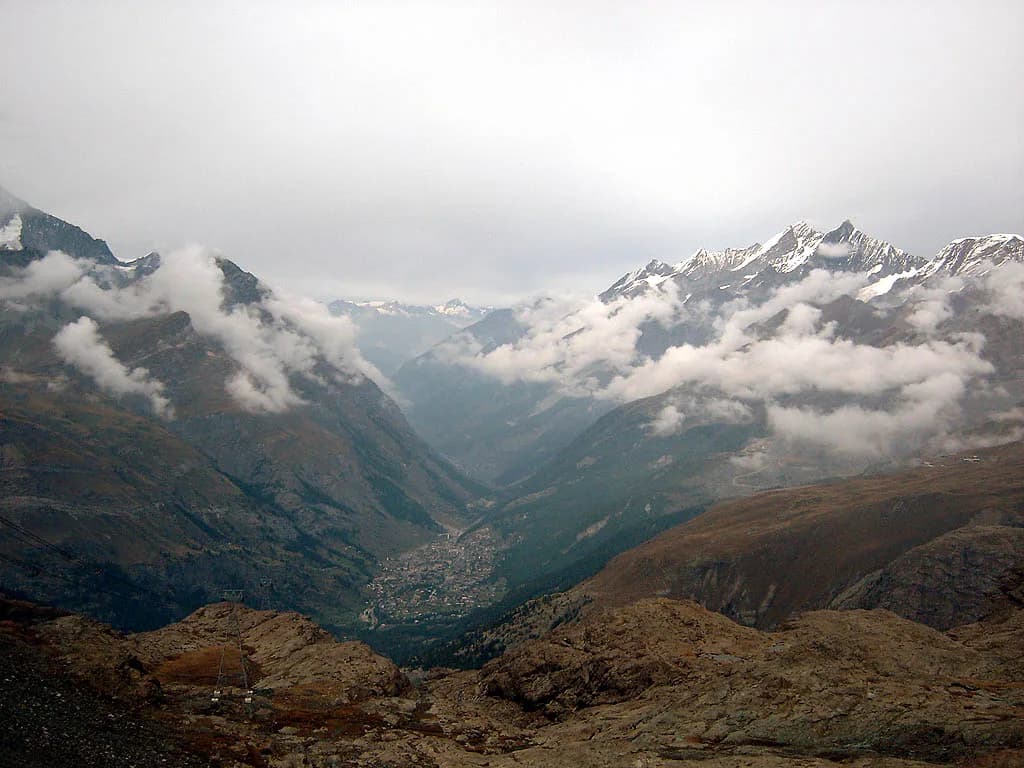
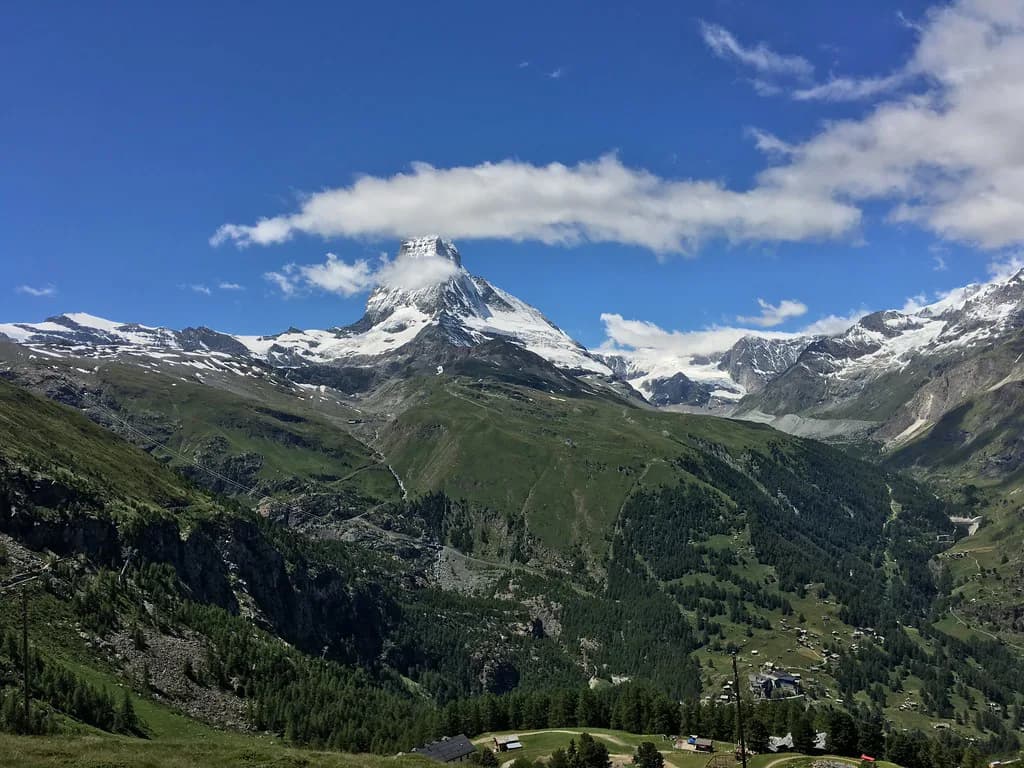
Plan around one physical fact: the village sits at 1,620 meters (5,115 feet) and the surrounding peaks reach close to 3,900 meters (12,792 feet), so the valley and the high mountain can be in completely different seasons on the same day. The altitude keeps snow on the glaciers year-round while the village below runs a normal summer. That split is why a single "best month" answer misses the point.
Below is each season, what it is genuinely good for, and how it changes crowds and the mountain lines. Winter gets a single line here because the December-to-March window is a separate trip with its own logistics.
How Zermatt Is Laid Out, and Why Altitude Drives the Seasons
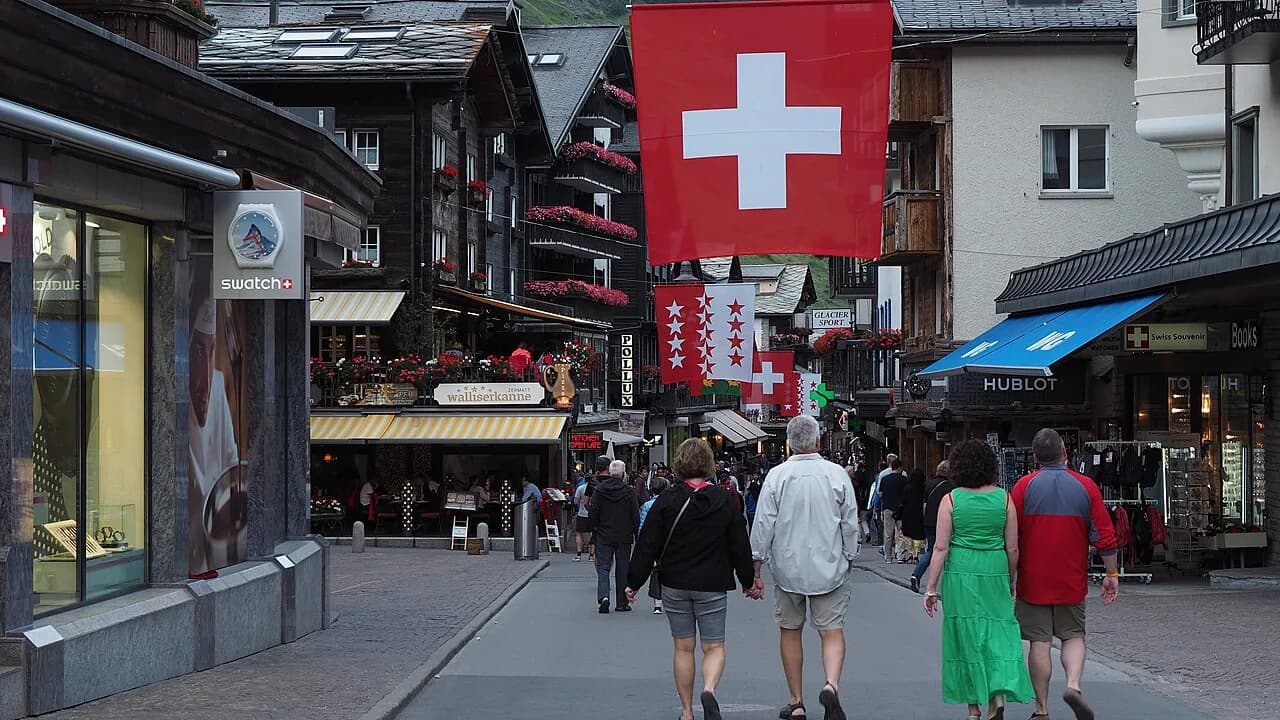
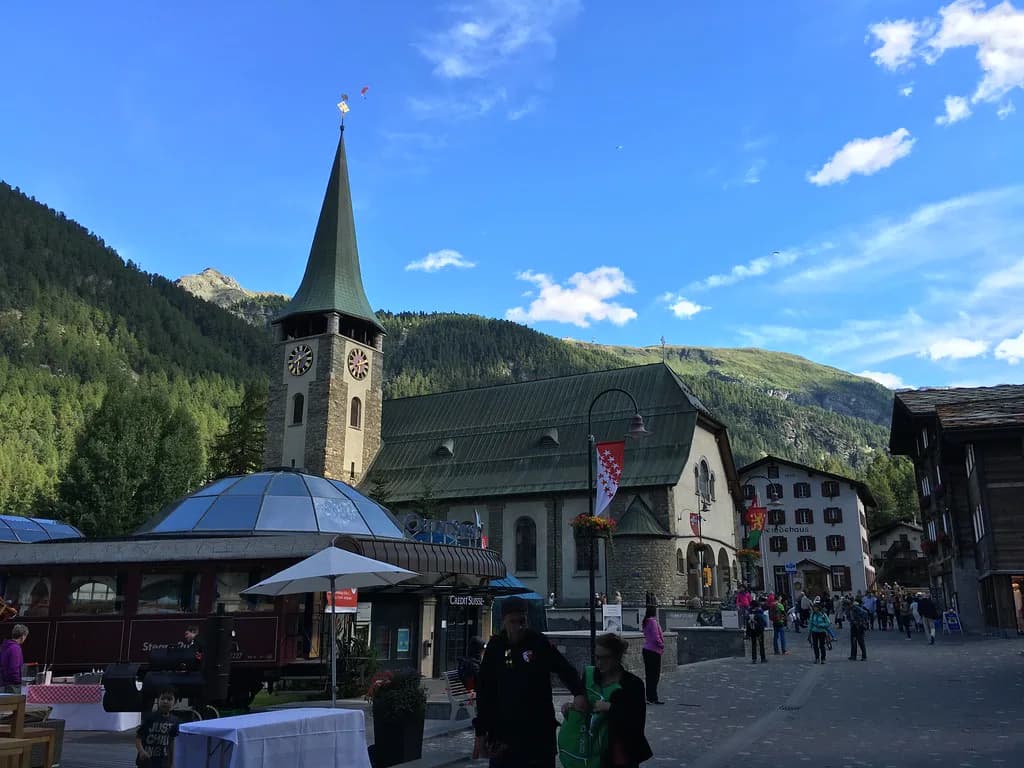
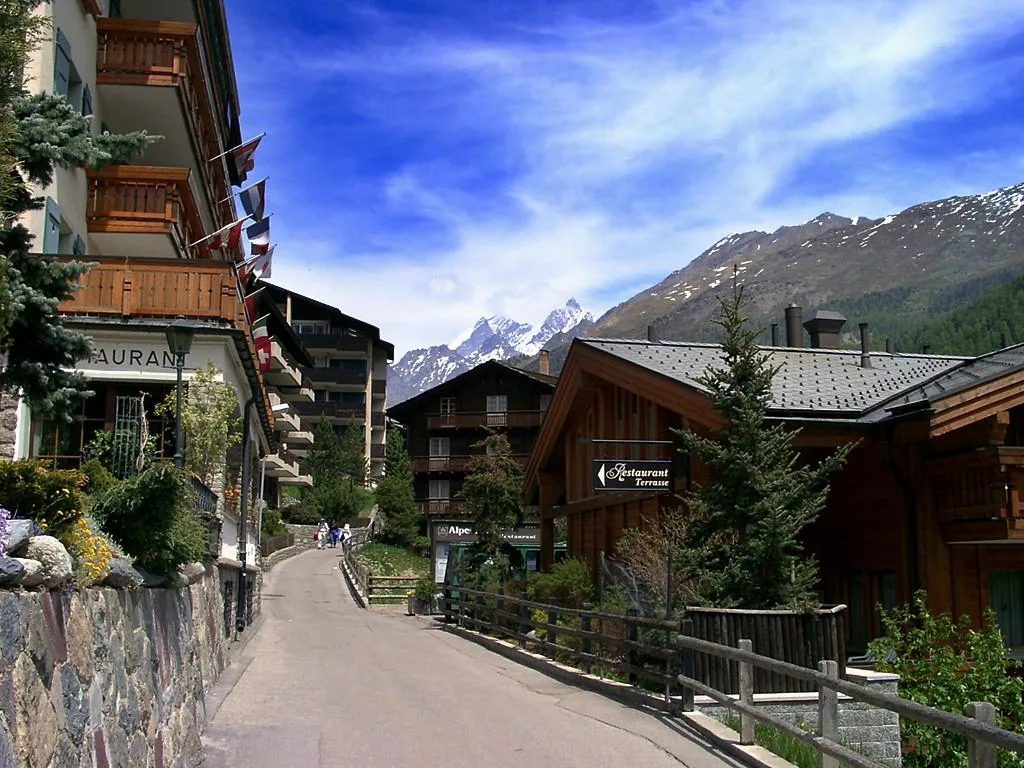
Zermatt is a car-free village in the canton of Valais, at the foot of the Matterhorn, with the main village street and squares on a flat valley floor that walks easily end to end. Cars stop at Täsch, and a shuttle train covers the last stretch into the village in around 12 minutes, so arrival day needs a little more planning than a normal road trip.
Three separate mountain sectors shape what is open when you visit: Sunnegga and Rothorn on one side, Gornergrat reached by its own railway, and the Matterhorn Glacier Paradise area around Klein Matterhorn and Schwarzsee, which climbs to the highest cable car station in Europe. Where each sector sits in the season determines whether your visit is a valley walk, a high viewpoint, or a day on snow.
The altitude edge cuts both ways. It preserves snow and keeps the upper pistes in condition through long stretches of the year, but it also means the village can be mild and green while the terrace at 3,000 meters is cold and windy. Pack layers you can add and shed rather than one heavy outfit, and treat the top station as a different climate from the village.
Spring (April to Early June): Longer Days, Snow Still High Up
Spring is a strong choice for travelers who want daylight and mild valley temperatures without the deep-winter feel. Days lengthen noticeably and the weather moderates, which makes late March and very early April a sensible window for people who want to be outdoors rather than indoors.
The trade-off is the transition zone. Snow is still dependable high on the mountain, but lower slopes and village-level paths can be wet and patchy, so plan your days around the upper sectors and keep a valley plan in reserve. This is where an itinerary built primarily around low-level walking can disappoint.
In April the village quiets down and the mountain sectors still offer high-altitude snow, which suits travelers who want serious views without summer queues. The month works best if you treat the top stations as the main event and the village as the base.
May is the month to read closely before you book. Between the winter season winding down and summer operations ramping up, some mountain lines and businesses change pace, and early June begins the shift into the warm-weather pattern. If your trip depends on a specific cable car or railway, the month guides for these weeks are the place to check what runs.
Summer (Late June to August): Warm Valley Days and the Busiest Trails
Summer is when Zermatt is easiest to enjoy without specialist gear. The village is warm, the paths around the valley and the lower slopes are walkable, and the cable cars whisk you up to genuinely cold air and glacier views within a morning. Late June is the quiet start of this window, with long daylight and the full summer pattern not yet at its peak.
July and August are the busiest weeks. School holidays push demand up, the classic viewpoints fill in the middle of the day, and the trails closest to the lift stations see constant traffic. The glacier area stays accessible in summer thanks to the altitude, so the highest ground is often the least congested way to spend a clear morning.
Two practical moves make an August trip better. Start early for the headline viewpoint, and save the village-level sights for the afternoon when the mountain crowds thin and the heat builds. The Matterhorn Museum – Zermatlantis and the Gorner Gorge both give you a lower-altitude option for a mixed day.
Early Autumn (September to Mid-October): The Sweet Spot for Views and Quiet Paths
September to mid-October is the best window for clear Matterhorn views and calmer paths. The summer holiday crush is gone, the light gets cleaner, and you can still reach the high viewpoints on the mountain lines while walking in the valley in a light jacket. Many travelers rate this as the single most rewarding stretch of the year for scenery.
The honest trade-off is that this is a shoulder season, so some services and lines adjust their schedules as the month progresses. If your plan hinges on riding a specific railway or cable car to the top, build flexibility into your dates and confirm the operation pattern for your exact travel window.
For photographers, early autumn is the best bet of the year: the mountain is usually less veiled than in early summer, and the village streets are emptier in the early morning. For walkers, September offers warm valley days without the August heat.
Late Autumn and Early Winter (Late October to November): What Closes and What Stays Open
Late October and November are the quietest weeks in Zermatt. The valley empties out, prices and availability ease, and you get the village largely to yourself. The cost of that quiet is a narrower menu of things to do, since this is the changeover period between the summer and winter operating patterns.
Treat November as a village-and-valley trip rather than a high-mountain one. Assume that some mountain lines and facilities may be between seasons, plan your days around what is confirmed as running, and keep an indoor option ready for wet weather. If reaching a summit viewpoint is the reason for your trip, late autumn needs more checking than September does.
Winter in One Line
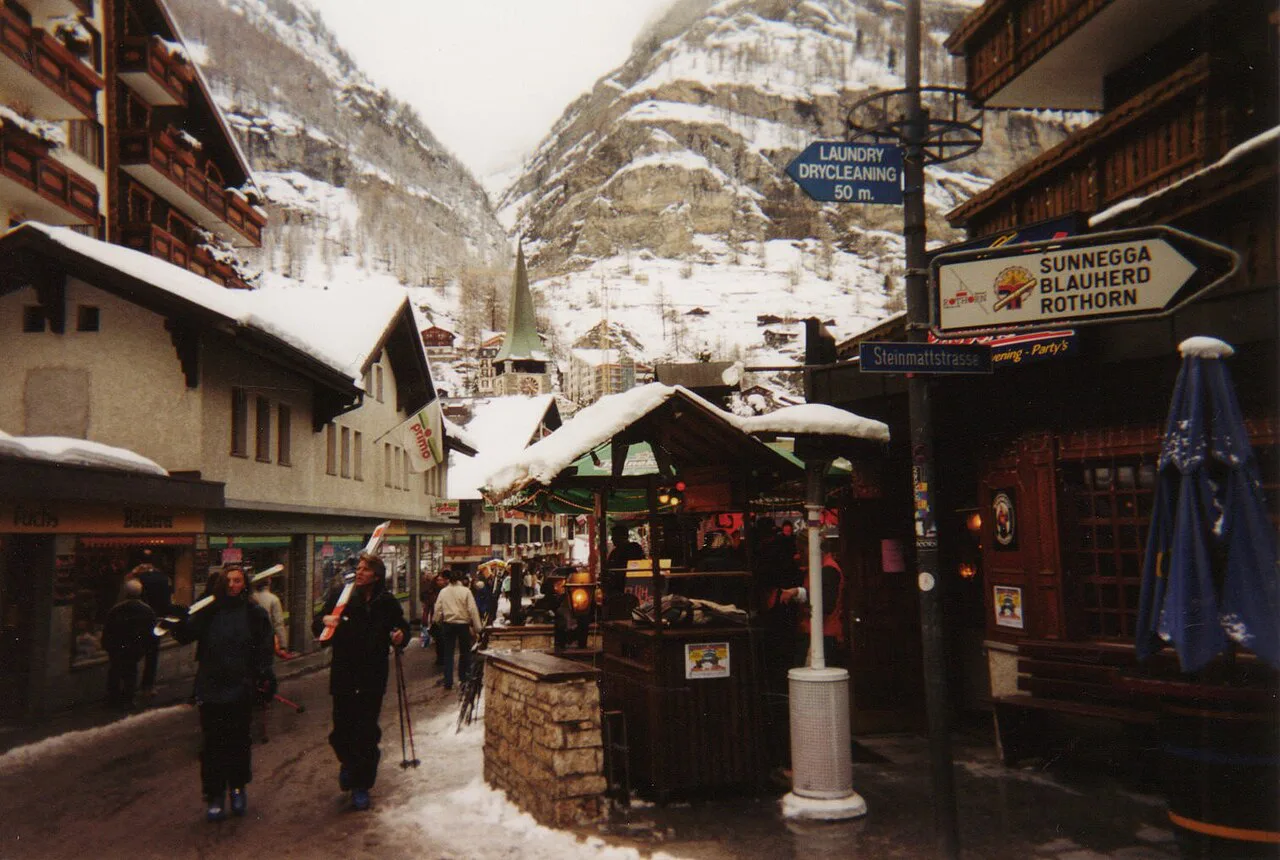
The December-to-March window is Zermatt's winter season, with the deepest snow and the liveliest village atmosphere, including the après-ski scene that peaks from December through March. It is a distinct trip with its own logistics, and the season guides for those months cover it properly.
Month-by-Month Cheat Sheet
April: high snow, mild village, and good daylight for long days out. Best for travelers who want mountain views without summer crowds.
May: a transition month, with some mountain operations still phasing in and out. Best for a relaxed village stay with flexible plans.
June: the first full summer month, with long daylight and quieter paths than July or August. Best for walkers who want the valley at its freshest.
July and August: warm and busy, with the glacier and high viewpoints as the best escape from the crowds. Best for first-timers who want everything running.
September and early October: clean light, quiet paths, and the best odds of clear Matterhorn views. Best for photographers and repeat visitors.
Late October and November: very quiet and lower-cost, with a reduced menu of mountain activities. Best for a simple village break.
Crowds and Cost by Season
Prices and availability move with the seasons. The busiest weeks, the summer school holidays and the winter peak, come with the least flexibility and the highest demand, while late autumn and the shoulder weeks give you the widest choice and the most room to bargain-hunt on accommodation.
In practice this means the money-saving question is less about a specific ticket and more about timing. Swiss franc prices for mountain lines and activities are set by the lift companies and railways themselves, so look at the official tariffs for your dates and weigh multi-day or pass options that match the number of cable cars and railways you plan to ride.
Which Season Suits Your Trip
First-timers should aim for late June to early October, when everything runs and the classic viewpoints are reachable. Photographers should target September and early October for the clearest light and the emptiest paths.
Walkers and families get the best value in late spring and early autumn, when the village is warm enough for easy days out and the crowds are smaller. If snow is the point of the trip, look at late March and early April, when daylight is generous and the high mountain still holds its cover.
Travelers who care most about cost should look at November and the shoulder weeks around the season change. The trade-off is a narrower range of open facilities, so this only works if you are happy with a village-focused visit.
Practical Timing Decisions: Daylight, Mountain Lines, and Booking Ahead
Daylight is the detail most travelers underestimate. In late spring and summer the days are long enough to fit both a mountain excursion and a village walk, while in the shoulder months the light goes early and a single big excursion should be the whole plan.
Mountain lines have their own operating patterns, and those change between the summer and winter seasons. Build one or two weather-flexible days into your itinerary, and decide which sectors matter most to you in advance, so a change in the pattern does not wreck the trip.
Book travel and accommodation early for the summer school holidays and for the winter peak. For the shoulder weeks, especially in May and November, the reverse holds: you often get better choice and more flexibility by waiting.
What to Check Before You Lock Dates
Confirm that the specific railway or cable car you want is running on your dates, and check the hours for any museum or indoor sight you plan to visit. Zermatt's location means arrival logistics, Täsch access and the car-free rule should be settled before you book.
Finally, look at the daylight and the typical weather pattern for your chosen weeks rather than a single forecast, and leave one spare day in the plan for a clear view of the Matterhorn. If you are still deciding between dates, check the month pages on this site for the detail that changes the decision.
Plan Your Visit
For most travelers, late June to early October is the best time to visit Zermatt, with early autumn the standout choice for clear views and quiet paths. If you want snow underfoot and longer days, late March and early April are the stronger bet.
Decide what the trip is really for first, whether that is the Matterhorn from a high terrace, a walk through the car-free village, or the winter season, then match the month to it. That single decision settles more of the planning than any list of dates.
Explore more Zermatt guides
Frequently Asked Questions
What is the best month to visit Zermatt for clear views of the Matterhorn?
September and early October give the best odds of clear Matterhorn views, with cleaner light, fewer people on the paths, and the high viewpoints still reachable. Early summer is also good but busier and often hazier, so if the view is the point of the trip, aim for the autumn window.
Is Zermatt worth visiting outside ski season?
Yes. The village is at 1,620 meters and is warm enough to walk in summer, while the mountain lines take you up to cold air and glacier views in the same day. The non-winter months are the best time for the classic viewpoints and the quiet paths, and the car-free village is easier to enjoy at a relaxed pace.
What is the weather like in Zermatt in September?
September typically brings milder valley temperatures and clearer air than high summer, with the high altitude staying cold. Treat the village and the peaks as two different climates and pack layers, since the top stations sit close to 3,900 meters.
How many days do you need in Zermatt?
Two or three full days covers one or two mountain excursions, a valley walk, and time in the village without rushing. Add a day if you want a weather-flexible buffer, especially in the shoulder months when conditions change quickly.
When is Zermatt least crowded?
Late October and November are the quietest weeks, followed by early June and the weeks after the summer holidays end. The trade-off in late autumn is a narrower menu of open mountain facilities; check current details before travelling.
Do you need a car to get to Zermatt?
No, and in fact you cannot drive into the village. Cars stop at Täsch, and a shuttle train covers the last stretch into Zermatt in around 12 minutes, so arrival by rail or by car plus shuttle both work.
Sources
Notes for your Swiss city break
Optional updates to our Swiss city guides.
You might also like
Continue reading
More guides you'll find useful