Zermatt Itinerary: How to Plan 2 or 3 Days
Plan two or three days in car-free Zermatt by lift area: Matterhorn Glacier Paradise, Rothorn and Gornergrat, with ski-pass prices and village time.
On this page
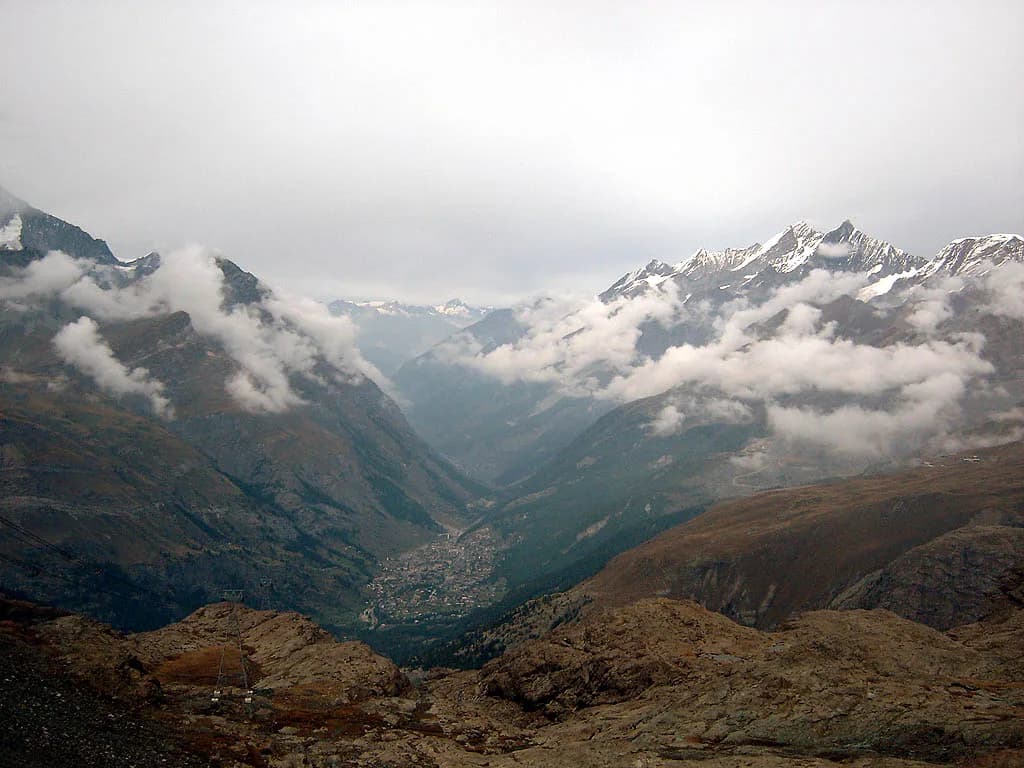
Zermatt is a car-free village at 1,600 meters below the 4,478-meter Matterhorn, with three separate Swiss lift areas and a cross-border link to Breuil-Cervinia in Italy. Two days cover the two headline areas, three days add the third, and a fourth day gives you weather slack in a resort where cloud can shut down the upper slopes.
The most useful planning decision is to organize each day around one lift base station and one ticket rather than chasing scattered sights across the valley. The three bases sit close together in the village, so the day is shaped by the mountain above each one, not by how far you walk in town.
Zermatt in a Nutshell
The village sits at 1,600 meters, while the top of the ski and viewing area at Klein Matterhorn reaches 3,883 meters, so the vertical range within a single day is enormous. The Zermatt-Cervinia ski area is marketed with 360 kilometers of marked pistes shared between Switzerland and Italy, which is why a single day on one side rarely feels like enough.
Four sectors make up the whole area: Matterhorn Glacier Paradise above the village, Rothorn on the eastern side, Gornergrat above the Gorner Glacier, and Cervinia across the Italian border. Treat each as a half or full day and the itinerary writes itself.
How Many Days You Need
One day gets you up to Matterhorn Glacier Paradise and back with a short village walk; two days add either Rothorn or Gornergrat; three days cover all three Swiss sectors comfortably. A fourth day is the honest recommendation if you want the Cervinia crossing as well, and the resort's own feel for it is three days as a bare minimum, optimally four.
If time is tight, cut the Cervinia extension first: it is the most weather-dependent and the most time-consuming piece. If you have only a single day, our one day in Zermatt plan focuses on the high viewpoint and the village core.
How Zermatt Is Laid Out
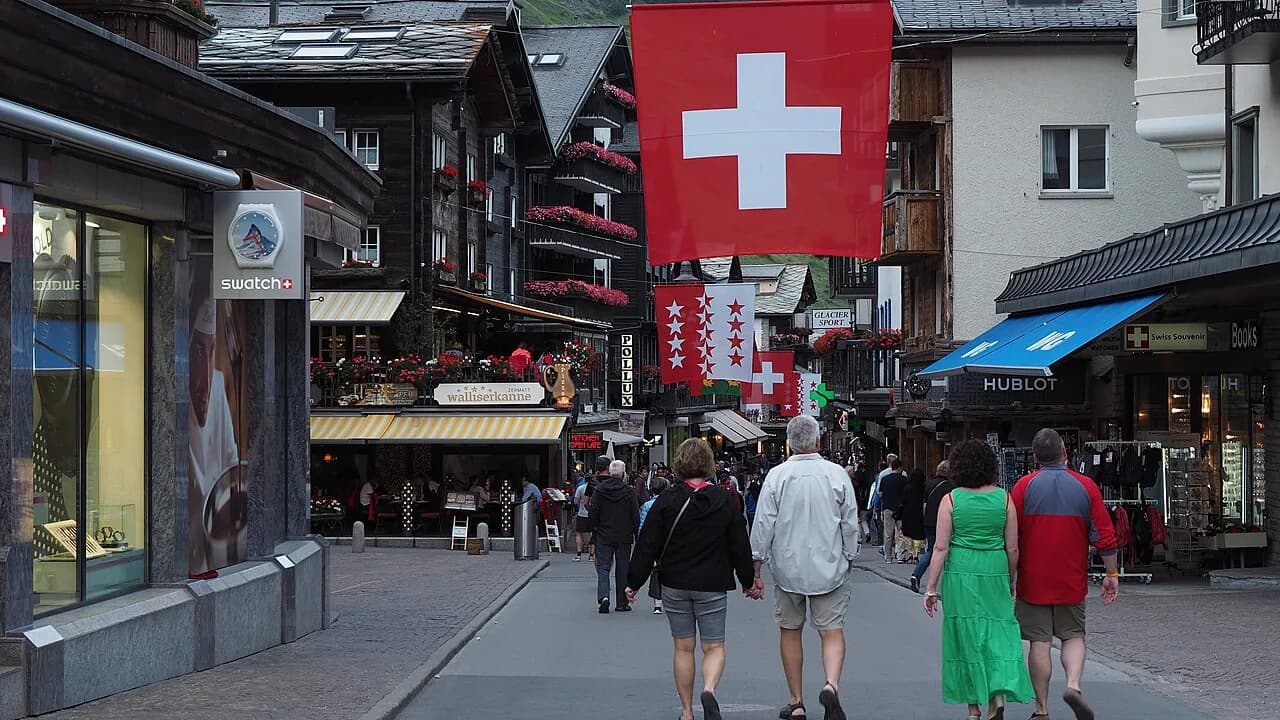
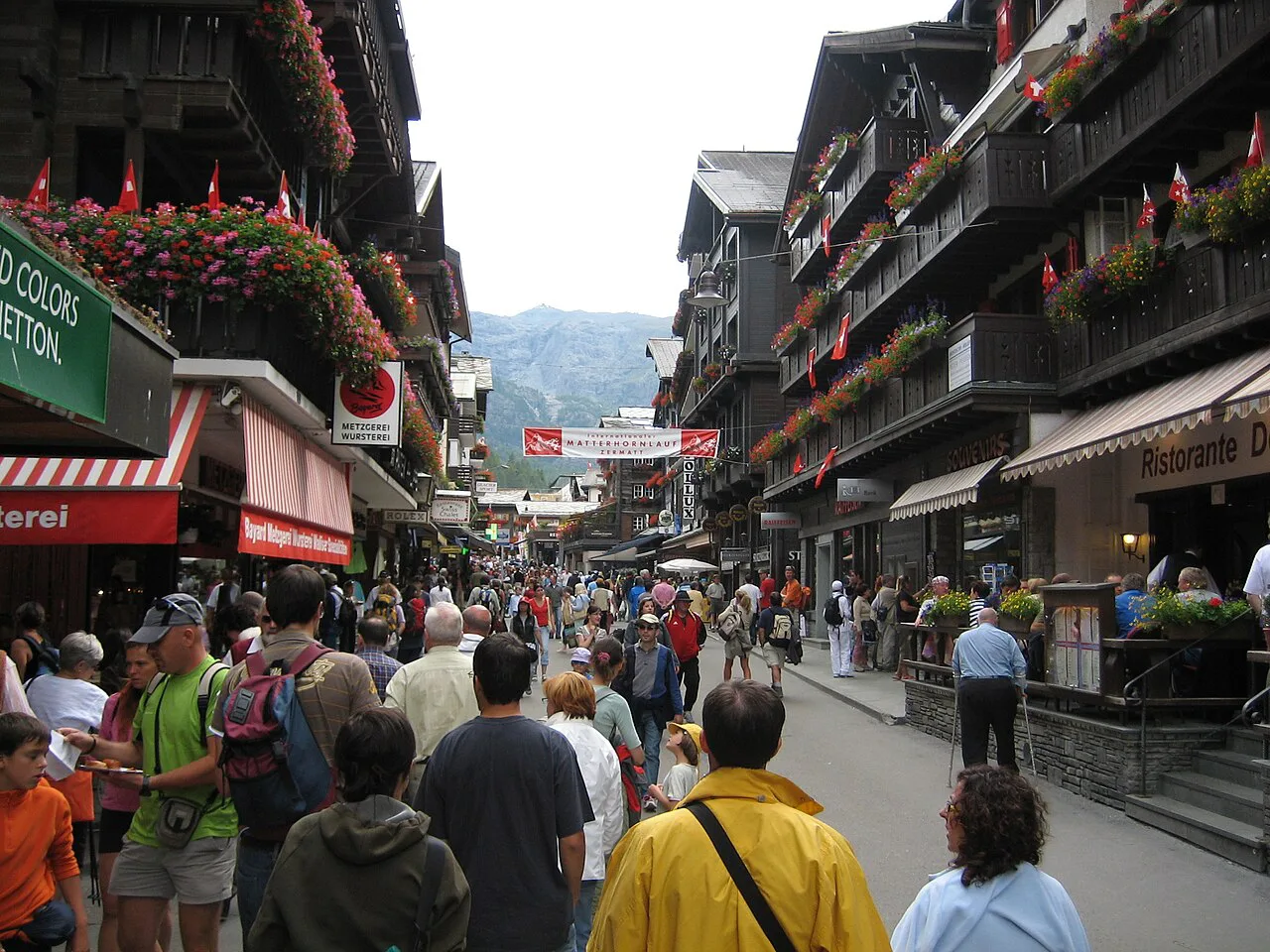
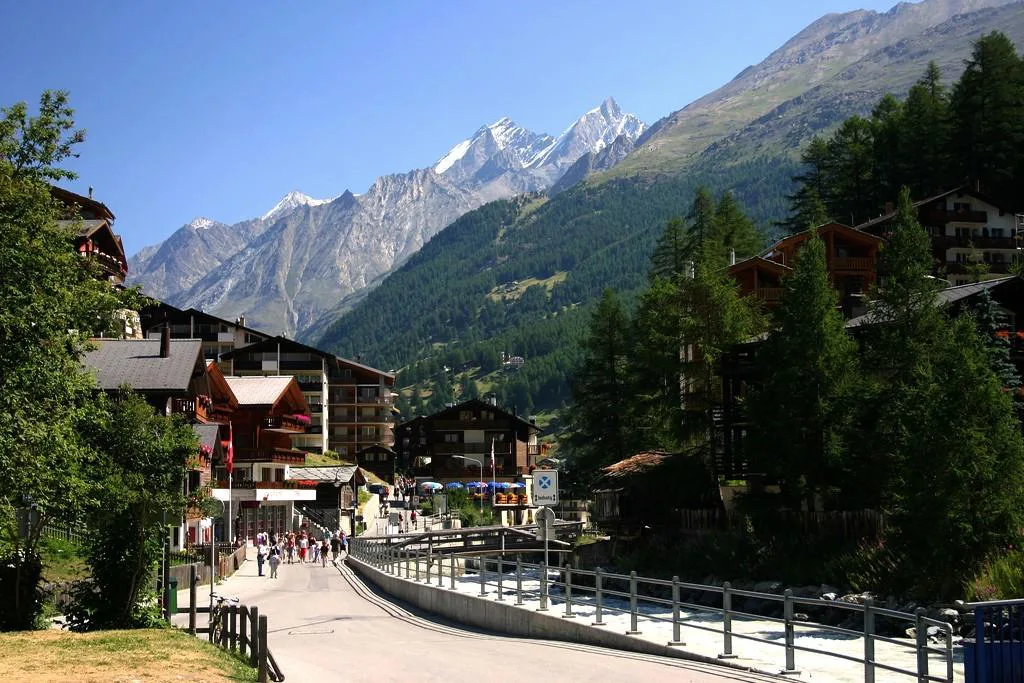
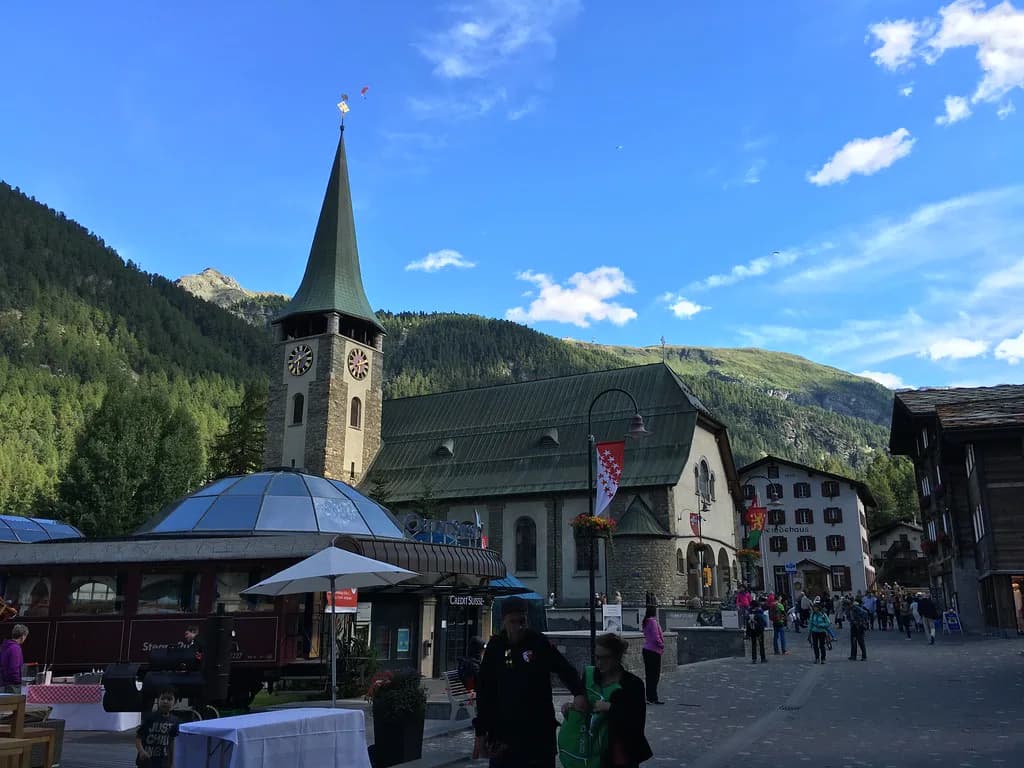
Everything funnels through Zermatt Bahnhof and Bahnhofstrasse, the main street running north from the station through the car-free center. The river splits the village, with the Gornergrat cogwheel train base directly across from the main station and the Matterhorn Glacier Paradise base a short ride away, served by a free electric shuttle bus.
The Sunnegga funicular base sits roughly 500 meters from the train station, close enough to walk but served by the same shuttle if you are carrying gear. Electric taxis exist for luggage runs, and they are the pricey option compared with walking a compact village.
Day 1: Matterhorn Glacier Paradise and Klein Matterhorn
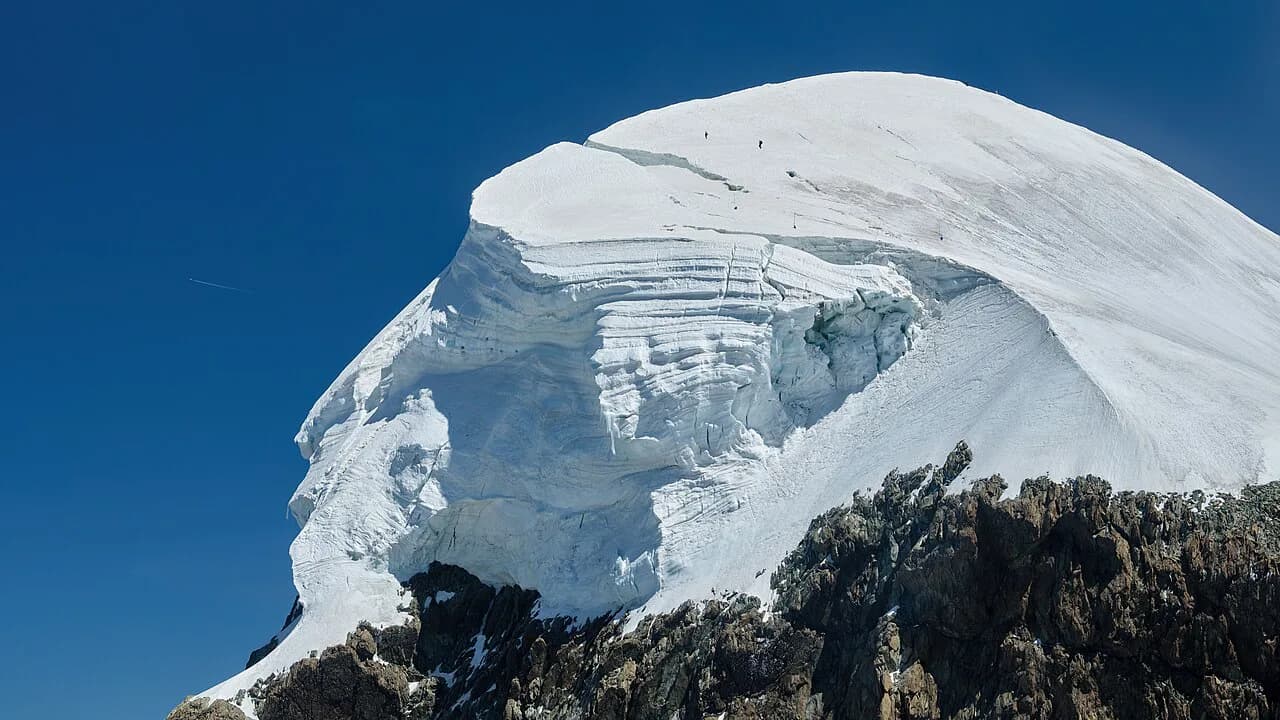
The ascent from Zermatt to Klein Matterhorn takes about 45 minutes with changes at Furi and Trockener Steg, and the top station holds the highest viewing platform in the area. From the deck you look across to the 4,478-meter Matterhorn and down into valleys on both the Swiss and Italian sides.
Allow roughly 90 minutes to get from the top back to the valley, because the descent involves several lift legs and a long final run or ride. Start early, ride the free shuttle from the station to the Matterhorn terminal, and expect a queue for the shuttle back at the end of the day.
In winter you can cross to Breuil-Cervinia on the Italian side and return the same day, which is why this sector pairs naturally with the border hop. In summer the same lifts serve walkers and viewers rather than skiers.
Day 2: Sunnegga, Blauherd and Rothorn
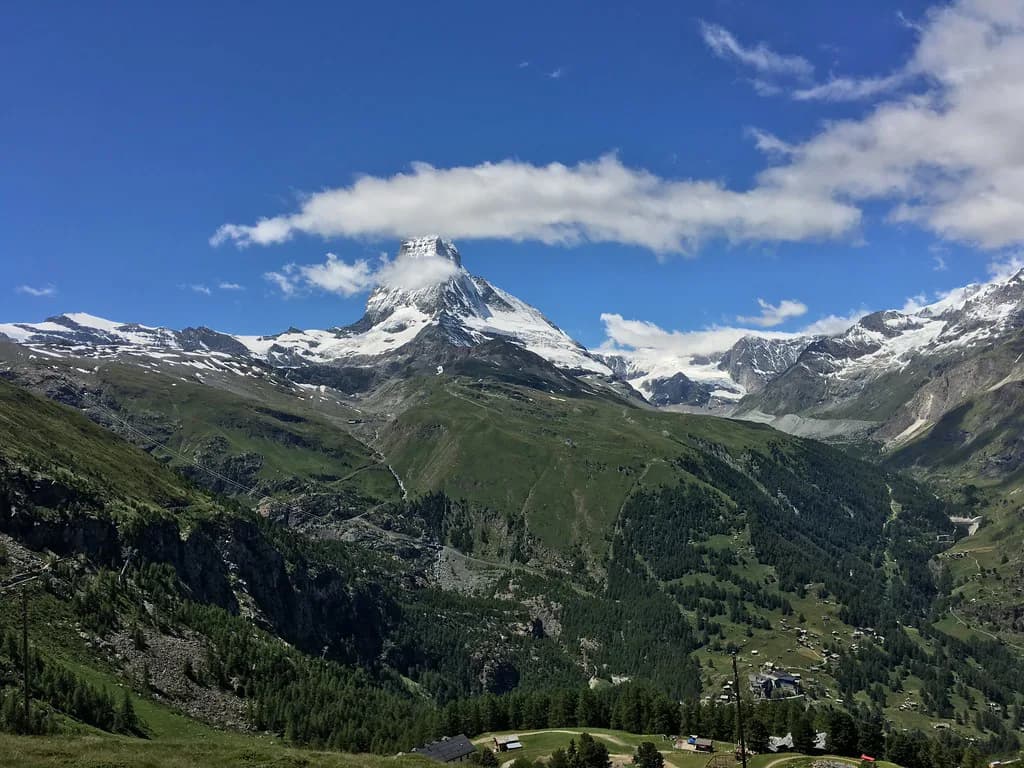
The Sunnegga funicular climbs from the village to Sunnegga at 2,288 meters, then cable cars continue to Blauherd at 2,571 meters and Rothorn at 3,103 meters. The Rothorn side is where many visitors find their favorite view of the Matterhorn, framed by the curved ridgeline that gives the peak its postcard profile.
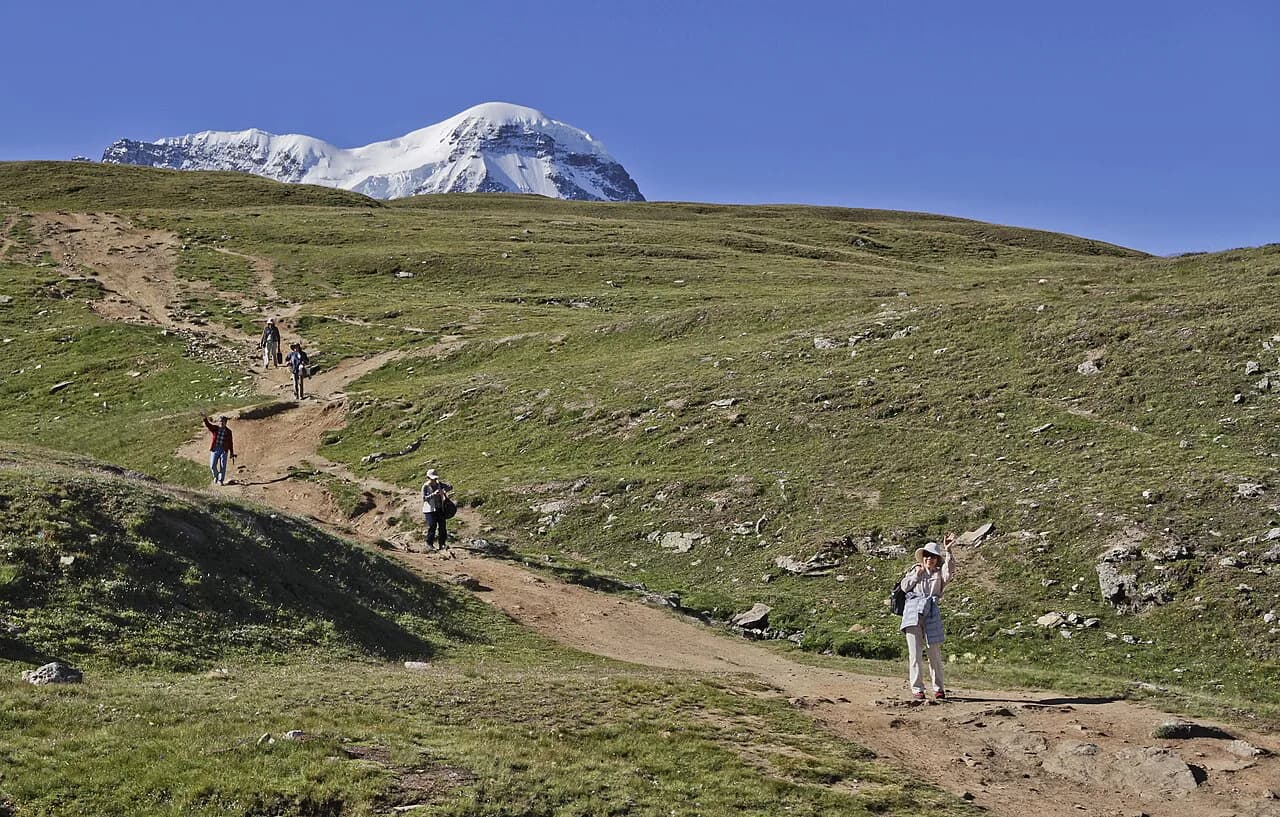
This sector tends to be quieter than the glacier side, especially on weekdays, and the slopes around Tufternkumme and Rothorn were the standout of one traveler's morning. In summer the same lifts open a network of high walks above the tree line, so the day works whether or not you ski.
Day 3: Gornergrat by Cogwheel Train
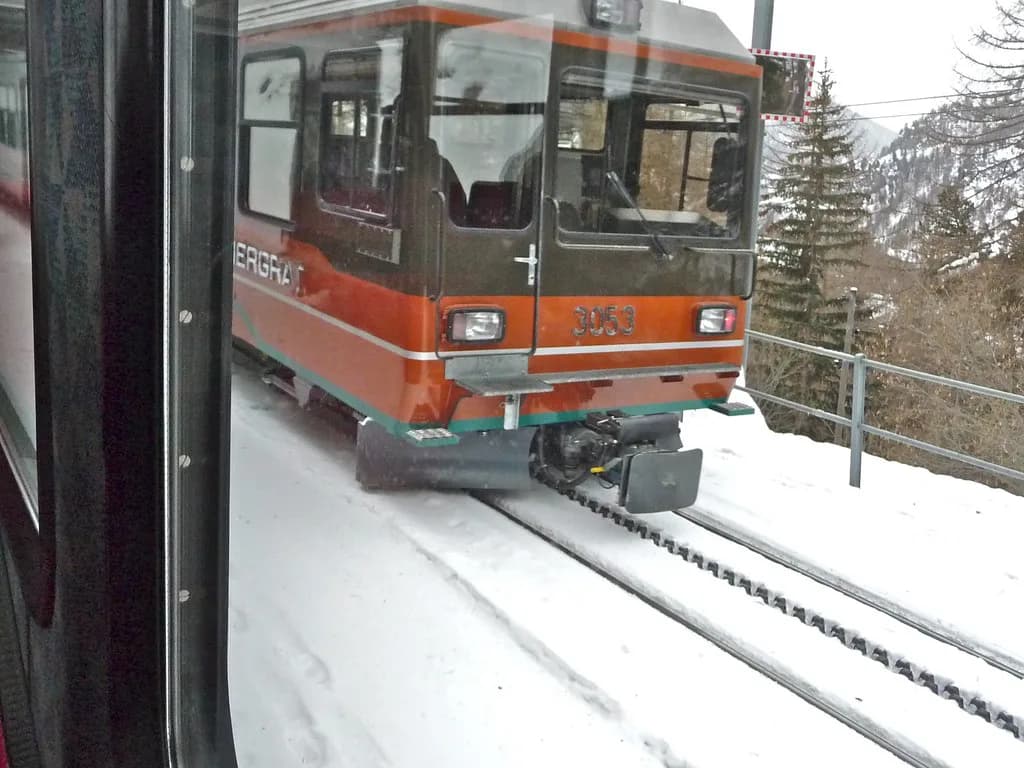
The cogwheel train from Zermatt climbs to Gornergrat at 3,089 meters, directly across the street from the main station. From the top you face the Monte Rosa massif and the 4,634-meter Dufourspitze, the second-highest mountain in the Alps, plus the Gorner Glacier below.
Break the descent at Riffelberg, where the train stops almost on the slope at 2,582 meters and you can reboard for the ride back up or down. Seat choice matters on the way up: the right side gives the better village views as the train leaves Zermatt.
A Half-Day for Non-Skiers: Museum and Village
The Matterhorn Museum covers the history of the first ascent and the deaths that shook the village, and it is the obvious indoor anchor for a bad-weather day. Pair it with a wander through the old quarter, where traditional wooden houses sit on stone slabs to keep mice out of the grain stores.
Gorner Gorge, just outside the village, follows a wooden walkway above carved rock and turquoise water, and it is a summer option rather than a winter one. Build the half-day around whatever the mountain cloud allows and keep the lifts for the clearer forecast.
What Things Cost in Swiss Francs
Zermatt uses dynamic ski-pass pricing, and one traveler reported paying about 90 CHF for a day pass with a general figure of around 100 CHF, plus a 17 CHF add-on for Cervinia and a 20 CHF add-on for the Täsch-Zermatt shuttle. Check the official lift site for your dates rather than budgeting from those reported figures.
The Half Fare Travelcard reduces rail fares on Swiss trains, which matters if you are arriving from Visp or Brig each morning rather than staying in the village. For the wider cost picture, from lift tickets to meals, our breakdown of what a Zermatt trip costs keeps the figures in one place.
Where to Eat and When
The practical rhythm is a mountain lunch on the terrace of whichever sector you are riding, then an early dinner back in the village once the last lift has run. Eating up high saves a descent and a re-ascent, and it keeps you near the best light on the peaks.
Because the top stations are a long ride from the valley, plan your afternoon around the last comfortable descent rather than around restaurant opening times in town. Keep a village meal as the flexible option for the day the weather turns.
Winter Versus Summer
In winter the three sectors are ski areas, with the Cervinia crossing as the big bonus for confident skiers and a shuttle queue at the end of the day. In summer the same lifts carry walkers, and the high viewpoints at Klein Matterhorn, Rothorn and Gornergrat become the destination in themselves.
Seasonal lift schedules and opening dates shift year to year, so confirm which sectors are running before you fix the order of your days. If the weather looks unstable, put Gornergrat earlier in the trip and hold the glacier for the clearest forecast.
Practical Constraints: Parking, Trains and Weather
Cars are not allowed in Zermatt, so drivers leave the vehicle at the large parking garage in Täsch and take the short train up the valley; the garage connects directly to the station. Winter trains have separate compartments for skis and winter gear, which makes the transfer painless.
Staying in Visp or Brig saves on lodging but adds a daily commute, and the trade-off is real: one traveler drove about 40 minutes from Brig to Täsch before each ski day. Bad weather can wipe out an upper-mountain day entirely, which is why a flexible three- or four-day frame beats a tightly booked two-day one.
Where to Go Next
If the weather steals a day, Saas-Fee, Crans-Montana and the Aletsch Arena sit within reach for another trip rather than a same-day detour. If you are weighing Zermatt against another Swiss mountain base, our comparison with Grindelwald sets out what each delivers.
Readers planning a longer Swiss trip often pair a Zermatt stay with a city break; our three days in Zürich itinerary is the natural bookend before or after the mountains. If you would rather bookend the mountains with a city on the northern border instead, our Basel itinerary is a comparable option.
Where to Sleep Without a Car
Zermatt itself is car-free, so if you arrive by car you must leave it in Tasch and take the train the last six kilometers into the village. That makes the choice of where to sleep more than a question of price. Staying in Zermatt is the most comfortable and convenient way to explore the area, and the village is like one big collection of hotels, guesthouses and apartments with direct access to all three skiing areas. Zermatterhof is a luxury 5-star hotel in the middle of Zermatt, while Alpen Resort & Spa and Alpenhotel Fleurs de Zermatt have an excellent location, cozy rooms and wellness facilities, plus a ski storage room with a ski boot dryer. For the ultimate luxury, The Omnia has everything, and Zermatt Youth Hostel is the budget option, though it is quite expensive and worth considering mainly if you travel solo.
Tasch, just six kilometers before Zermatt, is the final stop when arriving by car, and accommodation there is slightly cheaper but not by much. Hotel Matterhorn and Hotel Mountime are both comfortable hotels with free parking and fairly affordable rates. With such a small price difference, Tasch is worth it mainly if Zermatt is totally booked. Visp and Brig are further options for saving money on a hotel, but be prepared for long days because travel time takes longer; Visp is 30 kilometers from Tasch.
If you want to stay in Zermatt without a car, the village is well connected with the Canton of Valais by train, so arriving from Tasch, Brig or Visp is straightforward. Hotel Cervo offers a free pick-up service and will also take you back to the train station, and there is a convenient elevator just outside the hotel to take you up and down to various lifts and back down to the heart of town. Electric cabs run around the village but can get pricey, and the town is fairly small so you can walk.
Plan Your Visit
Build the trip around three lift areas, keep one half-day buffer for cloud, and book the highest ride for the clearest forecast rather than for your first morning. That single rule saves more disappointment in Zermatt than any packing decision.
For a tighter version, start with 2 days in zermatt and add Gornergrat only if the weather holds.
Explore more Zermatt guides
Frequently Asked Questions
How many days do you need in Zermatt?
Two days cover Matterhorn Glacier Paradise and one of the other lift areas, while three days let you ride Glacier Paradise, the Rothorn side and Gornergrat without rushing. Add a fourth day if you want the cross-border run to Breuil-Cervinia, because weather can force you to reshuffle that plan.
What is the best 2-day Zermatt itinerary?
Spend the first day on Matterhorn Glacier Paradise and Klein Matterhorn, starting early because the ascent takes about 45 minutes with changes and the return to the valley takes roughly 90 minutes. Use the second day for Gornergrat by cogwheel train, or for the Sunnegga, Blauherd and Rothorn sequence if you want the classic Matterhorn view.
Is Zermatt worth it for non-skiers in winter?
Yes, if you treat the lifts as sightseeing transport. Klein Matterhorn, Rothorn and Gornergrat all have viewing platforms, and the Matterhorn Museum plus the old wooden houses fill a cloudy half-day in the village. Gorner Gorge is a summer walk rather than a winter one.
How much does a Zermatt ski pass cost?
Zermatt uses dynamic pricing, and a day pass has been reported at around 100 CHF, with one traveler paying about 90 CHF plus optional add-ons for Cervinia and the Täsch shuttle. Check the official lift site for your own dates rather than relying on past figures.
Can you ski from Zermatt to Cervinia in one day?
Yes, the two resorts are linked across the border, and the crossing is easiest from the Matterhorn Glacier Paradise sector. It is the most weather-sensitive part of the trip, so keep it flexible and treat it as a bonus rather than the fixed centerpiece of a short stay.
Is October a good time to go to Zermatt?
Autumn sits between the summer walking season and the winter ski season, and lift schedules change in those shoulder weeks. Confirm which sectors and cable cars are running before you build an itinerary around them, and plan village time as the reliable part of the day.
Does it snow in December in Zermatt?
December is a winter month in a village at 1,600 meters with lifts reaching almost 3,900 meters, so snow is normal on the upper mountain. Check the snow report and lift status for your dates.
Sources
Notes for your Swiss city break
Optional updates to our Swiss city guides.
You might also like
Continue reading
More guides you'll find useful