
Matterhorn Museum – Zermatlantis: A Visitor's Guide to Zermatt's Underground Museum
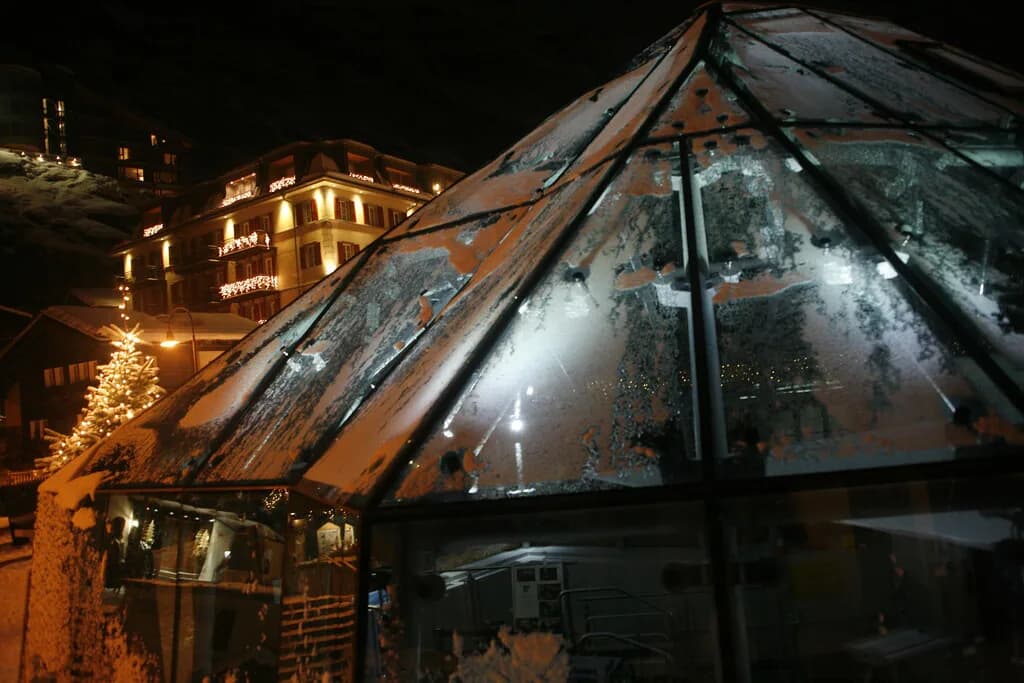
The Matterhorn Museum tells the story of how a farming village at the foot of a 4,478-meter peak turned into one of the Alps' best-known mountain resorts. Its full name is Matterhorn Museum – Zermatlantis, and the concept is unusual: rather than galleries, you walk through a rebuilt underground village with original houses and staged scenes of village life and early alpine research. It sits at Kirchplatz in central Zermatt, so it slots easily into an afternoon between the mountain railways and the main street.
Zermatlantis: An Underground Village, Not a Conventional Gallery
Zermatlantis reconstructs old Zermatt below ground level, using original houses, recreated situations of residents and former alpine researchers, and a multimedia room. The result is a walk-through of local history rather than a row of display cases, which makes it easier to follow for children and for anyone who has just come down from the mountain and wants context. It opened in 2006 and receives roughly 40,000 visitors a year.
The museum is catalogued as a historical museum and is designed for families, with step-free access and an audio guide in German, English, French and Japanese. Dogs are not admitted. Books, souvenirs and a museum flyer are available, and temporary exhibitions and cultural events run alongside the permanent displays.
Where the Museum Is and How to Get There
The address is Kirchplatz 3920 Zermatt, in the middle of the village, and the museum is around an 8-minute walk from Zermatt station. Zermatt itself is car-free, so you arrive on foot from the station or from wherever you are staying in the center; the walk is short enough to combine with a look at the parish church square. Where you stay shapes that walk, so the Zermatt Neighborhoods: 4 Area Guides help you pick an area close to the center.
Because the entrance sits at street level but the exhibition lies underneath, plan for stairs or the accessible route rather than expecting a visible museum building. If you are coming from a mountain excursion, the village center is the natural place to finish the day, and the wider Zermatt Attractions: 8 Visitor Guides collection shows what else is within easy reach of Kirchplatz.
Opening Hours and Seasonal Variations
The museum opens daily from 15:00 to 18:00, Monday through Sunday. That late-afternoon window is short, so build it into the day rather than leaving it as an afterthought; a morning on the mountain and a late-afternoon museum visit pair well.
Hours vary by season. In autumn 2026 the daily 15:00–18:00 schedule runs from 1 October to 31 October, and between 20 November and 17 December 2026 the museum is listed as open Friday to Sunday only, again 15:00–18:00. It is scheduled as closed from 1 November to 19 November 2026 and reopens daily from 18 December 2026. Treat those dates as the pattern to check against your own travel window, not a fixed yearly rule.

Ticket Prices in Swiss Francs
Standard admission is CHF 12 for adults, CHF 10 for seniors aged 64 and over, CHF 8 for students and CHF 7 for teenagers aged 10 to 16. Children up to 9 accompanied by an adult pay nothing. Groups of at least eight pay CHF 10 per person, and school classes pay CHF 5 per child up to a maximum of 25, with teachers free.
The museum accepts the Museum Pass, Swiss Travel Pass, Swiss Flexi Pass and Swiss Youth Pass for free entry, and Raiffeisen cards with the Maestro, VISA or MasterCard logo are also accepted. The pass question matters more than the CHF 12 headline: if you already hold one of these passes, the museum costs you nothing extra, and a family with two adults and two children under 10 pays CHF 24 without a pass.
What to See Inside
The centerpiece is the original torn rope from the first ascent of the Matterhorn on 14 July 1865, displayed together with effects belonging to the climbers who died on the descent. That single object carries the story the museum is built around: triumph and loss on the same day, told through the equipment that failed.
Older finds widen the timeline considerably: a Neolithic stone axe from the third to fifth millennium BC and artifacts and remains linked to a mercenary, the Söldner, from around the 16th century. Together with the reconstructed village houses and scenes of villagers and early alpine researchers, they show Zermatt as a working farming community long before mountaineering arrived.
A relief model of the Matterhorn uses illuminated lines to show the routes climbers take on the mountain, which is useful before or after you have seen the peak from town. The multimedia room shows excerpts of Luis Trenker's film Der Berg ruft, shot in Zermatt in 1937 and 1938 and including a staged version of the first-ascent accident. Records set by alpinists on the surrounding 4,000-meter peaks are covered with photos and facts.
How Long to Allow and When to Go
Allow roughly one hour for the underground village, the multimedia room and the relief model; the space is compact and the visit is self-paced with an audio guide. Because the museum only opens at 15:00, the practical choice is to spend the morning and early afternoon on the mountain and arrive in the village center afterward; the best time to visit Zermatt guide helps you judge which days suit a mountain morning.
The 15:00 opening concentrates visitors into a three-hour window, so arriving close to opening leaves more room in the reconstructed houses and the multimedia room. On a cloudy or wet afternoon the museum is a sensible swap for a cable-car trip, and you can keep the mountain for a clearer day; the best time to visit Zermatt guide covers how conditions vary through the year.

Nearby Sights Around Kirchplatz
Kirchplatz puts you beside the parish church and a short walk from the main street, so the museum fits naturally into an afternoon in the village center. The old Hinterdorf quarter, with its weathered timber barns along the Matter Vispa, is the closest thing to the village Zermatlantis reconstructs and makes a good companion walk.
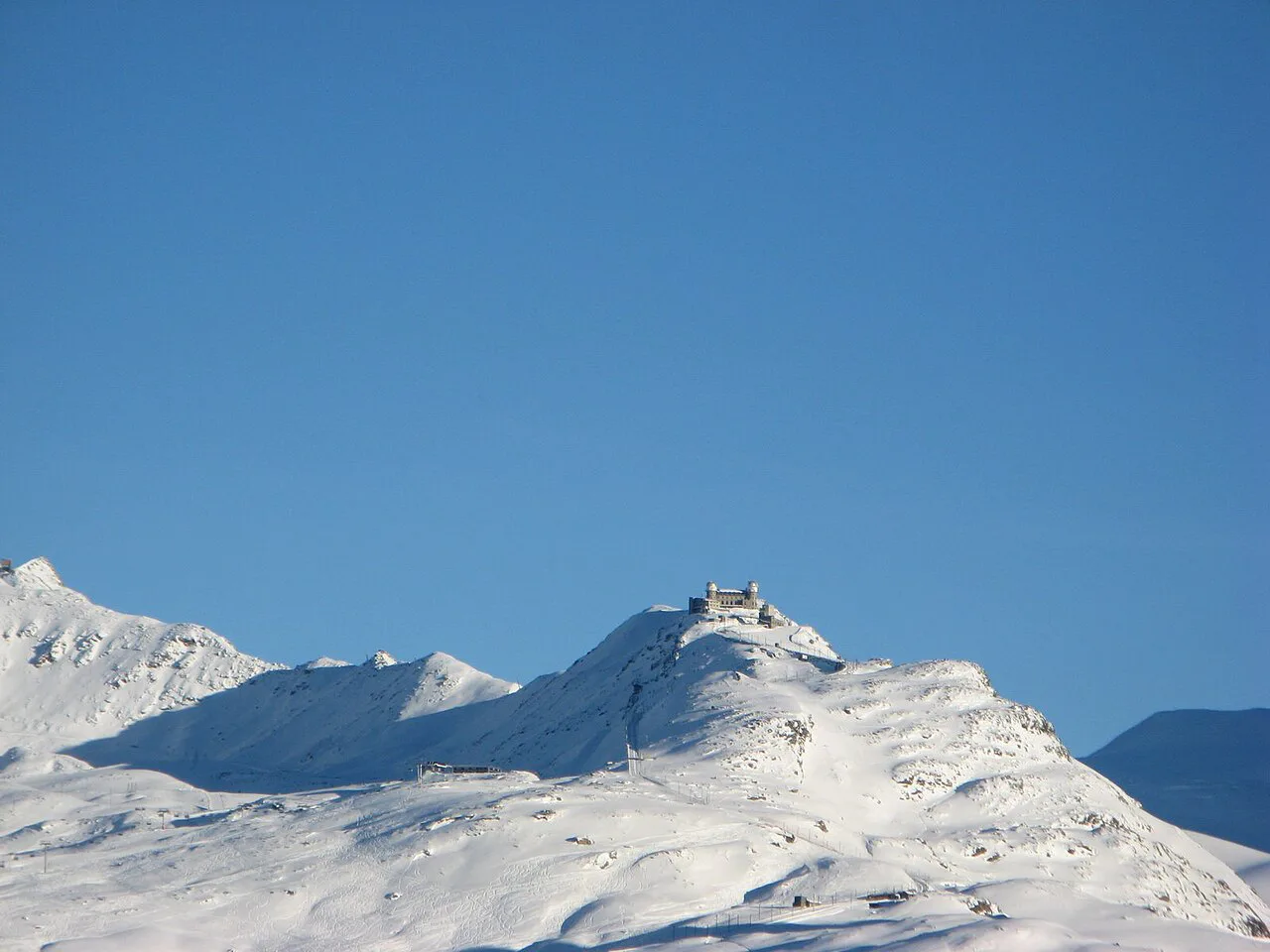
If the weather clears, the mountain railways are the obvious next step: Gornergrat gives a broad panorama including the Gorner Glacier, and the cable cars toward Matterhorn Glacier Paradise reach higher ground. Both are half-day commitments, so the museum works best as the settled part of an arrival day or a rest day. If you are weighing which season to plan around, the best time to visit Zermatt guide sets out how conditions shape a trip like this, and the Zermatt Neighborhoods: 4 Area Guides show which areas make an easy base for village-center stops like this one.
Plan Your Visit
The Matterhorn Museum – Zermatlantis is a one-hour, late-afternoon stop that explains the mountain you have been looking at: original houses below ground, the torn 1865 rope, the Söldner finds and a relief of the climbing routes. Check the official page for the hours in your travel window, since the seasonal pattern changes in November and December, and bring a pass if you hold one because entry is then free.
Explore more Zermatt guides
Frequently Asked Questions
Where is the Matterhorn Museum in Zermatt?
It is at Kirchplatz 3920 Zermatt, in the village center, about an 8-minute walk from Zermatt station. Zermatt is car-free, so you reach it on foot from the station or from central accommodation.
How much does the Matterhorn Museum cost?
Adults pay CHF 12, seniors aged 64 and over CHF 10, students CHF 8 and teenagers aged 10 to 16 CHF 7. Children up to 9 accompanied by an adult are free, groups of eight or more pay CHF 10 per person, and school classes pay CHF 5 per child up to 25, with teachers free.
Is the Matterhorn Museum free with the Swiss Travel Pass?
Yes. The museum grants free entry to holders of the Swiss Travel Pass, Swiss Flexi Pass, Swiss Youth Pass and Museum Pass, and accepts Raiffeisen cards carrying the Maestro, VISA or MasterCard logo.
What can you see inside the Matterhorn Museum?
The underground Zermatlantis village includes original houses and staged scenes of villagers and alpine researchers, the original torn rope from the 1865 first ascent, effects of the climbers who died, a Neolithic stone axe, finds linked to a 16th-century mercenary, a Matterhorn relief showing climbing routes and a multimedia room.
Is the Matterhorn Museum open every day?
It normally opens daily from 15:00 to 18:00, but the schedule changes seasonally. In autumn 2026 the daily window ran through October, the museum was listed as closed from 1 to 19 November 2026, and then as open Friday to Sunday until mid-December. Check the official page for your dates.
How long does it take to visit the Matterhorn Museum?
Allow about an hour. The exhibition is compact and self-paced with an audio guide, and the three-hour afternoon opening means you can see the village, the multimedia room and the relief model comfortably in one visit.
Is the Matterhorn Museum suitable for children?
Yes. The museum is designed for families, children up to 9 enter free with an adult, and the reconstructed village and the film excerpts hold attention better than a conventional display case. An audio guide is available in English and German, among other languages.
Is the Matterhorn Museum wheelchair accessible?
The museum is listed as wheelchair accessible and step-free, even though the exhibition lies below street level. Dogs are not allowed inside.