
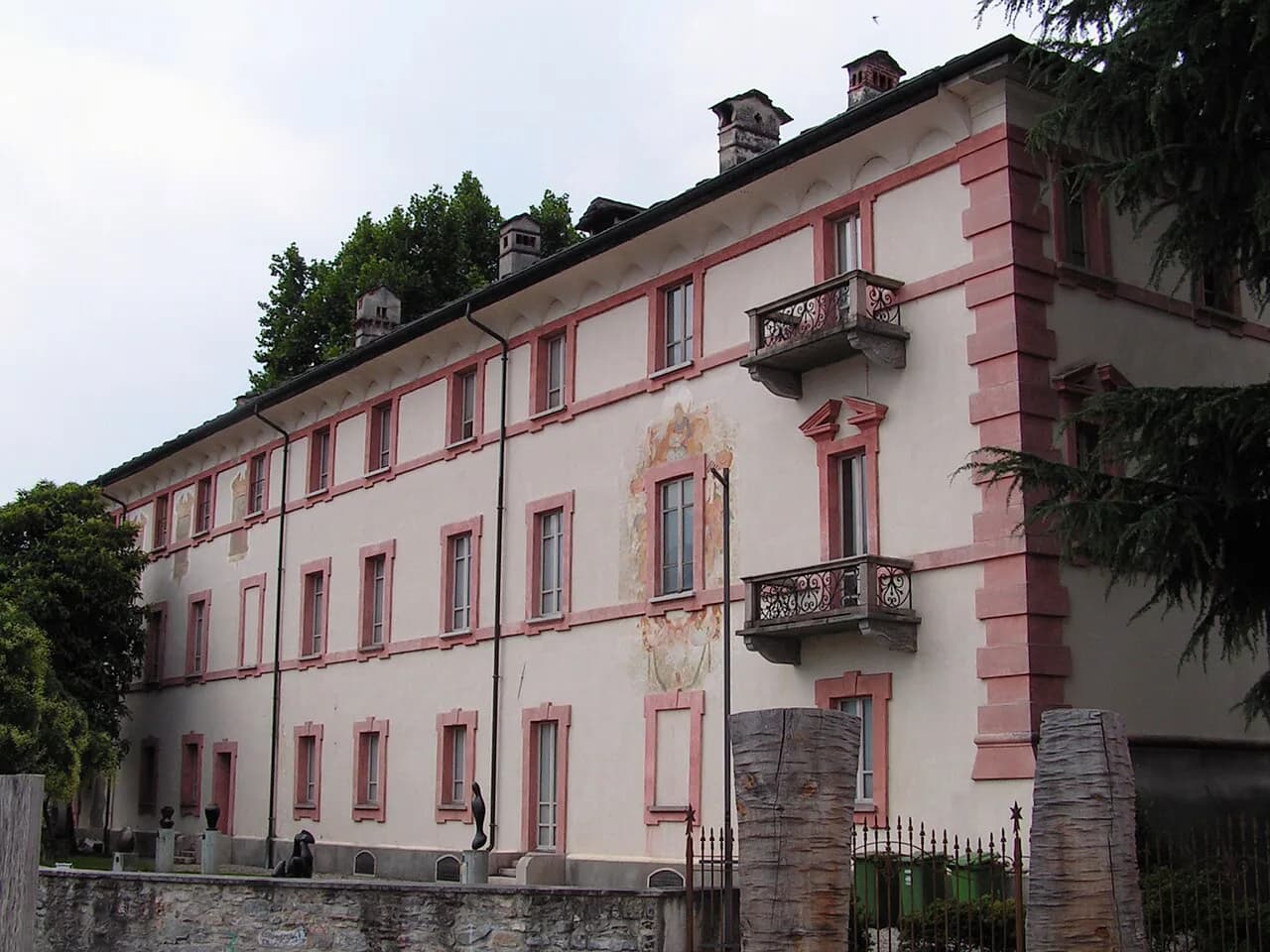
Museo Casorella: Locarno's City Art Collections in a 16th-Century Mansion

Museo Casorella is the Locarno art museum where the city keeps its civic collections, roughly 4,500 paintings, sculptures and prints, in a restored 16th-century mansion on Via Bartolomeo Rusca. The permanent display on the ground floor centers on Jean Arp, with further rooms devoted to Max Bill and Filippo Franzoni. It is a compact stop that fits easily into a morning in the old town.
What Museo Casorella Is
After a major restoration and reorganization, Casorella reopened as the new home for Locarno's municipal art collections, which number around 4,500 works. The permanent exhibition brings out the most significant groups that had until then been held in storage. That framing matters: this is a civic collection finding its public face, not an encyclopedic museum.
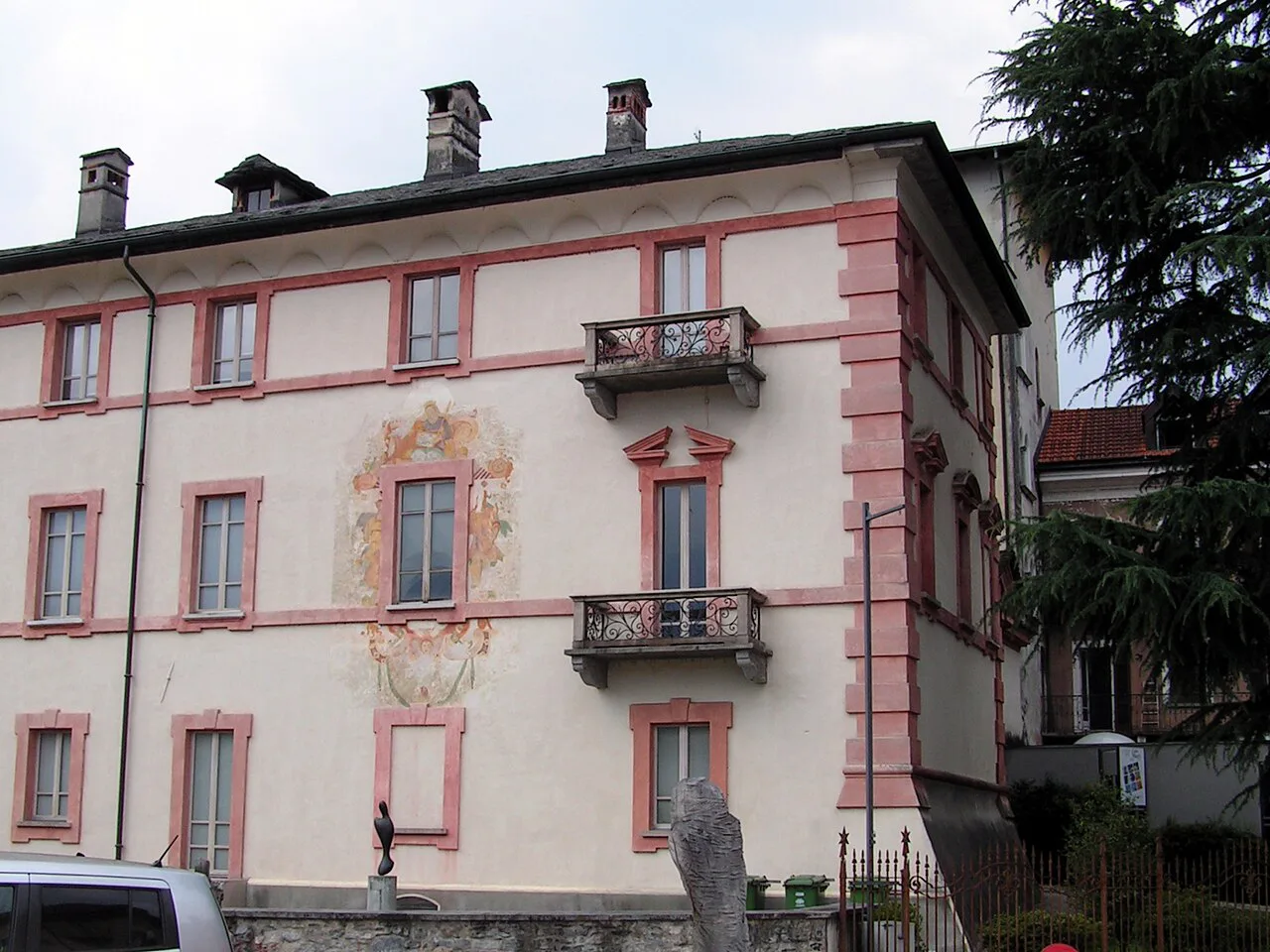
The art is only half the reason to come. The building itself, a 16th-century mansion, incorporates parts of the old castle walls and carries decorative elements from the 16th through the 19th century. Visitors who expect a single period interior will find layers instead.
Keep expectations calibrated. Reviewers value the intimate atmosphere, the quality of the exhibitions and the historic setting, which together make it a worthwhile stop for art lovers rather than a destination on its own.
Where It Is and How to Get There
The address is Via Bartolomeo Rusca 5 in Locarno, a short walk from the castle in the old town. The street sits close enough to the castle that the museum's own setting, with old castle wall sections built into the structure, tells you where you are.
Arriving on foot is the natural approach: from the Piazza Grande area you cross the old town toward the castle and continue to Via Rusca. Plan the museum as one leg of a walking loop rather than a separate trip.
The museum is partially accessible to visitors with disabilities, and the staff ask guests to call ahead when possible so they can prepare the necessary help. If accessibility shapes your decision, that phone call is worth making before you set out.
The Building: Courtyards, Portals and the Hall of Honour
The mansion was built for the Lussy family, enlarged by the Orelli family, which gave it the name Casa degli Orelli, and later bought by the Rusca family before passing to the municipality. Two 17th-century portals lead into the palace and along the walls, so the entry sequence is part of the visit.
At the end of the small courtyard, a loggia carries stuccoes depicting hunting scenes, with heraldic trophies filling the spaces between the windows. The loggia ceiling combines stucco with an architectural-perspective fresco by Caldelli of Brissago dated 1787. Look up before you move inside.
The hall of honour is decorated in stucco, and its ceiling is dominated by a painting by Giuseppe A. F. Orelli dated 1773 showing the Judgement of Paris. The wider pictorial decoration of the hall was renewed in the 19th century, and a late-Renaissance stone fireplace from around 1600 carries the Rusca coats of arms.
What's Inside: The Permanent Collection
The permanent collection is displayed on the ground floor, where the Jean Arp works are highlighted as the core of the visit. Temporary shows come and go in the courtyard and galleries, so treat the exhibition program as something to confirm against the museum's own listings. If you plan to compare how another Ticino town organizes its art and museums, our Lugano city guide offers a useful counterpoint for a few days in Lugano.
Three named groups structure the permanent display: Galassia Arp, Giardino Max Bill, and Filippo Franzoni. Knowing these names in advance helps you pace the rooms, because the sequence is thematic rather than strictly chronological.
The collection spans paintings, sculptures and prints, drawn from the civic holdings, and includes individual works such as Paul Klee's Wohin? Junger Garten from 1920 and a Franzoni oil study of Madonna del Sasso. A single twentieth-century name rarely carries a whole room here, so read the labels.

Jean Arp and Max Bill: Why These Two Names Anchor the Collection
Arp and Bill give the museum its shape. If you already know their work, the Galassia Arp group and the Giardino Max Bill room are the reason to pay the entrance fee; if you do not, the labels and the compact scale let you get oriented in well under an hour.
The Arp sculpture Nadir II from 1960, a painted masonite relief measuring 152 by 131 centimeters, is a useful landmark for finding your way through the display. Bill's connection to Locarno is architectural and design-led, and the room reflects that register.
How Long to Allow
An hour is a realistic budget: the collection is not large, and the building's courtyards and hall of honour reward a slow look rather than a long one. Art-focused visitors should allow a little more for the Arp and Bill rooms, while anyone combining museums in one day should treat Casorella as the shortest leg.
A sensible route runs from the entrance portal through the courtyard and up to the loggia, then into the ground-floor collection and finally the hall of honour. That order separates architecture from art so you know what you have paid for.
Opening Hours and Tickets
The museum opens Tuesday to Sunday and on public holidays from 10:00 to 16:30, and it is closed on Monday. Build a Locarno itinerary around that Monday closure rather than discovering it at the door.
Admission is CHF 15 for adults and CHF 8 for students over 18. School groups, children up to 18 years, Raiffeisen Card holders, Museum Pass holders, ICOM/AMS members, VKKS members and members of the Associazione Amici di Casa Rusca enter free, while the Tessera domiciliati Locarno, the Ascona-Locarno App, the Ticino Ticket and the Cultural Pass Ascona-Locarno bring a discount.
A combined ticket covering Casorella, the castle and Casa Rusca costs CHF 20 for adults, CHF 14 for AHV/IV visitors and groups of at least 10 people, and CHF 12 for students over 18. Buy the combined ticket only if you plan to use at least two of the three museums in the same outing; otherwise the single ticket is cheaper.
Guided tours are arranged by appointment at CHF 150 for a minimum of 10 people, plus CHF 10 per person for admission. Group organizers should book the tour and confirm the final headcount well before the visit date.
Who This Museum Suits, and Who Should Skip It
Come if you want a short, well-built introduction to Locarno's civic art and to Arp and Bill in particular, and if you enjoy reading a historic interior as closely as the art on the walls. Families with children under 18 get in free, which lowers the cost of a first try.
Skip it if you want large-scale collections or a full afternoon indoors: this is a mansion-sized museum, and the art is shown in modest rooms. Visitors in Locarno mainly for the lakefront and squares should prioritize those and treat Casorella as a rainy-morning option.
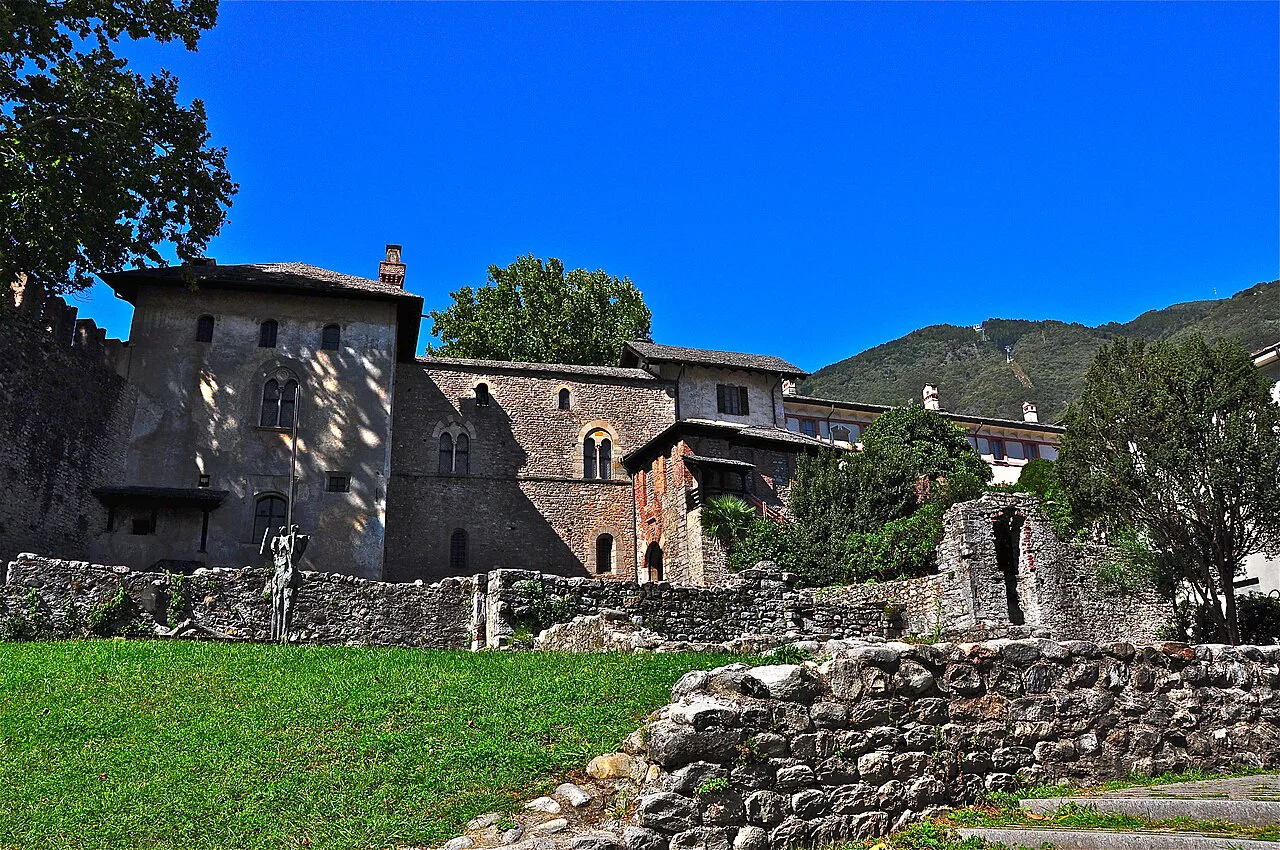

Nearby: The Castle and Casa Rusca
The castle is the museum's nearest neighbor, and the two share a combined ticket, so pairing them is the obvious move. Visits to both can be sequenced in a single morning without any transport.
The Museo Casa Rusca in Locarno is the third leg of the combined ticket, and it is the other venue to weigh when you decide between a single admission and the CHF 20 pass.
For a longer day on foot, the sanctuary above town and the lakeside walks make natural bookends to a museum morning, and the Parco delle Camelie suits a slower afternoon.
Practical Notes Before You Go
Check the museum's own site for the current exhibition program, since temporary shows change through the year, and confirm the day's hours there before traveling across town. On the day, bring the card or pass you intend to use for free or discounted entry.
Photography and cloakroom rules are posted inside the entrance; read them on arrival so you are not turned back midway through the collection.
Plan Your Visit
Museo Casorella works best as a focused hour in Locarno's old town: Arp and Bill in a compact setting, plus a mansion whose courtyards and hall of honour are worth the walk on their own. Check the museum's website for current exhibition details, then confirm whether the CHF 20 combined ticket beats a single admission for your plans.
Explore more Locarno guides
Frequently Asked Questions
Is Museo Casorella open on Mondays?
No. It opens Tuesday to Sunday and on public holidays from 10:00 to 16:30, and it is closed on Monday. Plan a Locarno visit for another day of the week, or use Monday for the lakefront and squares.
How much does entry to Museo Casorella cost?
Adults pay CHF 15 and students over 18 pay CHF 8. Children up to 18, Museum Pass and Raiffeisen Card holders, ICOM/AMS and VKKS members and school groups enter free, and several local passes bring a discount. A combined ticket for Casorella, the castle and Casa Rusca is also sold.
Is there a combined ticket for Locarno's museums?
Yes. One ticket covers Museo Casorella, the castle and Museo Casa Rusca, with reduced rates for AHV/IV visitors, groups of at least 10 people and students over 18. It only pays off if you use at least two of the three museums in the same outing.
How long does a visit to Museo Casorella take?
About an hour is enough for the ground-floor collection, the courtyard, the loggia and the hall of honour. Art-focused visitors may want longer in the Arp and Max Bill rooms, while anyone combining several museums in one day should treat Casorella as the shortest stop.
What can you see at Museo Casorella?
The permanent collection of the city of Locarno on the ground floor, including the Galassia Arp group, the Giardino Max Bill room and works by Filippo Franzoni, alongside paintings, sculptures and prints from a civic collection of roughly 4,500 works. The 16th-century mansion also has a decorated courtyard loggia and a stuccoed hall of honour.
Where is Museo Casorella located?
It is at Via Bartolomeo Rusca 5 in Locarno, in the old town close to the castle. Walking from the Piazza Grande area through the old town is the natural way to reach it.
Is the museum accessible for visitors with disabilities?
The museum is only partially accessible, and the staff ask visitors to call ahead when possible so they can arrange the necessary help. Ringing before you travel is the practical way to plan the visit.