Lugano Itinerary: A 2- to 3-Day Plan by Neighborhood
Plan a Lugano itinerary of two or three days by area, with Old Town walks, the lakefront, lake boats and a choice between Monte Brè and San Salvatore.
On this page
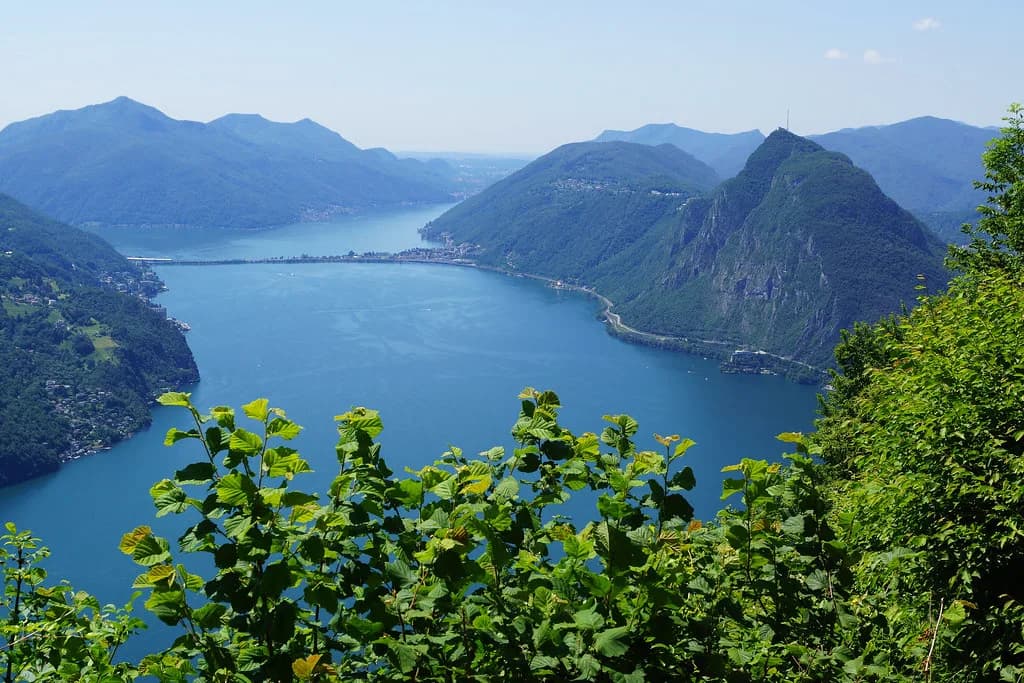
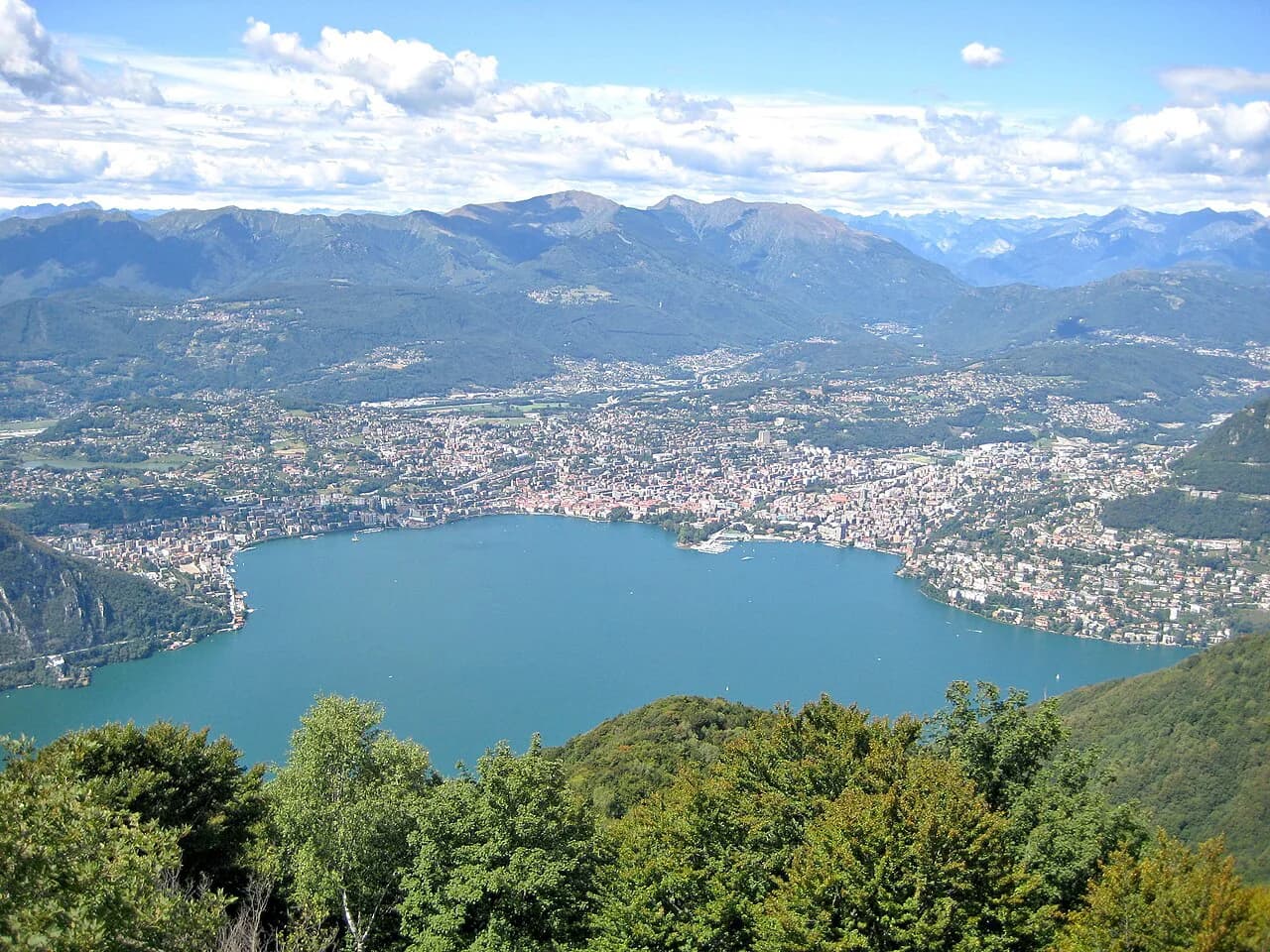
Two days in Lugano are enough for the Old Town, the Parco Ciani lakefront and one mountain above the lake, and a third day adds the Olive Tree Trail to Gandria or a second summit. The city is compact and Italian in feel, with a main square that anchors the historic center and a waterfront that runs east toward Cassarate and south toward Paradiso.
This itinerary organizes each day around a single starting point: the Old Town on day one, the funicular base stations on day two, and the lakeside path east on day three. That structure keeps walking distances short and leaves room for a long lunch, which is how Lugano is best used. For a tighter version of the same ground, the one day in lugano plan compresses the Old Town and lakefront into a single loop.
How Lugano Is Laid Out
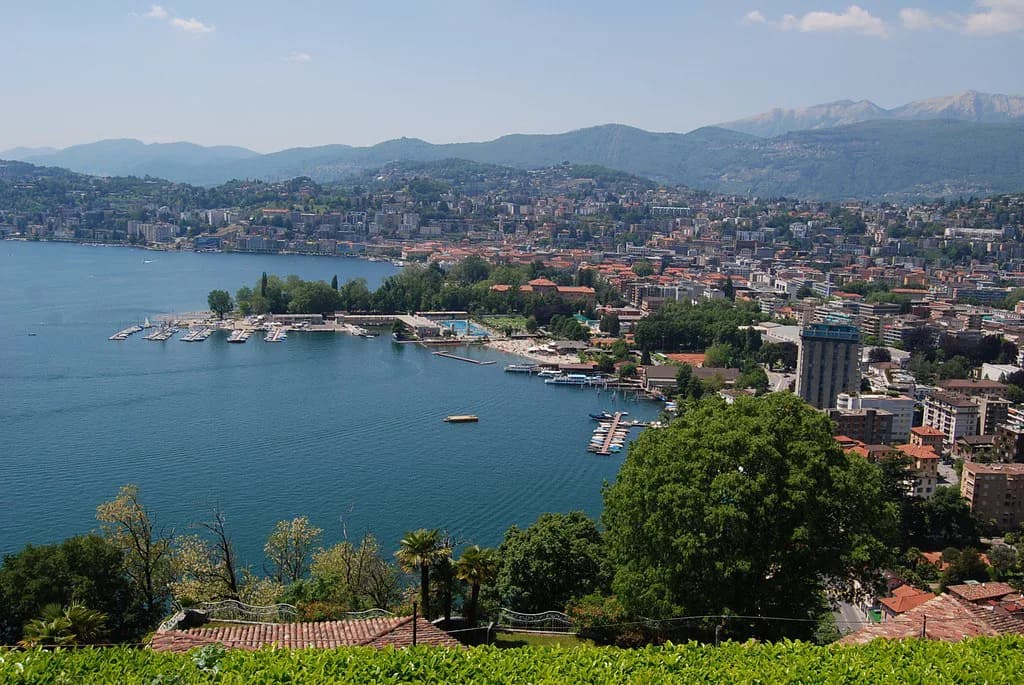
Lugano wraps around the northern end of Lake Lugano, and most of what a visitor wants sits within a walkable arc. Piazza della Riforma is the main square and the social heart of the Old Town, with cafés and restaurants filling its edges. Via Nassa, the adjoining shopping street, is lined with jewelry and clothing stores and runs through the same pedestrian quarter.
The lakefront park, Parco Ciani, is the largest and closest green space to the Old Town, with a tree-lined lake path and the pink 19th-century Villa Ciani at its center. East of the center, Cassarate is the district where the Monte Brè funicular begins; south of the center, Paradiso is the base for Monte San Salvatore and also one of the boat docks.
Day 1 Morning: The Old Town on Foot
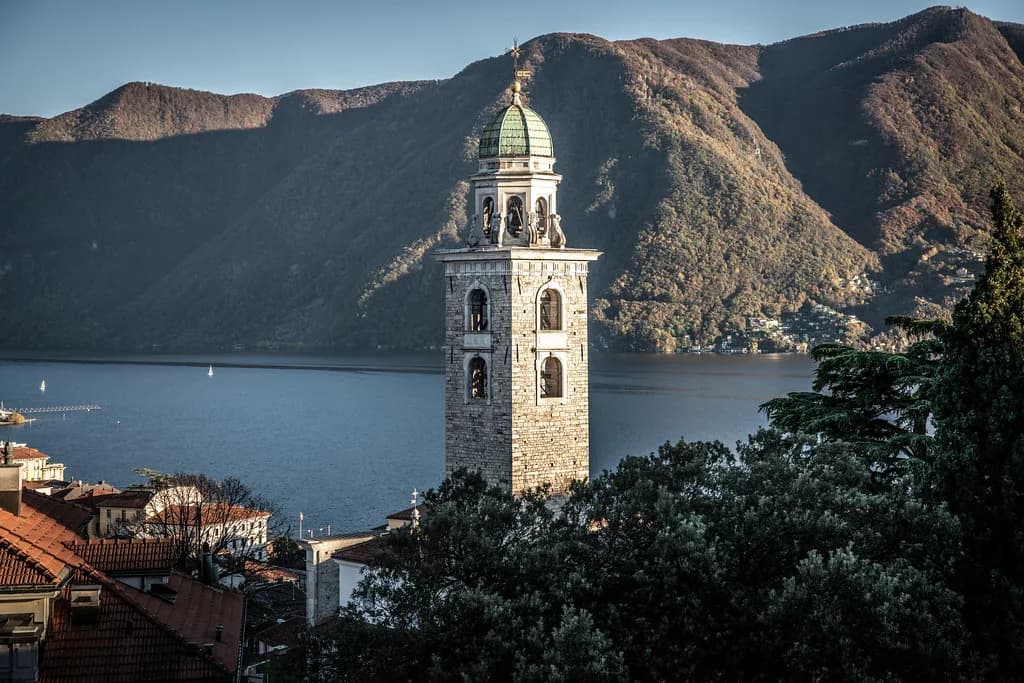
Start at Piazza della Riforma, where a coffee at a square-side table doubles as orientation. From there, walk Via Nassa for the shop windows and the density of the historic streets, then climb to the Cathedral of Saint Lawrence, whose architecture rewards the short uphill walk. The Church of St. Mary of the Angels is the second essential church interior in the center, and both fit comfortably into a morning.
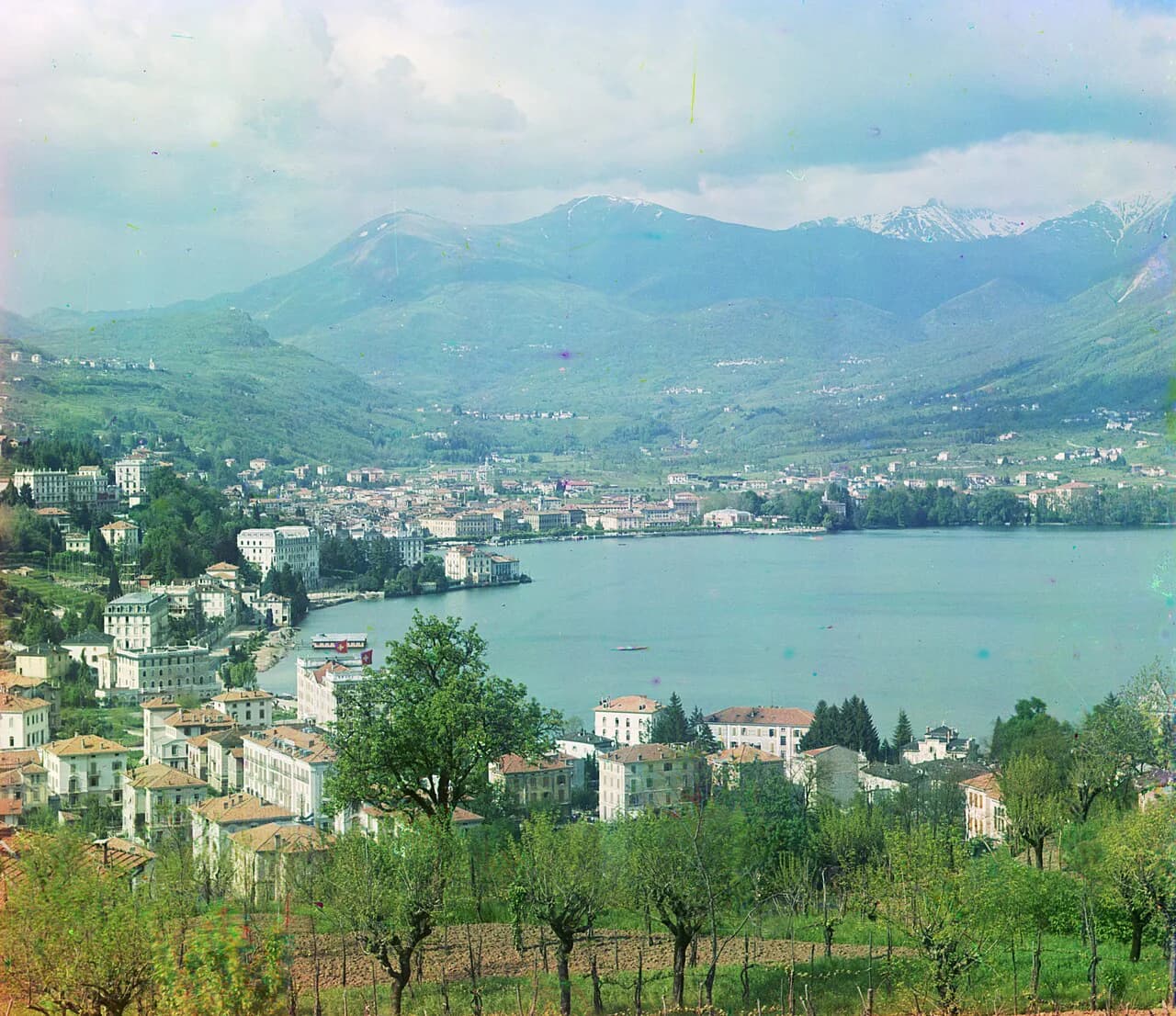
The Old Town mixes historic buildings with newer architecture rather than presenting a single preserved period, which is part of what makes wandering here worthwhile. Budget roughly half a day for the square, the shopping street and the two churches, with slack for a detour. Settlement here reaches back to the Roman era and the town later grew under Milanese families before becoming a Ticino resort city, which explains the layered look of the streets.
Day 1 Afternoon and Evening: Parco Ciani and the Lakefront
Walk down from the Old Town to Parco Ciani, which sits directly on the lake and takes about 15 minutes on foot from the center. Follow the lake path through the trees, find a bench or a patch of grass, and give Villa Ciani a look for its pink facade. In summer the park has spots where you can cool off by the water, and the whole loop is easy, flat strolling rather than a hike.
For a higher view without leaving town, Parco San Michele and Parco Tassino sit above the city and look out over the lake. Either makes a good late-afternoon add-on if the Old Town and Parco Ciani have not used up your legs. End the day with an aperitivo back on Piazza della Riforma, which fills up as the light drops and the kitchens open.
Day 2: Choose Monte Brè or Monte San Salvatore
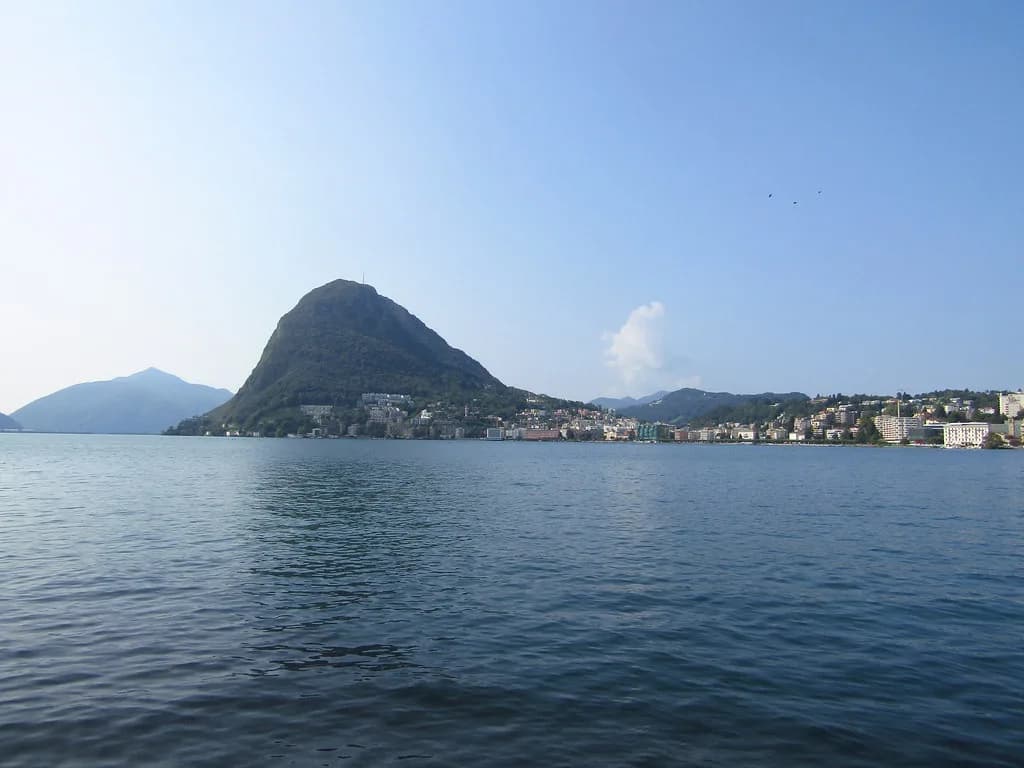
Both mountains rise more than 900 meters above the lake, and both funiculars start from a distinct base station, so pick one rather than trying to do both in a day. Monte Brè leaves from Cassarate to the east and has easier walking trails to viewpoints plus a colorful village at the top to stroll through. Monte San Salvatore leaves from Paradiso to the south and offers sweeping views, a restaurant and steeper, more challenging trails.
The decision comes down to how much walking you want at altitude. Choose Monte Brè for gentler paths, a village wander and a straightforward half day; choose Monte San Salvatore for a sharper climb and a more dramatic perch over the lake. Clear weather matters more than the choice itself, since both depend on visibility across the water. If you are weighing Swiss city breaks more broadly, our basel itinerary shows how a similarly compact destination can be organized by neighborhood.
Driving to either summit is possible, but the car parks sit 20 to 30 minutes on foot from the best viewpoints, so the funicular usually saves time and effort. The routes and operating days change with the season, so confirm the current schedule and fare at the valley station before you commit to a base.
Day 2 Alternative: A Lake Cruise
If the summits are clouded in, take to the water instead. Boats leave from Lugano Centrale, Lugano Giardino and Paradiso, and the scheduled ferries to lakeside villages are the most flexible way onto the lake. You can turn up and book a crossing on the day, hop off in a village such as Morcote or Gandria, walk around, and catch a later boat back.
Morcote is the postcard village on this stretch, and the Parco Scherrer gardens there are the reason to allow more than a quick stop. Gandria sits on the Swiss-Italian border and works as a destination in its own right, with narrow lanes down to the water. Both keep you on the water when the mountains disappear into cloud, and both are close enough to fit inside a two-day plan rather than a separate excursion.
Day 3: The Olive Tree Trail to Gandria
The Olive Tree Trail is the best use of a third day: a waterside path from Lugano to Gandria that takes about 1.5 hours one way. Placards along the route explain the history and nature of the slope, there are swimming stops and lakefront cafés for a break, and the walking is gentle enough to enjoy rather than endure. Plan on several hours in Gandria itself before heading back.
Walk one direction and take the local bus back to town to avoid retracing the path, which keeps the day from turning into a there-and-back slog. Start in the morning so the village is not overrun by the time you arrive and so you have margin for a long lunch by the water. The trail and the buses both run on seasonal schedules, so confirm the current times before setting out.
Day 3 Rain Plan: The Museums
When the weather closes in, the Cantonal Museum of Natural History and the Museo d'arte della Svizzera italiana are the two indoor stops worth building a wet afternoon around. The art museum covers Swiss-Italian work, which gives context to the region you have been walking through, while the natural history collection suits families and mixed groups. Both sit in the city center, so you can move between them without a long transfer.
Opening days vary by museum and season, so check the current schedule on the museum's own site before you go. Pair a museum morning with a long lunch and an afternoon in the cafés around Piazza della Riforma, and a rainy day still works. This is also the sensible slot for anyone who wants to see the Old Town churches at a slower pace.
Where Lido di Lugano Fits
Lido di Lugano is the city's main lake swimming complex, with a beach, outdoor pools and cafés, and it sits about a 15-minute walk from the Old Town. Entry was 11 CHF at the time of one published visit, so treat that as a past reference point and confirm the current rate at the entrance. It is best slotted into a warm afternoon rather than a whole day, unless lounging on the docks is the point of your trip.
Because the lido is close to the center, it works as a late-afternoon break between the Old Town and dinner rather than a separate excursion. Families tend to get the most out of it, given the pools alongside the lake access. If you only have two days, the lido is the easiest thing to drop in favor of the mountains or the boat.
How Many Days You Need
Two days cover the Old Town, Parco Ciani and one mountain or one lake cruise, which is the core of a Lugano visit. A third day adds Gandria via the Olive Tree Trail and either a second summit or a slow museum afternoon, and it is the difference between seeing Lugano and settling into it. Four days starts to reach into repeat visits to the lake and longer afternoons at the lido.
If your time is tighter than that, build the trip around the Old Town and the water rather than trying to fit both funiculars. Travelers weighing whether the city justifies the stop at all can read is lugano worth visiting before committing days to it. The practical answer is that Lugano rewards two unhurried days far more than one packed one.
When to Go and What It Costs
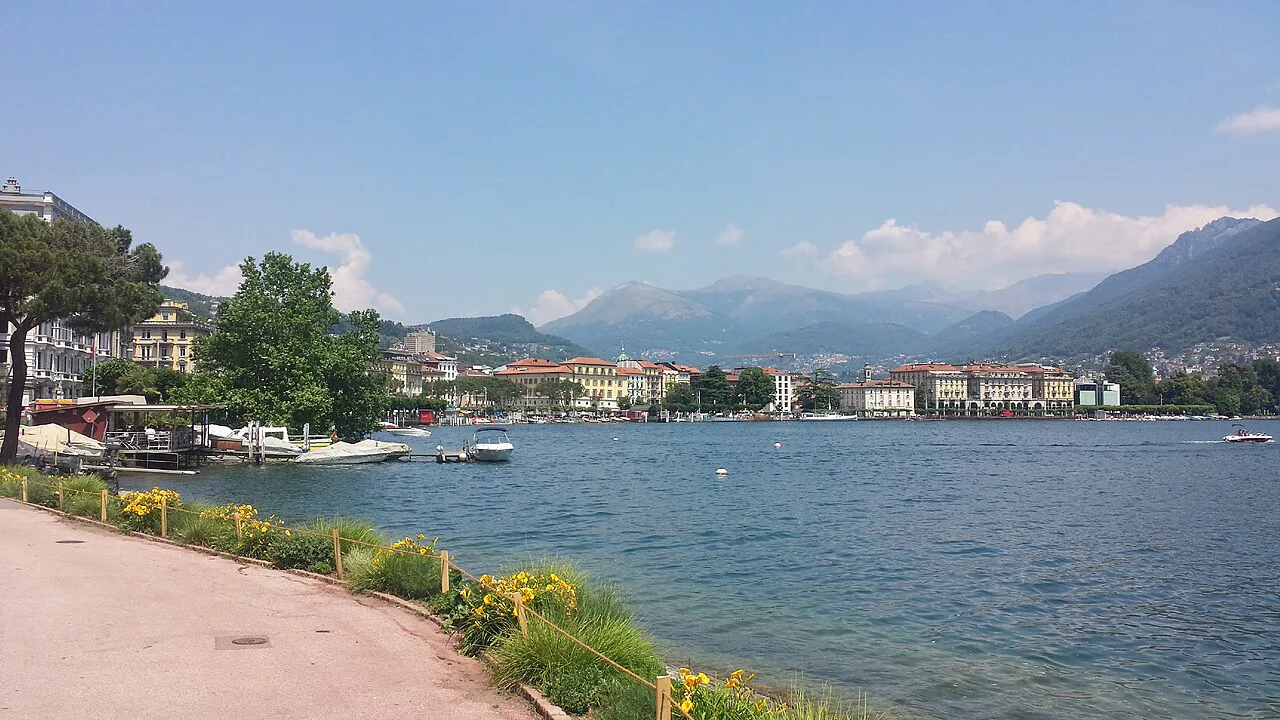
Summer is the busiest season, when the lake boats, the lido and the lakeside cafés are all in full swing and the parks fill on sunny weekends. Spring and autumn bring quieter streets and better odds of clear views from the summits, though some lake and mountain services run reduced schedules outside the high season. Winter is the calmest stretch and the least reliable for high-altitude views.
Switzerland is expensive, and Lugano is no exception, so budget by activity rather than by day. The biggest variable costs are the funiculars and the boat tickets, which are priced separately from city transport; confirm the current fares at the ticket offices, since they change by season and route. Walking the Old Town, Parco Ciani and the Olive Tree Trail costs nothing beyond your time, which is how a Lugano itinerary stays affordable.
Evening Ideas After a Day on the Lake
Evenings in Lugano center on Piazza della Riforma, where the cafés and restaurants spill into the square and the aperitivo hour runs long. After a day on the water or the mountain, a drink on the square followed by dinner in the Old Town is the natural rhythm. For a quieter finish, walk down to the Parco Ciani lakefront and watch the light go off the water.
Keep the evening close to where you are staying, since the funiculars stop running at some point in the evening and you do not want to be stranded at altitude. The Old Town, the lakefront and the Cassarate and Paradiso districts all have their own evening options, so pick the one nearest your base. A weekend in lugano follows the same pattern with more time for each piece.
Practical Notes: Walking, Base Stations and the Walk Back
Almost everything on this itinerary is walkable: Parco Ciani and the lido are each about 15 minutes from the Old Town, and the funicular base stations at Cassarate and Paradiso are reached on foot or by a short bus ride. The one long walk is the Olive Tree Trail, at roughly 1.5 hours one way, which is why the bus back makes sense.
At the summits, expect a 20- to 30-minute walk from the car parks to the best viewpoints if you drive, and check the last descent before you start a late trail. On the lake, the docks at Lugano Centrale, Lugano Giardino and Paradiso give you flexibility about where you board. Build the plan around one base per day and Lugano stays a relaxed city rather than a logistics exercise.
Plan Your Visit
Two days in Lugano cover the Old Town, the Parco Ciani lakefront and one summit or lake cruise, and a third day adds Gandria and the Olive Tree Trail. Organize each day around a single base and the city stays easy on foot, with the funiculars and boats reserved for the moments they earn.
Confirm funicular and boat schedules and current fares at the ticket offices, and check museum opening days directly before you build a rainy day around them. With that done, Lugano is a city you can plan loosely and still see well.
Explore more Lugano guides
Frequently Asked Questions
How many days do you need in Lugano?
Two days cover the Old Town, the Parco Ciani lakefront and one mountain or one lake cruise. Add a third day for the Olive Tree Trail to Gandria plus a second summit or a museum afternoon, which is the version that feels unhurried rather than rushed.
Is Monte Brè or Monte San Salvatore better?
Monte Brè, reached from Cassarate, has gentler trails and a small village at the top to wander through. Monte San Salvatore, reached from Paradiso, is steeper and more dramatic, with a restaurant and harder trails. Pick one per day and go on a clear morning; visibility matters more than which summit you choose.
Can you walk from Lugano to Gandria?
Yes. The Olive Tree Trail follows the water from the city to Gandria in about 1.5 hours one way, with placards, swimming stops and lakefront cafés along the route. Walking one way and taking the local bus back avoids retracing the path.
What is there to do in Lugano when it rains?
Build the afternoon around the Cantonal Museum of Natural History and the Museo d'arte della Svizzera italiana, both in the city center. Check each museum's own schedule for opening days before you go, then fill the rest of the day with lunch and the cafés around Piazza della Riforma.
Is one day in Lugano enough?
One day gets you the Old Town, a walk through Parco Ciani and either a funicular ride or a short boat crossing. It is a taste rather than a full visit, and it leaves no room for Gandria or a slow afternoon by the lake.
Sources
Notes for your Swiss city break
Optional updates to our Swiss city guides.
You might also like
Continue reading
More guides you'll find useful