Best Chocolate in Interlaken: What to Buy and Where
Interlaken's chocolate scene is small, so plan around what is really there, know how supermarket and boutique bars differ, and buy gifts that survive the trip.
On this page
Chocolate in Interlaken is a shopping errand, not a sightseeing circuit: the town is small, and the shelves you will meet are chiefly Swiss supermarket and confectionery brands rather than a row of artisan workshops. That is good news for gift buying, because you can compare labels in one afternoon instead of chasing a factory tour.
Plan your chocolate stop around the rest of your day rather than as a standalone outing, folding it into the things to do in Interlaken between the lakes and the viewpoints above town. Buy edible bars near the end of the trip and save sturdy packaged gifts for the start, so heat and handling have less chance to ruin them.
How Big Is Interlaken's Chocolate Scene?
Treat Interlaken as a compact market town where chocolate appears on grocery shelves and in confectionery displays, not as a chocolate destination with its own manufacturing tradition on show. The artisan story that shapes Swiss chocolate reputations sits in cities with dedicated boutiques, so set expectations before you arrive and you will not spend the day hunting something the town does not offer.
The upside of a thin local scene is speed: you can cover the center on foot while doing your ordinary shopping, then spend the saved hours outdoors. The old town across the river in Unterseen makes a natural loop with any errand, and the interlaken old town streets are quiet enough to combine with a chocolate run.
Swiss Brands You Will Actually See on Interlaken Shelves
The names most travelers recognize are the ones that fill supermarket and duty-free shelves: Lindt and Toblerone are produced on a global scale, while Cailler is the oldest Swiss chocolate brand and Sprüngli and Nestlé also ship internationally. Expect these to be the easy, reliable picks when you want a known quantity for a colleague or a neighbor.
Beyond the big names, supermarket own-label chocolate is a real category in Switzerland, with Migros selling Frey and Coop selling Halba according to traveler discussion of everyday Swiss bars. Those bars are the value end of the market and perfectly good for eating in your hotel room; the higher-priced brands are the ones to wrap as presents.
Läderach appears in the same traveler discussions, particularly for its chocolate bark, alongside the Lindt chocolate balls many people already know. Which you prefer is a matter of taste rather than a league table, so buy a small bar of two or three brands and compare them at the hotel before committing to a gift haul.
What to Buy: Bars, Bark, Truffles and Gifts
Flat, sealed bars are the safest choice for a suitcase: they stack, they resist knocks and they survive a few hours in a warm room better than filled or decorated pieces. Bark and slab pieces break easily even when they taste excellent, so keep those for eating on the trip rather than for the flight home.
Truffles and filled pralines are the most fragile purchase. If you want them as a gift, buy them on your last day and carry them in hand luggage rather than checked baggage, where pressure and heat do the most damage.
Specialist shops show what the top end of Swiss chocolate looks like: Max Chocolatier in Lucerne works in small batches, changes its flavors seasonally, and describes each truffle as taking four days to produce across decorating and packaging by hand. That detail is the argument for buying a few superb pieces instead of a large box of the ordinary kind.
Reading the Label: Cocoa Percentages and Swiss Claims
The cocoa percentage tells you how bitter and intense the bar will be, not how good it is, and milk chocolate sits far lower on that scale than dark. If you are buying blind for someone else, a mid-range milk or a mild dark is a safer gift than an 80 percent bar, which is a love-it-or-leave-it taste.
Swiss engineering shaped modern chocolate: Rudolphe Lindt's conching machine in 1879 produced a silkier texture and less bitter flavor, which is the eating quality most people associate with Swiss bars today. A "Swiss made" label speaks to that manufacturing heritage rather than to where the beans grew, so read the origin line separately if single-country cocoa matters to you.
Supermarket Versus Boutique: The Price Trade-Off
Supermarket bars give you more chocolate per franc and are the right buy for everyday eating, hotel-room snacks and casual office gifts. Boutique chocolate costs more per gram and buys you freshness, small-batch production and packaging that looks like a present, which is a different purchase from a snack.
Comparing price per 100 grams is the honest way to decide, and the figure is printed on Swiss packaging alongside the weight. It also lets you judge whether a decorated gift box is worth it: often the box costs more than the chocolate inside, and a plain bar of the same brand tastes identical.
Heat, Seasons and Buying Chocolate Last
Warm weather is the main enemy of a chocolate purchase. Buy bars toward the end of your stay, keep them out of a hot car or a sunny window, and pack them in the middle of a suitcase rather than against the shell.
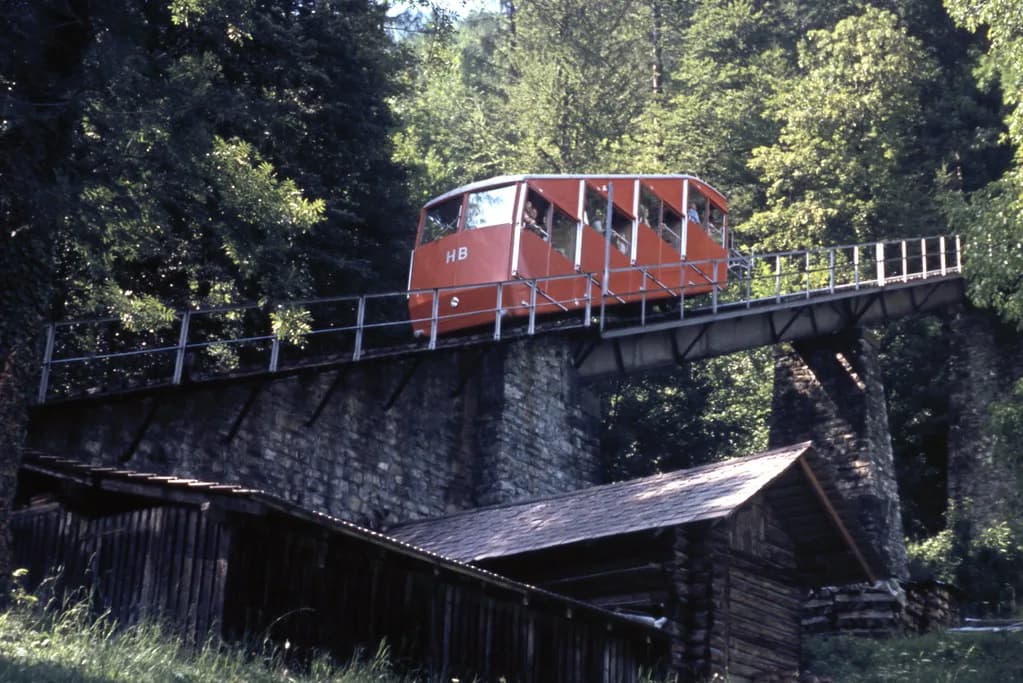
In hot months, favor sealed bars over loose truffles, and choose a shop where you can pay and leave quickly rather than carrying a box around all afternoon. If you are walking up to a hardier viewpoint on a warm day, do your chocolate shopping afterward, not before. The Harder Kulm funicular trip above town is a good half-day, and you can visit the Interlaken funicular page for how it fits a schedule.
In cold months, transit is easy and you can buy earlier in the trip without worry. Either way, keep receipts together if you plan to claim anything at customs, since proof of purchase is easier to produce from one envelope than from a coat pocket.
The Swiss Chocolate Story in Two Minutes
Cocoa reached Switzerland from the Americas, and Swiss makers turned it into the creamy milk chocolate that became the country's calling card. Mass production made those brands global, which is why the same bars appear in airports far from the Alps.
The small-batch counter-movement is a reaction to that scale, built on named origins and short ingredient lists. Max Chocolatier sources fair-trade, sustainably grown beans from Indonesia, Madagascar, Venezuela, Ecuador, Bolivia and the Dominican Republic, and works with a local factory to turn them into its chocolate base.
Gifts, Weights and Customs Limits
Chocolate is heavy, so decide on a weight budget before you shop and stick to it: a few 100-gram bars travel better and cost less than a large assortment you have to repack. Flat bars also slide into gaps between clothes, which protects them and saves space.
Customs rules vary by country, so check your own government's food-import allowance rather than assuming a limit carries over from another destination. Keep the rules for the country you are entering, and remember that some destinations restrict dairy or meat-containing products.
Wrap gifts at home rather than at the till, and keep one bar separate as a trip snack. For the rest of your errands, shopping in interlaken covers the practical side of the same streets.
Where Chocolate Fits in a Two-Day Interlaken Plan
On a short stay, give chocolate an hour rather than a half-day. Slot it into the afternoon you arrive, when you are already in the center and do not yet need to carry purchases far.
Day one can be the viewpoints and the water, day two the town and the shops, with chocolate bought at the end of day two so it goes straight into the suitcase.
If you want a viewpoint, the free things to do in interlaken list keeps the budget intact before you spend on gifts, and the Interlaken Viewpoints guide helps you pick which climb is worth the weather.
What Interlaken Does Not Have, and Where to Go Instead
If your trip is built around a chocolatier visit, tastings or a workshop, plan that day in a city. Max Chocolatier runs its boutiques in Lucerne, where it opened in the old city center, and in Zürich, and its Lucerne design studio hosts tasting sessions and workshops where guests make truffles, bars or molded figures.
Lucerne is the natural add-on from Interlaken for a chocolate-focused half-day, and Zürich is the other city option. If you are heading that way, the zurich chocolate tour outlines how to plan a chocolate day there.
Travelers asking about chocolate experiences near Lucerne and Interlaken are usually directed toward tastings rather than factory floors, so book any workshop directly with the venue before you travel.
Plan Your Chocolate Stop
Buy supermarket bars for eating and a small selection of premium pieces for gifting, and keep the fragile items in hand luggage. Decide your weight budget before you shop, and do the buying late in the trip so heat and handling have less time to spoil the goods.
If a real chocolatier visit is the point of the trip, give it a city day in Lucerne or Zürich and treat Interlaken as the place you buy everyday Swiss chocolate well. The Interlaken Attractions: 8 Visitor Guides collection shows what else fits alongside a shopping stop.
Explore more Interlaken guides
Frequently Asked Questions
Is there a chocolate factory or chocolatier in Interlaken?
Interlaken is a compact town whose chocolate is mainly sold through supermarket and confectionery shelves rather than a manufacturing site open to visitors. The well-known artisan boutiques and workshop experiences are in cities such as Lucerne and Zürich, so plan a city day if a chocolatier visit is your priority.
Which Swiss chocolate brands will I find in Interlaken?
Expect the widely distributed names such as Lindt, Toblerone, Cailler, Sprüngli and Nestlé, plus supermarket own-label chocolate including Migros's Frey and Coop's Halba. Läderach and Lindt also come up among travelers comparing everyday bars.
Is supermarket chocolate in Switzerland good enough to bring home?
Yes, for everyday eating and casual gifts. Supermarket bars give more chocolate for the money than boutique pieces, and comparing the price per 100 grams printed on the packaging is the clearest way to judge value before you buy a large quantity.
How do I stop chocolate melting on the way home?
Buy bars late in your trip, choose sealed flat bars over loose truffles in warm weather, and pack them in the middle of a suitcase away from the shell. Carry fragile filled chocolates in hand luggage rather than checked bags.
Can I bring Swiss chocolate into the US, UK or Canada?
Rules differ by country and change over time, so check your own government's food import allowance before you travel. Keep receipts together in one envelope in case you need to show proof of purchase at customs.
Where should I go for a chocolate tasting or workshop?
Max Chocolatier runs boutiques in Lucerne and Zürich, and its Lucerne design studio hosts tasting sessions and workshops where guests make truffles, bars or molded figures. Book directly with the venue in advance.
Sources
Notes for your Swiss city break
Optional updates to our Swiss city guides.
You might also like

Continue reading
More guides you'll find useful