Interlaken Itinerary: A Realistic 2- to 3-Day Plan by Area
Plan two or three days in Interlaken with a day-by-day layout between Lake Thun and Lake Brienz, plus viewpoints, timing and honest trade-offs.
On this page
Three days is the honest minimum for Interlaken. That window covers the town itself, one lake, one summit and a village in the mountains beyond. Two days works if you drop a lake or a peak, and a single day means picking one direction and staying with it.
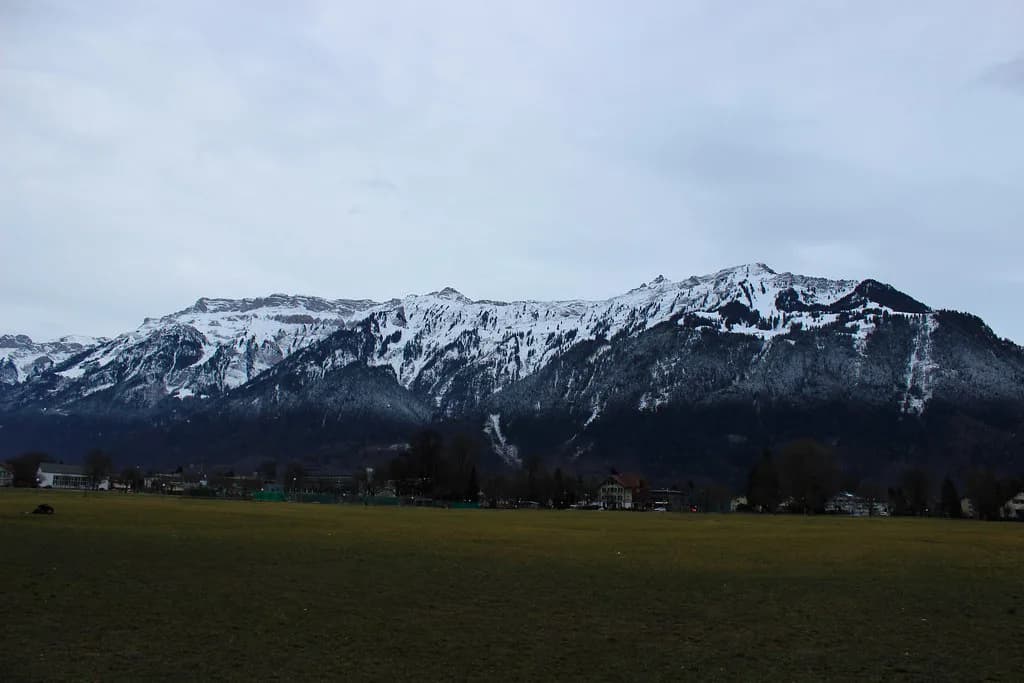
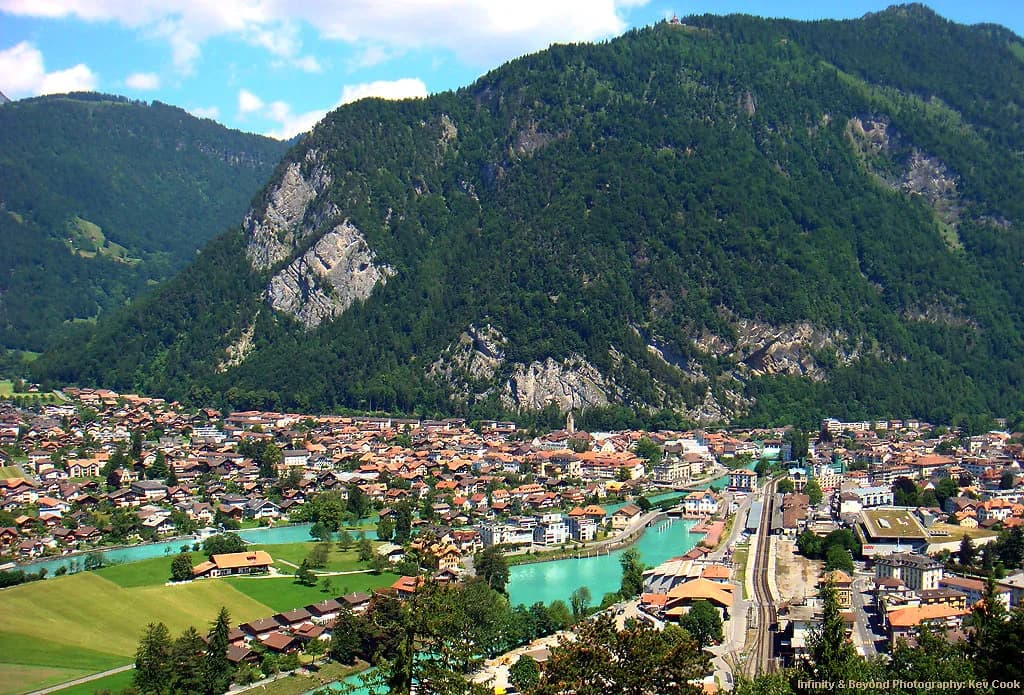
The town sits on a narrow shelf of land between Lake Thun to the west and Lake Brienz to the east, with the Aare running through the middle and the Eiger, Mönch and Jungfrau rising to the south. Because the two lakes point in opposite directions, every day of your itinerary is really a decision about which side you commit to. If you are weighing a city stay against this, the same by-area logic shapes a Basel itinerary, where Greater Basel and Lesser Basel split the days.
How Interlaken Is Laid Out: West, Ost and the Aare
Interlaken has two stations and they serve different journeys. Interlaken West anchors the Lake Thun end and the older town streets; Interlaken Ost is the eastern station where trains branch toward Lake Brienz, Lauterbrunnen and Grindelwald. Knowing which one your day starts from saves a transfer before you have had coffee.
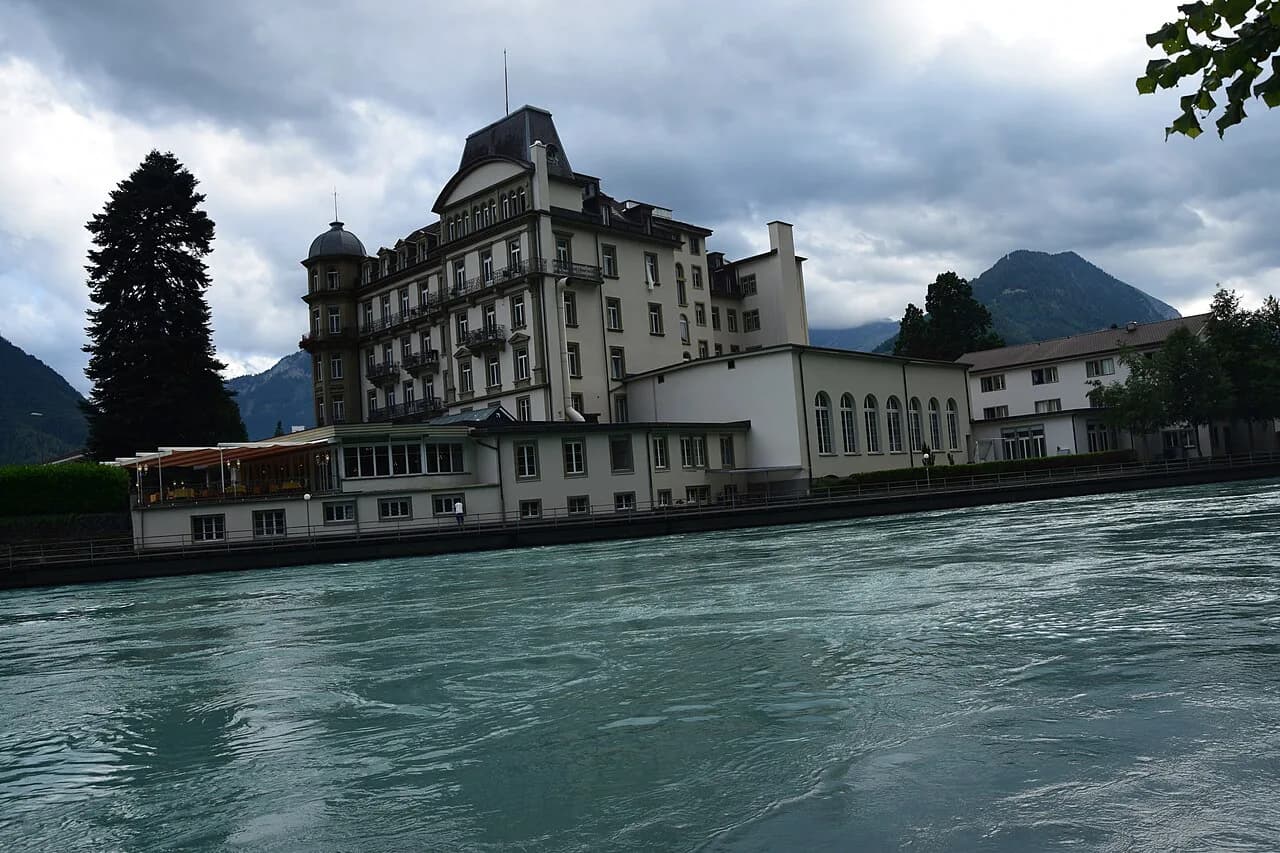
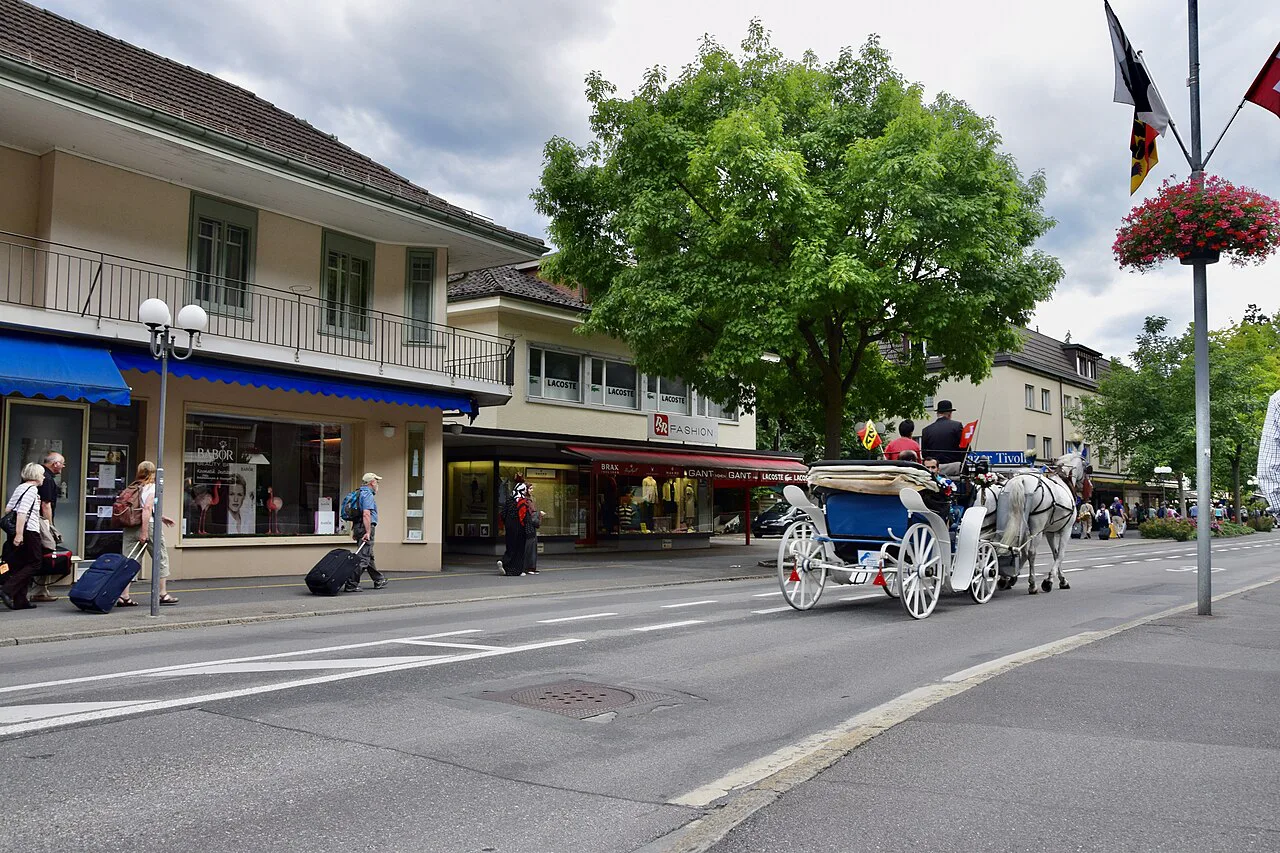
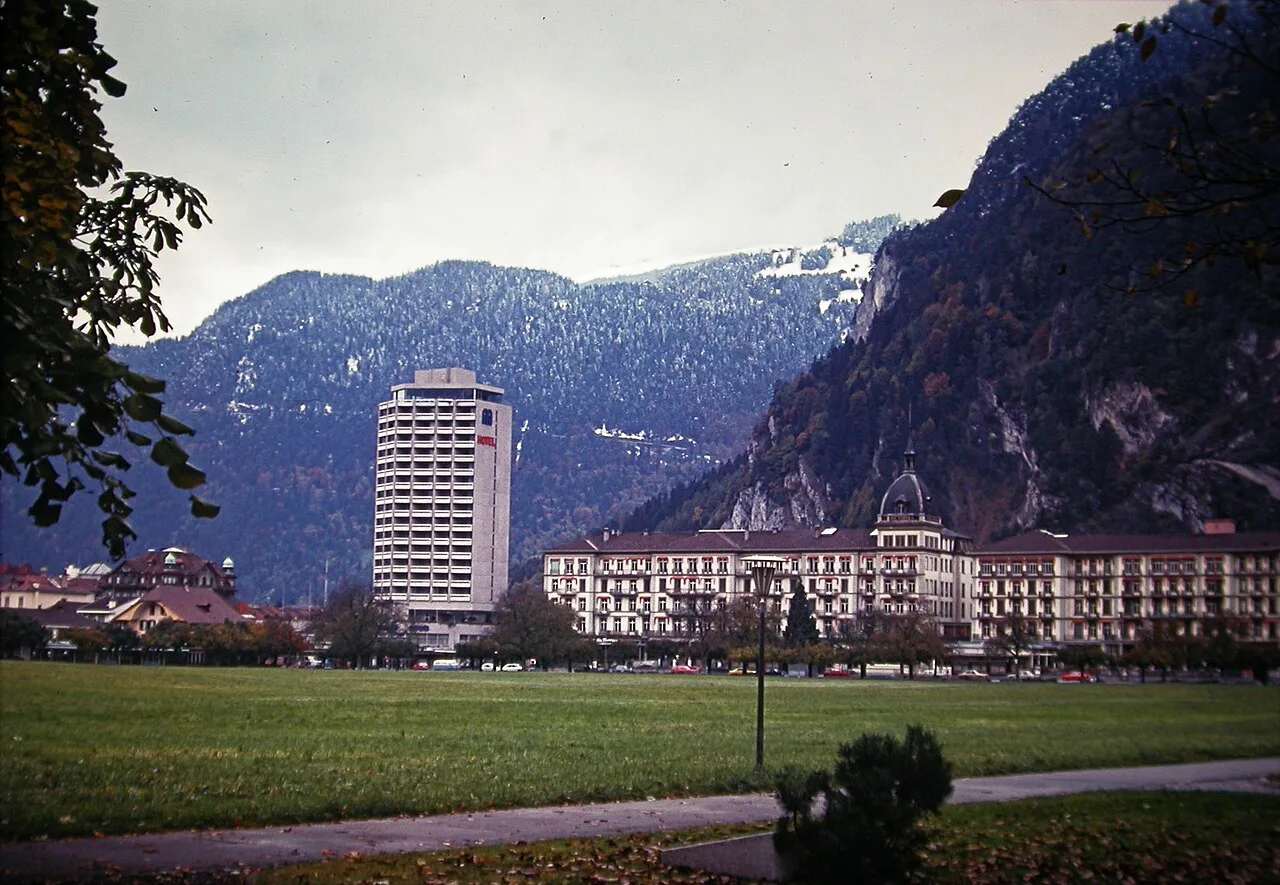
Between them runs the Höheweg, the broad promenade with the town's hotels, watch shops and open lawns, plus a view south to the mountain wall. The Aare cuts across the middle, and the two lakefronts are short bus or train hops from the center rather than walking distances. Plan your days by side of town and you avoid crisscrossing the Aare three times before lunch.
Balmers, a hostel in Matten on the Interlaken side, publishes a first-timer's guide covering the practical basics: Swiss francs rather than euros, Type J plugs, the SBB app for trains, and German as the local language with English widely understood.
Day 1: Town, River and One Viewpoint
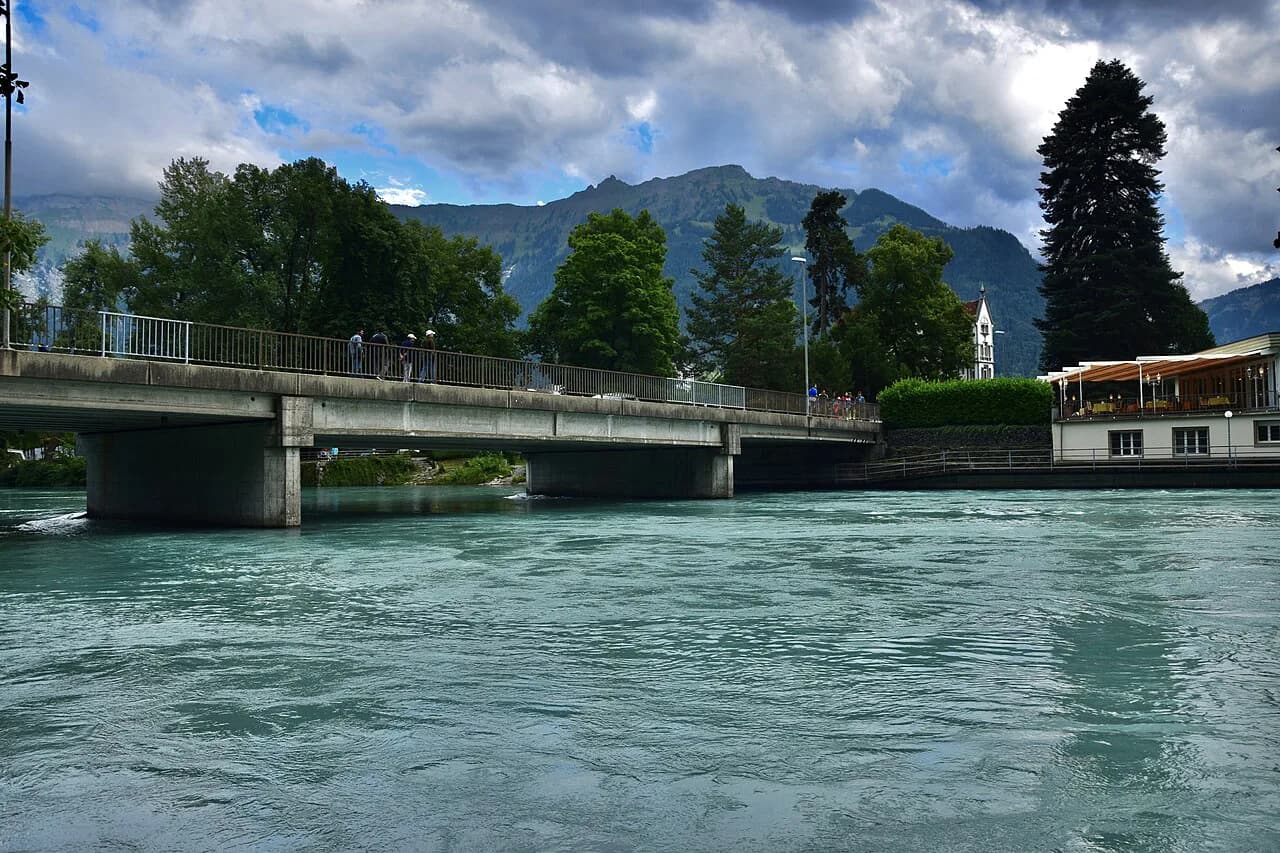
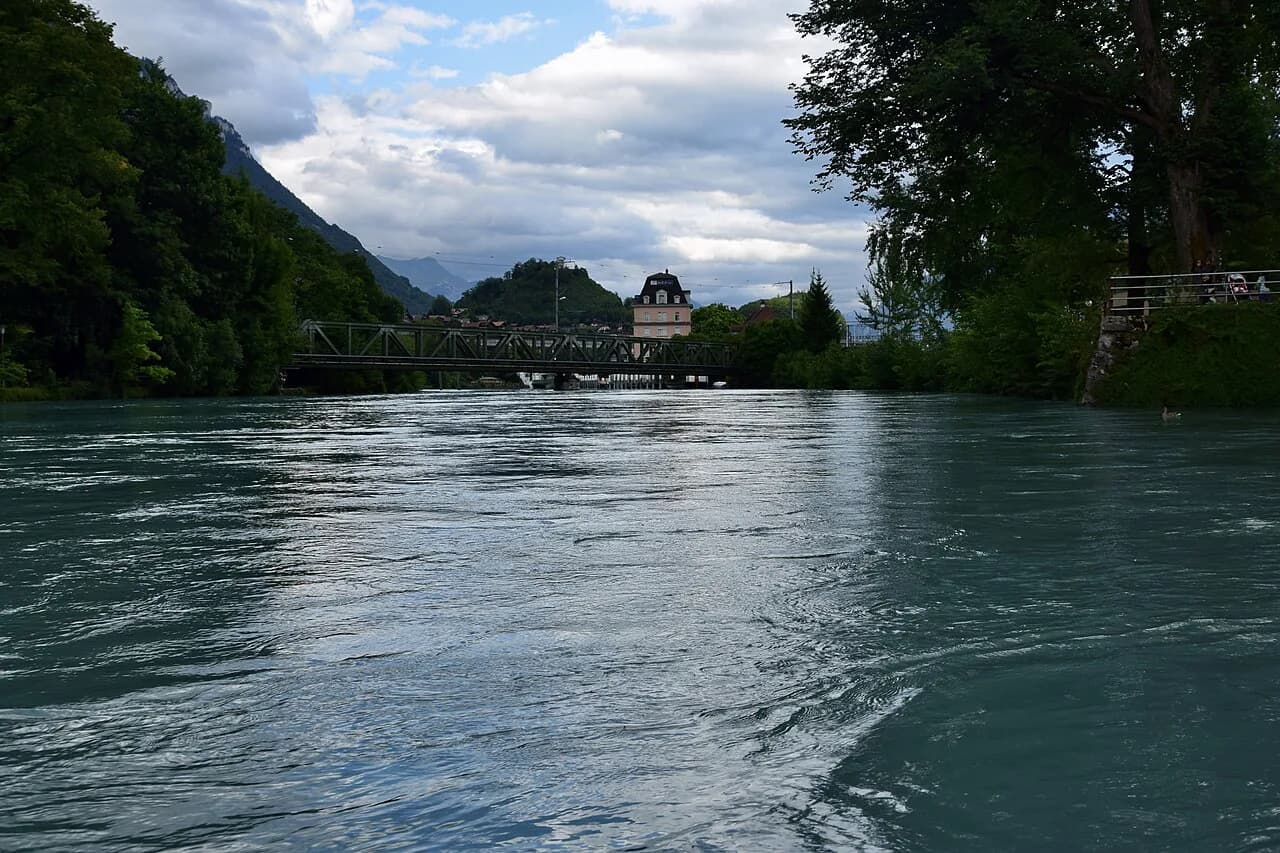
Spend the first day on foot in the center so you get your bearings without timetables. Walk the Höheweg, cross the Aare, and follow the riverbank where the water runs clear and fast between the lakes. The town core is compact enough to cover in a morning at an unhurried pace.
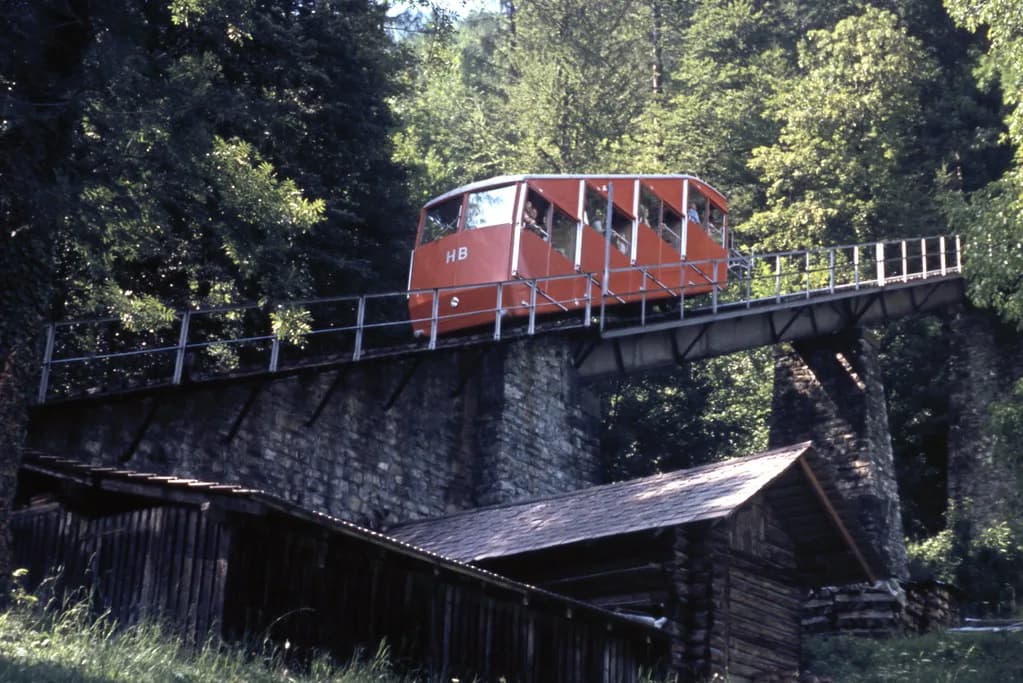
Give the afternoon to one summit. Harder Kulm rises directly above Interlaken and gives the classic view down onto the two lakes and the town between them. Balmers points guests toward a discounted trip up Harder Kulm or to Schynige Platte for alpine views, which makes either a sensible first-day investment when the sky is clear.
Finish the evening back along the Höheweg, where the lawns face the mountains and the light lasts late in summer. If the peaks are clouded in, swap the summit for a longer river walk and push the viewpoint to the next clear morning.
Day 2: Lake Brienz, Iseltwald and Water
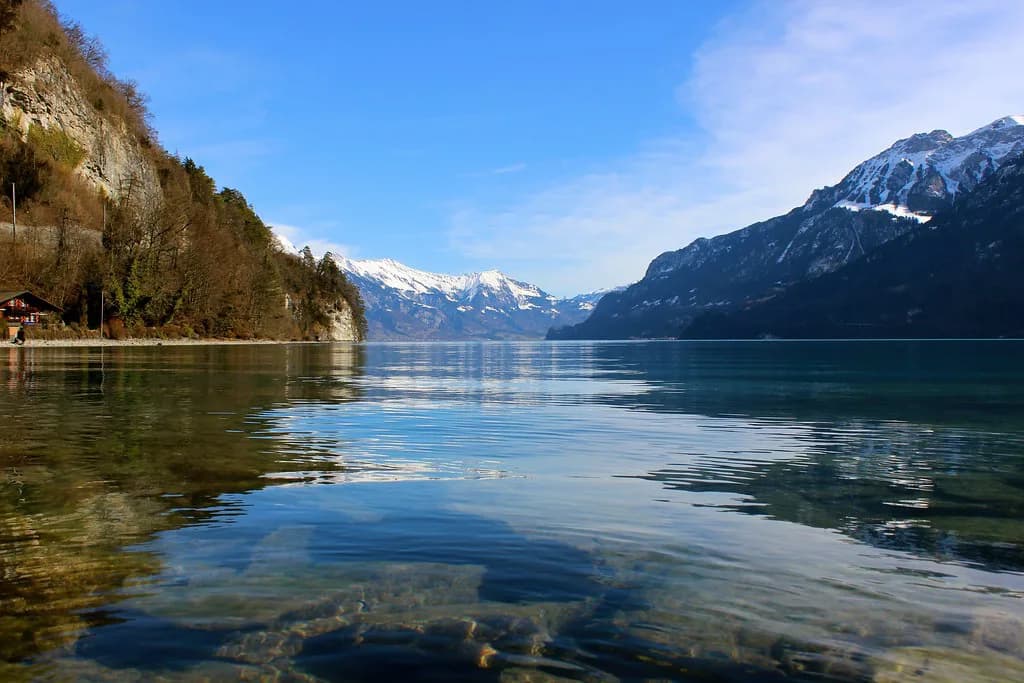
Take the Lake Brienz side, starting from Interlaken Ost. The water here is the milky turquoise that fills most Interlaken photographs, and the villages along the shore are small enough to see on foot between boat or bus stops. Iseltwald and Brienz are the two most useful stops for a half-day.
The Balmers guide lists lake cruises on Brienz and Thun, the villages of Iseltwald and Neuhaus, and the Lauterbrunnen and Grindelwald valleys among the region's standard outings, which matches how most visitors split the two lakes across separate days.
Keep the afternoon flexible. Gorges and waterfalls sit close to the Brienz shore, and they make a good substitute when the high peaks are socked in but the valley is dry. Bring a rain shell either way, since weather on this side of the lake changes quickly.
Day 3: A Mountain Village Toward Lauterbrunnen or Grindelwald
Use the third day to leave the valley floor entirely. Trains from Interlaken Ost run south into the Lauterbrunnen valley and east toward Grindelwald, and both put you in an alpine village within a short ride. Pick one rather than trying to combine them.
Some travelers argue that a mountain-focused trip is better based in Lauterbrunnen, Wengen or Mürren than in Interlaken itself, since those villages sit inside the scenery rather than below it. That trade-off is real: Interlaken gives you two lakes and a town, while a village base gives you quicker access to the high ground.
If the weather holds and you want a ridge walk rather than a village, Schynige Platte is the alternative. Make the call in the morning based on the cloud line, and keep the village plan as your fallback.
If You Only Have One Day
Cut the mountain day first, then the second lake. A single day should be the town walk and one viewpoint, with a lakefront stop if time allows before dark. Trying to reach Jungfraujoch or a far village on a one-day visit leaves you with transit and no town.
Balmers sketches a similar one-day shape: a wander through town, a snack, then a bus to a lake or a discounted trip up a viewpoint, finishing back in the center for dinner. That works because it stays within one side of the Aare.
If You Have Four or Five Days
Add a second lake day rather than a third summit. With four or five days you can give Lake Thun its own afternoon, slow the town portion down, and still keep a weather buffer for the mountain day. Two days for the Interlaken region plus Thun and Brienz is a pace that regular visitors describe as relaxed rather than rushed.
At five to seven days the region opens up, and the question becomes whether Interlaken is still the right base. That decision is worth making early, because a longer stay rewards a village base more than a three-day trip does. Check current prices and dates once your plans firm up.
When to Go: Summer and Autumn Trade-Offs
June through September is the outdoor season, with the longest daylight and the most reliable conditions for viewpoints and lake boats. September and October bring golden colors and thinner crowds, which suits the town and lake days better than a summit day.
December through March is the winter window in the source's seasonal framing, and spring brings blooming valleys and waterfalls. Outside midsummer, build the itinerary around one flexible day so you can move a summit to whichever morning is clearest.
What It Costs and How the Guest Card Helps
Switzerland is expensive, and Interlaken is priced for it. The lever most visitors miss is the guest card: guests checking in at Balmers receive one that covers complimentary local bus rides and gives discounts on attractions and reduced entry to selected pools and museums.
Use it for the lakefront buses and the smaller entries, and pay full price only for the summit you care about. Booking activities ahead is the other cost saver the guide recommends.
Opening Days and Practical Planning
Two sources describe a realistic Interlaken stay as roughly three days for the highlights, and the mountain-focused alternative as a base in Lauterbrunnen, Wengen or Mürren. Neither sets fixed museum days, cable-car timetables or seasonal closures for the town, so confirm those for your dates before you lock the order of your days.
Currency is the Swiss franc, plugs are Type J, and the SBB app handles train times. That covers the logistics you need before Day 1.
Where to Sleep: Interlaken as a Base Versus the Mountain Villages
Interlaken is often described as the adventure capital of the Alps and works well as a base, but it is not the only option for a multi-night stay. Travellers weighing up a longer trip are sometimes advised that if it is mountain experiences you want, then staying a little further south in Lauterbrunnen, Wengen or Mürren may suit better. All three villages sit south of Interlaken in the Jungfrau Region, the same area the day trips from town already reach, so the choice is less about missing out on scenery than about how much time you spend moving between places.
Staying in Interlaken has its own advantages for a first visit. The town is served by punctual trains, and a Guest Card issued at check-in brings discounts on attractions and reduced entry fees to select pools and museums, alongside other guest-card benefits. Choosing a hostel with a kitchen also gives you a way to keep food costs down in a country known for high prices. Against that, anyone whose main aim is high trails may find the extra hop south eats into the day.
The length of your trip shapes the answer. Plan at least 3 days simply to see Interlaken's highlights, and with 5 to 7 days you can slow down and add adrenaline activities or scenic day trips into the Swiss Alps. A week based in town can comfortably stretch to outlying corners of the region. A relaxed two days can cover Brienz and Thun, and longer outings might include the demonstration cheese factory and the Maison Cailler chocolate factory at Gruyères, both well beyond the immediate lakes.
Season matters too. Summer, from June to September, brings hiking, swimming and paragliding, while December to March offers winter sports in nearby resorts; spring means blooming valleys and waterfalls, and September and October bring golden colours with fewer crowds. A village base tends to reward travellers whose plans depend on being high up early, whereas a town base suits mixed itineraries that include lakes, town time and several different valleys.
Plan Your Interlaken Days
Build the trip around three days, one per side: town and a viewpoint, Lake Brienz, then a mountain village. Set your weather swap in advance so a cloudy morning costs you a plan rather than a day.
Tighter trips should cut the mountain day first. Longer trips should add Lake Thun and slow the pace instead of stacking more summits.
Explore more Interlaken guides
Frequently Asked Questions
Is three days enough for Interlaken?
Yes, three days covers the town, one lake and one mountain village without rushing. It is the minimum that lets you commit a full day to each direction, and it leaves room to move a summit day if the weather turns.
Should you base yourself in Interlaken or in Lauterbrunnen, Wengen or Mürren?
Interlaken gives you two lakes, the Höheweg and a town center; Lauterbrunnen, Wengen and Mürren put you inside the mountains with faster access to high ground. For a short trip that mixes lakes and peaks, Interlaken is the more versatile base. For a mountain-only trip, a village base saves transit time.
How do you split time between Lake Thun and Lake Brienz?
Give Lake Brienz the full day and Lake Thun a half day or an afternoon. Lake Brienz has the more dramatic water color and the village stops at Iseltwald and Brienz, while Lake Thun works well as a slower add-on if you have a fourth or fifth day.
What can you do in Interlaken in one day?
Walk the Höheweg, cross the Aare, and take one viewpoint such as Harder Kulm if the sky is clear. Add a lakefront stop in the afternoon and finish in the center for dinner. Drop the mountain village entirely; it needs its own day.
What is a good five-day Interlaken itinerary?
Keep the three-day core, then add a second lake day and a buffer day for the summit whose weather you could not predict. Five to seven days lets you explore at a relaxed pace rather than stacking one excursion on another.
What does the Interlaken Guest Card cover?
Guests checking in at Balmers receive a card that covers complimentary local bus rides and gives discounts on attractions and reduced entry to selected pools and museums. It is issued at that hostel, so confirm what your own accommodation offers.
How do you get between the two lakes from town?
Interlaken West serves the Lake Thun end and Interlaken Ost handles trains toward Lake Brienz, Lauterbrunnen and Grindelwald. Plan each day around one station rather than crossing the Aare repeatedly, and use the local buses for the lakefronts.
Sources
Notes for your Swiss city break
Optional updates to our Swiss city guides.
You might also like
Continue reading
More guides you'll find useful