Free Things to Do in Interlaken: Sights and Walks
Free things to do in Interlaken, from the Japanese Garden to walking up to Harder Kulm, with honest notes on which free options still cost you something.
On this page
The honest answer is that free things to do in Interlaken run mostly outdoors: a small Japanese garden, flat lakeside promenades, the climb to Harder Kulm on foot instead of by funicular, and village lanes above the valley that cost nothing once you are up there. The town's famous experiences — the Schilthorn cable cars, Jungfraujoch, lake cruises, canyoning, paragliding — all sell tickets, so a realistic day mixes one paid splurge with a free morning.
How Interlaken Is Laid Out, and Why You Walk
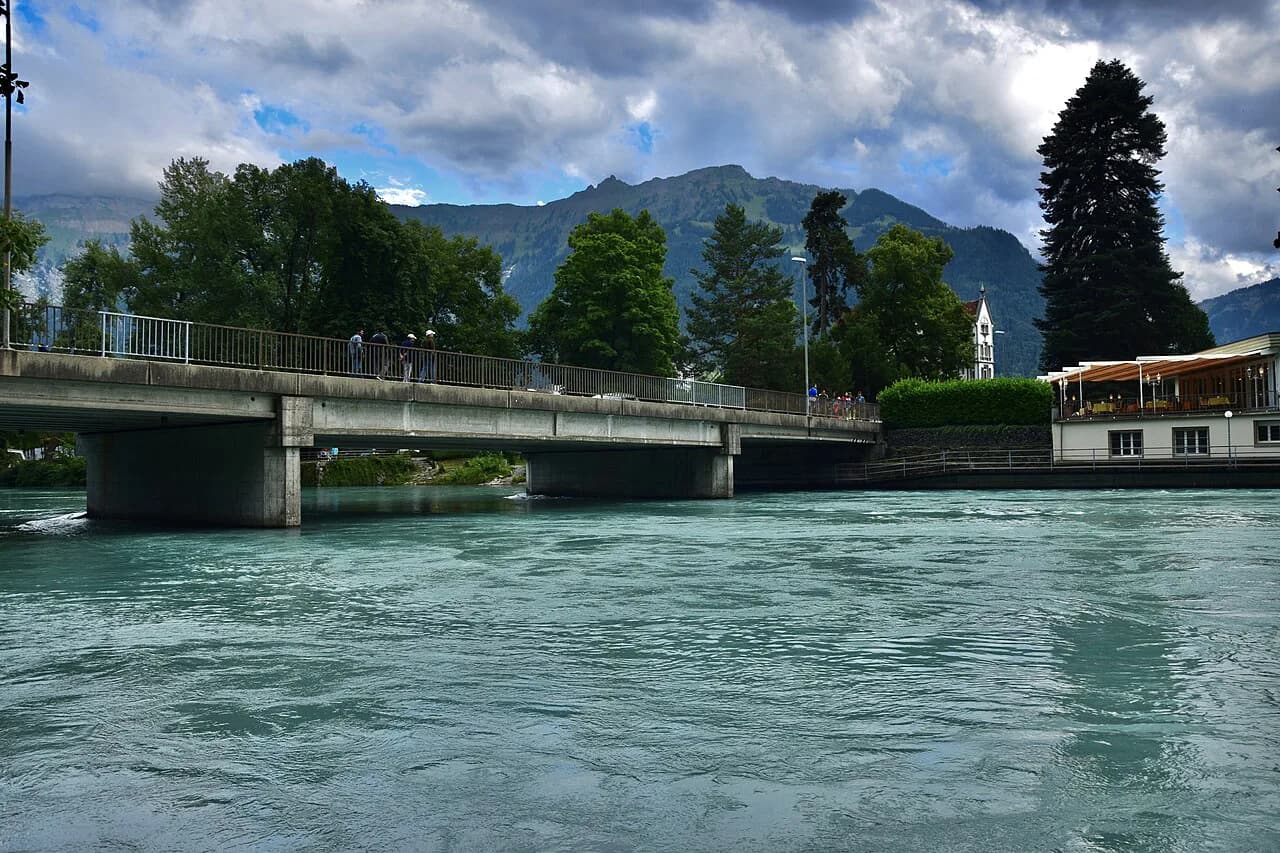
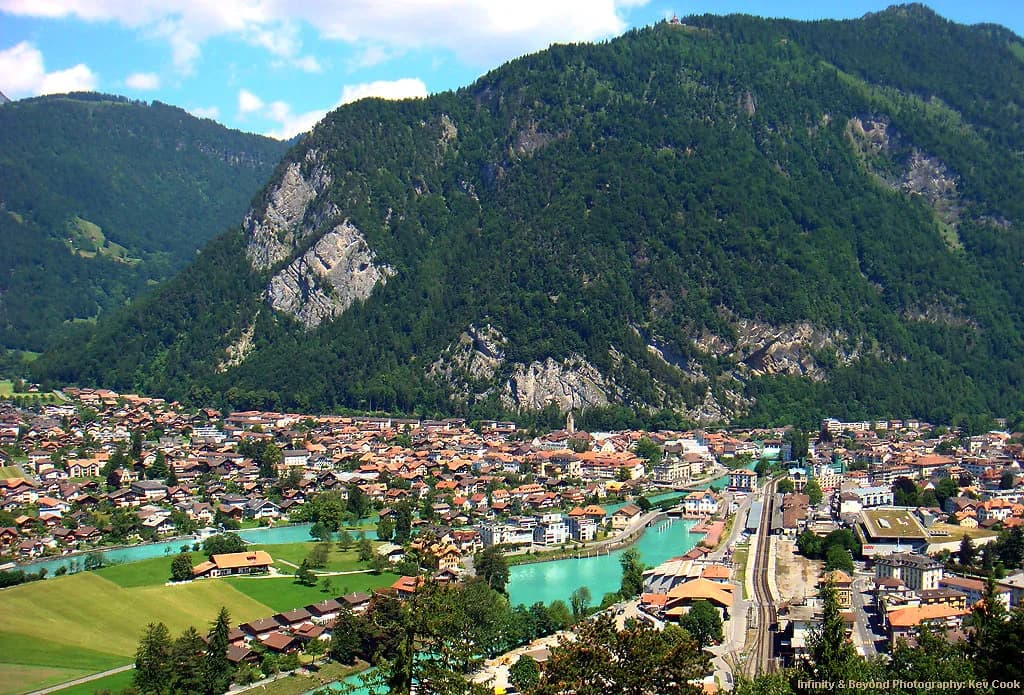
Interlaken sits on the flat land between Thunersee to the west and Brienzersee to the east, with Interlaken West station serving the Thun side and Interlaken Ost the Brienz side. The core between the two stations is compact and level, so the cheapest way to cover the Japanese Garden, the casino gardens and the riverbank is simply on foot. Save paid transport for the mountains; within town, walking is both the free option and the faster one.
Start with a self guided walking tour of the older quarter across the river, where the lanes of Unterseen and the old town give you the town's history without an entrance fee. It is a half-hour to an hour of strolling, and it doubles as orientation for the rest of your stay.
Harder Kulm on Foot: The Free Version of the Classic View
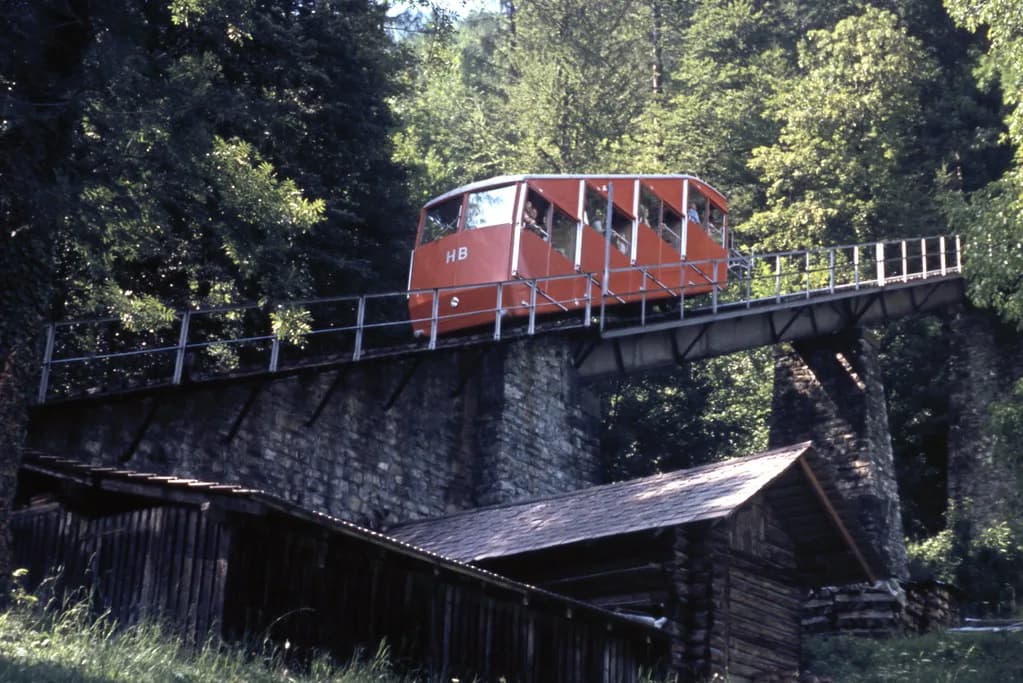
Harder Kulm is Interlaken's signature lookout, and the funicular is the paid shortcut. The free alternative is the trail up from town, which climbs steadily through forest to the panorama bridge above the valley — free in francs, expensive in effort and time. Budget a couple of hours up if you are reasonably fit, carry water, and treat the descent as part of the day rather than an afterthought.
The reward at the top is the view over both lakes and, on a clear day, the Eiger, Mönch and Jungfrau. If your legs or the weather argue against the climb, the funicular buys the same panorama for a fare you can check at the valley station before committing, and hikers who would rather ride one way can buy a single.
The Japanese Garden: A Quiet Half Hour Near the Old Monastery
Interlaken's Japanese Garden is a small, contemplative pocket with a pond and a pavilion, set close to the old monastery, the castle and the Catholic Church. Each element is arranged in the Japanese tradition, which makes it a pleasant contrast to the adrenaline marketing elsewhere in town, and spring is when it looks its best.
Fishing in the pond is not allowed, so this is a look-and-sit stop rather than an activity. Pair it with the lanes of the Altstadt Unterseen across the river for a low-cost, low-effort morning that still feels like a proper walk.
Kursaal Park and the Casino Gardens
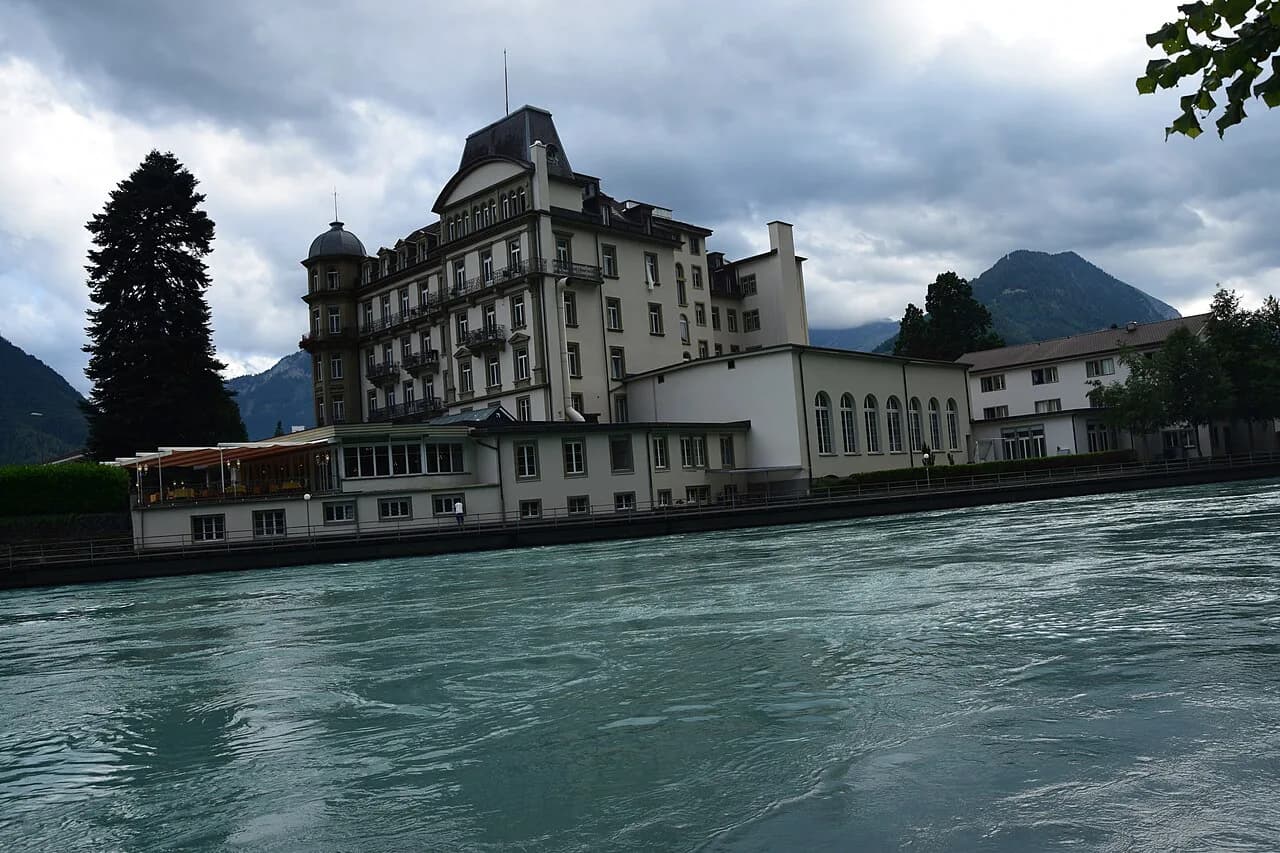
Casino Interlaken sits between the two lakes a few minutes' walk from Kursaal Park, and the surrounding gardens and riverside paths are open outdoor space rather than a ticketed attraction. It is a flat, short stroll that suits a jet-lagged first afternoon or a gap before dinner. Inside, the gaming floor is a paid evening out rather than a free sight, so treat the building as scenery unless you plan to play tables such as American roulette, blackjack or poker.
Walking the Lakeshores: Thunersee and Brienzersee
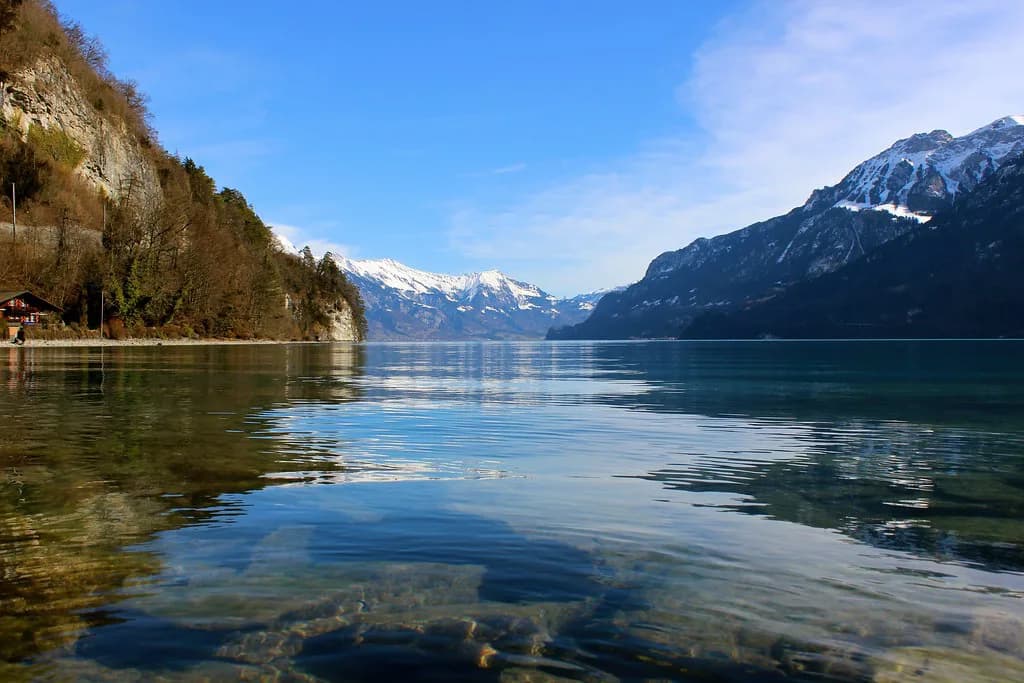
Both lakes have shoreline paths you can walk without buying anything: Thunersee on the west side for open water and mountain reflections, Brienzersee on the east for a more enclosed, alpine feel. These are promenade strolls, not wilderness; the free walking ends where the boats and cable cars begin. A lake cruise or a boat across to Giessbach Falls is a separate purchase, and worth checking prices at the pier if you want the water view from the other direction.
Brienzersee rewards a sunny day, and its eastern shore holds Switzerland's woodcarving village as well as Giessbach Falls beside the Grand Hotel Giessbach. You can reach the shore by public transport or on foot from Interlaken Ost, then walk as far as your legs and the light allow.
St. Beatus Caves: The Approach Walk and the Lake View
The St. Beatus Caves sit between Thun and Interlaken, and the setting alone — cave mouth, waterfalls, and a view back over Thunersee to the Alps — is worth the trip. Reaching the caves means roughly a fifteen-minute walk up from the road, and that approach is open year-round; the cave tour, museum and panoramic restaurant are the paid, seasonal part. If you only want the scenery and the waterfall photo, the walk up delivers it without a ticket.
Mürren and Gimmelwald: Free Wanderings Once You Are Up
The village walk from Mürren down to Gimmelwald is the classic free-once-you-are-there outing: a gentle path between two car-free hamlets with the valley walls towering on both sides. Getting up to Mürren costs cable-car fare, so the walk itself is free but the day is not. Allow about half an hour for the path and keep an eye on the last connections down.
Schynige Platte and the Mountain Viewpoints
Schynige Platte, south of Interlaken in the Jungfrau region, is reached by a nostalgic cogwheel train from Interlaken West — wooden benches, Belle Époque feel, and a panorama of the Eiger, Mönch and Jungfrau at the top. The train is the cost; the panorama trail from the station is the free part once you are up. Pack layers and a waterproof, because the mountain can serve all four seasons in a day.
The higher, more famous viewpoints — Schilthorn with its James Bond museum and Jungfraujoch, Europe's highest railway station — are firmly paid days and are cold even in summer. Choose one of them as your splurge rather than trying to collect them all.
Free With a Stay: The Mini-Golf and Pool Pass
Guests at Backpackers Villa Sonnenhof get a pass that covers mini-golf and the public swimming pool, collected at the hostel reception. This is a perk of staying at that specific property, not a town-wide guest card, so do not budget on it unless you have booked there. For families it is a genuinely useful free afternoon when the mountains are socked in.
What Looks Free but Is Not
Chocolate tastings at the Funky Chocolate Club, adventure sports such as canyoning, hang-gliding, skydiving and paragliding, the Seilpark high-ropes course, and the lake cruises all carry a ticket, even when the booking pages advertise discounts. None of these is a cheap filler; treat them as the paid half of your day.
Rain changes the calculation, because the free outdoors is exactly what a wet day removes. A museum or an indoor chocolate stop is the sensible swap, and you should check opening days and any admission charge at the door or on the venue's own site before you go.
Where Free Ends: Budgeting the Paid Highlights
The big-ticket items — the Harder Kulm funicular, the Schynige Platte railway, the Schilthorn cable cars, Jungfraujoch and the lake boats — publish their fares at the station and online, and the numbers move with season and pass type. Look up the fare on the lift or railway company's own page for your dates rather than trusting a figure from an old guide. Pick one, do it properly, and let free walking fill the rest.
If you are stringing together several Swiss cities, it helps to see how other towns handle their free sights, from Basel's riverfront to Bern's UNESCO World Heritage old town, which is free to walk. Both make useful comparisons for what a Swiss city actually gives away and what it charges for.
A Two-Day Plan Mixing Free and Paid
Day one: walk the old town and Unterseen in the morning, visit the Japanese Garden, and stroll the Kursaal Park and riverbank in the afternoon — a full day for the price of lunch. Day two: spend the money once, either on the Harder Kulm funicular for the easy panorama or the Schynige Platte cogwheel train for the longer mountain day, and walk down if you have the legs.
Two days is enough to see Interlaken itself and one mountain viewpoint without rushing, leaving a third day free only if you want the Schilthorn or Jungfraujoch as a separate splurge that eats a full day on its own.
Plan Your Free Day
Interlaken's free list is real but modest: the Japanese Garden, the riverbank and lakeshore paths, the old-town lanes, the St. Beatus approach walk, and any mountain trail once you have paid to get up there. Build your day around those and spend your money on one view you will remember, not on five.
Check funicular and railway fares with the respective lift and rail companies for your travel dates, and check museum opening days before a rainy-day swap. With one paid splurge and free walking in between, Interlaken stays affordable without feeling like a compromise.
Explore more Interlaken guides
Frequently Asked Questions
What can you do for free in Interlaken?
The genuinely free options are mostly outdoors: the Japanese Garden, the Kursaal Park area, the old-town lanes of Unterseen, the lakeshore paths along Thunersee and Brienzersee, and the approach walk to the St. Beatus Caves. Walking up to Harder Kulm instead of taking the funicular is free in francs but costs time and effort.
Is Harder Kulm free if you walk up?
Yes, the trail up from town costs nothing; the funicular is the paid shortcut. Budget a couple of hours for the climb and check the fare at the valley station if you decide to ride instead.
Are there free museums or gardens in Interlaken?
The Japanese Garden is an open, no-ticket outdoor space, and the Kursaal Park area is a free stroll. Museums generally charge for entry, so check admission and opening days with each venue.
Is two days enough for Interlaken?
Two days covers the town itself and one mountain viewpoint without rushing. Add a day if you want the Schilthorn or Jungfraujoch as a separate paid outing, since each takes most of a day.
Does it rain a lot in Interlaken?
Rain is common enough in the Alps that you should plan an indoor backup. Keep a museum or a chocolate stop in reserve and check opening days before you swap.
What is free with a Swiss Travel Pass in Interlaken?
Pass coverage varies by operator and route, so confirm the specific funicular, railway or boat against the pass's official coverage list for your dates rather than assuming.
Sources
Notes for your Swiss city break
Optional updates to our Swiss city guides.
You might also like
Continue reading
More guides you'll find useful