Best Time to Visit Basel: Month-by-Month Weather and Crowds
Basel's best months for warm weather, museum days and fewer crowds, with typical temperatures, rain and daylight so you can pick dates with realistic expectations.
On this page
The best time to visit Basel for most city breaks is late spring through early autumn, when typical daytime highs sit in the high teens to mid twenties Celsius and daylight runs long enough to fit in the old town, the Rhine and a museum or two in one day. April and October are the calm shoulder months: cooler, but with fewer people competing for the same squares and terraces. Basel sits in a semi-continental climate, so the gap between winter and summer is wide and a few degrees of timing changes what your days feel like.
The trade-off is rain. Summer is both the warmest and the wettest stretch, so a July trip built entirely around sitting outside can lose an afternoon. The fix is simple: pair outdoor plans with a named indoor anchor such as the Kunstmuseum Basel or the Tinguely Museum, both of which appear among the city's headline attractions alongside Basel Minster and the old town.
Why Basel's Season Matters
Basel is crossed by the Rhine in the country's northwest, close to the French and German borders, with the Jura mountains along one side. That position produces a semi-continental climate with significant temperature differences between winter and summer, so the month you choose genuinely shapes the trip rather than just the wardrobe.
Practically, this means the same city supports two different breaks. In the warm half of the year you plan around daylight, the river and outdoor wandering; in the cold half you plan around a shorter window of light and an indoor-heavy list of stops. Neither is better, but a two-day break in each looks completely different on paper.
Basel's Climate at a Glance
Typical figures make the pattern clear. Average highs climb from about 5 °C in January to roughly 26 °C in July and August, then fall back to around 6 °C by December. Average lows run from about 0 °C in the coldest months to around 15 °C at the summer peak, so even high summer evenings are mild rather than hot.
Rain is spread across the year but concentrated in summer: June is the wettest month in the table with around 142 mm, ahead of May at roughly 124 mm, while January and February are among the driest at about 64–66 mm. Wet days hover between about 10 and 12 in every month, which is the number worth noting: no month is reliably dry.
Daylight is the biggest seasonal swing. Typical sunshine runs about two hours a day in December and January, rises to six in May and June, peaks around seven hours in July and August, then drops back to about two by November. That is the single strongest argument for a summer visit if you want long, full days outdoors.
Spring (March to May): Cooler Days, Longer Light
Spring warms quickly. March averages about 2 °C minimum and 12 °C maximum, April moves to roughly 6 °C and 16 °C, and May reaches around 10 °C and 20 °C. Sunshine climbs from four hours a day in March to six in May, which makes late spring the first stretch where an evening walk along the Rhine after a museum afternoon feels natural.
The catch is rain: May carries a typical 124 mm across about 12 wet days, so one full day of a short break can realistically be wet. Build the plan so the indoor anchor is movable, and keep the old town walk for whichever day stays dry. If you want a month-level look at what spring does to the calendar, basel in april covers the shoulder before the wettest stretch arrives.
For travelers weighing a May trip specifically, the detail on daylight, typical temperatures and how the month's rain tends to land is worth reading before booking: basel in may sets out the trade-off between longer evenings and the year's wetter weeks.
Summer (June to August): Warmest, Wettest, Busiest
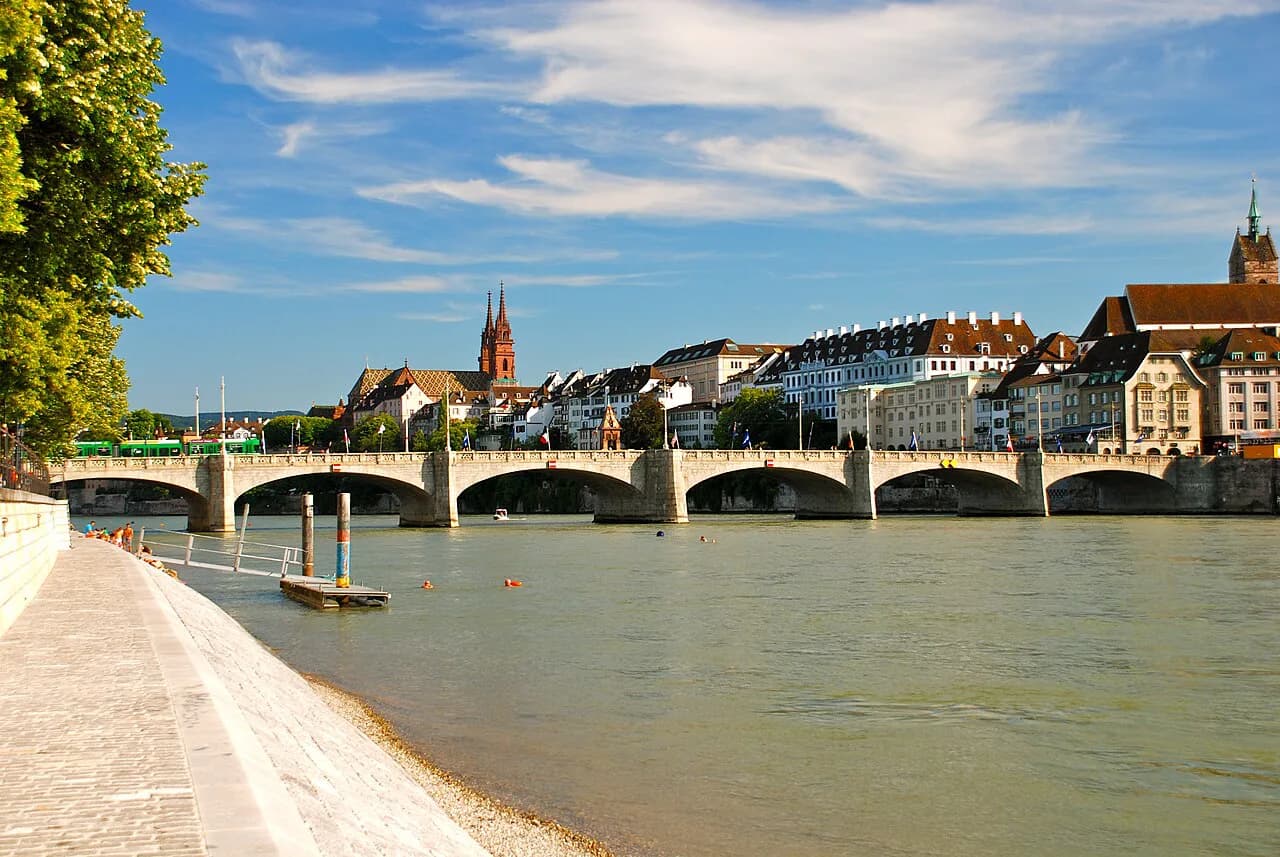
Summer gives the best odds of a day spent outside. Typical highs sit around 24 °C in June and 26 °C in July and August, with lows near 14–15 °C and seven hours of sunshine a day at the peak. That is comfortable rather than hot, and it is the season when the Rhine, the squares and the terraces are at their most usable.
It is also the wettest period in the table, with June around 142 mm and the two following months near 106–112 mm across about 11–12 wet days each. Add peak visitor numbers and you get the summer trade-off: the best weather odds and the most competition for the same places. Planning an indoor block into every second day protects the trip.
If June is your target, basel in june goes deeper on what the longest-light weeks actually feel like. For the peak of the season, basel in july and basel in august both work as month-specific companions to this overview, and the broader basel in summer guide pulls the three months together.
Autumn (September to November): The Mildest Shoulder
September is the sweet spot of the shoulder season. Typical highs still reach about 21 °C with lows near 11 °C, five hours of sunshine and around 98 mm of rain across roughly 10 wet days, so you keep most of the summer comfort with fewer visitors. October cools to about 17 °C by day and 8 °C at night, with four hours of sun.
November is the turning point: highs drop to about 10 °C, lows to 4 °C, and typical sunshine falls to two hours a day with around 84 mm of rain. Plan November as a compact city break with short outdoor walks and a generous share of indoor time rather than long days on your feet.
For a closer look at the season as a whole, basel in autumn frames the shift from mild September to cold, dim November. Month pages fill in the detail: basel in september for the last warm weeks, basel in october for the cooler shoulder.
Winter in Brief (December to February)
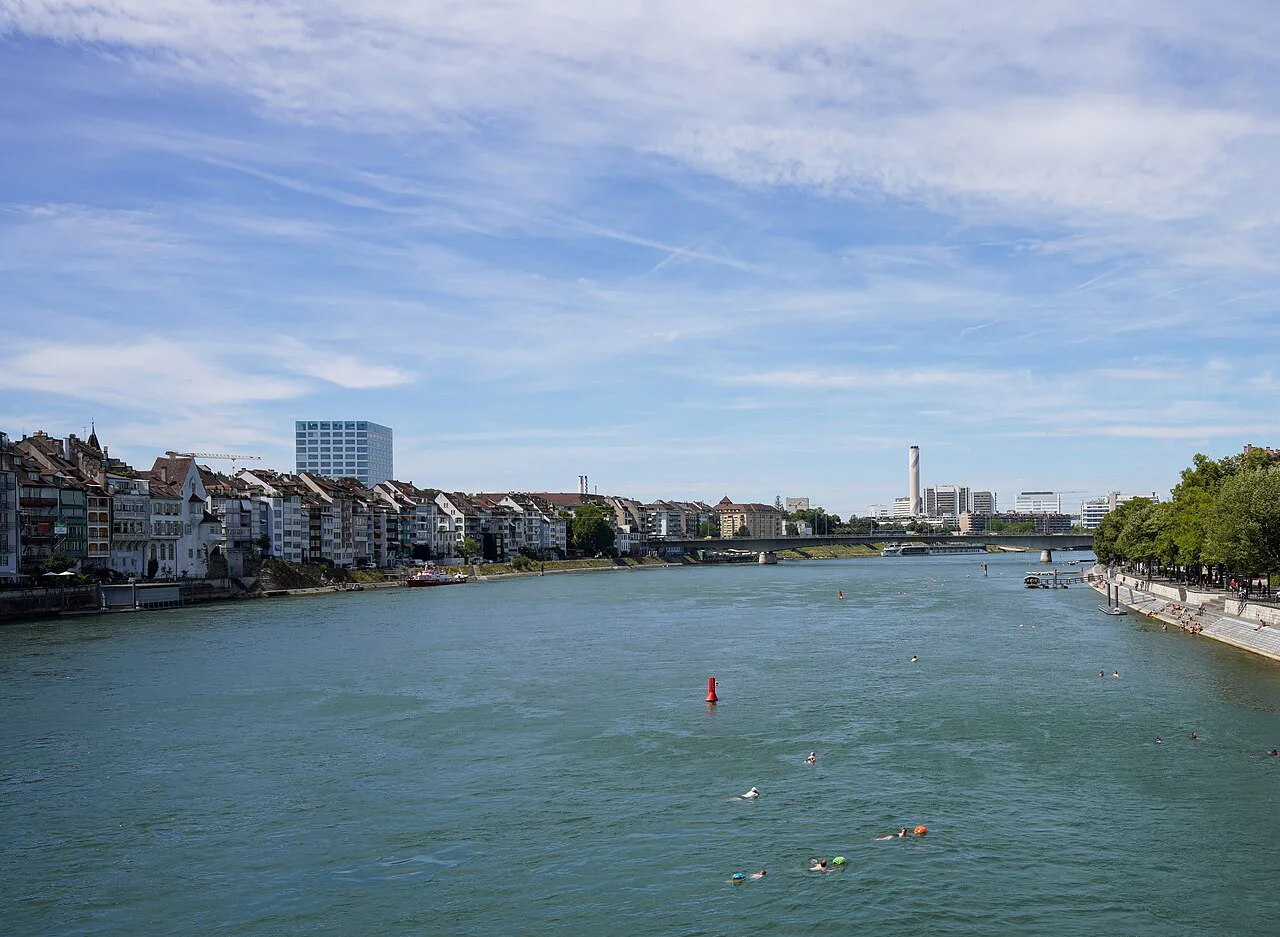
Winter is cold and dim but workable. Typical highs run about 5–7 °C, lows sit near 0–1 °C, and sunshine drops to two to three hours a day, with January and February among the drier months at roughly 64–66 mm. Snow is not something you count on from the climate averages; treat any snowfall as a bonus rather than a reason to book.
A winter city break works because the indoor offer is strong: the Kunstmuseum Basel, the Tinguely Museum and the Herzog Foundation for Photography give you three distinct reasons to be inside, with the old town and Basel Minster filling the brighter hours. Keep the outdoor stretch short and the museum stops close together.
Best Month by Trip Type
For museums and old town wandering, April, May and October give you cool but workable outdoor temperatures with fewer people, and any rain simply pushes you into the Kunstmuseum, the Museum of Antiquities or the Doll's House Museum. For warm-weather sitting outside, July and August are the clear pick on typical highs and sunshine, at the cost of the wettest weeks and the biggest crowds.
For quieter streets, aim at the shoulder months rather than the peak: April, late September and October balance decent daylight against thinner demand. If you want long, bright days with the best odds of dry hours outdoors, May and September beat July and August on rain while staying warm.
Anyone comparing Swiss cities on the same question can use the same seasonal logic elsewhere: the best time to visit Bern and the best time to visit lucerne both hinge on the same warm-and-wet summer versus mild-shoulder trade-off.
How Weather Shapes a Basel Day
A reliable pattern is to put the outdoor block first. Walk the old town and climb to the Basel Minster terrace while the light is best, then move indoors when the afternoon rain arrives, which in summer is a realistic prospect on roughly one day in three. The Minster and the surrounding lanes are compact enough to cover in a morning without rushing.
On a genuinely wet day, the Kunstmuseum Basel is the strongest single anchor, with the Tinguely Museum and the Herzog Foundation for Photography as alternatives depending on your taste. Save the Rhine-side wandering and the old town squares for the brighter hours rather than trying to force them into a downpour.
Beyond the headline sights, the city's architectural mix rewards a slow walk: red sandstone on the Minster, the town hall, remnants of the old walls and the Saint-Alban Gate sit within a walkable core.
What to Pack by Season
Base layers on the typical lows, not the highs. Spring and autumn mornings sit near 6–10 °C, so a light insulating layer plus a waterproof shell covers most days; summer needs little more than a shirt and a packable rain jacket for the wet days. Winter calls for a proper coat, since typical highs stay near 5–7 °C and sunshine is scarce.
Rain protection matters in every month because wet days cluster around 10–12 regardless of season. Comfortable shoes for cobbled lanes and a small day bag for layers are more useful than heavy gear, and a compact umbrella earns its place in June and May especially.
Calendar Anchors to Check Before Booking
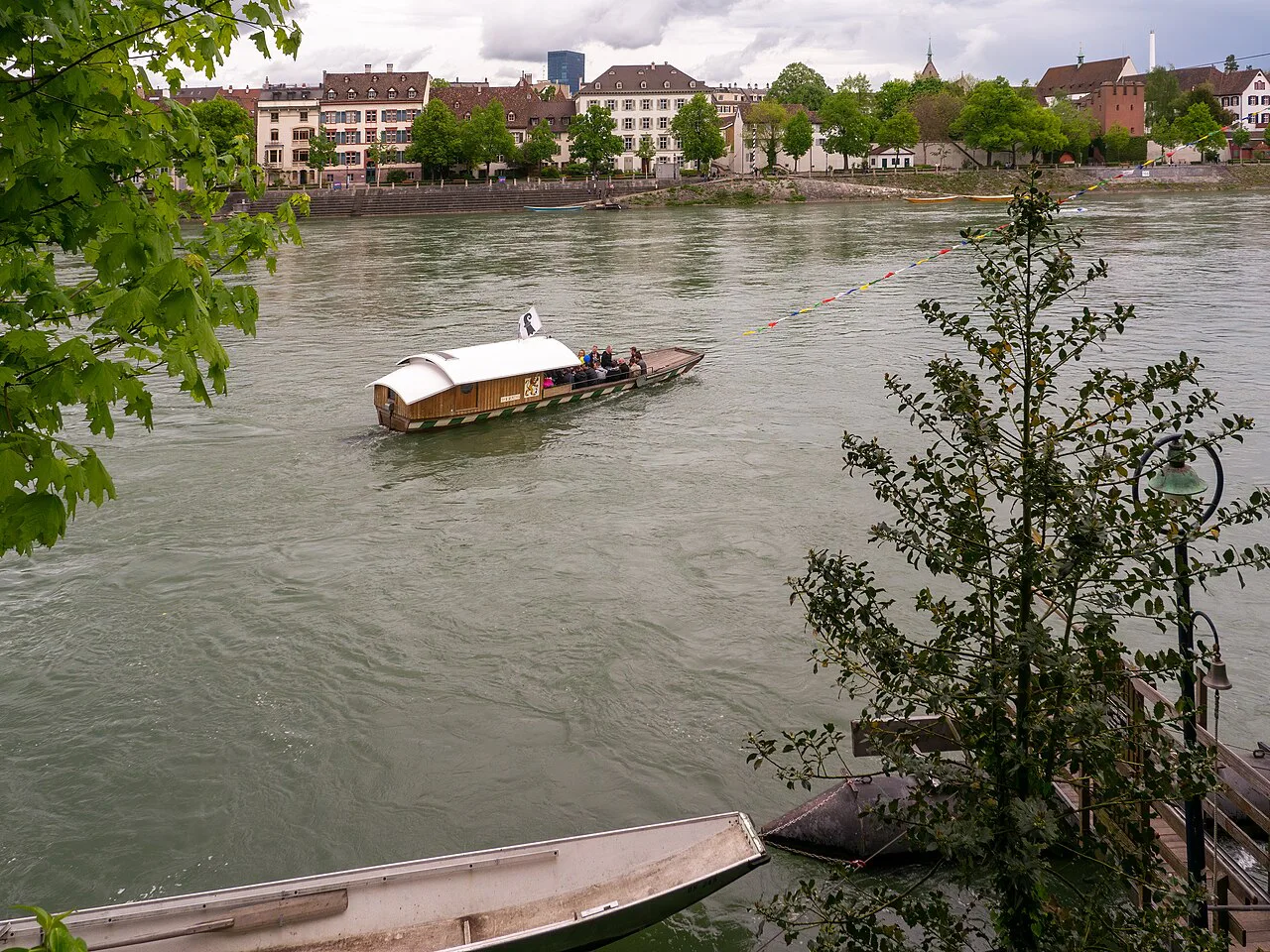
Three annual events can reshape a date: Art Basel, the city's carnival, and Baselworld, the watch and jewelry fair. Their dates shift from year to year, so confirm the current year's schedule with the organizers before you lock in travel.
If your dates overlap one of them, expect the city to feel fuller and plan museum visits and old town walks for the quieter hours of the day. If they do not, you get the ordinary rhythm of the city, which is a large part of the appeal for a short break.
How Many Days to Plan
Two full days cover the core: the old town and Basel Minster, one major museum, and a stretch of the Rhine. Three days let you add a second museum and slow down, which matters most in the short-light months when daylight limits how much you can do outside.
Season changes the mix more than the count. In summer, three days fill easily with outdoor time; in November, the same three days lean heavily on indoor stops, so pick your museum list in advance. Basel Attractions: 8 Visitor Guides is the place to build that shortlist before you decide how long to stay.
Practical Bookings and Weather Risk
Book accommodation and any timed museum slots once your dates are set, and keep one day of the itinerary flexible so a wet forecast does not wreck the plan. Summer weekends and event weeks fill earliest, while the shoulder months give you more room to shift dates if the typical rain pattern looks unfavorable.
Opening days and ticket prices differ between seasons, so it is worth checking each museum's website before you travel, since these are the details most likely to change. A small amount of planning up front is worth more than a packed schedule that collapses on a rainy Tuesday.
Plan Your Visit
For most trips, aim at May, June or September: warm enough for long days outside, bright enough to use the evening, and outside the wettest and busiest peak. April and October suit travelers who prefer fewer people and accept cooler, shorter days.
Whichever month you choose, pair outdoor time on the Rhine and around Basel Minster with a named indoor anchor, and confirm current dates and prices with the venues before booking.
Explore more Basel guides
Frequently Asked Questions
What is the best month to visit Basel?
May, June and September give the best balance for a city break: typical highs around 20–24 °C, five to six hours of sunshine a day, and less rain than July and August. April and October suit travelers who prefer quieter streets and accept cooler days.
What is the weather like in Basel in May?
May typically brings highs near 20 °C and lows near 10 °C, about six hours of sunshine a day, and roughly 124 mm of rain across about 12 wet days. It is one of the wetter months, so plan an indoor block as backup.
Is Basel snowy in December?
December climate averages show typical highs around 6 °C and lows near 1 °C, with about two hours of sunshine and roughly 83 mm of precipitation. Snow is not something to count on; treat any snowfall as a bonus.
How many days do you need in Basel?
Two full days cover the old town, Basel Minster and one major museum plus a walk along the Rhine. Three days let you add a second museum at a relaxed pace, which helps most in the short-light months.
Is summer or autumn better for a Basel city break?
Summer is warmer and brighter but wetter and busier, with June the wettest month in the typical table. September keeps much of the warmth with fewer visitors and less rain, which makes it the stronger all-round choice for many trips.
When is Basel least crowded?
The shoulder months, especially April and October, tend to be quieter than July and August. Event weeks tied to Art Basel, carnival and Baselworld draw extra visitors, so avoid overlapping dates if quiet streets matter to you.
Sources
Notes for your Swiss city break
Optional updates to our Swiss city guides.
You might also like
Continue reading
More guides you'll find useful