Lugano in August: Weather, Crowds, and How to Plan the Days
Lugano in August brings high-season crowds and warm lakefront days. Here is how the city is laid out, what to see, and how many days to plan.
On this page
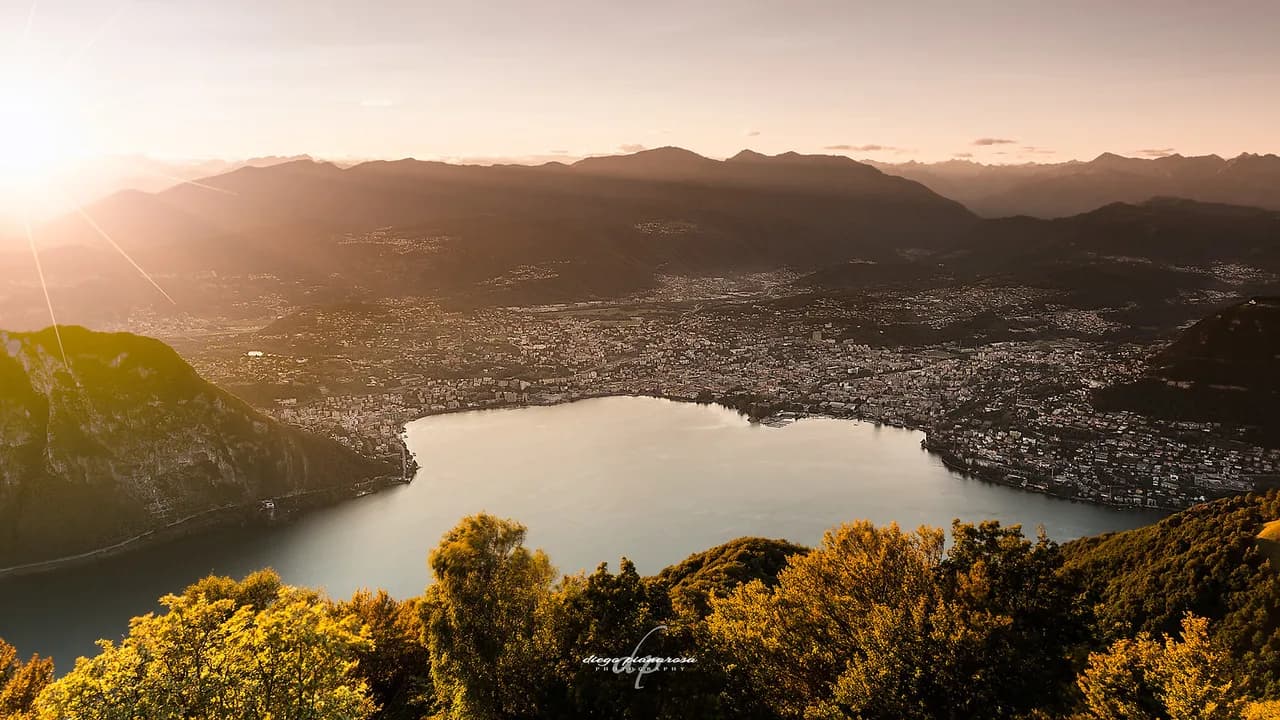
August is high season in Lugano, when the lakefront promenade fills with people and the outdoor cafés on Piazza della Riforma are packed by lunch. The city sits on Lake Lugano in the Italian-speaking canton of Ticino, near the Italian border, and its piazzas, food shops, and lake views carry a distinctly Italian feel. Plan for warm days and a slow pace rather than a long checklist.
Lugano is compact and easy to walk, and most of the sights sit within a few minutes of one another. A single day covers the lakefront, the old city, and the two main churches; a second day lets you repeat the walk without hurrying and adds the commercial piazza at the center of the old city. If you are weighing another month, the best time to visit Lugano guide compares the seasons.
How Lugano is laid out
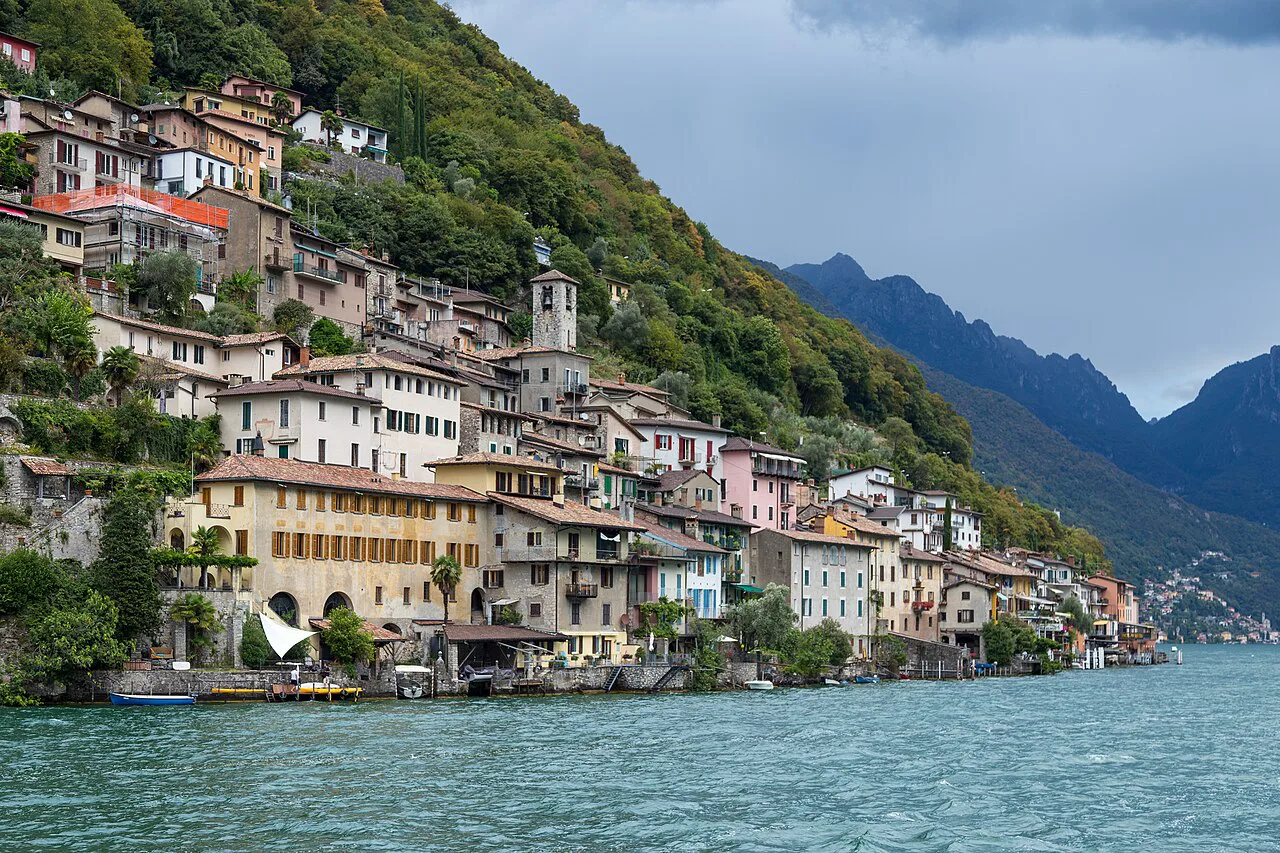
The old city is car-free and arranged as a warren of narrow streets and small piazzas that open onto one another. Piazza della Riforma is the main square, lined with outdoor cafés and ristorantes, and it connects directly to the shopping and strolling streets of the center. Piazza Cioccaro is smaller and quieter, with a vegetable market and food shops around it, while Via Pessina is the street for the Gabbani gourmet shops and the food businesses clustered near the piazza.
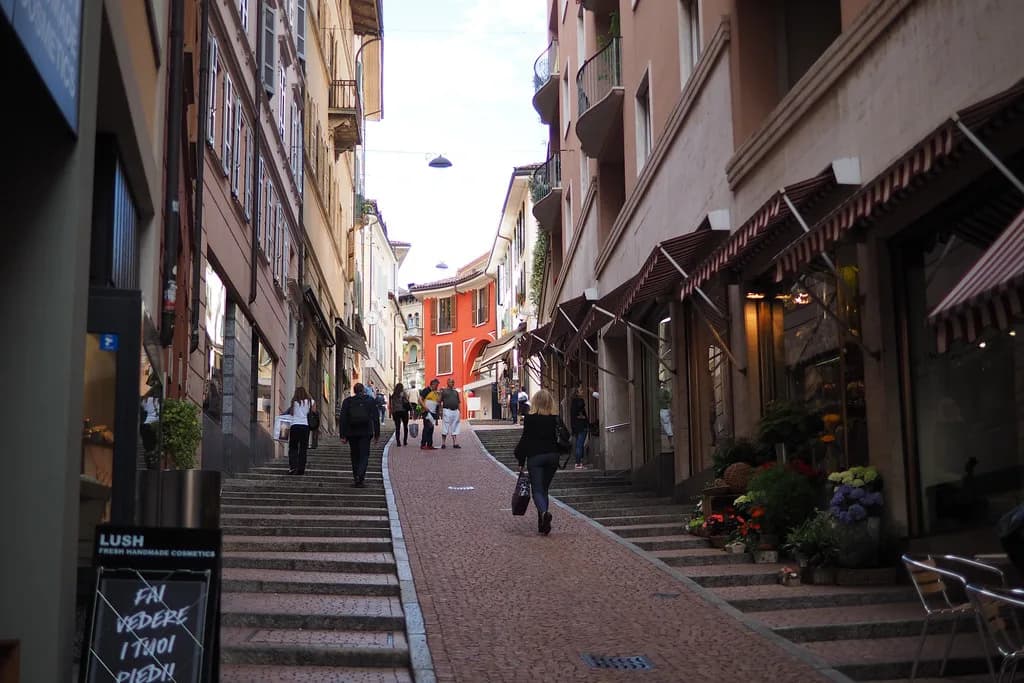
Above the old city sits the train station, reached by a funicular that climbs the hillside from the center. Walking down from the station into the old city is the easier direction: the cobbled lanes drop past small apartments, gelaterias, and shops, and the staircases on the way make the climb back up a sweaty proposition in August. Take the funicular up and walk down.
Typical August weather
Ticino has a Mediterranean-leaning climate, and palm trees along the lakefront are a normal sight rather than a novelty. August is warm and summery, and the lake and the tree-shaded promenade are the places to be when the sun is high. Use climate averages to plan, not a forecast: look up the figures for the days you will be there.
The usual worry about Lugano is rain in May, which travelers often raise when planning spring trips. August is a different season, and those May questions don't tell you much about an August visit. Pack for warm days and keep a light layer for the evening, when the lake air cools.
August crowds and how to time the day
High season means the promenade and the cafés around Piazza della Riforma are busiest at lunch, when the outdoor tables fill and the food shops do a brisk trade. Start earlier in the morning, when the lakefront is calm and the swans and fishermen have the water to themselves, then move into the old city as the squares fill. Save the indoor stops, the churches and the shops, for the middle of the day when the heat and the crowds are at their peak.
The trade-off is that Lugano is a laid-back city with relatively few must-see sights, so a packed checklist works against the place. In August, the sensible approach is fewer stops and longer pauses: a coffee on the piazza, a slow walk along the lake, a church visit in the shade.
Morning: the lakefront and the old city
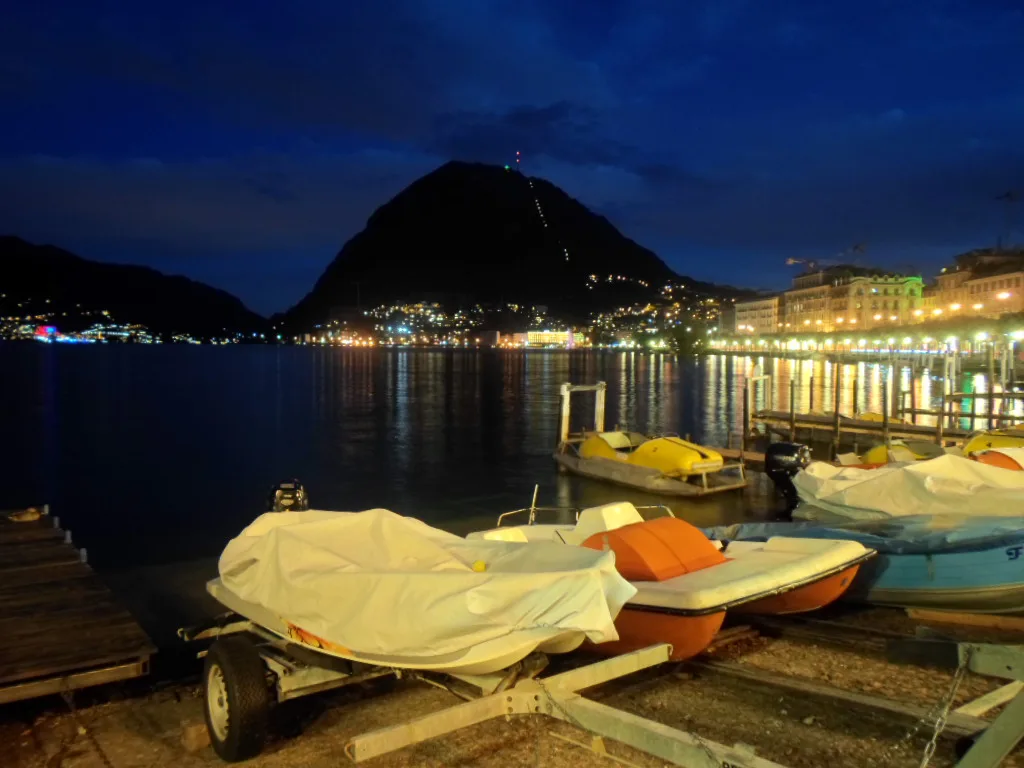
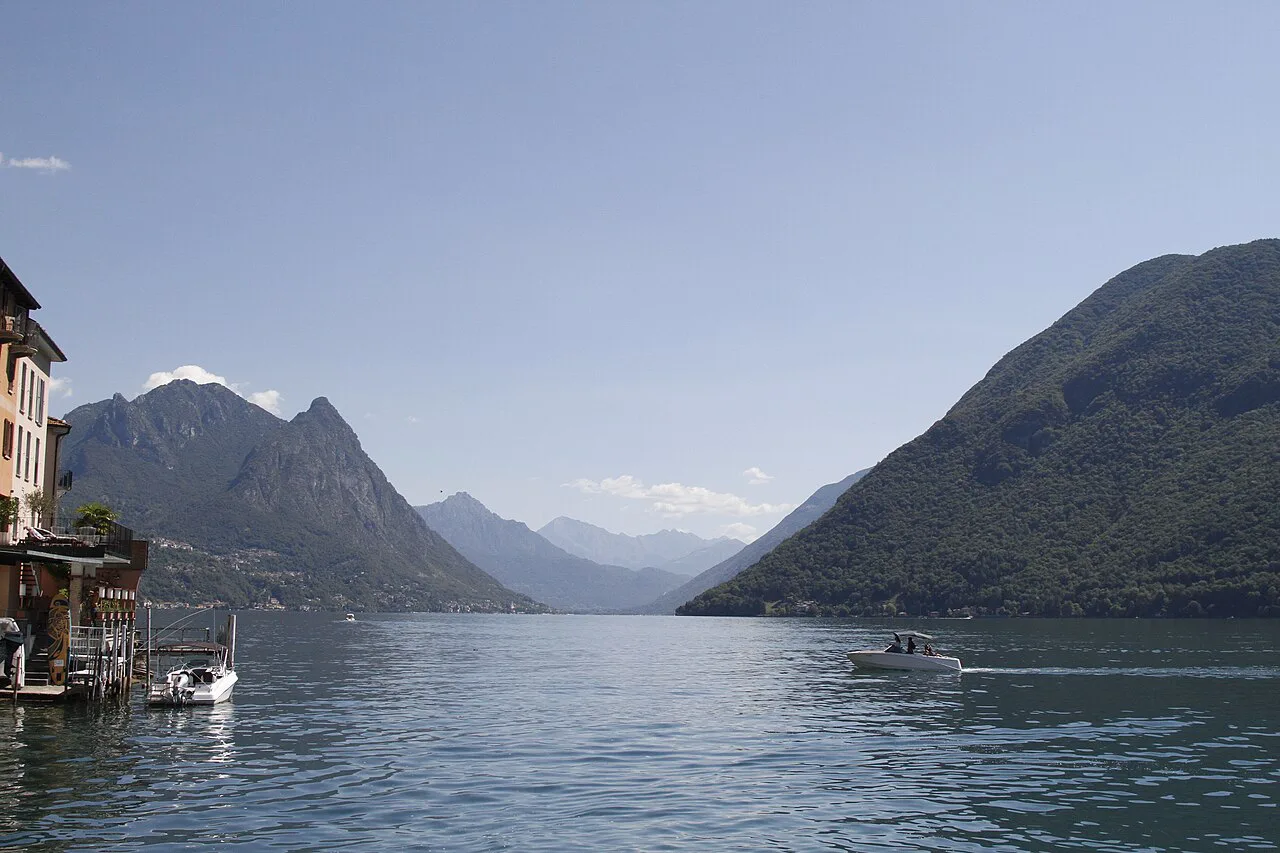
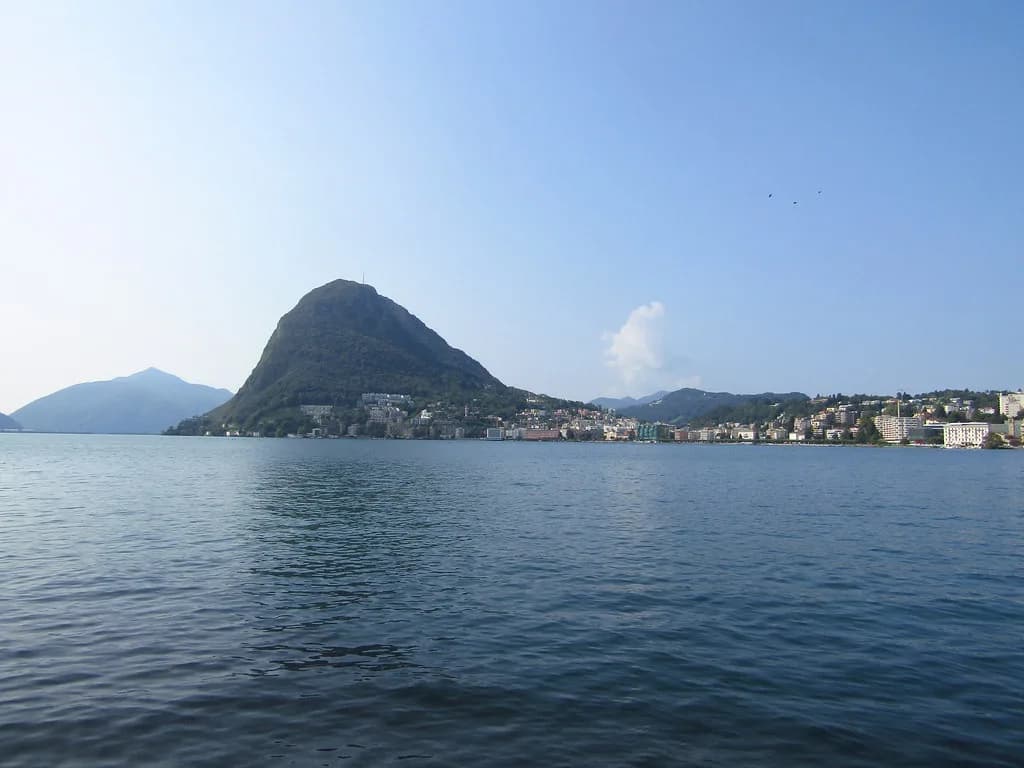
Begin on the tree-shaded promenade along Lake Lugano, where the view of the water framed by mountains is the city's signature. From the promenade it is a short walk to Piazza della Riforma, the car-free heart of the old city, and from there into the lanes behind it. The old city rewards wandering: no street runs straight, and each one tends to spill into another piazza.
Piazza Cioccaro is worth a detour for its market and its charm, and the food shops around it, including Gabbani, sell Ticino and Mediterranean products. This is also the moment to note the layout: the funicular to the station is close by, and you will use it later in the day.
Midday: Santa Maria degli Angioli and San Lorenzo
Santa Maria degli Angioli is a small Romanesque church on the far side of the boulevard from the promenade, easy to miss because it looks quiet from outside. Inside are sixteenth-century frescoes, including a large Crucifixion with many scenes and a Last Supper, and the church is one of the best things to see in Lugano. Step in during the middle of the day, when the heat is up and the interior is cool.
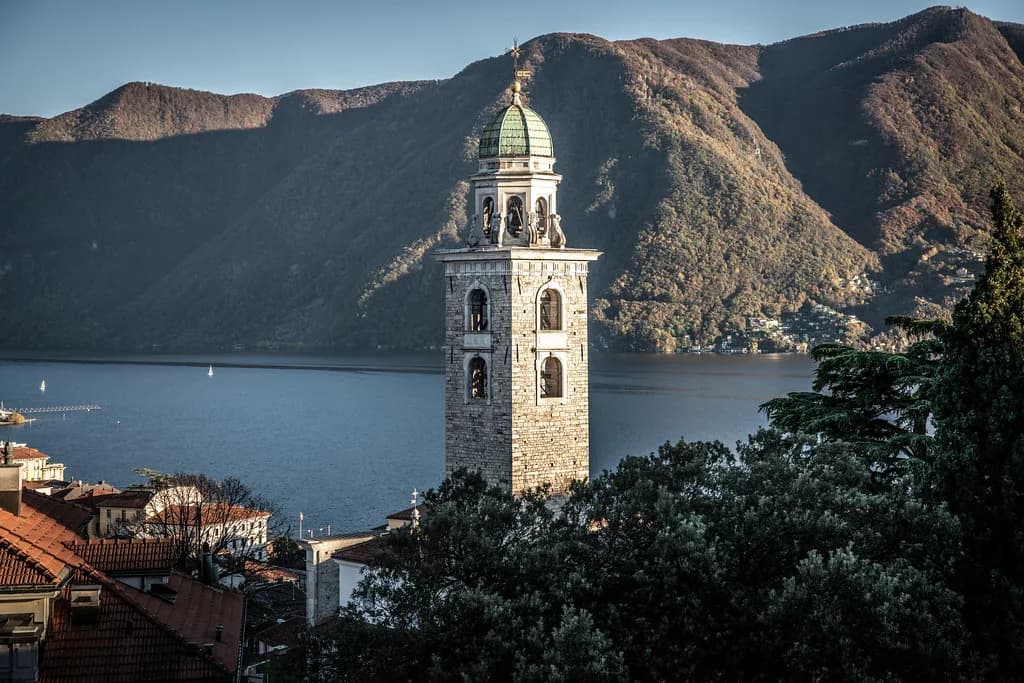
The Cathedral of San Lorenzo sits higher in the old city, its Renaissance bell tower visible over the rooftops. Inside, the Baroque interior is covered with frescoes, and the walk down from it through the lanes is part of the visit. In August, do San Lorenzo before the afternoon peak, then take the funicular up to the station rather than retracing the climb on foot.
Piazza Alighieri Dante and the commercial center
Piazza Alighieri Dante is the commercial heart of the old city, larger than the other piazzas and home to a department store and chain shops. It is the place to pick up anything you forgot, and in autumn the chestnut vendors set up in the middle of the square. The surrounding lanes have small food shops and bakeries, so it works as a midpoint between the churches and the lake.
From the piazza it is a short walk back toward the water, past the small shops and gelaterias that line the descent. This is a good place to end the old-city loop before the afternoon crowds settle in.
Higher ground: the funicular and the walk down
The funicular from the center up to the train station is the practical way to get a view over the city without a long climb. From the station, cross the street and take the steps down into the old city; the cobbled streets and staircases drop you through a residential quarter of small shops and cafés. Doing this in the morning, before the heat builds, makes the descent comfortable, and you arrive in the old city ready for lunch.
The reverse, walking up from the lake in August, is the mistake to avoid: the staircases are long and the sun is strong. Ride up, walk down.
One day or two in Lugano
One day covers the essentials: the lakefront promenade, Piazza della Riforma, Piazza Cioccaro, Santa Maria degli Angioli, and San Lorenzo, with the funicular up to the station and the walk down. That is a full, unhurried day if you stop for lunch and a coffee. If you want to see more of Ticino, the region is easy to reach by train from Lugano, but keep the city itself to a day or two.
A second day lets you repeat the old-city walk at a slower pace, spend longer in the churches, and browse the food shops on Via Pessina. It also gives you a buffer for a rainy afternoon, which is useful in any summer month.
Money and tickets
Switzerland is expensive, and Lugano is no exception, so budget accordingly and check prices in Swiss francs before you commit. Lugano's tourist office can supply a map and current information, though the range of English-language material on hand may be limited, so pick up what you need early in the visit. The official Switzerland Tourism page for Lugano is the place to look up details for sights and transport before you go.
What August adds and what it doesn't
August brings the lake at its liveliest: the promenade is busy, the outdoor cafés are full, and the boat traffic on the water is constant. The city also has a strong food culture, with markets and shops selling Ticino products, and the Festa d'Autunno on Piazza della Riforma comes later in the year, in late September or early October, rather than in August. Plan around the season you are in rather than chasing events from another month.
Comparing August with April
If you are choosing between months, Lugano in April is a cooler, quieter alternative to the August high season. Spring brings different light on the lake and a calmer old city, while August delivers the warmest lakefront days and the fullest cafés. The same compact layout applies in both months, so the walking plan and the funicular trick work either way.
Plan Your August Visit
August in Lugano is a warm, busy, and rewarding time to visit, provided you keep the pace slow and let the lake and the piazzas set the rhythm. Start early on the promenade, do the churches at midday, and take the funicular up to the station so you can walk down through the old city instead of climbing in the heat. One day is enough for the core sights; two days make the trip feel unhurried.
Before you go, confirm current opening hours for the churches and check the lake-cruise schedule for the days you are in town, since both can change with the season. The rest is simple: comfortable shoes, a light layer for the evening, and enough time to sit on the piazza with a coffee.
Explore more Lugano guides
Frequently Asked Questions
How many days do you need in Lugano?
One full day covers the lakefront promenade, Piazza della Riforma, Piazza Cioccaro, Santa Maria degli Angioli, and the Cathedral of San Lorenzo, with the funicular up to the station and the walk down. A second day lets you repeat the old-city walk at a slower pace and spend more time in the food shops on Via Pessina.
What is Lugano like in August?
August is high season, with warm days, a busy lakefront promenade, and outdoor cafés that fill at lunch. Ticino has a Mediterranean-leaning climate, and the palm trees along the lake are a normal sight. Plan for heat and a slow pace rather than a packed checklist.
Is Lugano worth visiting in August?
Yes, if you want a compact, walkable city with a lake, a car-free old city, and a distinctly Italian-Swiss feel. The trade-off is crowds on the promenade and in the cafés at lunch, so start early and save the churches and shops for midday.
What should you do in Lugano in one day?
Walk the tree-shaded lakefront promenade in the morning, then move into the old city via Piazza della Riforma and Piazza Cioccaro. Visit Santa Maria degli Angioli for its Renaissance frescoes and the Cathedral of San Lorenzo for its Baroque interior, then take the funicular up to the station and walk down through the old-city lanes.
Is Lugano in Switzerland or Italy?
Lugano is in Switzerland, in the canton of Ticino, close to the Italian border. Italian is the local language, and the food and architecture carry a strong Italian influence, which is why the city is sometimes called Switzerland's Little Italy.
Sources
Notes for your Swiss city break
Optional updates to our Swiss city guides.
You might also like
Continue reading
More guides you'll find useful