Best Time to Visit Lugano: A Season-by-Season Guide
The best time to visit Lugano depends on whether you want lakefront walks, funicular views or quieter squares. Here is how each season changes the trip.
On this page
The best time to visit Lugano depends on whether you plan to spend your days at lake level or up on the mountains. The old town, Piazza della Riforma and the lakefront promenade work in almost any month, while Monte San Salvatore and Monte Brè are clear-day propositions. Match your dates to the activity you care about most and the season stops being a gamble.
Lugano sits on Lake Lugano in Ticino, Switzerland's Italian-speaking canton, with two funicular-served peaks above town and a marked lakeside trail running from Castagnola to the car-free village of Gandria. Each of those outdoor pieces has a season when it is at its best, and a season when heat, cloud or short daylight reshapes the plan. This guide takes each season in turn, then matches the calendar to specific trip types.
What the best time to visit Lugano comes down to: mountains, lake and how much you plan to be outdoors
Three things decide your dates. First, whether you want to ride the funiculars up Monte San Salvatore and Monte Brè, both of which reward a clear day. Second, how long a lakeside walk you want, whether a short stroll along the promenade or the full Sentiero dell'Olivo from Castagnola to Gandria. Third, whether the heat will push you indoors at midday.
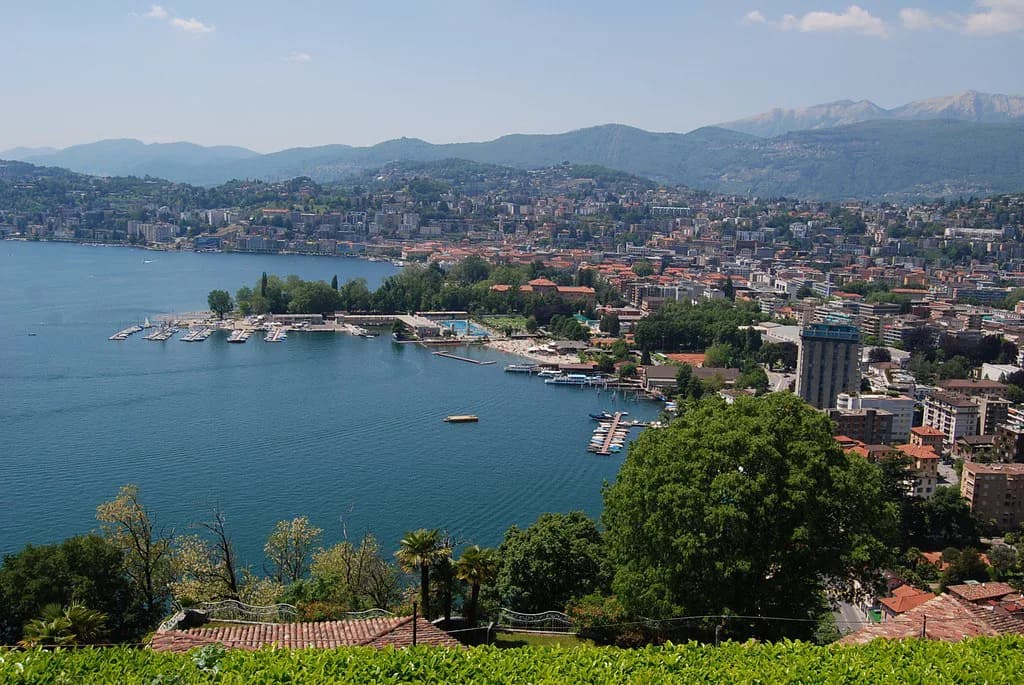
The town itself is compact enough that a first visit can lean on the lakefront, Piazza della Riforma and Parco Ciani, with the Chiesa di Santa Maria degli Angioli as a cultural anchor in the old town. Lugano's Old Town is a knot of cobbled lanes and piazzas that works in any weather. If those are your priorities, almost any month delivers; the big seasonal swings hit the mountain days and the long trail walks.
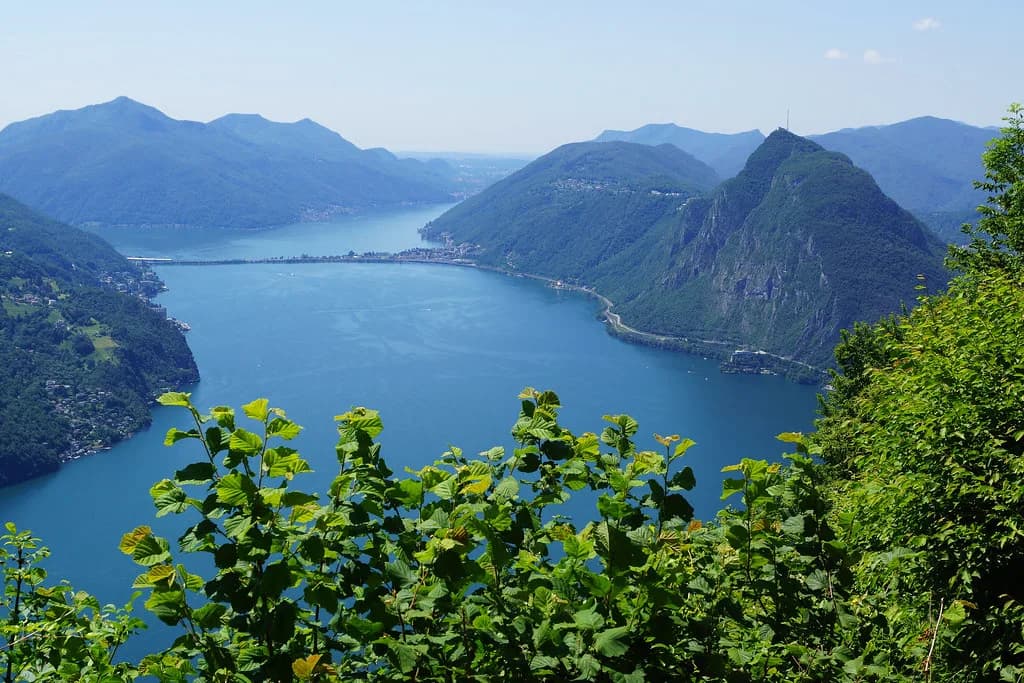
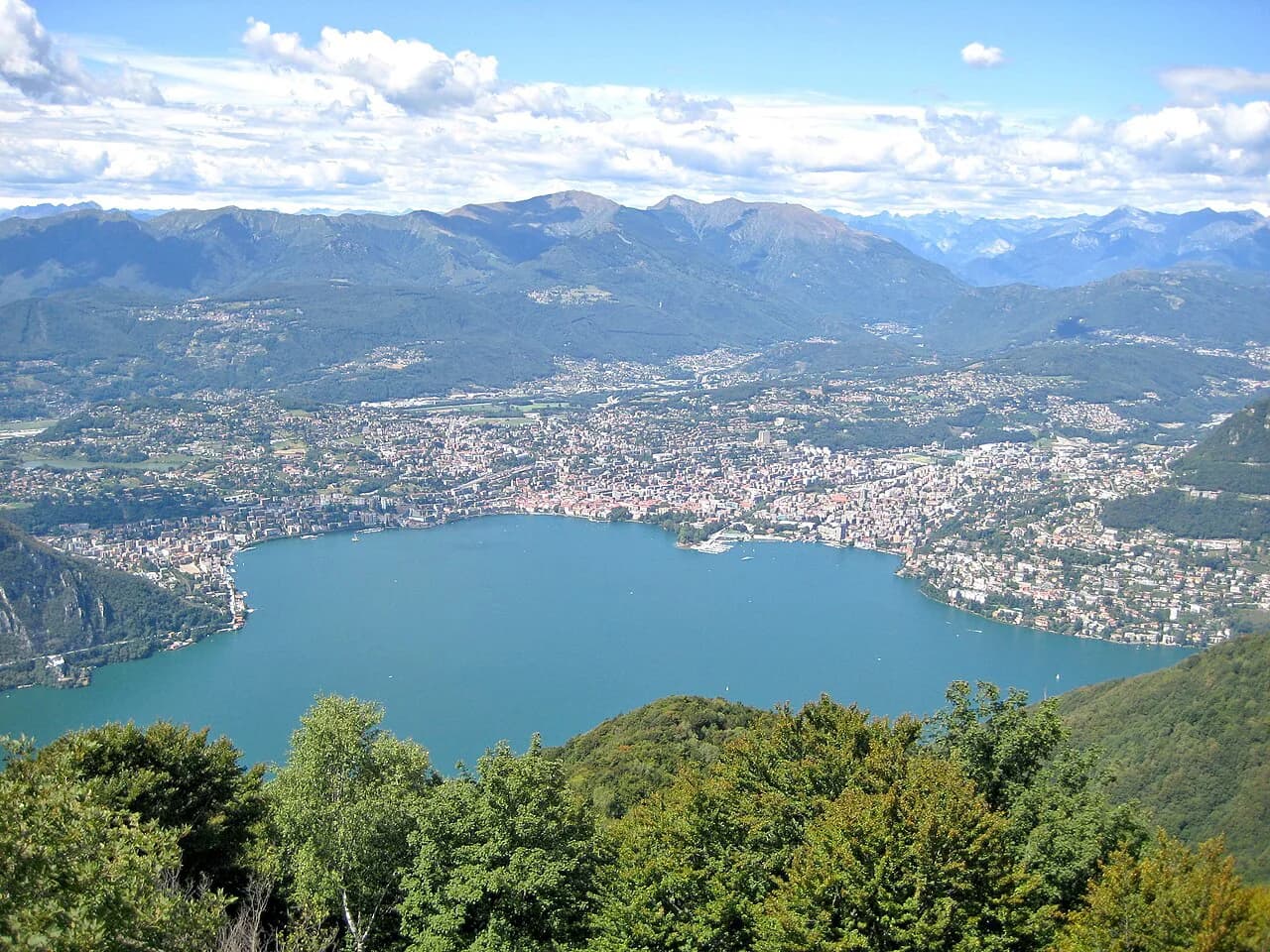
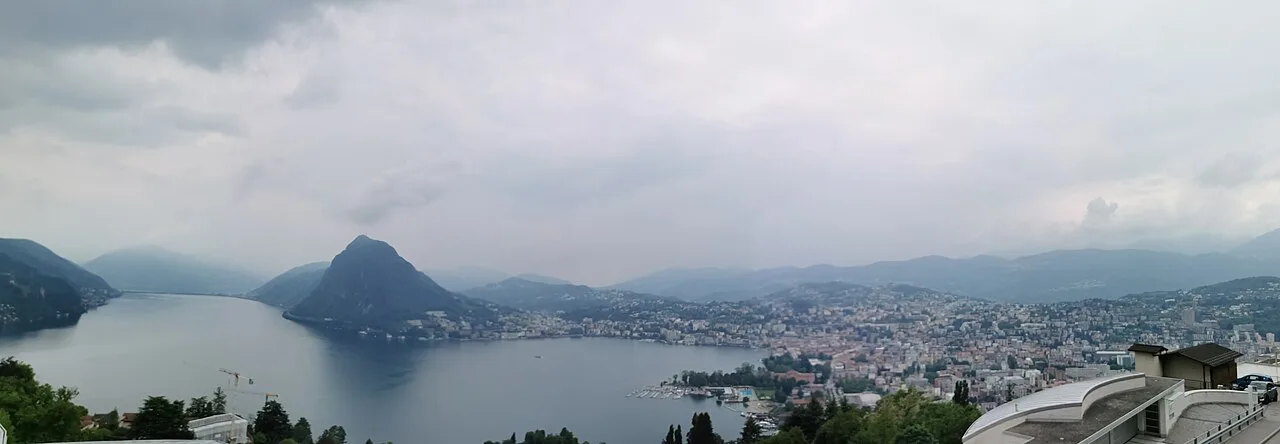
The San Salvatore Funicular climbs from the Paradiso neighborhood to the summit in two stages, opening up a 360-degree panorama over the city, the lake, Monte Generoso and across to Como, with a terrace restaurant and hiking paths at the top. The Monte Brè Funicular, on the other side of town, lifts you to the Brè summit in about ten minutes, with the small village of Brè to explore. Both are outdoor experiences: weather at the top matters as much as weather in town.
Lugano in spring: warming days, greening slopes and the lakefront promenade coming back to life
Spring is when the lakefront and the old town reclaim their role as the center of a Lugano day. The cobbled lanes around Piazza della Riforma and the paths of Parco Ciani suit a slow walk, and the Chiesa di Santa Maria degli Angioli gives you an indoor stop if a shower rolls through. March is the coolest of the spring months; by lugano in april the town is noticeably milder, which makes a longer lakeside walk more appealing.
One honest caveat: spring can bring unsettled, wet days, and May is often discussed as a rainy month for Lugano. Readers frequently ask whether May is still worth visiting despite the rain, and the short answer is that the town itself works fine on a damp day. Keep the funiculars as a flexible option rather than a fixed booking, and swap a summit for the old town if the cloud sits low.
For a spring city break, plan around the lakefront and the old town rather than the summits. Late spring, moving into lugano in june, brings the most reliable mix of mild days and long enough evenings for an after-dinner walk along the promenade.
Lugano in summer: the longest days, the Monte San Salvatore and Monte Brè funiculars, and why heat and humidity reshape your plan
Summer gives you the longest days and the most flexibility for outdoor plans, but the heat and humidity are real planning constraints. On a hot day, walking uphill to a summit funicular base is a chore, and the smart move is to ride up and save your legs for the top. Build the morning around the San Salvatore Funicular or the Monte Brè Funicular and leave the old town for the afternoon shade.
At the summit of Monte San Salvatore a short trail leads between viewing points, and there is a small church whose outside stairs give you an even wider view of the lake. The terrace of Restaurant Vetta is a civilized spot for a snack or lunch before you head back down. It is the reason a clear summer morning pays off: your reward at the top is the view, not the queue.
In town, the Chiesa di Santa Maria degli Angioli and the LAC Lugano Arte e Cultura give you air-conditioned or shaded stops when the heat peaks, and the lakefront promenade is best walked early or late. lugano in july is the month to be most deliberate about the midday window, and lugano in august brings the same logic with a slightly later summer feel.
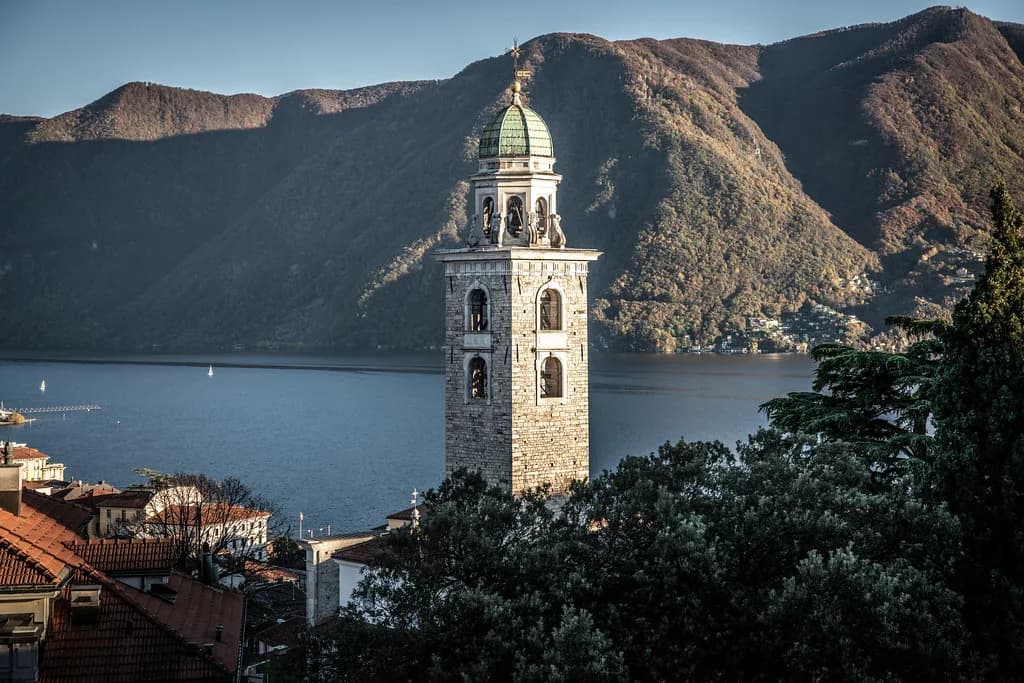
Lugano in autumn: mild lakeside walking, the Sentiero dell'Olivo to Gandria, and settled weather for old-town days
Autumn is the sweet spot for walking. The Sentiero dell'Olivo runs 3.5 kilometers along the lake from Castagnola, which is a short bus ride from the center, to the car-free village of Gandria at the foot of Monte Brè, passing olive groves, chestnut forests and points of interest boards along the way. It is an easy lakeside trail rather than a mountain route, which makes it a good fit for mild autumn days.
Gandria rewards a pause: the baroque Church of Saint Vigilio is worth a look, and you can walk back or take a bus or ferry from the village dock to return to Lugano. Combined with an old-town afternoon around Piazza della Riforma, that makes a full and varied day without any mountain commitment.
Settled weather also favors the town itself: the piazzas, the Parco Ciani paths and the church frescoes are all more comfortable without summer heat. By september the summer crowds thin and the lakefront becomes a more relaxed place to linger. See the Lugano in September guide for a fuller picture of the month.
Lugano in winter in one line: short days and a quiet lakefront, with mountain time the open question
Winter brings short days and a quiet lakefront, and any mountain time becomes a question of the day's conditions rather than a fixed plan. Treat the town as the base of the trip and hold the funiculars loosely, checking the San Salvatore and Monte Brè funicular companies' own information for whether the summit is running and visible before you commit.
If you want a broader comparison of how Swiss cities change with the seasons, the best time to visit Bern gives you a useful contrast with a German-speaking city, and checking the best time to visit Basel helps if you are weighing a Ticino stop against a northern one. Both guides weigh the same weather, crowd and daylight trade-offs you are applying to a Lugano trip.
Month-by-month quick table: what each month is best for
March and April are best for the old town, the churches and Parco Ciani, with a decent chance of cool, changeable days. April leans on indoor stops if the weather turns. May is a wildcard: lakefront and old town work fine, but keep a flexible plan for anything at altitude. June is a strong all-rounder as the days lengthen.
July and August suit early starts and mountain views, with the afternoons reserved for shade and the lakefront. September is one of the best months for the Sentiero dell'Olivo and longer lakeside walking. October continues that pattern with cooler evenings. November to February are the quiet months, best suited to the town and any indoor culture you want to fit in.
Best time for a first city break: lakefront, Piazza della Riforma, Parco Ciani and Santa Maria degli Angioli
If this is your first Lugano trip, the core of the day is at lake level: the sweeping promenade, Piazza della Riforma as the main square, Parco Ciani with its exotic trees and sculptures on the lakeshore, and the Chiesa di Santa Maria degli Angioli with its Renaissance fresco. That circuit works in spring, early summer and autumn, and even in winter on a clear, crisp day.
Pick late spring or early autumn for the most comfortable walking, and plan the day around the lakefront in the morning and the old town in the afternoon. Summer works too if you start early and treat the middle of the day as a break.
Best time for funicular views: clear days on Monte San Salvatore and Monte Brè, with a backup plan for cloud
For the classic panorama, aim for a clear day and check the summit webcams or the funiculars' own information before you buy a ticket. The San Salvatore summit gives you the city, the lake and Monte Generoso in one sweep; the Monte Brè side gives you a different angle, plus the village of Brè. Two funiculars on two separate days is a better summer plan than trying to fit both into one.
Always have a backup. If the top is in cloud, pivot to the old town, the frescoes at Santa Maria degli Angioli or the LAC's modern and contemporary collection, and come back to the mountain when it clears.
Best time for walking: Castagnola to Gandria on the Sentiero dell'Olivo, and when heat makes it a morning job
The Sentiero dell'Olivo is best walked in spring and autumn, when the lakeside path stays comfortable and the light is good. In summer, treat it as a morning job: start early in Castagnola, walk to Gandria, and reward yourself with the boat back rather than walking the return in the heat of the day.
The route is easy going, so the main variable is weather rather than fitness. Combine it with a ferry ride back to Lugano for a different view of the lake, and keep the afternoon loose.
Best time on a budget: how season affects what you pay, and the Ticino Ticket for public transport and attraction discounts
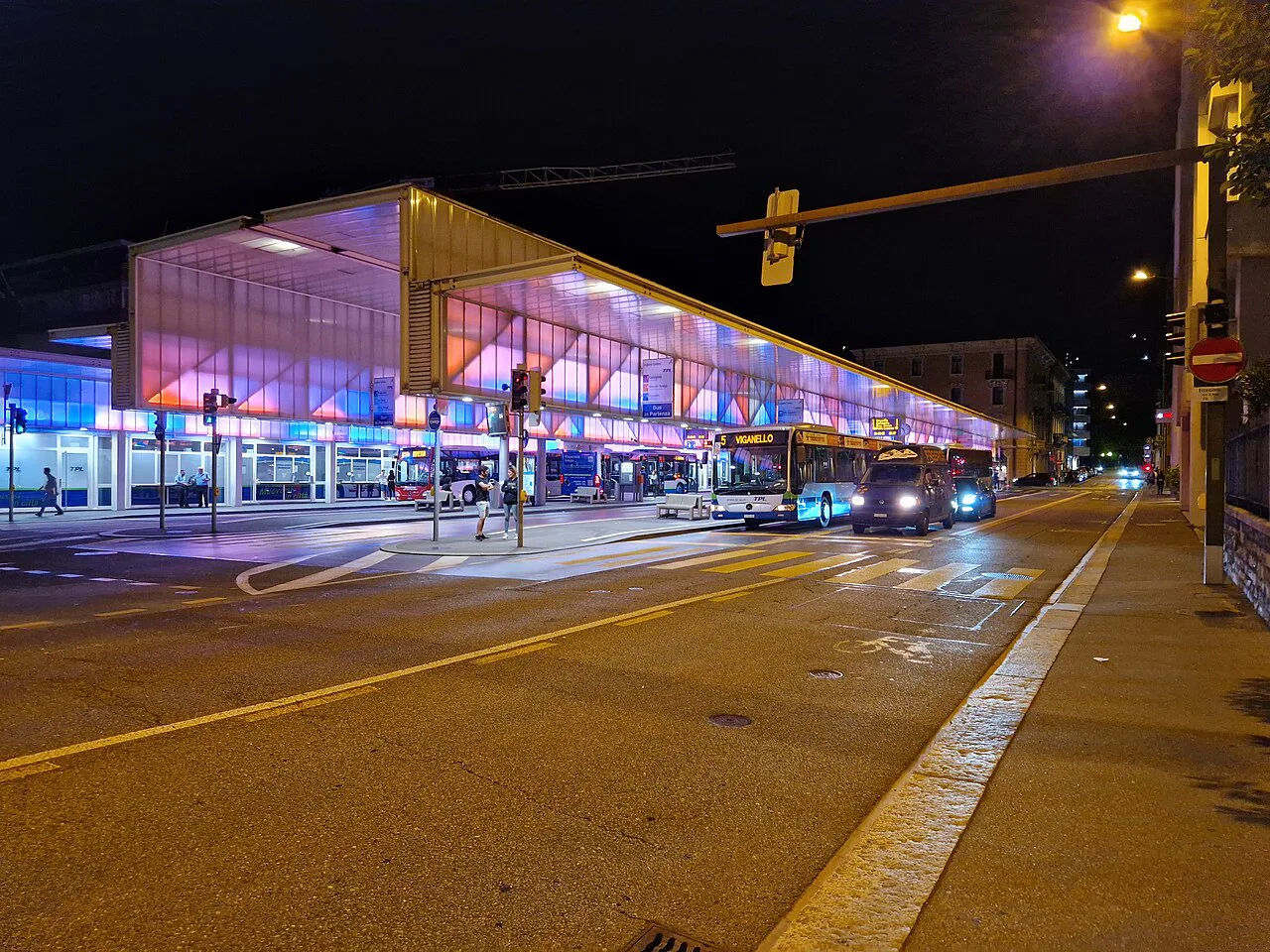
Season changes what you pay in indirect ways: summer is peak for demand, while spring and autumn are easier on the wallet and on the crowds. The bigger saving for a short stay is the Ticino Ticket, which gives free public transport and discounts on attractions for the duration of a stay at hotels, hostels and campsites affiliated to Ticino Tourism. Ask your accommodation whether it participates and what the ticket covers before you plan your days.
If you plan on two peaks plus the lakeside trail, the ticket can reframe your day plans significantly. Confirm the current terms at your booking stage, since the details depend on the participating property.
Rain and heat: how unstable days change a Lugano plan and which indoor stops hold the day together
Lugano's lake weather changes quickly, so build one flexible day into any itinerary. On a wet day, the old town lanes, the frescoes of Santa Maria degli Angioli and the LAC's galleries absorb the hours while you wait for a break. On a very hot day, do the same thing in reverse: outdoor time early and late, indoor time at midday.
The key principle is to keep the funiculars on a rolling shortlist rather than booking them far ahead. If the cloud sits low, save them for another day, and don't burn a clear day on indoor time.
How many days Lugano needs, by season
Two full days is a realistic minimum for a first visit in any season: one for the lakefront, old town and a church or museum, one for a funicular and, if the weather holds, the Sentiero dell'Olivo. Three days gives you room for both peaks and a slower lakefront morning. In summer, the plan benefits from being slightly longer so early starts are not compressed.
If you are coming from Milan as a day trip, plan a single focused day around the lakefront and one funicular. Anything more is a bonus.
Plan Your Visit
The best time to visit Lugano is late spring or early autumn if you want the widest range of days out: lakefront and old town comfort, a walkable Sentiero dell'Olivo, and mountains you can ride up on a clear morning. Summer works if you start early and accept that midday belongs to the shade. Winter suits the town and quiet promenades.
Anchor your trip to one or two outdoor goals, check the funiculars on the day, and let the town fill the rest of the plan. For the month-by-month detail behind each season, the Lugano in April and Lugano in May guides are the natural next reads.
Explore more Lugano guides
Frequently Asked Questions
What is the best month to visit Lugano?
Late spring and early autumn are the most versatile months. The lakefront, old town and Sentiero dell'Olivo are comfortable, and the funiculars are still viable on clear days. Summer is the strongest month for long days, but heat and humidity push outdoor plans into the morning and evening.
Is May a good time to visit Lugano even though it rains?
Yes for the town. May can bring wet, changeable days, but the old town, Piazza della Riforma, Parco Ciani and Santa Maria degli Angioli work fine in the rain. Keep the Monte San Salvatore and Monte Brè funiculars as flexible options rather than fixed bookings.
How many days do you need in Lugano?
Two full days is a sensible minimum: one for the lakefront and old town, one for a funicular and, if the weather holds, the Sentiero dell'Olivo. Three days lets you add the second peak and a slower morning by the lake.
Is Lugano worth visiting in summer?
Yes, if you plan around the heat. Do the mountains in the morning, spend midday indoors or in the shade, and keep the evenings for the promenade. The summer days are long enough to fit in an early funicular and a late walk.
When is Lugano least crowded?
Outside the summer peak. Spring and autumn bring fewer visitors while still offering good walking conditions, and the lakefront has more room to breathe.
Can you ride the Monte San Salvatore funicular year-round?
The best approach is to check the operator's own information before you go, since mountain transport is weather-dependent. Treat it as a clear-day activity and hold the trip loosely in wet or cloudy conditions.
Is Lugano cheaper in the low season?
Demand is lower outside summer, and that generally works in your favor. The bigger lever for a short stay is the Ticino Ticket, which gives free public transport and attraction discounts for a stay at participating hotels, hostels and campsites.
What is the weather like in Lugano in autumn?
Autumn is mild and well suited to lakeside walking. The Sentiero dell'Olivo from Castagnola to Gandria is at its most comfortable, and the old town works without summer heat. Pack a layer for cooler evenings.
Sources
Notes for your Swiss city break
Optional updates to our Swiss city guides.
You might also like
Continue reading
More guides you'll find useful