Lugano in July: Weather, Crowds and How to Plan Your Days
Lugano in July brings peak summer sun, crowds and prices. Here is what the month is like, which sights to prioritize and how to plan two or three days.
On this page
July is a good time to visit Lugano if you want long daylight hours, a lively lakefront and warm evenings, and a poorer one if you dislike crowds and peak-season prices. The city is compact enough that most of the classic sights sit within a short walk of each other, so the month's real constraint is not distance but timing: which days museums open, when the mountains fill up and how much you want to spend.
This guide treats July as Lugano's high season and plans around it. It covers what the weather typically does, where the crowds concentrate, the old town and lakefront core around Piazza Bernardino Luini and the LAC, the two mountains that frame the bay, and a slower half-day at Caslano. A workable two- or three-day structure follows, with the honest trade-offs of paying Swiss prices for an Italianate city.
What July Feels Like in Lugano
Lugano sits on Lake Lugano, the Ceresio, in Italian-speaking Ticino, and in July it runs on Italian rhythms at Swiss prices. Days are long and the city is at its busiest, which means the lakefront fills in the afternoon and the most popular viewpoints reward an early start. The payoff for the crowds is that everything is open and running on full summer hours.
Plan for a month that is warm rather than merely mild, and pack for sun and for the sudden afternoon storms that mountain lakes produce. Lugano's climate delivers roughly 2,200 hours of sun a year, one reason the city has a distinctly Mediterranean reputation within Switzerland. Use the monthly figures as averages to pack by, not as a promise for your week.
If your dates are flexible and heat or crowds are a dealbreaker, compare the shoulder months before committing. The best time to visit Lugano sets July against spring and autumn and explains what each season does to prices and volume.
July Weather: Typical Averages, Not a Forecast
Treat every temperature and rainfall figure for July as a long-term climate average, not a forecast for your trip. Averages tell you what to pack, roughly how hot afternoons feel and whether to plan indoor time; the actual week can run cooler, hotter or wetter. Build in one flexible indoor slot, ideally a museum, so a wet or exhausting day costs you nothing.
For the wider country in the same month, Switzerland in July covers how the plains and the mountains differ, which matters if you are combining Lugano with a stop elsewhere. Within Ticino, the lake moderates the heat and the mountains around the bay produce their own weather, so a morning that looks uncertain in the city can be clear on the summit.
How Busy It Gets and What to Book Ahead
July is peak season in Lugano, and the pressure shows up in two places: accommodation and the popular lake and mountain excursions. Book your room well ahead, and decide early whether you want a mountain cable car or a boat trip on a specific day rather than leaving it to the morning.
Popular hotels fill quickly and prices run higher in July and August, with attractions busiest in those two months. If you are weighing a late-July arrival against a later one, compare Lugano in August for the same heat with the crowd pattern shifting as Swiss school holidays progress.
Timing within the day does more work than any booking trick. Start the headline sights before mid-morning, take the lakefront or a museum at the hottest hour, and save the mountains for a clear early morning when the cable cars are quiet and the view is sharpest.
Mornings in the Old Town and at the LAC
Begin at Piazza Bernardino Luini, the largest square in Lugano, and let the old town lanes radiate from it. The LAC Lugano Arte e Cultura faces the square and opens onto the lake, so the walk from the arcaded streets into the arts center is short and easy to repeat across a couple of days.
Morning is the right slot for the old town because the streets are cooler and the shops are open. If you are arriving earlier in the year, Lugano in June describes the same core with lighter crowds and the same layout.
One caution applies specifically to July and August: the city is genuinely crowded, so treat the old-town wander as an early-morning activity and leave the middle of the day to a museum or the water. That single adjustment makes a short summer break feel far less rushed.
The Lakefront and Waterfront Walk
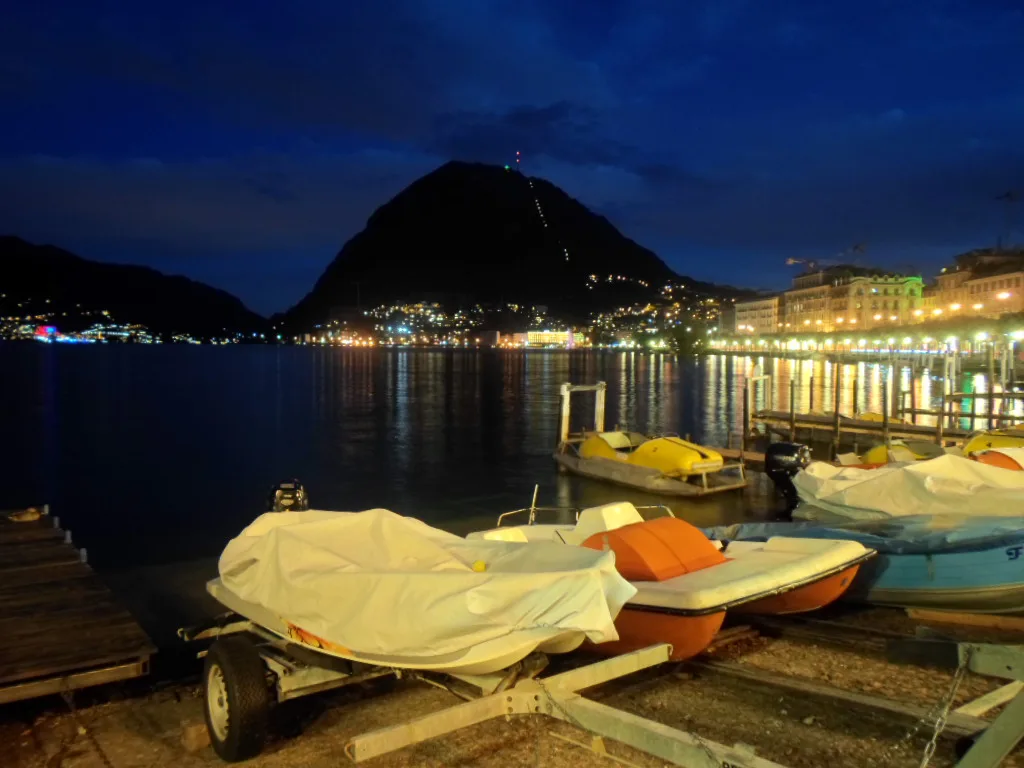
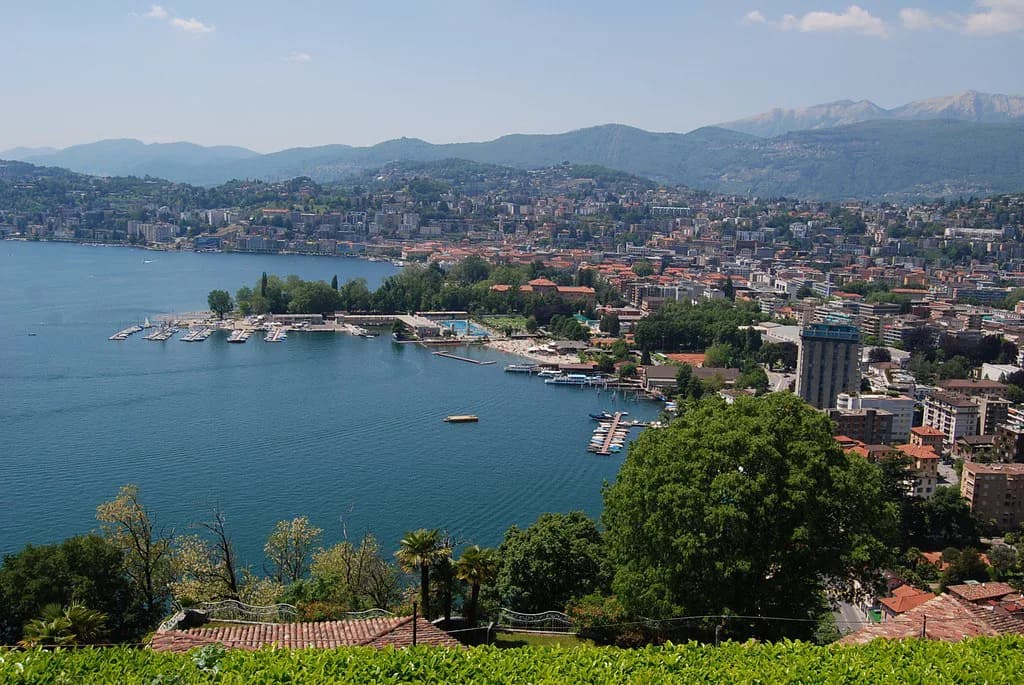
The lakefront is Lugano's living room in July, and the walk along the Ceresio is free, flat and the easiest way to reset between sights. The LAC's main hall opens onto the lake and onto Piazza Bernardino Luini, giving the waterfront a cultural anchor as well as a scenic one.
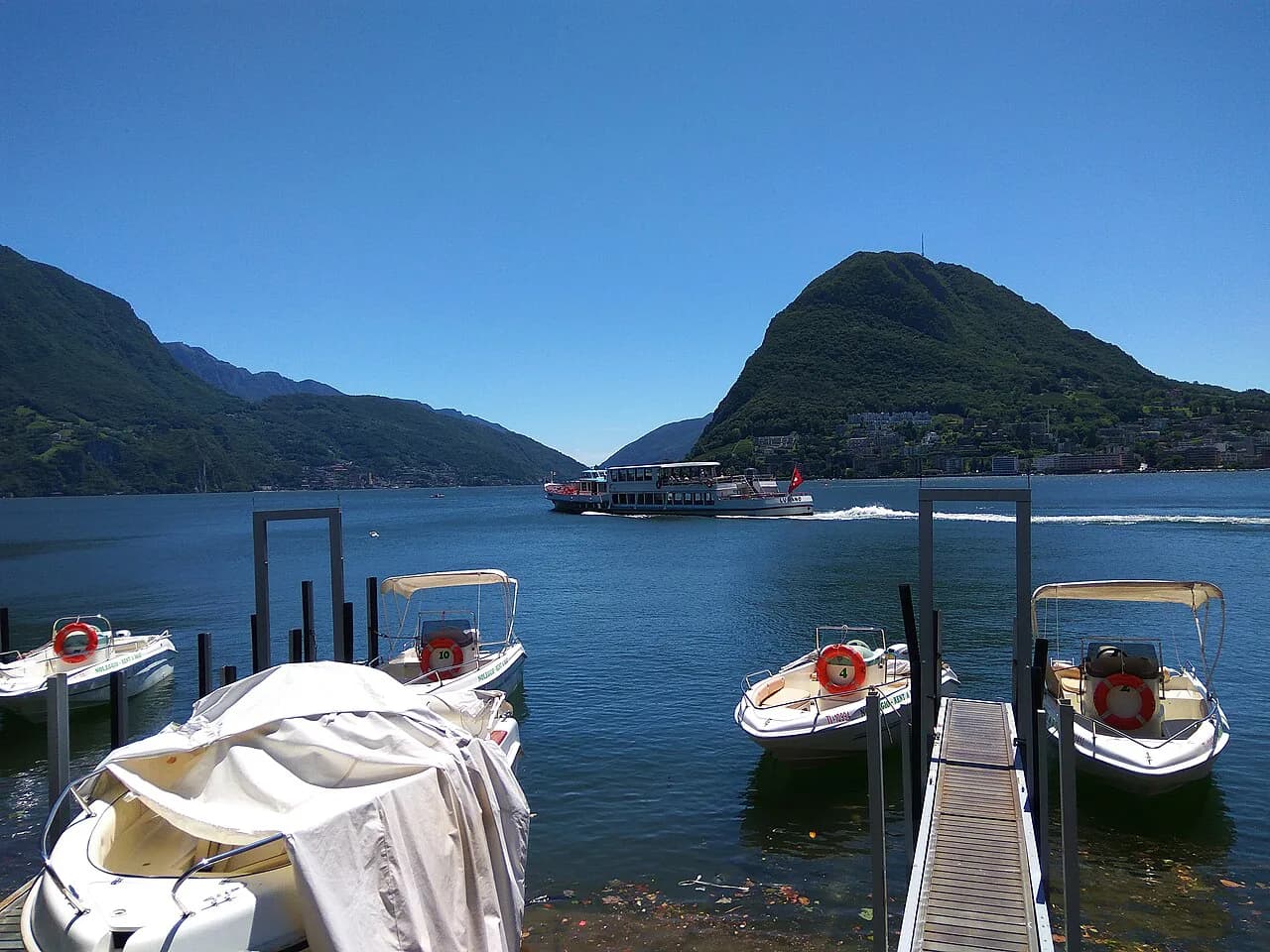
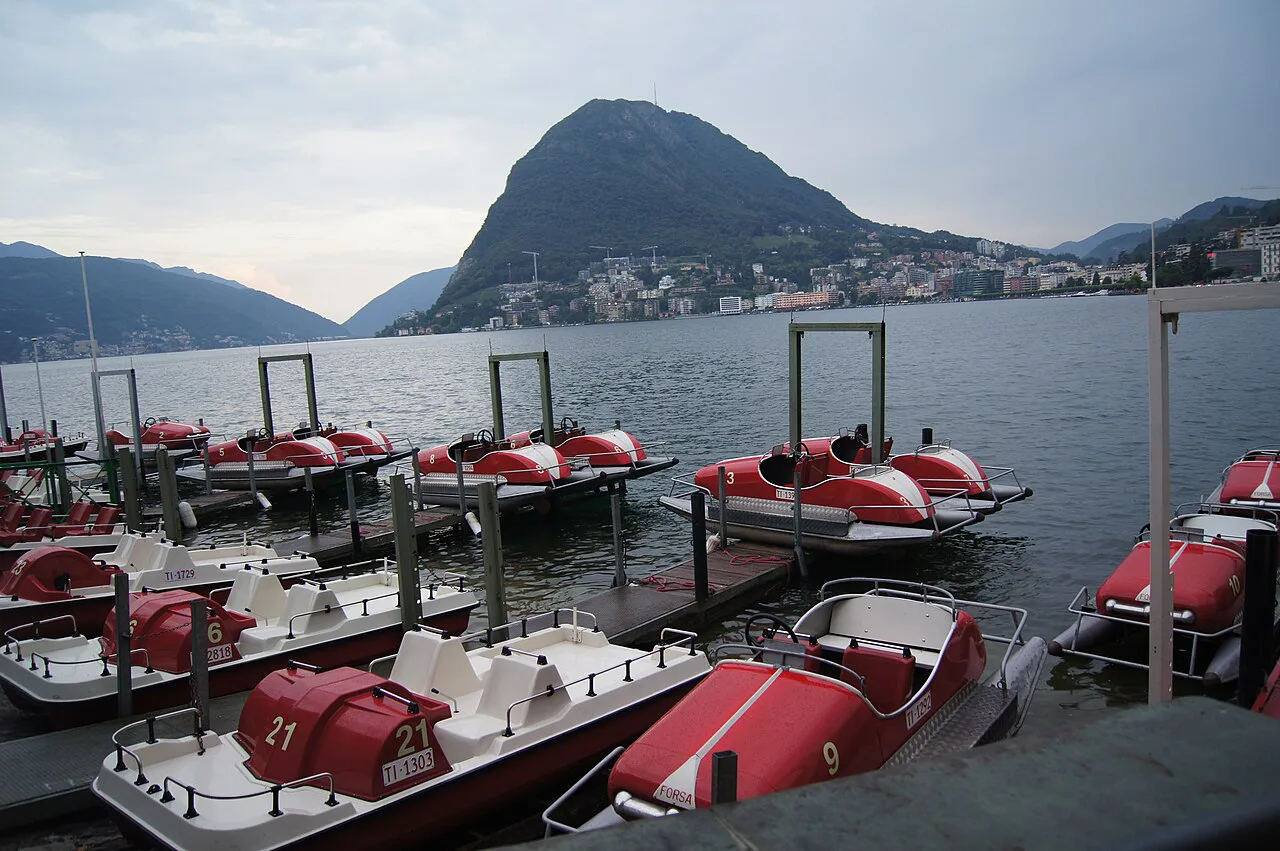
For something different on the water, Lugano's navigation company has electrified the converted boat Ceresio and aims to electrify its whole fleet by 2030, so a cruise can be a quiet, slow hour rather than a motor-driven tour. Walk the waterfront at dusk instead if you prefer not to pay for a boat; the light on the bay is the main event either way.
If you are traveling with children or want a slower afternoon, the region lists Lido Riva Caccia near the center and Lido San Domenico as the waterfront swimming options. July is when they earn their place in the plan, though they are also at their busiest.
Art and Culture: LAC and MASI, and Why Monday Matters
The LAC houses MASI, the Museo d'arte della Svizzera italiana, formed from the merger of the Museo Cantonale d'Arte and the Museo d'Arte Lugano. The gallery spreads over three floors with the permanent Ticino collection, temporary exhibitions and site-specific installations, and the building also holds a 1,000-seat wood-panelled concert hall used for LuganoMusica and LuganoInScena seasons.
The timetable is the single most useful planning fact for a July visit: the LAC is closed on Mondays. It opens Tuesday, Wednesday and Friday from 11:00 to 18:00, Thursday from 11:00 to 20:00, and Saturday and Sunday from 10:00 to 18:00, which makes Monday the day for the lakefront or a mountain instead.
If the LAC's Monday closure clashes with your dates, the alternative is a later trip. Lugano in September keeps the museum open on a normal pattern with cooler days, and the autumn months trade the lakefront crowds for harvest season in the villages.
Monte San Salvatore or Monte Brè?
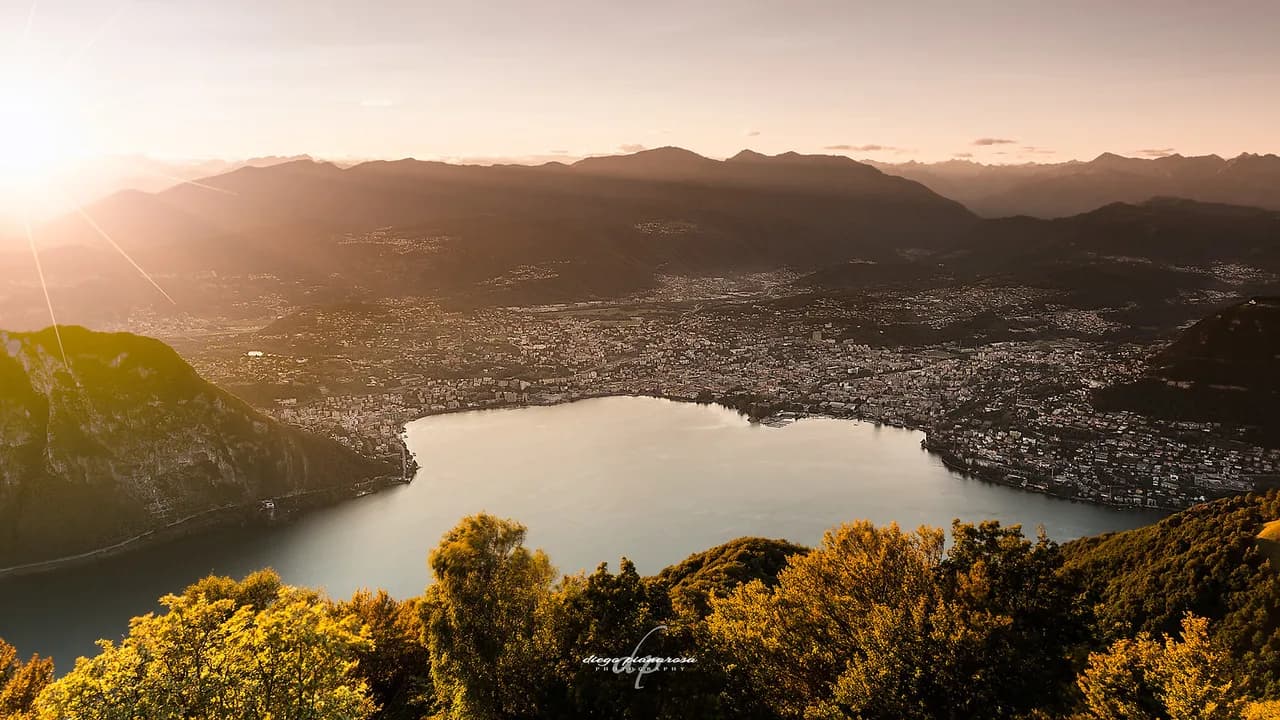
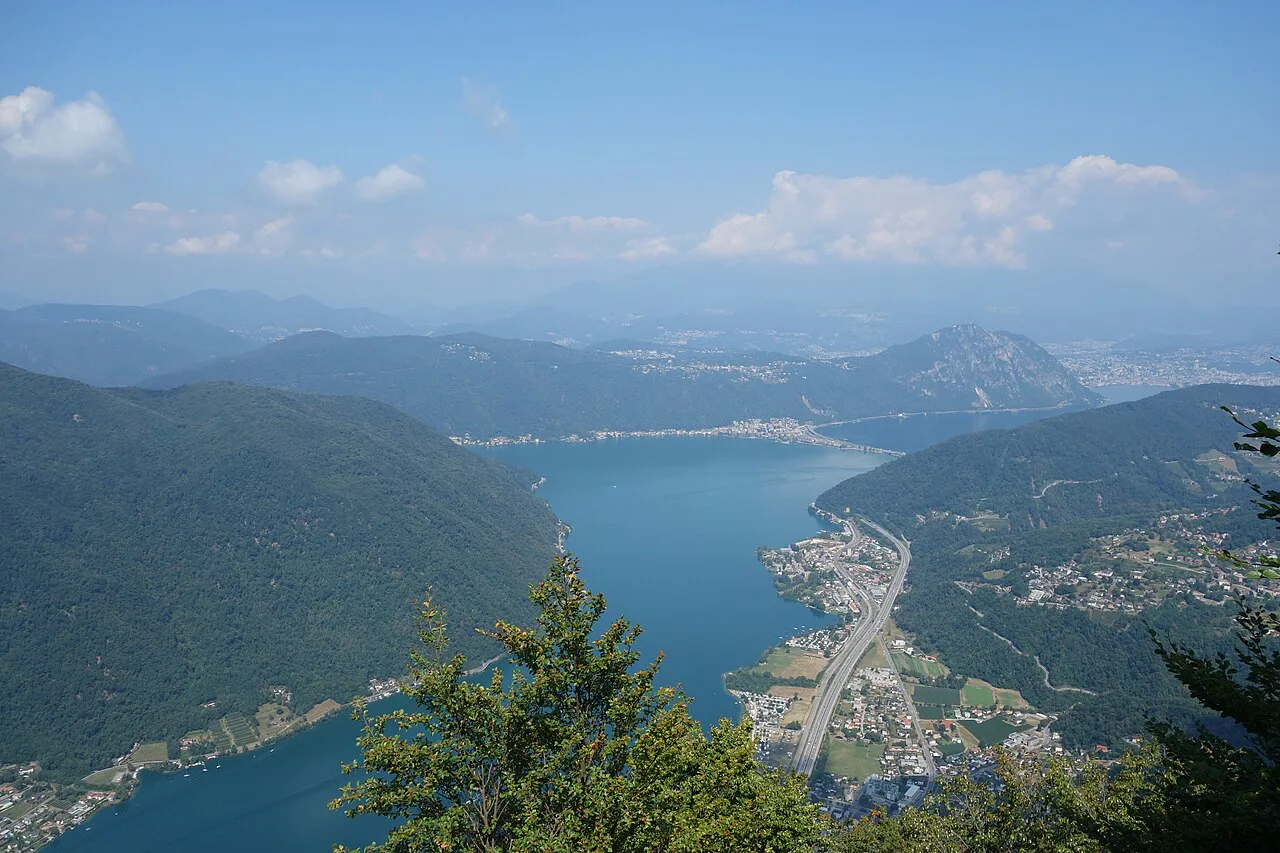
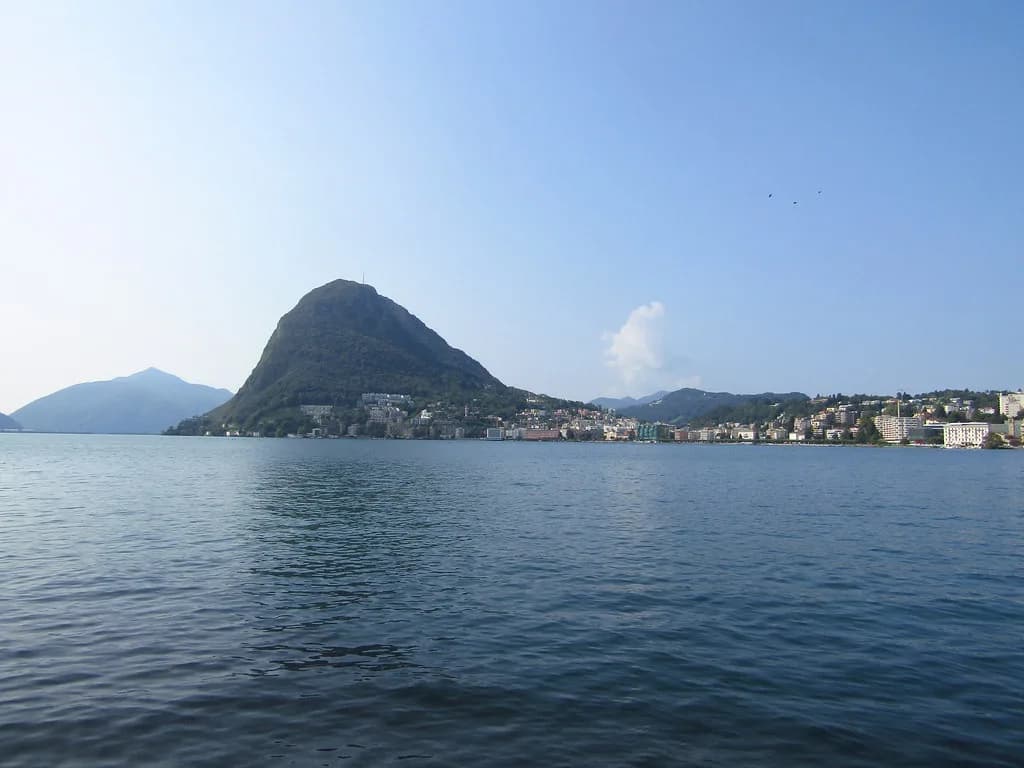
Both mountains above the city are the classic July views, and choosing one rather than both is the sensible move on a two- or three-day break. Monte San Salvatore rises directly above the bay for the classic postcard of the city and the water; Monte Brè rewards the trip with views back across the lake and over the surrounding villages. Check each operator's current timetable and fares for the day you plan to go, since lift schedules shift with the season.
Go early. July mornings are cooler, the views are clearer before the haze builds and the lifts are calmer before midday. If you are traveling on more than a few days in Switzerland, check whether your rail pass covers the discount before you buy a full fare at the ticket window.
For a walkers' alternative that avoids the lifts entirely, the Lugano Trekking path and the trails toward Monte Bar give panoramic routes without a cable-car ticket. The region counts over 900 km of hiking trails and more than 400 km of mountain bike tracks, a reminder that Lugano is a mountain city as much as a lake one.
A Slower Half-Day in Caslano
Caslano, on the lake shore west of the city, is home to the Chocolate Experience Center at the Alprose factory. Your entry buys a museum visit, a look at the working chocolate line from a gallery above the floor and a free chocolate tasting, with the Nostalgia shop at the end.
The ticket prices make it one of the easiest budget wins in the region. A full adult ticket costs CHF 5, children from 7 to 16 and visitors over 65 pay CHF 2, under-sevens go free, and groups of over 10 people pay CHF 1 per person. The museum is open daily from 9:00 to 17:00, with the shop closing at 13:00 on December 24 and 31 and shut on December 25 and 26 and January 1.
Pair it with a wander through Caslano itself rather than treating it as a quick stop, since the village and the lakefront give the half-day its shape. The factory runs Monday to Friday, so a midweek July visit sees the production line in action.
How Many Days Lugano Needs in July
One day covers the old town, Piazza Bernardino Luini and the LAC, but it leaves no room for a mountain and almost none for the water. Two days let you add either San Salvatore or Brè in the morning and the lakefront in the evening, which is the minimum for a satisfying July visit.
Three days is the sweet spot in high season: the city core, one mountain and Caslano, with the last afternoon free for the lake or a return to the LAC. If you want to see more of the region's towns, Morcote and Gandria sit along the shore and can fill a fourth day without adding a hotel change.
A simple July shape: Saturday and Sunday for the LAC and the old town while the museum is open, Monday for a mountain since the LAC is closed, then a midweek morning at Caslano. That sequencing spends the city's best indoor hours on the right days.
Where to Spend Money and Where to Save
Lugano is expensive, but the costs cluster in a few places. Spend on one mountain lift for the view, and on a boat trip if the water is the point of your trip; save on the city itself, where the old town, the lakefront and the squares cost nothing to walk. Caslano is the standout cheap ticket at CHF 5, a rare fixed price under CHF 10 in a Swiss city break.
The region runs a Culture Pass that bundles cultural visits, and a Ticino Ticket tied to accommodation, both worth checking against your own plans before buying individual tickets. It is also worth asking whether your Swiss Travel Pass or Half Fare card applies before paying a full fare, since those discounts vary by operator.
Weather and timing can push costs either way. Lugano in May is cheaper and quieter with the same layout, while Lugano in October trades beach weather for lower prices and clearer light.
Getting Around Without a Car
Lugano is a walking city at its core, and the old town, lakefront, LAC and funiculars are close enough that a car is a liability. Use the buses and the lake boats for anything beyond the center, and leave the car at your accommodation if you arrive by road.
For Caslano and the villages, trains and boats do the job without parking stress. The Swiss rail network connects Lugano to the rest of the country, and your pass also reduces lake and mountain transport. Pack light shoes; the old town's lanes climb.
What to Check Before You Go
Confirm your museum days against the LAC's published timetable, and buy your mountain or boat ticket the day you intend to travel rather than in advance of uncertain weather. Keep the Chocolate Experience Center's daily hours and CHF 5 adult ticket as your fixed budget anchor, and leave one indoor slot free for a July storm.
If your dates are still loose, weigh July against the neighboring months. Lugano in April and Lugano in autumn describe quieter versions of the same city, and Lugano in October is the pick for lower prices with the lake still mild.
Explore more Lugano guides
Frequently Asked Questions
What is Lugano like in July?
July is Lugano's high season: long days, a warm lakefront and the busiest period for visitors. The old town and the LAC anchor a compact center, and one of the two mountains above the bay gives the classic view. Expect peak prices and crowds, and plan museum time around the LAC's Monday closure.
What is the weather like in Lugano in July?
July is typically warm and sunny, with the lake moderating the heat and the surrounding mountains producing their own afternoon weather. Treat any figures as long-term climate averages rather than a forecast for your dates, and pack for sun with one flexible indoor slot in case of storms. Lugano gets roughly 2,200 hours of sun a year.
Is Lugano busy in July?
Yes. July and August are the busiest months, popular hotels fill quickly and attractions draw the most visitors then. Start the headline sights before mid-morning, save museums and the waterfront for the hottest hours, and book your room well ahead.
How many days do you need in Lugano?
Two days cover the old town, Piazza Bernardino Luini, the LAC and one mountain, with the lakefront in the evening. Three days add Caslano and the Chocolate Experience Center and leave breathing room. One day is possible but skips the mountain that makes the city's setting.
Is the LAC open on Mondays in July?
No. The LAC Lugano Arte e Cultura is closed Mondays. It opens Tuesday, Wednesday and Friday from 11:00 to 18:00, Thursday from 11:00 to 20:00, and Saturday and Sunday from 10:00 to 18:00. Put Monday on the mountain or the lakefront instead.
What does the Chocolate Experience Center cost?
A full adult ticket costs CHF 5, children from 7 to 16 and visitors over 65 pay CHF 2, and under-sevens go free. Groups of more than 10 pay CHF 1 per person. It is open daily and includes a museum visit and a chocolate tasting.
Should I ride Monte San Salvatore or Monte Brè?
Pick one rather than both on a short break. San Salvatore gives the classic view over the bay and the city; Monte Brè looks back across the lake and over the villages. Go early in July for clearer views and calmer lifts, and check the day's timetable before you commit.
Is Lugano better than Lake Como?
They suit different budgets and moods. Lugano gives you Swiss efficiency, a compact walkable center and Italian-speaking culture; Como is larger and more sprawling on the Italian side. Lugano is easier to cover in two or three days, which makes it the simpler pick for a short break.
Sources
Notes for your Swiss city break
Optional updates to our Swiss city guides.
You might also like
Continue reading
More guides you'll find useful