Lugano in Autumn: Weather, Crowds and How to Plan Your Days
Lugano in autumn brings mild lake days, thinning crowds and the Autumn Festival in the city center. Plan a short break around the season.
On this page
Autumn suits Lugano better than any other season for a short break, because the city is compact enough to cover on foot and the summer crowds have thinned by the time September arrives. Two full days handle the center comfortably, and three let you add a lake view and a museum without rushing. The trade-off is daylight: the later you go, the earlier the lakefront winds down.
This guide covers the weather you can reasonably expect month by month, the Autumn Festival that fills Piazza della Riforma, what changes in November, a walking route through the old lanes, and how a short break fits together in Swiss francs. Events and programs are set fresh each year, so the articles below treat the festival as a recurring seasonal anchor rather than a fixed date.
Why Autumn Suits Lugano
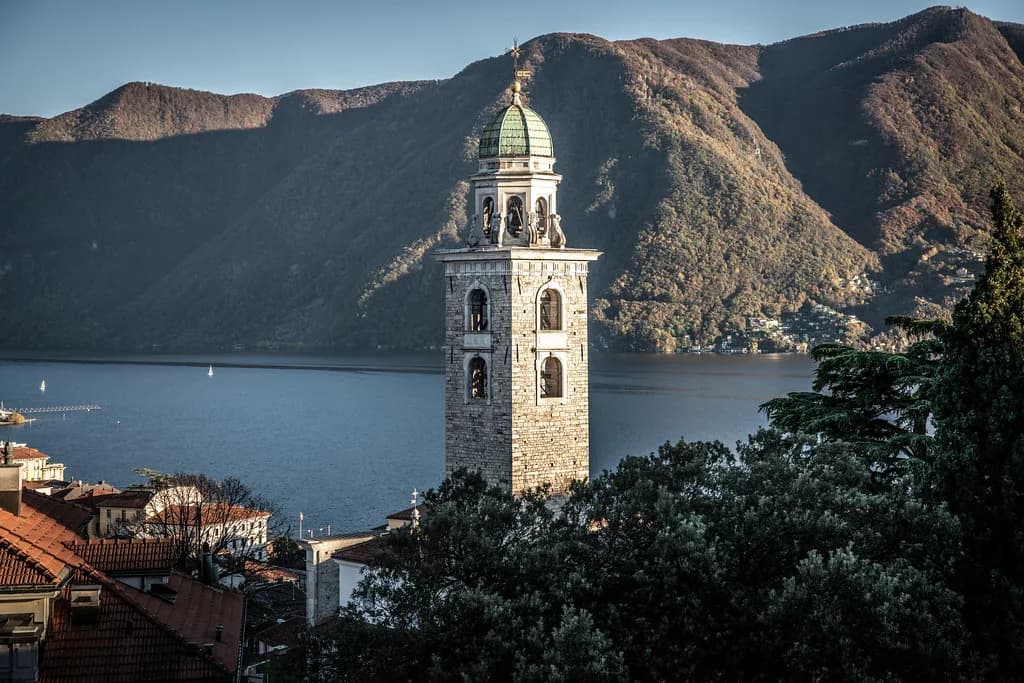
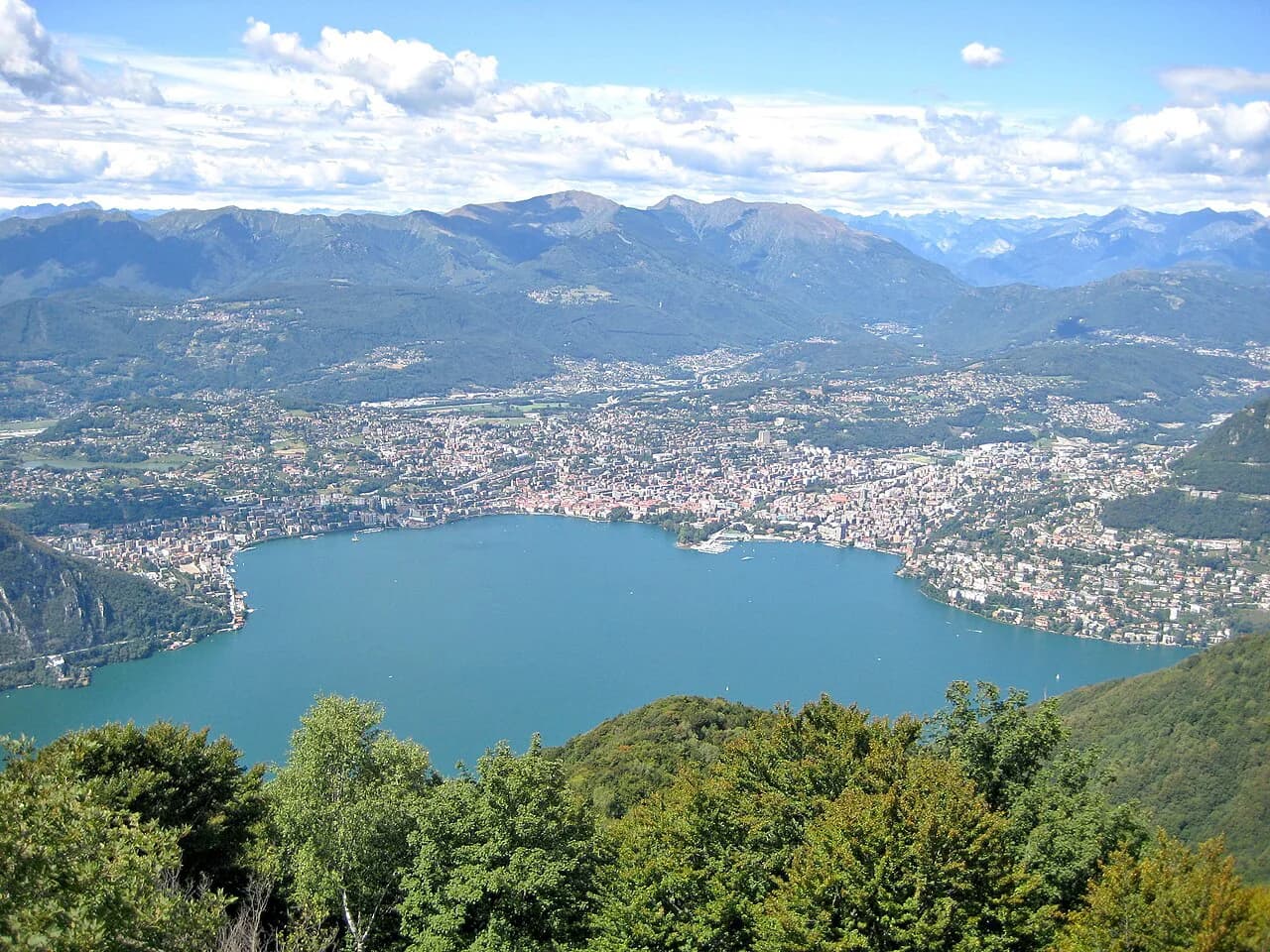
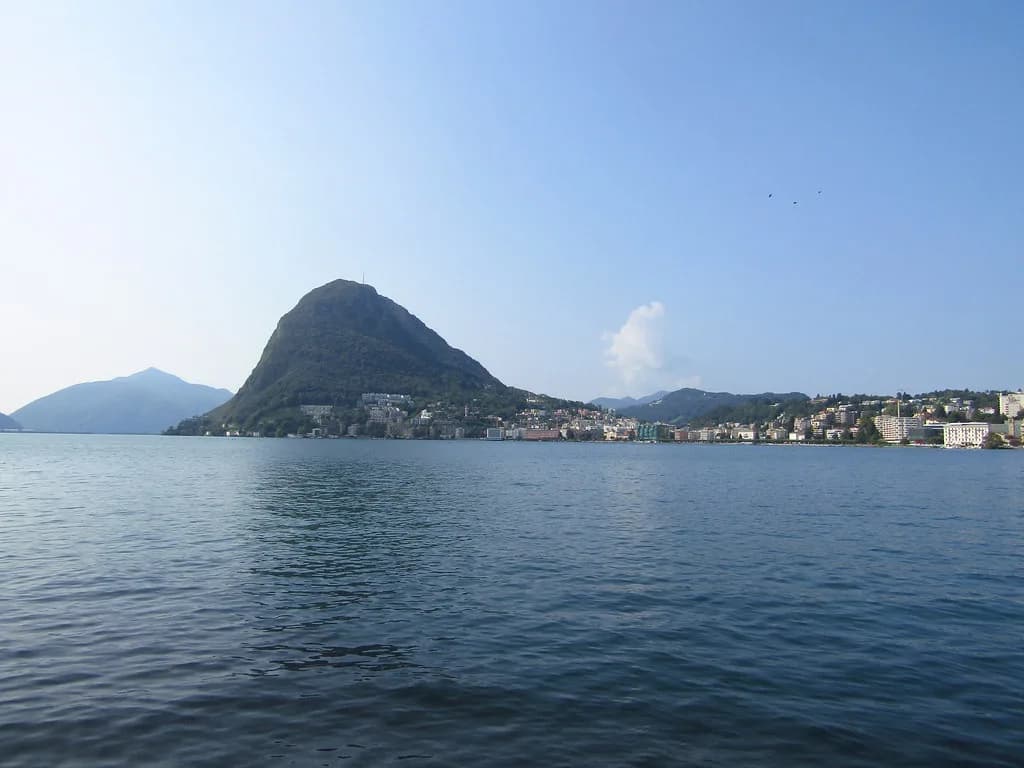
Lugano sits in Ticino, the Italian-speaking canton south of the Alps, where the lake moderates the climate and the season runs milder than in Zürich or Bern. That makes autumn a working season rather than a wind-down: the waterfront promenade, the old town and the funiculars stay in use while northern Switzerland starts to cool. The city center is small, so a visitor can walk from the lakefront to Piazza della Riforma and into the car-free lanes in minutes.
The layout rewards slow travel. Rather than ticking off sights, you can build a day around one quarter, one museum and one long lunch, then repeat with a different view. If you want the full seasonal comparison across spring, summer and winter, the wider best time to visit guide sets out the alternatives.
What Autumn Weather in Lugano Typically Feels Like
Treat weather expectations as climate averages, not forecasts. September is usually the warmest and most reliable month for sitting outside along Lake Lugano, October mixes bright stretches with rain showers, and November is noticeably cooler and wetter with shorter days. Pack a light waterproof layer and shoes that handle wet cobblestones in the old town, and check a forecast for your exact dates before you leave.
The practical consequence is scheduling. Put outdoor plans such as the lakefront and viewpoints early in a trip and keep a museum or a long café stop in reserve for the wetter day. If you are choosing between early and late autumn, September and early October give the best odds of dry, mild afternoons.
September: Warm Lakefront Days and the Start of the Autumn Calendar
September is the month when Lugano still feels like late summer, with warm afternoons and an active lakefront, but without the peak-season pressure on the center. It also marks the start of the autumn calendar, when the city's events shift from summer music to food, markets and local tradition.
For a first visit, September is the simplest month to plan: outdoor days are likely, and you can still spend an evening outdoors in Piazza della Riforma. September also gives you the option of a lakefront walk in the evening light, which becomes harder as the season advances, so the case for September overlaps with the broader case for the best time to visit.
October: The Autumn Festival and the City Center at Its Most Lively
Lugano's Autumn Festival is the season's centerpiece: a three-day celebration in the heart of the city with local food, Ticino wines served at grottini and restaurants around the center, an autumn market of crafts and seasonal produce, and free guided tours of the city organized with Lugano Region. Folk groups provide music, and a dedicated space keeps children occupied with wooden games.
The 2023 edition ran from 29 September to 1 October and opened in Piazza della Riforma, with a parade of vintage tractors along the lakeside and a program published through the city's events calendar. Treat those dates as history rather than a schedule: the festival recurs, but its exact weekend and program are set each year, so confirm the current edition through the city's official event pages before booking around it.
During the festival the center is busiest, which is the point and also the trade-off. Expect crowded lanes and full terraces around Piazza della Riforma, and book accommodation early if your dates coincide. If you want the atmosphere without the crush, come for a weekday morning and leave the evenings to the crowds.
November: Quieter Streets, Shorter Daylight and What Stays Open
November is Lugano at its quietest. The festival is over, terraces thin out, and daylight ends early enough that a late-afternoon lakeside walk needs planning. The upside is space: the old lanes, the lakefront and the viewpoints feel like your own, which suits travelers who prefer a calm city to a lively one.
Opening hours matter more in November, when some seasonal businesses trim their schedules. Rather than assume a museum, funicular or boat runs as it did in summer, check the site of the museum, the funicular company or the boat service for your dates. Build the day around one indoor anchor and one outdoor stretch, and keep the plan loose enough to swap them when the weather turns.
How Many Days Lugano Needs in Autumn
Two full days cover Lugano's center without hurry: one for the lakefront, Piazza della Riforma and the old lanes, and one for a museum plus a viewpoint or funicular ride. Three days let you add a slower morning, a longer lakeside walk and a return visit to whichever quarter you liked best. A single day is possible but leaves no room for rain.
Shape the plan around the weather rather than the other way round. On a clear morning, head for the higher viewpoints first; on a wet one, reverse the order and start indoors. That flexibility is what makes a two- or three-day autumn stay work in a city this compact.
A Walking Route Through the Center
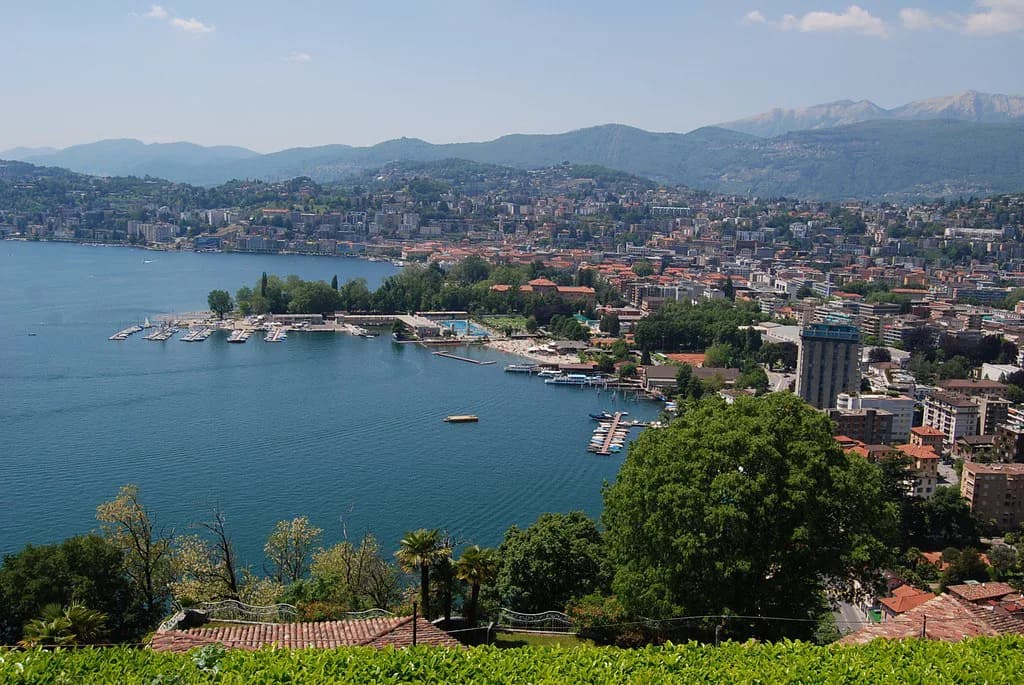
Start at the lakefront and walk the promenade toward the center, then climb into Piazza della Riforma, the city's main square and the stage for the Autumn Festival. From there the car-free lanes of the old town fan out, with cafés and shops framing the route. The whole loop is short enough to walk twice in a day.
Add a cultural stop at LAC Lugano Arte e Cultura, the lakeside arts center, which pairs well with an afternoon in the center. For a longer walk, extend along Lake Lugano in the direction of the parks. If you want a sense of how the same route feels in a warmer month, the April guide shows the center in spring bloom.
Museums and Indoor Options for Wet or Cool Autumn Days
Rain is a real possibility from October onward, so keep one indoor option ready. LAC Lugano Arte e Cultura anchors the lakeside cultural quarter with rotating exhibitions and performances, making it a natural wet-day stop. Check its current program and opening days on the venue's own site before you go.
Beyond LAC, the center's churches and covered lanes give you short shelter between showers. Plan a route that keeps a museum within a ten-minute walk of wherever you are, and treat a wet afternoon as an excuse to linger over coffee rather than a reason to abandon the day.
Viewpoints and Funiculars for Autumn Colors and Clear-Day Lake Views
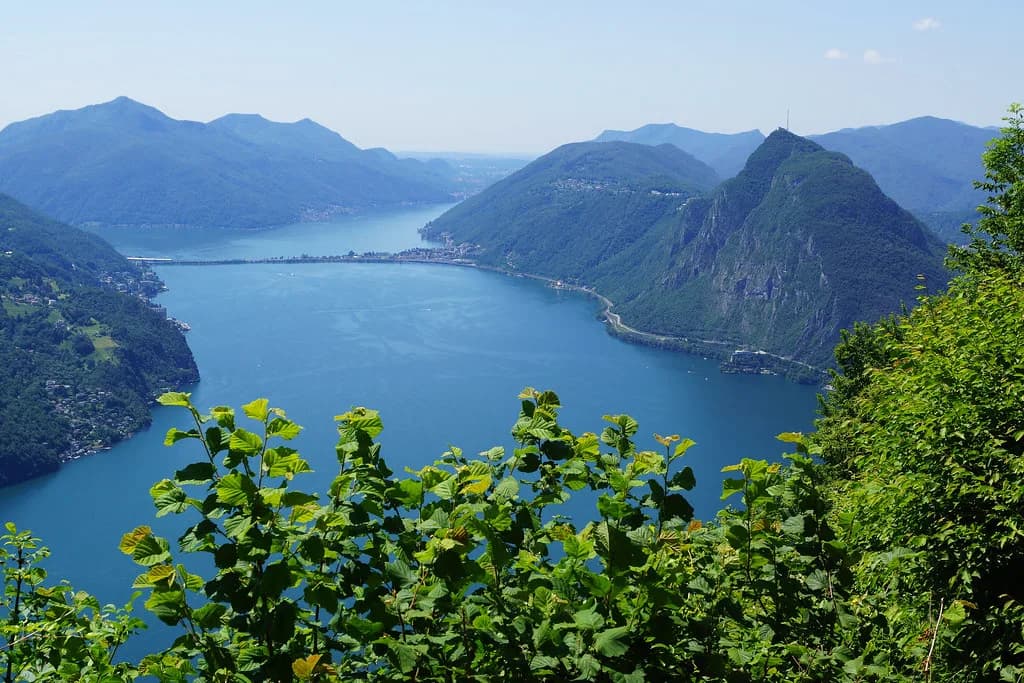
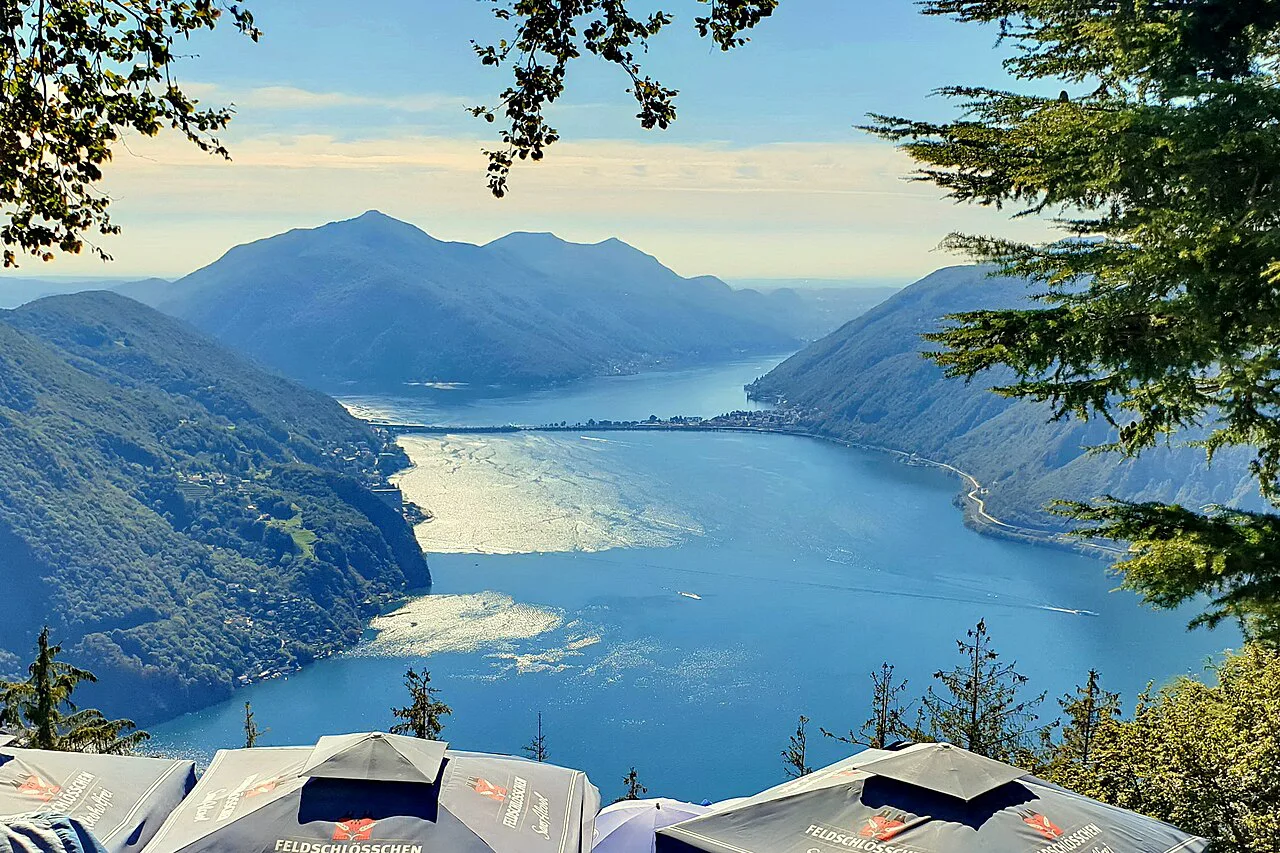
Lugano's funiculars take you above the rooftops for the classic lake view, and a clear autumn day is the best time to use them: the summer haze lifts and the lake reads sharp below. Go in the morning when the light is best and the queues are shorter. Autumn schedules differ from summer, so check the funicular company's operating days before you go.
If the weather holds, pair a funicular ride with a walk back down through the hillside lanes, which is easier on the knees than climbing. On cloudy days, skip the high viewpoint and spend the time in the center instead, where the lake and the mountains still frame the walk.
Costs in Swiss Francs: What a Short Autumn Break Adds Up To
Switzerland is expensive, and Lugano is no exception. The sensible approach is to price the big items in Swiss francs before you travel and to decide which ones earn their cost. Rather than guess at museum or funicular tickets, check each operator's published prices for your dates, because autumn rates and seasonal closures vary by site.
Food and drink are the variable you control most easily. A picnic from a grocery store on the lakefront costs a fraction of a sit-down lunch, and it pairs well with an autumn afternoon. Keep a small cash buffer for markets and small vendors, where card acceptance is less certain than in museums and shops.
Money-Saving Options That Apply in Lugano
Rail passes and discount cards can change the arithmetic of a Swiss trip, but they only help if the discounts apply to what you actually do. Confirm before you buy whether a given pass covers the specific funicular, boat or museum you plan to use, since coverage is not uniform across operators.
The cheapest hours in Lugano are the ones spent outdoors: the lakefront promenade, Piazza della Riforma and the old lanes cost nothing. Build the day around those free anchors and pay only for the one or two indoor or uphill experiences that matter most to you.
Crowds, Weekends and the Trade-off Between Festival Energy and Calm
Autumn splits into two very different Luganos. During the festival, the center is lively, the terraces are full and the atmosphere is the draw; outside it, the city is quiet and easy to navigate. Neither is better, but they suit different travelers, and the festival weekend is the one time you should book ahead.
Weekends are busier than weekdays year-round, and the festival amplifies that. If you want the energy, aim for the festival days and accept the crowds. If you want calm, visit in November or on a weekday and treat the empty lanes as the reward.
Autumn Packing and Daylight Tips for a Lake City
Pack layers rather than a heavy coat: autumn days in Lugano can start cool and end mild, and the lake breeze makes evenings feel sharper than the afternoon. A light waterproof jacket, comfortable walking shoes and a compact umbrella cover most days. Bring something warm for the funicular viewpoints, where the air is cooler.
Daylight is the planning constraint. As the season advances, sunset comes earlier, so front-load outdoor plans and keep the late afternoon for museums, cafés or the walk back to your base. That single habit makes a November trip far more pleasant than a crammed itinerary built for summer hours.
Common Autumn Planning Mistakes to Avoid
The most common mistake is treating the festival as a fixed annual date. It recurs, but its weekend and program are set each year, so look up the current edition before booking travel around it. The second is assuming summer hours continue into November: look up museum and funicular schedules for your dates.
The third is overpacking the days. Lugano rewards a slower pace, and a two-day plan with one anchor per half-day beats a checklist. The fourth is leaving rain unplanned: without an indoor backup, a wet October afternoon can derail the trip.
Lugano or Lake Como in Autumn: An Honest Comparison
Lugano and Lake Como sit on opposite sides of the same landscape, but they feel different in autumn. Lugano is a compact Swiss city with a walkable center, Swiss francs pricing and a festival built around local food and wine. Como's lake shore is spread across Italian towns, which means more transport and a different cost base. If you are weighing other Swiss city breaks for the same shoulder season, basel in autumn offers a useful comparison with its own Herbstmesse.
If you want a city break where everything is within walking distance, Lugano wins on convenience. If you want to string together lakeside villages, Como's geography suits that better. On cost, Switzerland is the more expensive side, so budget accordingly and let the exchange rate guide the choice.
Plan Your Visit
Lugano in autumn is a short-break city: two or three days, a walkable center, one festival weekend if the dates line up and a calm November if they don't. Build the plan around the season rather than a fixed date, and keep one indoor option in reserve for rain.
Before you book, confirm the current Autumn Festival weekend, the opening days of LAC and the funicular schedules for your dates, then price the big items in Swiss francs. The April and May guides show how the same center looks earlier in the year if you are still choosing a month.
Explore more Lugano guides
Frequently Asked Questions
What is Lugano like in October?
October is the liveliest autumn month, with the three-day Autumn Festival filling the city center with food stalls, Ticino wine, an autumn market and free guided tours. Weather is mixed: expect bright stretches and rain showers, so keep a museum or café stop in reserve. Confirm the current festival weekend before booking.
Which is better, Como or Lugano?
Lugano is a compact Swiss city where the lakefront, Piazza della Riforma and the old lanes are all walkable, which suits a short city break. Lake Como spreads across Italian towns, so you need more transport between stops. Switzerland is the more expensive side, so compare costs in Swiss francs before deciding.
Which month is autumn in Switzerland?
Autumn in Switzerland generally runs from September through November. In Lugano, September is the warmest and most reliable month for outdoor days, October brings the festival and mixed weather, and November turns cooler and quieter.
How many days do you need in Lugano?
Two full days cover the center at an easy pace, and three let you add a viewpoint, a longer lakeside walk and a slower morning. One day is possible but leaves no room for rain, which is a real risk from October onward.
Does Lugano have autumn colors?
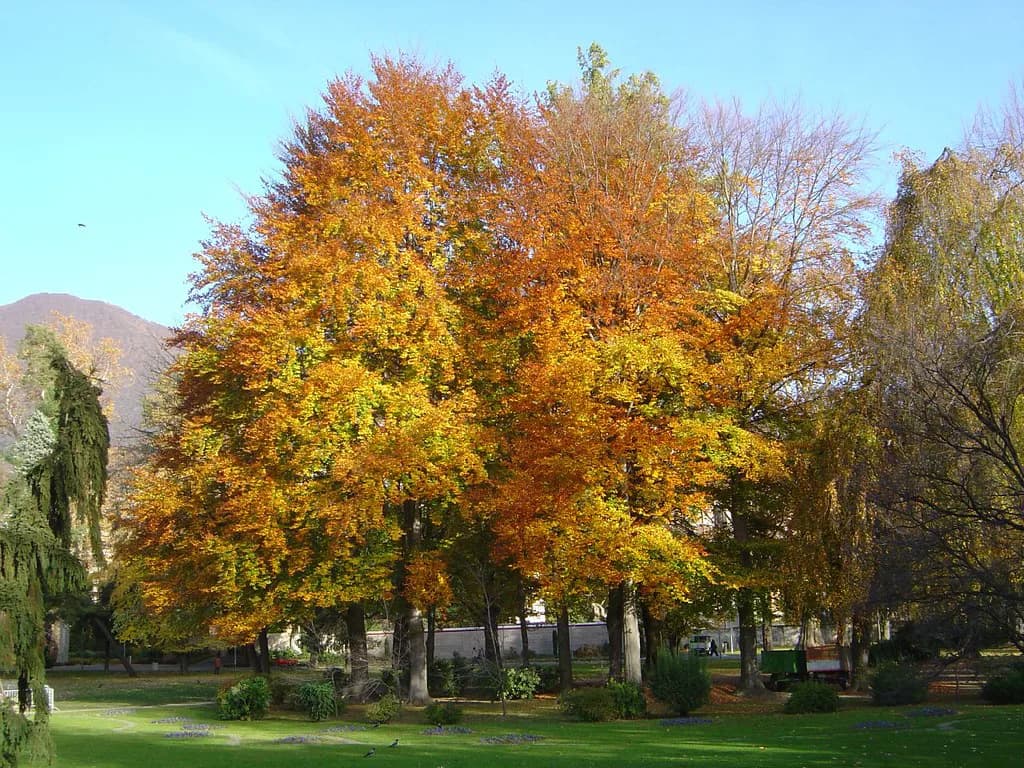
The season brings changing foliage around the lake and hillsides, which pairs well with the funicular viewpoints on a clear day. Check the funicular's operating days before you go, since autumn schedules differ from summer.
Is Lugano worth visiting in November?
November is quiet, cool and often wet, but those conditions bring space in the old lanes and on the lakefront. Plan around shorter daylight, keep an indoor backup and check museum and funicular hours for your dates.
Sources
Notes for your Swiss city break
Optional updates to our Swiss city guides.
You might also like
Continue reading
More guides you'll find useful