Montreux Old Town: What to See and How to Walk It
Montreux old town rises above the lakefront resort, with historic streets, a lake panorama and a climb on foot. Here is how to fit the walk into your day.
On this page
Montreux old town is the historic quarter on the slope above the lakefront resort, so a visit means walking uphill and then back down toward Lake Geneva. The two parts of Montreux sit at different levels: the resort and promenade along the water, the old town up the hill, with the mountain backdrop behind it. Plan the old town as an uphill counterpart to the promenade rather than a separate excursion.
Where the old town sits
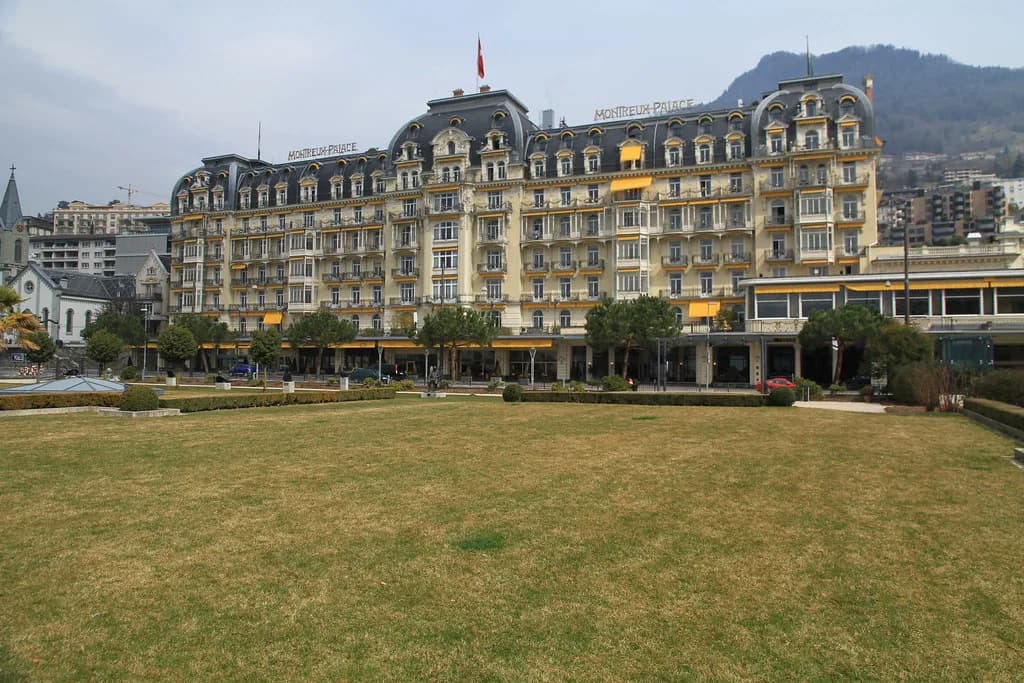
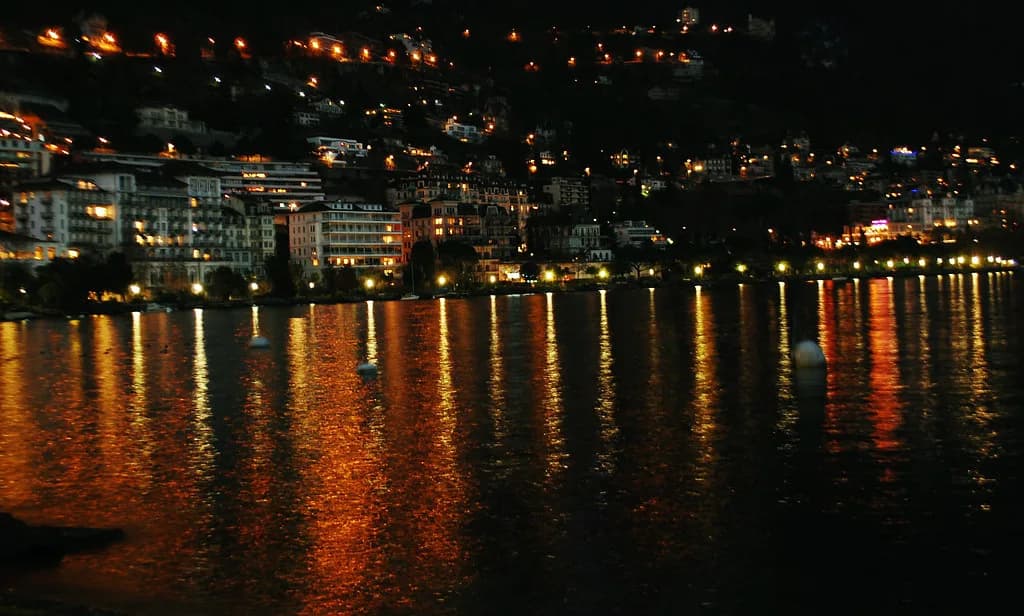
Montreux's historic center belongs to the hillside rather than the shoreline, which is why the town reads as two places at once. Down by the water you get the resort and the long lakefront, while the old town rises behind with its old buildings, clustered streets and views back over the water. Photos of Montreux old town show the buildings set above the coast, with Lake Geneva and the mountains framing the scene.
That geography shapes how you should think about the visit. The lakefront is flat and easy to wander; the old town is where the ground tilts up and the town texture changes. If you only ever see Montreux from the promenade, you have seen the resort half.
How to reach the old town on foot from the lakefront
The straightforward approach is the one you do on foot: head away from the water and uphill from the lakefront resort into the old town. Because the historic quarter sits above the shoreline, some climbing is built into the route, and the reward comes when you turn around and look back down.
Build the climb in at a point in the day when you have legs for it, and save your flat lakefront strolling for afterward. If you would rather spare yourself part of the ascent, look into the funicular options in the area before setting out.
A suggested walking route through the historic streets
Start low, near the water, and walk up into the old town rather than beginning at the top. Take the lanes as they come, letting the smaller streets pull you between the old buildings; there is no single prescribed line, so treat the climb as the spine and the side lanes as detours.
At the top of your climb, pause to look back across the rooftops toward Lake Geneva before working your way down a different line from the one you came up. That out-and-back-with-a-variation shape keeps the walk feeling like a loop even when the lanes are narrow and irregular.
If your wider Montreux plans include the museums and the lakeside castle, check their opening days before you commit to a walking order so the old town sits in a slot that fits around them.
The squares, fountains and churches to look for
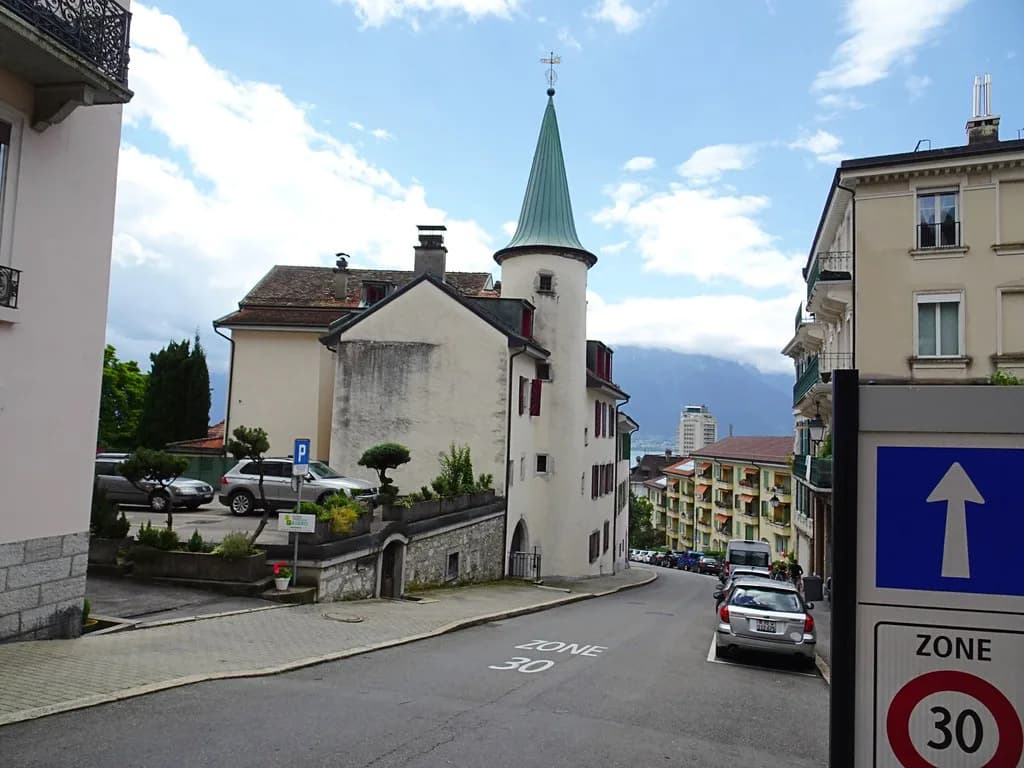
The appeal of Montreux old town is cumulative: old streets, the occasional open square, a fountain or a church front, and the changing glimpses of lake through gaps between buildings. Walk with your eyes up as well as ahead; the older facades carry far more detail than the lakefront frontage.
Keep your expectations calibrated to a small Swiss town rather than a museum-like hill village. This is a lived-in historic quarter, so the pleasure is in the texture of the lanes and the views, not in a tick-list of named monuments.
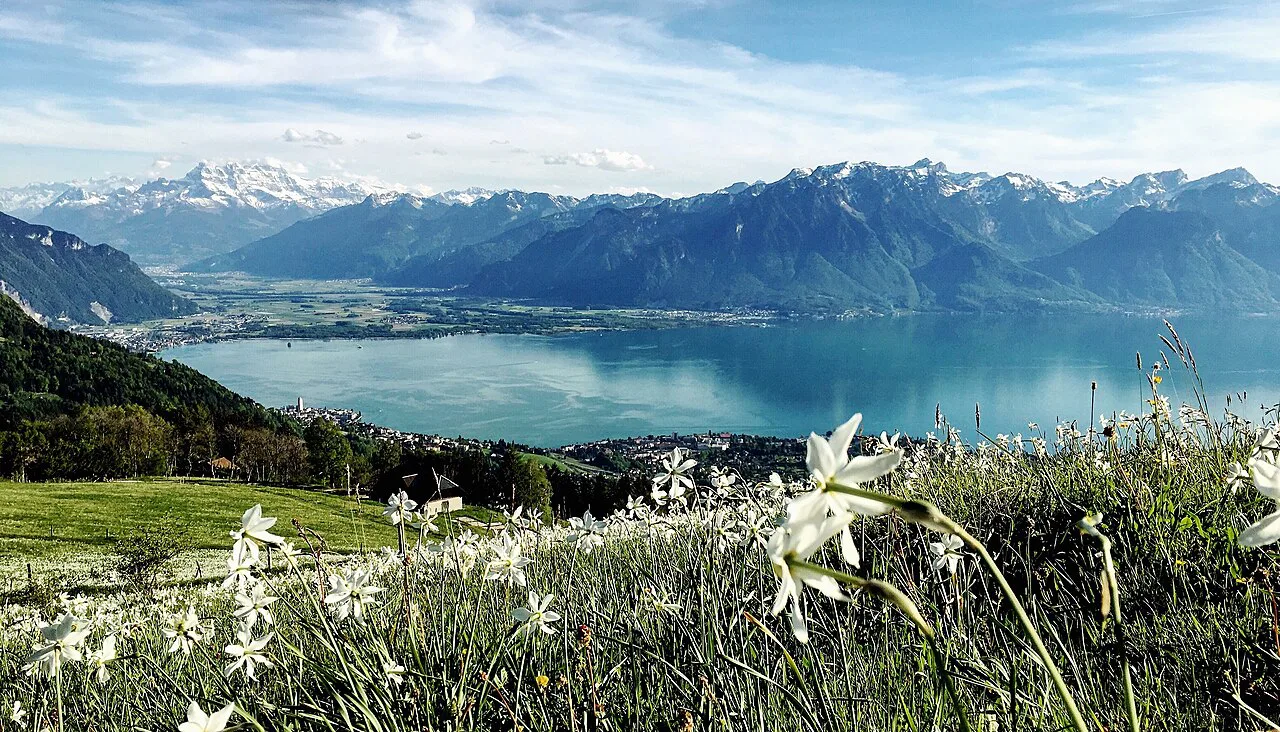
Views back down over Lake Geneva
The old town's height is its best asset. From up here the lake opens out, and the contrast between the old hill quarter and the resort below becomes clear; on a clear day the water and the mountains do most of the work for you.
Aim to be in the old town in good light rather than at a fixed hour, and let the panorama be the pause in the middle of the walk rather than a destination of its own. Cash and card handling in Switzerland is easy at cafés, but there is no reason to plan a sit-down stop here unless you want one.
How long the walk takes and how to pace it
Treat the old town as a short, self-contained block in your day: an hour or two covering the climb, the lanes at the top and the descent, with time left over for the lakefront. The pacing matters more than the exact duration, because the climb is what makes the visit feel strenuous.
Slot the old town into the morning or late afternoon and leave the flat promenade for the part of the day when you want to rest your legs. That ordering also gives you the view over the water while you are up high, before you come back down to the resort.
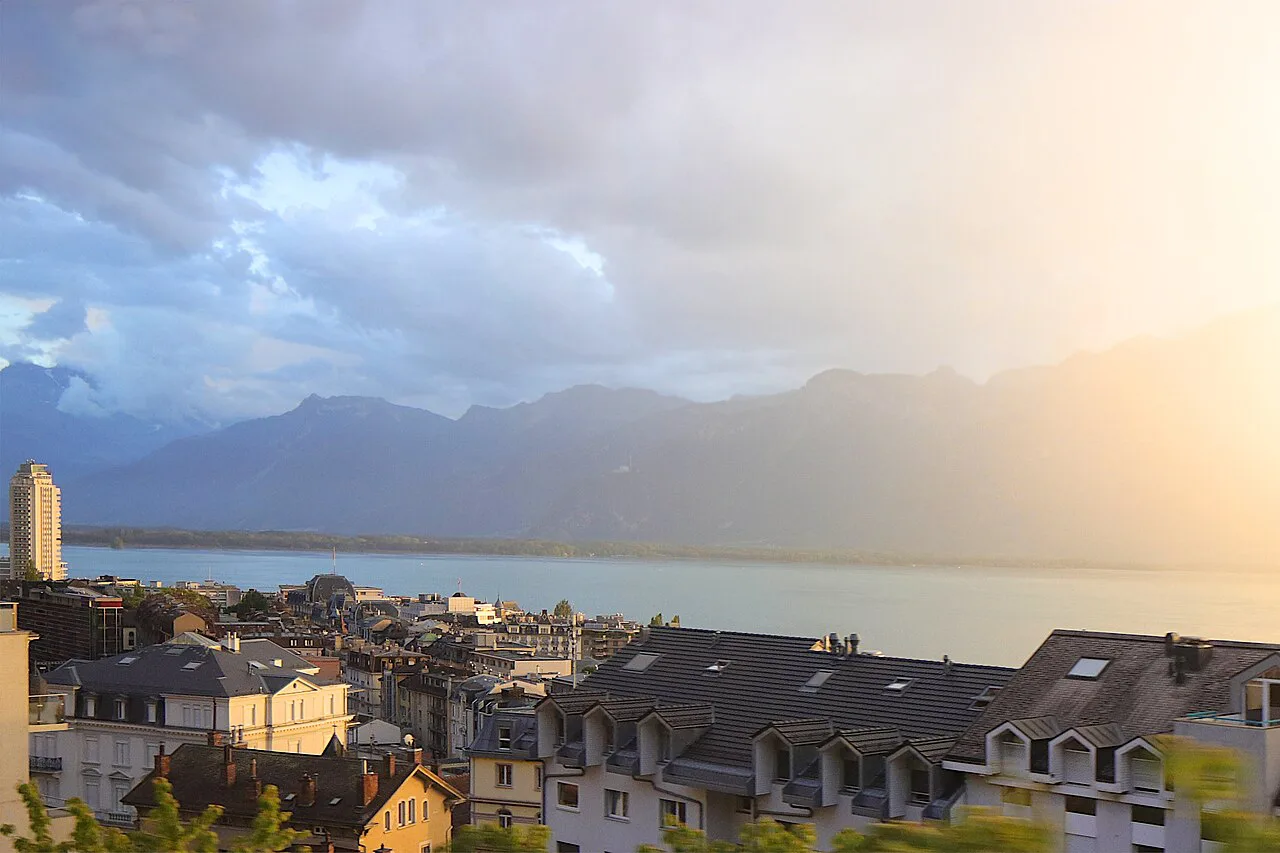
What the old town adds to a Montreux city break
The old town gives you the historic counterweight to Montreux's lakefront identity, and it is the part of town that stays with you after the promenade blurs together. For travelers assembling a Montreux itinerary around the lakeside sights, it adds a second, quieter layer to the same day.
It also pairs well with the town's other free pleasures if you are keeping costs down, which is a useful way to give the day shape without adding a ticket.
When to skip it
If your Montreux stay is a single lakefront-focused day, or if the climb is not appealing on the day, skipping the old town costs you little: the water and the mountains carry the visit. Travelers with limited mobility or a tight connection should weigh the uphill walk against what else the day holds.
If you are comparing Swiss historic quarters, the old towns of Bern and Basel are larger and better stocked with named landmarks, so a reader on a tight schedule might trade the Montreux climb for one of those, or sample Montreux's old town as a short add-on to the lakefront rather than a destination in its own right.
Plan Your Visit
Montreux old town works best as a deliberate, short climb away from the lakefront rather than a checklist stop. Go up, walk the lanes, take in the lake view, and come back down with the rest of your Montreux day still ahead of you.
Explore more Montreux guides
Frequently Asked Questions
What is there to see in Montreux old town?
The old town is the historic quarter on the hillside above the lakefront resort, with old streets, a fountain or church here and there, and views back down over Lake Geneva. The appeal is the texture of the lanes and the panorama rather than a list of named monuments, so walk it slowly and look around as you climb.
How do you get up to Montreux old town from the lakefront?
Walk away from the water and uphill into the historic quarter; the climb is part of the visit. If you prefer to shorten the ascent, look into the local funicular options before you set out, since the old town sits above the shoreline rather than on it.
How long does it take to walk Montreux old town?
Plan an hour or two for the climb, the lanes at the top and the descent, then return to the flat lakefront. Exact timing depends on how often you stop for the lake view and how far you wander between the lanes, so treat the old town as a short block in your day rather than a half-day excursion.
Is Montreux old town worth visiting?
It is worth the detour if you want the historic counterpart to the lakefront promenade and a view back over Lake Geneva from above. Skip it if you have only one lakefront-focused day or the uphill walk does not appeal, since the water and mountains already carry a short Montreux visit.
Where can I find more Montreux planning help?
Use the Montreux city guide for the full picture of what to see and how to fill the days, and the museums guide if you want to build the old town walk around a lakefront castle or a collection. Both help you slot the climb into the rest of your itinerary.
Sources
Notes for your Swiss city break
Optional updates to our Swiss city guides.
You might also like
Continue reading
More guides you'll find useful