Museums in Lausanne: The Ones Worth Your Time
Lausanne has world-class museums, from the Olympic Museum to the Collection de l'Art Brut. See what each holds, when it closes, and how to plan your days.
On this page
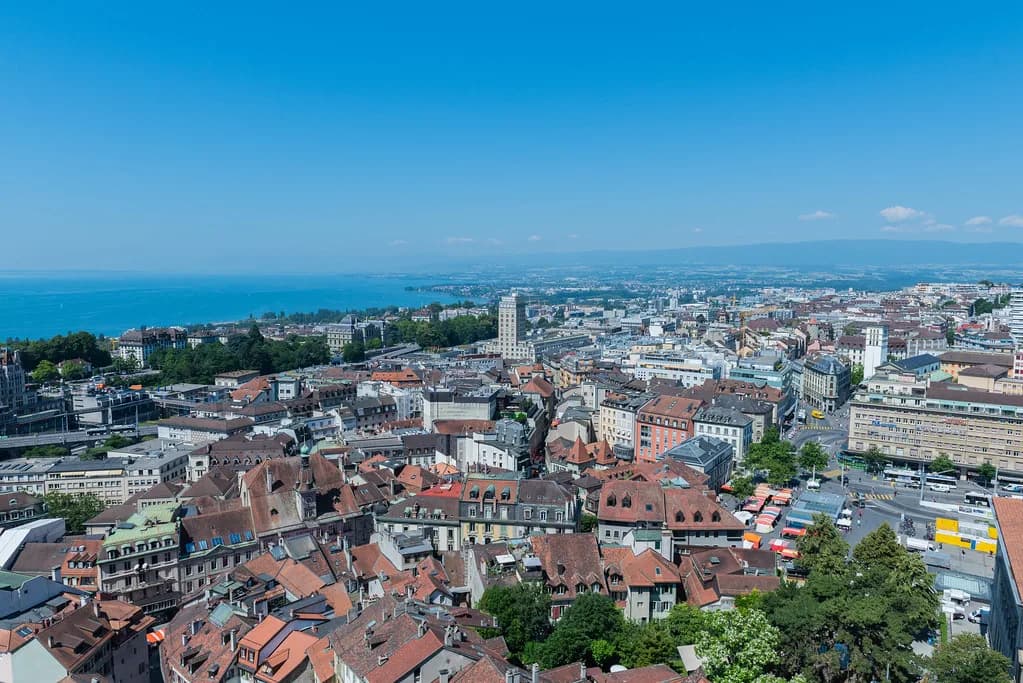
Lausanne, Switzerland's fourth city and the Olympic Capital, is a museum town with two distinct poles: the lakefront at Ouchy, where the Olympic Museum and the Musée de l'Elysée sit close together, and Plateforme 10, the arts district beside the main station that now houses the MCBA, the Musée de l'Elysée and MUDAC. A third anchor, the Collection de l'Art Brut, sits uphill in its own corner. Planning around these three poles is the single most useful decision you can make, because Lausanne is steep and you will spend more time than you expect moving between levels.
A realistic allocation is one full morning or afternoon for the Olympic Museum and the photography museum together at Ouchy, half a day for Plateforme 10, and two hours for the Art Brut collection. That leaves the cathedral and the old town for the same day as Plateforme 10, since both sit near the station end of the city. The practical constraint is the calendar: the MCBA closes on Mondays, so building your week around that closure saves a wasted morning.
Plateforme 10: Lausanne's Arts District by the Station
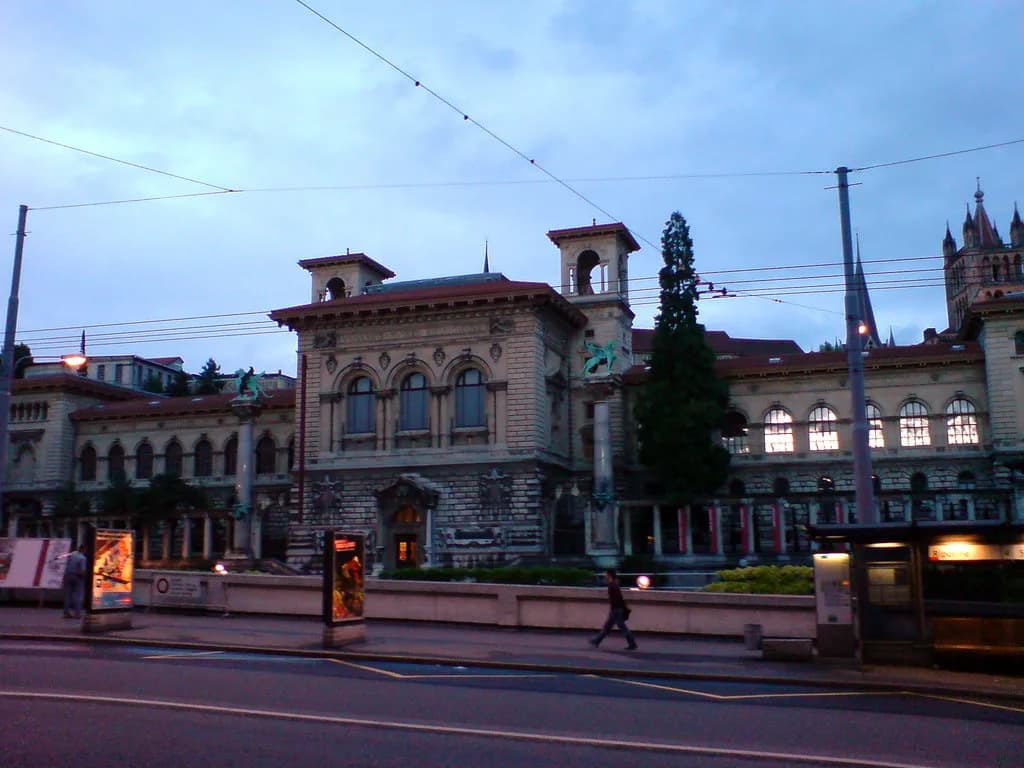
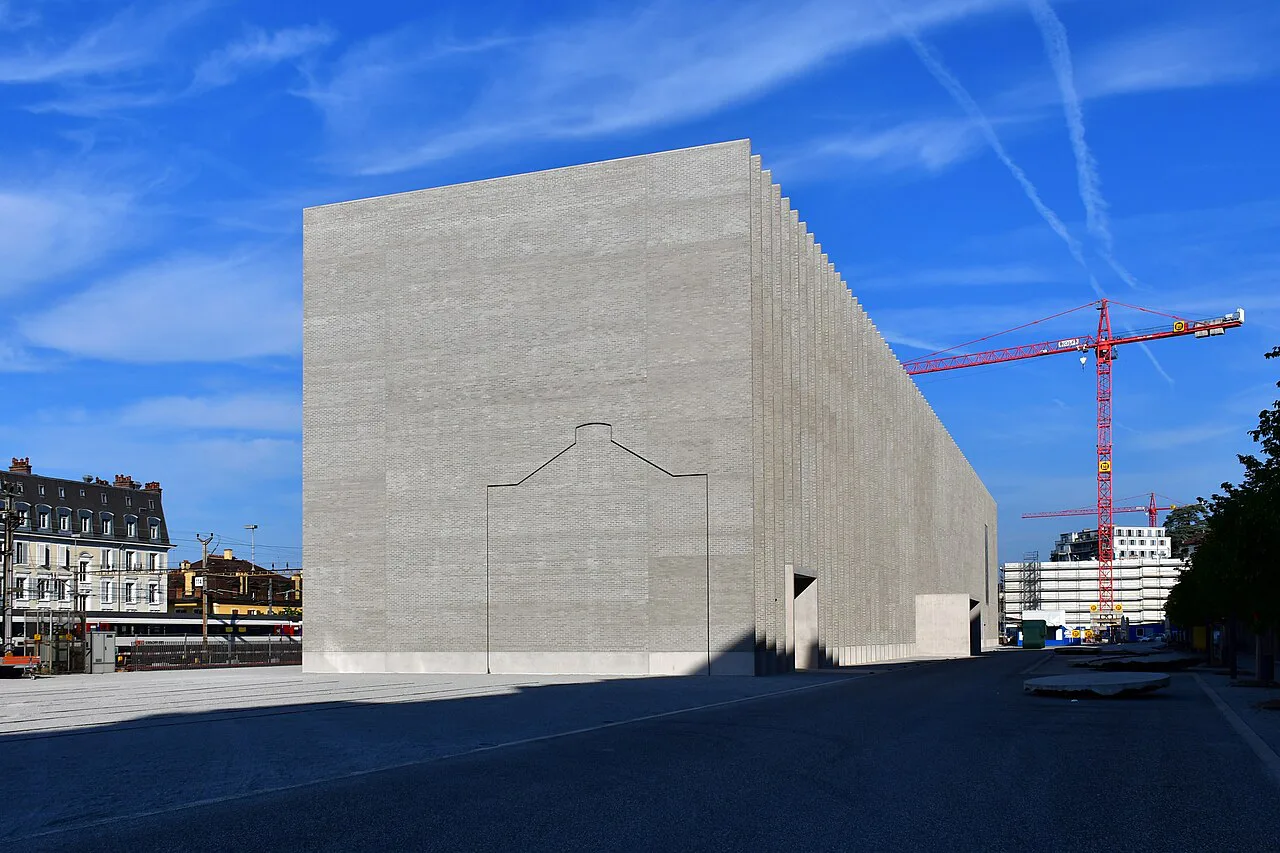
Plateforme 10 is a purpose-built cultural quarter beside the main railway station, and it has changed how a museum day in Lausanne works. The MCBA left its old home in the Palais de Rumine for a building designed for it at Place de la Gare 16, and the Musée de l'Elysée and MUDAC belong to the same district. Old guidebooks that send you to the Palais de Rumine for the fine arts museum are simply out of date, so treat the address as the thing to check rather than the museum name alone.
The advantage for visitors is concentration: you can step off a train, drop a bag, and be inside a major museum within a few minutes, then walk to the next one without crossing the city. The old town sits below the station on the same slope, so a Plateforme 10 morning pairs naturally with an afternoon in the Cité quarter. Allow three to four hours if you want both the MCBA collection and one of the temporary exhibitions, and note that the museum's official schedule runs Tuesday to Wednesday and Friday to Sunday from 10:00 to 18:00, with a late Thursday until 20:00 and Monday closure.
MCBA: The Cantonal Fine Arts Museum
The Musée cantonal des Beaux-Arts is the place for modern and contemporary art in Lausanne, working from a permanent collection rather than a single blockbuster show. Its published program mixes collection displays with temporary exhibitions, and the museum states that the permanent collection has free entry and the Espace Projet and Espace Focus displays also offer free entry, which makes it the cheapest serious art stop in the city. If your budget is tight, this is where to start rather than where to cut.
The building is a short walk from the station exit, and the museum publishes its hours, prices and access details in one place, so confirm the day before you go rather than relying on memory. Allow two hours for the collection and another hour if a temporary show interests you; the free collection rooms are compact enough that a fast visit still feels complete. Because it closes on Monday, Monday is the day to shift your museums elsewhere.
Musée de l'Elysée: Photography by the Lake
The Musée de l'Elysée is a photography museum with views over Lake Geneva, and for anyone interested in photobooks it has a bookstore worth lingering in. Its exhibitions rotate steadily, mixing reportage photographers with newer narrative work, so the reason to go is usually the current show rather than a fixed hang. Check the program before you commit a slot, since the museum's identity is tied to temporary photography exhibitions.
Its place within the Plateforme 10 district, a few minutes from the station, is what makes it efficient: pair it with the MCBA in one visit and you use a single trip rather than two. Allow an hour to ninety minutes for the photography museum, and more if the bookstore is your kind of trap. If the weather is good, the walk between the museums and the lake takes only minutes, which is the reason to schedule both in the same half-day.
MUDAC: Design and Applied Arts
MUDAC covers contemporary design and applied arts, and its temporary exhibitions are often the most interactive in the city; one fragrance exhibition built whole rooms around methods of delivering scent, from fans to glass bell jars to balloons. That kind of staging makes the museum unusually good for families and for travelers who find traditional art museums tiring. The subjects change, so the current program determines whether it earns a slot.
MUDAC is one of the institutions gathered into Plateforme 10, which means it belongs to the same trip as the MCBA rather than a separate journey across town. Budget an hour for a design show, longer if the exhibition invites hands-on participation. Pick it over the MCBA only if the current subject genuinely interests you; otherwise the fine arts collection is the more dependable use of a morning.
The Olympic Museum and the Sculpture Park
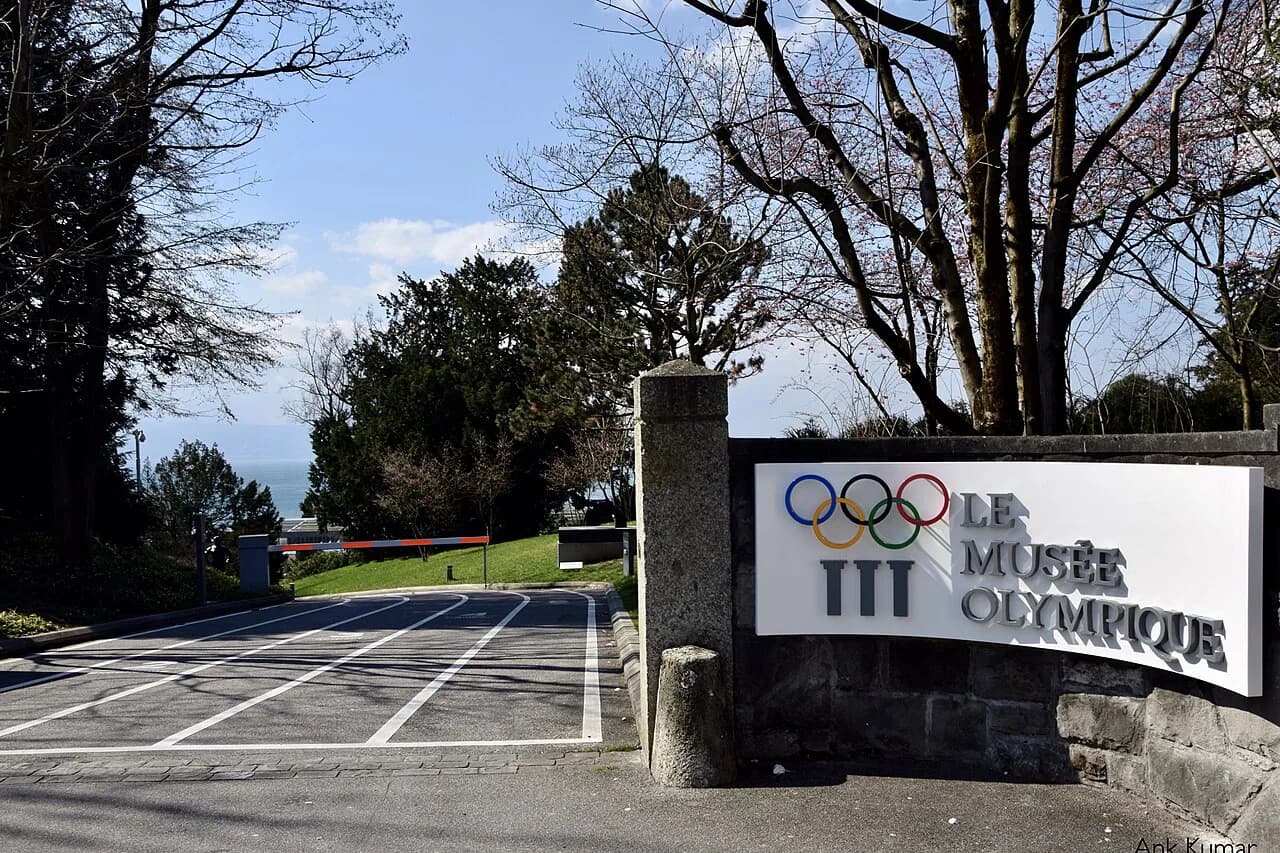
The Olympic Museum at Quai d'Ouchy 1 is Lausanne's flagship, and it earns the label: the displays are multimedia and cover the ancient games, the nineteenth-century revival, the torch, the opening ceremony and the Olympic Village, with strong graphic design material in the Olympic posters. It is also more emotional than a trophy cabinet, with athlete testimonies that take on the harder side of elite sport. Allow two to three hours, more than you would guess from the outside.
Afterwards, walk down through the sculpture park toward the lake rather than retracing your steps to the road; it is the natural finish to the visit and costs nothing. This is the museum to protect in your schedule even if you cut elsewhere, because nothing else in Lausanne covers the same ground. Pair it with the Musée de l'Elysée while you are at Ouchy, and leave the uphill museums for another day.
Collection de l'Art Brut: Dubuffet's Outsider Art
The Collection de l'Art Brut at Avenue Bergières 11 holds the collection assembled by the artist Jean Dubuffet, devoted to work by self-taught and isolated makers outside mainstream art movements, including pieces by people in psychiatric care and prison. The written commentary is clear and a free audio guide is available, which makes the museum easier to approach than its reputation suggests. Two hours is about right, and the curiosity factor keeps it from feeling academic.
It sits uphill from the center, reached by trolley bus rather than on foot, so treat it as its own excursion rather than something to squeeze between two stops near the station. The contrast with the MCBA is the point: fine art in one direction, outsiders in the other. If your time allows only one art museum, choose based on which of those two sounds more like your afternoon.
Lausanne Cathedral and the Cité Quarter
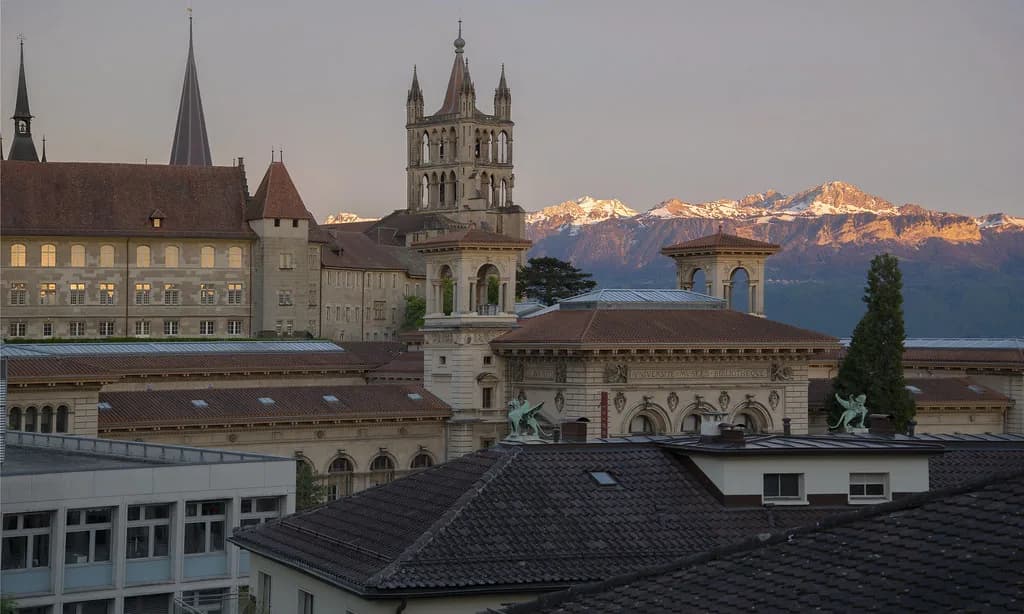
The cathedral and the surrounding Cité quarter are the old-town counterweight to the museum district, and the neighborhood is best walked rather than visited as a single sight. The Lausanne City Pass bundles the most popular attractions in the city and region into a ticket valid for one, two or three days, which is worth pricing out if you plan several paid museums in a short stay. How much it saves depends on which of the included sites you actually use.
A sensible order is museums at Plateforme 10 near the station in the morning, then the old town and cathedral on foot afterward, following the slope down rather than climbing back up. The city's compass points for this are Ouchy, Place de la Palud, Le Flon and La Cité, and knowing that Cité means the old town helps you read signs and maps. Keep an hour free simply to walk the lanes between sights.
How Many Days in Lausanne for Museums
Two full days covers the essentials: one day at Ouchy for the Olympic Museum and the photography museum, one day at Plateforme 10 plus the old town. A third day opens up the Art Brut collection without rushing and leaves room for a repeat visit to whichever exhibition caught you. Three days is the point where museum fatigue becomes a real risk rather than a theoretical one.
Lausanne is hilly and the metro and trolley network does the vertical work, so group your stops by elevation rather than by wish list. Ouchy is at the bottom, the station and Plateforme 10 in the middle, the Art Brut and cathedral district above. If it rains, the museum cluster near the station is the obvious shelter, and the whole Plateforme 10 day survives bad weather without adjustment.
Closing Days and Timing
The one closure to plan around is certain: the MCBA is closed on Mondays, and its Thursday closes later at 20:00. For every other museum, confirm the current day-by-day schedule on that museum's own timetable, because opening days vary by institution and season and a guess can cost you a morning. Build Monday around the lakefront, where the Olympic Museum and its sculpture park fill the day.
Late opening is worth using: an evening slot at a museum frees daylight for the lakefront or the old town. Pair the relaxed pace with a walk in the old town or along the water, which costs nothing and is the best value in an expensive city. The pattern to avoid is two large museums back to back without a pause outdoors.
Tickets, Passes and Budget
Lausanne is expensive, and museums are no exception, so the free options matter. The MCBA charges nothing for its permanent collection or its Espace Projet and Espace Focus displays, which makes it the anchor of a low-cost museum day. Prices for paid museums change, so check each museum's ticket page before buying rather than trusting a figure from an older guide.
The Lausanne City Pass is the bundle to evaluate if you want several paid attractions within a short stay; it is sold as a one-, two- or three-day ticket and the tourism office publishes its current price and inclusions. Do the arithmetic against the museums you genuinely intend to visit, since the pass only wins if you would have paid for most of them anyway. Travelers holding a Swiss rail discount card should compare what it covers before adding a city pass on top.
What to Skip When Time Is Short
With a single museum day, take the Olympic Museum and stop there; it is the one collection in Lausanne that has no substitute elsewhere. With two days, add Plateforme 10 and the old town. The first thing to drop is any museum whose current exhibition does not interest you, however good its reputation, because Lausanne rewards depth over box-ticking.
If you are comparing Swiss cities, remember that Lausanne's strength is the Olympic material and outsider art rather than a universal encyclopedic collection. Travelers who want a single vast art museum may find their day better spent elsewhere, and that is a fair trade rather than a failure of the city; if you are weighing another stop, the museums in basel lean toward older and encyclopedic collections. Spend the saved hours on the lakefront instead.
Getting Between the Museums
The metro and trolley bus network connects the lakefront, the station and the upper town, and the blue and white trolley buses are the city's signature. Use them for the vertical hops and walk the flat stretches; that combination is faster than either alone. Lausanne's funiculars and the métro also help on the steepest gradients.
Plan each museum day as a loop that ends downhill, so the last leg home is easy after hours on your feet. A plate of something sweet in the old town is a reasonable way to close the afternoon. Lavaux and lake excursions deserve their own day and are not a museum substitute.
Plan Your Museum Days
Lausanne's museums divide cleanly into two trips: Plateforme 10 beside the station, where the MCBA, the Musée de l'Elysée and MUDAC sit together, and the Collection de l'Art Brut uphill on its own trolley ride. Set your week around the MCBA's Monday closure, use the free collection rooms to keep costs down, and check each museum's current hours and prices before you buy.
Explore more Lausanne guides
Frequently Asked Questions
Are Lausanne museums closed on Monday?
The MCBA at Plateforme 10 is closed on Mondays, and it opens late until 20:00 on Thursdays. Other museums keep their own schedules, so confirm the day-by-day hours on each museum's official timetable before you plan a Monday. The lakefront, including the Olympic Museum's sculpture park walk, works well as a Monday alternative.
How long does the Olympic Museum take?
Allow two to three hours for the Olympic Museum at Quai d'Ouchy, which covers the ancient games, the modern revival, the torch, the opening ceremony and Olympic poster design across multimedia displays. Add time to walk down through the sculpture park to the lake afterward. Pairing it with the nearby Musée de l'Elysée makes an efficient Ouchy half-day or full day.
Which museums in Lausanne are free?
The MCBA states that its permanent collection, the Espace Projet and the Espace Focus displays have free entry, which makes it the most reliable no-cost museum stop in the city. Other institutions sell tickets, so check their current prices before you go.
What is the Lausanne City Pass and is it worth it?
The Lausanne City Pass is a ticket valid for one, two or three days that covers a set of the city's most popular attractions and highlights. Its price and inclusions are published by Lausanne Tourisme. It pays off only if you would otherwise buy tickets to most of the included sites during your stay.
Can I visit Plateforme 10 and the old town in one day?
Yes. Plateforme 10 sits beside the main station, and the old town and cathedral lie downhill from it, so a morning of museums followed by an afternoon walk through the Cité quarter works well. Take the metro or trolley for the climbs and walk the flat stretches between sights.
Sources
Notes for your Swiss city break
Optional updates to our Swiss city guides.
You might also like
Continue reading
More guides you'll find useful