One Day in Lausanne: A Realistic Walking Route for 2026
Spend one day in Lausanne with a route from the cathedral and old town down to Ouchy. See how the hills shape your timings and where to slow down.
On this page
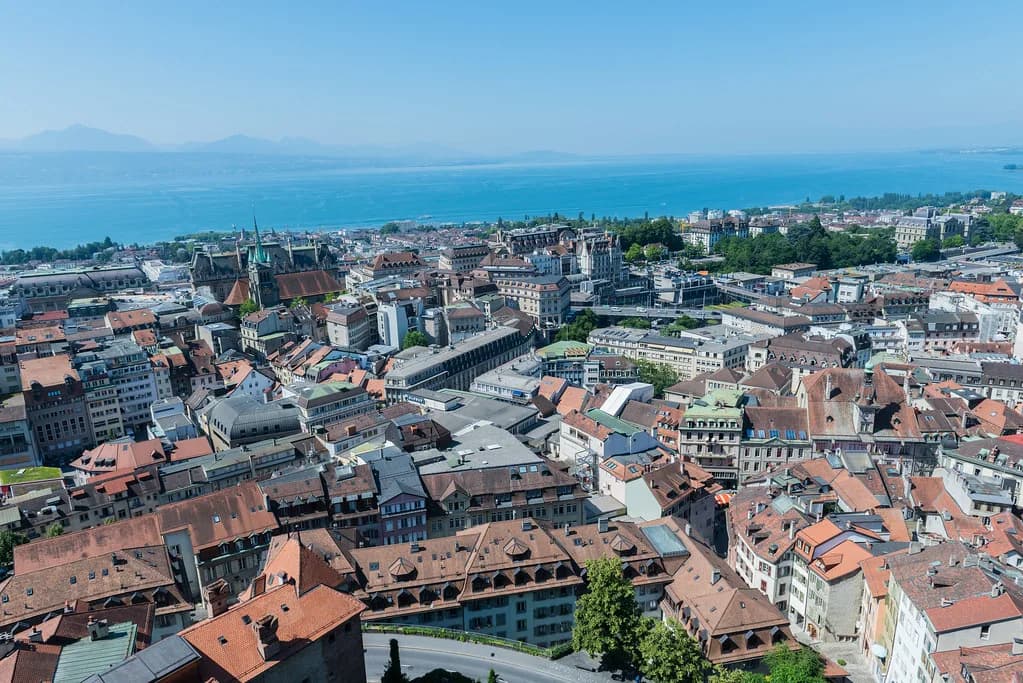
One day in Lausanne covers the cathedral and old town in the morning, one wing of Palais de Rumine before lunch, and the Ouchy lakeside in the afternoon, with the M2 metro saving you the climb back up. The city is compact on the map but stacked in layers above Lake Geneva (Lac Léman), so the order of your stops matters more than the distance between them.
Plan the day as a one-way route from high to low: start at the cathedral, walk down through the old town, and finish by the water. Lausanne rewards that vertical thinking, and everything on this route sits close enough together to be walked in a day.
What one day in Lausanne realistically covers
A single day gives you the essential Lausanne: the Gothic cathedral, a wander through the medieval lanes and the covered Escaliers du Marché, Place de la Palud and its clock, one museum wing in Palais de Rumine, and the flat lakeside promenade at Ouchy. That is a full but unhurried list if you accept two limits: one museum, not three, and no tower climb unless you cut something else.
The city sits on several steep hills above the lake, so short distances involve real vertical gain. Walking downhill where you can and riding the metro back up is the practical way to keep a one-day visit comfortable, and it is the principle behind the route order on this lausanne itinerary.
If you are weighing up how long the city really needs, the honest answer is that a day handles the highlights and a second day is what lets you add the lake beaches, the parks at Vidy or a vineyard walk. A weekend in lausanne turns this single arc into something slower and lets you split the old town and the waterfront across different mornings.
Start high: Lausanne Cathedral
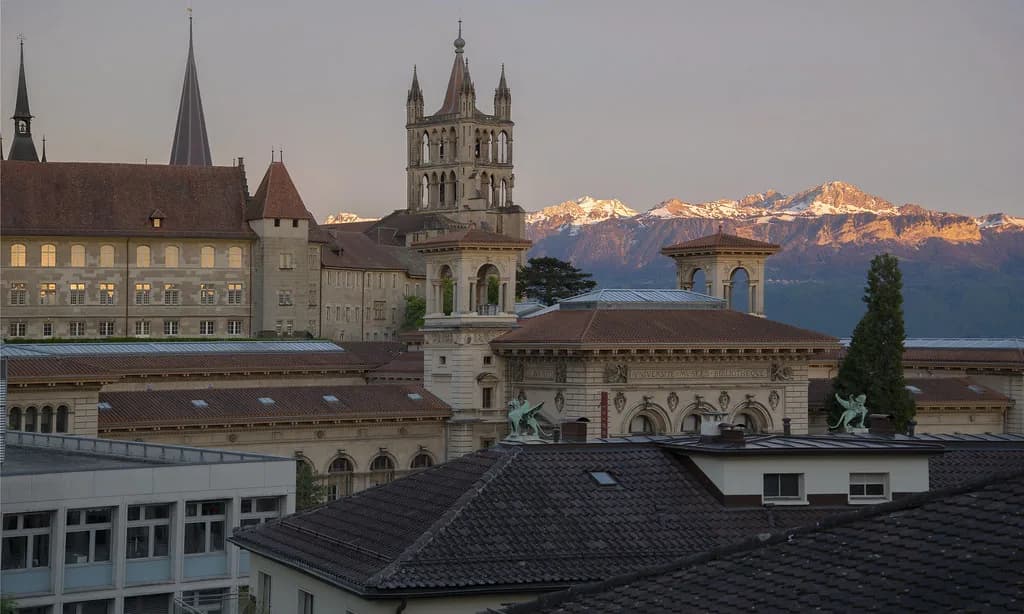
Begin at Lausanne Cathedral, the city's most recognizable landmark, sitting at the top of the old town and dating back to the 13th century. It is regarded as one of the most important Gothic buildings in Switzerland, and its position on the ridge means you see it long before you reach it.
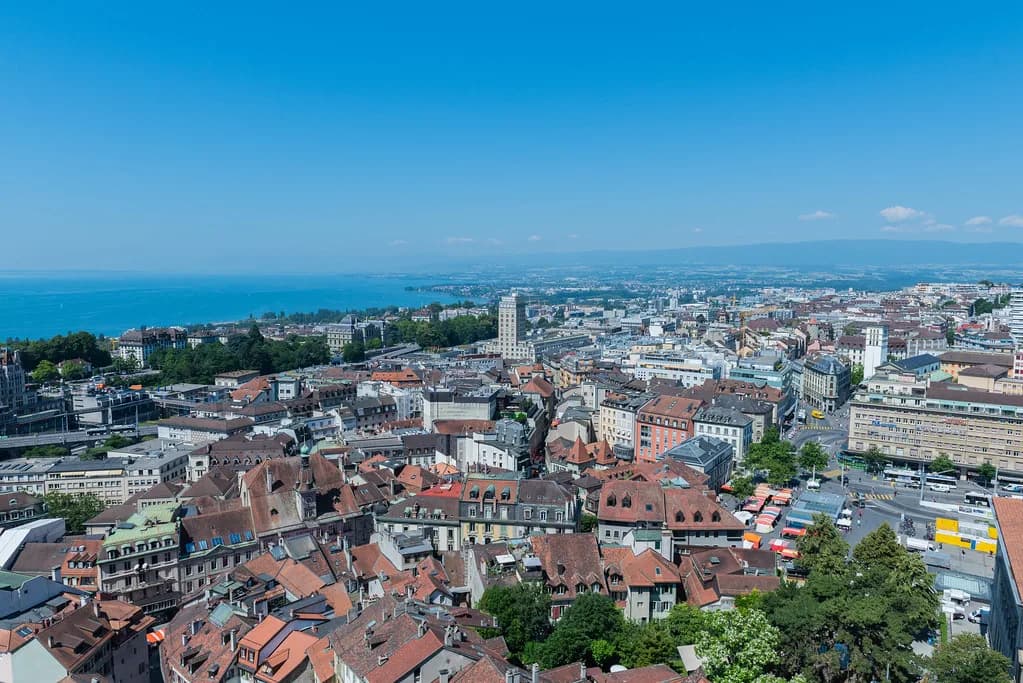
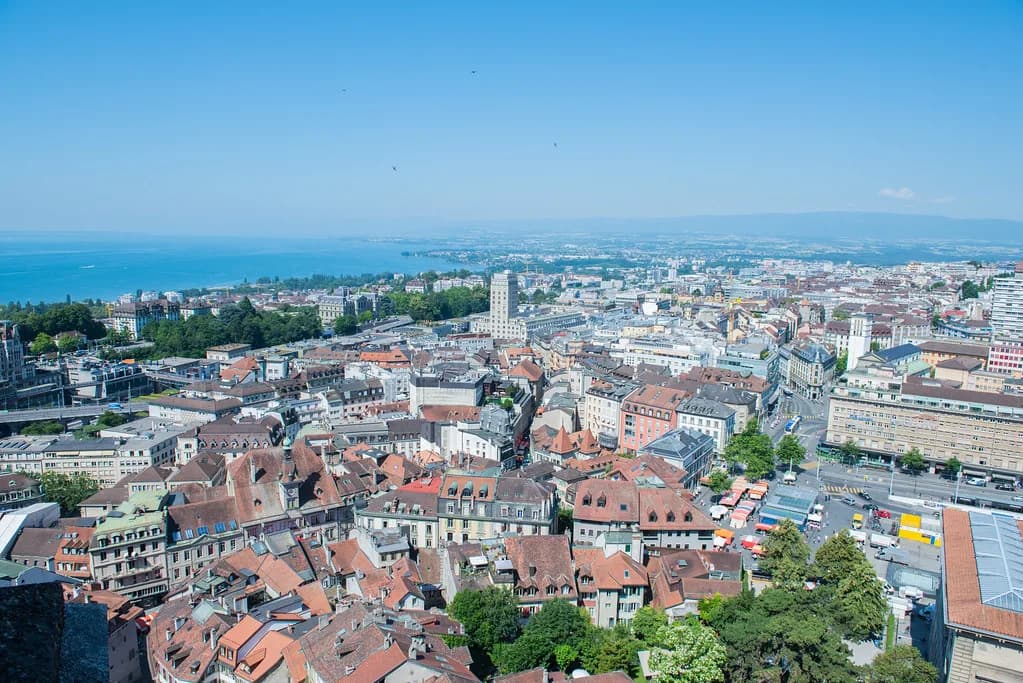
Give the cathedral and its immediate surroundings around an hour. If you have energy left, the tower offers a wider view over the city and lake, but treat the climb as optional: it costs you time and leg strength that the rest of the day needs.
Arrive early. The lanes around the cathedral are quiet in the morning, which makes the approach and the exterior far more pleasant than in the middle of the afternoon rush.
The old town on foot: Escaliers du Marché and the lanes below
From the cathedral, work your way down rather than back up. The old town is a mix of narrow streets, hidden squares, colorful façades and staircases, and one of its signature passages is the Escaliers du Marché, a covered wooden staircase linking the upper old town with the lower part of the city.
Budget about an hour for this descent, including stops. Some streets are lively and others almost silent depending on the time of day, so leave room to follow whatever catches your eye instead of treating the walk as a transit corridor between two sights.
If your day needs a Swiss-city comparison later in the trip, Zürich's Old Town is a flatter, more river-focused version of the same pleasure, and it is worth knowing how the two differ before you commit days to either.
Place de la Palud and its animated clock
Place de la Palud sits in the lower part of the old town and is easy to fold into your descent. The square is known for its animated clock, which tells stories from local history on the hour, so time your arrival loosely around that if you want to see it move.
Cafés, terraces and small shops ring the square, which makes it a natural short break rather than a destination in itself. A coffee and a look at the clock is enough unless you settle in for longer.
Lunch near the old town or Place de la Riponne
Take lunch in the old town or around Place de la Riponne, which puts you directly outside Palais de Rumine for the afternoon's first stop. Both areas keep you on the route instead of sending you back up a hill you have already descended.
Choose a sit-down place in the old town if you want a proper pause, or something quick near Riponne if you would rather spend the time inside a museum. Either way, plan the break before the museum rather than after, so you enter Palais de Rumine with fresh attention.
Palais de Rumine: pick one wing, not three
Palais de Rumine on Place de la Riponne houses several collections under one roof: the Fine Arts Museum, the Museum of Archaeology and History, and the Natural History Museum. The trade-off is explicit: pick one section and give it a proper hour rather than grazing all three and rushing the lake.
The building sits between the old town and the more modern parts of the city, so it fits naturally into a walking day. If museums are the main reason for your trip, this is where a second day pays off, which is what the question of how many days in lausanne really comes down to.
Check the day's opening hours for the branch you choose before you build the morning around it, since the day's shape depends on when the doors open.
Optional detour: Esplanade de Montbenon
If the weather is clear and you are ahead of schedule, add Esplanade de Montbenon just above the city center. The wide terrace gives one of the best views over Lake Geneva, with the Alps lined up behind it on clear days, and the Palais de Justice gives the space a formal backdrop.
This is your flexible stop, not a fixed one. Cut it if lunch ran long or the museum held you longer than planned, because the lake is the part of the day you do not want to lose to daylight.
Afternoon: the M2 metro down to Ouchy
Take the M2 metro from the center down to Ouchy. The line connects the lakeside area with the city center and climbs fast, which makes it the single most useful leg-saver in Lausanne, and hotels here typically give guests a free transport card covering buses, metros and trams for the length of the stay.
Ride down rather than walk down if your legs are tired from the morning, and save your walking for the flat waterfront. The promenade itself is level and easy, a welcome change from the city's slopes.
Ouchy promenade and the Éole sculpture
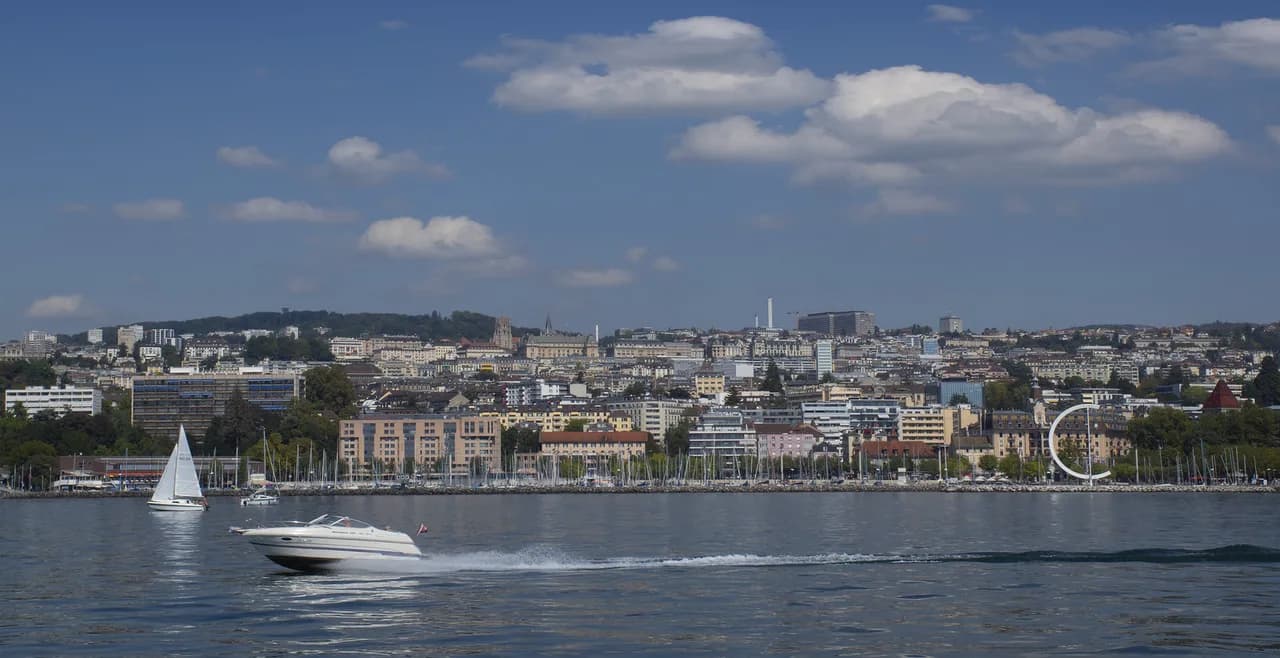
The Ouchy promenade runs along Lake Geneva with views across the water, boats coming and going, and the Alps in the background. It is flat and easy, and it works as the day's slowest, most rewarding stretch.
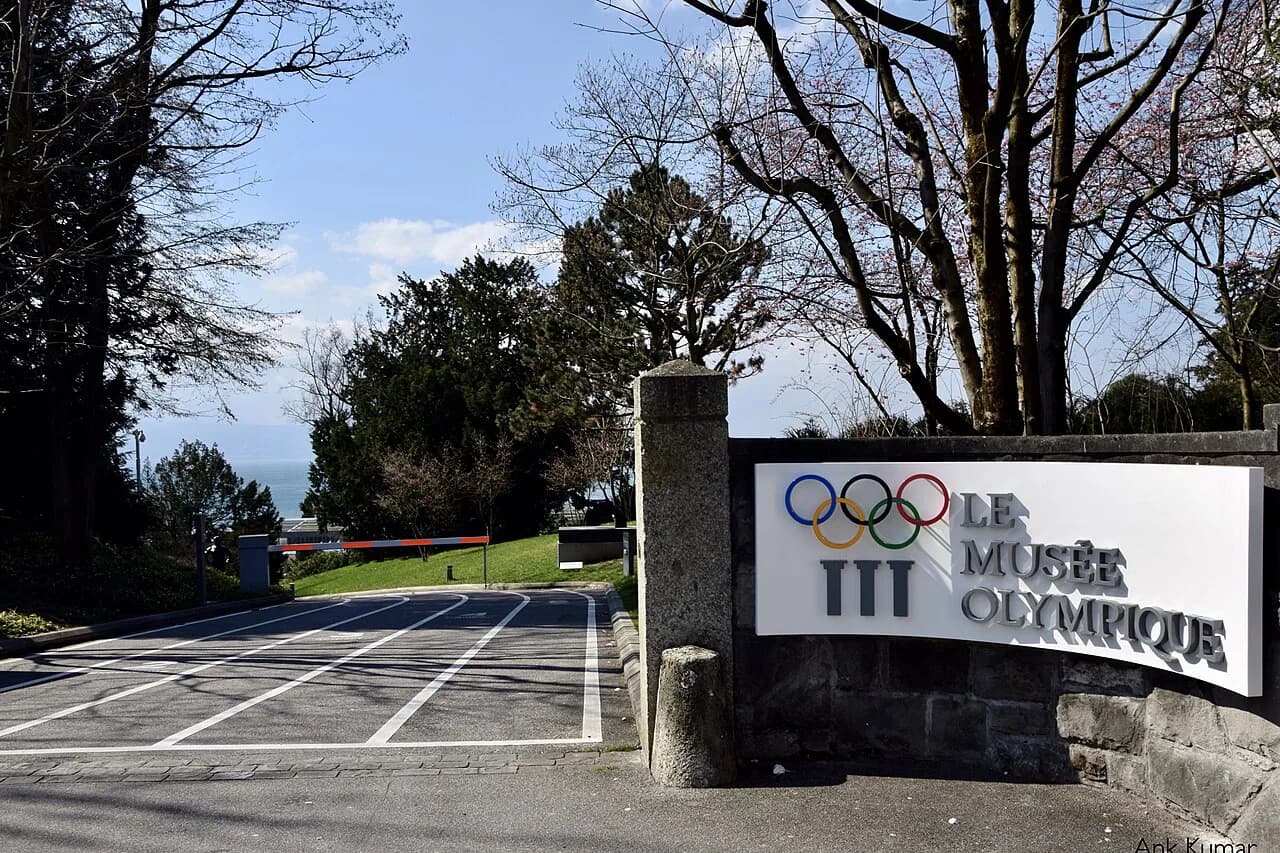
Walking toward the Olympic district brings you to the Éole sculpture, made of metal elements that move with the wind, so it never looks quite the same twice. It is a short pause rather than a sight to build the afternoon around, and it fits naturally on the walk.
If the day is warm, this is the point to sit by the water rather than push on. The waterfront is where a one-day visit stops feeling like a checklist.
The Flon district for a modern contrast on the way back up
Climb back toward the center and finish in the Flon district, Lausanne's modern quarter built around Esplanade du Flon. Once industrial, it is now a lively mix of architecture, shops, bars, restaurants and open pedestrian space, and it feels deliberately different from the medieval lanes you walked in the morning.
That contrast is the point. Instead of stacking church after church, the day ends in wide pedestrian streets, street art and a younger crowd, which gives a short visit a second mood.
If you are still deciding whether the city suits you at all, the honest framing of is lausanne worth visiting comes down to this split personality: a serious historic core up top and a relaxed lakefront below.
Evening: where to end depending on daylight and energy
In summer, end on the Ouchy promenade and watch the light change over the lake before riding the metro back up. In spring, autumn or winter, finish in the Flon district or the old town where the streets stay active after dark.
If you have energy left, a short evening walk through the old town after the day crowds thin is a different experience from the morning. If you do not, take the metro and call it a day; the route is designed to be cut at the lake without losing anything essential.
Comparisons with other Swiss cities are worth settling before you book, and lausanne vs geneva is the most common one travelers weigh. The short version is that Geneva is bigger and flatter along the water, while Lausanne asks you to work with its hills.
Timings, tickets and the money side
A realistic shape for the day: cathedral and old town from mid-morning, Place de la Palud on the way down, lunch around midday, one museum wing early afternoon, the M2 to Ouchy, and the promenade through late afternoon. Total walking is modest in distance and noticeable in climb, with the metro covering the biggest ascent.
Switzerland is expensive, and Lausanne is no exception, so build a buffer into the day for museum entry and coffee rather than discovering the cost at the counter. is lausanne expensive sets out the real costs in Swiss francs and what a city break actually adds up to, which makes the one-day budget easier to plan.
If you are choosing between Swiss cities for a short break, one day in lucerne is the lake-and-mountain-counterpart to this route and a useful benchmark for how far a single day stretches elsewhere.
When to go and how the seasons change the day
Spring temperatures typically range around 10 to 18°C, summer around 20 to 28°C, early autumn around 12 to 22°C, and winter around 0 to 7°C. These are typical seasonal ranges rather than a forecast, and they shape what the day feels like: the waterfront is at its best in warm weather, while museums carry a cold or wet day.
Late spring and early autumn give the best balance of good weather and a relaxed atmosphere for a walking route like this one. Summer is peak season, so start earlier if you want the old town lanes to yourself.
Plan Your Visit
One day in Lausanne works when you accept the geography: cathedral and old town first, one museum wing before the lake, then the M2 down to Ouchy and a flat waterfront walk to finish. Ride the metro back up rather than walking it, and leave the tower climb or the extra museum for a return visit.
Use the full Lausanne Attractions: 7 Visitor Guides set if you want detail on individual sights, or extend the trip with a weekend if the lake and the parks deserve more than an afternoon.
Explore more Lausanne guides
Frequently Asked Questions
Is one day enough for Lausanne?
One day covers the cathedral, the old town and Escaliers du Marché, Place de la Palud, one museum wing in Palais de Rumine and the Ouchy waterfront. It is enough for the essentials but not for the lake beaches, the Vidy parks or a vineyard walk, which need a second day.
How do you get around Lausanne in one day?
Walk downhill through the old town and use the M2 metro for the big vertical moves, especially between the center and Ouchy. Hotels typically provide a free transport card for the length of your stay covering buses, metros and trams, which makes the metro the easiest way back up the hill.
How hilly is Lausanne to walk in a day?
Lausanne is built on several steep hills above Lake Geneva, so distances are short but vertical. The old town lanes and staircases involve real climbing, which is why the sensible route goes downhill through the town and takes the metro back up rather than retracing the walk.
What should you not miss in Lausanne in a day?
The 13th-century cathedral and the covered Escaliers du Marché are the historic core, and the Ouchy promenade with the Éole sculpture is the lakefront highlight. Between them, pick one section of Palais de Rumine rather than trying to see all of its museums.
Where should you have lunch during a day in Lausanne?
Eat in the old town for a sit-down break or around Place de la Riponne if you want to move quickly into Palais de Rumine. Either keeps you on the downhill route instead of sending you back up a hill.
Should you climb Lausanne Cathedral tower?
Treat the tower as optional. It gives a wider view over the city and lake, but it costs time and leg strength, and on a one-day visit the lakefront is the part of the day worth protecting.
Sources
Notes for your Swiss city break
Optional updates to our Swiss city guides.
You might also like
Continue reading
More guides you'll find useful