How Many Days in Lausanne? One, Two or Three Days
Lausanne fits one packed day, two comfortable days or three days with the Olympic Museum and Plateforme 10. Here is what each length of stay covers.
On this page
Two days is the right answer for most visitors. One day in Lausanne means choosing between the Old Town and the lakefront museums rather than seeing both properly, and three days lets you add the Sauvabelin viewpoints and a slower morning at the market without squeezing anything.
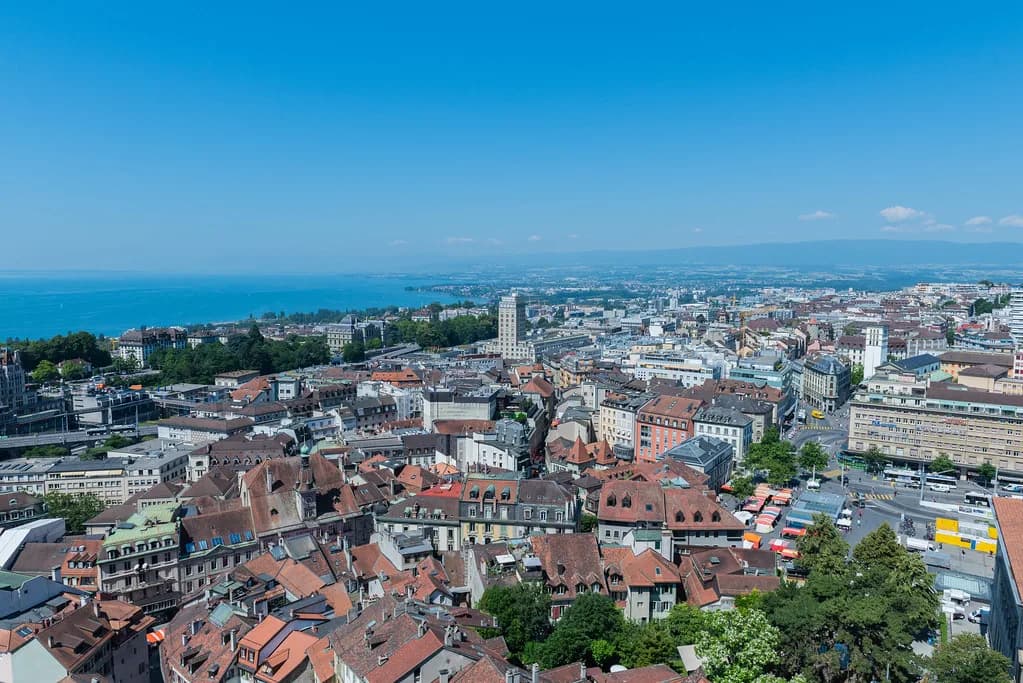
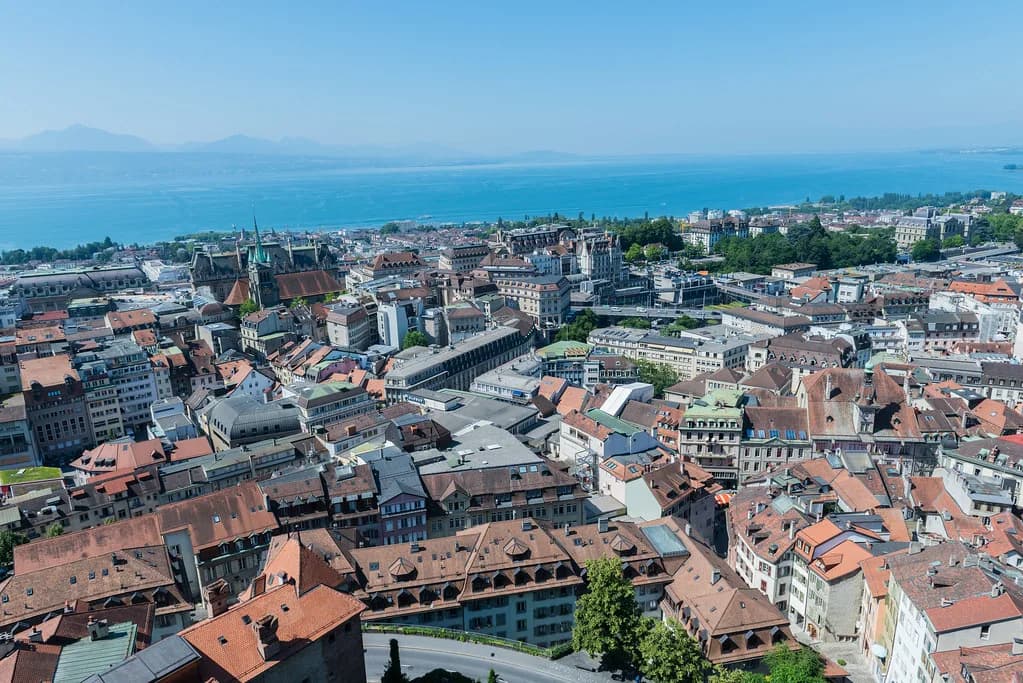
The city's shape decides this more than its sight list does. Lausanne stacks a medieval Old Town on a plateau above the Ouchy lakefront, and the climb between the two eats time and energy on every crossing, so a plan that hops up and down repeatedly fits far less than it looks like it should.
How many days in Lausanne: the short answer
Give Lausanne two full days. That covers the Old Town and cathedral, a half day at the Olympic Museum in Ouchy, the Plateforme 10 art district and a lakefront walk without rushing. One day is enough for a focused first visit if you accept that something gets left out; three days suits anyone who wants museums at a relaxed pace plus the forest viewpoints above the city.
Base the count on how you want to spend an afternoon, not on a checklist. If interactive exhibitions and Olympic history appeal, the Olympic Museum alone claims a good chunk of a day; if art is the priority, Plateforme 10 groups fine arts, photography and design under one ticket. Splitting your stay between the two halves of the city costs more time than adding a third day does.
What one day in Lausanne covers
A single day works best as one continuous walk through the Old Town, starting at the Escaliers du Marché, the covered stairway that is the city's most photographed corner, and finishing at the cathedral. Place de la Palud sits on the way and holds the cafés and terraces worth a stop. Keep the day on the plateau rather than adding Ouchy, because each descent and climb back up costs you a sight.
If you would rather spend the day on the lakefront, invert it: Olympic Museum first, then the Ouchy promenade along Lake Geneva, and treat the Old Town as an evening stroll. The trade-off is real either way, and a single day is honest about it. A fuller hour-by-hour sequence is laid out in our guide to one day in Lausanne.
The Old Town walk: Escaliers du Marché, Place de la Palud and the cathedral
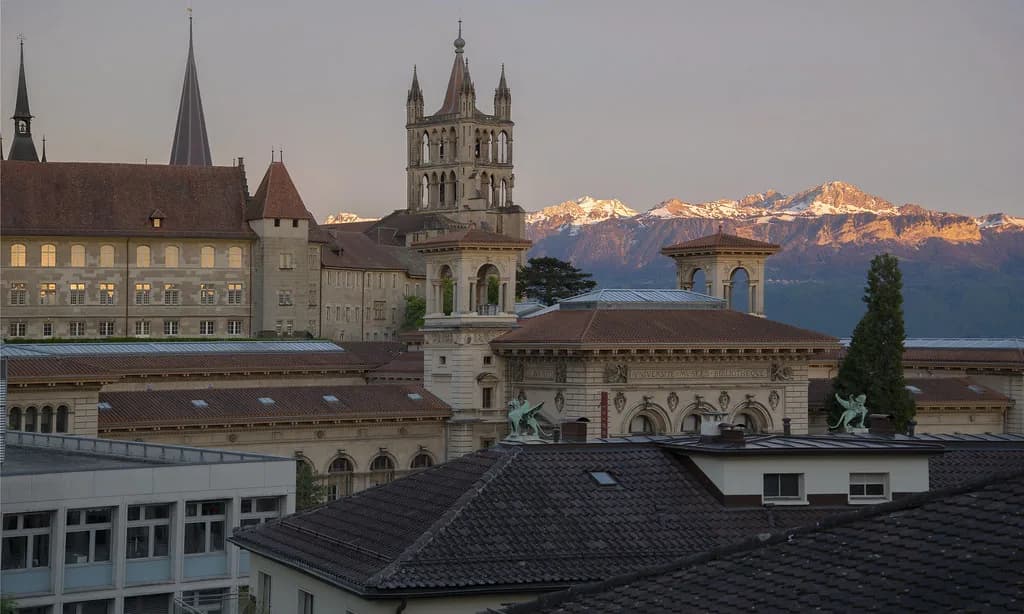
The Old Town rewards wandering rather than a route. From the Escaliers du Marché the lanes lead past independent shops and cafés toward Place de la Palud, and the cathedral closes the loop at the top of the ridge. Build in time to sit rather than tick off façades, since the appeal here is the texture of the streets as much as any single sight.
Pair the cathedral with the Escaliers du Marché in the same morning and keep the afternoon free. The cathedral also features as a stop on the panoramic walk that links several of the city's high points, which is a way to see it without a separate trip uphill. Our Lausanne Cathedral and Old Town pages in the wider collection of Lausanne Attractions go deeper on each stop.
The Olympic Museum: why it anchors a day at Ouchy
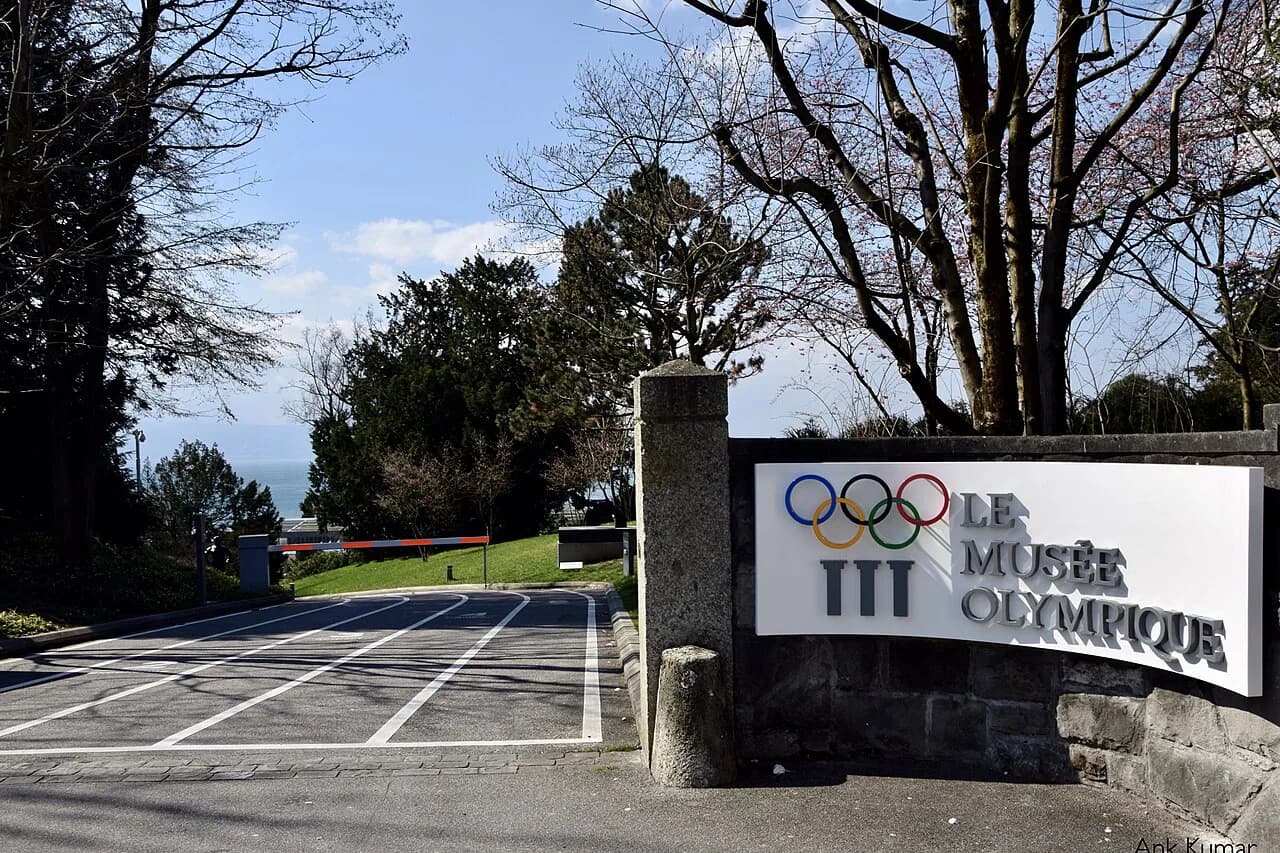
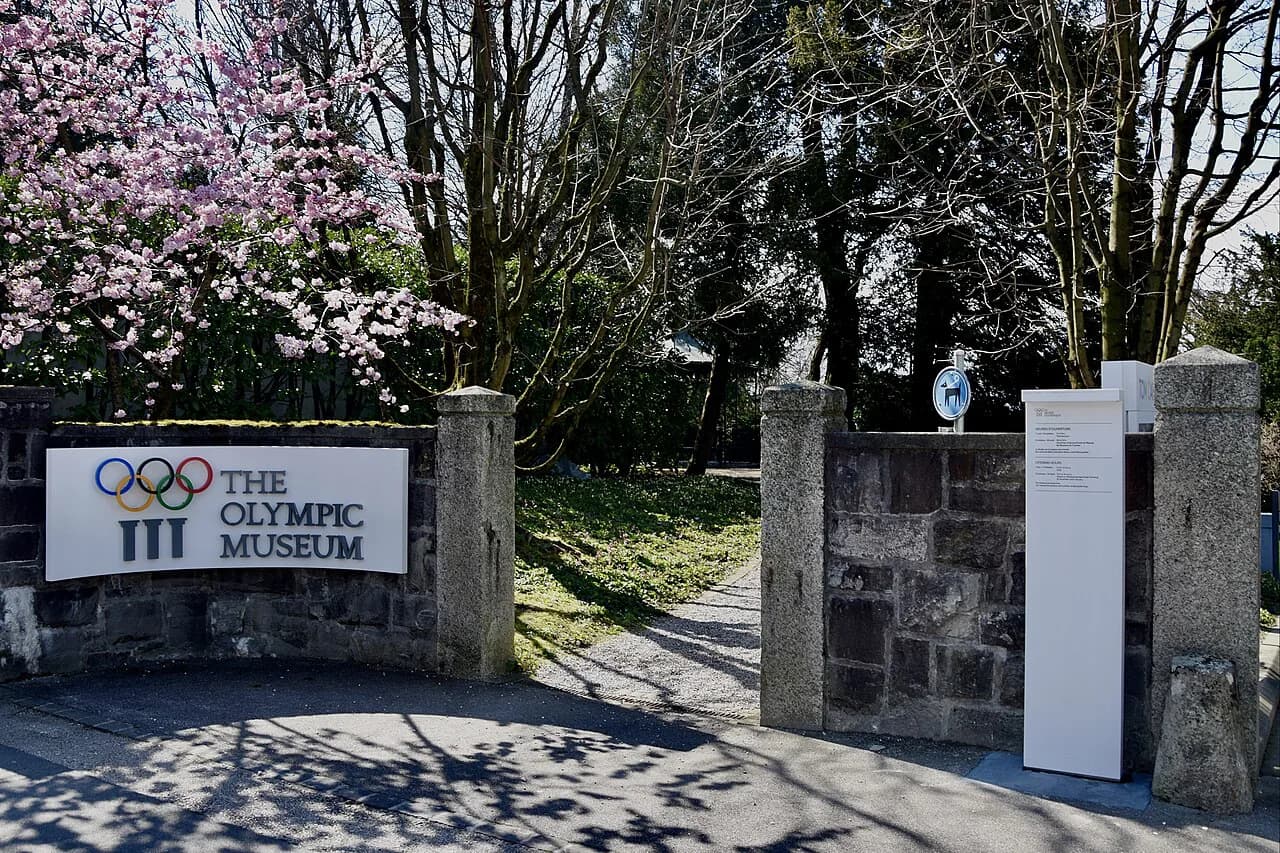
The Olympic Museum opened in 1993 and holds the world's largest Olympic archive, with interactive exhibits that work for adults and children alike. Admission is 20 CHF according to a 2024-dated travel guide, so treat that figure as a cited past rate and confirm the current ticket before you go. It sits at Ouchy, which makes it a natural half day paired with the lakefront rather than a quick stop between Old Town sights.
Give it a morning and walk the Ouchy promenade afterward, where the lake and the mountain backdrop do the rest of the work for free. Cramming the museum and a full Old Town circuit into one day is the most common way visitors end up seeing neither properly. If the museum is your reason for coming, say so when you decide how many days to book.
Two days in Lausanne: adding Plateforme 10 and the lakefront
With two days, use the first for the Old Town and the second for Ouchy and Plateforme 10, which occupies a former railway locomotive repair shed a short walk from the central station. A single ticket covers the museums and exhibitions across the site, quoted at 25 CHF in the same 2024 guide, and restaurants, cafés and arcades sit alongside the galleries so a rainy half day has an obvious home.
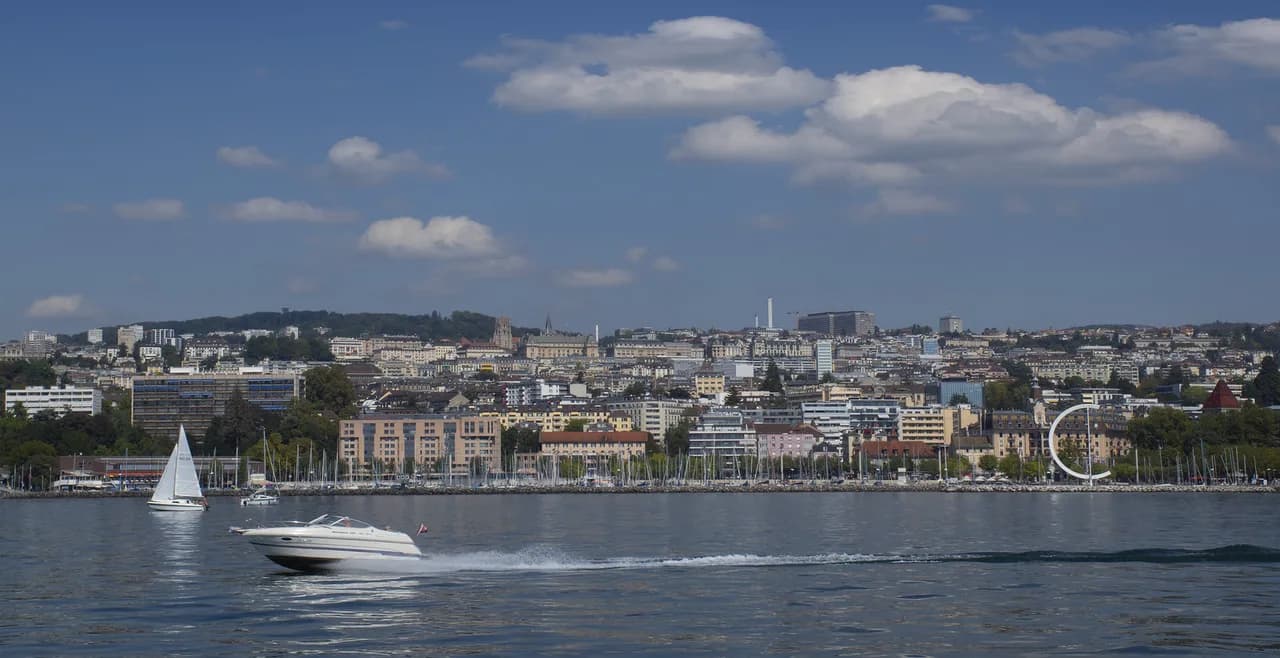
Finish with the Ouchy promenade, where boats, lakeside buildings and park greenery line the shore and a coffee stop comes with a view of Lake Geneva. This is the version of Lausanne most visitors should book: two unhurried days, one on each level of the city, with only one climb between them. Our weekend in lausanne plan follows exactly that shape if you want the days spelled out.
Three days in Lausanne: museums without rushing, plus the Sauvabelin viewpoints
A third day buys breathing room and the upper city. Walk the panoramic route through the forest to Sauvabelin Tower for a 360-degree view, with the Signal de Sauvabelin and Hermitage Park on the same wooded path. The tower and the viewpoints cost nothing, which balances a trip that otherwise leans on paid museums, and clear weather is what makes the climb worthwhile.
Use the rest of day three to return to whichever museum you rushed, or to take in a wine tasting: four wines at Domaine Croix Duplex were quoted at 20 CHF per person in 2024, a price to check before booking. Three days also absorbs a slow morning at the market without cutting into sightseeing.
When to add a fourth day
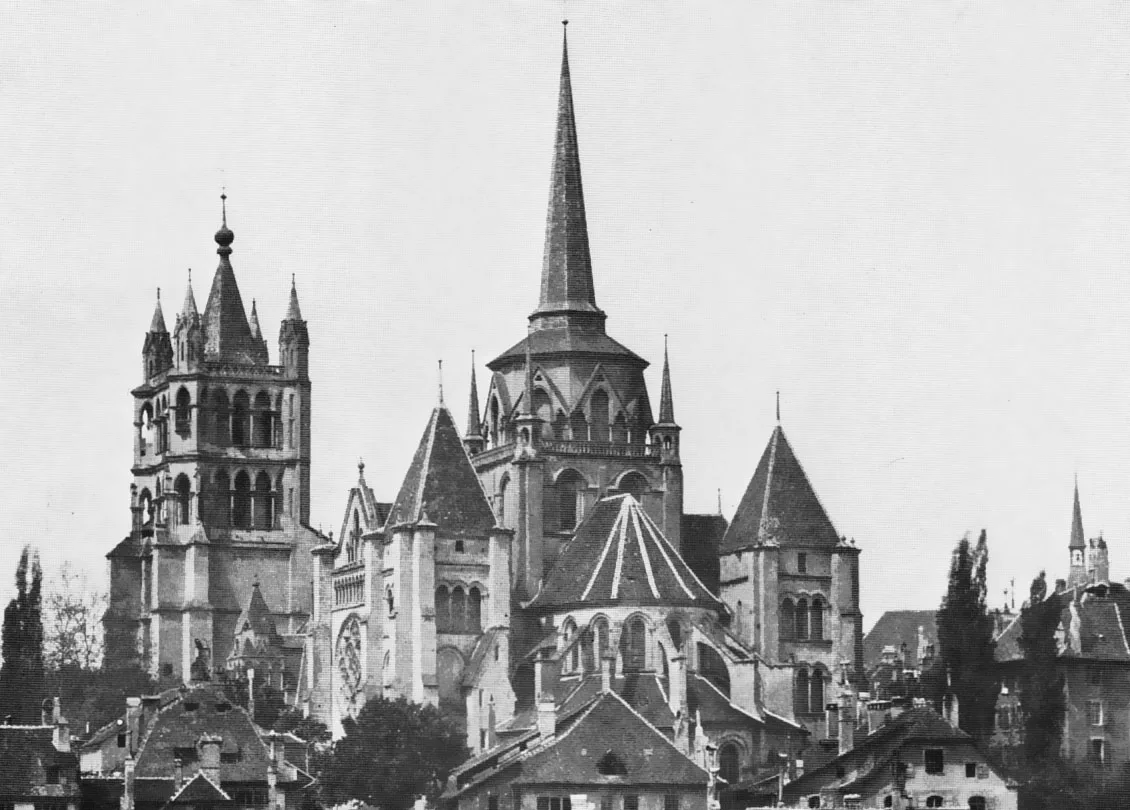
Add a fourth day if you want the Olympic Museum and Plateforme 10 on separate mornings with the lakefront in between, or if a market morning and a wine tasting both matter to you. Beyond that, Lausanne is compact enough that extra days start repeating the same streets, and the city works better as a base than as a week-long stay.
If you are weighing Lausanne against another Swiss city for the same slot, compare the sight density first. A short break in Lucerne or Zürich covers different ground, and our guides to how many days in lucerne and how many days in zurich make that comparison directly.
Where the city sits: the climb between Ouchy and the Old Town
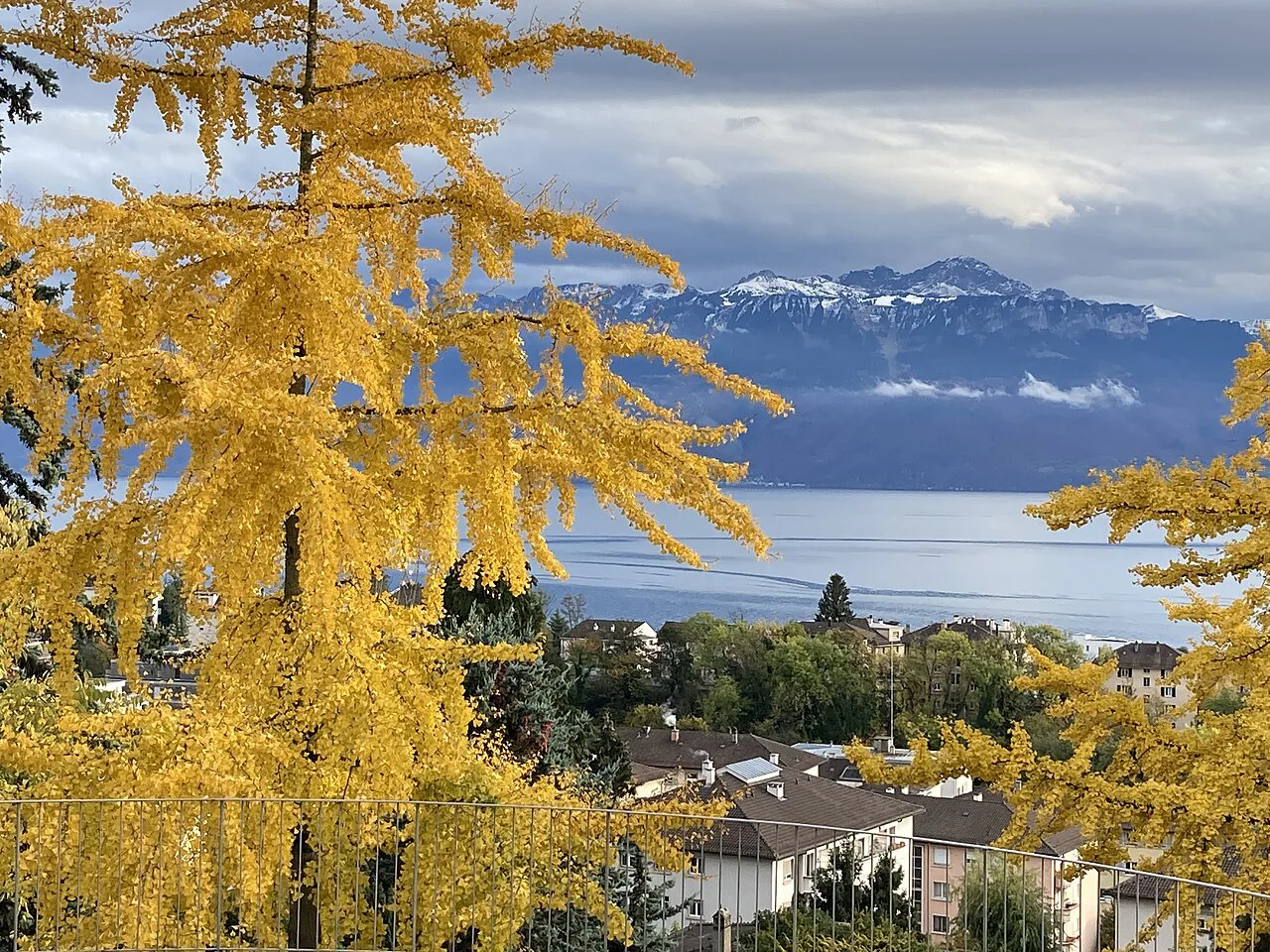
Lausanne is built in layers, with the Old Town on a plateau and Ouchy down at the lake, and the connection between them is steep. Plan one descent and one climb per day at most, and group sights by level: Old Town, cathedral and Place de la Palud together; Olympic Museum, promenade and Plateforme 10 in the lower city.
This single constraint explains most itinerary failures in Lausanne. A plan that lists five sights across both levels looks reasonable on paper and collapses in practice, because the transitions consume the time you meant to spend looking at things.
Costs in Swiss francs: museum and tasting tickets
Budget for the two big museums as the core of your spend. The Olympic Museum was quoted at 20 CHF and Plateforme 10 at 25 CHF for combined access in a 2024 guide, both figures worth checking at the ticket desk since museum pricing changes. A four-wine tasting at Domaine Croix Duplex came in at 20 CHF per person in the same guide.
Beyond tickets, Switzerland is expensive in ways that add up quietly, from coffee stops to lunches near the lakefront. If cost is the deciding factor in how long you stay, our breakdown of whether Lausanne is expensive walks through the real numbers before you commit to a third day.
Free and discounted options worth knowing
The free sights carry their weight here: Sauvabelin Tower, the Signal de Sauvabelin lookout, Hermitage Park, the Montbenon esplanade and the cathedral esplanade all cost nothing and fill a half day between paid museums. Hotels in Lausanne have been reported to include a Lausanne Transport Card covering local transport, but worth confirming the card and its coverage with your hotel when you book.
A single Plateforme 10 ticket covering several museums is itself a money-saver compared with paying per exhibition, and combining it with a free viewpoint afternoon keeps a two-day budget sensible.
Market mornings at Place de la Riponne
The town market runs on Wednesday and Saturday mornings from Place de la Riponne toward Place Saint-François, with stalls of baked goods, cheeses, meats, vegetables and flowers. A flea market alongside the Palais de Rumine adds second-hand books, antiques and textiles. If your dates are flexible, aligning a Lausanne day with a market morning is the easiest way to make the city feel lived-in rather than visited.
Because the market only appears twice a week, it is a scheduling constraint, not a filler. Build the morning around it and put a museum in the afternoon, since the stalls pack up by midday.
Lausanne in bad weather
Rain pushes you indoors, and Lausanne has two good answers: Plateforme 10's galleries under one roof and the Olympic Museum's interactive floors. Both are substantial enough to occupy a wet half day, which is why a two-day plan with one museum per day survives bad weather better than a single-day sprint.
Weather here is worth planning around rather than fearing. Cloudy days dull the panoramic views from Sauvabelin and the lakefront, so keep the free viewpoints for the clearest morning you have and move museums to the grey ones.
Common planning mistakes
The classic error is treating Lausanne as a half-day add-on to a Lake Geneva stop and then trying to fit the Olympic Museum, the Old Town and the lakefront into an afternoon. The second is ignoring the climb: plans that shuttle between Ouchy and the Old Town three times in a day rarely survive contact with the stairs.
The third is skipping the upper city entirely. Sauvabelin Tower and the forest paths above town give the best view of Lausanne and cost nothing, yet they drop off most short itineraries. Our honest take on whether Lausanne is worth visiting explains which of these trade-offs matter for different travelers.
Verdict: one, two or three days
Book two days for a balanced Lausanne visit that covers both the Old Town and the lakefront museums. Choose one day only if you will commit to a single half of the city, and choose three if museums and viewpoints deserve unhurried mornings, with the market and a wine tasting as bonuses.
Plan Your Visit
Decide your length by picking the two things you would regret missing, then build each day around one level of the city. The lausanne itinerary lays out the sequence day by day, and Lausanne is small enough that a well-ordered two days beats a scattered three.
Check current museum tickets and any transport card offer when you book, and leave one morning free for whichever of the market or the Sauvabelin viewpoints your dates allow.
Frequently Asked Questions
How many days do you need in Lausanne?
Two full days cover the Old Town, the Olympic Museum, Plateforme 10 and the Ouchy lakefront without rushing. One day is enough for a focused visit to either the Old Town or the lakefront museums. Three days add the Sauvabelin viewpoints, a market morning and a wine tasting.
Is one day in Lausanne enough?
One day works if you stay on one level of the city. Spend it on the Old Town walk from the Escaliers du Marché through Place de la Palud to the cathedral, or on the Olympic Museum plus the Ouchy promenade. Trying to do both in a day means a lot of climbing and little looking.
What can you see in Lausanne in two days?
Day one covers the Old Town, the cathedral and the market if your dates align. Day two covers the Olympic Museum at Ouchy, Plateforme 10 near the central station and the lakefront promenade. Grouping sights by level keeps the steep climb between the upper and lower city to once a day.
Is the Olympic Museum worth a half day?
Yes. It holds the world's largest Olympic archive with interactive exhibits that suit adults and children, and it sits at Ouchy, so pairing it with the lakefront promenade fills a morning or afternoon comfortably. Admission was quoted at 20 CHF in a 2024 guide, so confirm the current rate before you go.
What is there to do in Lausanne for three days?
Add the panoramic walk to Sauvabelin Tower and the Signal de Sauvabelin for a 360-degree view, plus Hermitage Park along the same forest path. Use the extra time for a slower museum visit or a wine tasting at Domaine Croix Duplex, where four wines were quoted at 20 CHF per person in 2024.
Are Lausanne museums open on Mondays?
Opening days vary between Lausanne's museums and change with the season, so there is no single Monday rule for the city: some, such as the Olympic Museum and Plateforme 10, may be open while others close. Look up each museum's own calendar before fixing your days, especially for a Monday. Check current details when you book.
Do you need a car in Lausanne?
No. The Old Town, Ouchy and Plateforme 10 are all reachable on foot, and hotels in Lausanne have been reported to include a Lausanne Transport Card covering local transport. Walking is still the practical way to see the city, with the climb between the lakefront and the Old Town the main thing to plan around.
When should you visit Lausanne?
Align your dates with the Wednesday or Saturday morning market at Place de la Riponne if you want the city at its liveliest. Keep the free viewpoints for a clear morning, since cloudy days dull the views from Sauvabelin Tower and the lakefront.
Sources
Notes for your Swiss city break
Optional updates to our Swiss city guides.
You might also like
Continue reading
More guides you'll find useful