Lausanne vs Geneva: Which Swiss City Suits Your Short Break?
Lausanne vs Geneva for a short break: compare steep old-town lanes, lakefront walks, international sights and the pace that fits your days.
On this page
Choose Geneva if you want a flat lakefront, big international sights and an easy arrival; choose Lausanne if you want steep old-town streets, a compact student-city feel and cathedral views above the water. The two cities sit roughly 45 minutes apart by train on Lake Geneva, so the decision is less about distance than about how you want to spend two or three days.
Geneva reads as cosmopolitan and formal, with the United Nations, the World Health Organization and the WTO anchoring its international quarter. Lausanne reads as younger and more relaxed, shaped by a large student population and the EPFL research campus. Both are French-speaking and both are expensive by any standard; the difference is in what your francs buy in time and energy.
The short answer
For a 36-hour break, Lausanne squeezes more variety into a small footprint: a cathedral quarter up top, stairways threading the old town, and the lakefront at Ouchy below. Visitors who prefer a compact, walkable city with a young buzz tend to favor it, and lakeside cafes make an easy afternoon.
Geneva suits travelers who want the big-name international institutions, a polished waterfront and the shortest possible transfer from the airport. It can feel bigger and busier, which some visitors find energizing and others find tiring on a short trip.
If the choice is still open and your priority is a base for seeing the region rather than ticking off a single city, Lausanne works well as a compact base with strong rail links. Read our guide to whether Lausanne is worth visiting before you commit.
How each city is laid out
Geneva wraps around the western end of Lake Geneva, with the waterfront, the old town on a low rise and the international quarter to the north. Distances are manageable on foot and the terrain is gentle, which matters if you are carrying bags or traveling with someone who tires easily.
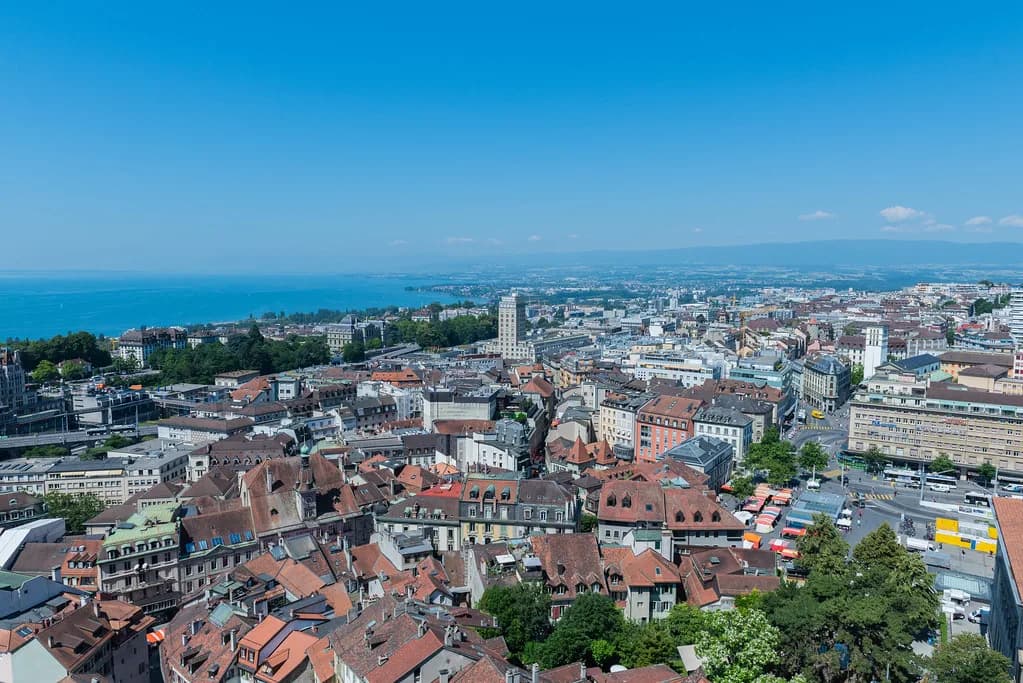
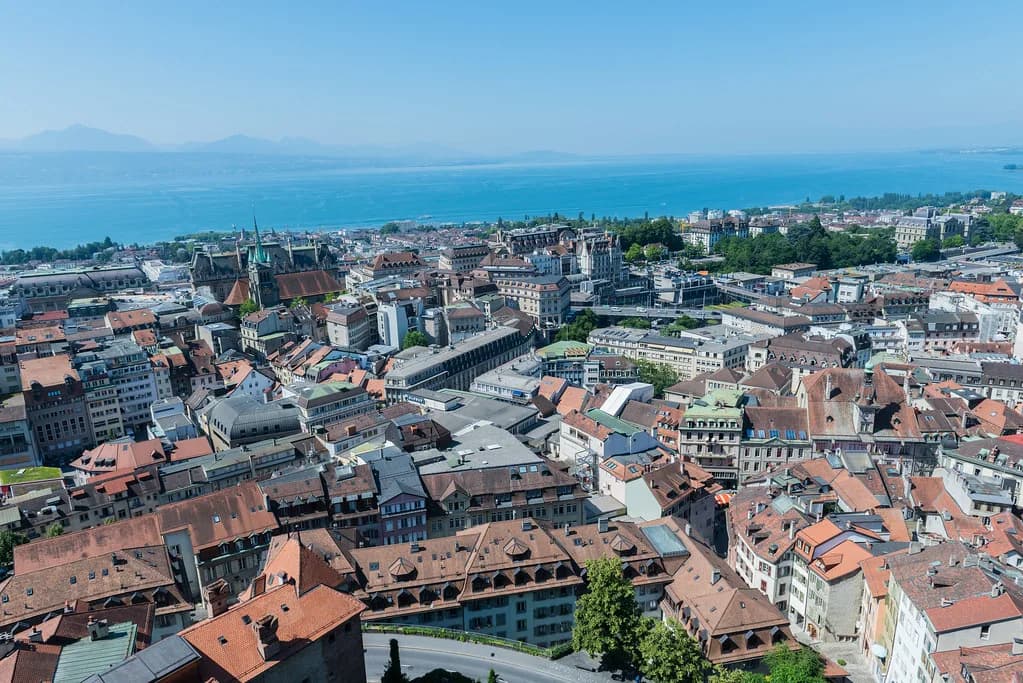
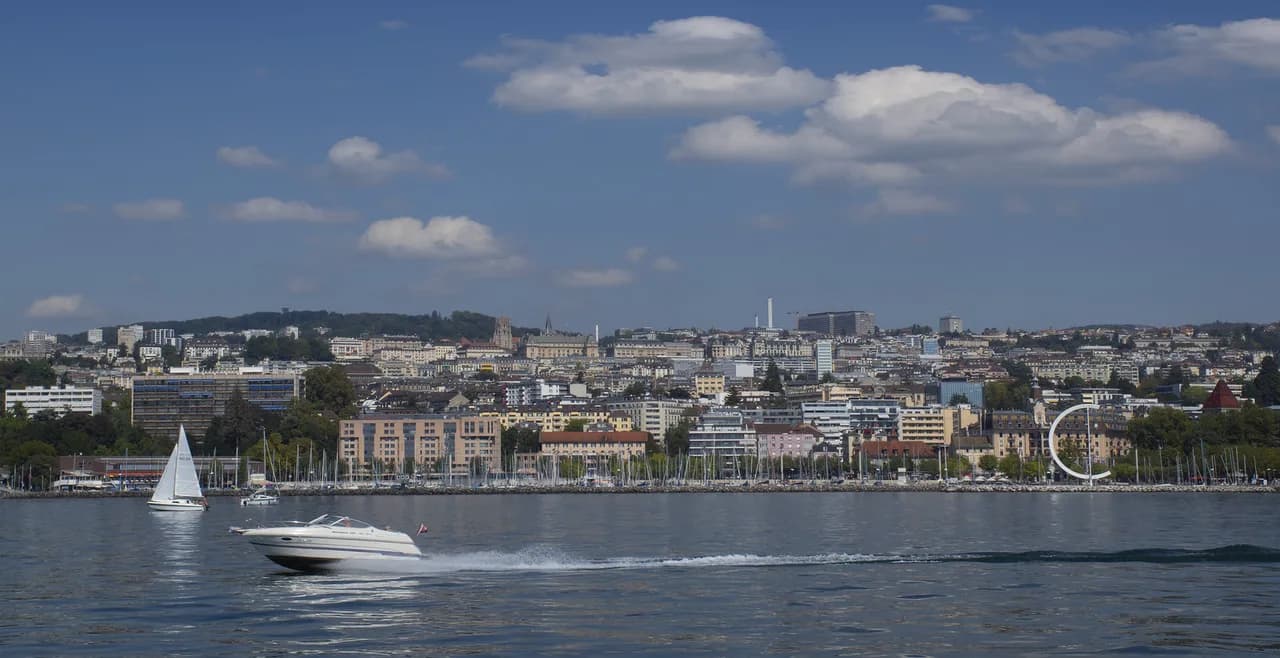
Lausanne is built on terraces above the lake, so the city drops sharply from the cathedral quarter down to Ouchy. That vertical layout is the single biggest practical difference for a short break: you either pace yourself on the slopes or you use the metro and the funicular to reset your altitude.
A useful mental map for Lausanne puts the cathedral and the old-town stairways at the top, the shopping core in the middle and Ouchy on the lake. Plan each half-day around one level and you avoid climbing the same hill twice. Our Lausanne attractions hub maps the clusters for you.
Geneva's core sights in a day and a half
Give Geneva a day and a half: a lakefront walk, the old town and a sweep through the international district. The lakefront and the old town fill one comfortable day, and the international quarter with the United Nations and the World Health Organization takes a half-day, since it sits away from the historic core.
Geneva's airport sits minutes from downtown with direct flights to major global cities, which makes it the smoother choice if your break begins or ends with a long-haul flight. Travelers staying in local hotels also get free public transport in the city, which removes a line from your budget.
Lausanne's core sights
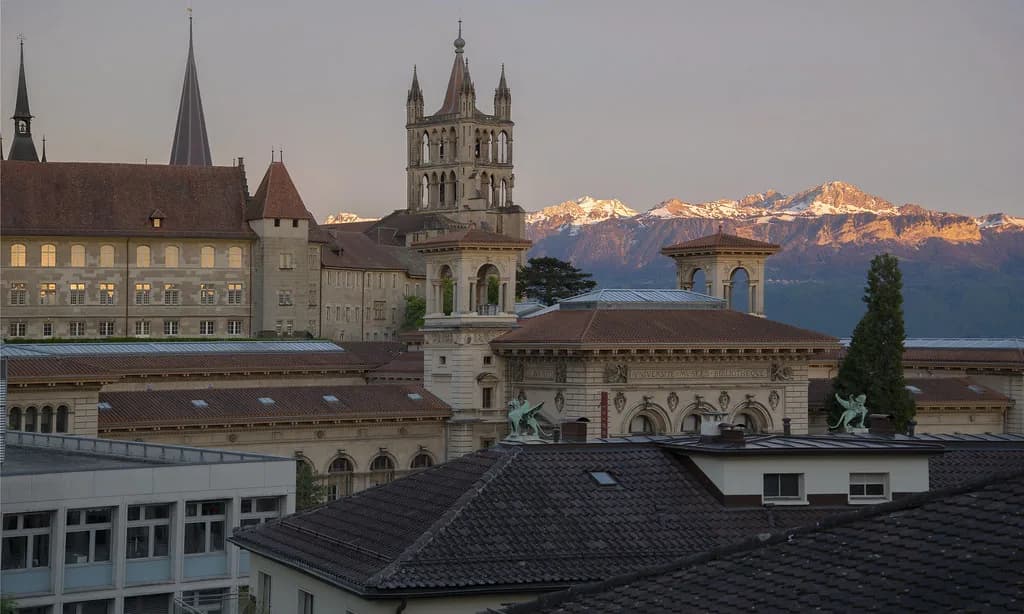
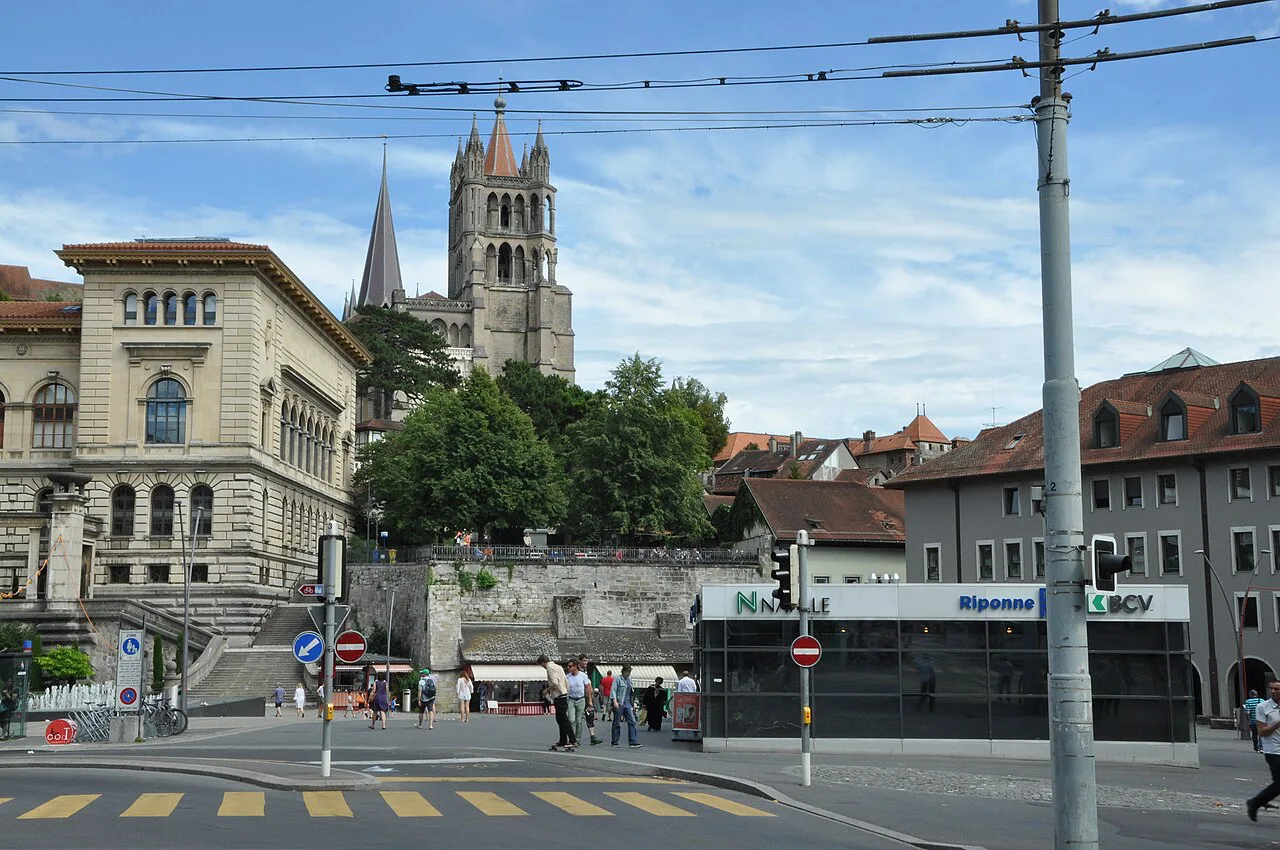
Lausanne's sights cluster tightly: the cathedral quarter at the top, the old-town stairways below it and the Ouchy lakefront at the bottom. The cathedral is the anchor of the upper town and the surrounding lanes reward slow walking rather than a checklist.
At Ouchy the mood changes to open water, boats and a long promenade. A half-day up top and a half-day at the lake is a realistic split for a first visit, with the metro covering the height difference in minutes.
If you are weighing whether two days is enough, our guide to how many days in Lausanne sets out what one, two and three days each add.
Walking times and hills
Walking in Geneva is mostly level, so a day on foot costs little more than the distance itself. Walking in Lausanne costs altitude as well as distance, and the climb from Ouchy to the cathedral quarter is the kind of slope that quietly eats an hour of energy.
The practical fix is to treat the metro as a lift rather than a sightseeing ride: ride up, walk down, and save your legs for the stairways you actually want to see. Lausanne's public transport is well regarded, so leaning on it does not mean missing the city.
Museum days and checking opening days
Build one indoor half-day into either city and keep it flexible, because a wet day on the lake is better spent under a roof. Swiss museums commonly close one day a week, often Monday, and smaller collections keep shorter hours than the big institutions.
Before you commit a day to a specific museum, confirm its opening days on the museum's own website and check whether it needs a timed ticket. That single check matters more in a two-day break than any other planning step.
Costs side by side
Geneva is generally the more expensive of the two across housing and daily expenses, while Lausanne is slightly more affordable but still Swiss-priced. Salaries in Geneva tend to run higher in finance, international law and diplomacy, which matters little on a short break but shapes the city's mood and price level.
Treat a city-break budget as three separate lines: attraction tickets, coffee and snacks, and local transport. Attraction prices and any day-pass rates in Swiss francs belong on the official ticket pages for each sight, so check them there rather than trusting a number quoted in a general comparison.
Money-saving levers
Geneva gives visitors staying in local hotels free public transport, which is the most concrete saving available on a short break there. For rail travel between the two cities and around the region, price your plans against a Half Fare Card or a Swiss Travel Pass before buying point-to-point tickets, since the right answer depends on how many days you will travel.
In Lausanne, the savings come mainly from choosing free sights: the lakefront promenade, the old-town lanes and the cathedral quarter cost nothing to wander. Our breakdown of what a Lausanne city break actually costs separates the unavoidable from the optional.
When to go
Both cities share the Lake Geneva climate, with warm summers, cold winters and changeable weather in between; treat any figures you see as typical averages rather than a forecast. Summer gives long evenings on the water in both cities, while spring and autumn bring quieter streets and better value on the ground.
Geneva's calendar leans on international events and conferences, which can tighten availability in the city at short notice. Lausanne's rhythm follows the academic year, so term dates shape how busy the center feels.
Where Lausanne wins for a short break
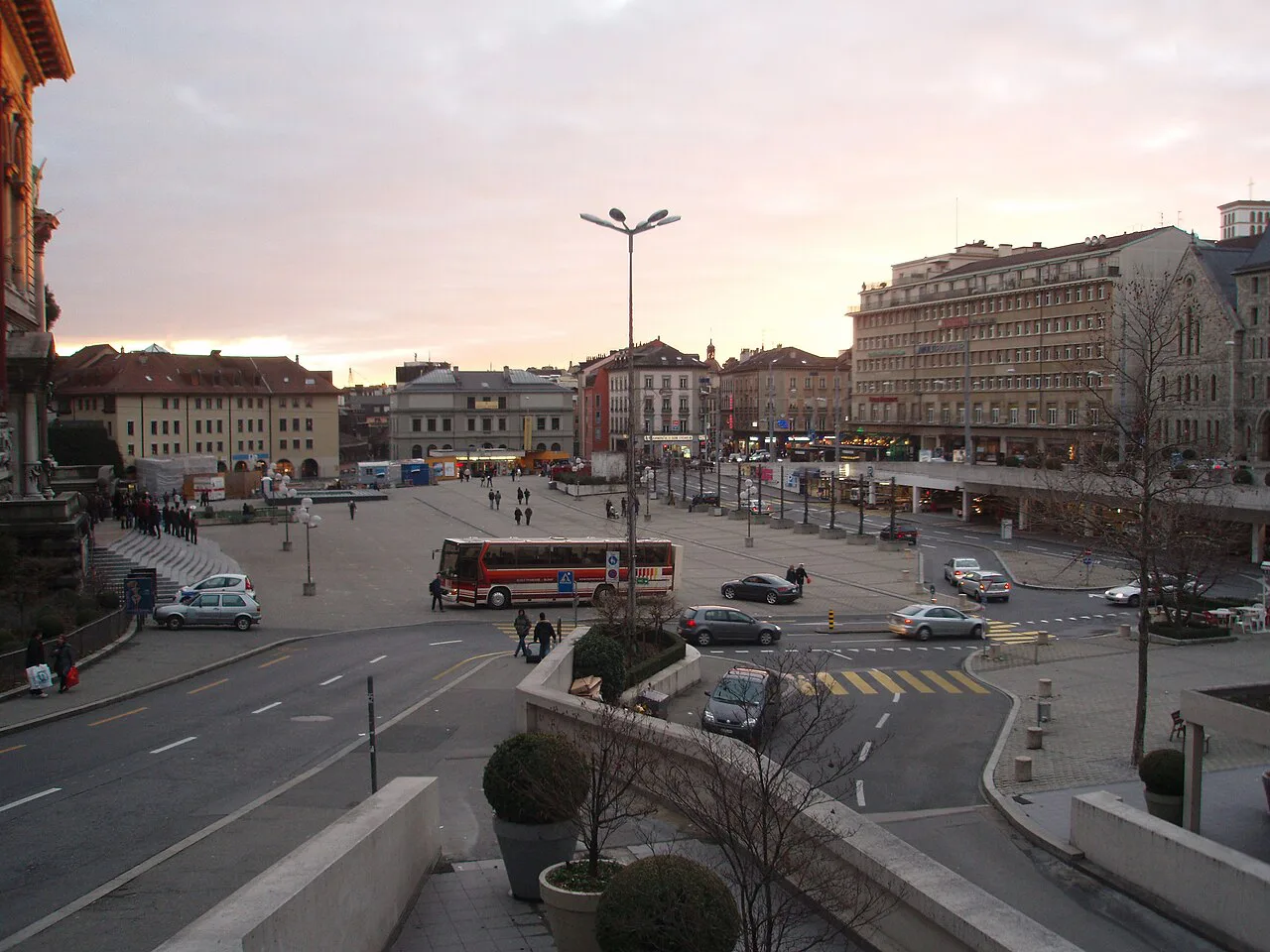
Lausanne wins on compactness and variety per hour: cathedral, stairways and lakefront within one city and one transport network. It also has the younger, livelier atmosphere that many short-break travelers are looking for, and easier social connections if you are traveling alone.
It is also the better value of the two on the ground, which stretches a tight budget across an extra dinner or an extra night. If your trip leans toward wandering rather than ticking off institutions, Lausanne rewards that instinct.
Where Geneva wins for a short break
Geneva wins on arrival, with an international airport minutes from the center and direct flights to major global cities. It also wins on the weight of its institutions: the United Nations, the World Health Organization and the WTO give the city a political and diplomatic character Lausanne does not attempt.
Families and travelers who value flat, predictable walking will find Geneva gentler, and its lakefront is easier to enjoy without planning. If you are also comparing Switzerland's larger cities, our Zürich vs Geneva breakdown covers the other axis of the decision.
Two-day Lausanne plan and two-day Geneva plan side by side
For Lausanne, spend day one on the upper town: cathedral quarter, old-town stairways and a slow lunch, then ride down to Ouchy for the evening light. Day two takes the lakefront properly, with a walk along the water and a museum half-day if the weather turns. Our lausanne itinerary sequences the days in detail.
For Geneva, give day one to the lakefront and the old town on foot, and day two to the international quarter plus a museum. That leaves arrival and departure days light, which is the right trade for a 36-hour visit.
If you have closer to three days, Lausanne gains more from the extra time because the surrounding terraces and lakefront open up. A weekend in lausanne is the natural format for that length of stay.
Verdict: Pick by Pace, Not by Ranking
Pick Lausanne if you want hills, stairways, a cathedral above the lake and a compact city you can cover on foot with a metro assist. Pick Geneva if you want flat walking, international institutions and the easiest airport transfer on Lake Geneva.
Neither city is a consolation prize, and the 45-minute train ride between them means you can visit one from the other if curiosity wins. Choose the pace that matches your energy, then build the days around terrain rather than a list.
Explore more Lausanne guides
Frequently Asked Questions
Which city is better to visit, Lausanne or Geneva?
It depends on pace. Lausanne packs a cathedral quarter, old-town stairways and the Ouchy lakefront into a compact, hilly city with a young feel. Geneva offers a flatter waterfront, the international district around the United Nations and the quickest airport transfer on the lake.
Is Lausanne hillier than Geneva?
Yes. Lausanne is built on terraces above Lake Geneva, so the city drops sharply from the cathedral quarter down to Ouchy, and the climb costs real energy. Geneva spreads around the western end of the lake with mostly gentle terrain, which makes walking easier.
Can you see Lausanne in one day?
One day covers the upper town and the lakefront if you use the metro to handle the height difference. Give a half-day to the cathedral quarter and the old-town stairways, then ride down to Ouchy for the promenade and evening light.
How many days do you need in Geneva?
A day and a half works well: one day for the lakefront and the old town on foot, and a half-day for the international quarter with the United Nations and the World Health Organization. Add a museum half-day if the weather turns.
Is Geneva or Lausanne more expensive for a few days?
Geneva is generally the pricier of the two across housing and daily expenses, while Lausanne is slightly more affordable but still Swiss-priced. Plan your budget as three lines: attraction tickets, coffee and snacks, and local transport, checking ticket prices on official sites.
Sources
Notes for your Swiss city break
Optional updates to our Swiss city guides.
You might also like
Continue reading
More guides you'll find useful