
Basel Paper Mill: A Hands-On Museum of Paper, Writing and Printing
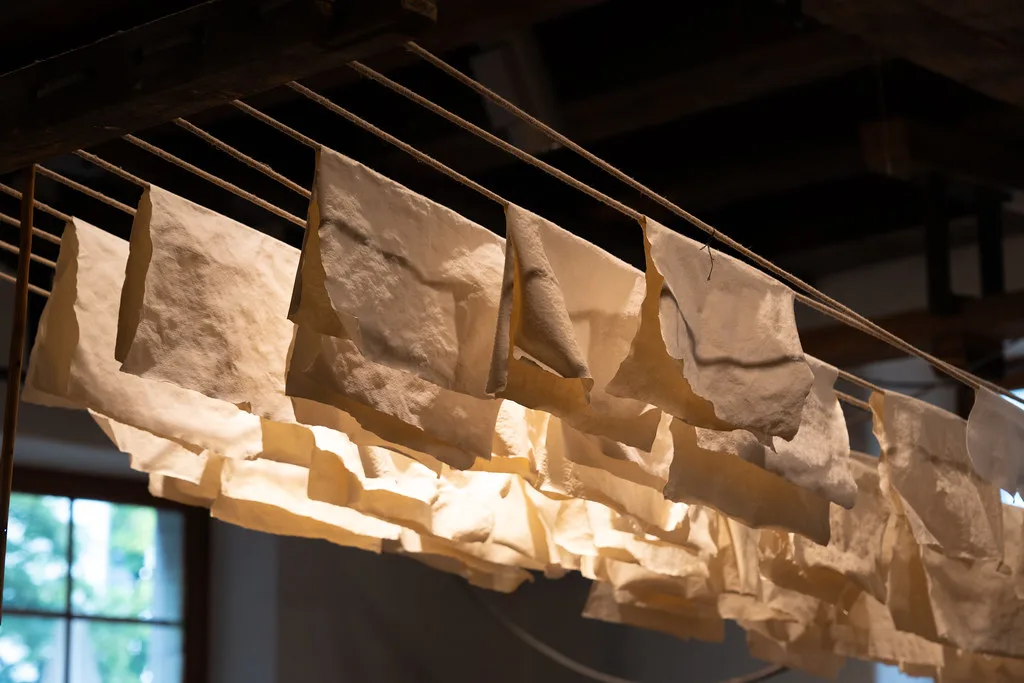
The Basel Paper Mill, or Basler Papiermühle, is the museum to pick when you want to do something with your hands rather than look at glass cases. Housed in a medieval mill, it follows the path from handmade paper to the finished book across four floors that mix exhibition rooms with working workshops.
The draw is sensory: the stamping mill pounds, fresh ink smells, and the printing press clatters while visitors try the steps themselves. Plan on a half-day rather than a quick stop, and go on a day when the hands-on rooms are open.
What the Basel Paper Mill Is, and Why It Earns a Slot
This is a production space as much as a collection. Spread over four floors inside a medieval paper mill, the museum shows the way from handmade paper to the finished book, with exhibition areas alongside working workshops where the old machines still run.
That mix is the reason to come. Visitors describe walking through papermaking, printing on paper and binding it, with the chance to make a sheet themselves instead of only reading about it. If your Basel time is short and you have already booked the big art museums, this is the change of pace, and it slots easily into a realistic basel itinerary that groups sights by area.
The museum bills itself as the Swiss Museum for Paper, Writing and Printing, and it leans into that brief with a hands-on setup aimed at children and adults at once. Expect noise and activity rather than a hushed gallery.
Where It Sits: A Medieval Mill in Basel
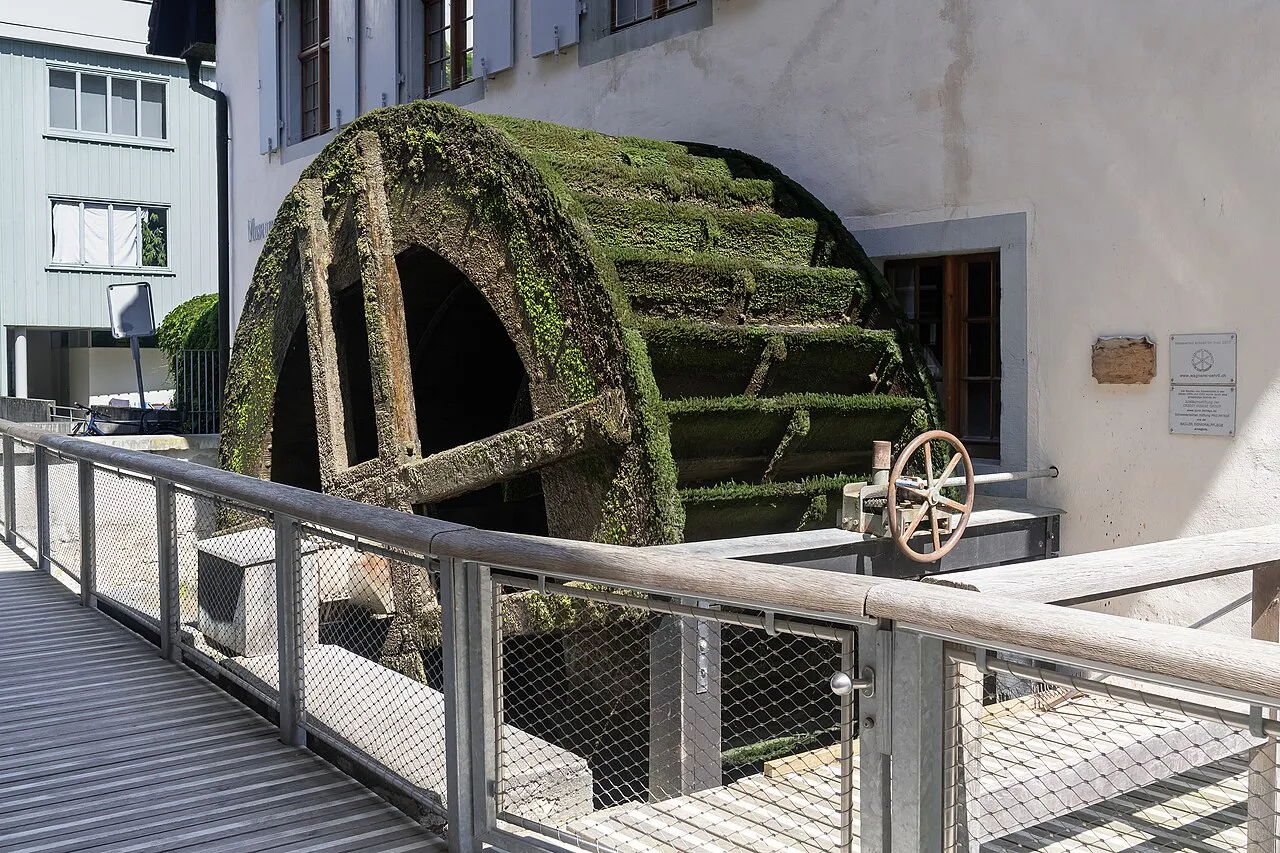
The museum occupies the walls of a medieval paper mill, which gives the visit its atmosphere: old masonry, wooden machinery and the sense of a workshop that once ran on water power. The building itself is part of the exhibit.
The collection and workshops are stacked across four levels, so you move upward from raw pulp toward the finished book. Keep that vertical layout in mind when you plan the visit, because stairs link the floors and you will go back down the same way.
Opening Days at a Glance
The museum opens Tuesday to Friday from 11:00 to 17:00, Saturday from 13:00 to 17:00, and Sunday from 11:00 to 17:00. It is closed on Monday, so a Monday in Basel is the day to put the Kunstmuseum or a walk along the Rhine instead.
Note the late Saturday start. A Saturday morning slot suits a market stroll or a coffee before the doors open at 13:00, and then the afternoon is yours at the mill. The museum posts holiday information on its Hours & Admission page.
Hands-On Stations: Making Paper, Printing, Marbling and Pen and Ink
Visitors are able to watch paper being made and then try their hand at it, mashing pulp and water and pulling a sheet. That station alone can absorb a good stretch of the visit.
Beyond papermaking, visitors report marbling with watercolor designs, printing text, and writing with pen and ink. Each station rewards patience more than speed, so build in time to wait your turn at the popular ones.
The museum describes how experts demonstrate and explain each step of paper production on the old machines. Watching a demonstration before trying the step yourself makes the process click, particularly for children.

The Letterpress Print Shop and Historic Presses
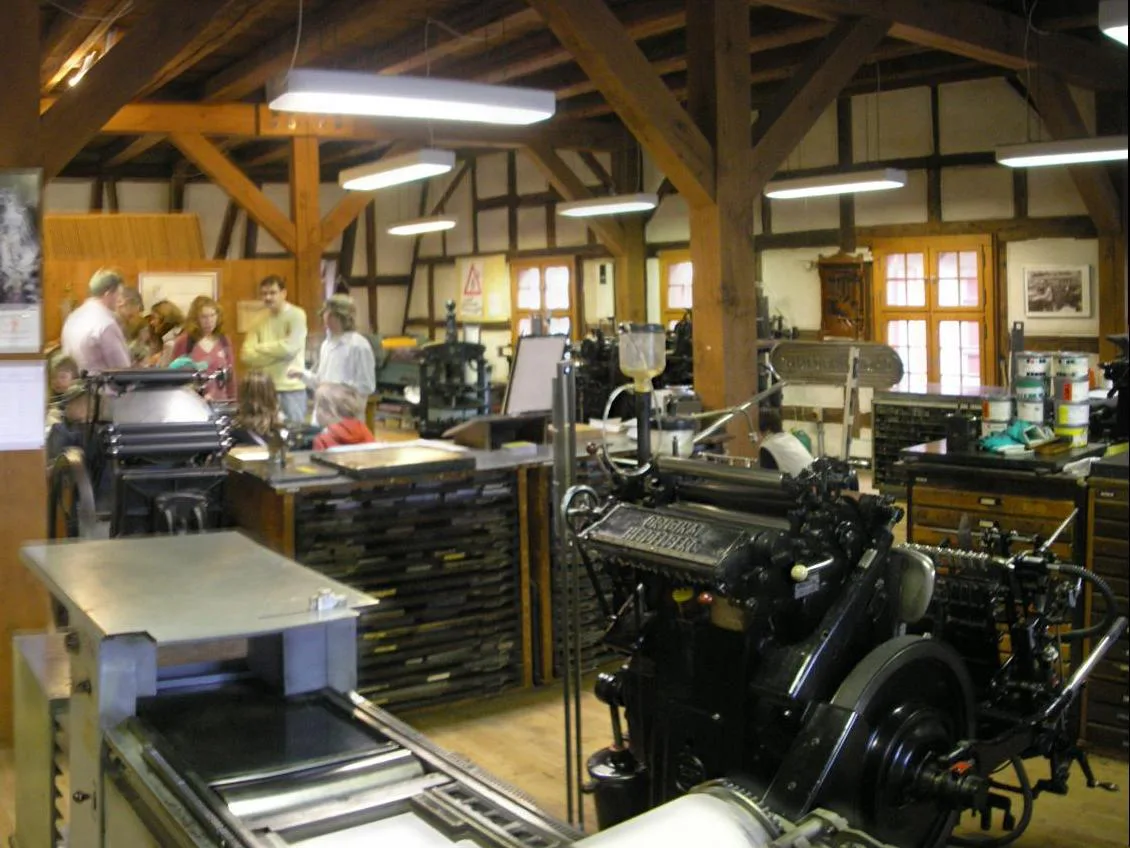
Upstairs, a full letterpress print shop is set up around original presses, including a Heidelberg press. For anyone who has only seen printing on a screen, the physical weight of the type and the mechanics of the press are the highlight.
Print samples in the museum shop include bookplates, the decorative labels used to mark book ownership. That makes the shop a natural last stop, and a place to pick up paper or printed goods made in the building.
How Long to Stay, and Pacing Four Floors with Children
Budget at least two to three hours. The papermaking floor, the print shop and the bookbinding level each deserve real time, and trying a station takes longer than watching one; rushing the top floor is the usual mistake.
With children, go bottom-up and let them finish a hands-on station before moving on, since the workshops are the reason they will stay engaged. The museum is designed for families, and reviewers single out the many opportunities to do things yourself as the best part for children.
If you only have an hour, choose the papermaking floor and the print shop and skip the rest. Traffic on the stairs and in the workshops is the main reason a short visit feels hurried.
Tickets and Admission Details
Admission prices are listed on the museum's Hours & Admission page, and that is the figure to plan around. Buy or check tickets there before you go, because rates change.
There is also a cafe and restaurant on site, along with a museum shop, so a visit can stretch across lunch without leaving the building. The museum publishes contact details for tours and room rental on the same site if you are bringing a group.
Getting There and Finding the Entrance
The mill sits in the medieval fabric of Basel, and the entrance is part of the old building rather than a modern lobby. Allow a few minutes to orient yourself on arrival and look for the museum signage before heading in.
Directions, including public transport and parking, are set out on the museum's own site. Check it the day before, since the walk from the nearest stop is part of the visit.

What Is Nearby When You Leave
The museum sits within reach of Basel's old town, so it pairs well with a walk past the Basler Münster and the Marktplatz with its red town hall. Both are compact stops that fit around a half-day at the mill, and you can slot them into a wider basel itinerary covering Greater Basel and Lesser Basel.
If you want a second museum the same day, the Fondation Beyeler in Riehen is the strong choice for modern art, with a Renzo Piano building and a park setting. It is a different kind of visit, so save it for a fresh morning rather than squeezing it in after the mill.
Practical Trade-Offs: Crowds, Language and Timing
The hands-on stations are the crowd magnets, and weekend afternoons draw families, so a weekday morning after the 11:00 opening is the calmer window. Saturday visitors should note the 13:00 start and plan accordingly. If you are weighing dates, our guide to the best time to visit Basel covers how crowds and weather shift month by month.
The museum publishes its site in English as well as German and French, so language is not a barrier for a US or UK visitor. Staff-led demonstrations carry the visit anyway, and the machines speak for themselves.
The trade-off is depth versus breadth: the mill rewards a slow half-day, and a rushed hour gives you the papermaking floor but little else. If your Basel plan is packed, slot it into a morning and let the afternoon be lighter.
Plan Your Visit
The Basel Paper Mill suits travelers who prefer doing to looking: a medieval mill, working machines and stations where you make paper, print and bind a book. Check the Hours & Admission page for current rates and holiday hours, and build the visit around a weekday morning if you can.
Pair it with the old town and one art museum, and it fills a satisfying day in Basel without repeating the same kind of sightseeing. The museum shop and cafe make it easy to end the visit on site.
Explore more Basel guides
Frequently Asked Questions
What can you do at the Basel Paper Mill?
You can try papermaking, printing, marbling and writing with pen and ink, watch experts demonstrate the old machines, and see a full letterpress print shop. The museum follows the path from handmade paper to the finished book over four floors.
Is the Basel Paper Mill good for children?
Yes. Reviewers single out the many chances to do things yourself as the highlight for kids, and the workshops are designed for children and adults. Let children finish a station before moving on to keep them engaged.
When is the Basel Paper Mill open?
Tuesday to Friday 11:00-17:00, Saturday 13:00-17:00 and Sunday 11:00-17:00. It is closed on Monday. Holiday hours are listed on the museum's Hours & Admission page.
How long does a visit to the Basel Paper Mill take?
Allow two to three hours to cover the papermaking floor, the print shop and the bookbinding level. A one-hour visit is possible if you focus on papermaking and printing.
How much does the Basel Paper Mill cost?
Admission rates are listed on the museum's Hours & Admission page, which is the figure to plan around. Check it before your visit because rates change.