Basel Itinerary: A Realistic 2- to 3-Day Plan by Area
Plan a Basel itinerary day by day: the old town and Marktplatz, Basel Minster, the Rhine, museums and the free mobility ticket, with honest trade-offs.
On this page
Two days cover Basel's core: the red Rathaus on Marktplatz, the old town on its two hills, Basel Minster and the Rhine terrace behind it. A third day gives you room for one serious museum plus the modern city around the Exhibition Centre.
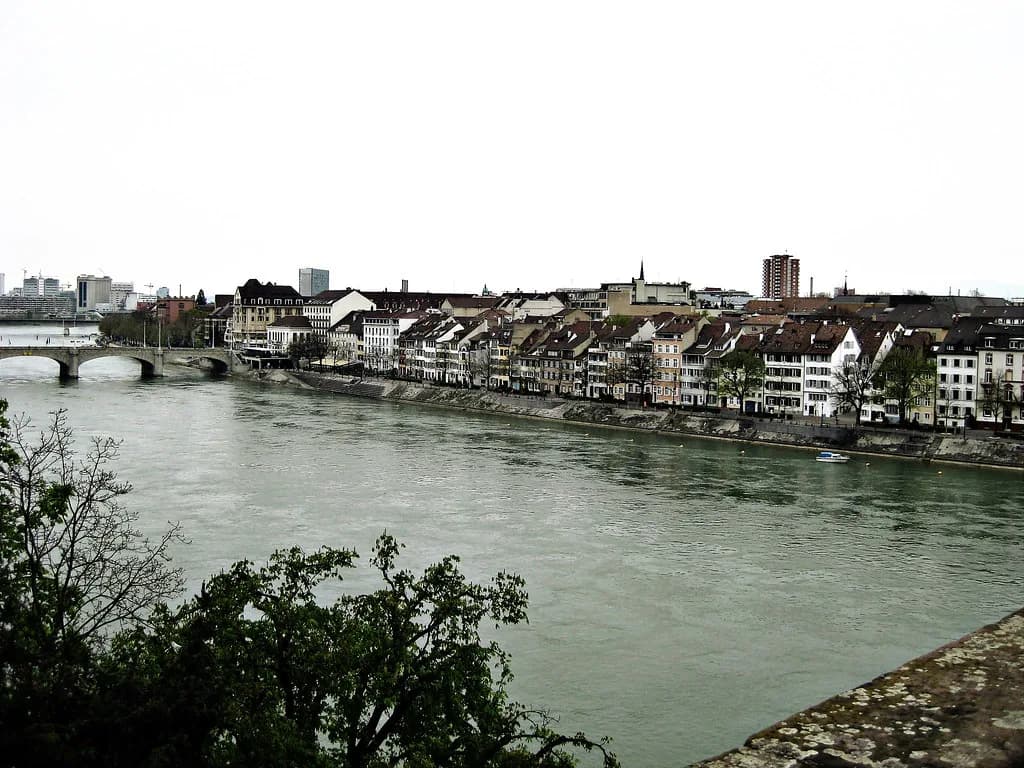
The city splits at the Rhine. Greater Basel on the southwest bank holds Marktplatz, the old town and Basel Minster; Lesser Basel faces it across the water. Plan each day by bank and you walk less and see more, with the tram network filling the gaps.
How Basel Is Laid Out
Basel sits where Switzerland, Germany and France meet, and the Rhine cuts the city into two halves. Greater Basel on the southwest bank is where you find the commercial and historic center, the medieval lanes and the cathedral; Lesser Basel on the far bank is quieter and quicker to cover.
The center is compact enough to see on foot or by tram, so you rarely need to plan around long transfers. Treat the river as the spine of your plan: old town and Minster on one side, the museum and exhibition quarter on the other, and one crossing a day.
When to Go and How Many Days You Need
Two days cover the old town, Basel Minster and a first museum; three days let you add a second museum and the modern architecture around the Exhibition Centre without rushing. Summer brings the long evenings that make the Rhine banks worth saving for after dinner.
Basel's festival calendar drives some of the city's busiest weekends, so it pays to know what overlaps your dates before you fix a plan. Two annual art and watch fairs are the headline events, and if one lands on your visit, book museum time early and expect crowds.
The Free Mobility Ticket and How It Changes Your Plan
Hotel guests in Basel receive a mobility ticket for the length of their stay, which covers public transport at no extra cost. That single perk reshapes the plan: you can base yourself slightly outside the old town and still hop a tram into Marktplatz in minutes.
The ticket also reaches into France and Germany, which makes a border hop a tram ride rather than an excursion. Staying in a hotel rather than a short-term rental is what unlocks it, so weigh that against any saving on accommodation.
Day 1 Morning: Marktplatz, the Rathaus and the Old Town
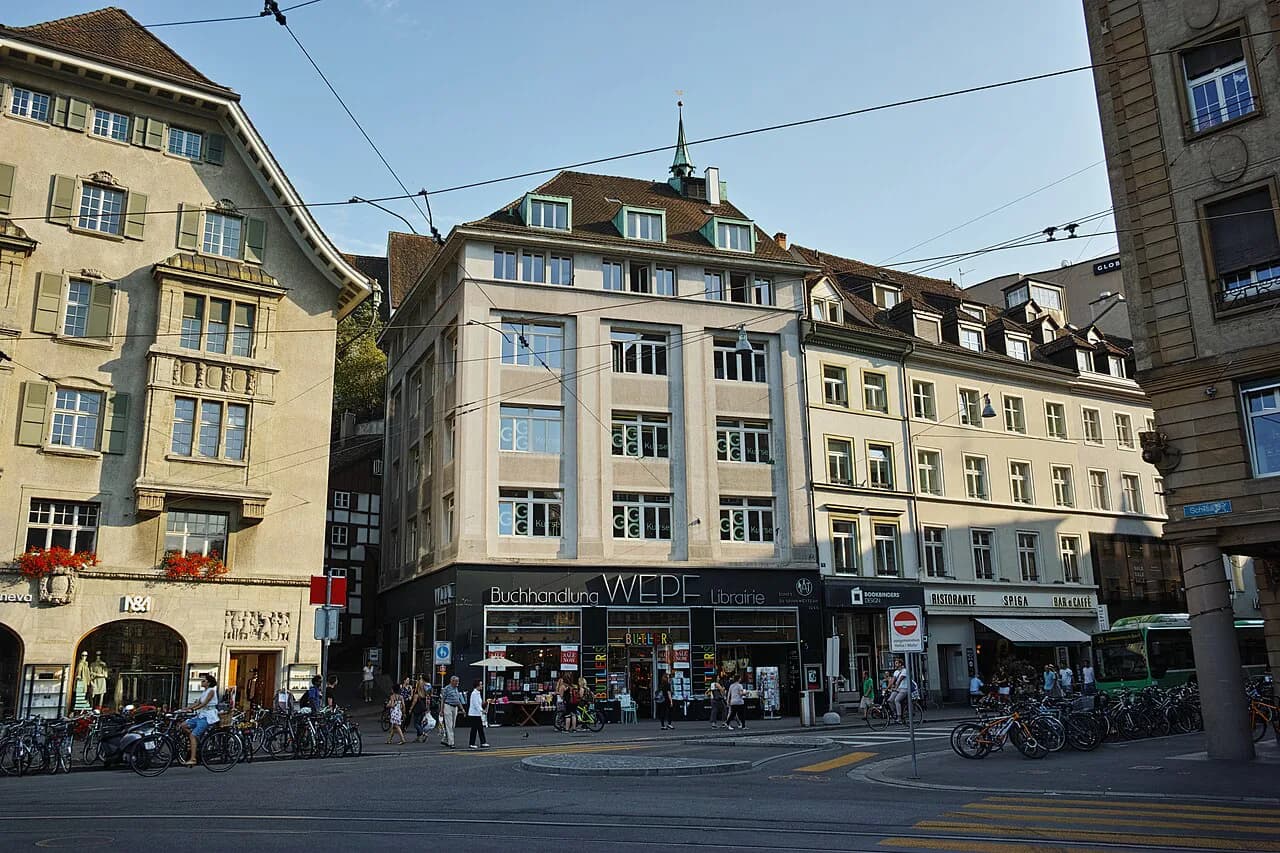
Start at Marktplatz, where the bright red Rathaus has housed Basel's government since the canton joined the Swiss Confederation in 1501. Look into the inner courtyard for the fountain statue of a Roman colonel, then walk the surrounding medieval lanes.
Weekday mornings bring market stalls to the square in front of the Rathaus, which makes it the obvious place to pick up fruit or a pastry before the walking starts. The old town climbs two hills, so the sloping cobbled streets feel village-sized even inside Switzerland's third-largest city.
Work Spalentor into the loop, since it is one of three surviving medieval city gates and stands close to the old town edge. Give the morning two to three hours with a coffee stop, and keep the pace slow because the hills reward wandering rather than ticking off addresses.
Day 1 Afternoon: Basel Minster and the Rhine Terrace
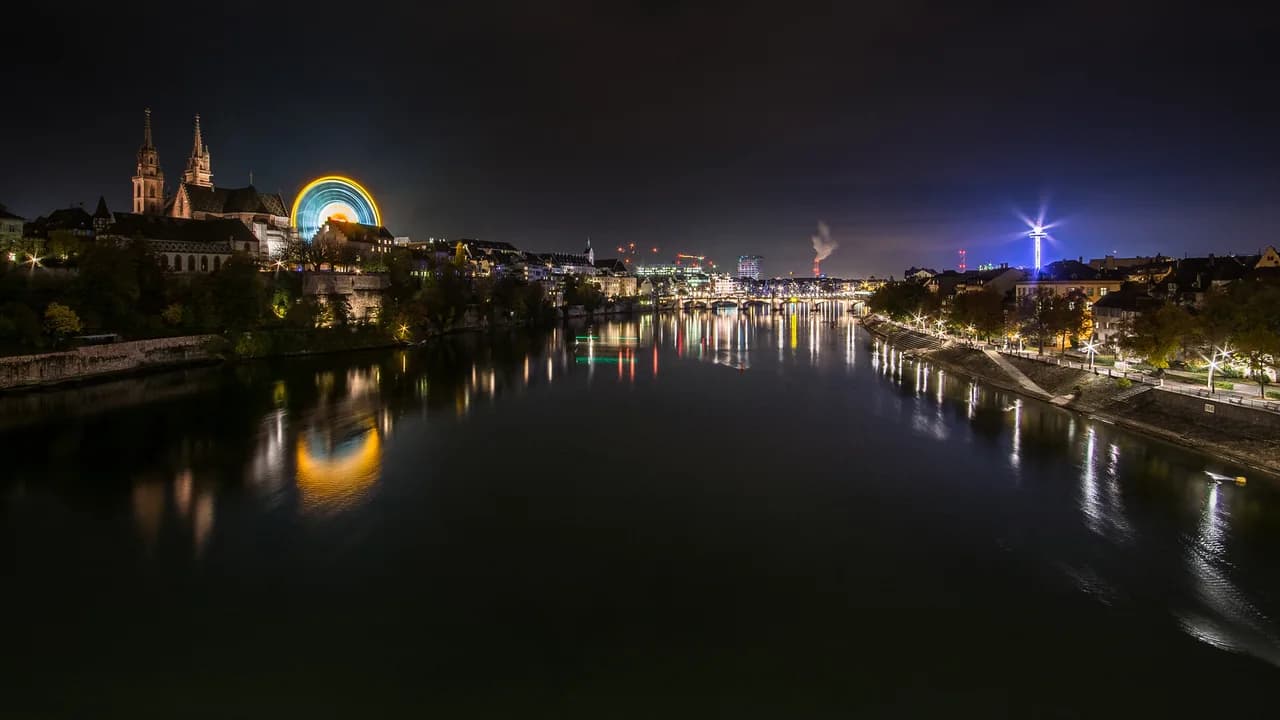
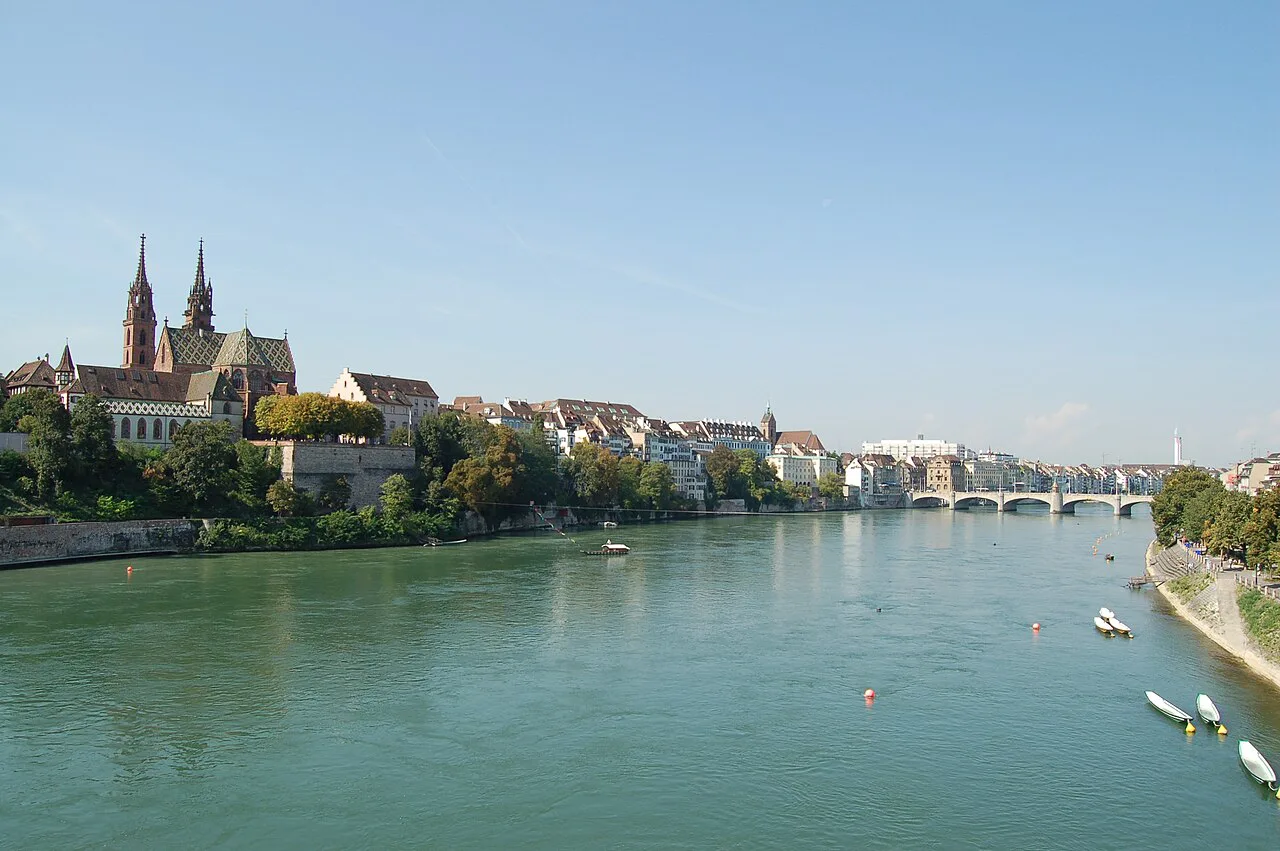
Basel Minster's red sandstone walls are visible from across the Rhine and anchor the city skyline. Step inside, then climb the tower for the city view, which is the single best orientation you will get in Basel.
Behind the church, a public terrace overlooks the river and the Lesser Basel bank, and it costs nothing to sit there. Save it for the end of the afternoon when the light softens and the cathedral crowd thins.
Day 1 Evening: Münsterplatz and the Riverbanks
Münsterplatz in front of the cathedral is where Allianz Cinema sets up an open-air screen for about three weeks each August, with food and drink stalls alongside. Check the current programme before you build an evening around it, since the run falls in one month only.
Outside those weeks, the riverbanks are the low-cost close to day one: bring a picnic, watch the light on the water and skip the taxi home. Walk back through the old town on the way to your hotel and the day ends without another tram fare.
Day 2 Morning: Choosing One Museum
Basel has a dense museum scene, so pick one and give it real time rather than sampling three. The Kunstmuseum holds old masters and modern work, including a room devoted to Picasso; the Jean Tinguely Museum occupies a striking glass-and-metal building; Fondation Beyeler sets modern art in green surroundings outside the center.
Choose on location as much as content. The Kunstmuseum and Tinguely sit on the Greater Basel side and fit an old town day; Fondation Beyeler demands a dedicated trip, which is why it belongs on day three rather than squeezed into day two. If you want the same art-first approach worked out street by street elsewhere, this 3 days in zurich itinerary shows how a museum block sits inside a compact city plan.
A rainy morning is the moment to switch a walking block for museum time, since the same indoor options solve both problems. If you prefer to keep the budget low, an afternoon in the old town costs nothing and the riverbanks are free.
Day 2 Afternoon: The Rhine and the Industrial Riverside
Cross to the Lesser Basel bank and follow the river to the old harbour area at Klybeckquai, where disused tracks lead to an open-air eating and drinking space called Landestelle. The walk itself is the attraction: industrial, quiet and unlike the postcard old town.
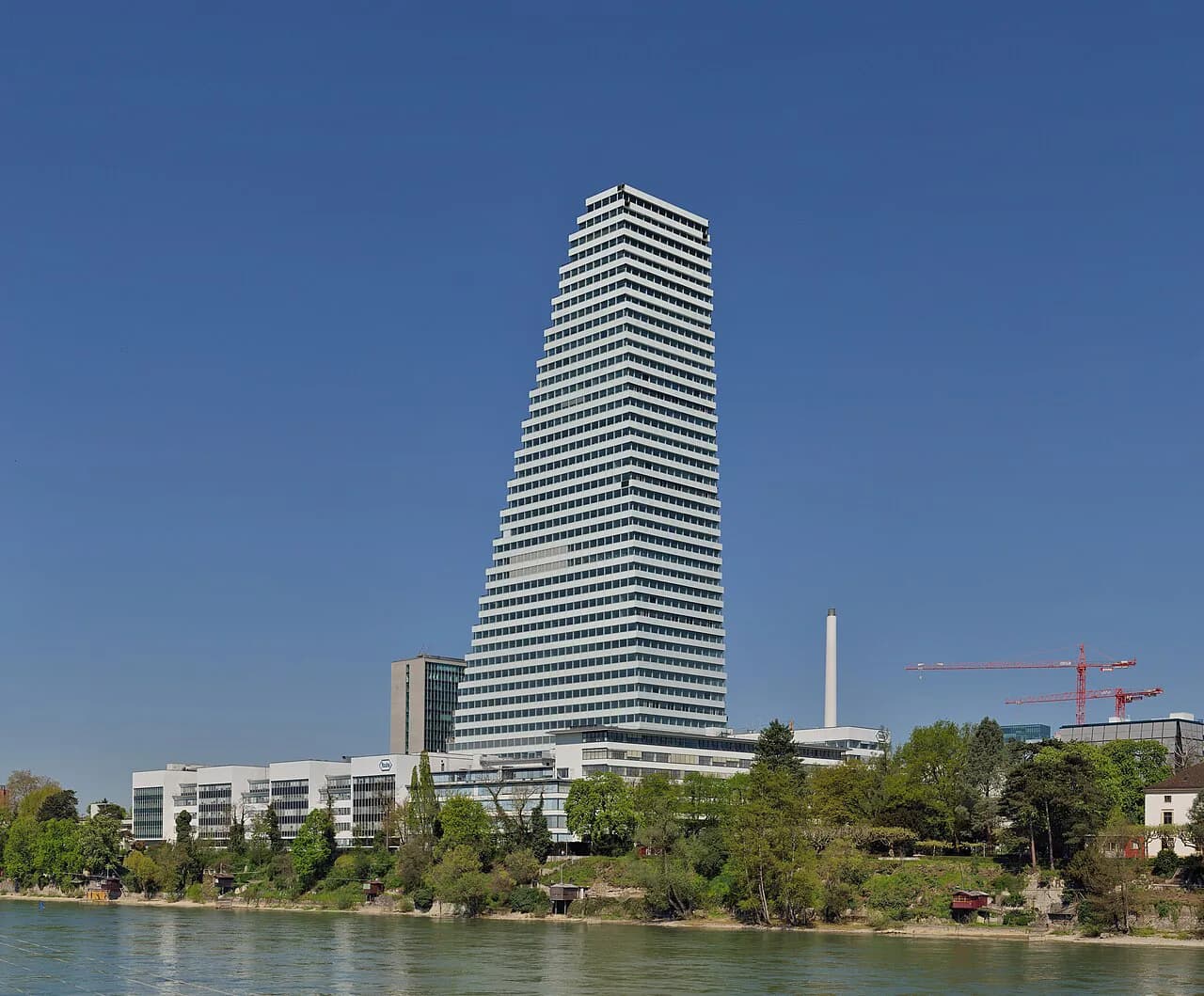
Alternative afternoon: stay on the Greater Basel side and look at modern architecture instead. The Exhibition Centre's outdoor entrance has a circular skylight that sends light flooding in, an easy stop if you are already heading that way.
Day 2 Evening: An Easy Close
Keep the second evening simple: eat near Marktplatz and walk the old town once more after dark, then turn in early if a third day is on the cards. The point is not to chase nightlife but to leave reserves for the museum morning that follows.
If you are already thinking about how to trim the plan, the weekend version shows where to cut without losing the Minster or the Rhine. That route works when you have two nights and one full day.
Day 3 Option A: The Modern City
Use the third morning for the city beyond the medieval core: the Exhibition Centre, contemporary architecture and the Tinguely Fountain on the old theatre site, whose moving sculptures were made by Jean Tinguely in 1977. The fountain's shallow basin is easy to miss if you are not looking for it.
Basel packs old and new architecture side by side, so a modern-architecture walk is short and rewarding rather than a whole day's project. Pair it with a market lunch and you have a relaxed third day that never repeats day one.

Day 3 Option B: Fondation Beyeler or a Day Trip
For a slower third day, give Fondation Beyeler a proper visit: modern art in calm green surroundings outside the center, which suits a half-day rather than an hour. Build in travel time and treat it as the day's main event.
If three days in the city still leaves you restless, a single excursion is an option rather than a plan: the Rhine Falls and the mountains around Lucerne and Interlaken are all reachable, but each eats a full day. Choose one and drop the museum instead of trying both.
Sunday and Monday Planning
Sundays change the rhythm of a Basel itinerary. A vintage tram tour runs for about an hour on Sundays only, with a guide covering the city's past, which makes it a sensible anchor for a slower day.
Check opening days for each museum you plan to visit before you fix the order of your days, and keep a walking block in reserve for whichever day a venue is shut. The old town, the Minster terrace and the riverbanks need no ticket and no opening time.
Costs in Swiss Francs and What to Check Before You Book
Switzerland is expensive, and Basel is no exception, so budget in Swiss francs and check current prices directly with each museum, tour company and the Basel public transport ticket offices before you commit. Prices and schedules change, and the city's own tourism pages and venue websites carry the figures that matter.
The biggest lever is the mobility ticket, which removes local transport from your budget entirely for hotel guests. After that, weight free walking and riverside time against paid museums, and decide how far your money should stretch before you start booking.
If the two-day and three-day versions both look workable, compare them side by side before booking transport. The comparison of one, two and three days sets out what each length actually adds.
Common Itinerary Mistakes
The most common error is overfilling day one with both banks of the Rhine. Pick a side, finish it properly and leave the crossing for the next morning.
Second mistake: treating the market as a photo stop. Weekday mornings at Marktplatz are when the stalls are busiest and the food is freshest, so build breakfast or lunch around them instead of walking past.
Third: assuming every sight needs a ticket. The Minster terrace, the old town lanes and the riverbanks are free, and spacing them between paid visits keeps both the budget and the pace sane.
Plan Your Visit
Two days give you Marktplatz, the old town, Basel Minster and the Rhine; a third adds one museum done properly and either the modern city or Fondation Beyeler. Group each day by riverbank, keep a free walking block for the day a museum is closed, and use the hotel mobility ticket to move around at no cost.
Before booking, confirm current opening days and prices with each venue, and check whether festival dates overlap your stay. If you are still deciding whether the city justifies the trip, the honest assessment of what Basel does well will settle it faster than another list of sights.
Explore more Basel guides
Frequently Asked Questions
How many days do you need in Basel?
Two days cover the core: Marktplatz and the red Rathaus, the old town on its two hills, Basel Minster with its tower view and the Rhine terrace. A third day adds one museum at a proper pace plus either the modern city around the Exhibition Centre or Fondation Beyeler. Group each day by riverbank so you cross the Rhine once rather than three times.
What can you do in Basel in one day?
Spend the morning at Marktplatz and the old town, including Spalentor, then move to Basel Minster in the afternoon and finish on the river terrace or the riverbanks. One museum fits only if you drop something else. The single-day version of this plan sets out the order in more detail.
Is Basel worth two days?
Yes, if you want the old town, the cathedral and one museum without rushing. Two days also leave room for the riverside walk to Klybeckquai or a slower evening on the Rhine banks. Three days suit travelers who want a second museum or a half-day at Fondation Beyeler.
What is free to do in Basel?
Walking the old town lanes, sitting on the terrace behind Basel Minster and strolling the riverbanks cost nothing. Hotel guests also receive a mobility ticket covering public transport for the stay, which removes local tram fares from the budget. Confirm the current terms of the ticket with your hotel when you arrive.
How do you get around Basel without paying for transport?
Stay in a hotel rather than a short-term rental, because the mobility ticket is issued to hotel guests for the length of their stay. It covers public transport and reaches into France and Germany. Ask your hotel for the ticket at check-in and keep it with you on the tram.
What should you do in Basel on a Sunday?
A vintage tram tour runs for about an hour on Sundays with a guide covering the city's history, which makes a good anchor for a quieter day. Pair it with a walk through the old town and time on the riverbank. Check current departure details before planning around it.
Are Basel museums closed on Mondays?
Opening days vary by venue, so check each museum's own website for the dates you plan to visit. Build a walking block, such as the old town or the Rhine terrace, into whichever day a museum is shut. That way a closure costs you an hour rather than the whole day.
How much does a Basel city break cost?
Budget in Swiss francs and check current prices with each museum, tour and ticket office before booking, since figures change. Switzerland is expensive, and the mobility ticket for hotel guests is the biggest saving because it covers local transport. Free walking and riverside time balances the paid museum entries.
Sources
Notes for your Swiss city break
Optional updates to our Swiss city guides.
You might also like
Continue reading
More guides you'll find useful