
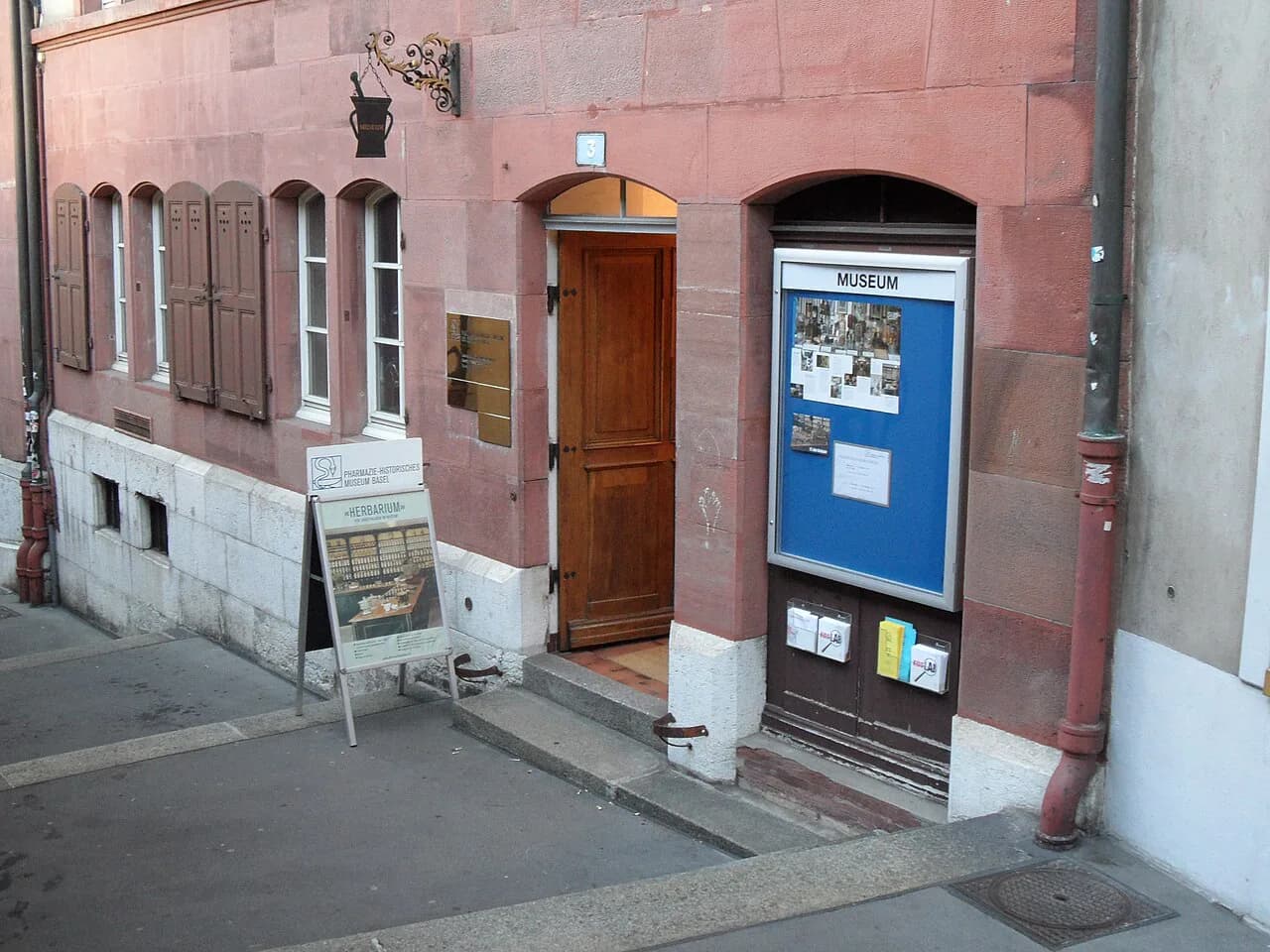
Pharmacy Museum Basel (Pharmaziemuseum): A Visitor's Guide

The Pharmacy Museum of the University of Basel, known as the Pharmaziemuseum, holds one of the largest collections of pharmaceutical objects and the history of pharmacy anywhere, with pharmaceutical ceramics, three pharmacy rooms from different periods and a historical alchemist laboratory complete with a stuffed crocodile. It is a specialist museum rather than a crowd-pleaser, so it rewards an hour of curiosity more than a rushed lap between bigger sights.
Basel packs its old town into a compact area on the Rhine, and most of the headline sights sit within easy walking distance of each other, which makes a small museum like this easy to slot in. Treat it as one stop on a half-day wander rather than a destination in itself, and it works well against the bigger art collections in the city; working out what else to pair it with is easier with a Basel itinerary that groups sights by area.
Where the Pharmaziemuseum Sits in Basel
The museum belongs to the University of Basel and occupies a historic building in the old town, on Totengässlein, a narrow lane just off the Barfüsserplatz area, a few minutes on foot from the Marktplatz and the Rhine. Use the lane name and the university connection for wayfinding, since the entrance is easy to miss on a small street.
Because it sits inside the old town, you reach it on foot from most central sights and tram stops rather than by car. The museum's own site has a getting-here page alongside its visit information, which is the reliable place to confirm the exact approach and any access notes.
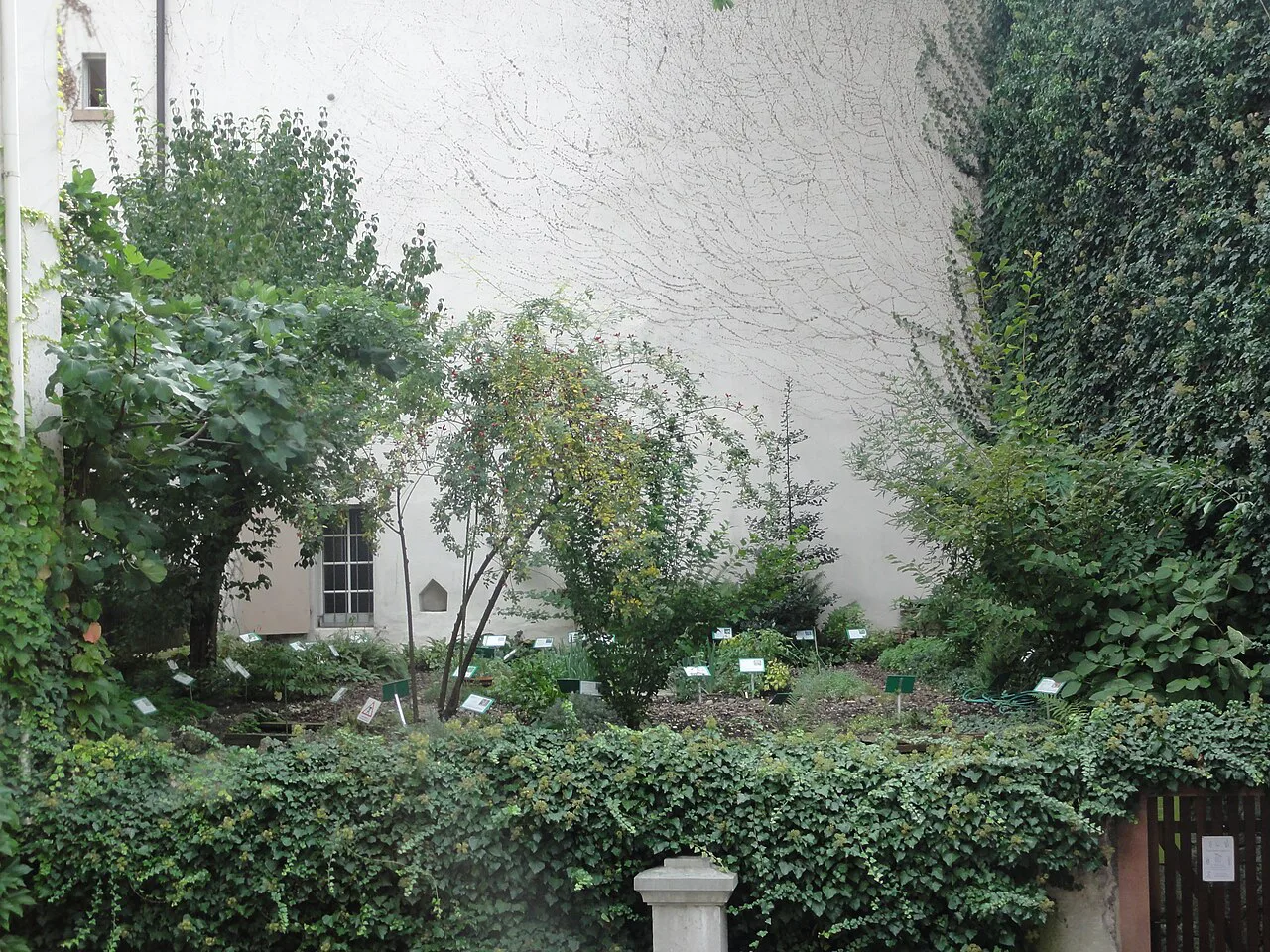
Pair it naturally with the Spalen Gate, the most spectacular of the old city gates, which stands a short walk away and pairs well with a small museum stop. The university's botanical garden nearby is another low-key option for stretching the walk.
Opening Hours and Tickets
Opening hours, admission prices in Swiss francs and any ticket or booking rules are published on the museum's own visit page, which is the place to confirm them before you set out. Do not rely on a figure remembered from an older trip, since hours and prices change.
The museum also lists guided tours, workshops and school and private-event offers on that same site, so if you want a tour rather than a self-guided walk-through, look up what the Pharmaziemuseum has scheduled that day.
If the schedule matters to your day, confirm it before you build the rest of your plan around the museum, particularly on a short trip where a closure would cost you a chunk of the afternoon.
The Collection: Ceramics and the History of Pharmacy
The core of the collection is pharmaceutical ceramics, the decorated jars and containers that apothecaries used to store and label their preparations, alongside objects that trace how pharmacy developed as a profession. For anyone with an interest in medicine, chemistry or craft, these shelves carry more interest than the object count suggests.
Displays of pharmaceutical objects run through the museum and give the visit its shape, moving from storage and preparation toward the wider history of the trade. Read the labels rather than skimming, because the value here is in the detail rather than in spectacle.
The Alchemist's Laboratory and Its Crocodile
The historical alchemist laboratory is the museum's signature room, staged with the props of early chemical work, including a stuffed crocodile hanging from the ceiling. It is the exhibit most visitors remember, and it makes the abstract history of pharmacy concrete in a way a cabinet of jars cannot.
Treat the laboratory as a set piece rather than a working space, and give it a few minutes to look at the equipment and the way the room is arranged. It is also the room most likely to hold children's attention on a museum stop.

Three Pharmacy Rooms from Different Periods
Three pharmacy rooms reconstructed from different eras show how the apothecary's shop changed over time, from fittings and shelving to the containers on display. Walking them in sequence gives you a quick visual timeline that is easier to absorb than a wall of dates.
The rooms also make the collection's ceramics legible, because you see the jars where they would have stood rather than isolated in a case. If you see only one part of the museum, this is the section that best explains what the place is about.
How Long to Allow and How It Fits a Half-Day
Budget roughly an hour for a focused visit and up to ninety minutes if you read the displays carefully, which keeps it a small stop rather than a half-day in itself. Basel's compact center means you can combine it with one larger sight without rushing either, and fitting it into a realistic 2- to 3-day Basel itinerary is straightforward.
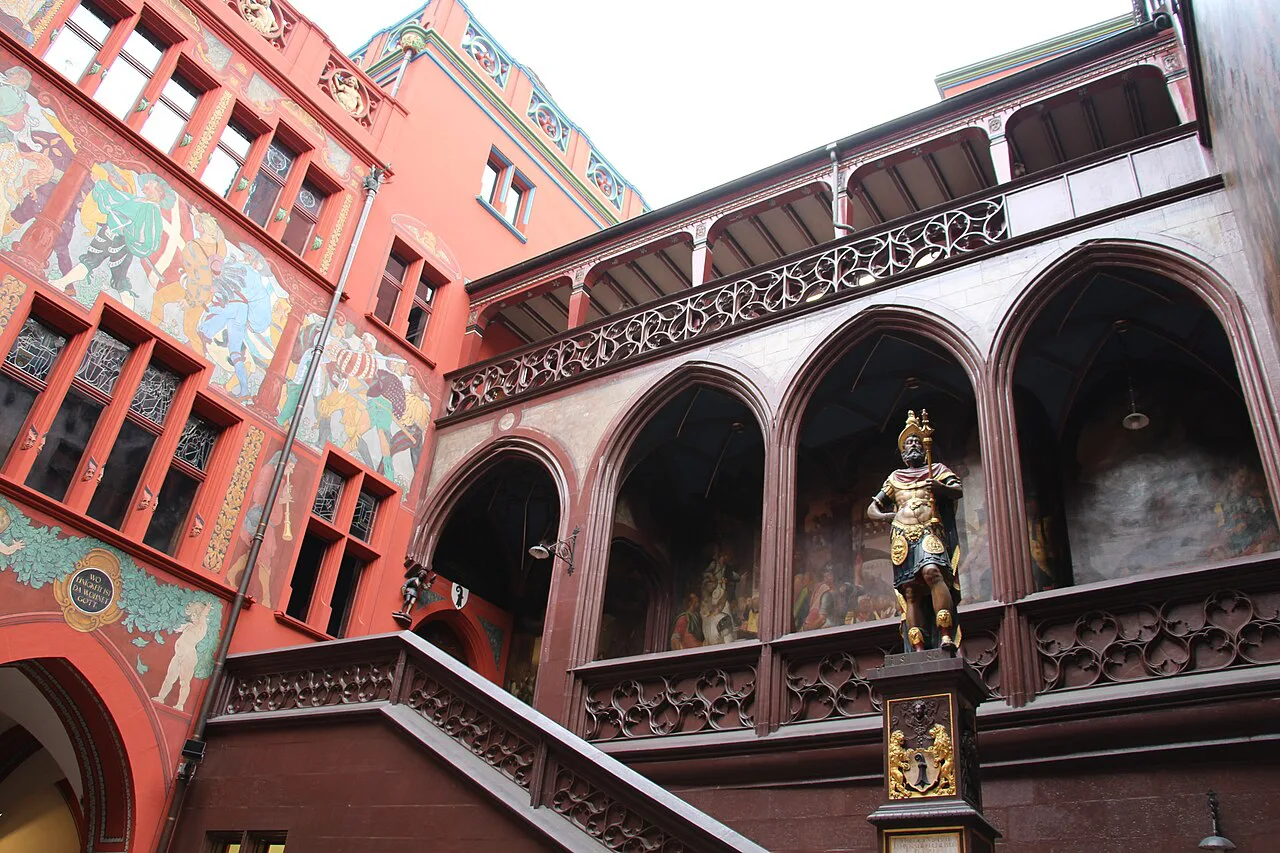
A sensible half-day in the old town pairs the pharmacy museum with the Basel Minster and its terrace above the Rhine, or with the Marktplatz and the decorated town hall. Both are close enough to reach on foot between museum stops, and you can see how these stops slot into a wider Greater Basel plan before committing your day. For the surrounding days, the best time to visit Basel guide helps you weigh crowds and weather before locking in dates.
If you would rather spend your museum budget on art, the Kunstmuseum is the obvious alternative and holds one of the oldest public art collections in the world. Plan one or the other for a short break rather than trying to cover both properly.

Nearby Sights to Pair with the Museum
The Markthalle, a food hall a few minutes from the main station, is a practical lunch stop before or after the museum, with many stalls selling international food at prices below most restaurants. Its central location makes it an easy anchor for a walking day.
For a different kind of collection, the Kunstmuseum Basel spreads across three venues, while the Fondation Beyeler sits further out and is worth its own trip rather than a quick add-on. A full list of what to see in the city is a better planning tool than stringing together stops on the day.
Practical Trade-offs: Cost, Language and Whether It Suits You
Basel is an expensive city, and a niche museum is worth the ticket only if the subject genuinely interests you. Non-specialists often get more from the alchemist laboratory and the period rooms than from the ceramics cases, so weigh that before committing an hour.
Labels and information in Swiss museums are frequently in German first, sometimes with English alongside; expect to read carefully if you do not read German. The pharmacy objects themselves are largely visual, so the language gap costs less here than it would in a text-heavy history museum.
If you are weighing whether the city justifies the spend at all, the honest answer is that Basel rewards travelers who like art, architecture and small collections rather than those chasing constant bustle. The pharmacy museum fits that profile precisely.
Plan Your Visit
The Pharmacy Museum of the University of Basel is a one-hour stop for travelers who enjoy the mechanics of an old profession, built around pharmaceutical ceramics, three period pharmacy rooms and an alchemist's laboratory with its hanging crocodile. It slots neatly into a half-day in the old town alongside the Spalen Gate, the Minster and the Marktplatz.
Check current hours, admission and any tour times on the museum's own visit page before you go, then build the rest of the day around it rather than the reverse.
Frequently Asked Questions
What can you see inside the Pharmacy Museum Basel?
The collection centers on pharmaceutical ceramics and objects tracing the history of pharmacy, plus a historical alchemist laboratory with a stuffed crocodile and three pharmacy rooms set in different periods. Displays of pharmaceutical objects fill out the visit.
How long does a visit to the Pharmaziemuseum take?
Allow about an hour for a focused visit, or up to ninety minutes if you read the labels closely. It is a compact museum, so it works as one stop on a half-day walk through Basel's old town rather than a full afternoon.
How much does the Pharmacy Museum in Basel cost?
Admission prices are set by the museum and published on its own visit page, so check the current figure there rather than relying on an older number. Any tour or group fees are listed alongside.
Is the Pharmacy Museum Basel worth visiting?
It is worth it if you are interested in medicine, chemistry or historical craft, since the alchemist's laboratory and period pharmacy rooms are the highlights. Travelers who prefer big art collections will get more from the Kunstmuseum Basel or the Fondation Beyeler.
Where is the Pharmacy Museum in Basel?
It belongs to the University of Basel and sits in the old town on Totengässlein, a short walk from the Marktplatz, the Rhine and the Spalen Gate. The museum's site has a getting-here page for the exact approach.
Does the Pharmacy Museum offer guided tours?
The museum lists guided tours, workshops and offers for schools and private events on its website; check there what is scheduled for your dates, as tours do not necessarily run daily.